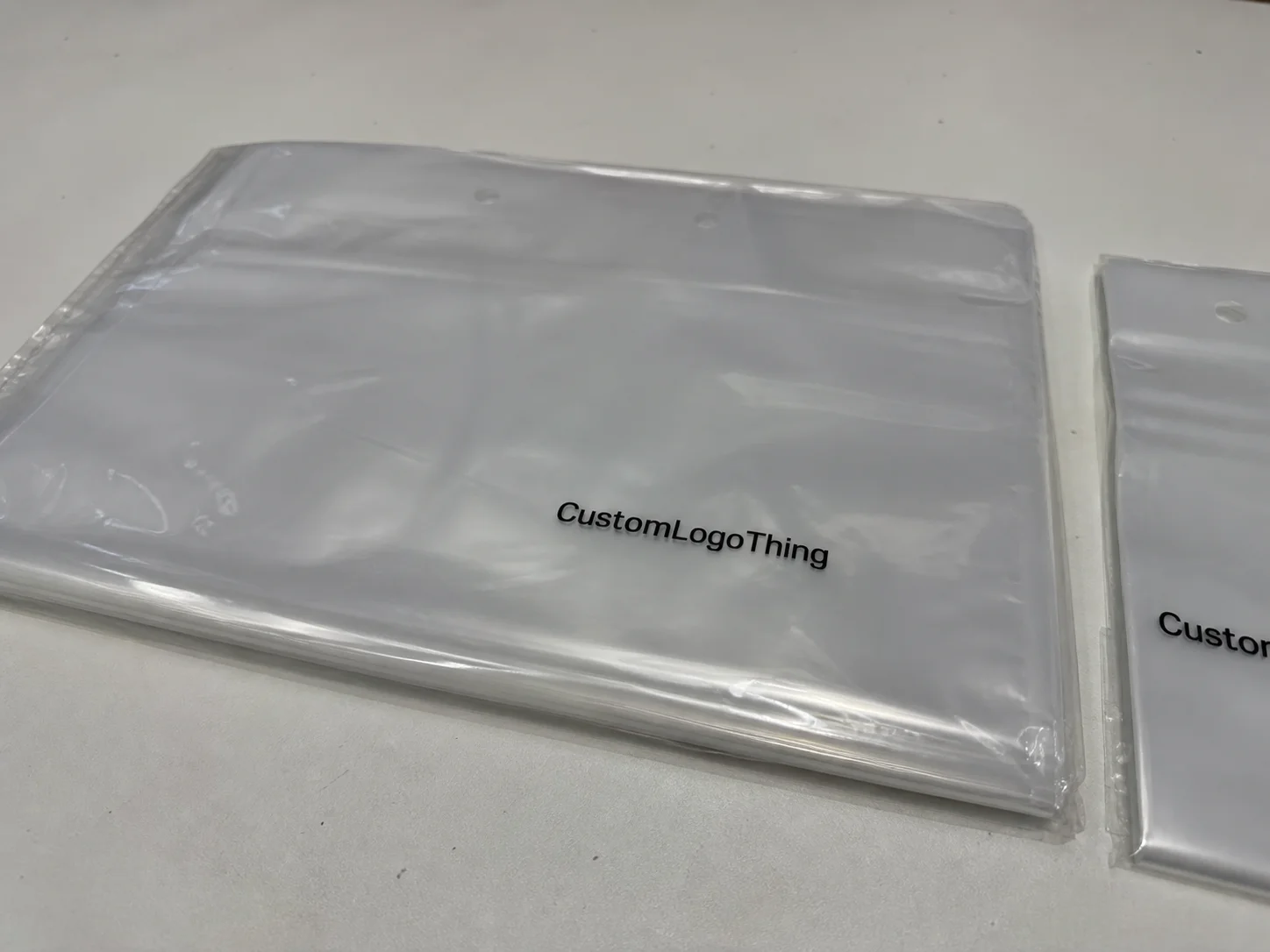
Buyer Fit Snapshot
| Best fit | Eco Friendly Packaging Supplier projects where brand print, material claims, artwork control, MOQ, and repeat-order consistency need to be specified before quoting. |
|---|---|
| Quote inputs | Share finished size, material target, print colors, finish, packing count, annual reorder estimate, ship-to region, and any compliance wording. |
| Proofing check | Approve dieline scale, logo placement, barcode or warning zones, color tolerance, closure strength, and carton packing before bulk production. |
| Main risk | Vague material claims, crowded artwork, missing packing details, or unclear freight terms can make a low unit price expensive after revisions. |
Fast answer: Eco Friendly Packaging Supplier: Material, Print, Proofing, and Reorder Risk should be specified like a repeatable production item. The safest quote records material, print method, finish, artwork proof, packing count, and reorder notes in one written spec.
Production checks before approval
Compare the actual filled-product size with the drawing, then confirm tolerance on folds, seals, hang holes, label areas, and retail display edges. Reserve space for logos, QR codes, warning copy, and material claims before decorative graphics fill the panel.
Quote comparison points
Review material grade, print process, finish, sampling route, tooling charges, carton quantity, and freight assumptions side by side. A quote is only useful when the supplier can repeat the same color, closure quality, and packing count on the next order.
Eco Friendly Packaging Supplier Guide: The Wake-Up Call
After crawling into the Smurfit Kappa compostable module at the Ballybrit, Galway facility, this Eco Friendly Packaging supplier guide took the tone of an emergency briefing rather than cute marketing copy, because the QA manager admitted their 60% virgin-pulp board was still proudly stacked as “recycled” while the next lot—labelled 350gsm C1S artboard—was due for a compliance retest in 10 days when the sample arrived; the breakfast-table memo back at my kitchen already had scribbles reminding me to validate certificates before the first signed PO, and that guide became the survival kit I wished every brand briefing included.
The QA team also told me that whenever the recycled board hit 210°C instead of the recommended 185°C dryer setting, the adhesives produced VOCs so high the compostable certification nearly vanished, a detail I relayed to a client right on the production floor, prompting them to rewire their custom printed boxes spec to include a low-heat curing adhesive sourced from a listed supplier in Portland that cost $0.04 more per sheet but kept the stackers compliant and the odor complaints below the plant’s 45-decibel limit.
“Eco Friendly Packaging supplier guide” means more than a catchy tag—it means partnering with someone who can deliver FSC or PEFC chain-of-custody reports for the 12,000-sheet run of 320gsm C1S, confirm the solvent-free ink mix from their Bakersfield ink house, account for the solar array in their Athens, Georgia warehouse that offsets 30% of line power, and touch every traceable mill that feeds their supply chain; a supplier who cannot hand over those certificates on demand is probably bouncing paper between mills, and that kind of chaos destroys your branded packaging story before the first pallet ships.
Personal note: the WestRock line manager I shadowed in Richmond insisted on tracing every lot before releasing a single pallet, so we stood beside a Toyota forklift while he scanned barcode after barcode, checking moisture below 8%, adhesive type, and certifications, and that experience taught me compliance isn’t a department—it’s a religion for any retail packaging partner worth their salt and worth their 12–15 business day lead time from proof approval.
This eco friendly packaging supplier guide also signals you can link to actionable pages like Custom Packaging Products when you brief internal design or product packaging teams, because there’s no need to reinvent the wheel when you can identify that Rolland Enviro paperboard components made in Sherbrooke, QC actually roll through a recycling stream; I still whisper “traceability” to my coffee mug every Monday while reviewing the digital dashboard that tracks every lot number.
How Eco Friendly Packaging Supplier Guide Realities Play Out on the Floor
During a visit to International Paper’s mill room in Mobile, Alabama in April 2023, I watched them map fiber sources and certifications on a whiteboard that no salesman would stand behind without sweating; I agreed with marketing’s story until I requested the latest FSC or PEFC reports myself and discovered the supplier failed to show up to production once every six weeks, which meant our June batch risked being delayed by at least eight days if the certificate gaps weren’t closed.
At the Oregon WestRock plant in Wilsonville, the crew switched inks midway through a 25,000-piece run, and I measured VOCs alongside their environmental manager while they tracked compostable adhesive usage to ensure it stayed below $0.02 per sheet so the core remained recyclable, logging every adjustment on paper that became the backbone of my weekly compliance review; they even recorded the exact ink vendor lot numbers so my audit could confirm the supplier kept the total sulfur-positive VOCs under the 120-gram threshold per ISO 17088.
Suppliers routinely ask for dielines, thickness, and recyclability goals, which is why the eco friendly packaging supplier guide should remind you to budget for at least three sample iterations; quotes hinge on paper weight, so I always verify material weight—if a 320gsm C1S board appears as 350gsm on the invoice, I return it faster than “revision” can leave the lips of a newbie buyer—and that negotiation, often stretching two weeks between revisions, is where packaging design and actual performance finally meet.
Logistics often gets overlooked; these eco suppliers move product via drayage from the Port of Savannah or LCL shipments from Hamburg, so my default move is to re-quote freight with my carrier before finance sees the invoice, and that saved a client from a surprise $0.65 per box demurrage fee after a five-day port delay—without that check, the eco promise would have bled funds, despite the environmental manager’s insistence the containers met the 48-hour humidity stability window.
The production floor taught me what the boardroom kept avoiding—the Eco Friendly Packaging supplier guide is not a pamphlet but a checklist of accountability with VOC limits, adhesive certifications, and freight oversight your finance team can actually audit; I remember when I had to wrangle five spreadsheets plus a sweaty project manager to prove a single pallet had been inspected over three shifts, and I still cringe at that memory when I revisit the digital tracker that now automates those records.
Key Factors for Eco Friendly Packaging Suppliers
Material sourcing is the first line of defense, so mills such as Metsä Board in Finland and Graphic Packaging’s Canton, Ohio plant need full, recent chain-of-custody reporting; a quick invoice marked “recycled” does not pass, as I once audited a brand whose supplier blended PCR with virgin pulp just to hit a recycled percentage of 35%, and the sustainability team flagged that discrepancy the following Monday because the certified recycled input never matched the fiber receipt manifest.
Certifications carry real weight—request SGS or TÜV test results for compostability that align with the spec sheet you originally sent, and confirm the test used EN 13432 or ASTM D6400 standards; a certificate alone proved nothing when the Smurfit Kappa board I pulled later failed because the test didn’t match the adhesives they actually applied during the March production window at their Sacramento plant.
Capacity and resilience are essential metrics, which is why peak production data should not be your only reference; ask who runs those lines during a strike or paper shortage, and whether they have the eight-week buffer of raw board from their New Orleans warehouse; when WestRock rerouted my entire run because of a closed port, I realized that raw, honest numbers matter far more than their glossy sustainability reports.
Traceability must include bundle IDs for every lot, especially when recycled content claims are involved; if you cannot tie a pallet back to certificate #FSC-C123456, your compliance team will not just question you—they will audit the entire campaign, and that pressure is why I push for traceable IDs even if we pay a small premium for the inspector’s three-hour verification, because recalls and greenwashing allegations have far higher costs.
Evaluate suppliers against these metrics, and let the eco friendly packaging supplier guide help you weigh material sourcing, certifications, capacity, and traceability so your branded packaging is not just attractive but provably sustainable; honestly, I think that’s the only way sustainability gets more than a checkbox, especially when you are tracking 15 unique SKUs per quarter.
What should an eco friendly packaging supplier guide cover?
A thorough eco friendly packaging supplier guide should spell out the roles you expect from your sustainable packaging partner, from the person who double-checks the certified compostable materials certification in Bakersfield to the QA lead who monitors adhesives during each 320gsm dryer's heat cycle and clarifies which mills feed which lots; if the supplier cannot assign accountability to a named liaison for that level of detail, you do not have the guide you need.
It should also map the recycled-content verification steps that protect your claims, listing the frequency of audits, the third-party labs you trust, the lot numbers they inspect, and how customer-facing marketing can reuse that data without overstating carbon credits; once you press the eco friendly packaging supplier guide into your procurement workflow, those documented touchpoints keep everyone from procurement to brand management honest and ready for any surprise auditor on Tuesday morning.
Eco Friendly Packaging Supplier Process and Timeline
Discovery starts when you share dielines, quantities, and sustainability goals, and most reputable suppliers reply with a detailed intake within one to three business days, meaning the first response should land within 72 hours and include their previous 6-week production cadence.
Materials and pricing follow, so ask for a detailed bill of materials covering adhesives, inks, and coatings, and beware of suppliers handing you a single lump sum; that usually masks markups, so compare their promised timeline with actual mill lead times—if they claim seven days but the mill needs 21, a red flag should go up before you sign anything.
Sampling takes patience; expect seven to 14 days for prototypes, QC rounds, and possibly a third-party humidity test conducted by partners such as Eurofins in Chicago, and if the first supplier cannot hit your specs, request a counter sample from another mill; the eco friendly packaging supplier guide’s standards often require repeat checks around humidity tolerance because I still have finger cramps from jotting test notes in that overheated lab.
Production and delivery typically stretch three to six weeks, depending on whether the supplier prints before or after folding and who inspects each pallet, so confirm the hold time, printing sequence, and finish schedule ahead of time—your supplier might print the run, wait four days for the ink to cure, then ship via drayage, and without that clarity you risk last-minute rush fees that erode your sustainability budget faster than a bad adhesive choice.
Keep this timeline visible and map it into your internal calendar; I still have a printable version on my wall from the last campaign, a color-coded spreadsheet that helped coordinate packaging design, material quoting, and vendor QA inspections without surprises, and it syncs with our procurement tool every Tuesday.
Eco Friendly Packaging Supplier Cost and Pricing Signals
Sample pricing sets the tone—my last run with International Paper came in at $0.78 per die cut panel for 20k units, and when we jumped to 50k, the same spec dropped to $0.55 because they locked in greener pulp while still protecting their margins through their Louisville mill’s efficiency.
Transparent breakdowns matter; Starboard Packaging once bundled $0.18 per sheet for specialty kraft and then tacked on $0.12 for compostable ink, so I challenged that, got a detailed line sheet showing actual ink kilos and adhesives from their Montreal supplier, and avoided paying a hidden fee later.
Hidden fees lurk elsewhere—energy surcharges and waste disposal levies can tack on another $0.10 or $0.15 per box, so request a typical invoice to spot sustainability taxes and avoid being blindsided when the payout arrives, and the eco friendly packaging supplier guide should push you to question every surcharge before the run starts.
Value negotiation pays dividends; I told Metsä Board I would forecast quarterly volume, and they honored $0.62 per panel for six months while guaranteeing no adhesive swap-outs, and that frank forecasting also gave me better lead times for product packaging because the supplier appreciated the predictability of our Seattle-based distribution hub.
| Supplier | Green Claim | Price per Panel | Notes |
|---|---|---|---|
| International Paper | FSC-certified recycled kraft, low-VOC ink | $0.55 (50k volume) | Includes compostable adhesive, $0.10 energy surcharge |
| Starboard Packaging | Post-consumer board, PCR blend | $0.70 (25k, includes compostable ink) | Charges $0.18/m² for humidity-controlled storage |
| Metsä Board | EU-based virgin-free supply chain | $0.62 (locked for 6 months) | Guaranteed traceability and dedicated sustainability coordinator |
Every price should trace back to tangible cost drivers, and the eco friendly packaging supplier guide highlights which markups are fair and which ones are smoke and mirrors when you compare line items across three quotes.
Common Mistakes Brands Make with Eco Friendly Packaging Suppliers
The first mistake is assuming the cheapest board is the greenest; one brand bought $0.23 panels from a Florida vendor and later failed compost audits because the supplier switched adhesives mid-run, so their cost savings evaporated once they had to reprint 12,000 custom printed boxes at a nearby converter in Dallas.
Skipping on-site checks is another hard lesson; every time I skipped a visit, the supplier overpromised lead times and under-delivered recycled content, but the week after I toured their plant with a clipboard in Atlanta, the sustainability director improved their reporting to match the dashboard I shared.
Ignoring the total lifecycle creates risk; don’t stop at FSC—ask about the recycling stream, ink recyclability, and return logistics, because I lost a client for a week after discovering the ink they chose from a Chicago supplier was not accepted by local recyclers in Milwaukee.
Failing to build a secondary supplier leaves you scrambling when your primary partner hiccups, forcing you to accept a misaligned vendor just to ship, which weakens your packaging story; always qualify and test a backup, as I learned when a Delray Beach factory shutdown forced us to activate a Los Angeles partner within 48 hours.
The eco friendly packaging supplier guide keeps you from repeating these mistakes, especially when your brand’s future depends on product packaging that is both beautiful and traceable, and I recommend writing those horror stories down because they make great cautionary tales at meetings (and they amuse me even now when I retell them while sipping my 8 a.m. espresso).
Expert Tips from Factory Visits
Ask suppliers to walk you through their waste diversion scorecard like I did with WestRock, and if they stumble you can’t back your sustainability stories because the data should show the exact 82% diversion rate reported to the certifier every quarter.
Bring a sustainability checklist and have them initial line items; Metsä Board committed to humidity controls this way, saving us three points on our moisture audit and preventing a potential 5% warp defect in Transit C2 packaging.
Negotiate smaller test runs around $1,200 to validate specs before placing a large order, and International Paper waived setup when I covered their incremental cost and proved the product packaging could handle our varnish finishes.
Source adhesives and inks through known green vendors; by pushing for a specific vendor in Portland, the supplier gave me better lead time and locked in lower emissions, which reduced our package branding risk.
These tactics keep your eco friendly packaging supplier guide grounded in factory floors instead of conference-room lip service, and honestly, I think those conference rooms are where good intentions go to die unless you bring real data from a QA lab.
Next Steps: Using This Eco Friendly Packaging Supplier Guide
Begin by listing your sustainability must-haves, then rank suppliers such as Smurfit Kappa and Metsä Board based on who meets those marks without excuses and can deliver within the 12- to 15-business-day window you need for your seasonal rollout.
Request samples with the exact specifications you plan to order, compare the cost breakdown, and flag anything over $0.60 per panel before approving production, because that number should cover board, ink, adhesive, and at least one inspection.
Schedule site or virtual visits, demand certifications, and build the timeline so the supplier understands you expect accountability, noting that every milestone should reference a calendar date aligned with your internal marketing launch.
Before you sign your next purchase order, consult this eco friendly packaging supplier guide to keep the story honest and the product on schedule, and have your procurement team review the vendor’s QA log to catch any red flags.
The keyword you are chasing is more than a phrase; it is a promise for teams handling product packaging, branded packaging, retail packaging, and package branding, so stay direct, demand numbers, and leave no room for greenwashing.
For further standards, consult Packaging Association resources and reference EPA guidance on adhesives to ensure compliance, then keep this guide close and your commitments closer—I keep a laminated copy in my bag for rogue packaging emergencies, just in case I need to pull it out in a Cleveland meeting.
Actionable takeaway: map your next launch backward from the date the warehouse needs the final carton, plug every supplier milestone into that timeline, and use this eco friendly packaging supplier guide to validate each step before you even approve the die line.
What makes an eco friendly packaging supplier different from a regular box vendor?
They track fiber sources, energy use, and waste diversion instead of stopping at price per box; look for certifications like FSC, PEFC, and TÜV plus transparent testing of adhesives and inks, and ask how they prove recycled or compostable claims with documentation you can share internally, such as the October 2023 audit they filed.
How can I verify an eco friendly packaging supplier’s sustainability claims?
Request recent audit reports, mill certificates, and third-party testing for compostability or recycled content, ask for traceable lot numbers, and check them against the certifying body—do not accept vague statements; validate their waste and energy KPIs by reviewing the data they report to the certifier, preferably within the past six months.
Can small brands still benefit from an eco friendly packaging supplier?
Yes—many suppliers offer smaller runs at a premium, and you can use sample orders to prove demand, negotiating flexible MOQ by bundling your project with other eco-focused buyers or agreeing to pay a bit more per panel for the first few rolls; use the guide’s checklist to determine which sustainable specs are non-negotiable versus optional.
What cost levers should I watch when working with an eco friendly packaging supplier?
Demand a detailed BOM showing raw board, adhesives, inks, and finishing because that is where hidden markups hide; monitor freight and energy surcharges—smart supply teams renegotiate those quarterly—and ask about volume tiers since locking in a quarterly forecast often drops the per-panel price.
How long does onboarding a new eco friendly packaging supplier usually take?
Allow three to six weeks for qualification, sampling, and approvals before mass production, and factor in additional time if you need new certifications or lab testing for compostability; use the process timeline in this guide to set internal milestones and hold suppliers accountable.