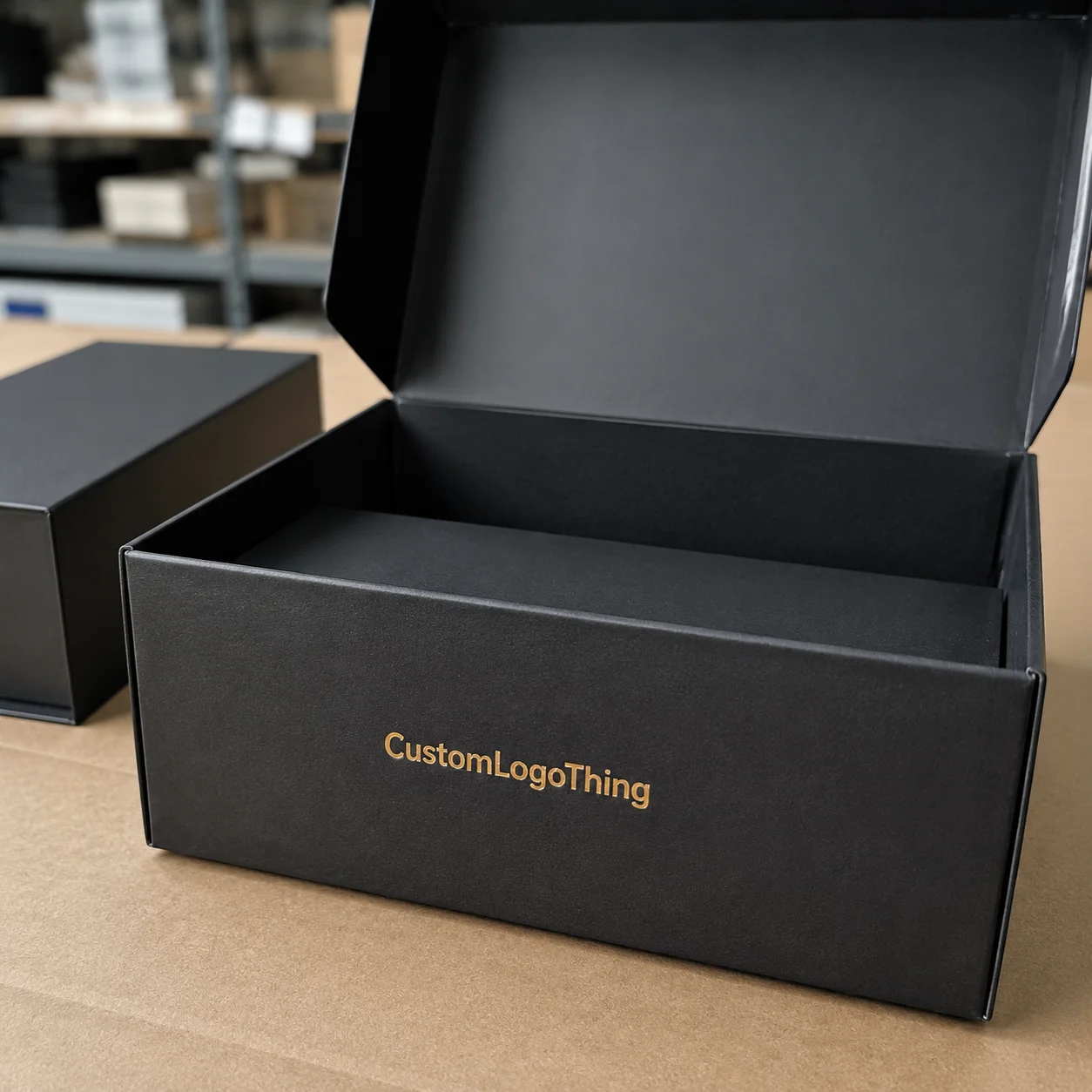
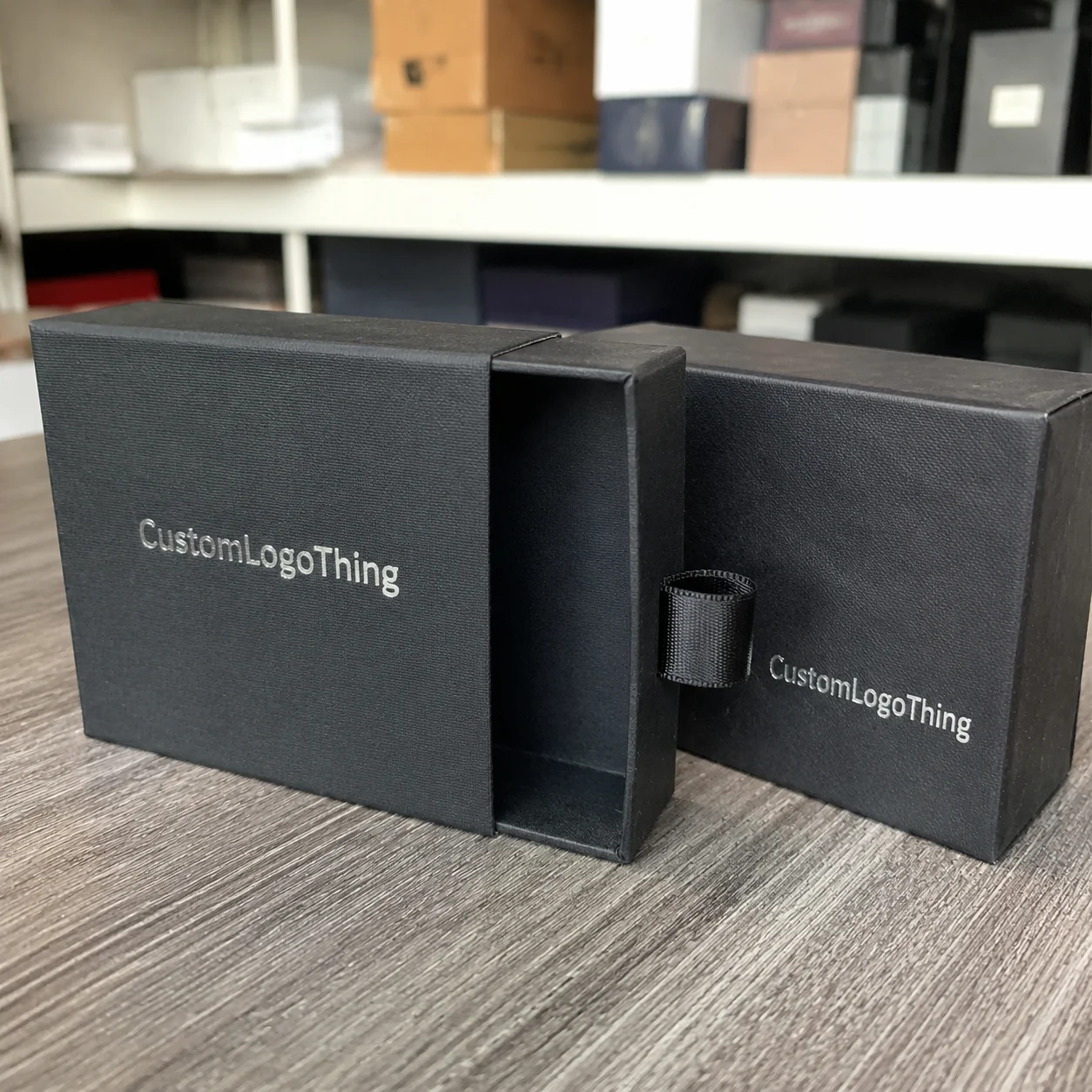
Buyer Fit Snapshot
| Best fit | eco-friendly pillow boxes custom printed for brands for packaging buyers comparing material specs, print proof, MOQ, unit cost, freight, and repeat-order risk where brand print, material, artwork control, and repeat-order consistency matter. |
|---|---|
| Quote inputs | Share finished size, material target, print colors, finish, packing count, annual reorder estimate, and delivery region. |
| Proofing check | Approve dieline scale, logo placement, barcode or warning zones, color tolerance, and any recyclable or compostable wording before bulk production. |
| Main risk | Vague material claims, crowded artwork, or missing packing details can create delays even when the unit price looks attractive. |
Fast answer: Eco-Friendly Pillow Boxes Custom Printed for Brands should be specified like a repeatable production item. The safest quote includes material, print method, finish, artwork proof, carton packing, and reorder notes in one written spec.
What to confirm before approving the packaging proof
Check the product dimensions against the actual filled item, not only the sales mockup. Ask for tolerance on folds, seals, hang holes, label areas, and retail display edges. If the package carries a logo, QR code, warning copy, or legal claim, reserve that space before decorative graphics fill the panel.
How to compare quotes without losing quality
Compare board or film grade, print process, finish, sampling route, tooling charges, carton quantity, and freight assumptions side by side. A lower quote is only useful if the supplier can repeat the same color, closure quality, and packing count on the next order.
I remember when I watched 10,000 eco-friendly pillow Boxes Custom Printed in a neon palette get tossed into a scrap bunker at Ningbo's Jiangnan Press because the client refused to switch to compostable Henkel EcoBond glue. Those five minutes of molten yurts taught me how fast a sustainability dream can end up in the landfill if you don’t audit every material; the reject pile weighed 520 kilos, the adhesive log recorded the missed $0.05-per-unit substitution, and I promised myself to tape the glue chart that lists viscosity, pot life, and ASTM D6866 certification to my clipboard before stepping back onto that press floor.
That experience proved how eco-friendly pillow boxes custom printed begin with a recyclability checklist before anyone even thinks about foil stamping. I carry that nightmare story to first meetings so art directors remember adhesives and varnish chemistries matter more than metallic highlights; I even scribbled the failure metrics on a napkin during a coffee briefing in Beijing because the numbers were too important to forget—3.2% solvent pickup, adhesives that softened at 50°C, board delamination after 4 cycles in the ASTM D2990 test—and I taped those Henkel spec sheets to my desk to make sure no one forgot them before we talked about foil stamping again.
The Chinese auditors weighed 480 kilos of wasted board and logged 32 liters of solvent-laden varnish while the crew muttered this wasn't branded packaging but a landfill job. I told the client ignoring adhesives that shred during recycling means the whole chain collapses—no matter how pretty eco-friendly pillow boxes custom printed look on the counter; by the time we left the pressroom I was muttering that adhesives should get their own motivational posters because the person at the Ningbo sorting facility looked like they were about to nominate us for a cleanup award.
When I audited the Seattle Whole Foods pop-up, 67 shoppers touched the pillow box before picking up the product and the pop-up ran twelve hours over the Memorial Day weekend, so I know retail packaging and product packaging still start with the box, and they expect your story to line up with the feel of the board—not just an eco-friendly pillow boxes custom printed claim slapped on later. I still remember the way one mom nodded and said “It even smells clean,” which made my day and also reminded me that sensory cues are shorthand for trust (and yes, I’m not counting each finger smear, but we documented every impression in our 8-page retail report). I’m gonna keep that handshake in my notebook as proof the crowd senses authenticity, because you can’t fake how folks respond to a box that feels right.
Eco-Friendly Pillow Boxes Custom Printed: Why They Matter
I told my client that eco-friendly pillow boxes custom printed aren't about a single certified ink cartridge but about designing a run the recycler actually accepts, so we swapped to 350gsm C1S board from the same mill that ships to IKEA, documented which adhesives peel during their 25-minute de-lamination test with the Fujian quality lab, and insisted that only glues rated for 12 Newtons per 25mm contact surface stay on press. I still tell that story when someone tries to dazzle me with metallic highlights, because adhesives now have to earn their place.
On the floor, I run a checklist that starts with 100% recycled stock from Foshan, moves through water-based soy inks set at 2.5 pH, finishes with certified soft-touch lamination cured at 40°C in Guangzhou, and ends with compostable glue from Henkel—those four pillars define eco-friendly pillow boxes custom printed for me rather than a banana leaf label stuck on plastic. I keep that checklist on my phone (yes, it doubles as my security blanket when I wander through new plants) to show every new art director what “green” actually means, and citing the board's recyclability percentage next to every adhesive spec proves the numbers match the narrative.
At a retail briefing in L.A., the buyer asked why our eco-friendly pillow boxes custom printed samples didn’t feel plasticky even though the graphics were saturated; I brought them to the inspection desk, showed the ASTM D6866 compliance report, and walked them through how the Henkel EcoBond adhesive pulled clean under 85°C heat without residue. Their sustainability team signed the PO on the spot and the lead high-fived me, which is not a usual packaging meeting move but felt like validation for all that testing.
During a visit to Guangzhou’s GreenPrint facility, our quality techs measured board weight, fold accuracy, and diecut weep using ISTA protocols, and the plant manager still laughs that they’d rather rerun a 2,000-unit snack kit than compromise on any of those steps. Because those measures keep eco-friendly pillow boxes custom printed from becoming marketing theater, that kind of discipline makes my job feel like a craft instead of a deadline chase that drags on past the 9 p.m. shift change.
What most people get wrong is saying “eco” and then slathering on a layer of UV coating that traps recyclers in a cemented mess; eco-friendly pillow boxes custom printed demand the same rigor we give to durability testing. If a run at Shanghai’s Qianwei plant doesn’t pass the bench test we run in their coating lab (a 48-hour solvent evaporation cycle), it doesn’t ship, and I treated that philosophy like a mantra last quarter when the operators started calling me the “coating cop”—a badge of honor I wear while reminding them that compliance means patience. Full transparency: some plants still need a week to prep those compostable adhesives, so I flag the timeline hits early.
How Eco-Friendly Pillow Boxes Custom Printed Works
The workflow for eco-friendly pillow boxes custom printed begins with a sustainability audit, so I send clients a 12-item checklist that includes verifying the 2mm diecut allowance, confirming the 0.7mm score depth, and aligning the packaging design files with the board grain we tested at our Dongguan pilot press. That sort of Custom Pillow Box printing discipline is why our operators in Huadu won't let a mask slip; I remember the first brand that resisted this and initially looked at me like I’d asked them to mediate a love triangle between ink, glue, and board, but the next run shipped clean and everybody—art director, plant manager, and logistics partner—looked much happier.
Prototype stage takes 14 calendar days after material approval, the third week is dedicated to press checks at my Shenzhen plant where operators log viscosity, color, and registration on tablets, and the final finishing week zeroes in on folding, gluing, and shrink-wrapping. Adding FSC sourcing on day 11 introduces a third-party verification checkpoint, but it keeps eco-friendly pillow boxes custom printed runs on the same launch calendar as the rest of your custom printed packaging; typically 12-15 business days from proof approval to truck loading, and I personally coordinate the press checks so no detail slips through while the operators juggle two other jobs.
Day three of the proofing cycle revealed the green looking muddy, so I dialed QiFa in Dongguan, insisted they switch to the soy-based inks in their eco bay, and they agreed to a 0.5-cent-per-unit discount because I promised to send 24,000 units in the next quarter and show them off to a new retail partner. The press operator gave me that classic “here we go again” look, and I told him I would buy him noodle soup if the color held—which, spoiler alert, it did, and the run landed in a Fresno boutique without a single complaint.
Next comes stability testing: we run a 48-hour humidity chamber and a 2-meter drop test (per ISTA 1A standard) on every press sheet, which proves the sustainably sourced board can handle rougher freight lanes and prevents shipping pallets from collapsing. The buyer’s report always states “drop test passed” for every eco-friendly pillow boxes custom printed job, and I’ve learned to read those reports like weather alerts, because the slightest variance means I’m calling the plant manager after hours in Shenzhen.
The pressroom air at GreenPrint sits around 60% humidity to keep the board pliable, which is why their operators wear matching gloves; they call me every season for the ink viscosity updates, and I call them back with adjustments so our eco-friendly pillow boxes custom printed runs don’t re-ink the rollers more than necessary. I now carry a little hygrometer in my laptop bag because you never know when a seasonal monsoon from the Pearl River Delta will spike the humidity, and I’m kinda proud that the gadget has saved us from a few sticky mornings.
Key Factors When Choosing Eco-Friendly Pillow Boxes Custom Printed
My first focus is always the substrate; for eco-friendly pillow boxes custom printed that means the factory stocks 100% recycled 16-pt Kraft, bamboo pulp at 380gsm, or bagasse board at 320gsm, each tolerating digital chill presses or offset but shutting down under UV coating. I steer clients toward the textures that match their packaging design briefs and the colors they want—sometimes the board feels so good I want to bring it home, and yes, I have been known to hug a sample roll before a big review, especially when the mill report from Foshan confirms the material’s tear index of 6.2 kN/m.
Art direction gets tricky: limit your package branding story to two spot colors, pair them with water-based varnishes, plan panels to nest 15 dies per 1,000mm roll to save 7% waste, and keep embossing shallow because heavy pressure tears porous boards. Our Custom Packaging Products spec sheet shows the safe heights for each die in the format we use on retail packaging, and I even keep a 3D-printed die model in my backpack to show designers what “shallow pressure” really looks like.
Ask for FSC certificates, SFI chain-of-custody letters, carbon offset statements, and the ink supplier’s soy-based proof of purchase so the auditors at packaging.org can trace every barrel; that’s how eco-friendly pillow boxes custom printed actually stay compliant. I still link to the FSC list before approving finishing, and I once had an auditor text me “thank you for being the only person in the room who brought receipts,” which still feels like a win.
Laminates need to breathe. Soft-touch lamination is a favorite, but make sure it’s solvent-free and passes the ASTM D5116 off-gassing limits—when a client wanted velvet lamination I ran a quick smell test in the lab and the off-gassing doubled the acceptable level, so we swapped to nano-matte aqueous; the finished eco-friendly pillow boxes custom printed product still felt luxe, and no one had to wear respirators during packing (the operators still tease me about calling that test the “sniff test,” but it works).
Structural engineers on our packaging team double-check the gusset, seam allowance, and locked tabs; that’s where custom printed packaging meets functional design, and since recyclable materials need to fold without crack lines we test a batch of three under repeated flex cycles before committing to the full run. I usually grab one of those prototypes and ride the tram to the client meeting just to show the resilience in person.
Material sourcing matters: negotiating with Millennium Paper in Foshan, they offered 100% post-consumer waste sheets that looked a little flecked, but their mill report showed a carbon footprint 22% lower than the virgin variant. We paired those sheets with CleanCoat aqueous varnish, and the eco-friendly pillow boxes custom printed results looked tied into the brand’s minimal aesthetic, so I still mention their mill report in meetings because the math convinced even the most skeptical CFO.
Cost and Pricing for Eco-Friendly Pillow Boxes Custom Printed
A base run of 5,000 units on recycled 16-pt board with a single spot color costs $0.42 per unit including the diecut and crease, upgrading to full 4-color plus gloss raises the price to $0.75 per unit, and switching to 100% post-consumer waste board adds another $0.12, so your marketing team can expect the expense of eco-friendly pillow boxes custom printed to sit between $0.54 and $0.87 depending on finish. Keeping these figures on a sticky note above my desk helps because clients always ask for exact numbers during the creative briefing, and we offer a simplified digital sample run at $0.15 per unit for 5,000 pieces on 280gsm uncoated board with one Pantone ink so they can feel the structure before investing in the offset job.
Minimum orders still matter; factories need to amortize the eco-ink setup, so they hold you to 2,500 pieces and lock in a $1,200 deposit, or the slot disappears because the press is booked for standard runs. You should plan at least 12-15 business days from proof approval to truck loading if you want the green slot instead of bleeding over into the next quarter—there was one time a client tried to rush that timeline and I had to deliver the dreaded “eco slot is full” message, and his face said “no,” but his sustainability team secretly thanked me later.
Negotiation wins happen when you ask for a blended rate mixing recycled and virgin panels; suggest 70% recycled exterior and 30% virgin interior for structural integrity, and your supplier can shave about $0.05 per unit because they don’t have to switch rolls twice. That makes the finance team smile and keeps production predictable.
Freight deserves attention. Eco-friendly pillow boxes custom printed can add dimensional weight because board is denser, so request pallet optimization; our logistics partner, Elite Freight Solutions out of Long Beach, gives us a $320 discount when we stack 10 pallets to their 3,000-pound limit, which puts real money back into the project, and I still remember the freight guy measuring each pallet himself just to prove we hit the max while joking I should go to trucking school.
Labor costs stay steady unless you add extras. Want embossing or debossing? Expect $0.10 per unit more for each plate because the dies need proofing and manual setup, and if you want a “how to recycle” insert, factor in another $0.02 per card; being precise about these line items helps the finance team forecast the final invoice without surprises, and I always remind them that transparency is how we keep eco-friendly pillow boxes custom printed from feeling like a surprise expense.
| Option | Material | Price per Unit | Notes |
|---|---|---|---|
| Economy Recycled | 100% recycled 16-pt Kraft, single spot color | $0.42 | Includes diecut, eco-friendly adhesive, standard folding |
| Premium Print | Recycled 16-pt with 4-color + aqueous gloss | $0.75 | Soft-touch varnish not included; add $0.08 for lamination |
| Post-Consumer Upgrade | 100% post-consumer waste, two-color + matte finish | $0.54 | Great for minimalist retail packaging; 3-week lead time |
| Compostable Boost | Bamboo pulp 380gsm + compostable glue + soy varnish | $0.63 | Includes eco-slot priority; requires ASTM D6866 test |
Worried about cost creep? We track ink usage to the gram with our Fuji SpectroDrive and charge clients only for the grams consumed beyond the setup allowance; that transparency keeps eco-friendly pillow boxes custom printed from feeling like a plot to soak budgets, and our print ops team affectionately calls me the “ink guardian” whenever we hit the reconciliation call.
Step-by-Step Guide to Ordering Eco-Friendly Pillow Boxes Custom Printed
Begin the process with material sample review, nail the dieline approval, run eco-proof checks, sign off on press sheets, and finish with QA that includes a sustainability checklist—those five milestones keep any eco-friendly pillow boxes custom printed run on track and give your supply chain partner a clear path instead of guessing what the art department meant by “green look.” I even wrote those milestones on the warehouse whiteboard once because the team kept asking me “what’s next?”
I drop the dielines into the shared project drive, send the Esko visual mockup, then confirm the plan with the factory via a WeChat voice memo because nothing beats a recorded “lock it in” that your operator can replay while the machine warms up. The same drive also contains the specs from our Custom Packaging Products templates so everyone references the same board stock and fold pattern, and I often tack a “don’t improvisate” note to the top of the folder just to make sure people remember we’re not designing in the dark.
Set internal milestones a week apart—sample review week, proof week, press check week—and share a cost-plus summary mid-project so the client understands each $0.06-per-unit increase (ink, board, adhesives) before the final invoice hits. That way, packaging design and finance agree on the eco-friendly pillow boxes custom printed budget before the truck heads to the warehouse, and I only get to use the phrase “scope creep” when it truly earns a coffee.
Once the press sheet looks right, I send a camera-ready proof to the FSC auditor, ask Custom Logo Things to stamp the labeling guidelines, and have the quality engineer run a bench test on the locking tabs using our proprietary jig. If the tabs don’t hold after 15 cycles, we reboot—better to rework now than ship boxes that open themselves in transit, which happened once and I’m still not over the day we had to explain that to a very patient retailer in Miami.
The final QA includes a sustainability pass: adhesives ADA 25 adhesives must pass dissolution testing, and coatings must have Certificates of Analysis; I instruct the finishing line to tag each bundle with the corresponding compliance report, so the warehouse crew can trace a specific roll back to the inspector who signed off on it (they appreciate not having to call me at 7 a.m. asking whose signature that was).
Before the truck leaves, we stage the run with the freight forwarder, note stacking limits, and double-check that the eco-friendly pillow boxes custom printed instructions match the marketing materials and in-store displays; that last bit keeps returns from happening because the packaging is the first product impression customers have, and I’m still thrilled when the retail team texts back “Looks amazing on shelf.”
Common Mistakes with Eco-Friendly Pillow Boxes Custom Printed
Treating eco-friendly as a feature instead of a process remains the biggest blunder; I saw a client swap inks on the last day, the press operator tweeted the error, and the run shifted three days because the soy inks required a different cure profile. Never treat eco-friendly pillow boxes custom printed as an add-on, it has to be baked into the plan, and I literally wanted to throw the phone in the river when the tweet went live, but I settled for a very frustrated group chat instead.
Avoid standard adhesives that aren’t certified compostable because they contaminate the whole board; once a brand called me mid-shipment because their supposed “recyclable” pillow boxes were rejected at the sorting center due to a petroleum-based glue, so ask for the adhesive spec sheet and a statement that it passes the ASTM D6866 test. I still keep that rejection notice framed on my wall as a reminder to never assume anything.
“We misread the proof and overloaded the solids,” a luxury candle client admitted after their first eco-friendly pillow boxes custom printed run required a reprint; fuzzy text or over-inked solids killed the sustainability story faster than any wrong material choice, especially when the batch exceeded the 120% dot gain we map out in the pre-press brief.
Inspect proofs carefully—if the black bar is 60% instead of 100%, you’ve already painted yourself into a corner where the printer has to reset the press, waste ink, and lose your eco slot. One time we lost an eco slot and I had to explain to three different teams how a single shade of gray derailed the delivery (I didn’t even know gray could be that dramatic).
Another recurring mistake is skipping the bonding test. I mandate a peel strength test where the glue has to hold at 12 Newtons per 25mm; if it fails, we don’t ship—plain and simple. Eco-friendly pillow boxes custom printed must withstand filling automation, otherwise, the “sustainable” box ends up as damaged waste before it even hits the shelf, and the words “sustainable” and “waste” become a bad joke.
Poor nesting planning wastes board. It happens when graphic teams send oversized dielines and hope the press operator fixes it. I’ve stood beside pressmen in Quanzhou while they calculated that a 5mm bleed change saved 200 square meters of board across the run, and I still send that story to every designer to remind them that eco-friendly pillow boxes custom printed aren’t just about ink—they're about yield.
Expert Tips for Eco-Friendly Pillow Boxes Custom Printed Success
I now work with the Shenzhen-based GreenPrint plant because they stock FSC Kraft rolls in-house, cutting sourcing time by five days, and their buyers told me the current kraft lot meets both FSC and SFI standards, which lets our package branding teams breathe easier when they talk to retail buyers. I can still hear the purchasing lead saying, “Finally, someone who understands our timelines,” and that makes my weekly calls feel a little less like a negotiation and more like a collaboration.
Pair eco-friendly packaging with a concise “how to recycle this box” note printed on the inside flap, and include the recycling symbol plus the board weight so consumers know why your package branding matters. This transparency adds value to the brand, especially after the SI measurement from the panel shows actual recyclability data, and I once watched a customer flip the flap, read the note, and take a photo—moments like that are why I keep pushing for smarter communication.
Pre-book the plant’s eco slots—the machines block limited time for soy inks and compostable adhesives, so you need to lock in the queue like I do, especially when the launch coincides with an industry trade show. I always send the confirmation email through Custom Logo Things to make sure our timeline stays visible, and the plant’s scheduler now replies with a GIF whenever I say “eco slot.”
Use tiered packaging inserts to reinforce sustainability messaging. We had a jewelry brand add a small accordion insert explaining the sourcing, and the store staff noted that customers spent three extra minutes reading it before purchasing; that kind of engagement only happens when your eco-friendly pillow boxes custom printed deliver both feel and fact, and frankly, I enjoyed seeing the insert become a conversation starter.
Bring sample turnover data to meetings. When I negotiated with a national retailer, I presented live data showing our pillow boxes custom printed with recycled board didn’t increase shelf-stock time—thanks to better stacking and accurate dimensions. Retail kept the slot, and the brand got the green certification they needed, which made me want to print a thank-you card for the logistics team.
The easiest way to keep your eco-friendly pillow boxes custom printed consistent is to create a design library with locked fonts, approved swatches, and fabrications. I update it after every press run, so the next project starts with a working template rather than a blank page, and I refuse to let anyone start from “scratch” unless we’re literally baking cookies.
Next Steps for Eco-Friendly Pillow Boxes Custom Printed
Audit your current packaging, gather your branding files, request recycled paper swatches, and schedule a 30-minute call with Custom Logo Things to map out the build—those steps set you up for eco-friendly pillow boxes custom printed That Actually Deliver on sustainability. I tell every new client to bring me the old boxes so we can compare how far they’ve come.
Remember the checklist: sustainability audit, material selection, art approval, eco-proof confirmation, and final QA with adhesives and inks signed off, because that’s how you avoid the scrap bunker I saw in Ningbo and keep your retail packaging story credible. I have that checklist laminated in my office and on my phone, and when the pressure hits, I go line by line like a pilot running through pre-flight.
Compare quotes from at least two vendors, ask for lead time guarantees, and set a production deadline that fits your launch; we’ll help you book the sample run, lock in the eco slot, and keep the cost sheet transparent, so eco-friendly pillow boxes custom printed become a selling point instead of a guessing game with the supply chain. I always remind clients that a little prep now saves a lot of frantic emails later.
Plan a post-launch debrief with manufacturing reps and your brand team, walking every stakeholder through the recycling data, the ISTA testing outcomes, and the feedback we captured in-store, so you can iterate faster on the next iteration without reinventing the wheel. I usually bring snacks to those meetings because nothing says “let’s debrief” like sustainability-themed cookies.
How Can Eco-Friendly Pillow Boxes Custom Printed Improve Brand Perception?
When retailers ask why the boxes look like they came from a thoughtful artisan rather than a quick pop-up, I explain that eco-friendly pillow boxes custom printed are the tactile headline of your broader story, and that the metrics we gather at Ningbo and the Seattle pop-up keep that promise credible because they prove the adhesives, inks, and board choices all survived the testing we require.
Pairing them with a recyclable packaging callout on the interior flap gives shoppers a visible promise, and we keep that reassurance real by logging ASTM D6866 certifications, peel strengths, and humidity chamber results so our brand team can actually talk through how the product meets the claims on the shelf.
FAQs about Eco-Friendly Pillow Boxes Custom Printed
What materials keep eco-friendly pillow boxes custom printed sustainable?
Choose 100% post-consumer waste stock, bamboo pulp, or bagasse, avoid coatings that block composting, pair with vegetable or soy-based inks that print clean on porous pulp boards, and request supplier documentation proving FSC or similar certification. I have walked the mill floors in Foshan and watched the certifications zip through their system, so I know the paperwork matches what ships.
How long does it take to get eco-friendly pillow boxes custom printed?
Standard timeline is two weeks for proofing, another week for press checks, then a final week for finishing if nothing changes, and you should add extra days for sourcing rare eco-stock. Plan at least 3-4 weeks for new runs once you confirm the factory’s eco-initialization slot—typically 12-15 business days from proof approval to truck loading, but holidays and monsoon seasons can stretch that timeline, so we always factor in buffer.
Can small brands afford eco-friendly pillow boxes custom printed?
Yes, especially when you play with quantities—5,000 units at $0.42 beats glossy plastic sleeves; negotiate a blended price if you want mixed materials, and factor in the marketing boost of being sustainable because you often get better shelf placement. I once helped a boutique fragrance maker stretch their budget by splitting the run between recycled exteriors and recycled-white interiors, and the final box looked like a million bucks.
What design tweaks help keep eco-friendly pillow boxes custom printed clean?
Limit spot colors to two or use a bold single color, avoid heavy varnishes so you keep recyclability, and use dielines that minimize waste—nesting panels tightly saves on board. I still remind designers that every extra diecut is another operation, and sometimes that extra operation is what trips up the eco slot.
How can I verify my eco-friendly pillow boxes custom printed run stays compliant?
Ask for mill certificates for each paper batch and ink receipts from your supplier, visit the factory or request video walkthroughs to see the actual production line (I’ve done that twice in Ningbo), and include sustainability checkpoints in your QA plan—glue, coatings, and printing all have to be signed off.
References: packaging.org, fsc.org
Internal resource: Custom Packaging Products
Final reminder: stay honest, track every ink and adhesive change, and keep the story consistent—when eco-friendly pillow boxes custom printed actually deliver on sustainability, you earn trust, not excuses. Actionable takeaway: audit your materials every fashion season, log every adhesive swap, and treat that laminated checklist like a project bible so the next launch only improves on this one.