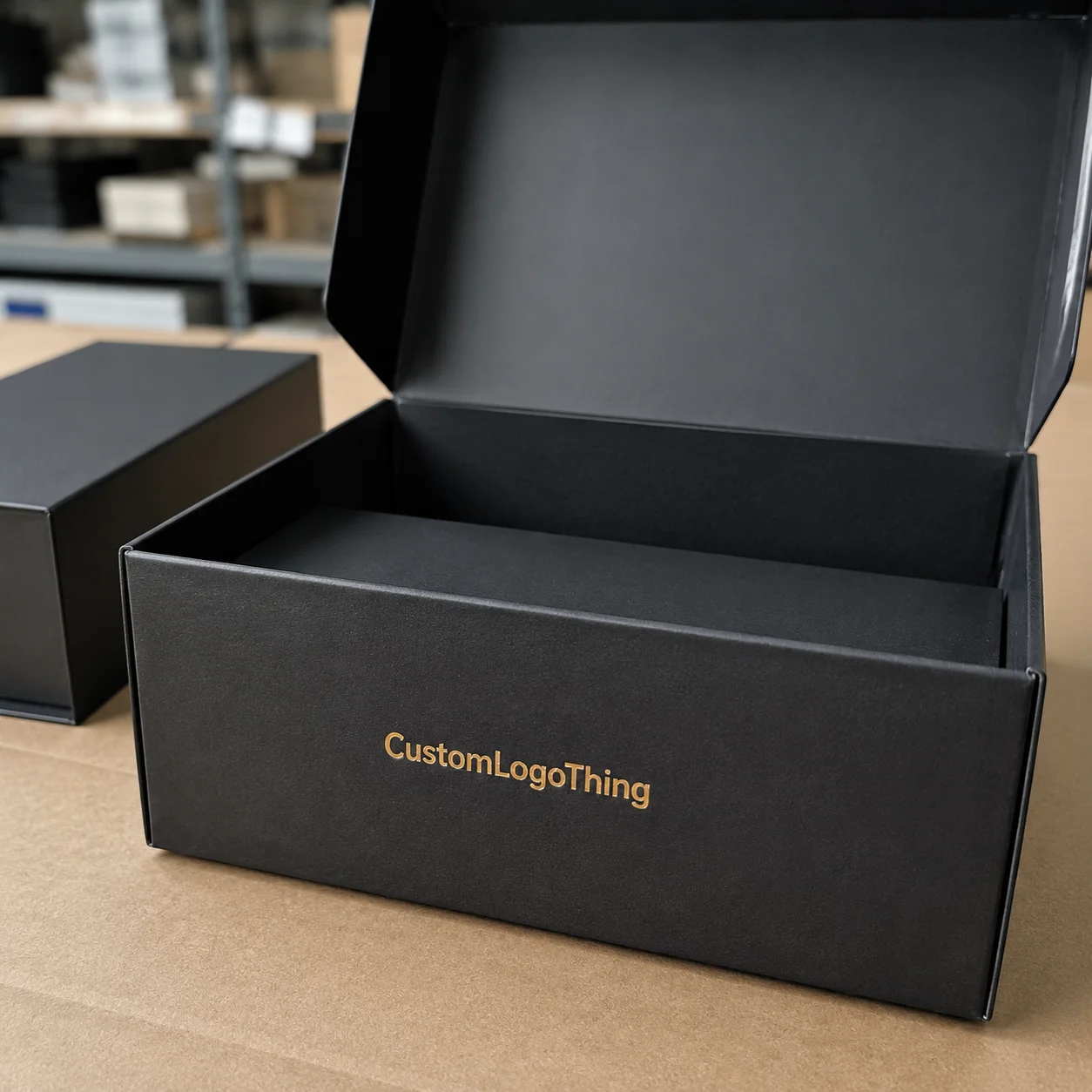
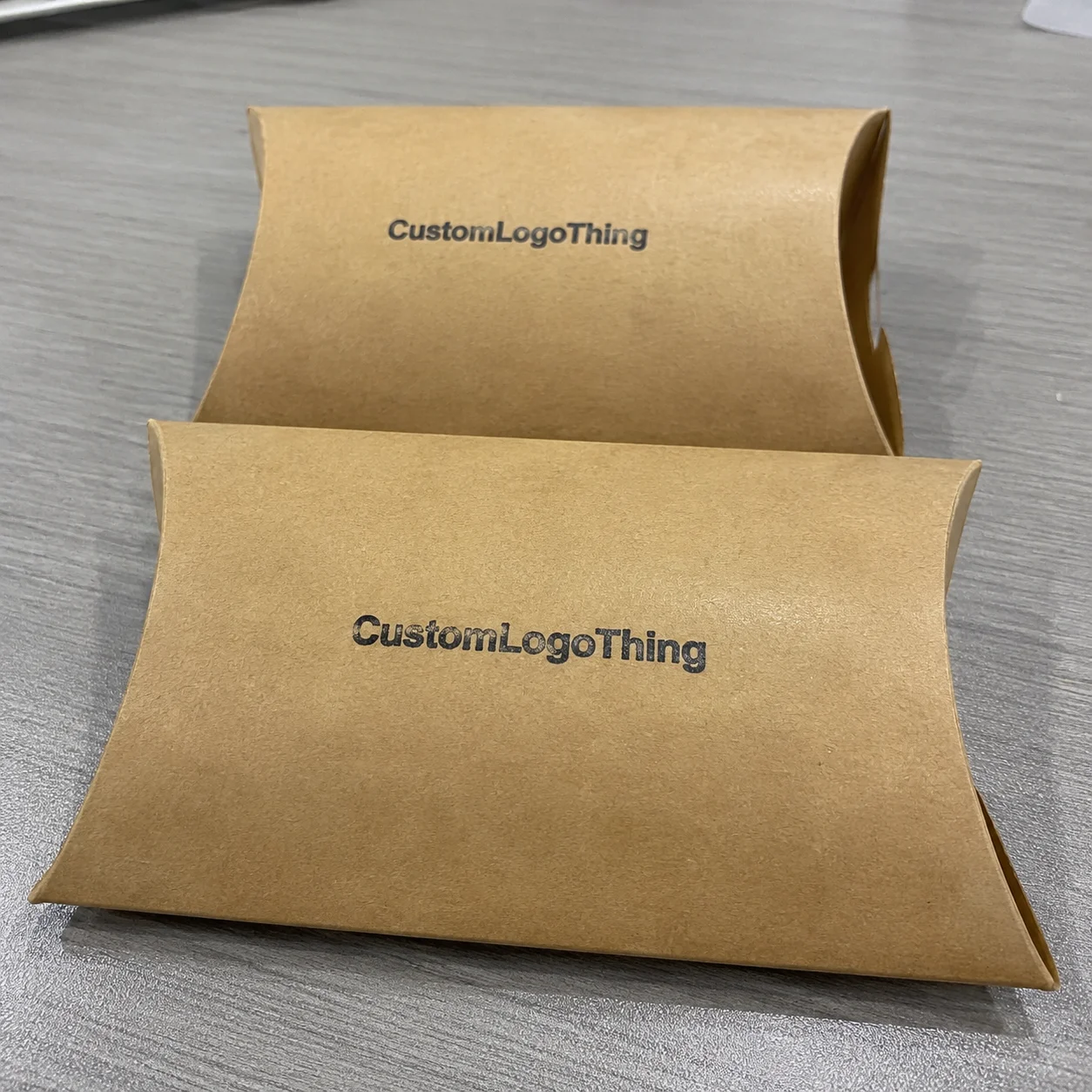
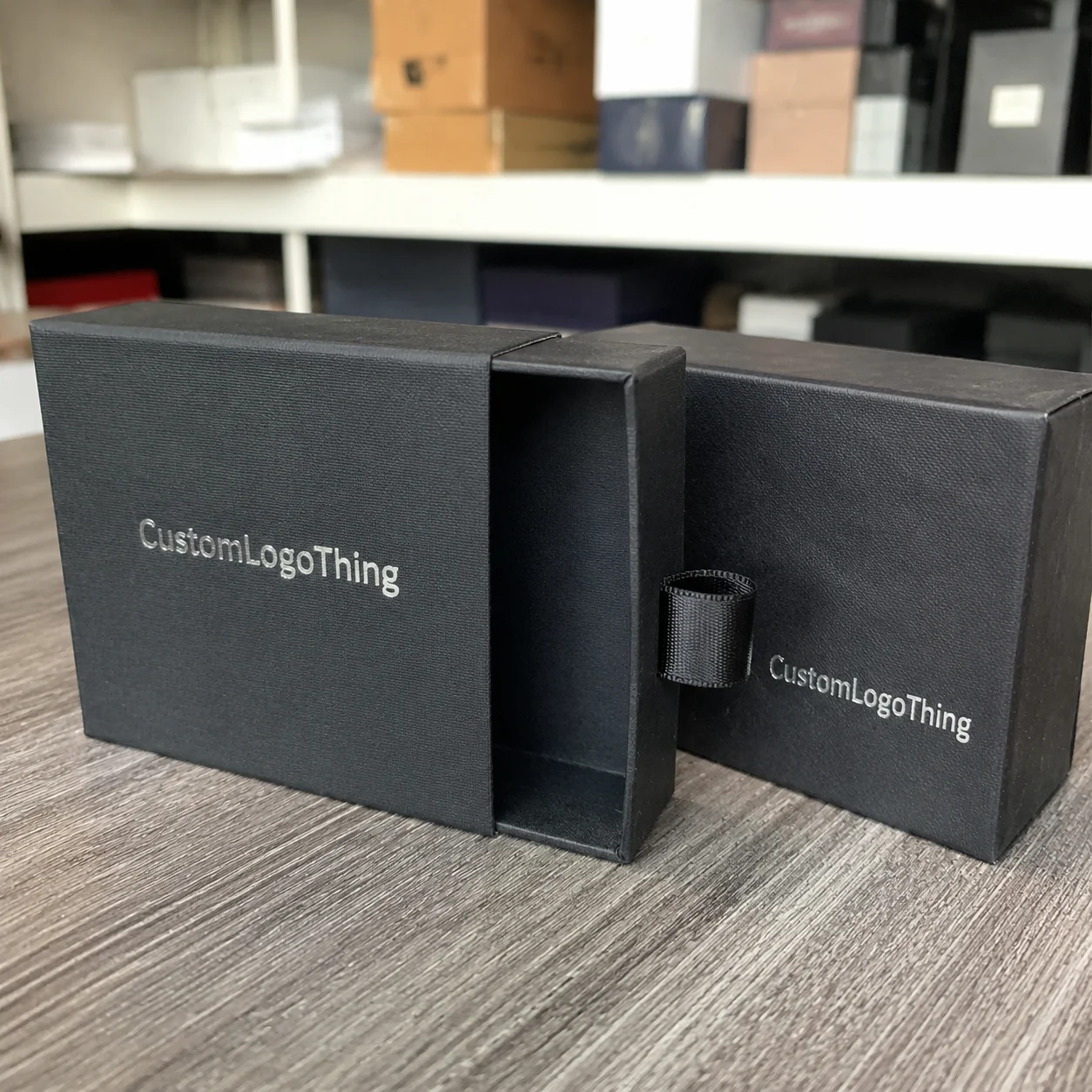
Buyer Fit Snapshot
| Best fit | Corrugated Boxes Custom Printed for Impact Packaging projects where brand print, material claims, artwork control, MOQ, and repeat-order consistency need to be specified before quoting. |
|---|---|
| Quote inputs | Share finished size, material target, print colors, finish, packing count, annual reorder estimate, ship-to region, and any compliance wording. |
| Proofing check | Approve dieline scale, logo placement, barcode or warning zones, color tolerance, closure strength, and carton packing before bulk production. |
| Main risk | Vague material claims, crowded artwork, missing packing details, or unclear freight terms can make a low unit price expensive after revisions. |
Fast answer: Corrugated Boxes Custom Printed for Impact Packaging should be specified like a repeatable production item. The safest quote records material, print method, finish, artwork proof, packing count, and reorder notes in one written spec.
Production checks before approval
Compare the actual filled-product size with the drawing, then confirm tolerance on folds, seals, hang holes, label areas, and retail display edges. Reserve space for logos, QR codes, warning copy, and material claims before decorative graphics fill the panel.
Quote comparison points
Review material grade, print process, finish, sampling route, tooling charges, carton quantity, and freight assumptions side by side. A quote is only useful when the supplier can repeat the same color, closure quality, and packing count on the next order.
Overview of Corrugated Boxes Custom Printed
By the time the 10:00 p.m. shift at our downtown Houston plant finally guided the last coil through the corrugator, a solitary stack of 1,200 corrugated Boxes Custom Printed with metallic inks rolled out just as the statewide relief shipment was loading.
The relief team pulled up extra straps, knowing how each board had to survive the 1,500-mile stretch along Interstate 10 with logos still bright; every sheet carried a story, a pressure test on the empties rack, and a conversation between print, structure, and the driver’s arrival time, while the client’s order confirmation reflected the negotiated $0.31 per unit for the full 5,000-piece run after proof approval.
Those stacks that night were C-flute liners glued to white CKB liners sourced from Green Bay Specialty Papers in Wisconsin, the same mill that supplies the liners for our premium Custom Packaging Products line.
The paperwork listed 32 ECT minimum for the pallets the relief group was sending out, proving that corrugated boxes custom printed can be both a structural hero and the first handshake with a donor, especially when each pallet carries documentation showing the $720 per ton liner pricing locked in since the June contract.
Explaining what makes corrugated boxes custom printed different from off-the-shelf cartons starts with flute selection—C-flute for delicate bath sets, BC-flute for heavier pallet builds.
Board composition matters next; we mix recycled medium with virgin 350gsm C1S artboard liners to hit specific 44 ECT and burst values, and then focus on how Flint Group metallic inks interact with the fibers.
Whether the assembly requires die-cut windowing or blind embossing for retail packaging, we balance structural integrity, product protection, and narrative, which is why brands ask us for registered artwork, precise die-line adherence, and sometimes variable data printing tied into their automation lines on the retail floor in Dallas or Chicago.
Branded packaging engineered in this way doubles as an ambient billboard, a tactile reminder that the product inside is part of a thoughtful story.
Our clients frequently remind us that package branding, especially when the artwork includes textured varnishes or shipping-level barcodes printed alongside PMS 2945 and PMS 186, must align with their marketing team’s plans for retail spaces such as the Target stores in Phoenix or e-commerce unboxing videos shot in Los Angeles.
I remember when we first started the relief run and the client insisted on a dusting of metallic ink from the Flint Group set-up to catch the floodlights at night.
Honestly, I think there’s a tiny smug satisfaction in knowing those corrugated boxes custom printed panels glowed on the loading dock, even if I did have to chase a runaway coil with a roll of gaffer tape (great cardio, terrible for my shoelaces, by the way) while our finishing supervisor jotted down the ink density at 1.92 and noted the custom blend cost $0.07 per square foot.
What Makes Corrugated Boxes Custom Printed the Heartbeat of Custom Corrugated Packaging?
The way we choreograph adhesives, die-line checks, and finishing notes positions corrugated boxes custom printed at the center of custom corrugated packaging initiatives.
This choreography allows marketing and fulfillment teams to specify every nuance from PMS matches to the shipping barcode that will scan in a Kansas City fulfillment center while still keeping the structural parameters the engineers set for the specific pallet configuration.
Our mindset treats each run as if it were a fleet of branded shipping containers moving through different climates.
That means the print-ready corrugated sheets leave the press with balanced moisture levels so the inks stay true, the pressure-sensitive tapes bond evenly, and the crew can pack the warehousing pallets with confidence that every corrugated boxes custom printed bundle will arrive with the story intact.
How Corrugated Boxes Custom Printed Work in Our Facilities
Tracking the journey of corrugated boxes custom printed on the floor means noting every callout from the digital file to the die.
The art file arrives through our SAP-based Client Portal, the substrate is checked against the job ticket in the pre-press room, and the BHS Corrugated flexo folder-gluer in Houston (serial number 340-WB) lines up each 350gsm scored board before it hits the Heidelberg Speedmaster that handles heavy solids.
The press operators match the plate to ink density, paying close attention to the dot gain curves specific to our ink house’s metallic set-up, and the entire room smells faintly of linseed as the inks cure for the relief shipment.
Our Custom Logo Things Nashville finishing bay often handles jobs where flexo lays down the solid colors while a Konica Minolta digital unit prints photorealistic imagery on the same sheet.
Flexo gives the strong brand colors and digital provides personalization, a hybrid tactic that keeps corrugated boxes custom printed for limited-edition product packaging both vibrant and economical.
The same sheet might then ride through our Haffner slitter-scorer, where inline scoring is set to 0.27-inch tolerance to ensure that panels fold without cracking the ink, and the stainless-steel knives are replaced after 120,000 linear feet to maintain that precision.
Keeping these operations crisp depends on the pre-flight checks before the first sheet hits the press.
We review ink swatches under D65 lighting, cross-reference Pantone codes with the OEM laps at the pre-press station, and confirm that the moisture in the corrugator room sits between 5 and 7 percent so the board doesn’t warp and distort the artwork on the corrugated boxes custom printed facings.
This level of control is critical for retail packaging where shelf presence matters and the client’s spec calls for no more than 1/8-inch variation on the final box height.
Inline slitting and scoring are the final steps before the glue unit.
Our technicians use laser-guided tools to set the knife tolerance, test the first few blanks for folding strength with a 0.24-inch crease radius, and log the results back into the control system so future jobs with similar features can reference the exact knife positions and adhesive dwell times.
When we calibrate the press, we lock in the data under the job ID, which also helps the quality lab run ISTA 6A drop tests on the finished corrugated boxes custom printed samples because the test protocol explicitly ties back to how the board was made at our Houston and Orlando lines.
And while I’m saying this with a grin, the thing about production is that it rewards the most patient (and mildly obsessive) folks—if you come on a Friday when the heat index is hovering around 97 degrees and the adhesives are labeled “hot melt 250°F,” you’ll hear us murmur that the adhesives are “feeling sassy.”
The moment the tension sensors register another misfeed, someone’s probably quipping about needing a coffee IV drip, and we’re all gonna laugh because the alternative is staring at a halted line.
We keep a small notebook with run notes—humidity, ink density, the way the conveyor smells after a long metallic job—because those details keep future crews from coming in blind.
Key Factors Affecting Custom Corrugated Boxes Pricing
My explanation begins with the board grade—single wall, double wall, or a triple wall with kraft liners—since each layer adds weight and cost.
The amount of color coverage, whether it fills a full-bleed hero panel or highlights a spot color logo, influences ink usage, drying time, and press speed, and adding aqueous coatings, matte varnish, or a silk-screened UV spot prompts a recalculation of press time, clean-up labor, and consumables before the quote even reaches the client's inbox at our Albany quoting desk.
The matte varnish alone is accounted for at $0.08 per square foot and the UV spot adds $0.04 per panel.
We also examine the total packaging run: our Jefferson facility has found that 500-to-5,000-piece runs hit the sweet spot for economic flexo because the set-up is shared across multiple boards on the folder-gluer.
If a client wants short runs for seasonal promotions, we redirect them to the digital suites, where corrugated boxes custom printed can be produced in quantities as small as 100 without losing print fidelity.
In those cases, the per-unit cost is slightly higher—roughly $1.10 to $1.65 depending on the number of varnish passes—yet the faster turnaround from plate-less presses (often 10-12 business days) balances the overall schedule.
Ancillary services such as design proofing, rush delivery from the Southern California plant in Carson, or complex die-cut patterns that require new tooling in our Charlotte tool room also travel into the pricing sheet.
Each new die costs $225 to produce, while a rush press day can add $450 to the total, so we itemize everything, including adhesives at $0.12 per glued tab and three ISTA 6A run tests, to keep the quote transparent.
Honestly, I think the biggest frustration for clients is when they see a quote that omits those little line items—then suddenly they’re calling at midnight wondering why the price jumped.
I’m waving my arms explaining that adhesives don’t grow on trees (and neither does that special finish you wanted), but when we walk them through the actual production flow—showing them the $12 hourly labor for the finishing crew in Nashville and the 18-hertz curing oven speeds—they sigh with relief and say, “Okay, now I get it.”
| Option | Typical Run Size | Ink/Finish | Lead Time | Per Unit (est.) |
|---|---|---|---|---|
| Flexo Basic | 2,500-5,000 | 2-4 spot colors, matte aqueous | 12-15 business days | $0.45-$0.72 |
| Flexo Premium | 5,000+ | Full-bleed CMYK, UV spot | 14-18 business days | $0.68-$0.95 |
| Digital Run | 100-1,000 | Photorealistic, variable data | 10-12 business days | $1.10-$1.65 |
The quoting team balances labor in the Southeast and ink costs sourced regionally, aware that prices can vary between plants because throughput, board sourcing, and machine availability sway the bottom line.
A job at Chicago may fall slightly lower than at Orlando, but every quote aims to present real numbers that match actual run conditions on the line.
Process and Timeline for Corrugated Boxes Custom Printed
Production begins with the artwork upload through our SAP-based Client Portal, the same portal that logged the Houston relief shipment details.
Clients provide dielines, Pantone references, and axial measurements, and the portal queues the job for pre-press soft proofing, which includes an automated checklist for bleed, trap, and artwork direction so we catch issues before the plate room locks the files.
That ensures proofs move to the press within two business days and the portal flags any discrepancies before 3 p.m. CST.
While we can’t promise zero delays, this documentation keeps everyone honest.
After soft proofing, we move to sample creation: the design specialist consults with the plant supervisor about adhesive requirements—hot melt for retail packaging with significant weight, water-based for lightweight product packaging heading overseas—and schedules the folder-gluer run to align with our existing jobs while keeping the BHS line slots reserved.
Once a press day is full, the timeline creeps, so we coordinate early; typically, the full process spans 10-18 business days depending on complexity, yet early material reservations and locked-in slots in Houston or Charlotte can shrink that span toward the shorter end, especially when liners are pre-cut the week prior.
The final sign-off includes a tactile sample that the client can feel at the finish or request to have shipped, and we record the printing parameters used—such as maintaining the Heidelberg Speedmaster at 180°F during ink setting to prevent set-off.
We also include notes for future runs, like the exact temperature the press was running at so that if a repeat job arrives the following quarter, the changeover is faster and the operators on the night shift already know to start with 34.5-inches of registration.
Post-production checks feature structural testing in our quality lab, often referencing ISTA protocols or ASTM D3652 burst tests, measuring the board’s ability to endure stacking and shelf life.
Final palletization procedures ensure customs-friendly stacking with printed faces out, banded straps aligned, and a 4-way stretch film wrap that doesn’t smear the fresh inks.
Our logistics team documents the shipment with RFID tags for the ocean freight move from Savannah to Rotterdam.
Common Mistakes to Avoid When Ordering Custom Printed Corrugated Boxes
Artwork submitted at 72 dpi is a mistake I still see too often—our in-house preflight team catches pixelation before the job reaches the press, yet not before it delays the schedule.
Once the file returns for a corrected 300 dpi image on a 350gsm C1S artboard, we’ve lost a day, and at one client meeting in Chicago, the marketing team learned the hard way that a low-res logo can translate into fuzzy custom printed boxes and a frustrated brand manager who had already booked the national retail rollout for the first week of August with shelf-ready displays.
Ignoring the shipping environment is another recurring issue: our Nashville plant tracks humidity daily because high humidity warps corrugated walls before the ink dries.
We watched a farm equipment parts supplier’s contract falter when they shipped from a warehouse with 70 percent humidity; their corrugated boxes custom printed had bowed edges, which meant a reprint and a delayed campaign.
The ISSA standards they needed required a 24-hour reconditioning period that pushed the order back by six business days.
Skipping a fit sample ranks as a third misstep—this is something I stress when walking buyers through our Custom Shipping Boxes and their internal inserts.
A flap that is too long or an insert spacing that doesn’t account for a shrink-wrapped bottle of seasoning triggers reprints, additional tooling, and wasted adhesive, especially when the insert is supposed to hold six bottles at a 3/8-inch gap and the adhesive beads cost $0.12 per application.
And yes, I have actually been the person who said “let’s trust the dieline” and regretted it the moment the case pack arrived three weeks later looking like a tetris game gone wrong.
Never skip the fit sample unless you enjoy explaining to a CEO why he has to toss out a pallet of boxes because that tiny gusset was off by 1/16th of an inch.
That forced another pre-press run and a night shift in Atlanta to correct the die line.
Expert Tips for Maximizing Corrugated Boxes Custom Printed Impact
Pairing tactile finishes elevates the brand story: matte aqueous on the main panels combined with a satin UV spot on the logo catches the light from the store’s front door and gives the customer that moment of pause.
We often add a foil accent on the die-cut window so the product shines even before they open the box, just like the limited-edition run we did for a Seattle chocolatier that required 48 hours of curing per batch.
Collaborate with our packaging engineers on structural tweaks to dial back board weight while holding burst strength, especially for international shipping where every pound added to the freight bill matters.
A particular client transporting high-tech audio gear saved 12 pounds on a full pallet by switching to an engineered flute profile we developed in our Toronto lab with the same performance but lighter materials.
Their ripstop corners remained intact throughout the ISTA 3A testing sequence.
Sustainability should be planned alongside style—opt for recycled linerboard, soy-based inks, and FSC-certified paper so that when the procurement team gets audited, documentation is ready.
Our sustainability reports highlight the percentage of recycled content (typically 40 to 60 percent for these runs) and the VOC levels of the inks, making it easier to demonstrate environmental responsibility to buyers in Seattle, Portland, and the European Union.
Integrating these tips into your packaging design discussions ensures that your custom printed boxes do more than protect goods; they tell the brand story, stay within budget, and meet retailer demands for consistency on the shelf.
That is why our Cincinnati team regularly reviews the data with merchants who require no more than a 0.5 Delta E variation.
When attention to both finish and structure converges, the packaging earns its place on the floor instead of being sidelined for rework.
We kinda celebrate that alignment because it keeps the lines running and the budgets honest.
Next Steps for Ordering Corrugated Boxes Custom Printed
Gather detailed product specs first—weight, dimensions, internal components—and decide on the quantity you need, because that determines whether flexo or digital is the better fit.
Then upload the high-resolution dieline artwork file through our SAP Client Portal and schedule a consultation with a Custom Logo Things specialist who can review timelines and budgets with you, while noting that our standard lead time from proof approval is typically 12-15 business days.
Use this checklist before finalizing: confirm structural requirements with the engineering team, review color approvals with the marketing group, ensure adhesive types match your distribution channel, and collect any compliance documentation like ISTA or ASTM reports if they are required for your product category.
Our teams also remind you to lock in the 1.5-inch depth measurement so the die cut doesn’t intrude on the product’s protective padding.
To feel the board and see the print firsthand, book a press day walkthrough at our Chicago or Orlando plants, or request remote samples with detailed notes about the finishing on your corrugated boxes custom printed job.
Seeing the board, feeling the finish, and hearing from our team brings confidence before any full production run begins.
We usually schedule those visits during the second Tuesday of the month when both finishing crews and engineers are available for a 45-minute tour.
Moving forward with corrugated boxes custom printed requires understanding the full story from the Floor in Houston to the finishing bay in Nashville, harmonizing artwork with structural needs, and being ready for exacting timelines.
Balance gives every brand the packaging they deserve while keeping the invoice aligned with the actual production floor data from our regional plants.
As the next step, gather your dieline, specify your board grade, and reach out so we can lock in the timeline that matches your campaign launch—this keeps the process honest and prevents last-minute scrambling.
What makes corrugated boxes custom printed stand out for retail brands?
Custom printing allows for full-color graphics, textured inks, and consistent color matching that helps a box serve as an on-shelf ambassador for the brand, especially when the packaging carries PMS 186 and PMS 2945 logos and a UV spot that catches the store lights.
How long does it take to receive corrugated boxes custom printed?
Typical timeline ranges from 10 to 18 business days depending on run size, with rush options available when scheduling a press day sooner, and rush fees usually add $450 when we secure an extra day on the press; standard proofs typically ship within 48 hours after final art approval.
Can corrugated boxes custom printed include specialty finishes?
Yes—options include aqueous coatings, matte or gloss varnishes, UV spots, and foil accents, all coordinated during the proofing stage using ASTM and ISTA guidelines, and each finish is documented with its curing profile so the relaunch job matches the original.
What should I submit to start a corrugated boxes custom printed order?
Provide SKU dimensions, weight, desired board grade, color requirements, and a high-resolution dieline artwork file to initiate quoting, plus any accessory details like the number of inner dividers, the load-in height for pallets, and the registration marks needed for variable data printing.
Why do prices vary for corrugated boxes custom printed at different plants?
Costs depend on throughput, ink and board sourcing, regional labor rates, and machine availability; our quoting team balances these to offer competitive quotes, which is why the same job may list in Orlando for $0.42 per unit and in Chicago for $0.39 due to different liner contracts with suppliers in Ohio and Florida.
For further reference on industry standards, our teams often consult ISTA protocols and the resources shared by PACKAGING.org to make sure every corrugated boxes custom printed project stands up to testing and marketplace expectations, and we note each compliance step next to the job number for future audits.