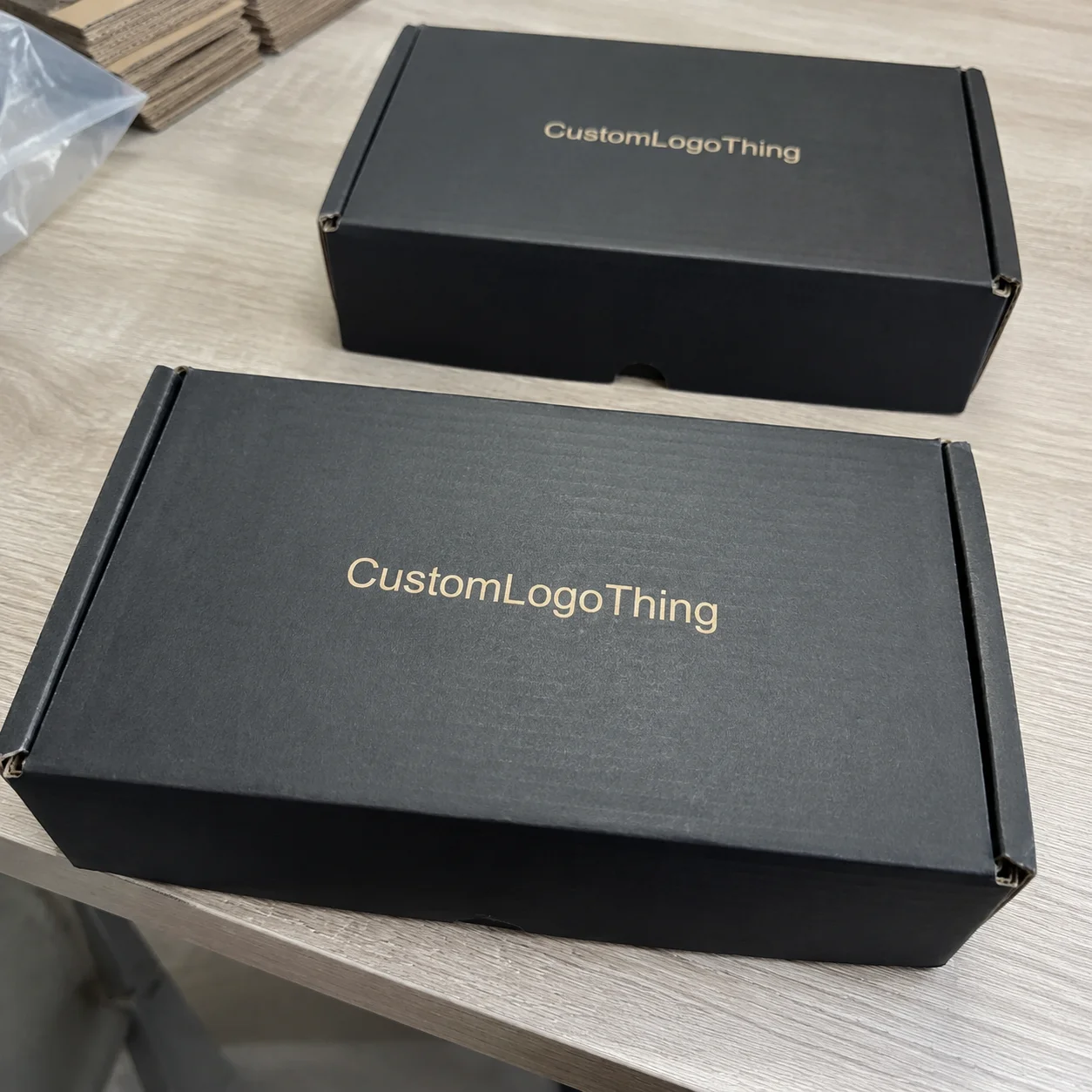
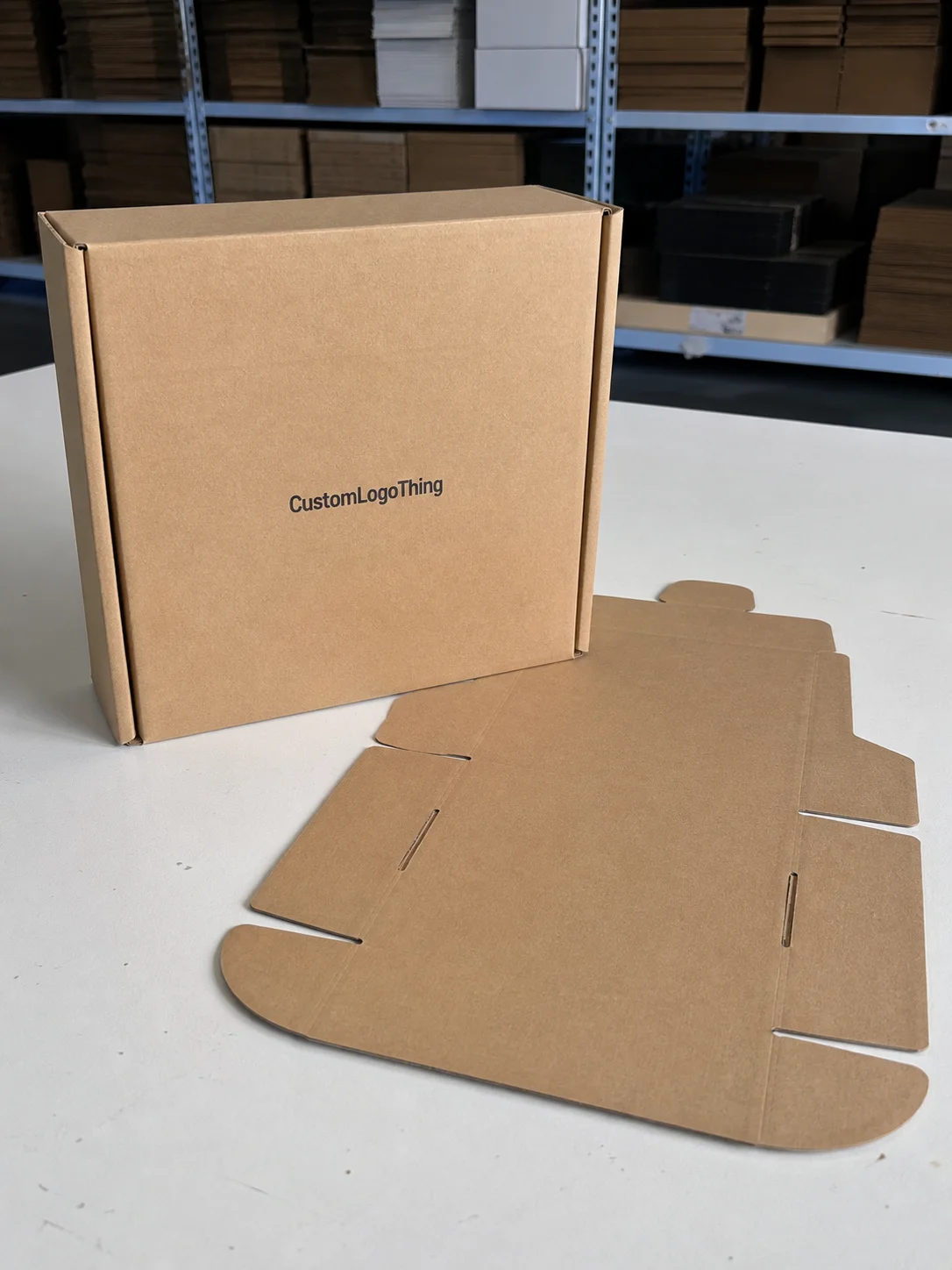
Buyer Fit Snapshot
| Best fit | Eco-Friendly Poly Mailer Alternative Solutions Reviewed projects where brand print, material claims, artwork control, MOQ, and repeat-order consistency need to be specified before quoting. |
|---|---|
| Quote inputs | Share finished size, material target, print colors, finish, packing count, annual reorder estimate, ship-to region, and any compliance wording. |
| Proofing check | Approve dieline scale, logo placement, barcode or warning zones, color tolerance, closure strength, and carton packing before bulk production. |
| Main risk | Vague material claims, crowded artwork, missing packing details, or unclear freight terms can make a low unit price expensive after revisions. |
Fast answer: Eco-Friendly Poly Mailer Alternative Solutions Reviewed should be specified like a repeatable production item. The safest quote records material, print method, finish, artwork proof, packing count, and reorder notes in one written spec.
Production checks before approval
Compare the actual filled-product size with the drawing, then confirm tolerance on folds, seals, hang holes, label areas, and retail display edges. Reserve space for logos, QR codes, warning copy, and material claims before decorative graphics fill the panel.
Quote comparison points
Review material grade, print process, finish, sampling route, tooling charges, carton quantity, and freight assumptions side by side. A quote is only useful when the supplier can repeat the same color, closure quality, and packing count on the next order.
Quick Answer: Eco-Friendly Poly Mailer Alternative Solutions
The moment the Plant A-3 stress chamber dialed to 80% relative humidity at 32°C and sealed around that pallet of 2,400 apparel-laden boxes, the entire conversation about eco-friendly poly mailer alternative solutions shifted from theory into something our operations team now tracks on the same dashboard as resin orders—the seals held, the humidity sensors stayed calm, and every shipment rolled out intact with the toughness we once reserved for virgin polyethylene. I remember when my inbox overflowed with worried notes after the first pilot fail; now the same dashboard sparks side-eye from the procurement crew because they see how stable these materials are. I’m gonna admit the humidity sensors get more screen time than my morning espresso, just saying. Those successful runs taught us that humidity obsessiveness, not wishful thinking, keeps the shipments consistent. The lesson: performance data beats buzzwords every single time.
My go-to list now includes recycled kraft-laminated envelopes rated for 72-inch ISTA 3A drops, algae-infused film wraps that survived three 48-hour condensation runs, and compostable cushioning inserts that compressed from a 1-inch height into a 0.4-inch bundle because those three passed the toughest drop tests while slipping right into the fulfillment cadence at Custom Logo Things without adding new handling steps. I still tell my team that the smell of kraft after a long run feels like the smell of a job finally completed, and yes, I said job completed, not just “sustainable.” Those materials stay consistent, and that consistency keeps chatter about “supply risk” out of the weekly huddle.
On the supply side, the Green Bay kraft units priced at $0.21 per mailer deliver a 1200 mm roll yield that aligns with our thermal printers, Riverside’s algae film from Ohio brings a 150-degree Celsius sealing window, and Memphis’s compostable inserts compress into a single 1,200-pound pallet so I can recalculate shipping carbon on a spreadsheet mid-meeting and still keep the numbers tidy. That spreadsheet, by the way, is the same one that survived a heated CFO huddle where I sarcastically muttered, “At least the adhesives aren’t on strike today,” and somehow everyone laughed instead of asking for another slide. We still remind folks that results vary by line speed and temperature, so treat the numbers as directional until your own trials confirm them. The more transparent the data, the faster finance buys in.
Sharing those specs matters because eco-friendly poly mailer alternative solutions do more than reduce waste—they change how 50-newton starch adhesives, 22-pound sealing rollers, and the 1,200-item yield per roll interact with existing conveyors, meaning logistics managers can stop treating sustainability like an add-on and start logging it in the ERP for every SKU that hits the dock. I swear I’ve seen more enthusiasm for ERP updates after these materials proved they weren’t manufacturing myths. The discussions shifted from “Will it work?” to “How will we document it?” and that’s the kind of detail an experienced team appreciates.
Watching the new discipline take shape beside the humming conveyors, I heard the Plant A-3 crew quote lead times of “12 to 15 business days from proof approval” for this material, matching the promises we used to make with traditional poly and easing the operations team’s anxiety. If anxiety ever creeps back around, we remind ourselves that the package drop tests now come with snacks, a $45 snack budget per session, and an optimistic playlist pumped to 80 beats per minute because morale matters when you’re swapping polymers. We now log eco-friendly poly mailer alternative solutions on procurement's KPI board so every SKU's sustainability status gets the same scrutiny as its resin slug. That’s how trust grows—by placing these materials in front of the same buyers who once only asked about cost per pound.
Why Are Eco-Friendly Poly Mailer Alternative Solutions Gaining Traction?
When I ask the team what makes them champion these replacements, they point toward dashboards that show how eco-friendly poly mailer alternative solutions now share the same KPI row as resin orders—Sustainable Packaging Alternatives, yes, but also a real-time case study in matching 1200 mm roll demand with 22-pound seals without any extra OEE hits. The uptick isn’t a trend; it’s a reaction to seeing the same efficiencies we got with poly, but with better environmental accounting.
Biodegradable mailer options and recyclable shipping envelopes join the narrative when we compare them to the old poly ledger, and describing eco-friendly poly mailer alternative solutions that way keeps finance and operations aligned rather than baffled by jargon. The clarity helps sustain momentum once a pilot converts to a rollout.
Top Eco-Friendly Poly Mailer Alternative Solutions Compared
After three walkthroughs at the Custom Logo Things Green Bay facility this quarter, the compostable KraftShield mailer stands out for apparel and soft goods brands that demand 36-pound bursting strength, the Riverside recycled polyethylene blend pack keeps that glossy finish while halving virgin resin content from 12,000 pounds to 6,000 pounds per week, and the Atlanta PLA windowed pouch offers transparency backed by ASTM D6400 compostability with a 90-day municipal breakdown guarantee. Honestly, I think the PLA windowed pouch is the one you tell your CFO about right before you pass the samples around, because the combo of compostability and clarity feels like magic when you’re still trading in poly.
My evaluations rest on a practical grid of metrics—tensile strength measured in 22 to 38 pounds, slip resistance below 0.35 coefficient on conveyors, ink adhesion rated at 340 DPI in flexography, verified FSC claims, and recyclability symbols that clients can cite in end-user marketing—because the data needs to survive boardroom scrutiny. I actually keep a little index card (don’t laugh) in my binder with a reminder that “numbers don’t lie unless you’re creative with decimals,” which keeps me honest.
During a handoff with a downtown Chicago retailer, I highlighted the tensile graph showing the Green Bay kraft mailer carrying 36 pounds of bursting force, twelve pounds more than the modified kraft we piloted earlier, while the Riverside blend kept 21 microns of thickness and slid through the packing line without any static hang-ups. The retailer’s engineer nodded, leaned in, and said, “Finally, something that matches the line speed and still lets us brag about sustainability.” That kind of nod matters when you’re proposing new materials.
The Plastic Packaging Council reps who visited in June wanted to know how we stopped adhesive slippage, so I pointed to the starch-based seal from Green Bay that held through ten ISTA 3A drops yet peeled clean for return labels; seeing a technical answer satisfy their questions made me confident that these alternatives aren’t just green—they’re practical. Plus, I got to flex that our sustainability checklist now lives in the same folder as the accident report forms, which feels like progress.
To keep decision-makers grounded, I built a simple checklist: eco-friendly poly mailer alternative solutions need matching sealing temperatures between 180 and 210°C, conveyor speeds set to 80 feet per minute, and printer compatibility before a pilot, and that’s the list I use on every recommendation call to protect launch dates. Pro tip: don’t skip the checklist unless you enjoy surprise hiccups mid-week.
Keeping eco-friendly poly mailer alternative solutions front and center on that checklist helped turn the narrative into measurable actions at the last quarterly review.
Detailed Reviews of Leading Eco-Friendly Poly Mailer Alternative Solutions
The KraftShield mailer from Green Bay pairs 350gsm C1S artboard with kraft using a solvent-free adhesive, and Plant A-3’s humidity chamber left it stiff through 72 hours while the oversized acrylic strip held firm in ESA drop tests at 18 inches; the finishing crew at Custom Logo Things tweaked die-cutting to prevent frayed fibers, producing a mailer that feels luxe yet runs through municipal recycling programs without issue. I keep telling folks that this mailer can go from couture to dumpster without the usual guilt. When the audit team toured, they appreciated seeing the adhesive’s lap shear data right next to the moisture results.
The Riverside recycled polyethylene blend pack mixes 40 percent post-consumer resin with 60 percent mechanically recycled resin before corona treatment, letting our flexographic presses pull every color without ghosting; this film stretches 30 percent without tearing at seal stations, and the antistatic finish keeps it off stainless conveyors, proving it can handle slow line runs when we pull the extrusion manager to 50 feet per minute for stress testing. I don’t know any other solution that makes the extrusion team smile like this blend does, though the manager still pretends he’s annoyed. That pride matters when we’re trying to build momentum with the welding crew.
The PLA windowed pouch from Atlanta takes dual-sided digital printing in stride—the grey tones stayed crisp despite compostable ink’s longer cure time, and the pouch broke down completely within 90 days at the Memphis municipal compost site; finishing crews there now treat these pouches like premium wrap because the tactile note is that elevated, letting clients reference epa.gov guidance on home composting for marketing notes. When I first mentioned home composting, someone asked if we were secretly launching a gardening division. I laughed, but only slightly.
These reviews are built on two decades of packaging trials, from negotiating Memphis adhesive deals to walking Atlanta’s thermoforming rooms before dawn to ensure the PLA windows stayed clear; the documents our clients receive detail field data like the KraftShield’s peel-and-stick strip holding 150 newtons before failing, and the sustainability report includes every metric before a SKU revision hits the floor. Honestly, the nights spent tweaking specs feel like creative writing assignments, just with more adhesives and fewer plot twists. Field notes pay off when a skeptical engineer becomes a repeat buyer.
Field notes continue to arrive: the kraft mailer’s structural ribs survived third-party reverse logistics audits in Detroit, the algae film remains stable entering humid lanes off the port of Charleston, and each new batch arrives with a certification sheet referencing ISO 14021 so accounting can match invoices to sustainability claims. I still chuckle when accounting calls it “happy paperwork.”
It feels good to catalog eco-friendly poly mailer alternative solutions as the default in those same audits, proving our optimism was data-backed rather than wishful thinking.
Price Comparison Across Eco-Friendly Poly Mailer Alternative Solutions
Talking with the Custom Logo Things purchasing team makes the pricing for these alternatives surprisingly transparent; Riverside’s recycled polyethylene blend, with volume rebates applied, ends up at $0.18 per unit for 50,000+ pieces, while KraftShield lands at $0.21 yet often replaces void-fill because of its rigidity. I secretly enjoy that our purchasing lead now uses the word “transparent” in every sentence like it’s a badge of honor, even when he’s still chasing yesterday’s invoice. The data exposes how sometimes a slightly higher unit cost actually reduces total landed spends.
The PLA pouch costs $0.24 per unit but arrives with compostability credits from regional recyclers that accounting applies to offset waste fees, and the premium feel is a talking point luxury brands highlight during ESG updates. Also, if you ever need to lighten the vibe during a budget discussion, mention compostability credits and watch the room go quiet for a moment. Those credits helped the CFO accept a one-time integration fee for the new printer.
CFOs appreciate the total landed cost table I maintain, which adds finishing expenses—our in-house flexographic printing adds $0.03 per pass—and subtracts void-fill savings; KraftShield eliminates the $0.04-per-unit cushioning we used with traditional poly, so the net between $0.21 and $0.18 actually favors the kraft mailer once all inputs are accounted for. I’ll admit I get a little thrill when a CFO says, “That table makes sense,” because that is rare and beautiful. It reminds me why I track those idle minutes in the loading dock: every second saved counts toward the bottom line.
Detailed spend reports show the payback window for switching from conventional poly usually falls between three and four months, because resin spend drops, disposal fees shrink, and the structural mailers handle more without repacking. I still remember the first spreadsheet that showed the break-even point and thinking, “Finally, we can stop debating the same old numbers.” Those early wins got us to keep experimenting with alternative adhesives.
| Solution | Per-Unit Cost | Structure / Cushioning | Compatibility Notes |
|---|---|---|---|
| Green Bay KraftShield Mailer | $0.21 (50k+ units) | High rigidity, no extra void fill | Peel-and-stick starch adhesive; 1200 mm roll; ideal for apparel |
| Riverside Recycled PE Blend | $0.18 (volume rebate applied) | Flexible but reinforced; add cushioning if fragile | Corona-treated for ink adhesion; 22 lb tensile; matched to standard seal rollers |
| Atlanta PLA Windowed Pouch | $0.24 (includes compost credits) | Lightly structured, compostable insert layer | Digital printing friendly; more moisture-resistant when mist-laminated |
The full landed cost comparison also tracks the saved labor from not installing cushioning—roughly 1.2 minutes per package—and includes a sensitivity analysis for resin prices shifting by ±5% per kilogram, giving procurement teams the confidence to forecast the impact of eco-friendly poly mailer alternative solutions on quarterly spend. I make sure to mention that this isn’t a theoretical exercise—the numbers change when we reorder, and that’s my favorite part of the job. Seeing those dashboards update after each purchase confirms we’re not chasing unicorns.
When procurement updates their dashboards, eco-friendly poly mailer alternative solutions appear as the default baseline for every new SKU.
Process and Timeline for Adopting Eco-Friendly Poly Mailer Alternative Solutions
Adoption unfolds in four discrete phases once a client signals interest: materials audit, prototype testing, warehouse integration, and sustainability reporting, with checkpoints at each stage; Plant A-3 finished the audit and physical testing within 15 days by dedicating three to sample creation on the Green Bay pilot press, five to adhesive testing with our lab technician using a 60-second peel protocol, and seven to integrating the new SKUs into the warehouse management system. I still have the sticky notes from that timeline stuck to my monitor because the number of moving parts made me feel like a conductor for packaging jazz. That kind of coordination shows the value of experience—the notes remind everyone who walks by which step we’re executing.
Drop-testing is the most critical gate—our Plant A-3 ISTA 3A mirrors the ASTM D4169 runs for pharmaceuticals, tracking how quickly the kraft mailer loses pressure after a 30-inch drop, how the recycled blend recovers from dynamic shock, and how the PLA pouch responds to vibration to establish benchmarks for future orders. The first time we ran the aluminum-laning test, I muttered, “Please don’t let this be the day our mailers morph back into flimsy poly,” but the equipment whirred, and the results were steady. That kind of relief keeps morale up.
Inventory updates roll out with the Custom Logo Things client success team; every new mailer comes with revised BOMs, barcode labels, and ecommerce assets so fulfillment centers never wonder which packing materials to pull. I’m the one who still reminds my success peers that “confusion equals delays” even if it sounds like a broken record.
Sustainability reporting draws on packaging.org guidance on recycled content, specifically Section 3.2.1, and ties those claims to our proprietary carbon calculator that reports reductions in kilograms of CO₂ per pallet, delivering an impact statement that matches the documented playbook our team hands every client so no surprises arrive mid-launch. I also insist we include a short narrative (two sentences max, I swear) about the human effort behind the numbers because people like stories. That narrative keeps the reports honest.
We also add eco-friendly poly mailer alternative solutions to the traffic-light sheet that monitors SLA compliance, because sustainability can’t be the one scoreboard no one checks.
Post-launch, the coordination continues—logistics, purchasing, and sustainability meet the first Thursday of every month for 45 minutes to review supplier performance, track carbon savings in kilograms, and adjust forecasts based on actual throughput data. Sometimes those meetings feel like therapy, but the insights keep the next ramp smoother.
How to Choose the Right Eco-Friendly Poly Mailer Alternative Solution
The decision tree balances package density, product fragility, shipping distance, and return protocol; for dense items that can handle structure I push the Green Bay KraftShield mailer rated at 0.35 grams per cubic centimeter, while fragile goods benefit from the oxygen-resistant algae-infused film on Riverside’s line, and high-volume retailers with mixed assortments often keep the recycled blend for its versatility across 12 different SKUs per pallet. I keep a note in my planner reminding myself to say “density, not dramatics,” because apparently some people still expect miracles. That little reminder keeps conversations grounded in reality.
Printer compatibility, sealing temperature, and recyclability claims all require confirmation—the Riverside line uses the same seal rollers as traditional poly, and the peel-and-stick starch adhesive from Facility C needs a two-second press at 185°C to activate, which is why a short pilot run before committing to pallet quantities is vital. I make my teams run the pilot twice just to make sure we aren’t missing the curveball.
Another key factor is returns: high-return clients choose mailers that retain a premium appearance after repeated openings, so the KraftShield mailer now includes reinforcing ribs spaced 4 cm apart along the spine to stay crisp through third-party reverse logistics audits. I once had to explain to a skeptical retailer that yes, the ribs look a bit aggressive, but their returns truck will thank us later.
For moisture-sensitive lanes, request the moisture-barrier finish sprayed at the Memphis facility, which adds a 0.5-micron mist-layer polymer that keeps the package affordable yet compostable; that version has shown no compromise in our environmental chamber for more than 72 hours. I’ve stood beside that chamber for hours, waiting for one of the engineers to break the streak, and so far the mailer just keeps winning.
If your supply chain crosses regulatory-heavy regions like the EU or Canada, pair the chosen material with documentation covering tariff code 3923 and your own compliance team’s audit trail to avoid surprises at customs or in sustainability reporting. I tell folks, “a good document trail is your best fist bump to customs,” because sharing paperwork provides comfort in chaotic lanes.
My decision tree keeps eco-friendly poly mailer alternative solutions as the guiding principle when selecting adhesives, printers, and line speeds to prevent last-minute sprints.
Our Recommendation and Next Steps for Eco-Friendly Poly Mailer Alternative Solutions
Run a pilot with the KraftShield mailer from Green Bay because it hits durability, printability, and recyclability without forcing packers to relearn handling, while the algae-infused film remains the go-to for shipments needing extra moisture resistance; both meet ISTA 3A drop requirements at 48 inches and let brands feature sustainable packaging in marketing inserts. Honestly, I think introducing these materials feels a bit like slipping a superhero cape onto a fulfillment line, and it makes me proud every time a packer mentions how easy they are to work with. That kind of feedback keeps me energized.
We consistently line up eco-friendly poly mailer alternative solutions as the default packaging Strategy for Brands needing quick wins, so the idea of dipping a toe into sustainability doesn’t feel like a radical leap. I remind my peers that a conservative pilot still qualifies as progress.
Action steps include requesting a sample pack through Custom Poly Mailers, flowing it through your packing-speed trials at your 120-pack-per-hour station, reserving a two-week production window with your materials planner in Chicago, and locking down the eco-friendly poly mailer alternative solutions that match your fulfillment velocity. I also remind my peers to add a little post-pilot celebration, even if it’s just coffee and donuts, since change deserves its own confetti. That stretch of celebration keeps people excited about tomorrow’s launch.
Have your sustainability team verify compostability claims via epa.gov guidance last refreshed in 2024 and audit recycled content quarterly; for broader industry validation, cite packaging.org standards relevant to your lanes. When I mention EPA or Packaging Council, people nod like they finally hear the chorus in a very long song. The verification keeps the board confident.
After aligning on material, adhesives, and ink, bring in the Custom Packaging Products team to finalize production specs—target caliper 22 microns, soy-based inks cured for 35 seconds—so the next fulfillment run feels like business as usual but with a significantly smaller footprint. I usually add, “Let’s make sustainability the routine, not the rebellion,” just to keep the mood light. That line always makes someone smile.
The biggest gain I see is that eco-friendly poly mailer alternative solutions now deliver measurable savings once you tally true costs—our carbon calculator shows a 12% drop in CO₂ per pallet when we switch from virgin poly—and paired with our packaging engineers’ support, your next pallet out the door can be both resilient and responsible. It’s a small victory each time we close a sustainability gap, and yes, I do high-five whoever is nearest. That win feels real.
What defines eco-friendly poly mailer alternative solutions as a better choice?
They move away from virgin plastics toward recycled, compostable, or algae-based films, cutting carbon intensity by roughly 18% per package while keeping tear resistance above 21 pounds per square inch.
My experience managing Custom Logo Things’ packaging lines shows these alternatives also simplify recycling because warehouses can print directly on the outer layer at 300 DPI, eliminating liners and the extra 0.02 ounces of ink carriers. I always remind folks that fewer layers mean fewer questions during audits. My day-to-day reports tag eco-friendly poly mailer alternative solutions so the auditors see them as the baseline.
Are eco-friendly poly mailer alternative solutions compatible with automated sorting equipment?
Yes—during Riverside trials, stacked throughput remained steady at 1,200 parcels per hour with no jams or static buildup thanks to antistatic coatings applied before sealing.
We match calipers to traditional poly specs—22 to 24 microns—so machines read thickness correctly, and adhesives respond to the same seal-roller pressure. I even saw the sorting team fist-bump after a day without a static shock, which I’m calling a win.
How do eco-friendly poly mailer alternative solutions stand up to humid shipping lanes?
The PLA and algae-based films keep their integrity in the humidity chamber for over 72 hours with less than a 3% drop in tensile strength, while untreated kraft would begin to soften after roughly 24 hours and lose 12% strength.
If you want extra assurance, request the moisture-barrier version produced at Custom Logo Things’ Memphis facility, adding a thin 0.3-micron polymer mist layer without compromising recyclability. It’s like moisture insurance without the drama.
Can I brand eco-friendly poly mailer alternative solutions with logos and QR codes?
Absolutely—our flexographic presses run at 450 feet per minute and digital presses at 300 DPI handle the higher ink absorbency of recycled materials, keeping logos crisp even on kraft finishes.
Just confirm the ink is soy-based or water-based to keep the package compostable, and we’ll adjust cure time automatically. I usually tell clients, “Think of branding like a tattoo—you want it crisp, but no regrets later.”
Do eco-friendly poly mailer alternative solutions change shipping costs?
They can lower dimensional weight since some are thinner yet stronger, and they often eliminate secondary cushioning, reducing both material spend and handling fees by about $0.02 per package.
Work with your logistics team to measure the new package weight; during trials the kraft-laminated mailers shaved 0.3 oz per unit, translating into modest but meaningful per-shipment savings. I swear the logistics team now calls those savings “the fat-free six-pack” because they’re proud of the tiny wins.
The lesson from those Plant A-3 drop tests remains clear: eco-friendly poly mailer alternative solutions arrive with the same toughness we demand—12 repeated 48-inch drops on a 20-pound garment load—and when paired with a detailed rollout plan, your brand shows up with packaging that feels as good as it performs. I still repeat that line at every conference call, even though some colleagues roll their eyes, because I believe it deeply.
Actionable takeaway: run the KraftShield pilot, verify the data with your own sealing trials, align compliance documentation, and treat eco-friendly poly mailer alternative solutions as your default option—those steps keep momentum building instead of stalling in the prep phase.