Buyer Fit Snapshot
| Best fit | Eco Friendly Subscription Mailers projects where brand print, material claims, artwork control, MOQ, and repeat-order consistency need to be specified before quoting. |
|---|---|
| Quote inputs | Share finished size, material target, print colors, finish, packing count, annual reorder estimate, ship-to region, and any compliance wording. |
| Proofing check | Approve dieline scale, logo placement, barcode or warning zones, color tolerance, closure strength, and carton packing before bulk production. |
| Main risk | Vague material claims, crowded artwork, missing packing details, or unclear freight terms can make a low unit price expensive after revisions. |
Fast answer: Eco Friendly Subscription Mailers: Film, Print, MOQ, and Carton Packing should be specified like a repeatable production item. The safest quote records material, print method, finish, artwork proof, packing count, and reorder notes in one written spec.
Production checks before approval
Compare the actual filled-product size with the drawing, then confirm tolerance on folds, seals, hang holes, label areas, and retail display edges. Reserve space for logos, QR codes, warning copy, and material claims before decorative graphics fill the panel.
Quote comparison points
Review material grade, print process, finish, sampling route, tooling charges, carton quantity, and freight assumptions side by side. A quote is only useful when the supplier can repeat the same color, closure quality, and packing count on the next order.
Eco Friendly Subscription Mailers: Smart Packaging Guide
Eco friendly subscription mailers sound simple until a fulfillment team has to move thousands of them through a real packing line. Then the practical questions start arriving in batches: Does the mailer protect the product? Can the team assemble it quickly enough to keep pace with monthly volume? Will the customer actually be able to recover the material after opening it, or will the package end up in the wrong bin with a green label on it?
I have seen this play out in warehouse audits more than once. A mailer that looks excellent in a sample room can behave very differently once it is folded, stuffed, stacked, and dropped onto a cart for the twentieth time. That is why eco friendly subscription mailers deserve more than a sustainability slogan. The spec has to work in transit, in the warehouse, and at the end of the unboxing moment.
For subscription brands, the packaging choice sits at the intersection of presentation, freight efficiency, and end-of-life recovery. A strong mailer can make a monthly kit feel intentional and premium. A weak one can waste fiber, slow the line, and create avoidable damage claims. If the program needs a broader packaging mix, it can help to compare mailer styles with other shipping formats in Custom Packaging Products.
The biggest mistake is starting with the marketing message and trying to force the product into a package that was never built for the load. A better path begins with the pack-out. Once the contents are defined, eco friendly subscription mailers can be matched to the shipment without excess board, excess void fill, or unnecessary complexity.
What Eco Friendly Subscription Mailers Really Are
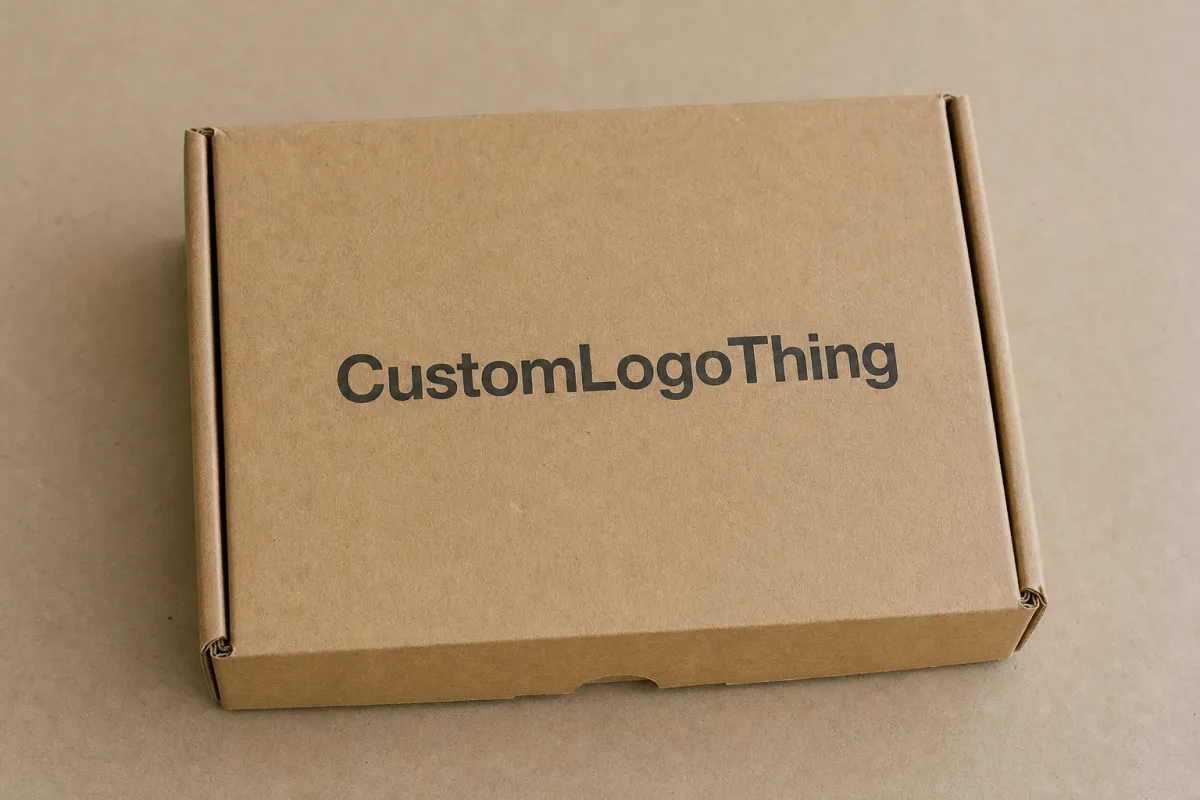
Eco friendly subscription mailers are shipping formats designed to reduce waste, improve material recovery, or incorporate recycled content while still protecting a recurring shipment. That umbrella covers paper-based mailers, recycled-content corrugated shippers, Kraft Folding Cartons, and fiber-based envelopes that use less material than a multi-component shipper. The common thread is not one perfect substrate. It is a smarter use of material for a repeat shipment.
In plain terms, the outer package has to do three jobs at once. It should present the brand well, protect the contents, and support a credible end-of-life path. That last part is where the language can get slippery. A mailer can be recyclable in many paper streams, but coatings, heavy ink coverage, foil accents, plastic windows, and other mixed components can change how easy it is to recover. If a supplier says a format is sustainable, ask what they mean: recycled content, FSC-certified fiber, curbside recyclability, industrial compostability, or simply less material than a traditional box.
That distinction matters. Curbside recycling rules vary by municipality, and compostable does not mean compostable everywhere. A package made with good intentions can still fail the local disposal test if the end user does not have access to the right system. Honest packaging language is not a branding detail; it is part of trust.
A mailer that looks sustainable but crushes in transit is not sustainable in practice. Protection still has to earn its place.
The core promise of eco friendly subscription mailers is straightforward: use enough structure to protect the product, avoid waste that adds no value, and choose a format that matches the real conditions of packing and delivery. That means thinking about product fragility, shipping method, print coverage, closure style, and how much of the protective job the mailer itself must carry. A lightweight apparel kit has very different needs from a glass bottle set or a cosmetics sampler with inserts.
From a packaging buyer's point of view, that is where the decision becomes concrete. If the mailer only needs to survive a short ground route with a soft kit inside, a thin recycled paperboard format may be enough. If the pack-out includes rigid components, fragile items, or long parcel handling, a corrugated structure or reinforced fiber mailer can make more sense. The phrase eco friendly subscription mailers is broad because the use cases are broad, and the right answer depends on the shipment, not the slogan.
It also helps to separate appearance from performance. Some eco friendly subscription mailers feel premium because of natural kraft tones, crisp folds, and restrained graphics. Others feel premium because they are engineered cleanly: easy to open, easy to pack, and easy to stack. The best programs usually deliver both, but the structural side is often the one that gets rushed during artwork approval.
One more practical point: “eco friendly” is not a material category. It is a performance claim plus a recovery claim plus a sourcing claim, all wrapped together. The only way to defend it is to know what the package is made of, how it behaves in shipping, and where it is likely to end up after use. That sounds fussy. It is. Packaging should be.
How Eco Friendly Subscription Mailers Work in Fulfillment
Eco friendly subscription mailers do their real work on the packing line. They usually arrive as flat stock, scored blanks, or pre-formed shells assembled during kitting. That format helps reduce inbound cube at the fulfillment center, and a well-designed blank can be folded quickly into a stable shipper without extra inserts or oversized cartons.
The difference between a smooth pack-out and a frustrating one often comes down to how the mailer opens, folds, and closes. A mailer that holds its shape when loaded, stays square on the table, and does not spring open while being filled saves seconds at every station. A few seconds sounds small. Across thousands of monthly shipments, it becomes a labor line item you can actually feel in the budget.
Closures matter as well. Self-seal strips, locking tabs, tear strips, and tuck flaps all change the workflow. A self-seal can speed things up if the adhesive is reliable and the carrier journey is short. Locking tabs can reduce the need for tape, but only if the closure is intuitive for the packer and durable enough for transit. Tear strips improve the customer opening experience without adding another component, which is useful when the brand wants a cleaner unboxing moment.
On the floor, the details that look minor in a spec sheet often decide whether the line keeps moving. I have watched a team lose time because a closure required too much pressure to seat cleanly. No one notices that issue in a mockup. Everyone notices it when they are repeating the motion 2,000 times a day.
Think of eco friendly subscription mailers as a replacement system, not just a replacement material. In the right application, the mailer can remove the need for a separate outer box, a bag, a wrap, or a layer of void fill. That is where the environmental benefit becomes measurable. If one well-sized shipper replaces three packaging components, the reduction in material handling is real, not theoretical.
Still, real-world performance depends on more than the substrate. Product weight, internal packaging, and shipping distance all influence how eco friendly subscription mailers behave once they leave the building. A soft-goods kit that fits snugly may ship well in a simple kraft mailer, while the same format could fail with brittle components or heavy glass. That is why pack testing matters. The quote is only part of the story; transit behavior closes the loop.
Brands comparing formats sometimes look at Custom Poly Mailers as a baseline, especially for lighter shipments. That comparison can be useful for pricing context, but it is not always the right match if the sustainability brief centers on fiber recovery or recycled paper content. The better question is which format fits the product, the ship method, and the recovery goal, not which option looks cheapest on the first quote.
Fulfillment teams should also judge the package by how it behaves in storage. Does it stack flat? Does it stay neat on a pallet? Does it need a lot of pre-folding before it can be used? If the answer to any of those is no, the packaging may be more expensive than it looks. Labor hides in places finance teams do not always track at first glance.
Key Material, Size, and Print Factors to Evaluate
Material choice is usually the first decision, and for good reason. Recycled paperboard, corrugated board, kraft paper, and other fiber-based options each bring different tradeoffs in strength, printability, and end-of-life recovery. Eco friendly subscription mailers built from recycled paperboard can work well for lighter kits and strong shelf presentation. Corrugated structures offer more crush resistance and are often the better choice for heavier or more fragile contents. Kraft-based mailers can be a practical middle ground for straightforward shipments that do not need heavy reinforcement.
If the product is soft and low-profile, an 18pt to 24pt recycled paperboard mailer may be enough. If the pack-out includes bottles, accessories, or fragile pieces, an E-flute or similar corrugated structure can be the smarter call because it protects edges and corners better during parcel handling. These distinctions are not abstract. A few millimeters of flute height can be the difference between a mailer that arrives clean and one that shows scuffing, flexing, or crushed corners.
Size is just as important as material. Oversized eco friendly subscription mailers waste fiber, increase freight cube, and allow the contents to shift in transit. Undersized mailers create assembly headaches, invite bulging, and may damage inserts or product surfaces. The goal is a snug fit with enough tolerance for easy loading. That usually means measuring the complete load, including tissue, cards, sample inserts, and any protective pieces, before finalizing the dieline.
Print coverage also deserves a careful look. Light branding, one-color graphics, or a restrained front-panel design may preserve recyclability more easily than full flood coverage with dense ink. Coatings, soft-touch finishes, lamination, metallic effects, and heavy varnish can all change how a package is recovered after use. None of those finishes are automatically wrong, but they should be chosen with the recovery path in mind. If end-of-life simplicity matters, fewer mixed materials are usually easier to defend.
Structure details often decide whether eco friendly subscription mailers pack well or become a bottleneck. Score depth affects how cleanly the board folds. Board caliper influences stiffness and print appearance. Fold style changes how quickly the packer can assemble the blank. Insert features can eliminate secondary components, but only if they actually hold the product securely. These small details matter because they shape line speed, shipper consistency, and the customer's first impression.
For many brands, the best spec is not the thinnest one. It is the one that balances board weight, print coverage, closure strength, and transit performance. That is especially true for recurring programs where the same mailer will be packed thousands of times. A slight improvement in structure can pay off in fewer damage claims, lower repack rates, and fewer line interruptions.
Eco friendly subscription mailers also need to match the product category. Fragile cosmetics often need internal stabilization so bottles do not scuff or tip. Apparel usually benefits from a flatter structure with less crush risk and a cleaner finish. Accessories may need compartmentalization. Sampler kits may need a more rigid presentation so the contents do not slide around in the box. The better the fit, the less filler is needed.
One more point on material claims: if you want fiber sourcing credibility, ask about FSC certification or another responsible sourcing document. That is not a substitute for performance, but it helps brands support sustainability claims with traceable evidence. For transport performance, standards from ISTA testing standards are useful because they focus on what happens during shipping, not just what the spec sheet says. Eco friendly subscription mailers should survive real transit, not just look good in a sample room.
Eco Friendly Subscription Mailers: Cost, Pricing, and MOQ
Cost is where the conversation usually becomes practical. Eco friendly subscription mailers can be inexpensive or premium depending on material grade, structure, print coverage, finishing, and volume. A simple recycled paperboard mailer with modest branding may land in a very different price band than a custom corrugated shipper with full-color print and specialty coatings. The quote only makes sense if you know exactly what is included.
The biggest drivers are usually size, board grade, print complexity, tooling, and minimum order quantity. A custom dieline or unique closure often increases setup cost. More print stations can increase both press time and waste. Specialty finishes such as varnish, embossing, or laminating can raise the price and, in some cases, complicate recovery. If the program is volume-driven, a standard structure with controlled artwork is often the most efficient route.
MOQ matters because unit price and cash flow are not the same thing. A lower per-unit price at 10,000 pieces is not helpful if the brand only uses 1,500 mailers a month and has nowhere to store the balance. Eco friendly subscription mailers should fit the program's inventory rhythm. If storage is tight or the assortment changes often, a slightly higher unit price for a lower MOQ can be the smarter operational choice.
Freight, assembly labor, and kitting time should also be counted in the real unit cost. I see this overlooked all the time. A mailer that arrives flat and assembles in a few seconds may cost more on the quote but less in the warehouse. One that needs extra tape, extra inserts, or a second shipper can look cheaper until the labor line is added. Eco friendly subscription mailers are best evaluated on total landed cost, not just the print estimate.
Here is a practical comparison that buyers often use as a starting point. These figures are directional, based on common mid-volume runs, and they move with size, print coverage, material availability, and region. The point is to compare structure and protection, not to lock in an exact number from a single quote.
| Mailer Type | Typical Unit Cost at 5,000 Pieces | Best For | Notes |
|---|---|---|---|
| 18pt recycled paperboard mailer | $0.22-$0.38 | Light apparel, flat kits, samples | Good print surface, lower cube, limited crush resistance |
| Recycled corrugated mailer | $0.38-$0.72 | Fragile items, heavier kits, longer transit lanes | Better edge protection, more board, usually higher freight weight |
| Kraft folding mailer with insert | $0.18-$0.30 | Simple recurring shipments with controlled pack-out | Lean material use, works well when the product has a stable footprint |
| Premium fiber-based custom mailer | $0.55-$0.95 | High-touch unboxing, premium retail subscriptions | Can support strong brand perception, but needs a careful cost review |
That table matters because it shows why cheap and efficient are not always the same thing. A more expensive eco friendly subscription mailer can lower total program cost if it replaces a second component, reduces damages, or speeds up packing. That is often the hidden win. The mailer is not just a container; it is part of the labor and transit system.
Quote the full system, not just the blank. A mailer that saves ten cents but adds thirty seconds of labor may cost more in the end.
Another pricing question is whether the design needs a custom structure or can use a standard format. Standard formats usually reduce tooling expense and can shorten lead time. Custom structures give more control over the fit and unboxing experience. There is no universal answer. For some brands, the best result is a simple recycled board mailer with one-color print and a tight internal fit. For others, the right choice is a stronger corrugated shipper with a premium print finish because damage risk would otherwise outweigh the material savings.
Eco friendly subscription mailers should also be compared against the brand's service promise. If the subscription ships monthly and the customer expects a neat, premium presentation, saving a few cents at the expense of visible crush or a poor opening experience is false economy. A clear, well-built mailer can support retention by making the box feel deliberate. That is not fluff; presentation affects whether a customer remembers the shipment as thoughtful or careless.
If the brand needs a wider procurement view, a packaging partner can help compare board grades, print levels, and closures across multiple lines of Custom Packaging Products. That comparison matters because the best eco friendly subscription mailers often win by fit and workflow, not just by material count.
Production Steps, Timeline, and Lead Time for Custom Mailers
Production for eco friendly subscription mailers usually follows a predictable path, even though the details vary by supplier. It starts with discovery and size confirmation, moves into structural specification, then artwork prep, sampling, approval, production, and delivery. The smoothest projects are the ones where dimensions are finalized early and the artwork is built to the correct dieline from the beginning. That saves back-and-forth and avoids rework during proofing.
Lead time grows when the structure changes, when artwork is not ready, or when material sourcing is tight. A straightforward run with a standard structure and clean artwork might move from proof approval to shipment in about 12-15 business days. Add custom tooling, specialty finishes, or several sample rounds, and the timeline can stretch into several weeks. During seasonal demand spikes, even simple eco friendly subscription mailers can take longer if board stock or converting slots are constrained.
Sampling is a bigger deal than many buyers expect. A flat sample shows dimensions and fold behavior. A pre-production sample shows how the printed mailer looks and feels. A pack-out test confirms whether the product fits, closes correctly, and survives the assembly flow. If the kit includes inserts or fragile pieces, that test should be done with real packing staff, not only in a desk review. The best sample in the room is the one that works under normal warehouse conditions.
Fulfillment teams should prepare in parallel. That includes staging bin sizes, writing assembly instructions, confirming barcode placement, and reserving storage space for incoming cartons or pallets. It also helps to assign a target pack time per unit so the team knows whether the chosen eco friendly subscription mailers are actually improving throughput. A design that adds only a few seconds per pack may sound harmless, but across a month of recurring shipments, those seconds become labor hours.
Eco friendly subscription mailers are also more stable when the artwork files are stable. If the logo keeps changing, the copy is not approved, or the regulatory text is still being edited, the project stalls. The press run itself may be quick, but the front-end decisions are what protect the schedule. This is why buyers often underestimate the value of final dimensions, final copy, and final closure style. Those choices lock the route forward.
For brands trying to improve shipping performance, transport testing can be the difference between a guess and a controlled launch. Standards from organizations such as the EPA recycling guidance are useful for recovery questions, while transit tests help validate what happens after the box leaves the dock. Eco friendly subscription mailers need both sides of the equation: responsible material choices and a proven shipping outcome.
There is a practical rhythm to the whole process: discovery, dieline, sample, pack test, approval, run, delivery. When each stage is defined clearly, surprises tend to show up early enough to fix. That matters even more for recurring programs, because the same pack format will be used month after month.
Step-by-Step Guide to Ordering the Right Mailer
Start with the product, not the box. Measure the exact load, including inserts, tissue, instruction cards, and any protective pieces that ride inside the shipper. Do not estimate from memory. A half-inch of extra room can change the structure choice, the insert design, and the final freight cube. Eco friendly subscription mailers perform best when the content footprint is known precisely.
Next, turn that measurement into a packaging brief. The brief should name the target ship method, the sustainability claim you want to support, the branding style, and the expected monthly volume. It should also note whether the mailer needs to survive parcel shipping on its own or whether it will ride inside a secondary shipper. That single detail can change the entire spec.
Then request samples or prototypes and test them in real conditions. Put them through the actual packing routine, not just a desk fit check. See how quickly the team can load the product, whether the closure holds, and whether the package looks neat after handling. If the mailer takes too long to build or feels awkward in the hand, it will become a labor problem. Eco friendly subscription mailers should make the warehouse job easier, not more fussy.
Approve the dieline only after fit and assembly speed are both confirmed. A mailer can look attractive on a mockup and still fail in the line if the folds are too tight or the tabs are hard to seat. If pack-out time rises above the target, reconsider the closure, the score, or the insert. Real production speed matters because subscription programs repeat the same motion again and again.
Once the structure is locked, think about reorder points and storage assumptions. Subscription volume can grow, assortment can change, and packaging inventory can disappear faster than expected during promotions. A good spec stays practical when the business scales. The right eco friendly subscription mailers should support steady replenishment, not create a special-case process every time the next run is needed.
- Measure the full load. Include product, inserts, and protection pieces.
- Write a brief. Define ship method, monthly volume, and sustainability goals.
- Test real samples. Watch the pack-out, closure, and transit behavior.
- Lock the dieline. Confirm fit and speed before approving production.
- Plan inventory. Set reorder points and storage space before the first run lands.
If you want the highest chance of a clean launch, use a simple rule: the best spec is the one that fits the product, the pack line, and the shipping lane at the same time. Eco friendly subscription mailers are worth the extra planning because they touch every part of the subscription experience, from warehouse labor to customer perception.
Common Mistakes and Expert Tips for Better Results
The most common mistake is choosing the sustainability claim before confirming the protection level the product actually needs. That is backwards. If the mailer is too light for the shipment, the customer receives damaged goods and the brand absorbs the cost. Eco friendly subscription mailers should be specified around performance first, then refined for recovery and appearance.
Another frequent problem is overprinting or adding coatings that make the mailer harder to recycle or more expensive than the subscription program can support. A full-coverage design may look strong in a mockup, but if the end goal is broad fiber recovery, the cleaner route is usually better. Heavy lamination, metallic effects, and mixed-material decoration can all create downstream complications. That does not mean they are always wrong; it means they need a real business case.
Expert buyers usually simplify structure before they add decoration. A cleaner fold pattern often improves both production speed and shelf appeal. If a mailer can be folded with fewer motions, stored in a neater stack, and sealed with less effort, the operational payoff can be substantial. In a subscription setting, that kind of efficiency matters because the same action repeats every cycle.
Test the mailer with the people who will actually use it. A design that looks elegant in an office can still fail on the floor if the closure is awkward, the insert is too tight, or the tabs catch during assembly. In other words, the best eco friendly subscription mailers are not just drawn well; they are packed well. That is a warehouse truth more than a marketing truth.
Another practical tip is to check recovery instructions before the first production run. If the mailer is made from fiber and is meant to be recycled, say so clearly and avoid confusing mixed materials where possible. If the format uses a special coating or a more specialized recovery path, explain that honestly. Buyers appreciate clarity, and customers are more likely to trust the brand when the end-of-life message is specific.
Here is a simple field checklist I like for eco friendly subscription mailers:
- Confirm product dimensions with inserts included.
- Compare landed cost, not just piece price.
- Check assembly time at the pack station.
- Verify closure strength and corner protection.
- Review print coverage and recovery compatibility.
- Set reorder points before inventory gets tight.
One more expert note: do not let premium appearance hide a weak structure. A crisp printed mailer can still fail if the board is too light or the internal load shifts too much. Conversely, a very simple recycled board mailer can perform beautifully if the dimensions are right and the pack-out is disciplined. That is why eco friendly subscription mailers should always be judged as a system.
For brands that want a sturdier benchmark, it can be useful to compare a fiber-based option with a rigid shipping format and then decide whether the subscription kit really needs all that structure. Sometimes the answer is yes. Sometimes it is not. The point is to let the product dictate the package, not the other way around.
Final takeaway: the smartest eco friendly subscription mailers are the ones that protect the product, keep fulfillment efficient, and leave a clear recovery path for the customer. If you are ordering one, start with the pack-out, test the closure in a real line, and choose the lightest structure that still survives the route. That sequence usually produces a better package than beginning with the artwork or the sustainability label.
What makes eco friendly subscription mailers different from standard mailers?
They are designed to reduce material waste, improve recyclability, or use recycled content without giving up the protection a subscription shipment needs. The main difference is usually structural efficiency: the better versions use less material, fit the product more closely, and remove unnecessary layers. A standard mailer may still work, but it is not automatically the better choice if it creates more void fill or a larger shipping footprint. Eco friendly subscription mailers are about smarter system design, not just a different label.
Are eco friendly subscription mailers more expensive than regular options?
Not always. The unit price can be higher on some materials, but total cost may be lower if the mailer replaces a box, dunnage, or a second component. Pricing depends on size, board grade, print coverage, finishing, and order volume, so quote comparisons should include the full landed cost. For recurring programs, a well-fit mailer can also save labor time during packing, which matters as much as the material price.
Which materials work best for eco friendly subscription mailers?
Recycled paperboard and corrugated structures are common choices because they balance strength, printability, and broad recycling acceptance. Kraft-based options are often a strong fit for lighter products, while more rigid corrugate is better for fragile or heavier subscription kits. The best material depends on product weight, required presentation, and whether the mailer needs to survive shipping on its own. Eco friendly subscription mailers only work well when the material matches the load.
How long do eco friendly subscription mailers usually take to produce?
Lead time varies by structure, quantity, print complexity, and whether sampling or artwork revisions are needed before production begins. Simple runs can move faster, while custom dielines, specialty coatings, or higher-volume orders usually need more planning time. The quickest way to protect schedule is to finalize dimensions early and approve samples promptly.
Can eco friendly subscription mailers be custom printed and still stay recyclable?
Yes, but the print method, ink coverage, coatings, and any added finishes need to be chosen with end-of-life recovery in mind. Light-to-moderate branding is often easier to keep compatible than heavy lamination or mixed-material decoration. If recyclability is a priority, confirm the exact material and finish combination before approving artwork so the final eco friendly subscription mailers still match the recovery goal.