Event merch Soft Touch Poly mailers Bulk Order Planning looks straightforward right up until the numbers, the kit mix, and the shipping windows collide. A mailer is not just a sleeve for apparel. It is the first thing people touch, the surface that carries the brand, and the one piece of packaging that has to survive fulfillment, freight, receiving, and the occasional careless handoff.
The soft-touch finish is part of the appeal. It gives a flat poly mailer a more refined feel, hides light scuffing better than glossy film, and makes a conference tee or sponsor kit look like it was packed on purpose instead of thrown into a bag and hoped for. That effect matters. So does the cost. If the order is wrong on size, film thickness, or quantity, the “premium” package turns into an expensive correction.
The useful way to approach it is simple: start with what the kit contains, then decide how much overage the event actually needs, then compare the landed cost across a few size and print options. Pretty artwork helps. Accurate planning saves money. The second one is less glamorous and usually more valuable. If you are also comparing broader packaging formats, it can help to browse Custom Packaging Products, check Custom Poly Mailers, or review Wholesale Programs before you lock in a bulk order.
Why event merch soft touch poly mailers bulk order planning changes the unit economics
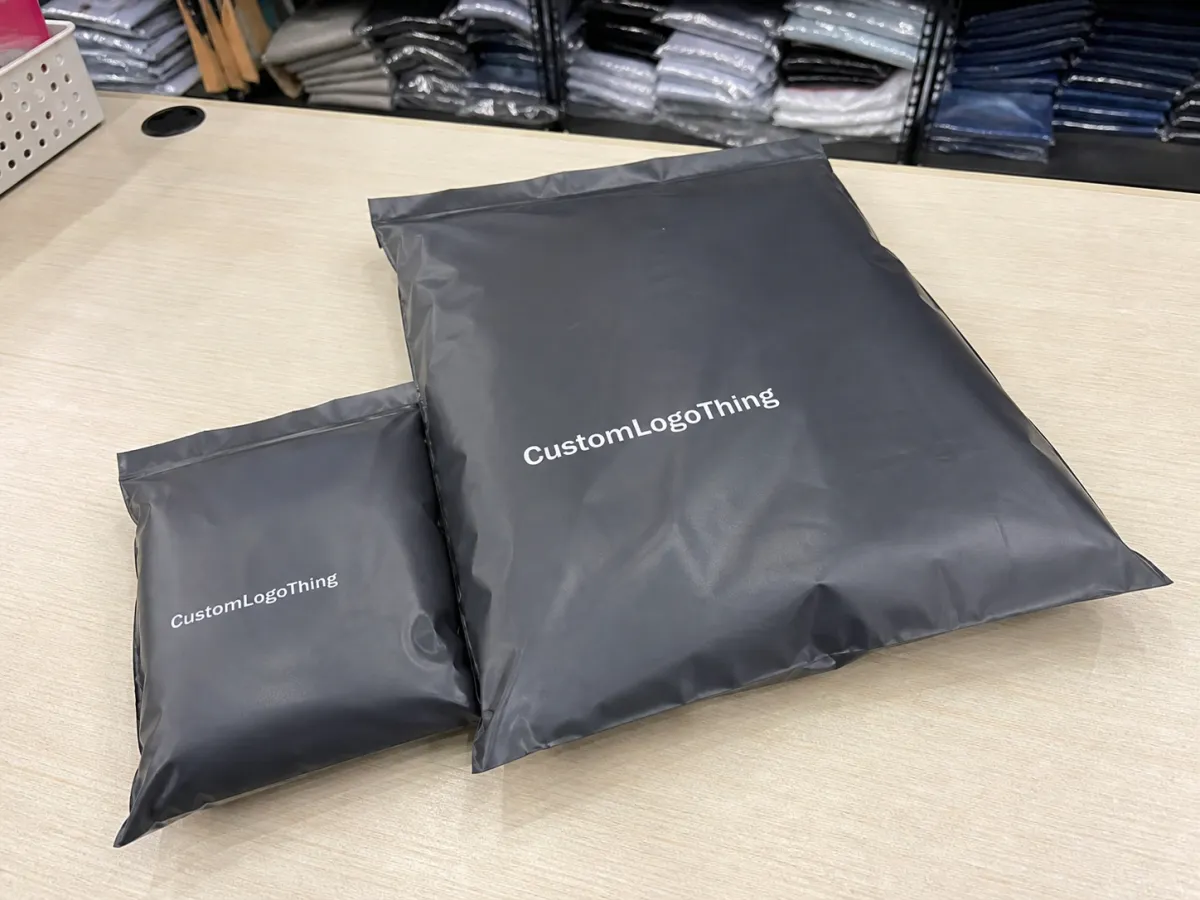
The finish changes perception first. A matte, velvety mailer reads as more deliberate than a plain shipping poly bag. That does not sound like much until the box is opened at registration or in a media room and the package is stacked next to everything else on the table. The soft-touch surface holds up visual interest, and in many cases it makes event merch feel closer to a retail drop than a giveaway.
But the economics are not driven by feel alone. Bulk planning usually changes the unit price in several ways at once: the larger the run, the lower the per-piece print cost; the more standard the size, the easier it is to hold pricing; and the simpler the art, the fewer production risks. A mailer that costs a little more upfront can still be the better purchase if it reduces repacking, protects the merch from moisture, and avoids having to ship oversized cartons of wasted air.
Event teams often have a few predictable pressures. One is the need to serve different audience groups with the same packaging: VIP kits, speaker gifts, staff uniforms, influencer drops, and late-arriving replacement packs may all need to use the same base structure. Another is the timing issue. Bulk orders are frequently placed before the final headcount is known, so a practical buffer is usually needed. A common planning range is 5% to 15% over the expected quantity, though the right number depends on registration behavior, spoilage risk, and whether the mailers are also being used as backup shipping stock.
Soft-Touch Poly Mailers also sit in a useful middle ground between low-cost plain mailers and more rigid custom cartons. They are lighter than boxes, which often helps with postage, and they can be stored flat, which is helpful when the event space is tight. In a high-volume environment, that can lower handling time enough to matter. The result is a package that often feels premium without creating the weight and cube penalties that come with heavier packaging.
If the drop is part of a larger merchandising program, it is worth looking at the packaging family as a whole. Mailers may be the main shipping format, but the same campaign often needs inserts, labels, tissue, or outer cartons. Coordinating those pieces through the same supplier or program can reduce color drift and approval delays. The most reliable bulk plans usually think in systems, not single items.
Choose the right mailer size for shirts, kits, and mixed merch
Size is the first real decision because it affects postage, storage, and the perceived value of the kit. For apparel-based event merch, common mailer sizes often fall in the range of 10 x 13 inches, 12 x 15.5 inches, 14.5 x 19 inches, and similar flat formats. Exact dimensions vary by supplier, and usable space depends on seams and closure style, so the nominal size should not be treated as the full interior capacity.
A single folded T-shirt usually fits comfortably in a mid-size mailer, while a hoodie, towel, or thicker kit may need a larger format or a different package structure. If the event includes mixed merch, the safest method is to pack a sample kit before placing the order. A mailer that seems fine for a tee can become awkward once you add a lanyard card, sticker sheet, and folded program. Even a small increase in thickness can change the seal quality and the final shipping profile.
For planning purposes, it helps to think in product volumes rather than item counts. One tee plus one postcard usually behaves differently than one tee plus a boxy accessory or a rigid insert. If the contents are soft and compressible, a poly mailer is usually enough. If the contents have sharp edges, layered components, or anything that should not bend, then the packaging may need extra protection or a hybrid setup. That is why a sample test is often more reliable than guessing from a product list.
Thickness matters too. Many Custom Poly Mailers sit in a typical range of roughly 2.5 mil to 4.0 mil, though some programs go lighter or heavier depending on shipping distance and handling. A thinner film may reduce material cost, but a slightly thicker film can improve puncture resistance and reduce the chance of split corners. For event merch, a balanced mid-range spec is often enough unless the package is traveling long distances or carrying dense contents. If the merch will be re-used by staff, a stronger film can also make the mailers feel less disposable.
Closure style should be part of the sizing discussion. A self-seal adhesive strip is common because it speeds fulfillment. If the event expects to pre-pack thousands of units, the adhesive quality becomes important. The seal should close cleanly without a long dwell time, and it should tolerate the normal range of warehouse temperatures and transit conditions. A poorly chosen adhesive can lift in warm storage or become less reliable when the package is stuffed to capacity.
In some cases, it is smart to have two sizes instead of one oversized compromise. For example, a smaller mailer can handle tee-only kits, while a second size can hold expanded kits, returns, or replacements. That approach may sound like extra complexity, but it can improve efficiency if the event has clearly different packout categories. The main tradeoff is inventory discipline: you need to label and store each size clearly so the wrong pack does not get used by mistake.
Soft-touch finish, print setup, and performance specs to confirm
“Soft-touch” is often used as a shorthand for a matte, smooth, tactile finish rather than one single manufacturing method. Depending on the supplier, the effect may come from a coated surface, a matte laminate, or a print process that leaves a softer hand-feel than a standard gloss film. It is worth clarifying exactly how the finish is achieved because the answer can affect durability, color appearance, and price.
On a practical level, the finish should be checked against the actual use case. A soft-touch surface looks refined, but it can show fingerprints or rub marks differently than gloss film. It may also change how dark colors appear. Rich black, deep navy, and other saturated tones often look strong on matte surfaces, while lighter art can appear slightly subdued. If the brand depends on bright, high-contrast art, the proof should be reviewed carefully before approval.
Printing setup matters just as much as finish. For bulk poly mailers, common print methods often include flexographic or gravure-style production depending on the artwork complexity, quantity, and supplier capability. Simpler designs with a limited color count are usually easier to control. Full-coverage artwork, gradients, and photographic elements can be more demanding and may require tighter proofing. If the design has exact color expectations, ask how the printer handles spot colors, ink limits, and registration tolerance.
It is also smart to confirm whether the quoted price includes one-sided or two-sided printing, whether the back side can remain unprinted, and how bleed areas are handled. A design that stretches edge to edge may look premium, but it can increase scrap risk if the art is not built with the production method in mind. Clear margins around the seal area and the flap zone are usually safer. Many teams also reserve a blank area for barcodes, routing labels, or carrier stickers, which helps fulfillment move faster.
Several performance specs are worth confirming before placing a bulk order:
- Film thickness, usually listed in mils or microns, since this affects puncture resistance and feel.
- Seal strength, especially if the mailers will be packed in warm rooms or stored for long periods before use.
- Tear resistance, which is especially important for apparel with zippers, metal pins, or hard accessories.
- Water resistance, since poly mailers are commonly chosen to reduce moisture risk during transit.
- Opacity, because event merch often benefits from privacy and a cleaner presentation.
- Reclosability or tamper evidence, if the mailers are being used for returnables or controlled distribution.
If sustainability is part of the brief, confirm the exact material claim rather than assuming all poly mailers are the same. Some programs may use recycled content, downgauged film, or recyclable structures where available, but those choices depend heavily on local recycling systems and supplier formulations. A cautious claim is usually safer than a broad promise. The best packaging decision balances appearance, transport efficiency, and real-world recovery options rather than chasing a single label.
Pricing, MOQ, and unit-cost breakpoints
Bulk pricing for event merch Soft Touch Poly Mailers usually behaves in tiers. The per-piece price often drops as the order quantity rises, but not in a perfectly straight line. Tooling, plate setup, color count, bag size, and film spec all influence the quote. As a result, a slightly larger order can sometimes improve the unit economics enough to justify the extra inventory, while in other cases the savings are too small to matter.
Minimum order quantity is another point where assumptions can lead to trouble. Some programs allow relatively small custom runs, while others are more economical at higher volumes. Typical MOQs can range from around 1,000 pieces to 5,000 pieces or more, depending on the print method and customization level. If the event is one-time only, a lower MOQ may be preferable even if the unit price is a bit higher. If the same design will be reused across multiple drops, higher quantities can make more sense because the setup cost gets spread out.
The right breakpoint depends on how the merch program is structured. If a brand is launching one large event and then ending the campaign, over-ordering can tie up cash and storage space. If the same mailers will be used for staff shipment, media kits, or post-event fulfillment, a larger quantity can be the safer play. The planning question is not only “what is the cheapest unit price?” but also “what is the lowest total cost after storage, waste, and reorders?”
It helps to compare quotes using the same assumptions. For example, ask each supplier to quote the same size, print coverage, finish type, and total quantity. Then compare the actual landed cost, not just the base packaging price. Freight, proofing, plate charges, and rush fees can all change the result. A quote that looks lower at first can become more expensive once shipping and setup are added.
One of the biggest hidden cost drivers is art complexity. A one-color logo on a solid field is usually simpler than a full wrap with multiple brand elements. That does not mean a strong visual design is out of reach, only that every added layer should earn its cost. For event merch, a clean design often works better anyway because the package may be seen briefly before it is opened. Readability and brand recognition usually matter more than cramming in every message.
Another useful tactic is to build a small contingency into the order if the event is high risk. If late registration, sponsor add-ons, or VIP substitutions are likely, a 7% to 10% overage may be more efficient than paying for a rushed second run. On the other hand, if quantities are locked and the schedule is stable, a tighter order with only minimal excess can be enough. The best choice depends on how confident the team is in the final packout count.
Process and turnaround from proof to delivery
Bulk mailer projects usually move through a familiar sequence: estimate, artwork review, proof approval, production, quality check, and shipment. The exact timing depends on supplier workload, print complexity, and whether samples are required. A straightforward project can move relatively quickly, while a custom finish with multiple print colors may need more review time.
Proofing deserves more attention than it often gets. A digital proof can confirm layout, spelling, and placement, but it cannot fully replicate the final texture or surface appearance. If the order is important to the event, ask for clear proof details and verify every visible brand element. Pay special attention to logo scale, small type, QR code readability, and the position of any legal copy or recycling marks. If the mailer has a seal flap or tear notch, the proof should show those zones clearly so nothing important is hidden after packing.
Turnaround often falls into a typical range of a few weeks for custom bulk production, though the exact timing depends on volume, art readiness, and shipping distance. Rush timelines may be available, but they usually narrow the production window and leave less room for correction. That is risky when the packaging is tied to a fixed event date. If the mailers need to arrive before a conference, drop, or road-show launch, it is usually safer to build in extra time rather than squeeze the schedule at the end.
Shipping strategy is part of the production plan. Large orders may arrive on pallets or in multiple cartons, and the receiving team should know what to expect. If the mailers are going to a fulfillment partner, distribution center, or event warehouse, the destination should be prepared to receive the shipment cleanly. Clear labeling, carton counts, and advance notice can save a lot of time at intake. For multi-location event programs, it is often useful to split the order by destination rather than repack on site.
Quality control should include more than a quick visual check. The team should confirm print alignment, color consistency, seal function, and bag dimensions once a production sample or first carton arrives. If the packaging is used for apparel, a real pack test is especially helpful because folded garments can behave differently from the flat sample used in proofing. The best time to catch a sizing issue is before the full event inventory is distributed.
If the project involves repeat drops, keep a simple record of what worked: actual fill weight, final size used, any overage consumed, and whether the finish showed scuffing during fulfillment. Those notes make the next order much easier to place. Event packaging rarely stays static, and a good mailer program improves when it learns from each campaign.
What makes a packaging partner reliable for repeat event drops
Repeat event drops need consistency more than novelty. A reliable packaging partner should be able to repeat the same size, print, and finish with minimal drift from run to run. That matters because teams often reorder on short notice when a new sponsor appears, attendance changes, or a regional event is added to the calendar. If the packaging cannot be matched closely, the brand experience becomes inconsistent.
Responsiveness is one sign of that reliability. The supplier should answer practical questions about size tolerances, artwork limits, and shipping options without making the team decode technical jargon. They should also be transparent about what is standard and what creates extra cost. For example, special coatings, extra colors, uncommon dimensions, or nonstandard closure styles may all be possible, but they may also change the schedule or MOQ.
Another good sign is a willingness to talk through the actual use case. An experienced packaging partner will ask what is inside the mailer, whether the order is for outbound shipping or handout distribution, and whether the merch is expected to move through a warehouse conveyor, a registration table, or direct attendee pickup. Those details can influence the recommendation more than a generic product spec sheet.
Inventory planning also matters for reliability. Some teams need a rolling stock of mailers for multiple events, while others only need a single campaign run. If reuse is likely, it can make sense to standardize on one or two versatile formats and hold a small reserve. That approach is often more efficient than restarting the sourcing process every time a new event is scheduled. A good wholesale structure can support that, which is why it is worth reviewing Wholesale Programs before committing to a one-off order.
Finally, a dependable partner should be comfortable balancing performance and budget. Not every event needs the heaviest film or the most complex print. Sometimes the best answer is a clean, durable soft-touch mailer with a modest print layout and a sensible overage. The right supplier will help the team avoid both underspecifying and overbuying.
Next steps to finalize quantities, artwork, and shipping windows
The final planning pass should reduce uncertainty, not create new it. Start with the merch list, then group items by thickness and shape, and then decide how many mailer sizes are actually needed. If possible, assemble a physical sample kit and test it in the intended mailer before sending artwork to production. That quick test often reveals whether the bag needs more depth, stronger film, or a wider seal zone.
Next, confirm the artwork details. Keep the logo clean, leave space for packing labels if needed, and make sure the final file matches the print method. If the design includes a soft-touch matte surface, ask for a proof that reflects the intended finish as closely as possible. Even small changes in color density can matter on a surface that is meant to feel premium.
Then lock the quantity with a practical overage. For many event programs, a modest buffer is enough. For uncertain registration or multiple distribution points, a larger reserve may be safer. The right answer depends on timing, budget, and whether the mailers can be reused after the event. If the planning team is still debating between a few options, compare total cost, not just per-piece price.
Finally, build the shipping window backward from the event date. Include time for proof revisions, production, transit, receiving, and any last-minute rework. A mailer order that arrives on time but is not checked will still create stress at the wrong moment. A good rule is to give yourself enough cushion to solve a problem without turning it into a crisis.
When the order is handled this way, event merch soft touch poly mailers Bulk Order Planning becomes a practical advantage instead of a spreadsheet exercise. The packaging looks intentional, the fulfillment team works faster, and the event feels more polished because the details were planned with care.
FAQ
What is the most common mailer size for event merch?
Many event teams start with a mid-size mailer such as 12 x 15.5 inches for folded tees and lightweight kits. The right size depends on the fold, the contents, and whether the package needs room for inserts or a second item.
How thick should a soft-touch poly mailer be?
A typical range is around 2.5 mil to 4.0 mil, though some projects use lighter or heavier film. Thicker material can improve durability, while lighter film may reduce cost and shipping weight. The best choice depends on the merch and transit conditions.
How far in advance should a bulk order be placed?
It is usually wise to allow several weeks from proof approval to delivery, especially for custom print and larger quantities. Rush options may exist, but a longer window gives more room for artwork checks and shipping delays.
Can one mailer work for both shirts and mixed kits?
Sometimes yes, but it depends on the kit thickness. A sample pack test is the safest way to confirm whether the same mailer can handle both a tee-only pack and a mixed merch bundle without bulging or sealing poorly.
What should be confirmed before approving a final proof?
Check the size, print placement, logo scale, colors, seal zone, and any labels or regulatory marks. If the finish is soft-touch, it is also helpful to confirm how the matte surface may affect the final color appearance.
Are soft-touch mailers suitable for repeated use?
They can be, depending on film thickness and handling. If the mailers will be reused for shipping or internal distribution, a stronger specification is often worth considering so the bags hold up better over time.


