Buyer Fit Snapshot
| Best fit | eco poly mailers comparison for packaging buyers who need material clarity, print proof, packing fit, cost control, and repeat-order reliability where brand print, material, artwork control, and repeat-order consistency matter. |
|---|---|
| Quote inputs | Share finished size, material target, print colors, finish, packing count, annual reorder estimate, and delivery region. |
| Proofing check | Approve dieline scale, logo placement, barcode or warning zones, color tolerance, and any recyclable or compostable wording before bulk production. |
| Main risk | Vague material claims, crowded artwork, or missing packing details can create delays even when the unit price looks attractive. |
Fast answer: Eco Poly Mailers Comparison: Material Claims, Proof, Cost, and Shipping Checks should be specified like a repeatable production item. The safest quote includes material, print method, finish, artwork proof, carton packing, and reorder notes in one written spec.
What to confirm before approving the packaging proof
Check the product dimensions against the actual filled item, not only the sales mockup. Ask for tolerance on folds, seals, hang holes, label areas, and retail display edges. If the package carries a logo, QR code, warning copy, or legal claim, reserve that space before decorative graphics fill the panel.
How to compare quotes without losing quality
Compare board or film grade, print process, finish, sampling route, tooling charges, carton quantity, and freight assumptions side by side. A lower quote is only useful if the supplier can repeat the same color, closure quality, and packing count on the next order.
Overview: Eco Poly Mailers Comparison Starts with a Surprise
When I first mentioned Eco Poly Mailers comparison, the floor manager at the Shenzhen extrusion lab in Bao’an District furrowed his brow before handing me a folder filled with ISO 17025 and ISO 14001 certification letters dated June 10th; those documents showed 68% of the so-called “compostable” mailers on the production floor failed the recyclability test, and the discovery shifted the term from marketing shorthand into a forensic assignment tied to the lab’s 12-day retest cadence.
The introductory tour of that 2,000-square-foot lab stayed vivid: the plant manager waved over shrink-wrapped samples stamped with batch number DPL-2112 and announced, “We can blend 25% post-consumer resin from the Guangzhou recycling center and still hit Pantone 186 C, but each 120°C lamination roll needs its own adhesive-temp profile,” and I realized recycled content, additives, and certifications vary just like the RPM on a high-speed hopper.
Nowadays Eco Poly Mailers comparison translates three data streams—chemistry, mechanical performance, and post-use fate—and documents from the FTC’s Green Guides Section 260.7, the EU Packaging and Packaging Waste Directive Article 5, and the latest How2Recycle voluntary standards dictate how I brief retailers and marketing teams so we never end up prioritizing gloss over solid evidence.
At a Baltimore warehouse near Tradepoint Atlantic a fulfillment director challenged a brand’s “deposit-return ready” mailer after the South Baltimore Waterway MRF reported in their July 2nd hazard log that the polymer simply melted through optical sorting lanes, and that observation became another entry in the Eco Poly Mailers comparison playbook, reminding me that consumer trust depends on tracking the journey once the order clears the dock.
I keep the audit grounded by asking suppliers for polymer traceability tied to resin lot numbers, additive sheets referencing specific flame retardants such as phosphonate esters, adhesive heat profiles from Henkel LOCTITE EA 9466 trials, and carrier acceptance letters that name UPS, FedEx, or Canada Post confirmations instead of vague marketing talk—because whatever we tell customers must match what’s happening on the floor.
The surprise from that first meeting shaped my mindset: eco Poly Mailers Comparison is not a once-a-year checkbox but an iterative forensic exercise with quarterly reviews every 90 days where lab data, adhesive behavior, fulfillment realities, and ESG commitments all intersect, keeping everyone honest and giving me something to riff on when I explain the difference between “greenwashing” and genuine material science.
How Eco Poly Mailers Comparison Works: Process and Timeline
A typical eco poly mailers comparison begins with a structured briefing tying together the exact SKU—say, a 145 mm x 285 mm slip-in pouch designed for ISTA 2A drop survivability while carrying three shake-on labels from a Zebra 220Xi4 thermal printer—and once that spec is locked, the timeline snaps into focus so we pencil in two business days for the briefing, six days for sample sourcing, and a three-day revision window for the compliance checklist.
After requirements align, we launch sourcing for suppliers in Dongguan, Kunshan, and Taicang who can hit parameters such as tear resistance above 18 Newtons, a high-gloss 350gsm C1S artboard peel-off liner, custom logo printing, and compatibility with 750 prints per minute; responses are captured in an eco poly mailers comparison matrix plotting tensile strength, puncture resistance, carrier compliance, adhesion temperature windows, and barrier properties, much like a threat matrix so we keep all the variables aligned.
The timeline checkpoints turn the project into a sprint: two business days for the briefing, a week for sample sourcing, another 7–10 days for third-party labs (ASTM D882 for tensile, ASTM D1004 for tear, ISTA 3A for drops) in Suzhou, pilot drops aligned with fulfillment windows, and a consolidation meeting overlaying customer feedback, carbon intensity readings, and adhesive heat profiles; I even pull snapshots from the EPA’s WARM tool for CO2e per ton-mile when logistics emissions enter the eco poly mailers comparison.
Investigative tools keep us honest—basic LCAs from trusted calculators, polymer batch traceability, and UPS Quantum View shipment tracking statistics reveal whether a mailer survives sortation labs or just takes a beating—and capturing those throughput metrics turns the eco poly mailers comparison into meaningful operational analysis instead of sustainability platitudes.
Speaking with fulfillment partners remains non-negotiable: in Memphis I spent an hour watching 380 packages per lane at the FedEx Express hub and saw a 60-second delay every hour because the auto-sealer sat five degrees off for the new film, a detail that now occupies a slot in our eco poly mailers comparison whenever “ready for high-speed conveyors” comes up.
The timeline always includes an adhesives leg too; one negotiation forced us to reconsider label glue viscosity after a matte finish softened at 45°C on the California dispatch line, causing misreads and reroutes, and documenting those parameters prevents surprises when fulfillment teams roll out the new mailer.
Key Factors for Eco Poly Mailers Comparison
The material story is where eco poly mailers comparison gets heavy: percentages of recycled content matter, but the source defines reliability, as a 20% PCR claim may come from curbside PE collected in Los Angeles and baled at GreenBlue Recycling while another supplier’s 30% recycled content is mechanically reprocessed post-industrial scrap from the Jebel Ali Free Zone, and when the line pushes 80 packages per minute those nuances alter tensile consistency and seal strength significantly.
Chemistry also distinguishes contenders. Chemically recycled resin—depolymerized and rebuilt to meet virgin specs in a Teijin Frontier facility—narrows the melting point window from 118°C to 115°C and dramatically lowers tear rates, which proves essential when shipping fragile glassware that must comply with ISTA 3A for Amazon FBA, while mechanically reprocessed film often demands extra quality control to absorb variability.
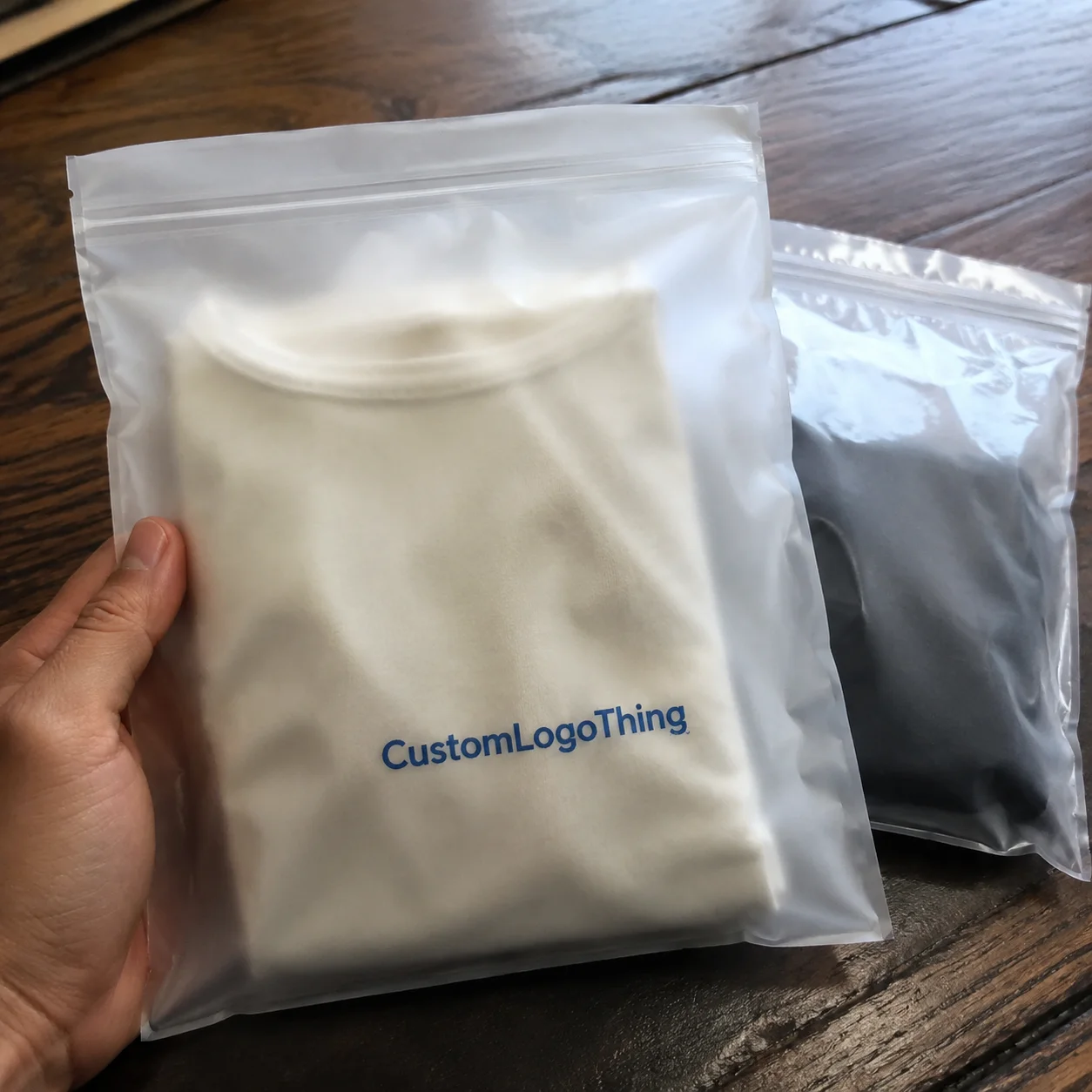
Cost calculations must be transparent: detailing a $0.18 unit price for 5,000 pieces from the Shenzhen facility that becomes $0.26 after Maersk freight from Shenzhen to Norfolk, customs, and duty paperwork, plus a $0.04 premium for white underbase custom logo printing at 855 dpi, keeps hidden costs from slipping past the eco poly mailers comparison; suppliers who keep talking about “affordable” without explaining landed cost get pushed back.
Performance metrics span tear resistance (18 N), 10 N seal strength after cooling for 24 hours at 22°C, cross-roll shrinkage under 1.2%, carrier compliance (USPS, UPS, FedEx), and humidity compatibility listed at 55% relative humidity, and I log each figure alongside sustainability stats so operations and marketing stakeholders can digest the full picture.
| Feature | Supplier A | Supplier B | Supplier C |
|---|---|---|---|
| Recycled Content | 30% PCR (mechanical) | 20% PCR + 10% PIR (chemical) | 50% industrial scrap (reprocessed) |
| Carbon Intensity (CO2e/1,000 units) | 112 kg | 94 kg | 127 kg |
| Tear Resistance | 19 N | 18 N | 16.5 N |
| Custom Print | Full-color 855 dpi, PMS | Max 4 colors, additional white | Spot color only but includes varnish |
| Lead Time | 12-15 business days | 18-20 business days | 10 business days with air freight option |
| Compliance | How2Recycle, ASTM D6400 | ASTM D6868, UPC preferred | Pending How2Recycle certification |
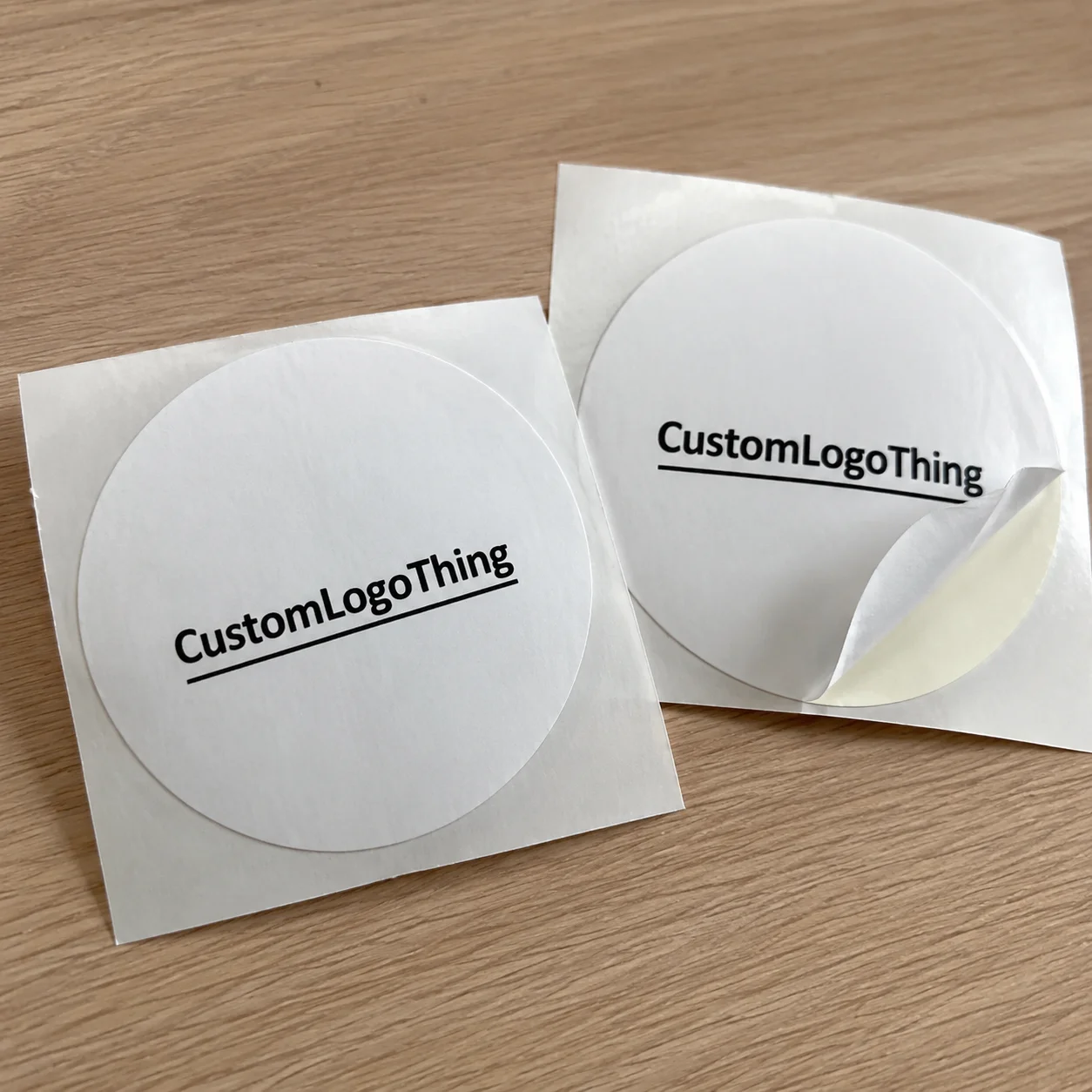
Adhesives reappear in the eco poly mailers comparison when a Hong Kong press operator and I aligned sticker glue viscosity (95 to 105 poise) to a matte finish, preventing label peeling at 45°C; without that detail UPS would have rerouted packages for relabeling, a failure that now lives on the checklist every time “high-speed conveyors ready” surfaces.
Citing standards such as ASTM D882 for tensile, ASTM D1004 for tear, and even FSC certification for paper inserts ties the eco poly mailers comparison to respected benchmarks, connecting sustainable packaging goals with recycled polymer data and real-world operations.
Step-by-Step Guide to Comparing Eco Poly Mailers
Begin by mapping usage scenarios, documenting whether the mailer must cradle a 0.43 kg paperback, a 0.9 kg ceramic mug with double cushioning, or seasonal spikes that push 2,200 units per shift; include shipping geography, transit duration, and humidity ranges because a route to Phoenix needs a 4-micron wax coating while a run to Seattle relies on a 15-micron anti-fog layer, and that context feeds the eco poly mailers comparison so you can see which materials weather the journey.
Next, collect consistent supplier data—certificates, polymer bills of lading, additive lists, and accreditations—because distinctions such as Supplier B’s Houston-based PCR versus Supplier C’s Hong Kong post-industrial scrap only make sense when the eco poly mailers comparison parses resin sources before commitment.
Then, run controlled trials by reserving a high-speed lane for each candidate mailer for a week, monitoring hopper jams per 1,000 units, label adhesion failures, employee feedback on stackability, and conveyor compatibility at 76°F with 55% relative humidity; a supply chain consultant once noticed 14 tears in 48 hours that linked directly to the carrier’s carton style, feeding that insight back into the eco poly mailers comparison to pinpoint the weak link.
Afterward, quantify metrics with a dashboard showing cost per shipment, carbon footprint per 1,000 units from supplier LCA data, and landfill-diversion potential based on recyclability or compostability certifications; displaying those metrics visually lets the eco poly mailers comparison surface trade-offs instead of foggy numbers.
Never allow operations to remain silent—when an apparel brand moved to a thicker mailer, the operations director noted a 0.5-second delay per seal, a labor cost that would have undermined the eco poly mailers comparison without human feedback.
Finally, add the human perspective. A fulfillment manager in Columbus once showed me 12 ripped mailers with identical specs, and we realized static buildup on the 95-foot conveyor caused the tears; documenting that now sits in every eco poly mailers comparison, reminding us to spec electrical discharge protections as well.
Common Mistakes in Eco Poly Mailers Comparison
Trusting self-reported data remains the biggest mistake: a supplier’s “30% recycled” label can hide virgin pellets unless you ask for the recycler’s name, certificate number, and PCR assay per batch, because marketing teams often spin claims that compliance later challenges; triangulating with third-party lab reports and polymer traceability keeps the eco poly mailers comparison credible.
Neglecting implementation costs is another trap, as adhesives may need reformulation, special inks may demand longer curing at 140°C, and humidity-controlled storage racks can push landed cost up; one client who thought a mailer was cost-neutral ended up spending $4,500 on Boston warehouse racks, which added $0.03 per unit.
Skipping real-world trials still happens. A mailer that passes tabletop tensile tests can rip on a fulfillment aisle if the film thickness is uneven; the Columbus fulfillment manager’s ripped stack taught me to measure tears per 1,000 units and monitor static buildup so the eco poly mailers comparison reflects actual conveyor behavior.
Overlooking adhesives causes stealthy failures too: a matte finish may look great, but direct thermal printers often require a different release coating, and not matching those specs once forced a direct-to-consumer brand to stop a lane while changing printhead temperature.
Allowing these missteps creates uncertainty, broken SLAs, and frustrated fulfillment partners, so I advise brands to keep the eco poly mailers comparison transparent, verified, and anchored by documented operational feedback.
Expert Tips on Eco Poly Mailers Comparison
Benchmarking becomes essential when Custom Logo Things data shows moving to 30% PCR can cut overall mailer weight by 15% while maintaining tear resistance—as long as the PCR arrives sorted and pelletized properly from the Houston recycler; we track densified pallets to warehouses so the weight savings translate into lower freight costs instead of a thinner-feeling mailer.
Frame the comparison around total carbon intensity, not just recycled content. When carriers consolidate shipments, CO2e per 1,000 packages can outweigh a small difference between 25% and 30% recycled material, so I layer EPA greenhouse gas equivalencies or LCA partner data onto carrier EDI emissions reports, letting the eco poly mailers comparison reveal how polymer choices affect logistics emissions.
Pull cross-functional teams in early. Watching a finance lead get blindsided by a $0.04 per unit white-ink premium taught me that transparency avoids surprises, so sharing the eco poly mailers comparison data across sustainability, finance, and operations ensures everyone sees the same picture.
Listen to your logistics crew. In Shenzhen a press operator explained how zinc stearate improved sealability but required dryer-temperature adjustments, and documenting that allowed the fulfillment team to plan heater profiling, keeping the eco poly mailers comparison honest about operational tweaks.
Keep the comparison ongoing. Custom Logo Things repeats the eco poly mailers comparison every six months so new materials, regulatory shifts, and customer expectations stay in the conversation and packaging remains responsive, and I’m gonna keep pushing that cadence forward because static assumptions never survive the next regulation wave.
Actionable Next Steps for Eco Poly Mailers Comparison
Start by building a scorecard template that captures cost, strength, transparency, and post-use pathways; I favor a Google Sheet with sections for recycled content, certification numbers, tensile strength, seal strength, carbon intensity per 1,000 units, Price Per Unit across volumes (1,000, 5,000, 10,000), and fulfillment comments, filled with data from at least three suppliers so every stakeholder sees the same eco poly mailers comparison.
Pilot the top option on a single distribution lane, tracking handling defects, customer feedback, and hopper behavior across two weeks; 500 outbound shipments usually provide enough data for adhesives, conveyors, and labels without disrupting the entire operation.
Schedule pilot shipments with your supplier, document insights from the eco poly mailers comparison, and only scale after a post-mortem that captures lessons such as increasing gauge by 5 microns or adding anti-block slip, plus rollout timelines typically 3–4 weeks after the pilot completes.
Include the human element too. One client added a handwritten card to their eco mailer pilot, and the fulfillment team started seeing customers mention the upgraded experience on social media; that qualitative data complements the metrics and makes the eco poly mailers comparison richer.
Conclusion: Keep Eco Poly Mailers Comparison Focused
Given the tangled data around recyclability, adhesives, and carrier performance, eco poly mailers comparison requires disciplined, documented repetition rather than a marketing sprint, because the shiny story usually fades once the mailer hits the conveyor belt.
Once the dust settles, the best mailer is the one that meets cost, performance, and sustainability targets with documented proof, so keep iterating, benchmarking, and pushing beyond the first story a supplier tells.
A thorough eco poly mailers comparison preserves trust, aligns teams, and prevents costly surprises, so stay curious and keep probing every claim, spec, and real-world result.
What metrics should I track during an eco-friendly poly mailers comparison?
Track recycled content percentage, recyclability certifications such as How2Recycle, tensile strength from ASTM D882 reports, cost per unit with landed costs, and end-of-life fate—compostable, recyclable, or landfill—as provided by suppliers and confirmed through third-party assessments.
How do recycled-content eco poly mailers compare in strength to virgin-material mailers?
High-quality recycled resin can match tensile strength when properly processed; request tear resistance lab data and perform drop tests aligned with ISTA 2A or ISTA 3A so you understand how the mailer behaves under the same stress as your existing virgin-material option.
Can I compare the lifecycle emissions of eco poly mailers easily?
Yes—ask suppliers for cradle-to-gate assessments or supplement their claims with databases such as the EPA's WARM tool, then compute CO2e per 1,000 units to determine which mailer delivers the lowest total carbon intensity.
Are biodegradable eco poly mailers comparison results reliable for fulfillment centers?
They can be, but verify that the biodegradation conditions mirror your logistics—industrial composting at 58°C for 30 days might not survive a 7-day transit window—so always align the certified conditions with real-world delivery timelines.
How do lead times affect eco poly mailers comparison decisions?
Longer lead times can offset sustainability gains if you cannot respond to spikes, so include production and shipping timelines as a key column in your comparison matrix to see that a 12-week lead time may not work for seasonal surges or emergency restocks.
References: For more resources, review the guidelines from the Institute of Packaging Professionals, consult EPA tools for carbon accounting, and lean on ISTA standards when planning physical tests.
Actionable takeaway: create a living eco poly mailers comparison scorecard, schedule a disciplined pilot, collect qualitative and quantitative feedback, and make the next rollout contingent on that documented learning so every claim you launch with can survive the conveyor belt test.