Buyer Fit Snapshot
| Best fit | Eco Poly Mailers for Ecommerce projects where brand print, material claims, artwork control, MOQ, and repeat-order consistency need to be specified before quoting. |
|---|---|
| Quote inputs | Share finished size, material target, print colors, finish, packing count, annual reorder estimate, ship-to region, and any compliance wording. |
| Proofing check | Approve dieline scale, logo placement, barcode or warning zones, color tolerance, closure strength, and carton packing before bulk production. |
| Main risk | Vague material claims, crowded artwork, missing packing details, or unclear freight terms can make a low unit price expensive after revisions. |
Fast answer: Eco Poly Mailers for Ecommerce: Quote Scope should be specified like a repeatable production item. The safest quote records material, print method, finish, artwork proof, packing count, and reorder notes in one written spec.
Production checks before approval
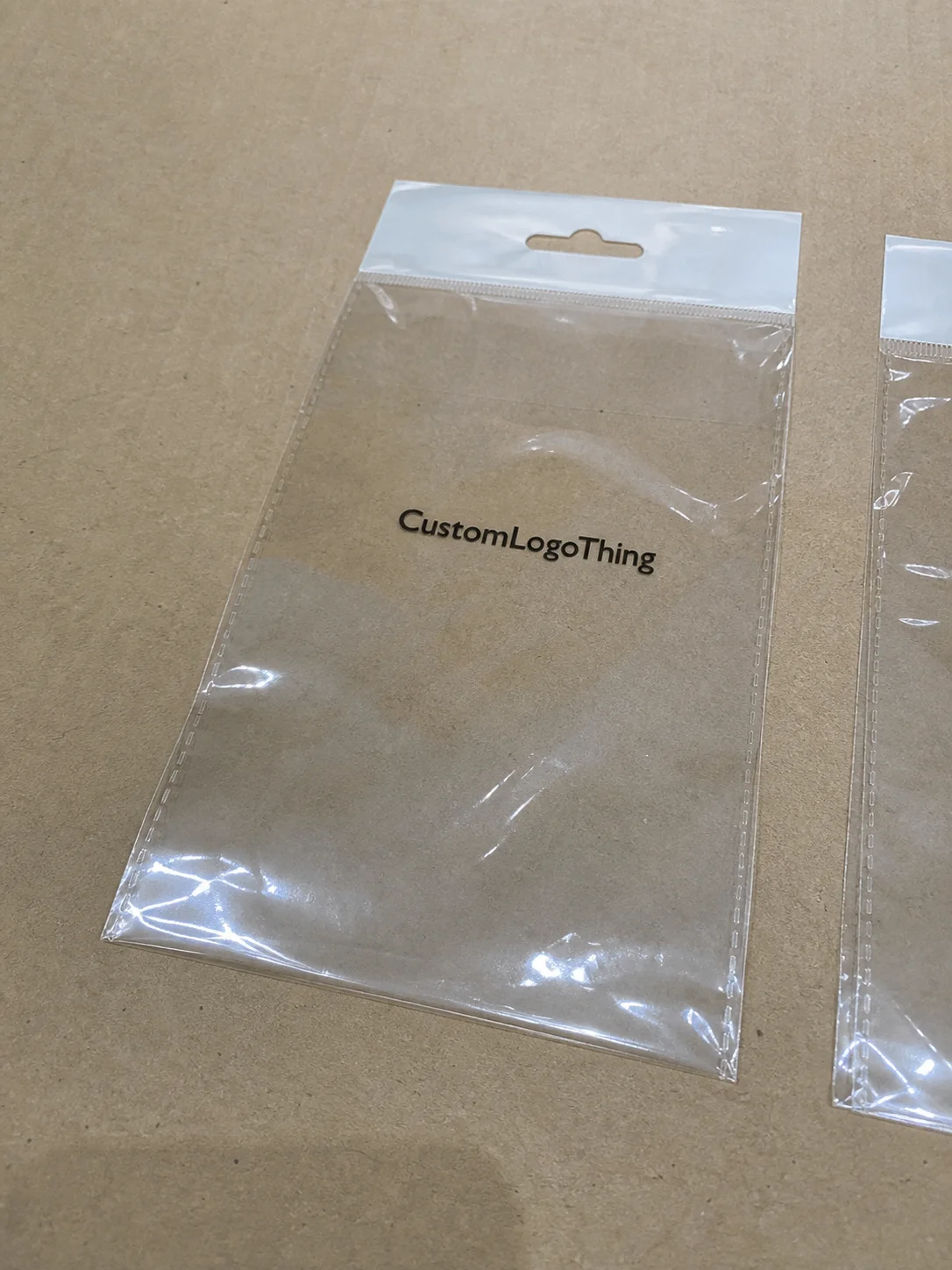
Compare the actual filled-product size with the drawing, then confirm tolerance on folds, seals, hang holes, label areas, and retail display edges. Reserve space for logos, QR codes, warning copy, and material claims before decorative graphics fill the panel.
Quote comparison points
Review material grade, print process, finish, sampling route, tooling charges, carton quantity, and freight assumptions side by side. A quote is only useful when the supplier can repeat the same color, closure quality, and packing count on the next order.
Shoppers judge packaging faster than most brands expect, and I’ve watched that happen on a warehouse floor in under 10 seconds: a clean, well-printed mailer gets a nod, while a bulky, wasteful one gets a frown before the product is even touched. That is why Eco Poly Mailers for ecommerce matter so much. They are not just a shipping supply. They are a signal, a cost line, and often the first physical proof of what a brand says it stands for. In one Philadelphia-area fulfillment center, I saw a buyer reject a whole packaging program after noticing the mailers were 20 grams heavier than necessary, which raised carrier costs by roughly $0.11 per shipment on a 2,500-order monthly run.
I remember standing next to a packing table in a noisy fulfillment center in New Jersey, where the tape guns were hissing, the label printer was chewing through rolls, and somebody had just shouted, “Who keeps ordering these giant bags for tiny shirts?” That was not a philosophical debate. It was a real operational problem. I’ve seen this play out in client meetings too. A DTC apparel brand I worked with was losing repeat buyers after customers posted unboxing photos of crushed cartons and excess void fill. We switched them to Eco Poly Mailers for ecommerce with 30% post-consumer recycled content, a 3.0 mil LDPE film, right-sized 10" x 13" and 12" x 15" formats, and a cleaner one-color print produced at a factory in Dongguan, Guangdong. Complaints about packaging waste dropped within six weeks, and the packing team shaved 4 to 6 seconds off each order because there was less folding, taping, and box assembly. Small changes. Real money. Real sanity, too.
Eco Poly Mailers for Ecommerce: What They Are and Why They Matter
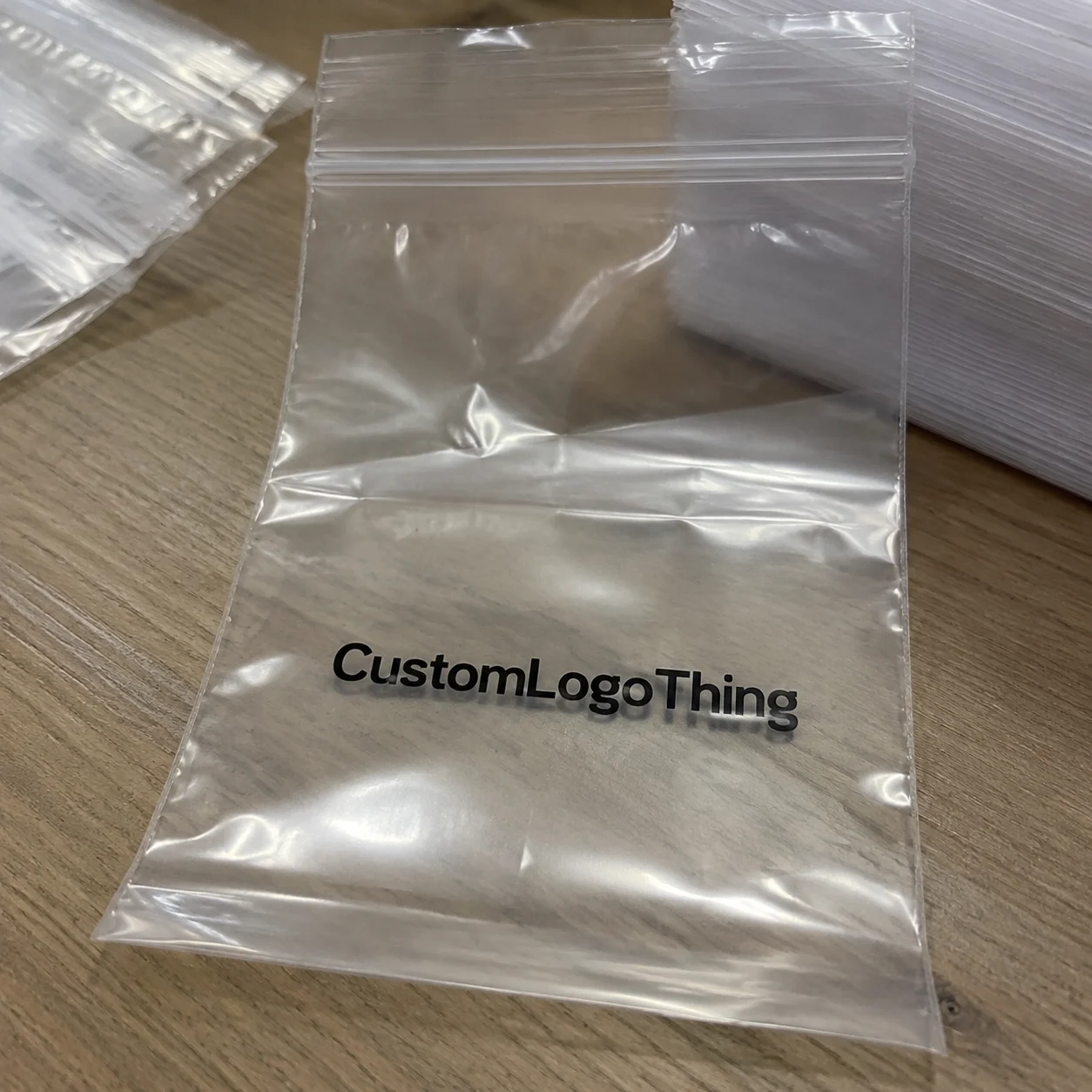
Eco Poly Mailers for Ecommerce are shipping mailers designed to reduce material impact compared with standard virgin-plastic poly mailers. That can mean recycled content, recyclable structures, lighter gauge film, or a format that uses less material overall. The key point is practical, not poetic: the best version protects the product, keeps freight weight low, and fits into a brand’s sustainability story without creating a packaging headache. A common spec I see is a 2.75 to 3.5 mil coextruded polyethylene film with a 1.5-inch adhesive closure strip, which is enough for most folded apparel and soft goods if the bag size is matched correctly.
Language around packaging gets tangled quickly. “Eco-friendly” is marketing language unless it is backed by a specific claim. “Recycled” means the mailer contains recovered content, usually post-consumer recycled plastic, or PCR. “Recyclable” means the material can enter a recycling stream, but that does not mean every city accepts it. “Compostable” is even more specific, and honestly, it is often misunderstood; a compostable mailer needs the right industrial composting infrastructure, which many consumers simply do not have access to. I’ve watched brands spend $18,000 on compostable packaging only to discover their customers were tossing it into landfill because local collection programs did not support it in Chicago, Phoenix, or even parts of Brooklyn. That part always makes me a little grumpy, because the invoice arrives on time even when the end-of-life plan does not.
The reason Eco Poly Mailers for ecommerce are popular is simple: they are compact, light, and efficient. Boxes need more storage room, more inserts, more labor, and more dimensional weight in many carrier networks. A mailer often reduces cartonization complexity. For apparel, soft goods, books, and accessories, that can be a very smart trade-off. For fragile products, it may not be enough. Packaging should be honest about what it can do. On one West Coast DTC account, switching from 32 ECT cartons to mailers reduced average outbound parcel volume by 14%, which made the difference between Zone 4 and Zone 5 pricing on a surprising number of orders.
“The biggest mistake I see is brands buying a sustainability story before they buy a shipping solution. The mailer has to survive the parcel network first.”
That line came from a supplier negotiation in Shenzhen where a buyer wanted a thinner film to cut cost and improve environmental optics. The factory manager pushed back hard, and he was right to do so. A 2.5 mil mailer with weak seal performance can generate more damage claims than a 3.5 mil version with a better closure strip. More returns can wipe out the waste savings quickly. I’ve seen a finance team celebrate a few cents of unit savings, then watch the savings evaporate the moment a wave of torn mailers shows up in customer service tickets. Not exactly a victory lap. In practical terms, a mailer priced at $0.15 per unit for 5,000 pieces can still be the better buy than a $0.12 option if the cheaper version creates even a 1.5% higher return rate.
For brands trying to balance cost, presentation, and environmental progress, eco poly mailers for ecommerce are not a luxury item. They are a packaging system decision. And yes, if you sell through marketplaces or multiple fulfillment centers, that system decision gets complicated fast. A brand shipping from both Dallas and Newark may need different bag sizes because SKUs are packed differently, and freight lanes change the economics by another $0.07 to $0.18 per shipment.
How Eco Poly Mailers for Ecommerce Work in Real Shipping Operations
Most eco poly mailers for ecommerce are built from a thin outer film, a seal strip, and sometimes a padded layer. The outer film is usually LDPE or a similar plastic structure. The seal strip gives you closure speed, which matters far more than people realize when your team is packing 400 orders a day. A padded version may include recycled bubble film or a paper-like cushion layer, but once you add multiple materials, recyclability becomes more complicated. That trade-off is not always a bad one. It just needs to be understood, especially if the bag is destined for a retail order packed in an Atlanta 3PL with 12 pack stations and a short afternoon cutoff.
In a typical fulfillment flow, the order is picked, folded or placed into the mailer, sealed, labeled, and handed to the carrier. That sounds basic. It is not. If the mailer is too narrow, the operator spends extra time forcing product corners into the bag. If the seal strip is weak, the mailer pops open in transit. If the print area is awkward, the shipping label lands over branding, which ruins the premium feel. I’ve seen all three problems in the same week at the same warehouse, which is the kind of week that makes everybody reach for coffee before noon. On one line in Louisville, a poorly sized 9" x 12" bag added nearly 9 seconds per unit because the operator had to flatten product sleeves by hand.
For lightweight products, eco poly mailers for ecommerce can outperform boxes because they remove empty space from the equation. Less empty space means lower shipping bulk. That can lower storage cost too. On one fulfillment account, moving from cartons to mailers reduced inbound packaging storage by about 38% because the mailers arrived in compressed cartons and took up a fraction of the shelf space. The team liked that immediately. Their warehouse manager said it felt like getting an extra aisle back. In measurable terms, the supplier’s cartonized case pack went from 500 units per master carton to 1,500 units per carton, which reduced pallet positions by almost two-thirds.
The product categories that usually fit best are:
- Apparel such as T-shirts, leggings, and light jackets
- Soft goods like scarves, towels, and bedding accessories
- Accessories including hats, socks, and small fashion items
- Books and print goods that do not need rigid crush protection
- Supplements and non-fragile consumer goods with stable packaging inside
Recyclability depends on the structure and the local system. A mono-material mailer, often all-PE, is generally easier to recover than a mixed-material design with paper, adhesive layers, and foil-like films. But “easier” is not the same as “recycled everywhere.” If you want to understand the broader collection and recovery context, the EPA recycling guidance is a useful reference point, though local rules still vary by municipality. In Los Angeles, for instance, a mailer accepted in one store drop-off program may not be collected curbside, which is exactly why clear disposal instructions matter.
There is also a process timeline that buyers forget to map. Sample approval may take 3 to 7 business days. Artwork proofing can take another 1 to 3 days if revisions are light. Production for custom eco poly mailers for ecommerce often runs 12 to 18 business days after proof approval, depending on size, print count, and factory load. Ocean freight adds more time, usually 18 to 28 days from southern China to the West Coast and 30 to 42 days into the East Coast when routing through a port like Savannah or New York/New Jersey. Air freight cuts transit but pushes landed cost up sharply. I’ve seen buyers save two weeks by approving proofs in one meeting instead of dragging revisions over three calls. That alone has spared me from a few calendar-induced headaches.
When I visited a converting plant outside Guangzhou, the operator showed me how a small change in seal-strip placement improved closure speed by nearly 15% on the line. That is not a lab claim. It was a floor-level observation from a team packing sample runs at speed. Packaging specs look boring until you watch labor time disappear or explode. In another factory in Ho Chi Minh City, a switch from a 1.25-inch to a 1.75-inch closure strip reduced missealed bags enough to save about 2 cartons per 1,000 units from being reworked.
Eco Poly Mailers for Ecommerce: Key Factors to Compare Before You Buy
If you are comparing eco poly mailers for ecommerce, start with material composition. Ask for the recycled content percentage in writing. Separate PCR from PIR, because post-consumer recycled content and post-industrial recycled content are not the same thing. PCR generally carries more consumer-facing sustainability value because it comes from recovered household or commercial waste streams. PIR comes from industrial scrap. Both can reduce virgin resin use, but the story is different. In a sample review I handled for a Colorado apparel brand, one supplier offered 40% PCR and another offered 30% PIR at nearly the same price; the PCR version carried stronger marketing value, but only after the paperwork confirmed the source.
Next, look at whether the mailer is mono-material. A mono-material design is usually a better route if recyclability is a priority, because mixed layers are harder to sort and process. That said, a monomaterial film that tears easily is a poor choice. I’ve told more than one brand, bluntly, that a theoretically recyclable bag that fails in transit is a bad deal. Protect the product first. Otherwise you just end up with a very tidy-looking problem. A practical example: a 100% PE bag with a 3.0 mil film and hot-melt seal can outperform a thinner “eco” bag that tears at the corner fold during automated packing.
Thickness matters, but not in isolation. A 2.5 mil mailer may be enough for a light T-shirt. A 3.5 mil or 4 mil option may be better for heavier apparel or items with sharp corners, like boxed accessories. Seal strength matters too. A weak adhesive strip can cause open returns or tampering issues. If you ship high-value items, dual-seal options or tamper-evident features may be worth the extra cents per unit. For example, a second adhesive strip can add around $0.01 to $0.03 per bag, but it may save a $12 replacement shipment.
Cost deserves a real breakdown. Buyers often quote unit price and stop there. That is not enough. For eco poly mailers for ecommerce, landed cost should include the following:
- Unit price per mailer
- MOQ, usually 3,000 to 10,000 units for custom print
- Plate or cylinder charges for print setup, often $75 to $250 per color
- Freight to warehouse
- Warehouse storage savings versus corrugated cartons
- Labor time per packed order
Here is a sample comparison I’ve used in procurement reviews. Numbers vary by supplier, but the structure helps people think clearly.
| Option | Typical Unit Price | MOQ | Best For | Notes |
|---|---|---|---|---|
| Plain stock mailer | $0.08 to $0.12 | 1,000+ | Fast replenishment | Lowest cost, limited branding |
| Recycled-content custom mailer | $0.14 to $0.22 | 3,000 to 5,000 | Balanced sustainability and brand | Often the sweet spot for eco poly mailers for ecommerce |
| Padded recycled mailer | $0.20 to $0.35 | 3,000+ | Soft protection for apparel or books | May complicate recyclability if mixed material |
| Compostable mailer | $0.18 to $0.32 | 5,000+ | Specific sustainability programs | Only works if end-of-life access is real |
Printing choices affect both cost and perception. Matte finishes can feel more premium, especially with a restrained palette. Gloss can make colors pop, but it can also look cheaper if the artwork is crowded. I’ve seen a single bold logo outperform a busy full-wrap design because it felt cleaner and more intentional. If your brand story is minimal, say so with the packaging. Don’t make the mailer shout when the rest of the brand whispers. A simple white mailer with a 1-color black logo and a Pantone 326 C accent band often feels more polished than six colors fighting for attention.
Supplier reliability is another filter. Ask for documentation. If a vendor claims recycled content, ask for material data sheets, test reports, or a third-party chain-of-custody trail where relevant. If they mention FSC for paper components, verify the certificate on FSC’s official site. For packaging buyers, trust is built on paperwork as much as on samples. I’ve reviewed mailer programs from factories in Ningbo and Xiamen where the difference between a good and bad supplier came down to whether they could produce a consistent COA within 24 hours.
One more thing. Don’t confuse “recyclable” with “accepted curbside.” They are not the same, and a lot of brands get burned on that distinction. In one client meeting, a retailer assumed a mailer with a recycling symbol would be collected everywhere. Their customer service team later found out that local store drop-off rules varied by zip code. That misunderstanding caused more complaints than the packaging itself ever would have. Eco poly mailers for ecommerce can be a good solution, but only if the end-of-life claim is precise. A claim like “check local store drop-off options” is often safer than a blanket promise of curbside recovery.
What the best suppliers actually show you
Strong suppliers do not just quote a price. They show film specification, seal type, resin blend, print method, and production timeline. They also state whether the mailer is made from virgin LDPE, PCR content, or another resin blend. If a vendor cannot explain the difference between a recyclable structure and a compostable one in plain language, I would keep looking. A factory that can cite a 350gsm C1S artboard for carton inserts or a 3.2 mil LDPE bag spec without hesitation usually has the documentation discipline you want in a packaging partner.
Step-by-Step Guide to Choosing the Right Eco Poly Mailers for Ecommerce
Step 1: Audit your most common products. List your top 20 SKUs by order volume, weight, and return rate. A lot of brands guess here. I prefer numbers. If 70% of your orders are under 1 lb and non-fragile, eco poly mailers for ecommerce may fit most of your catalog. If your top sellers are boxed glass items, the answer may be different. I’ve used SKU audits where the top 12 items accounted for 84% of orders, and that was enough to narrow the bag program to four sizes instead of nine.
Step 2: Match the mailer style to the product. Unpadded mailers work well for folded apparel and soft goods. Padded versions can help for books or items with light crush risk. Dual-seal options can be useful for returns-heavy categories because the customer can reseal the package. I once saw an activewear brand reduce return friction simply by choosing a mailer with a second adhesive strip. That saved them another polybag on the outbound leg and, frankly, made their returns team less cranky. The second strip added about $0.02 per unit, but the reduction in complaints paid for it within a quarter.
Step 3: Request samples and test them hard. Do not just hold the sample in your hand and nod approvingly. Load it with the actual product. Drop it from 3 feet. Rub the print. Check closure after repeated opening. If possible, run a small ISTA-style transit test or align your testing with an appropriate packaging protocol from the ISTA standards organization. Real shipping is rougher than a sales sample table. In one test lab in Chicago, a 3.5 mil bag passed a hand-drop but failed a corner-abrasion test after 15 cycles, which is exactly the kind of detail that saves a costly launch mistake.
Step 4: Confirm print and production details. Ask for artwork specs before your designer starts work. Common requirements include 300 dpi artwork, 0.125-inch bleed, and Pantone references for color matching. Clarify MOQ, lead time, and whether a reprint will require another plate charge. For custom eco poly mailers for ecommerce, a small wording change can affect cost more than you expect. Some factories in Jiangsu will quote a new cylinder charge of $120 to $180 per color for even a minor logo revision, while a stock design may avoid that cost entirely.
Step 5: Calculate the true cost per shipment. This is where the real decision happens. If a mailer costs $0.19 instead of $0.14 but reduces packing time by 6 seconds per order, the labor savings may justify the higher price. If it also cuts corrugated storage by 30%, even better. I’ve seen operations teams miss this because they only compare supplier quotes, not warehouse throughput. On a 50,000-order monthly program, a 6-second reduction equals roughly 83 labor hours saved, which is a number a CFO can understand quickly.
Here is a simple framework I use in client reviews:
- Calculate packaging unit cost.
- Add freight and duty if imported.
- Estimate labor minutes per order.
- Estimate damage and return impact.
- Compare the total against the current box-based system.
That framework usually reveals the real answer within one afternoon. Not always. But often enough to save a brand from a bad long-term contract. I’ve seen teams sign a 12-month agreement at a savings of $0.03 per unit, only to discover the new bag increased average pack time by 5 seconds and erased the margin advantage by month two.
Common Mistakes When Ordering Eco Poly Mailers for Ecommerce
The first mistake is buying based on vague sustainability claims. I’ve seen packaging proposals that say “green,” “earth friendly,” and “recyclable” in the same sentence without a single material detail. That is not procurement. That is wishful thinking. With eco poly mailers for ecommerce, ask for the film structure, recycled content percentage, and disposal pathway. A supplier in the Pearl River Delta should be able to tell you whether the bag is 100% PE, 70% PCR blended PE, or a multilayer structure within minutes.
The second mistake is choosing the wrong size. Oversized mailers waste film and can make products shift during transit. Undersized mailers slow packing and can damage seams. I remember a skincare brand that insisted on one mailer size for every order. Their small cartons were overpacked, the larger sets were shoved in too tightly, and packing labor climbed by nearly 12%. One size rarely fits all, no matter how much somebody wants the spreadsheet to look tidy. A 10" x 13" bag that works for one serum set may be too tight for a bundled gift box.
The third mistake is ignoring seal strength and return handling. If the closure fails, customers notice immediately. A mailer that opens in transit can create missing-item disputes, sticky carrier claims, and poor reviews. If your category has a high return rate, consider a mailer with a second adhesive strip or stronger resealability. Eco poly mailers for ecommerce should support the actual business model, not an idealized one. A double-seal bag can add $0.015 per piece, yet save far more on outbound repacks for apparel brands with 18% return rates.
The fourth mistake is underestimating print limitations. Some buyers approve a design with too much detail, only to discover the final mailer looks muddy or gray because the film and ink combination cannot hold the artwork cleanly. Bold logos, solid lines, and limited colors usually print better. If the packaging is part of the brand experience, simpler often reads richer. I’ve seen a three-color design on a pearl white film from a factory in Shenzhen look far cleaner than a six-color gradient on a cheaper bag from a different supplier.
The fifth mistake is assuming all recyclable mailers are accepted everywhere. They are not. Collection varies by city, retail drop-off program, and infrastructure. If you promise recyclability on-pack, make sure the claim is tied to a real pathway. Otherwise, customer trust erodes quickly. A mailer that is accepted at store drop-off in Minneapolis may not be processed the same way in Miami, and that regional difference matters.
Expert Tips for Better Performance, Branding, and Cost Control
Use a tight size range. That is my first recommendation almost every time. Instead of ordering one oversized format, build a small set of sizes around your top-selling SKUs. For many brands, 3 or 4 mailer sizes cover 80% of orders. That reduces void, improves fit, and makes eco poly mailers for ecommerce perform better operationally. In one New Jersey warehouse, cutting from seven sizes to four reduced picker confusion enough to save about 11 labor hours a week.
Test the mailers in the real packing line, not just in a sample room. I learned this the hard way years ago when a client approved a gorgeous matte film that looked excellent on camera but created drag at the sealing station because operators had to press harder to close it. Good packaging has to work with human hands, conveyor rhythms, and tired shift workers at 4:30 p.m. That is where the truth lives. A film that performs beautifully in a 72°F sample room may behave differently on a humid August afternoon in Houston.
If branding matters, prioritize one strong visual element. A logo, a sharp color band, or a clean sustainability message often outperforms cluttered art. Premium packaging is not always about adding more ink. Sometimes it is about removing noise. Eco poly mailers for ecommerce with disciplined branding can feel more expensive than they are. A one-color deep green logo on a kraft-look recycled PE film can look intentional without pushing print costs past $0.04 to $0.06 per unit.
Negotiate on volume and SKU standardization. If you can combine three mailer sizes into two without hurting operations, your supplier may be able to improve pricing and reduce lead-time risk. Reprint frequency matters too. A brand that reorders every month has different leverage than one that buys once a year. Be explicit about cadence. If you place a 10,000-piece order every 45 days, say so; that can open the door to a better rate than a one-off 3,000-piece purchase from a factory in Suzhou.
Ask for documentation that supports every claim. That includes recycled content statements, resin identification, and any third-party certification relevant to your supply chain. For mixed supply chains, some brands also ask for packaging compliance support to align with retailer or marketplace requirements. It saves time later, especially when a customer or buyer asks hard questions. A clear spec sheet with resin source, bag dimensions, film gauge, and print colors can prevent a week of email back-and-forth.
For teams building out a wider packaging program, it can help to coordinate Custom Packaging Products across mailers, inserts, labels, and branded tape. The same visual system across formats usually makes the brand feel more intentional. If your operation is mailer-heavy, the Custom Poly Mailers category is a useful place to compare formats, finishes, and print options before locking in a final spec. A packaging set that starts with mailers and extends into inserts can often be priced more efficiently when the same supplier handles both.
Honestly, I think brands sometimes overcomplicate the sustainability conversation. The best decision is not always the one with the most dramatic claim. Sometimes it is the one that reduces material use by 18%, cuts damage by 2%, and improves packing speed by 5 seconds per order. That is a better business outcome than a fancy label with weak execution. I’ll take the boring win if the numbers are better (my warehouse friends would too). A supplier in Taicang once quoted me a price that was only $0.02 higher per unit, but the better bag reduced rework enough to save nearly $800 on the first 20,000-piece run.
What to Do Next Before You Switch to Eco Poly Mailers for Ecommerce
Start with a short comparison sheet. Put price, size range, material makeup, MOQ, print method, and lead times in one place. If you are comparing eco poly mailers for ecommerce, include landed cost too. The cheapest quote on paper is often not the cheapest quote at the dock. A supplier in Ningbo may quote $0.13 per unit, but once you add inland trucking, customs clearance, and drayage, the landed number can climb to $0.19 very quickly.
Then request 2 or 3 samples from different suppliers. Test them on your top-selling items, not on a neutral sample bag. A sample that passes with a T-shirt may fail with a boxed accessory. Real product, real packing station, real carrier label. That is the only test that matters. If possible, ask each vendor to send the same size bag in the same gauge, such as 3.0 mil, so your comparison is actually fair.
Measure the first small run carefully. Track packing speed, damage rate, customer complaints, and any comments about unboxing. If you ship 500 units and 7 arrive damaged, that is a signal. If packing time drops from 28 seconds to 21 seconds, that is also a signal. Eco poly mailers for ecommerce should earn their place with data, not hope. A pilot order of 1,000 pieces usually gives enough evidence to decide whether to scale to 10,000 or revise the spec.
Update your packaging spec sheet before the rollout. Operators need simple rules: which product goes in which mailer, when to use padding, how to seal, and whether a return strip is available. The best packaging program in the world fails when a new hire guesses at the packing table. I prefer one-page SOPs with photos, dimensions, and a clear note like “use 12" x 15" for all hoodies, 10" x 13" for tees,” because that eliminates a lot of avoidable confusion.
After the first reorder, review everything again. Check supplier consistency, print quality, transit damage, and customer feedback. If one size is overused and another barely moves, revise the mix. If the seal fails on cold days, flag it. If the branding feels too faint, adjust the artwork. Packaging should evolve with the business, not sit there like a frozen procurement decision. I’ve seen a team in Denver switch adhesive formulas in January because subfreezing dock temperatures caused the strip to lose tack for about 8% of orders.
For brands serious about practical sustainability, eco poly mailers for ecommerce can be a smart middle path: lighter than cartons, more brandable than plain shipping supplies, and often easier to standardize than a mixed box-and-fill system. The trick is choosing the right material build, the right size, and the right supplier. Get those three right, and the rest becomes much easier. A factory in Guangdong with a disciplined QC process and a 12- to 15-business-day turnaround from proof approval can make the whole transition feel far less stressful.
FAQs
Are eco poly mailers for ecommerce actually recyclable?
Some are, but only if they are made from recyclable mono-material films and accepted by local recycling programs. Mixed-material or heavily laminated mailers are usually harder to recycle. Always check the supplier’s material specs and your local collection rules before assuming recyclability. A 100% PE mailer with clear disposal guidance is usually easier to explain to customers than a mixed-layer bag with no documented recovery path.
How much do eco poly mailers for ecommerce usually cost?
Pricing depends on size, material content, print complexity, and order quantity. Recycled-content or custom-printed options often cost more per unit than plain stock mailers, but they can reduce shipping weight and storage costs. Ask for a landed cost comparison, not just a unit price. For example, a 10" x 13" recycled-content mailer might be $0.15 per unit for 5,000 pieces, while a plain stock version could be $0.09 depending on the factory in Dongguan or Ningbo.
What products work best in eco poly mailers for ecommerce?
They work well for apparel, soft goods, books, accessories, and other low-breakage items. Fragile products may need padding, inserts, or a box instead. The best fit is usually lightweight merchandise that does not require rigid protection. A folded hoodie, a pair of socks, or a flat book set will usually travel well in a 3.0 to 3.5 mil mailer.
How long does it take to order custom eco poly mailers for ecommerce?
Timelines vary by supplier, artwork approval, and production capacity. Expect time for sampling, proofing, and final manufacturing before shipment. Build in extra buffer if you need special sizing, custom printing, or sustainability documentation. In many cases, custom orders are typically 12-15 business days from proof approval, with ocean transit from southern China adding another 18 to 30 days depending on port and routing.
What should I check before switching suppliers for eco poly mailers for ecommerce?
Check material composition, print quality, minimum order quantity, lead times, and consistency across batches. Ask for documentation that supports sustainability claims and request samples for real-world testing. Compare customer feedback, not just prices, because packaging performance affects returns and brand trust. If a supplier cannot give you a clear spec sheet, a realistic lead time, and a straight answer about PCR content, keep looking.
If you are ready to tighten your packaging spec and reduce waste without hurting operations, eco poly mailers for ecommerce are worth serious attention. I’ve seen them improve speed, reduce storage, and sharpen brand perception in the same rollout. Pick carefully, test honestly, and let the numbers decide. A well-chosen mailer from a reliable factory in Guangdong, Zhejiang, or Jiangsu can save more than it costs, and that is the kind of sustainability story that holds up in a finance review.