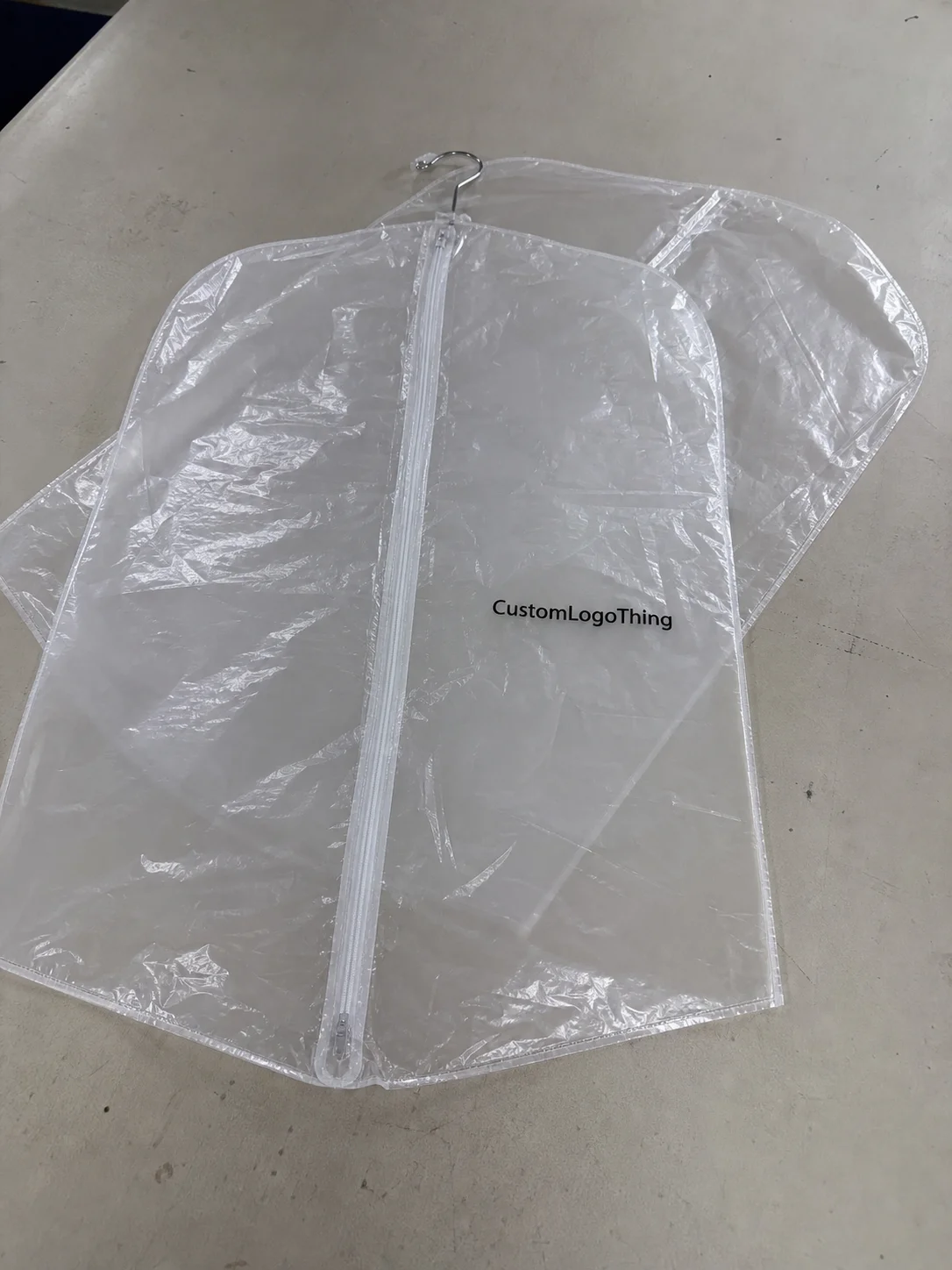
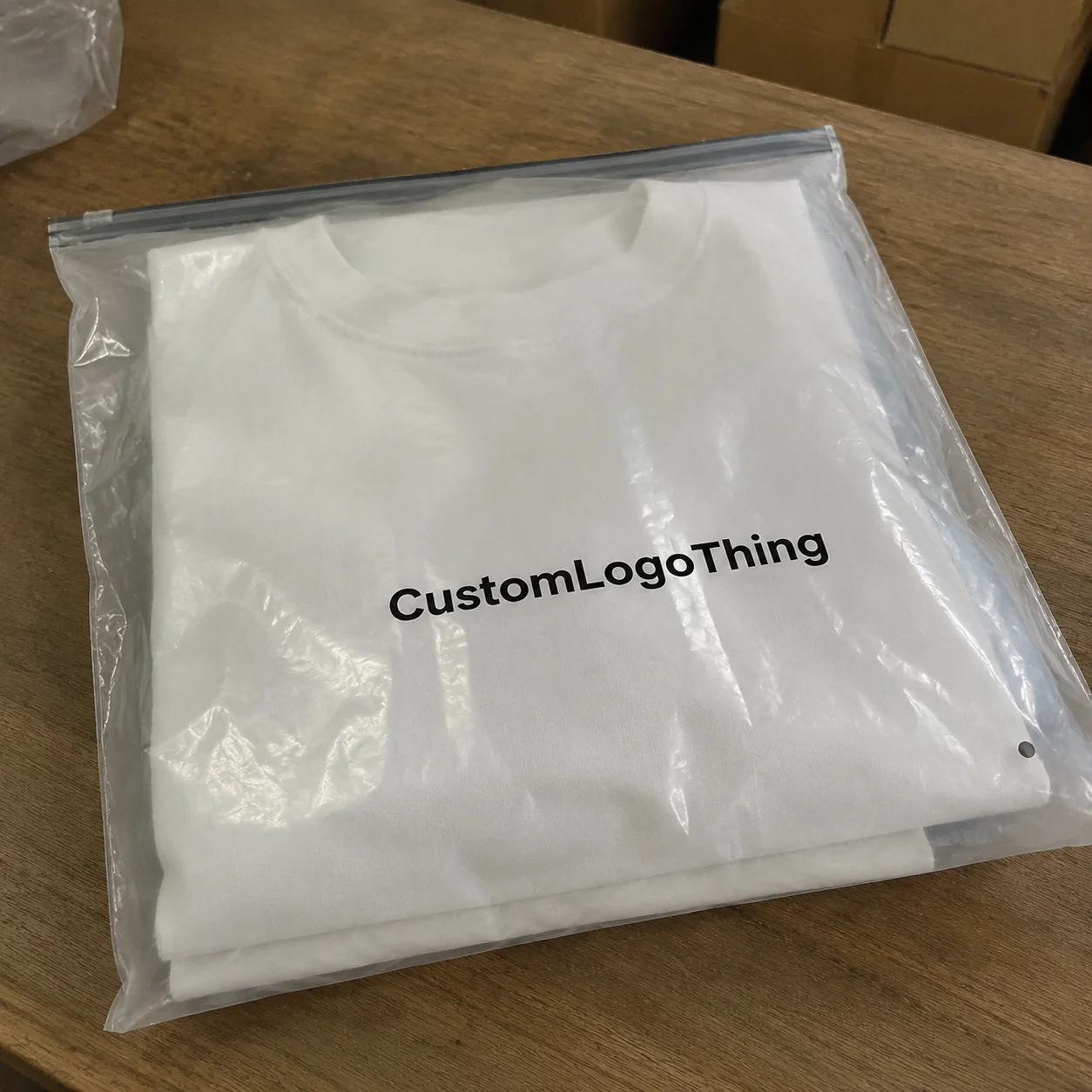
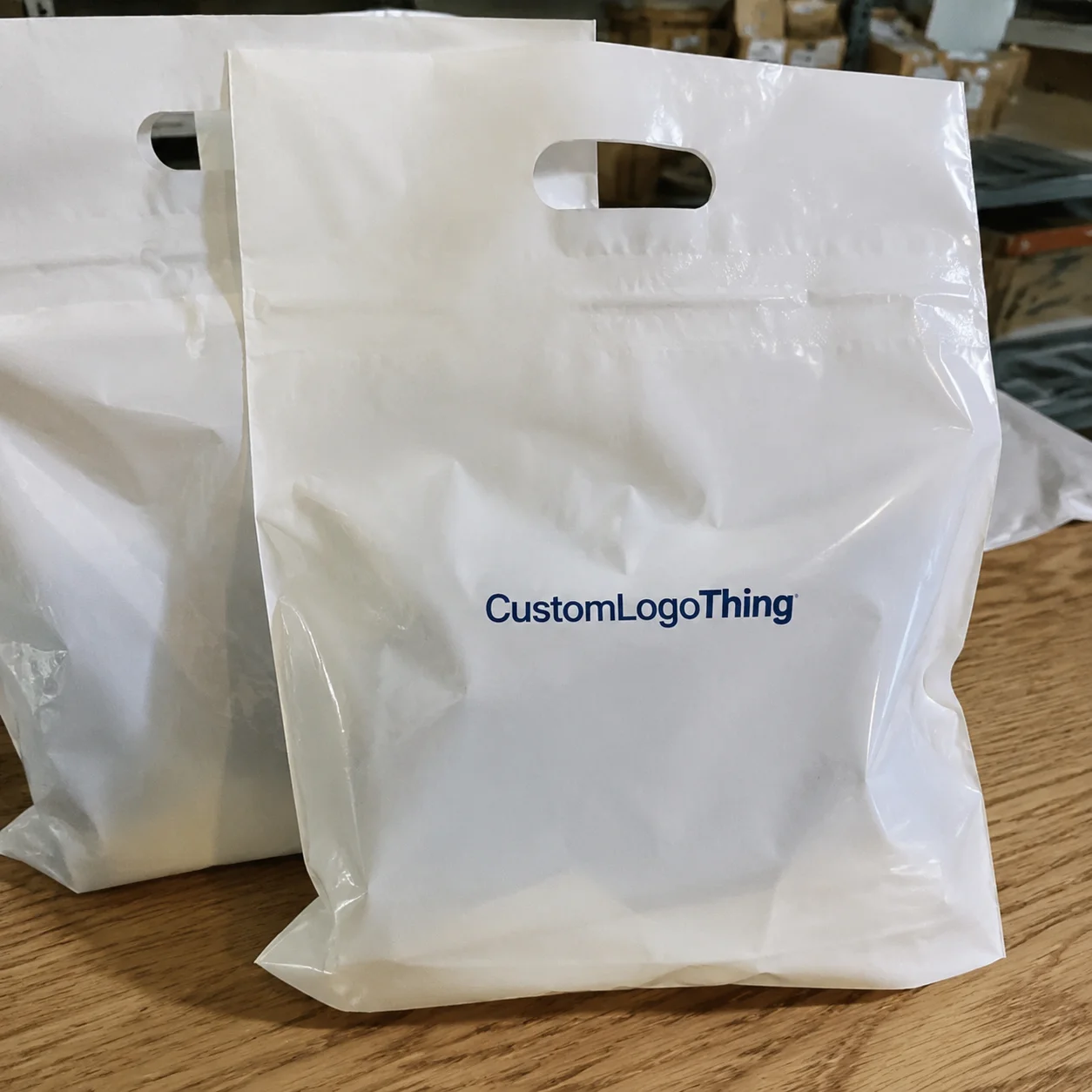
Buyer Fit Snapshot
| Best fit | Eco Poly Mailers Wholesale projects where brand print, material claims, artwork control, MOQ, and repeat-order consistency need to be specified before quoting. |
|---|---|
| Quote inputs | Share finished size, material target, print colors, finish, packing count, annual reorder estimate, ship-to region, and any compliance wording. |
| Proofing check | Approve dieline scale, logo placement, barcode or warning zones, color tolerance, closure strength, and carton packing before bulk production. |
| Main risk | Vague material claims, crowded artwork, missing packing details, or unclear freight terms can make a low unit price expensive after revisions. |
Fast answer: Eco Poly Mailers Wholesale: Durable, Custom, and Cost-Effective should be specified like a repeatable production item. The safest quote records material, print method, finish, artwork proof, packing count, and reorder notes in one written spec.
Production checks before approval
Compare the actual filled-product size with the drawing, then confirm tolerance on folds, seals, hang holes, label areas, and retail display edges. Reserve space for logos, QR codes, warning copy, and material claims before decorative graphics fill the panel.
Quote comparison points
Review material grade, print process, finish, sampling route, tooling charges, carton quantity, and freight assumptions side by side. A quote is only useful when the supplier can repeat the same color, closure quality, and packing count on the next order.
On a packing line, the pace tells the story. I’ve watched apparel move through stations at 40 or 50 cartons an hour in Jiangsu and Ohio, and the difference between a good mailer and a bad one shows up almost immediately: torn seams, slow pack-out, complaints about the look of the package. Eco Poly Mailers wholesale is no longer a side conversation. It sits at the intersection of shipping damage, labor speed, and how a customer feels before the box is even opened. Buyers who treat it like a simple commodity usually end up paying for that mistake somewhere else, often in reshipments that run $4.50 to $9.00 per order.
I remember standing near a conveyor in a fulfillment center in Shenzhen and thinking, “This bag is doing more brand work than the homepage.” That sounds dramatic, maybe, but I’ve seen it play out too many times to dismiss it. A mailer lands in a customer’s hand before the product does, and first impressions are rude like that—they arrive early and refuse to be ignored. In Eco Poly Mailers wholesale, the wrong spec can make a brand look careless even when the product inside is excellent. A matte gray bag with a clean one-color logo can feel premium at 0.2 seconds of contact; a wrinkled, over-inked one can feel cheap in under a heartbeat.
I’ve seen people assume “eco” means fragile. The warehouse tells a different story. A recyclable polyethylene mailer built with the right gauge, seal, and print structure can survive the same handling as a standard shipping bag, sometimes better if the construction is tuned properly. I learned that twice: first on a converting line in Shenzhen, later in a meeting with a Midwest 3PL moving about 18,000 orders a week out of Columbus. The lesson was the same both times. Durability and a cleaner packaging story do not have to fight each other. In Eco Poly Mailers wholesale, the better spec usually wins on both fronts, especially when the film is 2.8 to 3.5 mil and the adhesive strip is matched to the bag weight.
The package itself carries more weight than many brands expect. A mailer is the first object a customer touches. A flimsy, dull, overprinted bag with weak adhesive sends the wrong message fast. A well-made mailer with recycled content, a strong self-seal strip, and clean branding says something else entirely. That is why Eco Poly Mailers wholesale keeps showing up in procurement conversations for DTC brands, fulfillment houses, and retail programs that want to look more responsible without making claims they cannot support. In markets like Los Angeles, Chicago, and Dallas, the conversation usually starts with freight damage and ends with brand perception.
Honestly, I think a lot of packaging decisions get overcomplicated by people who have never had to fix a jammed pack station at 6:45 a.m. There’s the theory version of packaging, and then there’s the version with tape stuck to your sleeve and an operator asking whether the mailer is actually supposed to open that hard. Those are not the same thing. Good eco poly mailers wholesale choices are the ones that make the line easier, not the slide deck prettier, and a bag that loads in under 2 seconds matters more than a nice paragraph in a sourcing deck.
Eco Poly Mailers Wholesale: Why Brands Are Switching
The first factory-floor lesson I learned about eco poly mailers wholesale was simple: strength comes from formulation and process control, not from marketing copy. I’ve watched recyclable PE film run at 45 microns with clean co-extruded layers and strong side seals, then hold up through drop handling, carton compression, and conveyor scuffing. I’ve also seen a supposedly “green” mailer split at the seal because the adhesive strip was wrong for the film or the structure was too soft for the product weight. A sustainability claim means very little if the bag fails in transit, whether the line is in Dongguan, Ningbo, or a converter outside Phoenix.
Brands switch for practical reasons first. Better mailers can cut replacement shipments, reduce damage claims, and improve the unboxing moment without adding much weight. An 8 to 15 gram difference per unit may look minor on paper, yet at 100,000 units it can change freight spend and carton efficiency enough for purchasing teams to notice. At a landed cost of $0.16 to $0.32 per unit, that shift can move annual packaging spend by several thousand dollars. That is a major reason eco poly mailers wholesale keeps appearing in apparel, beauty, and accessories sourcing plans.
The word “eco” needs clarification. It can mean a recyclable polyethylene structure, a mono-material build aimed at PE recovery streams where collection systems exist, or a bag with 30% to 60% post-consumer recycled content. It can also mean source reduction, where the same shipping job gets done with less film and the bag still passes handling tests. In eco poly mailers wholesale, the best supplier spells out which claim applies and which one does not, and will usually show resin percentages in writing rather than hand-waving about sustainability.
I’ve had clients in a fulfillment center outside Los Angeles ask for “the most sustainable bag possible,” then discover after a line test that their real priority was very different: a mailer that moved quickly on the conveyor, looked polished for DTC orders, and did not snag under pressure. That changed the spec immediately. We moved them to a recyclable PE film with a matte finish and a stronger seal window. Rework at packing stations dropped because the bag loaded faster. That is the practical side of eco poly mailers wholesale. Better fit matters more than better phrasing, especially when one bad bag can slow a 12-person packing team for an entire shift.
Three variables should stay together in the buyer’s head: cost, shipping performance, and the story customers see. A mailer that is technically recyclable but fails burst testing is bad economics. A mailer that is extremely durable but uses more material than the job requires is wasteful. The best eco poly mailers wholesale option usually sits in the middle, where film, adhesive, and print method support the product and the brand without inflating the bill. In practice, that often means a 3 mil film, a 1.5-inch seal strip, and one-color flexo print for mid-volume apparel runs.
“We don’t need the most expensive mailer on the market; we need the one that survives our route and still looks clean in the customer’s hand.” — a fulfillment manager I worked with during a 12,000-unit apparel run in Richmond, Virginia
Packaging standards help turn a subjective discussion into a measurable one. Depending on product risk and distribution conditions, ASTM methods for material properties or ISTA distribution testing guidance can make internal approval easier. For broader packaging resources, the Packaging Machinery Manufacturers Institute and ISTA are useful references when teams want to evaluate shipping performance more formally. That kind of discipline makes eco poly mailers wholesale easier to approve because the questions become concrete, not abstract. If a mailer survives a 24-inch drop test and a 30-minute compression test, the discussion gets a lot less philosophical.
Product Details: Materials, Construction, and Print Options
Most eco poly mailers wholesale orders begin with the substrate. Common builds include recyclable PE film, PCR blends with post-consumer recycled content, and mono-material structures designed to stay within one resin family where collection systems allow it. Each has a place. Virgin PE mailers usually deliver the cleanest seal consistency and the most predictable print surface. PCR blends help brands support waste-reduction goals. Mono-material structures fit buyers who want a cleaner recycling story and know better than to overstate what happens in every market, from Portland to Perth.
Construction matters just as much as resin choice. Co-extruded layers can improve toughness and puncture resistance while keeping the bag light. A self-seal adhesive strip needs enough tack to close once, but not so much that warehouse operators fight it on high-speed pack-out. Tear resistance gets overlooked more than it should; on a busy line, a mailer can be dragged across a steel table, brushed by a scanner arm, or compressed into a carton at an odd angle. That is why eco poly mailers wholesale should be specified around real handling conditions, not just brochure language. For a 2.5 mil bag, that can mean a minimum seal strength target of 1.8 to 2.2 pounds per inch.
Opacity is another point buyers feel immediately on the receiving end. If contents show through, especially darker garments or labels, the package can look sloppy before it even reaches the customer. Better opacity usually comes from film structure and pigment loading, though too much ink coverage can raise cost and sometimes slow drying. Slip characteristics matter too. A surface that is too tacky slows the packer; one that is too slick can make stacking unstable in the shipping area. In eco poly mailers wholesale, those small details affect labor efficiency directly, particularly in facilities packing 1,500 to 3,000 units per day.
Print method should fit the order, not the other way around. Flexographic printing often handles larger eco poly mailers wholesale runs well because throughput stays strong once plates are made. Gravure suits very high volume and tighter color consistency, though setup is heavier. Digital print works for smaller or faster custom orders, especially when the buyer wants fewer plates and more flexibility on short runs. None of these is universally best. Each has its own cost curve, lead-time profile, and color behavior. A 1-color flexo job in Shenzhen may cost noticeably less than a 4-color digital job in a U.S. converter, especially at 20,000 pieces and above.
Finishes change the way the mailer feels in hand. Matte looks premium and hides scuffs better. Gloss makes logos pop and can read brighter under retail lighting. One-color logos keep costs lean, while full coverage artwork can turn a plain shipping bag into a strong brand asset if the artwork is clean and the ink density is controlled. I’ve seen fashion brands choose a single black mark on a kraft-toned mailer for restraint, while a cosmetics client preferred white-on-gray full coverage because it matched their carton and tissue program. Both were smart choices for eco poly mailers wholesale because the spec matched the brand and the volume, and because the final price stayed close to $0.21 per unit for 10,000 pieces.
| Option | Typical Use | Strengths | Tradeoffs |
|---|---|---|---|
| Recyclable PE film | Apparel, soft goods, accessories | Consistent seal, strong durability, broad printing compatibility | Recycling depends on local film collection access |
| PCR blend | Brands wanting recycled content claims | Supports sustainability story, often lighter visual footprint | Can show more surface variation and occasional color shift |
| Mono-material PE structure | Retail and DTC programs | Cleaner recycling pathway where PE film recovery exists | Must be described carefully to avoid overclaiming |
| Digital printed mailer | Short runs, fast custom launches | Lower setup, flexible artwork changes | Higher unit cost at scale than flexographic printing |
Supply-chain timing matters too. If your eco poly mailers wholesale order calls for a specialized recycled-content formulation, the factory may need extra time to source the resin batch and confirm color consistency. I’ve sat through negotiations where a buyer wanted a very specific gray, a 60% PCR blend, and a 10-business-day turnaround. Those three requests rarely travel together without compromise. A decent supplier says that plainly instead of pretending every combination is equally available. In many cases, a proof approved on Monday still turns into shipment only after 12 to 15 business days, and that is a realistic cadence, not a delay.
If your packaging system includes more than one component, the mailer should still feel like part of a single brand. Boxes, tissue, inserts, and the outer shipper all work better when the logo treatment stays consistent. Our Custom Packaging Products and Custom Poly Mailers pages are useful starting points when the goal is a packaging set that hangs together visually. That kind of consistency is one of the quiet advantages of eco poly mailers wholesale, especially when your cartons are printed in one city and your mailers are converted in another.
Eco Poly Mailers Wholesale Specifications Buyers Should Check
If you are comparing eco poly mailers wholesale quotes, start with the numbers that actually affect performance. Thickness is usually given in mils, and the right range depends on what ships inside. A lightweight T-shirt program may work at 2.5 to 3.0 mil. Heavier soft goods or folded denim often need 3.5 mil or more. Size matters too. The bag should fit the packed item with enough room for easy insertion, but not so much extra space that material and freight are wasted. A bag that is 2 inches too large can add measurable void space across 50,000 shipments.
Seal width deserves attention. A wider adhesive strip can help the mailer stay closed during temperature swings and long transit routes, especially when cartons sit in a warm trailer or a cold dock. Load capacity should be tested against actual product weights rather than guessed from a catalog table. Tear and puncture resistance matter for products with zippers, hardware, rigid tags, or corners that can stress the film during pack-out. In eco poly mailers wholesale, the spec sheet should show those details clearly. A 1.5-inch adhesive seal and a 4-inch overlap zone can make the difference between a clean delivery and a return authorization.
Fit guidance is simple enough, though it gets ignored often. Apparel, socks, soft accessories, and light boxed items are the best candidates for poly mailers because the product conforms to the bag and leaves less dead space. Rigid kits, awkward shapes, and anything with sharp corners usually deserve a different outer shipper. I’ve watched teams force square candle boxes into mailers to save pennies, then lose the savings to damage claims. Good eco poly mailers wholesale choices reduce cubic waste without creating a new problem, and the math is unforgiving when a $0.19 bag triggers a $6.95 reship.
Compliance and documentation should travel with the quote. Ask for material composition statements, recycled content proof if that claim matters, and any notes your marketplace or retail customer may require. Some brands also need evidence for sustainability reporting, which means the supplier should define exactly what can be claimed on-pack and what cannot. The EPA’s recycling guidance can help internal teams frame the conversation; see EPA recycling resources for general background on recycling claims and material handling. In eco poly mailers wholesale, precise wording protects both the brand and the buyer, especially when marketing wants to write “recyclable” and legal wants the backing language.
Sampling on a real packing line is the best insurance policy. I always recommend checking seal strength, print clarity, scuff resistance, and insertion behavior before approving a full production run. A sample that looks good on a desk may behave differently under fluorescent warehouse lighting, glove use, or fast manual packing. One client in Texas approved a sample after a photo review, then discovered on the line that the bag surface dragged too much against a poly bagging machine. Two shifts of rework followed. A 30-minute test would have prevented it. Serious eco poly mailers wholesale buyers insist on samples for exactly that reason, and they usually ask for at least two physical versions: one standard, one with the exact product insert.
- Check film thickness in mils or microns, not just “light” or “heavy duty.”
- Confirm dimensions against the packed product and insert method.
- Review adhesive performance in normal and cold warehouse conditions.
- Ask for recycled content proof if the sustainability story depends on it.
- Test on the actual line before approving the final eco poly mailers wholesale order.
Eco Poly Mailers Wholesale Pricing and MOQ
Pricing for eco poly mailers wholesale depends on a handful of variables buyers can control once they understand the structure. Material grade is the biggest one. Standard recyclable PE film usually costs differently than a PCR blend with recycled-content requirements, especially if the blend needs extra sorting or color matching. Bag size matters because larger mailers consume more resin and often need tighter converting control. Thickness shifts cost too; every extra layer of film changes the material bill. A 3.5 mil bag can cost 8% to 18% more than a 2.5 mil bag, depending on resin conditions and order size.
Print colors matter as well. A single-color logo on one side usually costs less than full-wrap artwork across multiple panels. Plate setup, cylinder prep, and proofing time all add cost, so a simpler print spec keeps the order efficient. If the design needs heavy ink coverage, gradients, or multiple brand marks, pricing will move. That is normal in eco poly mailers wholesale, and far easier to handle before proofing than after. A 1-color flexo design may sit near $0.15 per unit for 5,000 pieces, while a four-color full-coverage version can jump closer to $0.32 or more.
Order quantity changes the math quickly. At higher volumes, the per-unit cost often falls enough to offset customization. I’ve seen a buyer move from 10,000 to 50,000 pieces and lower the unit price enough that the larger order actually reduced annual packaging spend, even after thicker film and custom printing. Setup gets spread over more units, and converting efficiency improves. That is why eco poly mailers wholesale tends to reward volume planning. In some runs, 20,000 pieces may price at $0.21 per unit while 50,000 pieces falls to $0.15 per unit, depending on the plant in Shenzhen or Suzhou and the print spec.
MOQ varies by construction and print method. A stock-style custom print run can be more flexible because the substrate is already established and the factory only handles artwork and converting. A fully custom laminated build, especially one with a specific recycled-content mix, usually needs a higher minimum because the line stays dedicated longer and material sourcing is less interchangeable. No universal MOQ fits every project. Anyone who gives a number without asking about size, thickness, and print coverage is guessing. In eco poly mailers wholesale, the right MOQ comes from the spec, and that spec usually determines whether the minimum is 3,000, 5,000, or 10,000 pieces.
Buyers should compare landed cost, not just unit price. Freight from the factory, carton count, warehouse storage, and the cost of damage reduction all belong in the calculation. A bag that costs a little more but cuts tear rate and customer complaints can outperform a cheaper option very quickly. I’ve watched procurement teams focus only on the line item, then spend more later on reships and service credits. Good eco poly mailers wholesale sourcing is about the full cost to ship, not only the purchase order, and the difference can be $1.10 to $2.40 per shipped order once failure rates are included.
Here is a practical pricing snapshot I use when talking with buyers. These numbers are directional, not universal, because resin swings, print coverage, and shipping lanes can move the market quickly.
| Configuration | Typical MOQ | Indicative Unit Cost | Lead Time |
|---|---|---|---|
| Standard recyclable PE, 1-color print | 5,000 pieces | $0.18–$0.28/unit | 12–18 business days after approval |
| PCR blend, 1-color print | 10,000 pieces | $0.22–$0.34/unit | 15–22 business days after approval |
| Full-coverage custom artwork | 10,000–20,000 pieces | $0.26–$0.42/unit | 18–25 business days after approval |
| Large-volume flexo program | 50,000+ pieces | $0.14–$0.24/unit | 20–30 business days after approval |
Those figures help frame the decision, but they are not a quote. The actual price for eco poly mailers wholesale depends on the exact film, print method, seal width, carton pack, and delivery destination. If a buyer wants a tighter landed cost, I usually ask for product weight, target size, annual usage, and whether the order will be split into multiple releases. That yields a far better estimate than a quick email asking for “best price.” For example, a 9 x 12 inch mailer in a 2.75 mil recyclable PE film may price far differently than a 10 x 14 inch bag in 60% PCR film with a matte finish.
Storage deserves a look too. A low unit price looks great until the order sits in a warehouse for six months and ties up cash. If demand is steady, volume pricing makes sense. If sales fluctuate, a smaller but more frequent eco poly mailers wholesale schedule may be the better move. I’ve seen brands save more by matching order frequency to inventory flow than by chasing the absolute cheapest per-unit quote, especially when warehousing in Newark or Atlanta costs $18 to $24 per pallet per month.
For teams with a wider packaging program, our Wholesale Programs page can help frame the benefits of consolidated sourcing across mailers, boxes, and branded inserts. The advantage is not only convenience; it is consistency in color, materials, and timing across the whole packaging stack. That matters more than most spreadsheets show when eco poly mailers wholesale is part of a broader purchase plan, because one packaging delay can hold up an entire seasonal launch.
Process and Timeline for Eco Poly Mailers Wholesale Orders
A well-run eco poly mailers wholesale order usually follows a clear sequence: quote, spec confirmation, artwork proofing, sample approval, production, quality inspection, and shipment. When that sequence holds, the project moves predictably. When someone skips the proof stage or changes the bag size after approval, delays stack up fast. I’ve had a client send a logo file late on a Friday, then ask why production could not begin on Monday morning. Packaging factories run on material readiness and sign-off, not on wishful thinking. A typical run moves best when approval lands by 3:00 p.m. China time and the proof is signed the same day.
The first step is quoting against a clean spec. Size, thickness, material type, print coverage, quantity, seal style, and destination all need confirmation. Once the quote is accepted, the factory or converting partner prepares artwork proofs and a dieline if needed. The proof should show logo placement, ink count, and any special notes such as matte finish, barcode zones, or compliance copy. For eco poly mailers wholesale, this is the stage where most errors can still be corrected cheaply, before cylinders are made or a 350gsm C1S artboard proof is approved for a related carton component.
Sampling and approval are where real-world validation happens. If the project uses a stocked substrate, the sample stage may be quick. If the order requires a special recycled-content formulation or a custom print setup, approval can take longer because colors need matching and adhesion testing. I’ve watched a buyer approve a beautifully printed mailer, then reject it after seeing how the finish performed under warehouse light because the gloss created glare at the scan station. That is a useful reminder that eco poly mailers wholesale is not only about artwork; it is about operational fit. A sample reviewed on a desk in Atlanta can behave very differently from one opened under fluorescent lights in Tacoma.
Production time depends on the build. A simpler custom print on a standard film may move in under three weeks after approval. A more specialized PCR blend or full-coverage print can take longer, especially if the factory needs to schedule a specific line and source matching resin. Quality inspection should include print registration checks, seal verification, carton count, and final packing review. Large orders also bring palletization and freight booking into the timeline. An organized factory schedule is what keeps eco poly mailers wholesale from slipping. In many cases, the factory will quote 12 to 15 business days from proof approval for a standard run and 18 to 25 business days for a more customized one.
One project stands out. At a supplier meeting for a U.S. subscription brand, the buyer cared most about shipping date, while the factory cared most about film availability. The fix was to split the order into two releases: a smaller first shipment from available stock film, then the full custom recycled-content run once the material arrived. The launch stayed on time and rush costs never entered the picture. That is a good example of how eco poly mailers wholesale can be managed with more flexibility than buyers expect, especially when the first release ships from a plant in Dongguan and the second follows after the recycled resin arrives from a nearby supplier network.
Here is the practical timeline I usually give when someone asks what to expect:
- Quote and spec review: 1–3 business days if the brief is complete.
- Artwork proofing: 1–4 business days depending on logo complexity.
- Sample or pre-production approval: 2–7 business days.
- Production: 10–25 business days based on volume and print method.
- Inspection and packing: 1–3 business days.
- Freight transit: varies by origin and destination.
Those ranges are realistic for eco poly mailers wholesale, though every order deserves a project-specific schedule. Seasonal demand and hard launch dates need margin built in. The most common delay is not the press or the film; it is late approval from internal stakeholders who want one more revision. Clear decision-making keeps the order moving. If the proof is approved on a Tuesday, many standard jobs can still finish in 12 to 15 business days, but only if no one changes the size from 10 x 13 to 12 x 15 halfway through.
Why Choose Custom Logo Things for Eco Poly Mailers Wholesale
At Custom Logo Things, the value is not only that we can source eco poly mailers wholesale; it is that we understand what happens after the purchase order is signed. I come at this from the packaging floor, where a seal that looks perfect on paper can still fail in a hot dock or a fast packing station. That experience matters. When we evaluate a mailer, we look at the film, the seal adhesive, the print method, and the end-use product together, because those pieces do not operate separately in the real world. A 2.8 mil mailer that works in Vancouver may need a stronger seal in Houston during summer freight.
Quality control should be visible, not implied. For eco poly mailers wholesale, that means incoming material checks, in-process seal verification, print registration review, and final carton inspection. If recycled content is part of the spec, documentation should be available. If the order needs a certain opacity or scuff resistance, that should be measured against the approved sample. I have little patience for vague assurances, and most serious buyers do not either. We can request batch photos, resin declarations, and carton count photos before a shipment leaves the factory in Suzhou or Xiamen.
Customization support is another reason buyers work with us. A mailer can be designed to match your boxes, tissue, and inserts so your packaging system feels like one brand instead of three disconnected vendors. We do not push a fancy finish just because it sounds good. If a one-color mark on a matte recyclable film saves money and still looks sharp, I will say so. If a PCR blend adds the right story but needs a slightly longer lead time, I will say that too. Honest guidance is part of how we handle eco poly mailers wholesale, and it often saves buyers from paying for a finish they never needed.
I remember a client in athleisure who wanted a highly polished mailer, but their product was shipping through humid southern routes and rough parcel handling. We advised a thicker film, a stronger adhesive strip, and a restrained print area rather than full-wrap coverage. The final package looked clean, shipped well, and stayed within budget. That is where experience pays off. In eco poly mailers wholesale, small technical decisions usually beat big marketing promises, especially when the line speed is 55 cartons an hour and the cost of a damaged order is nearly seven dollars.
If you are comparing vendors, ask three questions: Can they explain the material build? Can they prove the seal and print quality? Can they adjust the spec to fit your product and budget? Those questions separate a packaging partner from a middleman. Our team works across sourcing, print coordination, and fulfillment support, so buyers get a practical answer instead of a generic sales pitch. That approach is why many customers return to eco poly mailers wholesale with a better brief the second time around, often asking for a faster turnaround or a clearer recycled-content declaration after the first run.
For brands that care about forest-based materials or broader certification programs, it helps to compare packaging categories against recognized standards. The FSC site is useful for buyers who want to understand responsible sourcing frameworks for paper-based components elsewhere in the packaging mix. Even if your mailers are PE-based, a standards mindset keeps the sustainability message more disciplined and credible. That matters in eco poly mailers wholesale conversations because buyers are asked to back up every claim, from recycled content to chain-of-custody records.
Next Steps to Order Eco Poly Mailers Wholesale
If you are ready to request a quote for eco poly mailers wholesale, have a few details ready before you reach out. I always tell buyers to prepare the mailer size, the product type, the quantity target, the print artwork, the sustainability requirements, and the needed delivery date. With those six items, a supplier can usually give a much more useful response than a vague estimate. The cleaner the brief, the faster the pricing and schedule will be, and the more likely you are to get an accurate number such as $0.15 per unit for 5,000 pieces or a firm lead time of 12 to 15 business days from proof approval.
It also helps to think about the product itself. A folded T-shirt, a soft accessory, and a small boxed item all behave differently in a mailer. If you can share product dimensions and average weight, the supplier can recommend thickness and seal width with much more confidence. For eco poly mailers wholesale, that kind of detail saves time and often money because it reduces trial and error. A 6-ounce garment in a 9 x 12 inch bag has very different requirements from a 14-ounce boxed skincare set in a 10 x 14 inch bag.
Compare two or three configurations side by side. Standard recyclable PE film against a PCR blend. One-color logo against a fuller print area. Sometimes the more sustainable choice is only a small step up in cost. Sometimes the added recycled content is not worth the lead-time tradeoff. The point is to make the choice with your shipping profile in mind, not a brochure promise. That is the smartest way to buy eco poly mailers wholesale, especially when a $0.04 unit difference becomes $4,000 across 100,000 pieces.
If you want the cleanest path forward, request a sample pack or a spec-sheet review before production. A sample can reveal whether the surface scuffs too easily, whether the adhesive is strong enough, and whether the print looks right under warehouse lighting. I have seen too many buyers approve a mailer from a screen photo, then realize the actual hand-feel was off by a wide margin. A 15-minute physical review is cheap insurance in eco poly mailers wholesale. In some cases, a sample approved in the morning can still be revised the same afternoon, which is far cheaper than changing a run after the film is already printed.
Send your specs, and we can help shape a quote that reflects real production conditions instead of a generic estimate. If your goal is a mailer that is durable, custom, and cost-conscious, eco poly mailers wholesale is the right place to start the conversation, and we can help you narrow the build that fits your shipment profile, your brand, and your budget. For many buyers, that means choosing a supplier in Shenzhen, Dongguan, or Ningbo with the right converting line, the right recycled-content documentation, and the patience to prove the spec before mass production begins.
Actionable takeaway: before you place any eco poly mailers wholesale order, test the exact bag with your real product on the actual packing line, then compare thickness, seal width, recycled-content proof, and landed cost side by side. That one step prevents most of the expensive surprises later.
FAQs
What sizes are most common for eco poly mailers wholesale orders?
Most buyers choose sizes matched to apparel, accessories, and small soft goods rather than forcing products into oversized mailers. Common sizing is based on folded product dimensions plus a little allowance for easy insertion and a reliable seal, and that usually keeps cubic freight costs under control for eco poly mailers wholesale programs. Popular sizes often include 6 x 9 inches, 9 x 12 inches, 10 x 13 inches, and 12 x 15 inches depending on garment thickness and insert count.
Are eco poly mailers wholesale options actually recyclable?
Many are made from polyethylene-based structures that can be recyclable where PE film collection streams are available. Buyers should confirm the exact material build and local recycling guidance before making recycling claims on packaging, because the answer depends on the film structure and the collection system, not just the bag appearance in eco poly mailers wholesale. A mono-PE mailer may fit film recovery programs in some cities, while a mixed-material bag may not.
How does the MOQ for eco poly mailers wholesale usually work?
MOQ depends on size, print coverage, film type, and whether the order uses stock film or a fully custom structure. Higher-volume orders generally have better unit pricing, while simpler print setups tend to allow lower minimums, which is why the best eco poly mailers wholesale quote starts with a clear spec. Many suppliers quote 3,000 to 5,000 pieces for simpler custom work and 10,000 pieces or more for specialized PCR builds.
What artwork format is best for custom eco poly mailers?
Vector files such as AI, EPS, or high-resolution PDF are preferred because they hold crisp edges and cleaner color separation. A dieline or size spec helps the factory place logos and repeat patterns accurately before proofing, which reduces revision time in eco poly mailers wholesale production. If the print includes a barcode or legal line, send that in a separate layer so the proof team can keep it aligned at the correct margin.
How long does production usually take for eco poly mailers wholesale?
Lead time depends on artwork approval, material availability, print method, and order volume. A sample or proof approval step is usually the biggest variable, so fast feedback shortens the overall schedule, and that is often the difference between a smooth eco poly mailers wholesale launch and a rushed one. Standard orders commonly take 12 to 15 business days from proof approval, while more customized runs can take 18 to 25 business days.