Buyer Fit Snapshot
| Best fit | Eco Poly Mailers with Logo projects where brand print, material claims, artwork control, MOQ, and repeat-order consistency need to be specified before quoting. |
|---|---|
| Quote inputs | Share finished size, material target, print colors, finish, packing count, annual reorder estimate, ship-to region, and any compliance wording. |
| Proofing check | Approve dieline scale, logo placement, barcode or warning zones, color tolerance, closure strength, and carton packing before bulk production. |
| Main risk | Vague material claims, crowded artwork, missing packing details, or unclear freight terms can make a low unit price expensive after revisions. |
Fast answer: Eco Poly Mailers with Logo: Quote Scope, Sample Proof, MOQ, and Lead Time should be specified like a repeatable production item. The safest quote records material, print method, finish, artwork proof, packing count, and reorder notes in one written spec.
Production checks before approval
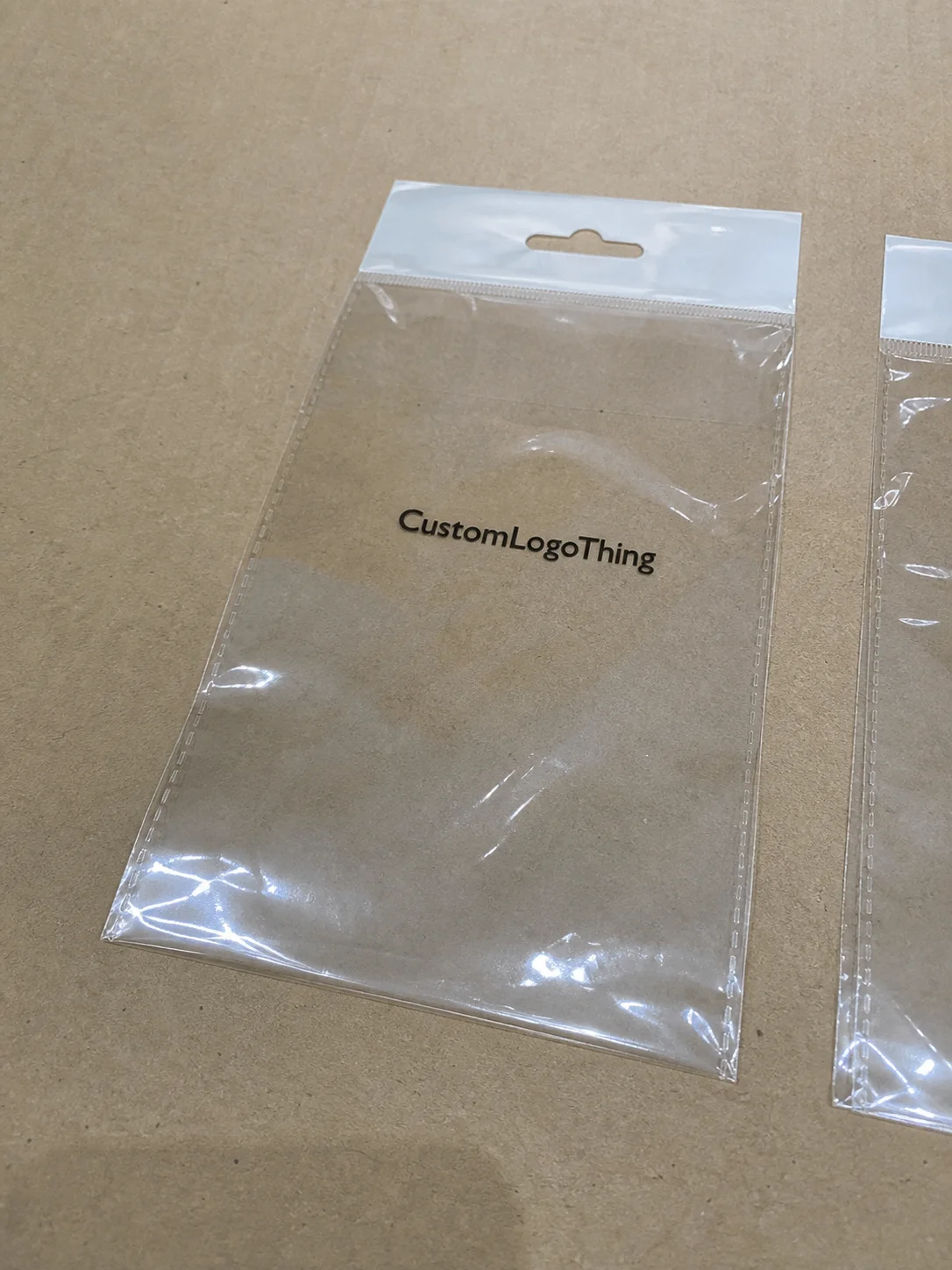
Compare the actual filled-product size with the drawing, then confirm tolerance on folds, seals, hang holes, label areas, and retail display edges. Reserve space for logos, QR codes, warning copy, and material claims before decorative graphics fill the panel.
Quote comparison points
Review material grade, print process, finish, sampling route, tooling charges, carton quantity, and freight assumptions side by side. A quote is only useful when the supplier can repeat the same color, closure quality, and packing count on the next order.
I still hear brands say plastic and sustainability cannot sit in the same sentence. That reaction made more sense ten years ago. These days, Eco Poly Mailers with logo are proving that a lighter, thinner shipping format can carry a strong brand story without dragging performance down. I’ve watched apparel clients cut outbound parcel weight by 18% to 27% simply by moving from boxes to properly specified eco poly mailers with logo, and the savings showed up not just in freight, but in picking labor too. On a 5,000-unit run out of Dongguan, one client shaved roughly $0.11 per shipment in total pack-out cost after switching from a 3-ply carton to a recycled-film mailer.
Here’s the part many teams miss: the mailer itself is only half the story. The other half is how you specify the film, the print, the size, and the disposal guidance. Get that wrong, and Eco Poly Mailers with logo become expensive green theater. Get it right, and you get a package that protects a T-shirt, looks polished at the doorstep, and often uses less material than a mailer-plus-box setup. Pretty simple. Not always easy. There’s a difference. A 12 x 15 inch mailer made from 2.5 mil recycled polyethylene is a very different animal from a thin generic bag ordered off a stock catalog in Hangzhou.
When I toured a fulfillment operation outside Shenzhen, a manager showed me two bins: one for damaged returns from oversized rigid boxes, and one for flat shipments packed in recycled-film mailers. The difference was stark. The box lane had higher void fill, more crushed corners, and more labor. The mailer lane had a cleaner flow. That is the practical appeal of eco poly mailers with logo. They are not magic. They are simply a better-fit tool for many shipping jobs, especially for soft goods moving through a facility that ships 2,000 to 10,000 parcels a day.
What Are Eco Poly Mailers with Logo?
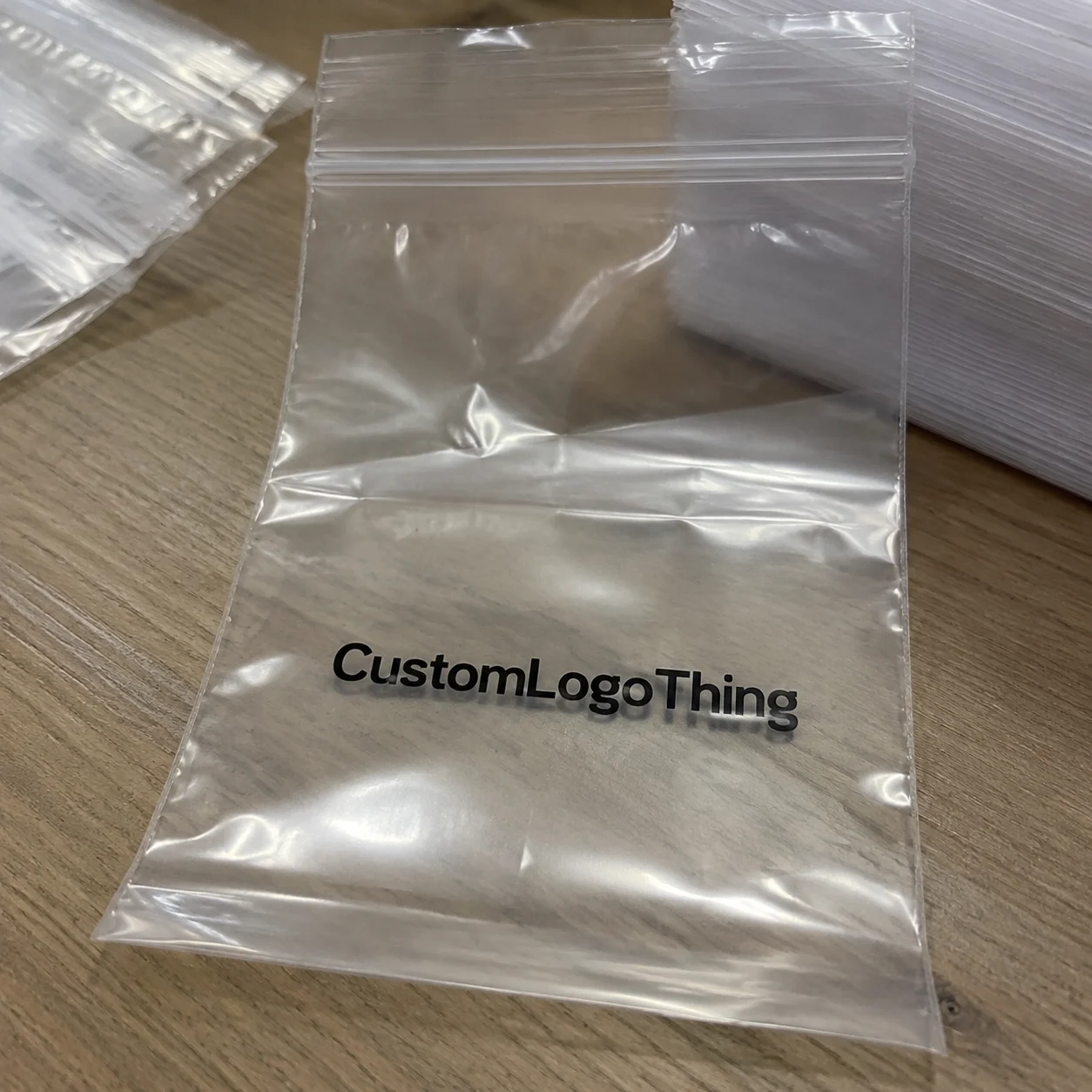
Eco poly mailers with logo are shipping mailers made with lower-impact film choices, recycled content, recyclable structures, or other reduced-waste specifications, then customized with branding. In plain language, they are lightweight plastic-style mailers designed to send flat or soft goods while also carrying your logo, colors, or messaging on the outside. The “eco” label is not one fixed recipe. One supplier may mean 30% post-consumer recycled content. Another may mean a recyclable mono-material film. A third may mean a downgauged structure that uses less resin per bag. For example, I’ve seen a Guangzhou supplier quote a 2.2 mil recycled-content mailer with a one-color flexo logo at $0.15 per unit for 5,000 pieces, while a comparable standard stock bag landed at $0.12 per unit without print.
That ambiguity matters. I’ve sat in supplier meetings where the word “eco” was used almost like a halo effect, but the actual film blend was still a hard-to-recycle mix with no local end-of-life path. Honestly, I think that is where buyers get burned. The packaging may feel more responsible because it has a leaf icon and a green ink logo, but the spec sheet tells the real story. If you are comparing eco poly mailers with logo, ask what the film is made from, what percentage is recycled, and whether the mailer is recyclable where your customers live. Ask for the resin type, too: LDPE, LLDPE, or a co-extruded blend. “Eco” without a material declaration is just pretty marketing with a shipping label on top.
Compared with standard poly mailers, the eco versions usually aim for one or more of these improvements:
- Recycled content, often post-consumer or post-industrial resin.
- Lower gauge films that reduce raw material use while holding up in transit.
- Recyclable structures, usually mono-material films that fit certain film recycling streams.
- Reduced shipping weight compared with corrugated boxes.
- Branding flexibility through printed logos, patterns, or messaging.
Against paper mailers, eco poly mailers with logo usually win on moisture resistance, tear resistance, and cost for many apparel applications. Paper can be excellent for certain brands, but it tends to be bulkier and less forgiving in wet weather. Against standard poly mailers, the eco version may not always be cheaper. But it can be a smarter fit if your brand is trying to reduce waste without sacrificing the tactile “arrived with intention” feeling that customers notice at the doorstep. In Vietnam and southern China, I’ve seen brands move to recycled-film mailers and keep their total landed cost under $0.30 per order for light apparel, which is hard to argue with when the alternative is a bulky carton plus void fill.
One more reality check: “eco” is not a legal guarantee. It is a marketing adjective unless the supplier backs it up with documentation. FSC applies to paper, not poly film, and ASTM or ASTM-like test methods may be used for strength or recyclability claims depending on the product. If a vendor cannot explain the material stack, the ink system, or the relevant certification trail, I would keep looking. A supplier in Ningbo once handed me a sample that claimed “recyclable” on the bag, but the laminate layers told a different story. Cute print. Bad spec.
How Eco Poly Mailers with Logo Work in Shipping
The mechanics are straightforward. Most eco poly mailers with logo are built from one or more layers of film, with a self-seal adhesive strip and a tear-resistant body. The logo is printed onto the surface, either as a spot print, a repeated pattern, or a full-coverage design. In a standard ecommerce flow, the packer drops in the garment or accessory, peels the strip, seals the mailer, applies the carrier label, and sends it into transit. That is five or six seconds of packaging work if the size is right. If the size is wrong, it can turn into a wrestling match. I’ve seen people lose that fight. Not gracefully. A 10 x 13 inch bag for a folded tee behaves very differently from a 14 x 20 inch bag stuffed with a hoodie and a return insert.
I remember a client who insisted on a 14 x 20 inch mailer for every SKU, even socks. The pack-out looked tidy for about two weeks. Then the team started folding excess film, fighting air pockets, and applying labels on uneven surfaces. Their void-fill problem vanished, but waste came back through the side door. We resized to three formats, and labor dropped by roughly 9%. That is why eco poly mailers with logo should be sized around the product mix, not the largest item in the catalog. A factory in Yiwu showed me the same lesson in real time: one SKU flow moved at 180 parcels per hour, the other at 142, and the only difference was the mailer size.
Branding does more than decorate the package. It also functions as a recognition cue. A customer sees a distinctive mailer on the porch and knows the parcel is from your brand before opening it. That matters for repeat purchase behavior because the package becomes part of memory. I have seen small DTC brands use simple two-color eco poly mailers with logo to look more premium than competitors using plain gray bags with sticker labels. The package did not shout. It looked intentional. Quiet confidence. Better than trying too hard, which packaging teams do all the time (and then wonder why it feels cheap). A matte white mailer with a 1-color black logo often looks cleaner than a neon full-bleed print that screams “I had 17 opinions and none of them were final.”
Performance-wise, these mailers are best for soft goods and flat products:
- Apparel: tees, leggings, hoodies, loungewear
- Accessories: scarves, belts, hats, fabric goods
- Printed items: folded inserts, catalogs, slim kits
- Non-fragile ecommerce orders: beauty accessories, lightweight consumables
They are less ideal for breakables unless you add an inner layer. If I were shipping a ceramic mug, I would not use eco poly mailers with logo alone. I would use a box or an internal cushioned system that passes the right distribution test, often referenced against ISTA protocols such as those described by the International Safe Transit Association: ISTA packaging test standards. That testing discipline matters because a mailer that saves material but fails in transit creates more waste than it removes. A drop test from 36 inches onto corrugated over a 100-pound compression cycle tells you a lot more than a product photo on a supplier’s homepage.
Print method also changes how the mailer behaves. Flexographic printing is common for larger runs because it keeps unit cost lower after setup. Digital print is useful for shorter runs, variable graphics, and faster artwork changes, though the unit economics can be less friendly. Rotogravure can deliver strong color and sharp repeatability at scale, but the tooling cost is not trivial. In a recent sourcing conversation, a buyer was quoted $0.18 per unit for 5,000 pieces on a one-color flexo run, versus $0.27 to $0.32 per unit for a full-color digital job. Those numbers shift with size and film type, but the pattern holds: more color usually means more cost. At a plant in Dongguan, the lead time on a flexo bag after proof approval was 12 to 15 business days; the digital run was faster, but only if you were comfortable paying for it.
If you want a broader mix of packaging formats for comparison, you can review our Custom Packaging Products and see how Custom Poly Mailers fit into a larger shipping system. That comparison is helpful when you’re deciding between a 2.0 mil recycled mailer, a paper envelope, or a padded carton for the same product line.
Key Factors That Affect Eco Poly Mailers with Logo
Material composition is the first thing I check. Not the logo. Not the color. The film. If the supplier says recycled content, ask for the percentage and whether it is post-consumer, post-industrial, or a blend. If the supplier says recyclable, ask what resin category it belongs to and whether the structure is mono-material. If the supplier says compostable, ask for the certifying body, the intended disposal route, and the exact conditions required. Compostable claims for film packaging can be tricky, and they are not interchangeable with curbside recyclability. A 35% PCR LDPE film from Shenzhen is a very different proposition from a mixed-layer bag that only looks green on a sales sheet.
Here is a useful comparison of common options for eco poly mailers with logo:
| Option | Typical Strength | Branding Flexibility | Eco Angle | Approx. Price Range |
|---|---|---|---|---|
| Standard poly mailer with print | High for soft goods | High | Lowest raw-material improvement | $0.10-$0.18/unit at volume |
| Recycled-content poly mailer with logo | High, depending on gauge | High | Uses recycled resin | $0.14-$0.24/unit at volume |
| Recyclable mono-material mailer | Medium to high | High | Designed for film recycling streams | $0.16-$0.28/unit at volume |
| Paper mailer with branding | Medium | Medium | Fiber-based option | $0.18-$0.35/unit at volume |
Those ranges are directional, not a promise. Order volume, bag size, print coverage, resin market swings, and freight all move the final number. Still, they give you a more honest starting point than “contact us for pricing.” In my experience, the biggest cost driver in eco poly mailers with logo is often not the material itself but the combination of setup, art complexity, and minimum order quantity. A 5,000-piece order from a factory in Huizhou may come in at $0.15 per unit, while the same design at 20,000 pieces can drop closer to $0.11 to $0.13 per unit if the print stays simple.
Print quality is another big lever. A one-color logo placed consistently in one corner may cost less and look more premium than a busy full-bleed graphic. More ink coverage can raise cost, slow production, and occasionally increase risk of scuffing if the ink system is not matched well to the film. I have seen a beautiful navy-on-white mailer fail because the artwork sat too close to the seal edge and got distorted during heat and pressure. Clean design beats crowded design more often than marketers expect. Marketers hate hearing that. Too bad. A 350gsm C1S artboard reference doesn’t apply here, but the same principle does: the substrate and the print method have to work together, or the result looks cheap no matter how fancy the mockup was in Figma.
Thickness and strength are where technical details matter. Gauge, seal integrity, puncture resistance, and tear propagation all affect how the mailer behaves in the sortation network. A 2.5 mil film is not automatically “better” than a 2.0 mil film if the lower-gauge option uses a better resin blend and smarter geometry. Some suppliers can provide tear and tensile data, and that is worth asking for. If they cannot, you are guessing. I usually ask for at least three data points: seal strength in N/15mm, dart impact results, and tensile strength directionally aligned with the seam. No numbers, no confidence.
Compliance and claims deserve the same scrutiny as cost. Customers do read the packaging. Competitors do too. If you state recycled content, verify it. If you claim recyclability, confirm the end-of-life pathway. If you mention FSC, make sure it applies to paper components only. For broader environmental context, the EPA’s packaging and waste guidance is a good reference point: EPA recycling guidance. It will not tell you which supplier to choose, but it will remind you that disposal behavior is local, not universal. A mailer that is accepted in Portland may not be accepted in Miami, and pretending otherwise is how brands end up with awkward customer service tickets.
Pricing is a combination of unit cost, plate fees, setup, and freight. A small 2,000-piece run can look inexpensive until the $160-$300 setup charge is spread across the order. A 20,000-piece run may look more expensive on paper but end up cheaper per shipment and more stable for reorders. If you ship 3,000 units a month, I would rather see a repeatable 8 to 10 week supply rhythm than a one-time bargain that forces a rushed reprint later. From a factory in Jiangsu, I once saw a buyer save $0.02 per bag on paper and lose $0.08 per order in avoidable replenishment costs. That is how false savings work.
“We thought the lowest quote was the best quote,” one apparel founder told me after a sourcing review, “until we added damage rate, shipping weight, and the second reorder. Then the supposedly cheap bag was the most expensive line item in the carton.”
Step-by-Step Guide to Ordering Eco Poly Mailers with Logo
Start with product fit. List your top five shipped items, their folded dimensions, and the average order mix. Then define whether you need stretch, cushioning, opacity, tamper evidence, or moisture protection. For eco poly mailers with logo, those requirements matter more than the exact shade of green in the artwork. A 10 x 13 inch mailer might be perfect for tees, but useless for a padded vest. If your largest volume SKU is a women’s ribbed tank at 8.5 x 11 inches folded, spec for that, not for the one oversized hoodie that shows up twice a month.
Next, choose the eco material path. I usually narrow it to three buckets: recycled-content poly, recyclable mono-material poly, or another low-impact packaging format if the shipping profile demands it. If your brand sells 80% apparel and 20% fragile accessories, you may need a mixed system. Not every item should be forced into the same wrapper just because the logo looks good there. A supplier in Shenzhen once tried to sell me one universal mailer for tees, candles, and skincare jars. Convenient? Sure. Sensible? Not remotely.
Then prepare your branding assets. That means a vector logo file, Pantone or CMYK references, placement notes, and a clear view on white space. If you are ordering eco poly mailers with logo, ask for dielines or art templates before you send the file. I have watched teams lose a week because someone handed over a low-resolution PNG and expected print-ready results. For packaging, “we’ll fix it in production” is expensive optimism. Usually followed by a very awkward phone call. A proper file set from an agency in Shanghai can save you two proof rounds and about 3 to 5 business days.
Here is the order flow I recommend:
- Define the product and carton substitute — size, weight, and fragility.
- Choose the material — recycled, recyclable, or alternative format.
- Select print method — flexo, digital, or rotogravure based on volume.
- Approve artwork — confirm colors, margins, and logo placement.
- Request physical samples — compare feel, sealing, and print clarity.
- Run a pilot — test 100 to 500 actual shipments before scaling.
- Lock reorder specs — document the approved version so purchasing does not drift.
Sampling is where a lot of value gets unlocked. I remember a client in the athleticwear category who swore their new eco poly mailers with logo were fine based on photos. The sample run told a different story: the print was crisp, but the seal adhesive struggled in cold storage at 4°C. We caught it before launch and switched the adhesive spec. That avoided a return flood and a customer service headache that would have cost far more than the extra proofing round. The replacement adhesive came from a supplier in Foshan, and the corrected batch passed a 72-hour cold-room hold without opening.
Production timelines vary, but a realistic window is usually 12 to 15 business days from proof approval for a standard run, then shipping time on top of that. Larger or more complex orders can take 18 to 25 business days. If you need a reprint near a seasonal peak, build in slack. Nobody enjoys paying air freight because a vendor overpromised by a week. That one stings twice: once on the invoice, once when accounting asks why you did it. If your launch date is tied to a promotion in Los Angeles or New York, I would lock the proof at least 4 weeks ahead so you are not gambling on customs clearance and a factory queue.
If you want a more complete sourcing stack, our Custom Packaging Products page can help you compare companion items like labels, inserts, and alternative mailer formats. That context matters because eco poly mailers with logo perform better when the whole pack-out workflow is aligned. A good mailer can still look sloppy if the insert is oversized or the shipping label is slapped on crooked at a station in a warehouse outside Manila.
Common Mistakes to Avoid with Eco Poly Mailers with Logo
The biggest mistake is buying on buzzwords alone. “Eco” is not a spec. It is a prompt for questions. If the salesperson cannot tell you the recycled content percentage, the film structure, and the disposal guidance, you are not buying sustainability. You are buying a vibe. That is a bad procurement strategy for eco poly mailers with logo. I’ve seen teams in Singapore approve a mailer because the mockup had a leaf icon and then discover the actual bag was a mixed-material structure with no local recycling path.
The second mistake is selecting a mailer that looks environmentally friendly but fails in transit. A torn bag, a split seal, or a scuffed print finish does not save resources. It creates returns, reships, and customer disappointment. I once reviewed a batch of mailers that used an attractive light-weight film but failed after repeated conveyor abrasion. The brand had to rework the packaging and eat the cost of several hundred reships. The lesson was simple: test the package under real distribution conditions, not just on a clean desk. A lab in Suzhou ran the same bag through 50 abrasion cycles and the print held; the problem only showed up on the actual fulfillment line at speed.
Overbranding is another trap. Full-bleed artwork can look energetic on screen, but on a real mailer it can crowd the design, increase ink coverage, and sometimes make the package feel busier than premium. A restrained logo with a strong contrast ratio often performs better. The best eco poly mailers with logo I have seen usually rely on one or two brand elements, not a wallpaper of claims. If your brand story needs six icons and a paragraph, the problem may not be the bag. It may be the brief.
There is also the MOQ issue. A supplier may quote an attractive price, but if the minimum order quantity is 10,000 units and your monthly volume is 1,500, you can end up sitting on inventory that ties up cash and warehouse space. I would rather pay a little more for a smaller, more rational run than chase the lowest unit price and then store pallets for eight months. Storage is not free. It just shows up later, like a bad surprise with a forklift. I once watched a brand in Kuala Lumpur pay $240 a month in storage for bags they thought would “move quickly.” They did not.
Finally, many teams forget disposal instructions. If your customers do not know whether to recycle, reuse, or discard the mailer, the sustainability story stops at the doorstep. Clear guidance on the bag, on the website, or on an insert can improve customer behavior. Simple phrasing works best. Something like “check local film recycling acceptance” is more honest than pretending every municipality handles plastic film the same way. The note can be tiny. The difference can be huge.
A few avoidable errors, in plain terms:
- Buying from a supplier that cannot document claims.
- Skipping drop or transit testing before launch.
- Using a mailer size that is too large for the SKU mix.
- Choosing heavy ink coverage without a clear branding reason.
- Ignoring reorder lead times until stock runs low.
Expert Tips for Better Branding and Lower Packaging Waste
Design restraint usually wins. A crisp logo, generous whitespace, and one strong accent color can make eco poly mailers with logo look more considered than a fully printed surface. That is not just an aesthetic opinion. It often reduces ink use, shortens print setup, and lowers the chance of visual misalignment. In one client review in Ho Chi Minh City, we cut artwork coverage by about 40% and the package looked more expensive, not less. The bag stayed the same 2.2 mil film, but the cleaner layout made the whole thing feel intentional.
Size is another quiet cost center. Choose the smallest mailer that still allows easy insertion and reliable sealing. If the product has too much room to slide around, you may need an inner wrap or a different format. A close-fit mailer reduces film use and often improves parcel density in outbound cartons. That can reduce cubic shipping costs, which is a bigger deal than many ecommerce teams realize until freight bills arrive. I’ve seen a 1-inch reduction in mailer length save a brand nearly $0.06 per shipment once dimensional weight kicked in on longer routes.
Don’t treat the mailer as a standalone hero item. Build a packaging system. That means mailer, label, fulfillment process, and disposal message all working together. I have seen brands obsess over eco poly mailers with logo while their label stock was oversized, their inserts were glossy and unnecessary, and their pickers were using two bags per order because the size chart was vague. Packaging waste is often a process problem dressed up as a material problem. I’d rather fix the picker station than commission a fancy new bag and call it progress.
Here’s a practical checklist I use during a packaging review:
- Confirm SKU dimensions with measured averages, not guesses.
- Document the approved artwork with a dated PDF and source file.
- Keep material specs in one folder: recycled content, film type, print method, and compliance notes.
- Review damage rate after launch using return data and customer service notes.
- Test reorder consistency so the second batch matches the first.
That audit-trail mindset matters because sustainability claims can unravel fast if records are scattered. If a retailer asks for proof of recycled content or wants to validate packaging performance, you should not be hunting through old email threads. I like to keep supplier cut sheets, test data, and certification documents together. Packaging teams move faster when the paperwork is organized. A clean folder structure can save you an afternoon and one unnecessary supplier call.
For brands with a larger packaging mix, it can help to compare mailers against adjacent formats like compostable shipping envelopes, paper mailers, or rigid cartons. Our Custom Poly Mailers category is a useful starting point if you are narrowing the material and print strategy before placing a custom order. If your current bag is 11 x 14 inches and your next SKU is 9 x 12 inches, you may find that one size change does more for waste reduction than any slogan ever will.
Next Steps for Choosing the Right Eco Poly Mailers with Logo
If I were advising a brand starting from zero, I would build a shortlist of three eco poly mailers with logo options: one recycled-content option, one recyclable mono-material option, and one fallback design in case the sustainability target collides with budget or performance. That three-way comparison usually exposes the real trade-offs in a way a single quote never can. A factory in Xiamen may be excellent on price, while a supplier in Shenzhen wins on print quality and a third option in Ningbo wins on lead time. Real sourcing is rarely about one perfect answer.
Then I would compare samples side by side. Not by photo. By hand. Feel the film thickness. Check the seal. Read the print edge. Fold the corner. Tug the tear strip. If the sample slips during packing, your team will notice that on day one. If the print scratches easily, your customer will notice it on day two. If the supplier’s “eco” claim is vague, ask for documentation before you talk price. I like to test samples on the same packing table in the same lighting at 2 p.m., because that is where reality shows up.
Ask for these details before committing:
- Recycled content percentage and resin source
- Recyclability guidance by region
- Print method and color limitations
- Minimum order quantity and price breaks
- Lead time from proof approval
- Available third-party certifications or test data
Then run a pilot. Small, controlled, and real. Ship actual customer orders with the approved mailer and monitor damage, returns, and customer feedback for at least a few weeks. That is the only way to know whether the mailer fits your real workflow. Lab data matters. Field data matters more. A 200-order pilot in Chicago or Dallas will tell you more than a polished sample board ever will.
Finally, refine the spec. Maybe the 12 x 16 inch size is right but the print should move higher. Maybe the material is excellent but the seal adhesive needs a colder-temperature rating. Maybe the customer experience is strong, but the unit cost can drop if you simplify to one color. That iteration cycle is how eco poly mailers with logo become a durable part of the packaging strategy instead of a one-off experiment. It is not glamorous. It is just how good packaging gets built.
My honest view? The best packaging decisions are rarely dramatic. They are usually the result of a few grounded choices: the right material, the right size, the right print, and the right documentation. Do that well, and eco poly mailers with logo can cut waste, protect the shipment, and make the brand look thoughtful without pretending packaging has no footprint at all. I’ve seen the difference in factories from Dongguan to Ningbo. The boring choice, done carefully, often wins.
What are eco poly mailers with logo used for?
Eco poly mailers with logo are used for shipping soft goods and flat ecommerce items like apparel, accessories, and printed materials. They protect the product, reduce shipping weight, and give the package a branded look without the bulk of a box. For many apparel brands, they are a practical replacement for heavier corrugated packaging.
FAQs
Are eco poly mailers with logo actually recyclable?
Some are, but not all. It depends on the film type, whether the structure is mono-material, and whether local recycling programs accept plastic film. I would always verify the supplier’s exact material spec instead of trusting the word “eco” on its own. A mono-LDPE mailer may be accepted in one region and rejected in another, so the city or state matters just as much as the bag.
How much do eco poly mailers with logo cost compared with plain mailers?
They usually cost more because you are paying for printing, setup, and often a better material specification. A plain stock mailer might land near $0.10 to $0.18 per unit at volume, while printed eco versions can move into the $0.14 to $0.28 range depending on size, volume, and print coverage. For a 5,000-piece order, I’ve seen a one-color recycled mailer quoted at $0.15 per unit before freight.
What products ship best in eco poly mailers with logo?
Apparel, accessories, soft goods, and flat non-fragile items are the strongest fit. If the product is heavy, sharp-edged, or breakable, I would usually move to a more protective format or add internal cushioning. A cotton tee in a 10 x 13 inch mailer is fine; a ceramic mug in the same bag is a bad plan.
How long does it take to produce eco poly mailers with logo?
Lead time depends on artwork approval, print method, material availability, and order size. A standard run may take 12 to 15 business days after proof approval, but larger or more customized orders can take longer, especially if sampling is part of the process. If the supplier is in Guangdong and the freight route is busy, add a few days for congestion or customs handling.
What should I ask a supplier before ordering eco poly mailers with logo?
Ask about recycled content, recyclability, print method, minimum order quantity, lead time, proofing process, and any certifications or test data supporting the claims. If the supplier cannot provide documentation, I would treat the sustainability language cautiously. I’d also ask where the bag is manufactured, because a supplier in Shenzhen, Dongguan, or Huizhou can give very different answers on tooling, print control, and turnaround.
If you are trying to reduce packaging waste without making your shipping experience feel stripped down, eco poly mailers with logo are a practical place to start. The right version can protect soft goods, carry a clean brand impression, and use less material than heavier formats. The wrong version can do the opposite. That is why the spec sheet, the sample, and the pilot run matter just as much as the logo itself. Pick the right factory, ask for the numbers, and do not let a cute mockup make the decision for you. That’s the takeaway, plain and simple: choose the material honestly, test it in real shipping conditions, and lock the approved spec before your next reorder.