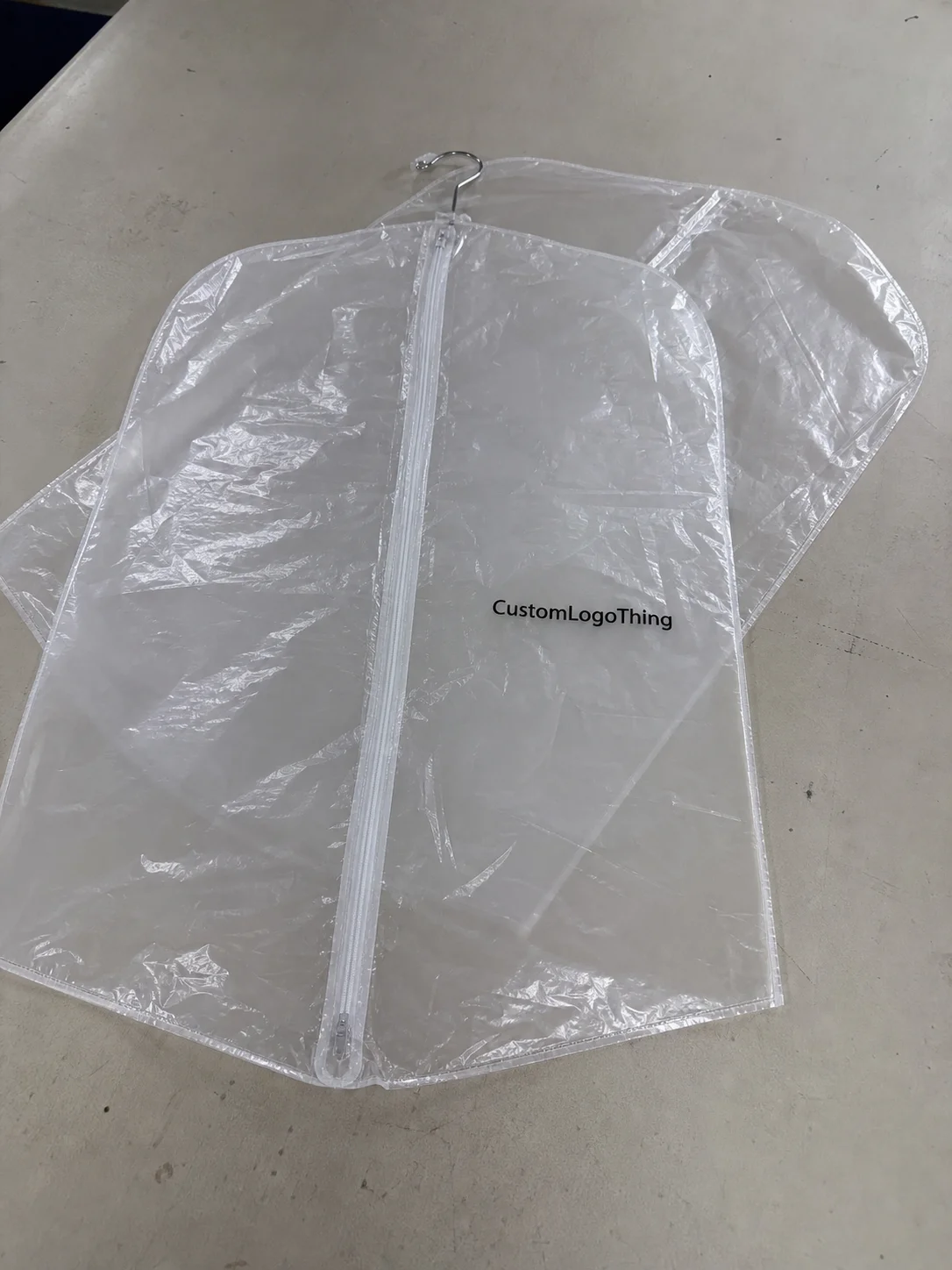
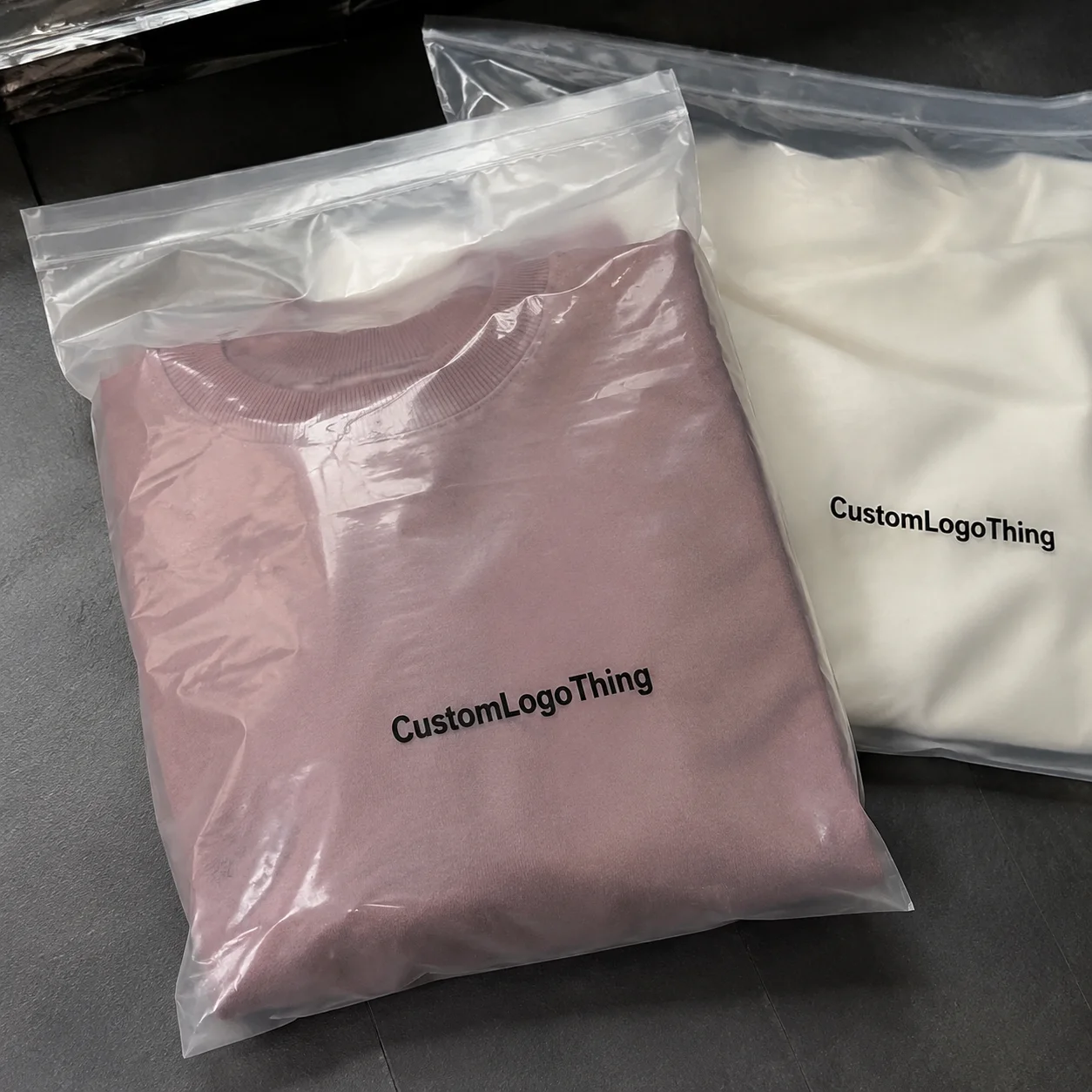
Buyer Fit Snapshot
| Best fit | Eco Poly Mailers Comparison projects where brand print, material claims, artwork control, MOQ, and repeat-order consistency need to be specified before quoting. |
|---|---|
| Quote inputs | Share finished size, material target, print colors, finish, packing count, annual reorder estimate, ship-to region, and any compliance wording. |
| Proofing check | Approve dieline scale, logo placement, barcode or warning zones, color tolerance, closure strength, and carton packing before bulk production. |
| Main risk | Vague material claims, crowded artwork, missing packing details, or unclear freight terms can make a low unit price expensive after revisions. |
Fast answer: Eco Poly Mailers Comparison: What Actually Matters should be specified like a repeatable production item. The safest quote records material, print method, finish, artwork proof, packing count, and reorder notes in one written spec.
Production checks before approval
Compare the actual filled-product size with the drawing, then confirm tolerance on folds, seals, hang holes, label areas, and retail display edges. Reserve space for logos, QR codes, warning copy, and material claims before decorative graphics fill the panel.
Quote comparison points
Review material grade, print process, finish, sampling route, tooling charges, carton quantity, and freight assumptions side by side. A quote is only useful when the supplier can repeat the same color, closure quality, and packing count on the next order.
The first time I did an Eco Poly Mailers comparison on a factory floor in Dongguan, I held three “eco” samples in my hands and laughed out loud. Two looked almost identical, down to the gray tint and matte finish. One supplier swore theirs was “green,” another said “recyclable,” and the third had a shiny brochure full of leaves, arrows, and vague promises. Same basic plastic feel. Very different sales pitch. That’s the part most buyers miss when they start an eco poly mailers comparison: the label is cheap, the spec sheet is where the truth lives.
I’m Sarah Chen. I spent 12 years in custom printing, and I’ve watched brands overpay for “eco” packaging that solved exactly nothing. If you’re comparing recycled PE mailers, biobased mailers, and compostable mailers, you need to look past the marketing and into the resin source, thickness, seal performance, certifications, and what actually happens after delivery. This Eco Poly Mailers comparison is here to help you buy based on shipping reality, not green theater, whether your supplier is in Shenzhen, Ningbo, Ho Chi Minh City, or eastern Guangdong.
Eco Poly Mailers Comparison: The Surprise Nobody Tells You
Here’s the surprise nobody tells you in an Eco Poly Mailers comparison: “eco” does not mean the same thing across suppliers. It can mean recycled-content PE, biobased film, or a compostable structure that only breaks down under specific industrial conditions. Those are not interchangeable. Not even close. I’ve seen buyers approve a “recyclable” mailer from a supplier in Jiangsu, then find out later it was only recyclable where film collection exists, which in many U.S. zip codes means “good luck.”
I once stood next to a converting line in Shenzhen and watched a rep point at three rolls of film like he was unveiling rare wine. One roll had PCR content. One was a plant-based blend. One was compostable. The rep kept calling all three “environmentally friendly.” Cute. But one could be recycled through standard PE streams in some regions, another needed a compost facility, and the third depended on local collection systems that most customers never see. That’s the real eco poly mailers comparison: what it is, what it costs, and what the buyer can actually do with it after the package lands.
Let’s define the buckets clearly. Recycled PE mailers use post-consumer or post-industrial recycled resin, often called PCR, and many factories quote PCR content in the 30% to 80% range. Biobased mailers are made partly from renewable feedstocks like corn or sugarcane-derived material, though “biobased” does not automatically mean compostable. Compostable mailers are designed to break down under controlled composting conditions and usually need certifications like ASTM D6400 or EN 13432 to support the claim. A proper eco poly mailers comparison should compare those buckets separately, not mash them together like they’re all the same SKU with different fonts.
“If the supplier can’t tell you the resin type, film thickness, and certification number in one sentence, they’re selling vibes, not packaging.”
That’s the line I use in supplier meetings. It saves time. So does asking for the actual spec sheet instead of the sales flyer. If you want a broader packaging baseline for branded mailers and related formats, our Custom Packaging Products page is a good place to start, and our Custom Poly Mailers page shows what a normal shipping build looks like before “eco” enters the conversation. A typical branded PE mailer in my files might use an 80-micron outer film, a 20-micron seal layer, and a one-color flexo print, which is a very different animal from a compostable bag with a 60-micron PBAT blend.
Also, no, the word “eco” alone does not prove anything. I’ve seen 60-micron mailers with recycled content outperform flimsy 70-micron compostable film in transit simply because the sealing layer was better engineered. I’ve also seen a 350gsm C1S artboard insert survive better than a prettier, thinner insert because the structure was right. That’s why this eco poly mailers comparison stays focused on measurable details, not the leafy branding on the front.
How Eco Poly Mailers Work: Materials, Layers, and Claims
Standard poly mailers are usually built from polyethylene film, often in one or more layers depending on whether the mailer is designed for tear resistance, opacity, or print quality. In a basic eco poly mailers comparison, the first thing I check is whether the mailer is a mono-material structure or a mixed-material build. Mono-material PE is easier to recycle in streams that accept film. Mixed materials can get messy fast, especially if one layer is added for barrier performance and another is added for print adhesion. Pretty packaging, terrible recycling story. I’ve seen it more than once in factories in Shenzhen and Huizhou.
When a manufacturer adds recycled content, they usually blend PCR resin into the PE film. That can be done at different percentages, and the number matters. A mailer with 30% PCR is not the same as a mailer with 80% PCR. In one factory visit in Ningbo, I watched a production manager proudly show me a “green” line while quietly admitting the blend shifted from batch to batch depending on supply. That’s normal enough, but it means your eco poly mailers comparison should ask for the target PCR percentage, not a fuzzy “contains recycled material” claim. Ask for the written spec, not a smile and a brochure.
With compostable films, the chemistry changes more dramatically. These mailers may use PLA, PBAT, starch blends, or other compostable polymers depending on the manufacturer and target certification. They are designed to break down under defined conditions, usually industrial composting, not your backyard bin. That distinction matters. A compostable mailer that ends up in the landfill may behave differently than the brand story suggests, and a customer who tosses it into curbside recycling may contaminate the stream. So the eco poly mailers comparison has to include disposal reality, not just factory theory. In a buyer’s folder I reviewed last quarter, the supplier listed a 90-day industrial compost claim, but the customer’s nearest compost facility was 280 miles away in another state. Fun problem. Not a useful one.
One more issue that gets ignored: print compatibility. I’ve had client samples where the recycled film took ink beautifully but the compostable film needed a slower cure and a different adhesive layer to avoid smudging. Seal strength also changes with resin type and gauge. A mailer with a 50-micron film and strong hot-melt closure may ship better than a 70-micron “eco” mailer with a weak seal line. On the print side, a 1-color black logo on a 100-micron PE mailer can look razor sharp, while a four-color wrap on a compostable surface may need two proof rounds and a different ink system. The numbers on the spec sheet matter more than the word “eco” on the mockup.
For reference, certifications and standards are not decoration. ASTM D6400 and EN 13432 are common compostability benchmarks, while FSC applies to fiber-based components, not plastic film itself. PCR documentation matters if the supplier is claiming recycled content. If you want a neutral technical overview, I often point clients to the ISTA site for transit testing context and EPA recycling guidance for material handling basics. A solid eco poly mailers comparison uses those references to check claims, not to decorate a sales deck. If your supplier in Guangzhou says “certified,” ask for the certificate number, not the PDF cover page.
| Mailer Type | Typical Material | Common Use | End-of-Life Reality |
|---|---|---|---|
| Recycled PE | PE with PCR content, often 30% to 80% | Apparel, accessories, general e-commerce | May be recyclable where film collection exists |
| Biobased | Renewable feedstock blend | Brands with renewable-material messaging | Not automatically compostable or recyclable |
| Compostable | PLA, PBAT, starch blends | Brands with compost infrastructure and disposal education | Usually needs industrial composting conditions |
That table is the part people wish their supplier had sent on day one. It would have saved three rounds of sample confusion and at least one angry email from a brand manager who thought “biobased” meant “throw it anywhere and feel noble.” Not quite. An accurate eco poly mailers comparison starts with material truth, then moves to performance, then cost. In that order. If you reverse the order, you end up paying $0.29 a unit for a bag that fails a corner rub test in warehouse trial week. Brilliant strategy. Terrible outcome.
Eco Poly Mailers Comparison: Cost, Pricing, and Value
Let’s talk money, because this is where most eco poly mailers comparison decisions get messy. Recycled-content mailers usually sit closer to standard PE pricing, while compostable options tend to cost more because the raw film, sourcing controls, and certification work all add cost. That doesn’t mean recycled is always cheap or compostable is always expensive, but those are the usual lanes. In my quote log from suppliers in Dongguan and Foshan, recycled PE mailers often landed at $0.15 to $0.20 per unit for 5,000 pieces, while compostable bags in the same sizes were more commonly $0.25 to $0.34 per unit depending on print and closure type.
On a recent quote round I handled for a DTC apparel client, a 12 x 15 inch recycled-content mailer came in around $0.18 per unit at 5,000 pieces with one-color print, while a compostable mailer in the same size was closer to $0.29 per unit under similar volume. Same footprint. Different resin. Different cost structure. If you’re doing a serious eco poly mailers comparison, that gap matters, especially when monthly volume climbs past 20,000 units. At 20,000 pieces, the difference can look small on one PO and very large over a 12-month forecast.
But unit price is only half the story. The supplier who quoted the lower number may have been using a thinner gauge, simpler print, or a higher MOQ hidden behind “special run” language. I’ve seen freight add $600 to a seemingly cheap order, and I’ve seen sample charges turn into a $250 surprise because the buyer asked for three versions, two closures, and a custom return flap. The best eco poly mailers comparison includes landed cost, not just factory price. A quote from Shenzhen at $0.16 per unit can look great until ocean freight, inland trucking, and carton labeling add another $0.05 to $0.08 per unit.
Here’s the cleanest pricing framework I use with clients:
- Unit price: the per-mailer quote at your target quantity.
- Freight: ocean, air, or domestic shipping, plus fuel and handling.
- Samples and setup: plates, artwork proofing, and test runs.
- Damage cost: refunds, reships, and customer service time.
- Brand value: the trust gained or lost from the disposal promise.
That last one is slippery, but real. If your brand promises a compostable mailer and then the customer can’t find a place to compost it, you just bought disappointment in custom print. If your recycled mailer performs well, ships cleanly, and keeps your pack-out simple, the brand wins without making a giant speech about sustainability. Honestly, that’s usually the smarter move. A sensible eco poly mailers comparison values reliability first and story second, not the other way around. I’ve seen a brand in Chicago switch to recycled-content mailers at $0.17 per unit and reduce customer complaints because the bags stopped splitting in transit. That’s a real business win, not a press-release win.
One thing buyers miss is how printing complexity changes cost. A full-coverage black print on a compostable film may need more testing than a simple one-color logo on recycled PE. Matte finishes, strong adhesive closures, custom tear strips, and double-sided branding all add cost. A cheap-looking quote can become a $1,200 headache if the artwork needs reruns or the adhesive fails in humid freight lanes. I’ve had that conversation with factories in Ningbo and Dongguan more times than I can count. The quote on paper was fine. The actual pack-out? Less charming. One client requested a custom return flap plus a two-color logo and ended up with a production lead time of 14 business days from proof approval, not the 8-day fantasy written in the first email. Reality, as usual, showed up without champagne.
If you want a quick way to think about value in an eco poly mailers comparison, use this formula:
Real value = unit price + freight + damage rate + reprint risk + disposal credibility
That’s not fancy. It’s just honest. A recycled mailer at $0.18 that arrives intact and prints cleanly may outperform a compostable mailer at $0.29 if the latter tears, smears, or confuses customers. And yes, I’ve seen brands spend an extra $7,500 a year on “eco” packaging only to get more complaints because the mailers were too thin. Sustainability without shipping performance is just expensive guilt. If you’re quoting 10,000 pieces from a supplier in Zhejiang and the difference between options is only $400, I’d still choose the bag that survives the parcel sorter in Dallas.
Key Factors to Compare Before You Buy
Strength is the first thing I test in any eco poly mailers comparison. I want to know how the mailer handles a hoodie with a zipper, a cosmetic box with sharp corners, or a bundle of folded tees that rub during transit. A mailer can look great on a desk and fail miserably once it sees a conveyor belt and a sorting hub. If the film feels soft but punctures easily, the package becomes waste before the customer even opens it. I’ve watched a 60-micron mailer survive a warehouse hand test in Hangzhou, then split open after two drops from 36 inches in a mock shipping trial. Great for the trash bin. Bad for the brand.
Seal quality is next. I’ve seen adhesive closures behave beautifully at 22°C in a sample room and then fail in a humid warehouse where the carton had been sitting for hours. Hot-melt adhesive, pressure-sensitive strips, and tamper-evident closures all behave differently. A proper eco poly mailers comparison asks for seal test data, or at least practical sample testing under the same temperature and humidity your shipments face. If you ship from Florida or southern China, don’t pretend climate is a minor detail. It isn’t. A 40°C warehouse in Guangzhou is not the same as a 19°C stock room in Minnesota, and the adhesive knows it.
Print quality matters more than people admit. Recycled films can show speckling or slight tonal variation because PCR feedstock is not perfectly uniform. That’s not a defect if you expect it. It is a defect if your brand palette depends on exact color matching and you approve the proof without checking against your PMS standard. Compostable films can also shift ink behavior, especially with certain finishes. A good eco poly mailers comparison should include a printed sample, not just a blank film swatch. If you need a clean white background, ask for an opacity spec, not a vague “looks bright enough” promise.
Size range and fit are boring until they’re expensive. Oversized mailers use more material, drive up freight by weight and cube, and make a premium brand look sloppy. Too small, and the closure stress increases. I had a client with a jewelry subscription box who insisted on an oversized “safety margin” and then wondered why postage climbed by 9%. The fix was a custom mailer with a tighter gusset and cleaner fit. That alone saved them roughly $0.06 per order after pack-out changes. Tiny detail. Real money. In one case, we moved from a 10 x 13.5 inch bag to a 9 x 12 inch size and shaved nearly 2 grams of film per unit. Small cut. Big annual impact.
End-of-life reality is where branding meets adult responsibility. If you buy recyclable mailers, can your customers actually recycle them? Film recycling exists, but access varies by region. If you buy compostable mailers, can your customers access industrial composting? Sometimes yes. Often no. So your eco poly mailers comparison should ask a blunt question: what does the customer actually do with this after delivery? If the answer is “probably throw it away,” you need to rethink the claim language. A supplier in Ho Chi Minh City can promise a neat disposal story. The customer in Ohio still has to live in the real world.
Supplier transparency is the final filter. Good suppliers hand over test data, material composition, and certification copies without drama. Bad ones send blurry screenshots and hope no one reads the fine print. I once negotiated with a factory that kept calling a film “100% compostable” while refusing to provide the ASTM certificate for the exact SKU. That’s a red flag the size of a pallet. For a trustworthy eco poly mailers comparison, ask for documentation tied to the exact size, thickness, and print method you’re buying. If the paper trail doesn’t match the quote, the quote is decoration.
Here’s a practical comparison table I use when clients need a fast read before sample approval:
| Factor | Recycled PE Mailers | Biobased Mailers | Compostable Mailers |
|---|---|---|---|
| Typical price | Lower to mid | Mid | Mid to high |
| Transit strength | Usually strong | Varies by blend | Varies by formulation |
| Recycling route | Potentially recyclable | Depends on structure | Usually not recyclable |
| Compost route | No | Only if certified | Yes, if certified and accepted |
| Best fit | Most e-commerce brands | Brands emphasizing renewables | Brands with compost infrastructure |
That’s the kind of eco poly mailers comparison that saves time. Not perfect, but useful. Which Is Better than a sales deck full of leaves and buzzwords pretending to be an engineering decision. I’d take a plain spec sheet from Suzhou over a glossy promise from nowhere any day.
What Is the Best Eco Poly Mailers Comparison Method?
The best eco poly mailers comparison method is brutally simple: compare the material, compare the performance, compare the disposal path, then compare the landed cost. If you skip any one of those, you’re guessing. And guessing is how buyers end up with expensive packaging that looks noble and ships badly. I’ve seen that movie. It has a terrible ending and a lot of back-and-forth email.
Start with material truth. Ask whether the mailer is recycled PE, biobased, or compostable. Then ask for the exact resin percentage, thickness, closure type, and print method. After that, test the sample under real shipping conditions. Drop it. Rub it. Stack it. Leave it in a hot room. If the mailer is supposed to survive a parcel sorter, don’t judge it on a desk. That’s not a comparison. That’s a photo shoot.
Then move to disposal reality. A recycled-content mailer may be the best fit if your audience has access to film recycling. A compostable mailer may make sense if your customer base already knows how to use industrial composting and your brand can support the education work. Biobased material can be a useful middle ground, but only if the structure and claims are clear. The point of an eco poly mailers comparison is not to crown a moral winner. It’s to match the material to the job.
Finally, compare total cost. Unit price is only one line in the spreadsheet. Freight, samples, setup, print revisions, and damage risk all matter. A supplier in Dongguan might quote a nice low price, but if the film is too thin and the adhesive fails, the “cheap” option gets expensive fast. I’d rather pay a bit more for a mailer that survives the route and keeps the customer from filing a complaint. That’s a cleaner business decision than trying to impress someone with a leaf icon.
Step-by-Step Process and Timeline for Ordering Eco Poly Mailers
The ordering process is where a lot of eco poly mailers comparison research becomes real. Step one is defining your use case. Are you shipping a 6-ounce apparel bundle? A box inside a mailer? A soft accessory like socks or swimwear? Weight, corners, and shipping method determine the right gauge and closure. A 10 x 13 inch mailer might be perfect for one brand and useless for another. Specs first. Branding second. That order saves headaches, especially when your factory is in Dongguan and your warehouse is in New Jersey.
Step two is sample collection. I tell clients to request samples from at least three suppliers because the differences can be subtle until you hold them side by side. Compare film feel, closure strength, print clarity, and odor. Yes, odor. Some compostable films have a noticeable smell right out of the box, and some buyers care a lot more than they expected. An honest eco poly mailers comparison gets much easier when the samples are sitting on the same table instead of living in separate sales inboxes. I like to line them up next to a scale, a caliper, and a shipping label printer. The truth gets louder when the tools are there.
Step three is documentation. Ask for certification copies, resin breakdowns, and written end-of-life statements. If the supplier says PCR is included, ask how much and whether it’s post-consumer or post-industrial. If they say compostable, ask which standard applies: ASTM D6400, EN 13432, or something else. I always tell clients to get that in writing. Too many suppliers treat claims like seasoning. A little vague. A little generous. Not enough to build compliance on. If the supplier is in Jiangsu, make them state the exact resin blend and film thickness on the pro forma invoice. Saves everyone a future headache.
Step four is artwork and proofing. Custom printing adds time because color matching, plate setup, and film compatibility need checks. A simple one-color logo might be straightforward. A full-wrap design on a compostable film may need two or three proof revisions. If you are running an eco poly mailers comparison for branded mailers, budget time for pre-production samples. They are cheaper than discovering a shifted logo after 8,000 pieces are already in production. I’ve had proofing go from one day to four because a brand wanted a brighter green and the film itself had a natural beige undertone. That’s not a flaw. That’s material reality.
Step five is timeline management. A realistic custom order often looks like this:
- Sample review: 3 to 7 business days, depending on supplier stock and shipping speed.
- Artwork proofing: 2 to 5 business days if your files are ready.
- Production: typically 12-15 business days from proof approval for standard custom runs, longer for special materials or multi-layer structures.
- Freight: 5 to 35 days depending on air, sea, or domestic routing.
That’s the honest version. The sales version is usually shorter and more cheerful. Fine. But if you’re planning an eco poly mailers comparison for a launch date or seasonal drop, pad your schedule. One client of mine in athleisure lost two weeks because they approved a compostable sample, then asked for a thicker gauge after realizing the leggings corner was poking through. That decision was sensible. The delay was not mysterious. It was just time, and time has no interest in your campaign calendar.
If you’re ordering through a procurement team, ask for a spec approval sheet that includes size, thickness, closure type, print colors, and certification references. Then compare that sheet across suppliers. It sounds simple because it is. The hard part is resisting the urge to choose the prettiest pitch. A good eco poly mailers comparison is paperwork plus sample testing, not a mood board. If your factory in Foshan can’t send a clean sheet with 60-micron or 70-micron film, hot-melt seal width, and packed carton count, keep looking.
Common Mistakes in Eco Poly Mailers Comparison
The biggest mistake in an eco poly mailers comparison is buying on eco language alone. “Recyclable,” “plant-based,” and “compostable” are not magic words. They are claims that need proof. A mailer can be technically compostable and still be a poor choice if your customers do not have access to the right disposal system. It can be recycled in theory and still end up in landfill if the local collection route doesn’t accept film. I’ve seen both happen in the same quarter, which is a pretty efficient way to waste money and goodwill.
Another mistake is comparing compostable mailers against recycled-content mailers as if they’re identical products with different moral scores. They solve different problems. Recycled PE often wins on cost and durability. Compostable can make sense if your brand story, customer behavior, and disposal infrastructure align. A proper eco poly mailers comparison should compare function to function, not virtue to virtue. A 12 x 16 inch recycled mailer at $0.17 and a compostable version at $0.31 are not competing on the same playing field if one tears less in humid transit.
People also ignore MOQ and freight. A low unit price can disappear the second you hit a 10,000-piece minimum or pay international shipping on a bulky carton. I once watched a founder get excited over a $0.16 per unit quote, only to discover the landed cost jumped above $0.24 after freight and artwork setup. No one likes that email. Everyone gets it anyway. If the supplier in Shenzhen says the price is for 5,000 pieces and you need 2,000, the quote is not real for your business. It’s bait.
Thin mailers are another trap. A flimsy mailer that tears in transit creates waste, refunds, and a bad customer experience. That’s not sustainability. That’s just multiple points of failure. If you want to avoid that, make sure your eco poly mailers comparison includes puncture resistance, seal integrity, and a realistic abuse scenario. Drop tests. Corner rub. Warehouse stack pressure. The boring stuff. The stuff that matters. One of my clients in Los Angeles moved from a 50-micron bag to a 70-micron build and cut damage claims by 18% in six weeks. Same product. Better structure. Less drama.
And finally, many brands forget to match the mailer to the product. A soft T-shirt is not a hardcover book. A padded accessory is not a flat insert card. Shipping method matters too. Parcel handling, postal sorting, and last-mile delivery all beat up packaging differently. The right eco poly mailers comparison considers the product, the route, and the customer experience together. That’s how you avoid paying for “green” packaging that looks nice for five seconds and then arrives split at the seam. If your box line uses a 350gsm C1S artboard insert, the outer mailer has to respect that thickness and corner profile too.
Expert Tips for Choosing the Right Eco Poly Mailer
If cost and performance matter most, I usually recommend recycled-content PE mailers first. That’s not because compostable is bad. It’s because recycled PE often gives you a cleaner balance of price, seal strength, and shipping reliability. In a lot of eco poly mailers comparison projects, that’s the sweet spot for apparel, cosmetics, and general DTC merchandise. The mailer does its job, the branding looks sharp, and the disposal message stays honest. For many brands, the sweet spot is a 60- to 80-micron recycled PE film with a 30% to 50% PCR blend and a simple one-color print.
If your brand story depends on compostability, then do it properly. Confirm the certification, confirm the infrastructure, and keep the customer instructions simple. Don’t write a dissertation on the flap. People don’t read a shipping bag like it’s a product manual. I’ve seen brands try to cram four disposal routes onto one mailer. Nobody remembers all four. Keep the claim clean. Keep the action clear. That makes your eco poly mailers comparison easier to explain internally and externally. A short line like “Certified compostable under ASTM D6400 where facilities exist” does more work than a paragraph of wishful thinking.
Always ask suppliers for test reports. Not marketing language. Not “we’ve sold this to many brands.” Actual test reports. I’ve negotiated with factories that happily “forgot” to mention weak adhesive until sample stage, and that memory lapse cost everyone time. If a supplier won’t share spec sheets or certification files tied to the exact mailer you want, move on. There are too many decent options to babysit a vague one. A factory in Ningbo that gives you film gauge, seal width, and certification scans on day one is worth more than a polished sales pitch from anywhere else.
Order a pilot run before scaling. Even 1,000 or 2,000 pieces can tell you plenty about print abrasion, closure behavior, and pack-out speed. One client of mine switched from a standard PE mailer to a compostable version and found the closure needed extra pressure during winter shipping. We caught it on the pilot run. That saved them from 15,000 stressed-out envelopes and a warehouse team ready to stage a revolt. Pilot runs are cheap insurance in an eco poly mailers comparison. If the production timeline is 12-15 business days from proof approval, a pilot run is still faster than a full recall.
Match thickness to abuse, not hope. A 60-micron mailer may be fine for soft garments. A 70- or 80-micron build may be smarter for items with zippers, hardware, or hard edges. If you want a real benchmark, ask the supplier how the mailer performs under ISTA-style transit testing or equivalent internal testing. The more concrete the answer, the more useful the supplier. The less concrete, the more you should squint. I ask for drop test details, seam failure points, and whether the film passed 15-pound compression in the freight lane we actually use. The answer usually tells me everything.
Last tip: keep your claims simple and accurate. If the mailer contains PCR, say so. If it is compostable, state the certification and the intended disposal route. Do not imply curbside recycling if the product does not belong there. Clear claims protect trust. That matters more than a fancy headline, and it makes your eco poly mailers comparison easier for customers, regulators, and your own team to defend. If you need to print a disposal line, keep it to one sentence and make sure legal can live with it. That’s the bar.
My rule of thumb: choose the simplest material that survives the shipment, prints cleanly, and supports a truthful disposal message. Fancy is fine. Fragile is not. I’d rather sign off on a plain recycled PE bag from Shenzhen that survives three courier touches than a dreamy compostable version that turns into confetti in a humid warehouse. That’s not me being nostalgic. It’s me being paid to care about outcomes.
FAQ
What is the best eco poly mailers comparison method for small brands?
Compare unit price, damage rate, and the disposal claim first. Then test samples for seal strength, fit, and print quality before placing a full order. For small brands, the smartest eco poly mailers comparison is the one that keeps returns and reprints low, especially if your first run is only 1,000 to 3,000 pieces.
Are recycled eco poly mailers better than compostable ones?
Neither is automatically better. Recycled-content mailers often win on cost and durability, while compostable options make sense when your brand and end-of-life plan support them. A fair eco poly mailers comparison should match the material to the shipping use case, not the marketing mood. A $0.18 recycled bag that survives shipping can beat a $0.31 compostable one that confuses customers.
How do I compare eco poly mailers pricing without getting tricked?
Ask for the landed cost, not just the unit price. Include freight, printing, samples, and the cost of damage or reorders. A clean eco poly mailers comparison looks at the full bill, not the teaser quote. If the quote is based on 5,000 pieces but your MOQ is 10,000, the price is only half the story.
What certifications should I look for in eco poly mailers?
Look for material-specific proof such as PCR documentation, compostability certifications, and written supplier specs. Always verify that the certification matches the exact mailer you are buying. In any serious eco poly mailers comparison, paperwork matters as much as the sample itself. If the supplier is in Jiangsu or Guangdong, ask for the actual certificate number and the matching SKU.
How long does it take to order custom eco poly mailers?
Sample approval, artwork proofing, production, and freight all take time. A smooth custom order can move quickly, but you should still plan for approval delays and testing. For most buyers, the safest eco poly mailers comparison includes at least a few extra days for revisions and sample sign-off. Typical production is 12-15 business days from proof approval, and freight can add 5 to 35 days depending on routing.
If you remember only one thing from this eco poly mailers comparison, make it this: the best option is not the one with the greenest language. It’s the one with the right material, the right thickness, the right certification, and a disposal story your customers can actually follow. I’ve seen brands save money and improve trust by choosing a recycled-content mailer that performs well, and I’ve seen others pay extra for compostable packaging that wasn’t practical for their audience. The right answer depends on your product, your shipping conditions, and your honesty about end-of-life. That’s the real eco poly mailers comparison. Everything else is just packaging theater, and I’ve already sat through enough of that in factories from Dongguan to Ningbo.