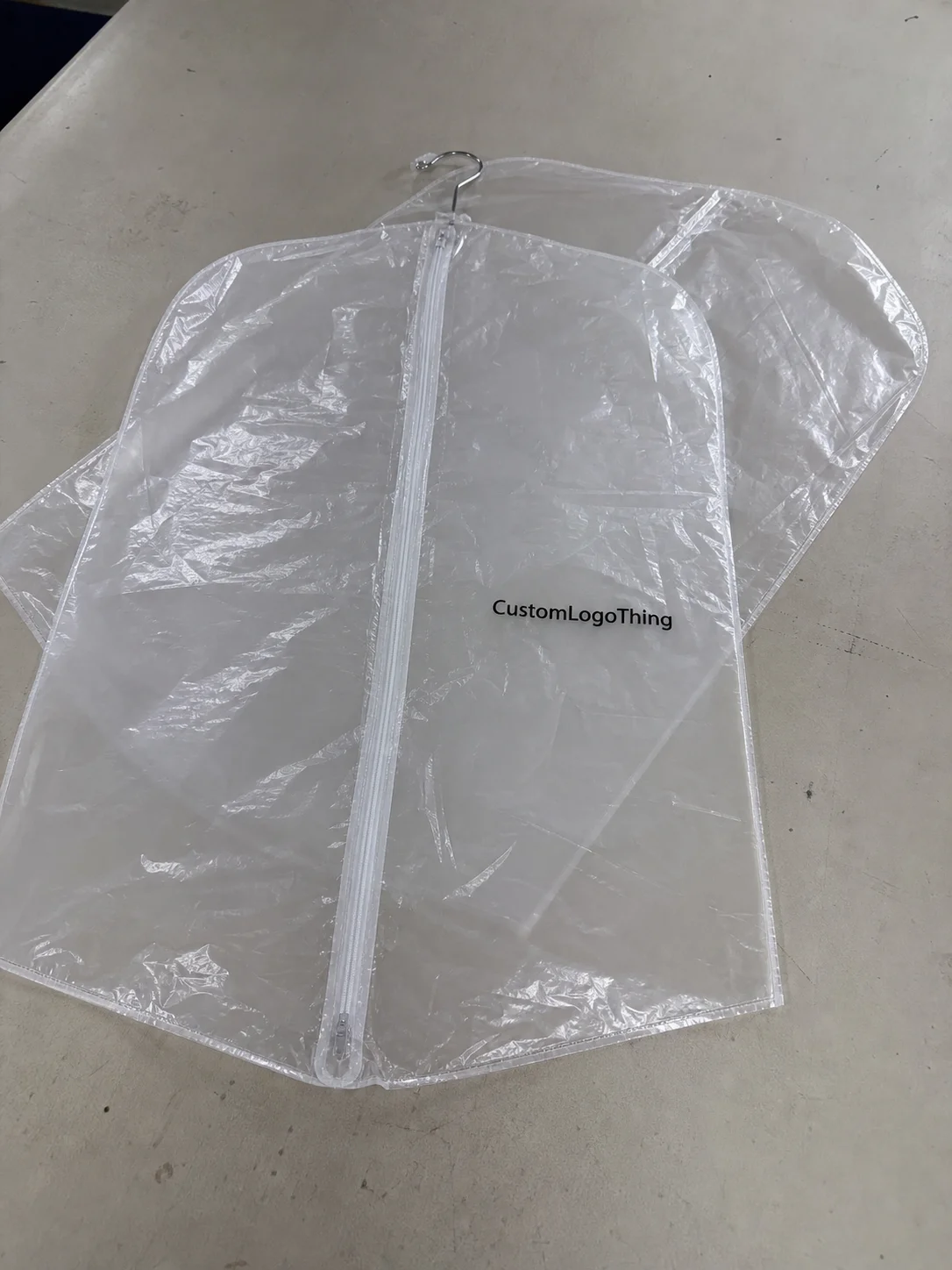
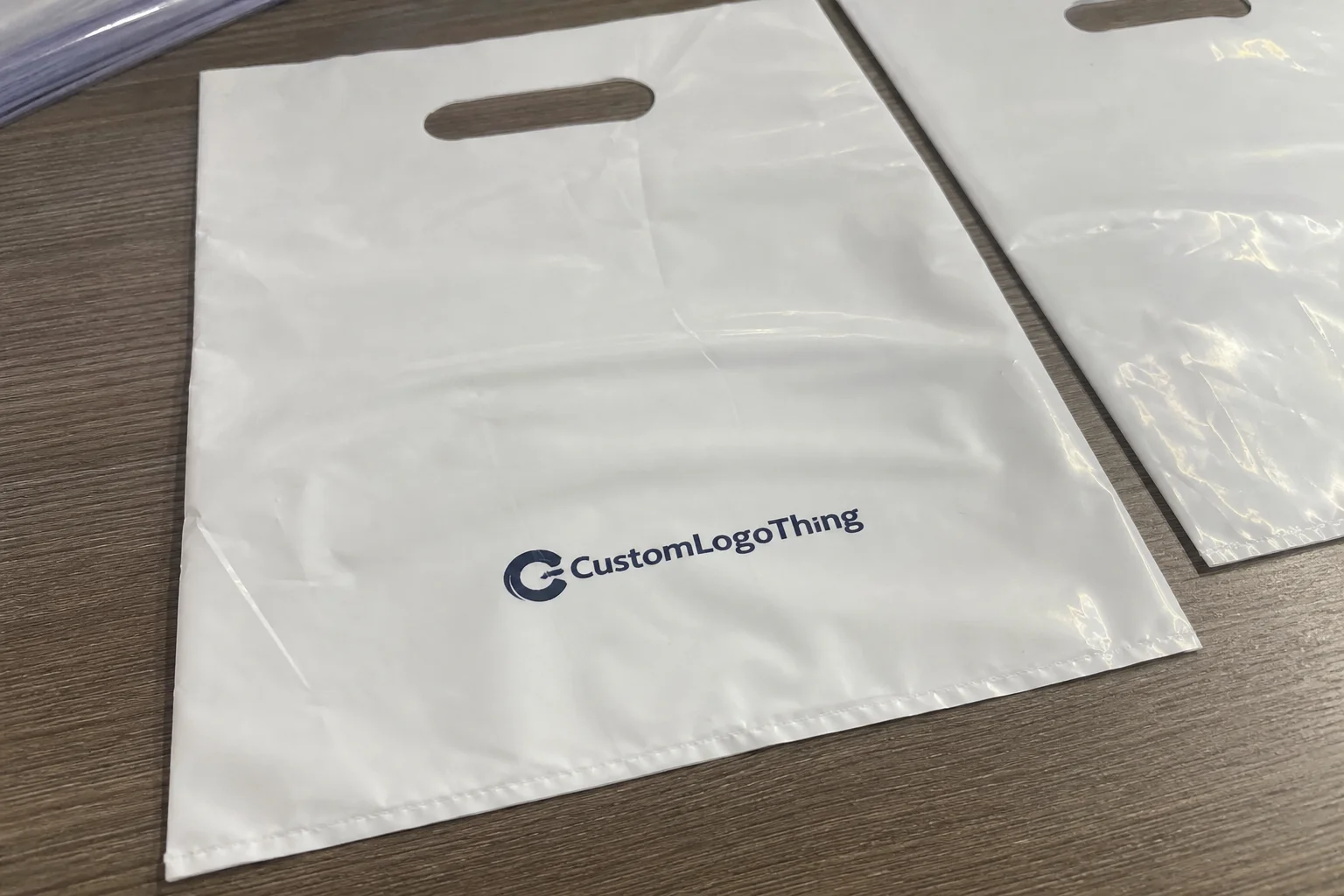
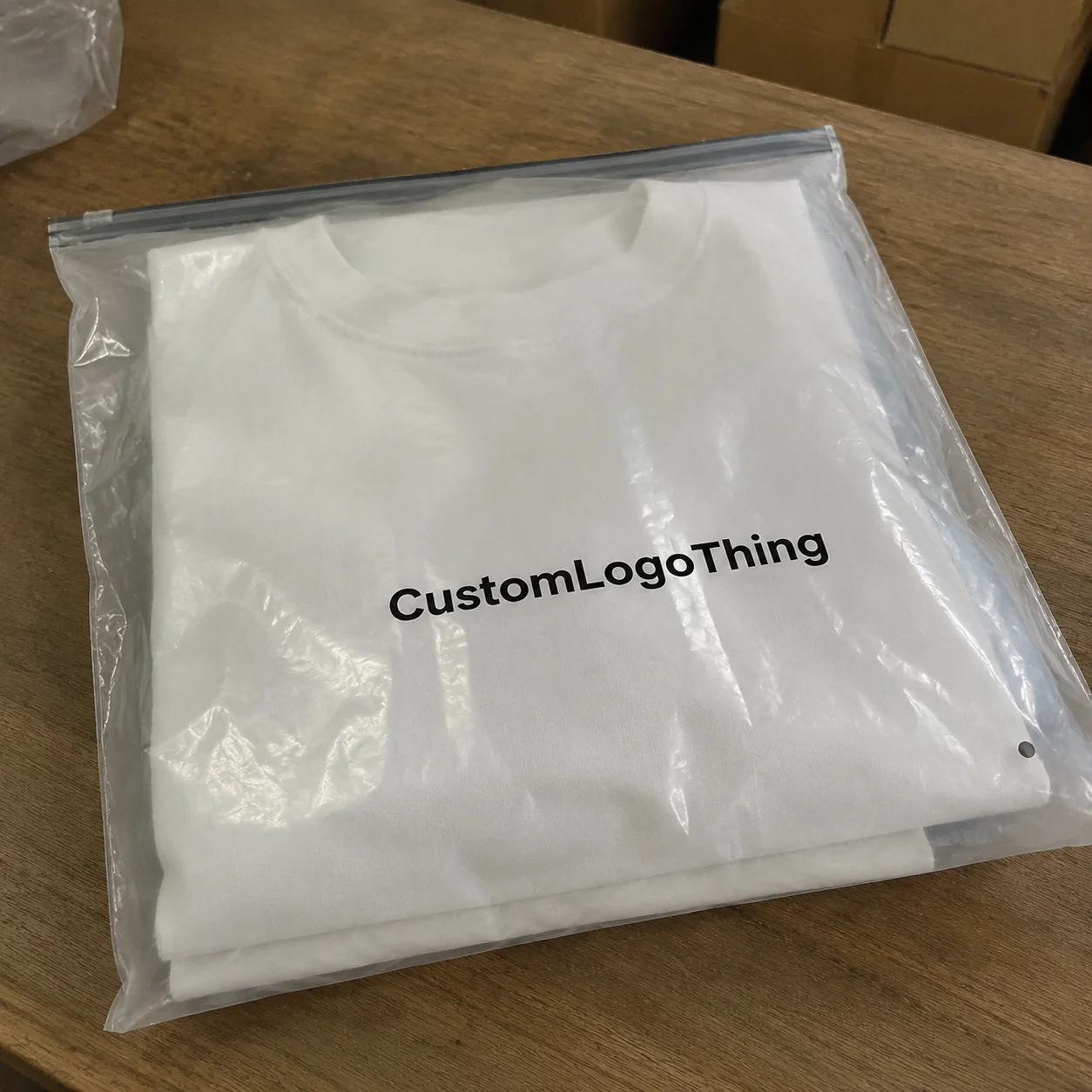
Buyer Fit Snapshot
| Best fit | Eco Poly Mailers Pricing projects where brand print, material claims, artwork control, MOQ, and repeat-order consistency need to be specified before quoting. |
|---|---|
| Quote inputs | Share finished size, material target, print colors, finish, packing count, annual reorder estimate, ship-to region, and any compliance wording. |
| Proofing check | Approve dieline scale, logo placement, barcode or warning zones, color tolerance, closure strength, and carton packing before bulk production. |
| Main risk | Vague material claims, crowded artwork, missing packing details, or unclear freight terms can make a low unit price expensive after revisions. |
Fast answer: Eco Poly Mailers Pricing: Production Spec, Color Control, and Delivery Risk should be specified like a repeatable production item. The safest quote records material, print method, finish, artwork proof, packing count, and reorder notes in one written spec.
Production checks before approval
Compare the actual filled-product size with the drawing, then confirm tolerance on folds, seals, hang holes, label areas, and retail display edges. Reserve space for logos, QR codes, warning copy, and material claims before decorative graphics fill the panel.
Quote comparison points
Review material grade, print process, finish, sampling route, tooling charges, carton quantity, and freight assumptions side by side. A quote is only useful when the supplier can repeat the same color, closure quality, and packing count on the next order.
I’ve spent enough time on packing floors to know this: a good Eco Poly Mailers pricing guide is never just about hunting for the lowest unit price. I remember standing in a Midwest fulfillment center near Columbus, Ohio, where a beauty brand had chosen a thin bargain-bin mailer because the quote came in a few cents less per piece, and by the end of the quarter they were paying for torn bags, reprinted labels, extra void fill, and a pile of customer complaints that wiped out every penny they thought they saved. If you want the real eco poly mailers pricing guide, you have to look at protection, pack speed, freight, and how the mailer behaves on the line, not just the number printed on a quote sheet. A difference of $0.03 per unit can vanish fast when 2,500 orders need rework.
At Custom Logo Things, I’ve seen buyers get burned by “cheap” options that looked fine on paper but failed in a live warehouse with 18 packing stations, 12 thermal label printers, and a Friday afternoon rush that pushed output past 3,200 parcels in one shift. The smartest buyers use an Eco Poly Mailers pricing guide to compare total landed cost, because the right mailer can reduce labor and claims while still meeting sustainability goals. That lens matters whether the order is 5,000 pieces or 50,000 pieces, and it’s the only way the numbers make sense. Otherwise, you’re kinda just guessing.
Eco Poly Mailers Pricing Guide: Why the Cheapest Option Can Cost More
Start with the plain-English version of what “eco poly mailer” usually means. In most sourcing conversations, we’re talking about a mailer that uses recycled content, recyclable film structures, or a compostable-style alternative in a pouch or mailer format that aims to reduce virgin plastic use. The exact material matters a lot, because a mailer made with 30% post-consumer recycled resin behaves differently, and costs differently, than one built from a downgauged virgin polyethylene film or a blended material with a specialty finish. A 2.5 mil recycled-content film and a 3 mil mono-material film can look similar in a photo, but they will not quote the same way, and that difference sits right at the center of any serious Eco Poly Mailers pricing guide.
I’ve watched brands save $0.015 per bag on paper, only to lose $0.11 per shipped order once they counted damage claims, slower sealing, and a higher scrap rate. One client in Southern California had a 14,000-piece run that looked beautiful in the quote stage, but the mailer’s seal strength was inconsistent around the gusset. Their team had to double-check about one in every twelve packages, and that extra labor cost more than the price difference between the quote they picked and the quote they ignored. That’s why I keep telling people the best Eco Poly Mailers pricing guide is the one that helps you think in total cost, not just unit cost. On a monthly volume of 30,000 units, even a 2-second delay per pack adds up to more than 16 labor hours.
Pricing also depends on the structure of the bag. A simple flat mailer with a two-layer film and a pressure-sensitive closure strip will usually price lower than a tear-strip mailer, a bubble-lined version, or a custom printed pouch with multi-panel graphics. Add in recycled resin sourcing, testing, and certification paperwork, and you can see why an “eco” version might cost more than a standard version. If you’re building an eco poly mailers pricing guide for procurement, marketing, and operations to share, this is the part that prevents a lot of bad assumptions. A 10" x 13" flat mailer and a 12" x 15.5" tear-strip mailer are not substitutes at the same price point, even if the print is identical.
Hidden costs are the trap I see most often. Buyers forget freight on a 2,000-pound pallet load, forget the tool or plate charge for custom print, forget proofing time, and forget minimum order quantities that force them into a larger cash commitment than expected. A quote that looks like $0.19 per unit can turn into a much different story once you add $85 in samples, $240 in freight, a $150 plate charge, and a higher-than-expected carton count that eats warehouse space. In a practical eco poly mailers pricing guide, those are not side notes. They are part of the price, and they often move the real cost by 12% to 18%.
“The cheapest mailer is rarely the cheapest package,” a warehouse manager in Pennsylvania told me after they had to rebag 7,000 orders because the seal was failing in cold weather. “We saved on the quote and paid for it three times.”
Price per bag matters. So do unit price, print complexity, freight, lead time, waste, and performance. That combination is the heart of a dependable eco poly mailers pricing guide, especially when the order is running through a facility in Chicago, Dallas, or Atlanta and every minute on the floor has a cost attached.
How Eco Poly Mailers Work in Packing Lines and Shipping
A standard poly mailer is simple in concept, but the details are what drive both performance and cost. Most have an outer film, a seal layer, a closure strip, and sometimes a tear strip or bubble layer for added protection. The eco versions change one or more of those components, often by using recycled resin, reducing film thickness, or changing the blend so the bag uses less virgin plastic while still staying functional in shipping. If you’re using an eco poly mailers pricing guide, understanding the construction helps you compare offers fairly. A bag built from 35% post-consumer recycled resin and 2.75 mil film should be priced differently from a 100% virgin 3 mil film, even before print is added.
I’ve walked lines where operators were hand-inserting apparel into 6" x 9" mailers at one station and using semi-automatic label applicators at another. The mailer’s stiffness, opacity, and sealing behavior can speed the line up or slow it down by seconds per package, and that matters when you’re shipping 3,000 units per shift. A mailer that opens flat and stays open is easier to pack. A floppy bag that clings together in winter air is a headache. In the real world, those seconds become labor dollars, and that belongs in any honest eco poly mailers pricing guide. At 1.5 seconds lost per unit, a 10,000-piece run burns more than four packing hours.
Shipping performance matters just as much. A mailer needs enough seal integrity to survive sorting centers, parcel conveyors, and the occasional rough ride through a regional hub. Some buyers test against expectations from ISTA procedures, and that’s a smart move if the goods are fragile or the route is long. You can read more about shipment testing standards at ISTA, which is one of the more practical resources when evaluating package durability. The cost of testing is small compared with the cost of a claim spike after launch, and a proper eco poly mailers pricing guide should keep that front and center. A $450 round of testing in New York is inexpensive next to a $7,800 return spike.
Compatibility with your packing process can change the final number too. If your fulfillment team uses printed thermal labels, you need a mailer surface that accepts adhesive cleanly. If you use a conveyor-fed bagging process, you need predictable width and stiffness. If your team manually seals every shipment, a stronger adhesive strip can be worth the few extra cents. I’ve seen buyers choose a mailer that saved $0.02 and then lose $0.05 in labor because the packers had to fight the material. That’s the kind of thing a good eco poly mailers pricing guide catches before production starts. In facilities using 18" conveyor lanes and Zebra ZD421 printers, consistency matters as much as the sticker price.
One more practical point: some eco materials have more variation in feel and appearance than standard film. That does not automatically make them worse, but it can affect brand presentation. A recycled-content mailer may have a slightly speckled look, and a downgauged film may feel softer in hand. If your brand team wants a clean premium appearance, you need to account for that in both quote comparisons and expectations. The best eco poly mailers pricing guide is honest about the visual tradeoffs, because design and cost live in the same decision. A matte white 2.5 mil bag produced in Shenzhen will not present the same way as a bright white 3 mil mailer made in Monterrey, Mexico.
Eco Poly Mailers Pricing Guide: Key Factors That Change Cost
The biggest pricing drivers are usually size, thickness, material composition, print coverage, and closure features. A 10" x 13" mailer with 2.5 mil film is a very different cost profile from a 12" x 15.5" bag with 4 mil film and a tear strip. When I’m reviewing an eco poly mailers pricing guide with a buyer, I always ask them to lock those five variables before they ask for quotes, because otherwise every vendor is pricing a different product. A run of 5,000 pieces and a run of 20,000 pieces can also land in different factories, from Dongguan to Los Angeles, depending on the spec.
Size matters because film usage scales quickly. An extra inch in width or length can increase resin usage enough to change the price, especially on large runs. Thickness matters because film gauge affects both material cost and durability. A lighter film can reduce cost, but only if it still handles the weight and route length of the shipment. Material composition is where eco claims really show up: post-consumer recycled resin, recyclable mono-material film, and specialty blends each come with their own cost curve. A credible eco poly mailers pricing guide has to separate those categories instead of lumping them together. A 30% PCR blend in a 2.25 mil film will not quote like a 50% PCR blend in a 3 mil film.
Print coverage is another big one. One-color logo printing on a single panel will usually be cheaper than full-bleed graphics across both sides with a custom warning panel, return instructions, and brand messaging. The more ink coverage, the more setup and production attention the run needs. I’ve seen a simple white mailer with one navy logo come in at a fraction of the price of a four-color, edge-to-edge design, even at the same size and thickness. That’s a classic case where an eco poly mailers pricing guide saves money by making the printing decision visible early. A one-color print on 10,000 units may sit near $0.04 extra per bag, while a four-color full-bleed job can add $0.09 to $0.16.
Closure features add another layer. A basic peel-and-seal strip is standard, but tamper-evident options, dual adhesive strips, tear notches, and zip-style closures all raise the cost. If the mailer includes bubble lining or a padded insert, the price steps up again because you are buying extra material and more complicated converting. The more pieces in the structure, the more labor and QA are involved, and the stronger the case for a detailed eco poly mailers pricing guide. A dual-strip closure in a 12" x 15.5" bag typically costs more than a single-strip version by several cents per unit.
Quantity breaks are where many buyers finally feel the economics. Setup costs for printing, color matching, and machine changeovers are spread across the order, so larger runs typically lower the per-piece price. A 5,000-piece order might come in at $0.22/unit, while a 25,000-piece order with the same spec could drop to $0.14/unit. That is a huge difference, but only if the buyer can handle the inventory. Your eco poly mailers pricing guide should compare volume against storage and cash flow, not just against a headline unit price. At 50,000 units, a buyer may qualify for a price near $0.11 per bag, but only if the spec is stable and the delivery window is wide enough.
Shipping and storage can swing the budget more than people expect. If the mailers ship in oversized cartons, you may pay more in freight because the carton count goes up even if the weight stays moderate. If you store 40 pallets of custom mailers in a third-party warehouse, you are paying for space that could have held something else. I’ve seen a buyer save $600 on production and lose $950 in handling and storage fees. That’s why a real eco poly mailers pricing guide always includes the physical logistics of the product. A 2,000-pound pallet load moved from Houston to Newark can cost more than the print itself on a mid-size order.
| Option | Typical Unit Price | Best For | Tradeoffs |
|---|---|---|---|
| Standard recycled-content mailer | $0.14–$0.20 at 10,000+ units | Apparel, accessories, light goods | May have visible speckling or slight color variation |
| Custom printed eco mailer | $0.18–$0.28 at mid volumes | Brand-heavy e-commerce shipments | Higher setup and proofing charges |
| Heavy-duty eco mailer with tear strip | $0.22–$0.35+ | Heavier SKUs, longer routes | More material, more cost, stronger protection |
| Bubble-lined eco-style mailer | $0.28–$0.45+ | Fragile or semi-fragile items | Higher material use and dimensional shipping impact |
That table is a starting point, not a promise. Resin markets move, print methods differ, and overseas versus domestic sourcing can shift the numbers quickly. Still, it gives you a practical frame for an eco poly mailers pricing guide that feels rooted in real production rather than marketing language. A supplier in Vietnam may quote differently from one in California, even when the bag spec is nearly identical.
For buyers comparing broader packaging options, I often point them to our Custom Packaging Products selection and our dedicated Custom Poly Mailers page so they can see how structure, branding, and volume interact across product families. A 350gsm C1S artboard insert, for example, may matter for a boxed presentation, while a 2.5 mil mailer is the better fit for apparel shipping.
How Much Do Eco Poly Mailers Cost and What Should You Budget?
If you need a fast budgeting range, most buyers start with a practical estimate instead of a perfect one. For a standard recycled-content mailer, a budget of roughly $0.14 to $0.20 per unit at 10,000-plus pieces is a reasonable starting point. A custom printed version often lands higher because print setup, proofing, and color management add cost. A full eco poly mailers pricing guide should treat these as working ranges, not fixed promises, because the final number still depends on thickness, closure style, freight, and order size.
For smaller runs, the price per bag can climb quickly. Setup charges do not shrink just because the order does, and that is why 2,500-piece or 5,000-piece orders often feel expensive relative to large programs. If your team is budgeting for a seasonal launch, it is smarter to estimate the total landed cost early than to focus on the cheapest headline quote. That is the point of an eco poly mailers pricing guide: it helps you plan for the whole purchase, not just the unit cost. A 5,000-piece launch run may carry a much higher effective rate than a 25,000-piece replenishment order.
Freight and carton count can nudge the budget more than buyers expect. A seemingly modest difference in bag thickness or carton pack can change how many pallets you need, and that can alter shipping charges and warehouse space. If you are comparing domestic and overseas sourcing, include duties, ocean or truck freight, and possible inspection fees. A complete eco poly mailers pricing guide keeps those variables visible so nobody is surprised later. A quote from California may look higher than one from Shenzhen until logistics are added.
For many brands, the better question is not “What is the cheapest mailer?” but “What can we afford without triggering damages, returns, or pack-line slowdowns?” That is a more useful business question, and it is the one a strong eco poly mailers pricing guide is built to answer. A mailer that saves two cents but adds rework is not really saving money. In warehouses with tight labor, those two cents can be swallowed by a single packing error.
Step-by-Step: How to Build an Eco Poly Mailers Pricing Plan
The easiest way to build a pricing plan is to start from the shipment, not from the supplier quote. Ask what the product weighs, how fragile it is, how far it will travel, and what the brand presentation needs to communicate. A 12-ounce sweater sent regionally does not need the same mailer as a 2-pound candle set going cross-country. That sounds obvious, but I’ve sat in enough procurement meetings to know it gets skipped when teams are under pressure. A disciplined eco poly mailers pricing guide begins with the use case, and it works better when the shipping lanes are named clearly, such as Los Angeles to Denver or Atlanta to Boston.
Next, choose the mailer type based on performance, sustainability, and packing speed. If your product is light and the route is short, a recycled-content film mailer with a simple seal may be enough. If you need stronger abrasion resistance, thicker film or added structure may be worth the cost. If branding matters more than anything, then print coverage and color control become part of the equation. The right eco poly mailers pricing guide helps teams decide which of those factors is non-negotiable and which can flex. A 2.25 mil mailer may fit lightweight apparel, while a 3.5 mil version makes more sense for denser items.
Then, request quotes using matched specifications. I cannot stress that enough. If one supplier is quoting a 10" x 14" mailer with 2.25 mil film and one-color print, while another is quoting 10" x 15" with 3 mil film and no closure upgrade, you are not comparing the same thing. Write out the exact details: size, thickness, material type, print colors, closure style, order volume, carton pack, and delivery location. A clean eco poly mailers pricing guide depends on apples-to-apples quoting, and that means the same proof file and the same carton count on every bid.
From there, estimate total landed cost. That means adding unit price, setup charges, proof charges, sample costs, freight, duties if applicable, and a realistic allowance for waste or spoilage. If you are importing, the landed number can change a lot based on container utilization and carton dimensions. If you are buying domestically, freight zones and pallet counts matter just as much. A quote that omits these details is not a complete quote, and your eco poly mailers pricing guide should call that out clearly. A 20-foot container out of Ho Chi Minh City and a truckload from Ohio will not hit the same landed cost profile.
Timelines matter because cost and time are joined at the hip. A typical run may include artwork creation, proof approval, sample review, production, inspection, and freight booking. In a straightforward project, you might see 12 to 15 business days from proof approval to production completion, then another 4 to 7 business days for shipping depending on location. If the artwork has multiple print panels or the color match is tight, that timeline can stretch. A realistic eco poly mailers pricing guide should include milestone dates, because rush freight can erase any material savings. A plant in Dongguan may ship faster than one in northern Italy, but only if the proof is approved on day one.
I had a client in Texas who wanted a holiday launch with custom-printed mailers and only gave the supplier 11 business days of runway. The mailers were fine, but the air freight cost nearly doubled the packaging budget. They could have saved real money by approving artwork one week earlier. That’s not theory; that’s what happens on the floor and in the shipping office. The difference between sea freight and air freight can be $0.06 to $0.14 per unit on a 10,000-piece order.
Here’s a simple internal checklist I use with buyers:
- Confirm product dimensions and average packed weight.
- Choose eco material type: recycled-content, recyclable mono-film, or another approved structure.
- Lock size, thickness, print colors, and closure style before quoting.
- Ask for sample units and proof visuals before production.
- Compare freight, lead time, and carton counts along with unit price.
- Review expected replacement frequency if the mailer is damaged or underperforms.
If you want a quote that reflects reality, not guesswork, this is the path. A strong eco poly mailers pricing guide is basically a sourcing template with common-sense guardrails, whether the supplier is in Guadalajara, Shenzhen, or Dallas.
Eco Poly Mailers Pricing Guide: Common Mistakes That Raise Spend
The first mistake is comparing quotes without checking the actual usable dimensions. A mailer might be listed as 10" x 13", but if the closure strip eats into the opening area or the gusset behaves differently than expected, the usable space can be smaller than buyers assume. I’ve seen apparel brands order based on nominal size and then discover the folded product did not fit without extra time at the station. A sharp eco poly mailers pricing guide always asks for usable dimensions, not just nominal dimensions. A 9.75" usable opening can be the difference between a clean pack and a crushed hem.
The second mistake is choosing the thinnest film because it looks inexpensive. Thin film can work beautifully if the product is light and the route is short, but if it tears during packing or fails in transit, the rework cost can overwhelm the savings. Tear failures are especially expensive because they cause both material loss and labor interruptions. If a packer opens 400 bags an hour and one in twenty tears, that line is bleeding time. Any practical eco poly mailers pricing guide should warn about this tradeoff. A 2.0 mil bag might save a cent or two, but it can cost more in labor within a single shift.
The third mistake is skipping sample approval. A supplier can send a PDF proof that looks perfect on screen, but ink density, surface texture, and seal feel only show up in hand. One cosmetic brand I worked with approved a dark green print on screen, then got a batch where the recycled-content film shifted the shade enough to look muddy under store lighting. The reprint cost more than the original order’s print upgrade would have. That is exactly the sort of avoidable problem a careful eco poly mailers pricing guide helps prevent. A physical sample approved in Minneapolis or Miami can save a 20,000-piece rerun.
The fourth mistake is underestimating lead times. If you need inventory by a hard ship date and you miss the production window by three days, you may pay for rush freight or emergency sourcing. I’ve seen buyers save $0.03 per mailer and spend $1,200 extra on air shipment because the launch date had no flexibility. A good eco poly mailers pricing guide should treat time as a cost factor, because in packaging, time absolutely has a price tag. A 12- to 15-business-day production cycle can stretch to 18 or 20 when artwork changes late.
The fifth mistake is buying based on sustainability language alone. Terms like recyclable, recycled, or eco-friendly need to be verified with supplier documentation, and sometimes with standards or certifications that apply to the material. If you need proof of responsible sourcing, organizations like the FSC can be relevant for paper-based components, while EPA resources can help with broader waste and recycling context at epa.gov/recycle. Your eco poly mailers pricing guide should encourage verification, not just trust slogans. A label that says “eco” without a resin spec is not a procurement strategy.
Here’s the blunt version: if performance fails, sustainability claims do not rescue the budget. A cheap mailer that triggers claims, returns, or repacking is not cheap. That’s the lesson I’ve seen repeated across apparel warehouses, subscription box lines, and small-batch fulfillment operations from Phoenix to Philadelphia. A solid eco poly mailers pricing guide keeps everyone honest.
Expert Tips for Getting Better Eco Poly Mailers Pricing
Standardizing sizes across SKUs is one of the fastest ways to improve pricing. If you can move three near-identical sizes into one or two standard mailer formats, your volumes improve and your inventory gets easier to manage. I’ve seen a warehouse cut their mailer SKUs from nine down to four, and the result was lower unit cost, fewer errors at packing, and less dead stock. That kind of cleanup belongs in any meaningful eco poly mailers pricing guide, especially if the brand ships 8,000 to 12,000 parcels a month.
Simplify the artwork if you can. One strategic logo placement, one color, and a clean return instruction panel often cost less and look better than crowded graphics that wrap every side of the bag. Full-coverage print can be great for brand storytelling, but not every shipment needs it. In one supplier negotiation, I watched a buyer drop two ink colors and save enough to upgrade the film from 2.25 mil to 2.5 mil without increasing total spend. That is the kind of trade-off a sharp eco poly mailers pricing guide should make visible. A single-color print run in Toronto or Taipei will generally quote faster and cleaner than a four-color wrap job.
Ask suppliers about material alternates and production methods. Sometimes a slightly different resin blend, a wider roll format, or a more efficient nesting pattern on the converting line will lower cost without hurting performance. Not every supplier will volunteer those options unless you ask. I learned that years ago visiting a converting plant in Shenzhen where one machine operator showed me how a minor change in roll orientation cut waste by a measurable amount. That kind of factory-floor detail can translate into better pricing, and your eco poly mailers pricing guide should leave room for it. A 5,000-piece run at $0.15 per unit can sometimes be nudged lower if the line is set up for a standard width.
Negotiate around volume and freight together. If you can consolidate orders monthly or quarterly, the supplier may give you better pricing because setup costs are spread more efficiently. Ask whether they can optimize pallet counts or carton packing so you are not paying for air in the freight lane. A buyer I worked with reduced freight charges by 8% simply by changing carton pack from 250 pieces to 500 pieces, which reduced pallet count from 18 to 10. Little changes like that matter in a real eco poly mailers pricing guide. A move from 36 cartons to 18 cartons can also free up two racks in a warehouse near Nashville or Reno.
Test the mailers under real packing conditions before you commit. Put in the actual product, use the actual label stock, run the actual seal process, and hand the sample to the same staff who will use it on the line. If the team hates the feel or the seal strip is hard to peel, you’ll hear about it immediately. And that feedback is valuable. The most cost-effective option is not the lowest quote; it’s the one that protects the product, keeps the line moving, and reduces waste. That is the principle behind a practical eco poly mailers pricing guide. A 15-minute pilot on the actual floor beats a week of debate in a conference room.
One more thing I tell buyers: keep one internal owner for the specification sheet. If procurement, marketing, and operations all send different requirements to the supplier, the quote process gets messy fast. Align on one version of the truth, then get quotes against that sheet. It sounds basic because it is basic, but it saves time and money every single time. A disciplined eco poly mailers pricing guide starts with good internal coordination, and one document with the final 10" x 14" spec is easier to defend than five conflicting emails.
Next Steps: Turn Your Eco Poly Mailers Pricing Guide Into an Order Plan
Before you request your next quote, gather the exact specs: size, thickness, material type, print colors, closure style, order volume, carton pack, and target ship date. If your team can also note product weight, fragility, and shipping zones, even better. The more complete your spec sheet is, the more useful your pricing will be. That’s the practical payoff of an eco poly mailers pricing guide, and it is especially true when you’re ordering from factories in Guangdong or domestic plants in the Midwest.
Then build a simple comparison sheet. I like a format with columns for unit cost, setup charges, sample charges, freight, lead time, and replacement frequency. If the mailer costs a bit more but reduces damage claims by 2% or cuts packing time by 5 seconds per unit, that belongs on the sheet too. A real eco poly mailers pricing guide should help you make an operational decision, not just a purchasing decision. On a 20,000-piece program, five seconds saved per unit equals more than 27 labor hours.
Request one or two physical samples before approving production. Feel the seal, check the color, test the label adhesion, and see whether the bag opens the way your team needs it to. In one client meeting, I watched a marketing director fall in love with a sample because it looked premium, while the operations lead pointed out that the material was too slick for the packers’ gloves. They were both right, and the sample saved them from ordering the wrong thing. That’s exactly the kind of reality check a good eco poly mailers pricing guide should encourage. A $40 sample kit can prevent a $4,000 mistake.
Make sure procurement, operations, and marketing agree on the goal. If procurement wants the lowest cost, operations wants the fastest line speed, and marketing wants full-wrap branding, the final mailer has to balance all three. It’s possible, but only if the team agrees on priorities before the quote lands. When those priorities are aligned, an eco poly mailers pricing guide becomes a tool that supports the business instead of creating friction. In practical terms, that means deciding whether a 2.5 mil mailer with one-color print beats a 3 mil mailer with two-color branding.
If you’re ready to move from research to sourcing, bring your matched specs to the table and ask for a quote that reflects the same material, thickness, print, and closure on every bid. That way you’ll know whether you’re comparing a 2.5 mil recycled-content bag against a 3 mil branded mailer with a tear strip, or something else entirely. Use the pricing insights above to set a realistic budget, and let the eco poly mailers pricing guide do what it’s supposed to do: protect your margins, your products, and your packing team. A quote from Monterrey, Mexico, should be judged against a quote from Ohio only if the specs and lead times are truly identical. That’s the cleanest way to buy without getting burned.
FAQ
What affects eco poly mailers pricing the most?
Size, film thickness, and eco material type usually have the biggest impact on an eco poly mailers pricing guide. Print coverage, quantity, and freight can quickly change the final landed cost, especially when the order is small or the delivery lane is expensive. A 10" x 13" 2.5 mil mailer and a 12" x 15.5" 3 mil mailer may differ by several cents per unit before print is even added.
Are recycled eco poly mailers more expensive than standard mailers?
Often yes, because recycled resin sourcing, processing, and quality control can add cost to the run. In an eco poly mailers pricing guide, that premium may shrink at higher volumes or when the print spec is simple and the order is large enough to spread setup costs. A 5,000-piece run may price around $0.18 to $0.24 per unit, while 25,000 pieces can move much closer to $0.14 to $0.17.
How do I compare eco poly mailers quotes correctly?
Match the same dimensions, material, thickness, print colors, and closure style across every quote. A useful eco poly mailers pricing guide also includes setup fees, sample charges, freight, lead time, and expected replacement frequency so the comparison is accurate. If one supplier quotes 2.25 mil film and another quotes 3 mil film, those numbers should never be treated as the same product.
What is a typical timeline for custom eco poly mailers?
Timelines usually include artwork proofing, sample approval, production, inspection, and shipping. For a straightforward project, an eco poly mailers pricing guide might reference 12 to 15 business days from proof approval to production completion, plus transit time that varies by location and freight method. A domestic shipment might arrive in 4 to 7 business days, while an overseas order can take longer depending on port schedules.
How can I lower eco poly mailers pricing without hurting quality?
Simplify artwork, standardize sizes, and consolidate order volumes when possible. A practical eco poly mailers pricing guide also recommends testing a few material options so you can choose the lowest-cost mailer that still protects products well and keeps the packing line moving. A one-color print on a standard recycled-content bag often delivers better value than a more complicated four-color layout.