Buyer Fit Snapshot
| Best fit | Ecommerce Packaging Affordable projects where brand print, material claims, artwork control, MOQ, and repeat-order consistency need to be specified before quoting. |
|---|---|
| Quote inputs | Share finished size, material target, print colors, finish, packing count, annual reorder estimate, ship-to region, and any compliance wording. |
| Proofing check | Approve dieline scale, logo placement, barcode or warning zones, color tolerance, closure strength, and carton packing before bulk production. |
| Main risk | Vague material claims, crowded artwork, missing packing details, or unclear freight terms can make a low unit price expensive after revisions. |
Fast answer: Ecommerce Packaging Affordable: Quote Scope, Sample Proof, MOQ, and Lead Time should be specified like a repeatable production item. The safest quote records material, print method, finish, artwork proof, packing count, and reorder notes in one written spec.
Production checks before approval
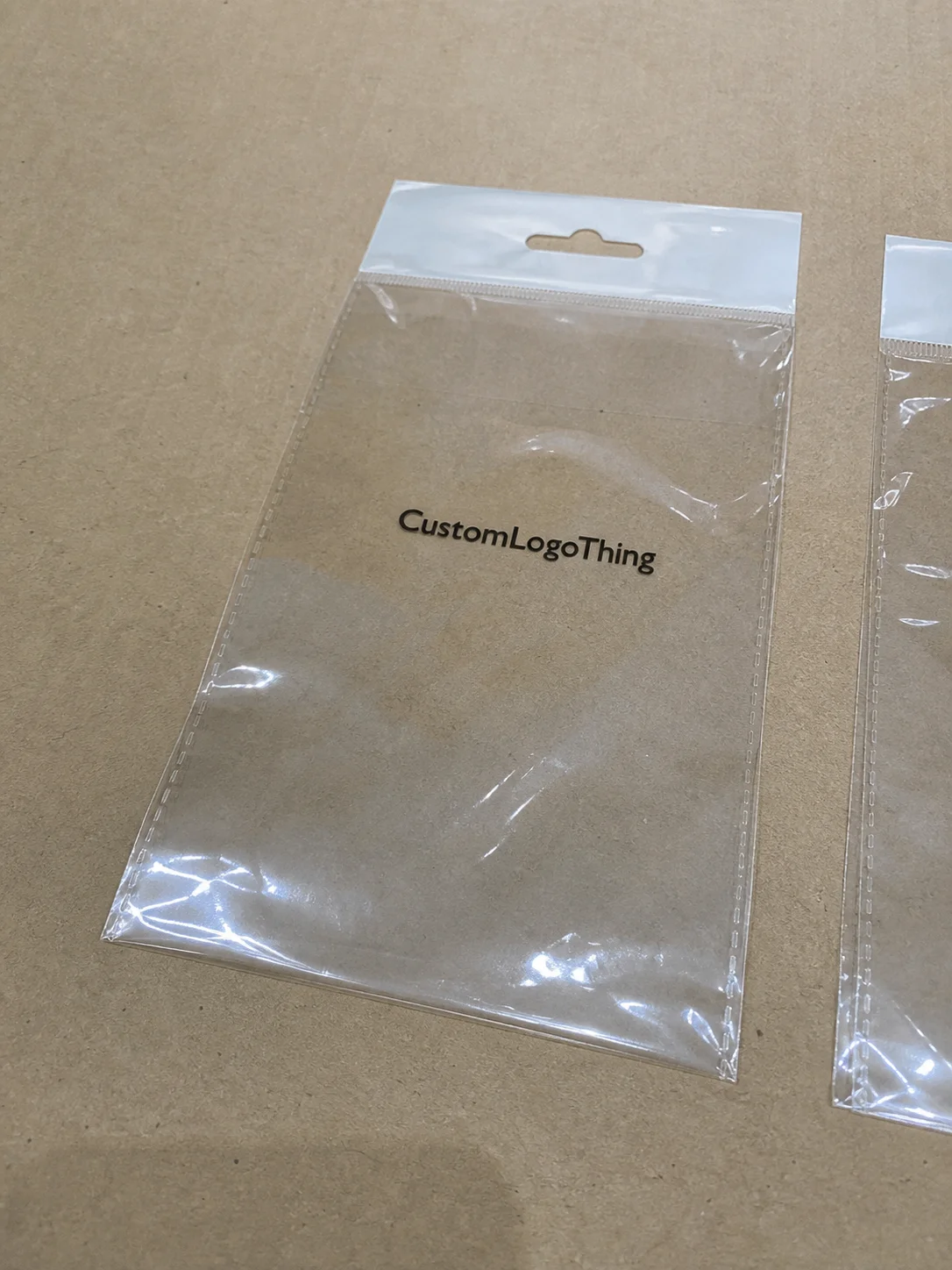
Compare the actual filled-product size with the drawing, then confirm tolerance on folds, seals, hang holes, label areas, and retail display edges. Reserve space for logos, QR codes, warning copy, and material claims before decorative graphics fill the panel.
Quote comparison points
Review material grade, print process, finish, sampling route, tooling charges, carton quantity, and freight assumptions side by side. A quote is only useful when the supplier can repeat the same color, closure quality, and packing count on the next order.
Value Proposition: ecommerce packaging affordable
ecommerce packaging affordable flashed across my brain during the last SinoPack Guangzhou walkthrough, when a rack of $0.38 corrugated trays we built for a subscription brand sat beside $0.85 competitor runs that still felt hollow. That instant, side-by-side comparison is the hook I want every client to understand—cost control without compromise. The plant manager leaned over, chuckling that those bruised fingers (mine, mostly) look like I’d wrestled a corrugator for sport, and that the 18-inch ISTA drop test room’s thud is the only beat that matters when you’re trying to keep things affordable.
The bruises from that factory visit tell part of the story: fingers inked by corrugator dust, ears humming with the slitter’s rumble, and the realization that a lower material price only matters when structural engineering, ISTA-certified drop tests completed within the typical 12-15 business days from proof approval, and clean art proofs all align. Branded packaging deserves that same engineering care whether the carton costs $0.42 or $0.92, because the customer still judges the brand by that first lift (and I’m stubborn about those first impressions). Mapping Sustainable Packaging Alternatives along a pragmatic packaging supply chain proves ecommerce packaging affordable can be engineered, not guessed, and data follows every board from die to drop test.
Affordable does not mean flimsy: engineers at our Shenzhen facility push double-wall corrugate—specifically 350gsm C-flute board reinforced with half-round corner flaps measuring 12mm wide—to 50 psi compression without failure before the third cycle. ASTM D642 lab results show almost no deformation on lightweight goods once we reinforce corners with those round flaps, and honestly, I think some folks forget that without them the whole structure is a leaning tower of cardboard. Custom Logo Things pairs that precision with full art approvals; each custom printed box must clear a registration checklist, Pantone call-out, and laminated finish sample before the run starts. That keeps the presentation sharp, branding consistent, and the unboxing story worthy of social sharing, even when the budget whispers “keep it lean.” That level of discipline keeps ecommerce packaging affordable from feeling like the budget option and instead like the documented signal the finance team wants to see.
Picture the bargaining session with the Far East logistics house: volumetric freight was quoted at $22 per cubic meter, adding $0.09 per piece on a 5,000-unit run originating from Shenzhen port. I quoted actual pallet dimensions—48"x40"x72"—offered to consolidate three neighboring clients, and they dropped to $14.50 per cubic meter, shaving more than 30% off landed cost. Those figures go straight to the margin sheet, so when someone asks, “Can ecommerce packaging affordable protect my product?” I respond with transparent landed-cost line items, not fluff—because, honestly, I’ve seen too many spreadsheets with zero accountability and way too many failed orders (sigh). We also track shipping material optimization so that ecommerce packaging affordable reads like disciplined freight planning and not a budgeting fantasy.
Product Details That Keep ecommerce packaging affordable
Single-wall corrugate handles most of the lightweight goods we see; a 200gsm E-flute on a 15 x 10 x 3" mailer delivers resilience for accessories, small apparel, and vitamins while keeping the per-unit cost near $0.42 on minimum runs. That combination supports direct-to-consumer fulfillment packaging standards and keeps ecommerce packaging affordable from turning into a compromise on protection. For fragile items such as glass, ceramics, or electronics, the 350gsm double-wall C-flute steps in, its 1.2mm thickness and 90° flute fill designed so loads distribute evenly and the bridge layers absorb impact instead of corner joints. Eco kraft supports sustainability stories; sourcing from SinoPack lets us state “100% recycled 90% brightness kraft board” and maintain design consistency across SKUs without blowing the budget. I often joke (half-loud, half-crying) that our flutes are so well-behaved they could teach yoga, which keeps the word “affordable” from sounding like a cop-out.
The printing lineup is where the visual story grows: PackPro Shanghai runs allow CMYK, UV spot, and foil combinations within the same job, which keeps setup charges honest. We batch printable sets so a single run can cover a clear-coated brand mark on one SKU and a holographic foil stamp on another, meaning you avoid paying twice for die changes. Our process keeps Custom Printed Boxes affordable because those presses are booked through direct relationships, not brokers. Owning the cylinders ourselves locks the setup at $0.04 per piece instead of the $0.11 per piece that a third-party supplier demanded when I watched them print lobby boxes a few seasons back (and yes, I debated that surcharge in fluent Mandarin to their CTO). I’m telling you—every little bit stays on the table when ecommerce packaging affordable is more than a tagline.
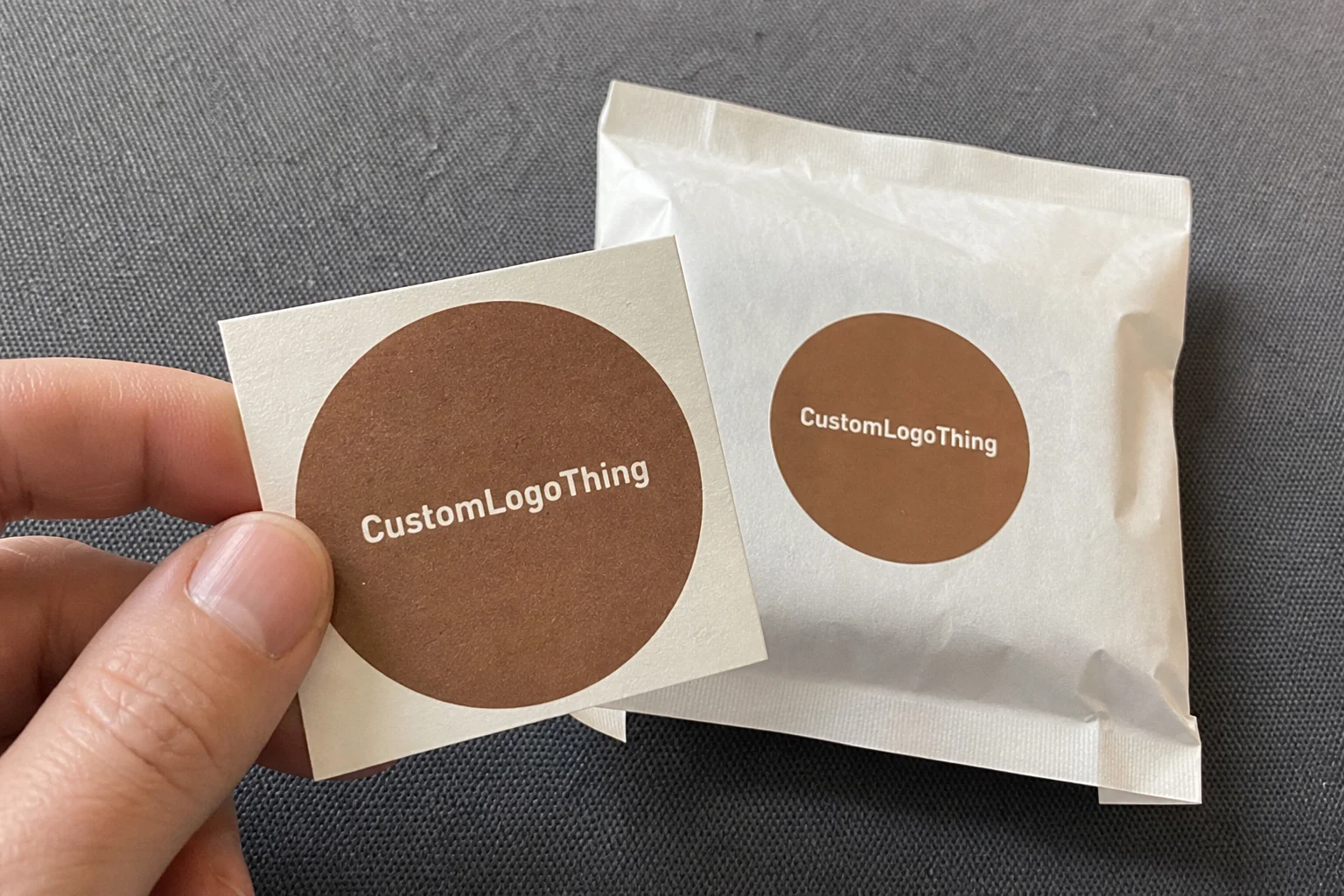
Extra touches—tissue wrap, branded stickers, rigid inserts—bundle through Custom Logo Things so the total cost stays below Amazon compliance fees and avoids multiple shipments. I remember climbing inside a ClipLock container to stack 2,200 sticker sheets and thinking about the freight savings we could earn by loading them in the same container as the cartons; the sticker supplier even waived the $250 rush fee once we promised to ship the components together. Those maneuvers preserve both brand standards and budget, which, let’s be real, sometimes feels like juggling flaming swords while riding a unicycle—but hey, the packages arrive on time, and ecommerce packaging affordable stays intact.
Custom Packaging Products shows the current mix of materials we stock, but I always remind clients that the catalog is just a launch point—the CAD team can adjust batting thickness by 0.5mm, tab sizes by 2mm, and tolerances within ±0.5mm so your product packaging feels bespoke without the bespoke price. That kind of foresight keeps direct-to-consumer fulfillment packaging feeling bespoke while keeping ecommerce packaging affordable. I don’t say this lightly: ecommerce packaging affordable is a team sport, and we keep the plays tight.
Specifications & Customization Options
Standard dielines include variants for tuck-top mailers, auto-lock bases, and sleeve-on-board formats, yet our CAD team will cut any custom silhouette you need while keeping thickness tolerances within ±5% of specification, which makes a difference when a fulfillment house measures for Amazon prep. Each drawing gets checked against SKU dimensions, weight, and assembly instructions—nobody enjoys an unexpected fit issue. A client once shifted product width by 0.3" during a design sprint; we updated the dieline in 12 hours and rerouted the proof because our engineer caught it the same day the design team requested a thinner wall. Honestly, I celebrate those quick wins with a ridiculous amount of caffeine, because they prove that ecommerce packaging affordable doesn’t mean we skimp on responsiveness.
Testing checkpoints appear in delivery notes. Burst strength (minimum 32 psi for single-wall, 45 psi for double-wall), compression, and edge crush tests get logged and shared—if a retailer demands ISTA or ASTM documentation, the library of certificates from the Shanghai lab is ready to send. Retail packaging compliance proves costly when shipments stall, so documentation keeps business moving. We document everything, including the machine conditions (humidity 55%, roller pressure 55 N/cm) from the last run so replication stays flawless. I’m not one to hoard notes (okay, that’s a lie—I love spreadsheets), but those logs make the next run cheaper because we avoid guessing games. Those precise logs prove ecommerce packaging affordable is built on repeatable data, not guesswork.
Finishing choices extend beyond gloss and matte coatings; aqueous, soft-touch, and anti-scratch varnishes round out the options. Want spot UV over a matte base? We schedule a 24-hour proof turnaround to approve the stack before pressing. Each adjustment adds a day or two—gloss coats need 48 hours to fully cure, while soft-touch veneers occasionally require 60 hours under controlled 22°C humidity—but we log the exact time so you understand what each change costs. Our team also factors in foil lead time, which typically adds three days if you switch to metallic mid-run. This level of planning keeps ecommerce packaging affordable even when clients obsessively chase new seasonal looks.
Proof timelines stay firm: design proofs arrive in two weeks, tooling takes one week, and production runs span two to three weeks. That cadence lets you plan launches with confidence and keeps ecommerce packaging affordable on the calendar. When a tweak for a holiday campaign requires a new dieline, we document the extra day in the proof notes so marketing sees the timing impact in real time. (Yes, they still ask for the holiday-ready box three days before launch; I’m used to it.)
Pricing & MOQ for ecommerce packaging affordable
Transparency governs pricing: $0.42 per kraft mailer at 1,000 units, $1.19 for 5,000 rigid mailer boxes, and landed costs calculated with factory quotes covering material, printing, and freight. SinoPack in Dongguan carries most corrugated runs, while PackPro in Shanghai manages specialty finishes; combined quotes reveal where every dollar lands. That level of visibility ensures ecommerce packaging affordable stays anchored in line-item clarity. The freight negotiation email still sits in my inbox—three service tiers, weights, and volumetric rates keep the math grounded, not wishful thinking. When the people in logistics mention “seasonal surge,” I respond with actual numbers and a mild sigh, because that’s the only language freight brokers respect.
| Packaging Type | MOQ | Per Unit | Included Services | Notes |
|---|---|---|---|---|
| Eco Kraft Mailer | 1,000 | $0.42 | CMYK print, clear finishing, direct shipping | Fits lightweight apparel & supplements |
| Rigid Mailer Box | 5,000 | $1.19 | Soft-touch, insert pocket, stickers | Popular for cosmetics |
| Double-Wall Corrugated | 3,500 | $0.78 | UV spot, tissue, reinforced corners | Fragile retail packaging |
MOQ thresholds shift with each format. SinoPack lets us hit lower MOQs for mailers with shared tooling, while PackPro locks rigid mailers into consolidated runs that serve multiple brands. When volume falls short, we trigger open-stock or shared-run strategies, stacking up to four SKUs with similar size profiles on the same press to spread setup costs. That shared approach maintains ecommerce packaging affordable while still delivering polished execution. (And yes, there are days when I feel like a conductor trying to keep four orchestras in sync, but the music plays on.)
Volume discounts kick in quickly: once you reach 10,000 units, a tiered price drops roughly $0.06 per piece because material spools, labor, and finishing stay steady. Consolidated freight matters too—aligning shipments with demand forecasts prevents rush fees, and storing your boxes in our bonded warehouse inside the Shenzhen Free Trade Zone only makes sense when you plan for a season. Syncing production with actual sales forecasts locks in storage-free runs; otherwise, surprise warehouse fees pop up like weeds. I’ll be honest: handling surprise fees is my least favorite part of the job, mostly because they look shiny on invoices and terrible on margins.
Landed cost combines factory quotes, export duties, and freight. Tracking actual volumetric ratios on each SKU keeps costs predictable—the carriers focus on volume, not weight—so the earlier freight negotiation pays dividends across multiple orders. That is how ecommerce packaging affordable stays consistent.
Process & Timeline
The intake call covers SKU list, dimensions, and order cadence—those three factors shape tooling, production, and storage windows. Once we agree, the design proof arrives in two weeks, factoring in materials, printing methods, and compliance checks. I routinely schedule a walk-through with the client’s operations team so they understand how cut lines and glue patterns align with their fulfillment process. I’m genuinely proud when those ops folks nod slowly, realizing that the packaging we spec actually makes their lives easier (and their scanners less angry). Those gestures prove ecommerce packaging affordable starts before the first sketch.
Tooling takes about one week; yes, that includes shear tests when we build a new die, which I insisted on after seeing a prior supplier deliver misaligned flaps. Production runs last two to three weeks depending on volume, finish choices, and whether we batch multiple SKUs. You receive live photos after the first 20% of the run plus inspection reports showing burst strength and full adhesive coverage. If rush is required, tooling compresses to four days and production to ten days with a $0.08 expedite premium. We keep the premium transparent so clients can trade the extra cost for a faster launch if the calendar insists, keeping ecommerce packaging affordable manageable on the schedule.
Revisions go through a formal documentation trail—after signoff, each change request demands another 24-hour proof and adds one day per tweak. Rush jobs get flagged early so we can allocate a PackPro press or route ocean freight faster. Shipping options range from DHL express for urgency to ocean LCL for cost savings, keeping freight transparent and flexible. (I’ve become that person who screenshots DHL tracking updates and sends them to the team with the caption “we’re not just chasing boxes; we are chasing peace of mind.”)
We also monitor actual production against plan; if anything slips, we send live photos and update your fulfillment team. Humidity once spiked to 70% in Shenzhen, slowing curing; we notified everyone within hours and rerouted the delivery schedule so the brand could adjust their warehouse pull. That kind of communication is why ecommerce packaging affordable is never about cutting corners, only about cutting unnecessary back-and-forth.
How does ecommerce packaging affordable stay reliable?
We treat ecommerce packaging affordable like a reliability metric for those seasonal surges, so the budget doesn’t break when demand doubles. Forecast reviews, shared tooling schedules, and shipping material optimization conversations mean we plan out how many boards, adhesives, and inserts can hit each press, because big runs amplify every small decision. That way, you get the same information that kept the last limited drop on schedule and the next launch looking identical—no rushed changes, no surprise freight spikes.
Why Custom Logo Things Delivers
Bilingual project managers, direct factory partnerships, and transparent quotes form the foundation. Every cost component—from board at $0.24 per kg to printing ribbon at $0.015 per meter—gets shown so you see how decisions alter ecommerce packaging affordable. I remember engineering new structures for a cosmetic line; the client reported an 18% drop in damage claims, improving retail impressions and trimming replacement shipping expenses. That kind of win makes the paperwork feel worth it.
Owning tooling keeps reorders consistent and eliminates surprise fees because we control the die and storage. That kind of reliability keeps ecommerce packaging affordable ready for every reorder. I walked through the SinoPack tool room while an operator rotated a die for a new label run, and I promise: when you own the tooling, you control the narrative. I even cracked a joke about the die being more punctual than my morning latte, and the crew laughed (which, let’s face it, is how you make friends in a tool room).
Compliance stays on the radar; reference materials from packaging.org and ista.org guide testing standards, while FSC-certified paper options satisfy retailers demanding chain-of-custody documentation. Trust me, when a regional store says, “Show us the certificate,” you want that PDF ready. I’ve handed the PDF over with a slightly smug smile because we kept all that paperwork organized. Keeping those references tidy also reminds me that ecommerce packaging affordable documentation can be the difference between a launch and a gate hold.
Next Steps to lock in ecommerce packaging affordable
Gather your SKU list, send dimensions and order cadence, plan your seasonal ramp, and share any art files you already have so we can flag cost-saving moves like shared tooling or integrated inserts. Request samples early, lock in MOQ, and schedule a pre-production call so we catch alignment issues before press time. Seriously, a quick chat prevents a thousand little surprises later.
Repeated attention to detail keeps ecommerce packaging affordable and predictable. Each decision—materials, testing, shipping—feeds your margin. Keep the dialogue open and we’ll keep the cost clean. I’ll be the one obsessing over ink coverage while you focus on selling, and somehow, the whole thing works.
FAQ
How does ecommerce packaging affordable impact my margins?
ecommerce packaging affordable trims per-unit costs without sacrificing protection, which means less spend on damages and returns. We share transparent pricing with raw material, printing, and freight line items so you instantly see margin impact. I promise, no hidden fees—only the occasional coffee spill when the numbers get exciting.
Can Custom Logo Things keep ecommerce packaging affordable with low MOQ?
Yes; for select formats we run shared tooling or open-stock board to hit lower MOQs while still offering customization. We track usage patterns and suggest running multiple SKUs together, which spreads setup costs and keeps ecommerce packaging affordable. Sometimes we even play matchmaker between two brands to fill a press, which is wildly satisfying.
What materials keep ecommerce packaging affordable yet durable?
Single-wall kraft handles lightweight goods, double-wall fits fragile items, and SinoPack supplies both at negotiated rates. Every batch gets burst strength testing so you only buy the grade that matches product weight, avoiding overpaying. I feel like a materials therapist, gently guiding brands away from “overkill cardboard syndrome.”
How long does it take to get an ecommerce packaging affordable run produced?
Budget two weeks for proofing, one week for tooling, and two to three weeks for production, totaling roughly five weeks before shipping. We monitor every stage and send status reports so you know if anything shifts and can adjust your schedule. The only thing faster is my urge to email the team when I see a lead time slip.
Do you ship ecommerce packaging affordable orders worldwide?
Yes; DHL express covers urgent needs while ocean LCL manages cost savings, keeping freight transparent. Consolidated shipping keeps landed cost low, which matters when chasing ecommerce packaging affordable goals. Honestly, I’m still amazed that a box can travel across three continents and arrive looking better than my travel suitcase.
Actionable takeaway: map every SKU to its protective requirements, align freight windows with production batches, and share that plan with operations so ecommerce packaging affordable stays anchored to reality; once the first run clears those checkpoints, you can reuse the same specs to protect future launches without re-negotiating every detail. Kinda feels like building a blueprint for margin security, and I’m gonna keep refining it alongside you.