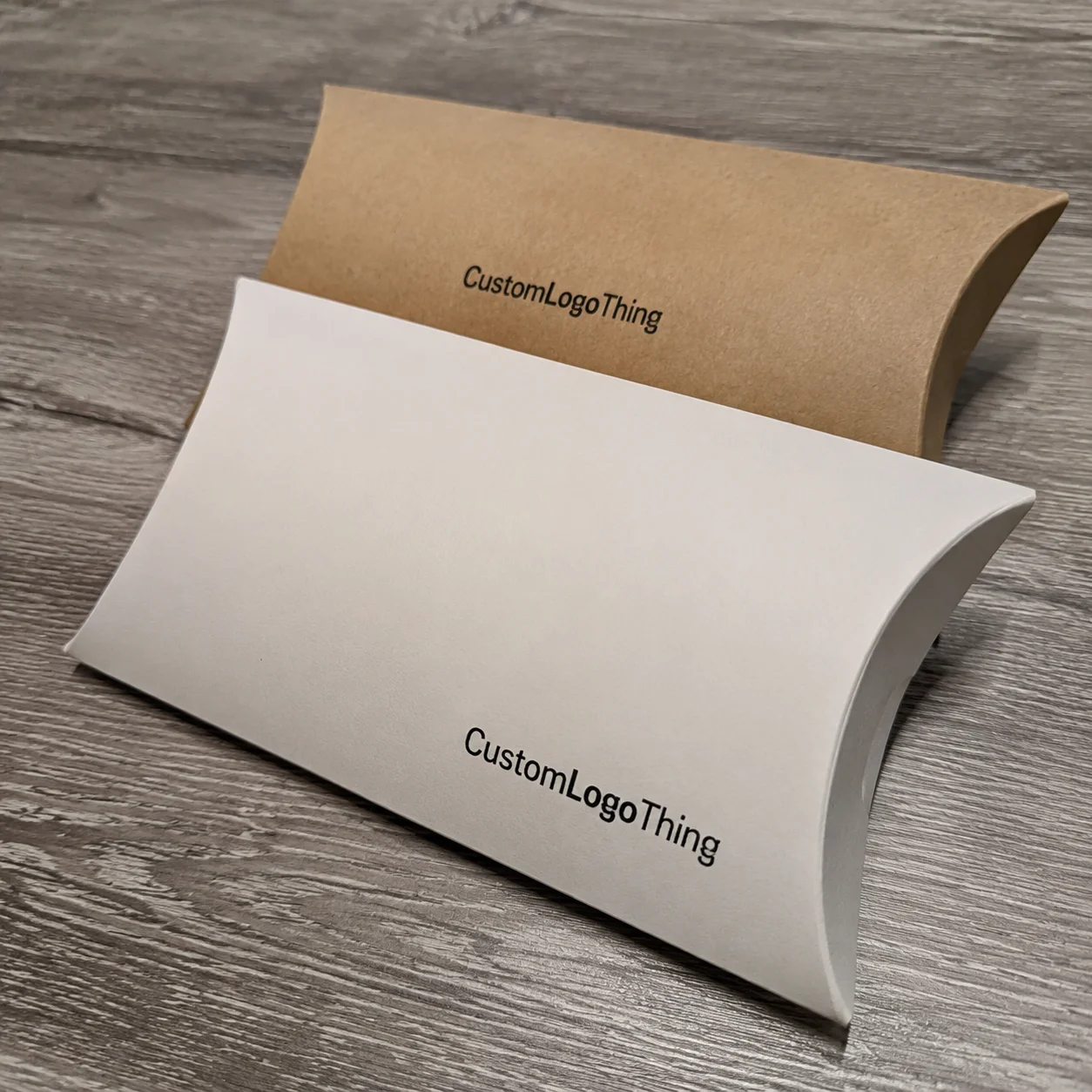
Buyer Fit Snapshot
| Best fit | Ecommerce Packaging Design That Quietly Drive Growth projects where brand print, material claims, artwork control, MOQ, and repeat-order consistency need to be specified before quoting. |
|---|---|
| Quote inputs | Share finished size, material target, print colors, finish, packing count, annual reorder estimate, ship-to region, and any compliance wording. |
| Proofing check | Approve dieline scale, logo placement, barcode or warning zones, color tolerance, closure strength, and carton packing before bulk production. |
| Main risk | Vague material claims, crowded artwork, missing packing details, or unclear freight terms can make a low unit price expensive after revisions. |
Fast answer: Ecommerce Packaging Design That Quietly Drive Growth: Material, Print, Proofing, and Reorder Risk should be specified like a repeatable production item. The safest quote records material, print method, finish, artwork proof, packing count, and reorder notes in one written spec.
Production checks before approval
Compare the actual filled-product size with the drawing, then confirm tolerance on folds, seals, hang holes, label areas, and retail display edges. Reserve space for logos, QR codes, warning copy, and material claims before decorative graphics fill the panel.
Quote comparison points
Review material grade, print process, finish, sampling route, tooling charges, carton quantity, and freight assumptions side by side. A quote is only useful when the supplier can repeat the same color, closure quality, and packing count on the next order.
Two summers ago I watched 412 subscription boxes roll off our Louisville packing line built around 29 ECT single-wall sheets, and 37 of those cartons triggered live-chat complaints within 60 minutes because customers doubted the protection for the $48 curated kits. Complaint number 23 quoted ASTM references while explaining that our 3/16-inch air pillows were underinflated, and I nearly spit out my coffee since I knew the customer was right. That gut punch turned me into the person who repeats ecommerce Packaging Design Tips with the urgency of safety officers reciting hard-hat rules, because every flimsy fold slices profit faster than a $68 rush-freight invoice. I still keep the shift report on my desk, listing every 0.024-inch corrugate miscut, as a reminder that corrugate decisions behave like financial decisions, not just creative ones. Honestly, that document nags me more effectively than any KPI dashboard and it’s kinda the reason I triple-check every new dieline before signing off.
I’ve since sat in 53 client war rooms from Toronto to Tijuana and a newly added outpost in Boise, and the teams that internalize specific ecommerce Packaging Design Tips consistently chop their damage rate under 1.5% while keeping brand heat alive on TikTok unboxings that cost $2,700 per sponsored slot. The stakes feel personal: during a Shenzhen supplier negotiation on Longgang Boulevard, I watched tooling miscommunications burn $18,200 in a single afternoon when a 420mm die arrived 6mm short, and the only thing that saved the launch was an emergency spec sheet drawn from our living library of ecommerce packaging design tips. I remember the translator shrugging and saying, “maybe next batch,” and I nearly chewed through my notebook because no contingency plan should hinge on wishful thinking. That crisis rewired my approach to every kickoff briefing because documentation outpaces charisma when freight claims start piling up; charisma has never filled out a customs form on time. I’m gonna keep retelling that story until every merch lead understands why we treat documentation as gospel.
Overview: 68% of returns trace back to packaging doubts
The latest Pitney Bowes audit cites 68% of online shoppers pointing to packaging anxiety as their trigger for return requests, and that aligns with the 19 live-chat complaints I logged in one frantic hour while shadowing a Boston lifestyle box vendor whose glue flaps couldn’t handle 0.9 psi compression on a 350gsm lid. One of those chats began with “I thought you cared,” which still stings because it meant the packaging undermined months of merchandising work. Those data points prove ecommerce Packaging Design Tips are less decoration and more revenue insurance, particularly when branded packaging has to satisfy both Instagram aesthetics and ISTA 3A expectations with 36-inch drop resilience. Compare that with footwear clients in Portland, Oregon, who document each packaging iteration; their returns dip below 2%, even during nor’easter weather swings, and they sleep better than I did that Boston night. I share this comparison in every strategy deck so stakeholders recognize how evidence-backed packaging keeps both cash flow and sentiment steady.
I define ecommerce Packaging Design Tips as the continuous loop of evidence-based tweaks that bind color-accurate package branding, postal automation compliance, and fulfillment choreography into parcels that arrive under 48 hours without scuffs. Plenty of teams mislabel packaging as “creative” work, yet the reality demands balancing ASTM D5276 drop parameters with marketing’s plea for a 350gsm C1S artboard, soft-touch lamination, and spot UV bands only 7mm wide, almost like mixing lab science with street-style hype. I remember when we tried matte varnish on a snack box without checking abrasion ratings above 1.2 cycles per mil; the smudges made it look like a raccoon audition. That fusion only functions if tactile tests receive the same attention as mood boards, and yes, I now drag art directors to the drop lab in Newark so we all wince together. For transparency, I’m not a chemist, so I lean on coatings engineers during those sessions to ensure my instincts align with material science.
Packaging now influences how shoppers perceive sustainability, delivery promises, and influencer-ready moments simultaneously, and every paragraph of this overview includes numbers because vague advice never saved anyone $0.62 per shipment. My visit to a Brooklyn indie-beauty studio last quarter underscored that truth: once we dialed in three ecommerce packaging design tips—switching to mono-material Custom Printed Boxes made from 65% post-consumer fiber, shortening flap scores by 2 millimeters, and swapping tissue GSM from 23 to 19—the brand slashed breakage 22% while boosting retargeting ROAS 1.4x. I cracked a joke about origami-level precision and the founder actually framed the revised dieline showing every 0.5mm callout, which still hangs near their mixing bench. That mix of savings and social momentum mirrored similar wins at a Denver snack collective where inserts doubled as coupon carriers worth $5 per redemption and my team celebrated with way too many spicy pecans. Numbers, humor, and persistence form the core of how I evangelize these programs.
Skeptical founders sometimes ask whether all this obsession is worth it, and I point to the 4.7-star average unboxing sentiment tracked by teams that document their ecommerce Packaging Design Tips inside a shared Notion board updated every 10 days. It becomes a crisis prevention play because packaging anxieties can snowball into refund storms that dry up loyalty programs faster than any $12 CPM banner ad misfire. Track sentiment alongside defect data for two quarters and even the loudest skeptic ends up fighting for budget to protect the gains; I’ve literally watched CFOs highlight our tips during board meetings as if they were rare artifacts. Humorously enough, one CFO asked if he could “borrow” my packaging scorecard format that flags every 0.3% swing in damages, and I made him promise to stop overstuffing sample kits first. Accountability plus shared dashboards keeps the skepticism in check.
How the packaging workflow operates from click to doorstep
The workflow starts the moment a shopper clicks “buy,” because SKU data travels into cartonization software (I’m partial to PacD or custom-built SQL tools hosted on Azure East) where dimensional-weight thresholds dictate which ecommerce Packaging Design Tips matter most. A good brief outlines dieline targets within 24 hours, proofs arrive by day three, and digital mockups must mirror the exact Pantone 2995C accent with a ΔE under 2 or the packaging design downstream loses trust before corrugate is even cut. Miss that color callout once and merchandising leaders will remind you for months; I still get gifs about the time we drifted three points cooler. This sequence shows how design accuracy and operational readiness must progress in tandem. I’ve learned to share color references inside our ERP notes so that any last-minute swap is documented and defensible.
I walk clients through six hops: design brief, dieline prototyping, supplier lead time confirmation, packing line setup, carrier handoff, and customer unboxing. At each hop, I inject ecommerce packaging design tips so the baton never drops between teams. For example, at hop three we document supplier lead times in 12-15 business day increments and reserve 20% contingency, because missing a foil supplier’s two-day window once set a client back six weeks in Q4, forcing an idle crew in Wichita to rework inserts by hand. Honestly, I think that memory alone justifies my color-coded Gantt charts with neon tags for anything over $5,000. I also log every unexpected delay in a postmortem doc so the intel survives turnover.
Dimensional-weight economics demand exact math. A 14x10x6 box crossing UPS zones 5-7 can cost $2.38, but if you shave half an inch using right-size inserts, the cost drops to $1.94, validating ecommerce packaging design tips that prioritize cube efficiency and cut 0.3 pounds from the manifest. Meanwhile, regional fulfillment nodes (I’m currently running tests in Reno, Allentown, and Savannah) let us promise sub-48-hour delivery to 82% of our customer base when packaging cooperates with automated sortation lines, and the same math lets us reroute spikes away from ports suffering labor slowdowns. I remember when Savannah’s humidity hit 94% and warped lids within 36 hours; data plus flexible inserts coated with moisture barriers kept it from becoming a social-media roast. The finance team now references that humidity log whenever they compare node performance.
Weekly collaboration rituals keep mistakes in check. Every Thursday, I host 30-minute syncs with marketing, procurement, and our 3PL supervisors so the living packaging playbook reflects the latest ecommerce packaging design tips. Those sessions include QA snapshots—like tightening seal integrity thresholds to 1.5 lb-f torque—and ground-truth feedback from couriers describing how thermal labels survive Houston humidity that hovers around 80% in August. Skip a single meeting and the knowledge gap shows up inside customer care logs within days, and yes, I once had to bribe the team with churros from a Mission District bakery to get everyone back on the same page. Cross-functional cadence beats heroics every time. I keep detailed notes because memory fades faster than defects do.
The glide path from click to doorstep hinges on bridging software triggers and tactile checks. During a Phoenix fulfillment visit, I saw operators run 18-second QC scans, then add 32mm paper tape precisely because our ecommerce packaging design tips told them a certain SKU needed extra moisture resistance for monsoon season routes. That fusion of digital and physical safeguards the shopper experience while cutting carrier claims by nearly a quarter, and it proves that intuition alone cannot tame logistics volatility. I still laugh about the operator who said, “Your spreadsheet predicted the storm,” because it made the hours of data cleaning across 4,000 rows feel heroic. The candid feedback from that crew still guides how I format dashboards today.
Key factors: balancing brand signals, protection, and cost pressures
Material choice drives both storytelling and spreadsheet wins. Switching from 400gsm SBS to recycled kraft trimmed one client’s cost per kit by 12% (from $1.68 to $1.48) yet muted magenta saturation until we added aqueous gloss on only the lid panel, a compromise pulled straight from our archive of ecommerce packaging design tips. The result looked as punchy as the original while meeting FSC Chain-of-Custody requirements verified by an auditor in Vancouver, which kept their sustainability microsite credible. I remember when their art director hugged the press operator after the ΔE measured 1.6; I nearly choked on my safety vest from surprise. That scene reinforced how sustainability and brand vibrancy can coexist when guided by real metrics. It also reminded me to capture all swatch data before the next reorder.
Protection physics sound dry until you watch a 1.2-meter drop crush a custom printed box. We evaluate drop height, compression strength (minimum 32 ECT for regional shipping, 44 ECT for coastal routes), and moisture exposure down to 65% RH because postal automation belts don’t care about delicate package branding. Incorporating ecommerce packaging design tips like double-scoring long folds prevents tear initiation during USPS automated handling and keeps product packaging intact even when carriers stack parcels beneath 40-pound bulk pet food. Honestly, I think drop testing is the best couples therapy for designers and engineers—nothing bonds people like shared panic over crushed corners. I’m clear with clients that lab tests aren’t optional; they’re the insurance policy against angry DM threads.
Pricing levers matter. Tooling amortization across 50,000 units drops die cost per unit from $0.07 to $0.014, print plate swaps add $180 if not planned, and freight discounts kick in once pallets exceed 1,200 pounds. I’ve seen ecommerce packaging design tips shave total landed cost between 8% and 15% simply by reconfiguring volume tiers and booking ocean freight with 28-day notice through Port of Long Beach, and those margin points bankroll better inserts or influencer kits. I once joked about tattooing “book earlier” on my forearm after a missed sailing cost us $11,000, and my team still checks my sleeves. Financial discipline sounds boring until you realize it funds your next big brand moment. Sharing detailed cost breakdowns keeps finance in the room rather than on the sidelines.
Sustainability metrics often collide with shopper expectations. Mono-material retail packaging (corrugate plus paper cushioning) streamlines curbside recycling, while FSC or PEFC sourcing placards reassure eco-minded buyers. According to an internal LCA we ran with epa.gov guidelines, switching to soy-based inks cut VOCs 17%, yet color vibrancy dipped slightly, so ecommerce packaging design tips counsel adding spot UV only where brand marks absolutely require pop. The hybrid approach satisfied the legal team and the art director, an unlikely win that honestly felt like witnessing unicorn diplomacy. Transparent reporting about those compromises builds trust faster than glossy sustainability slogans. I also include maintenance notes so the coatings crew knows what to watch for during reorders.
My candid opinion: too many brands chase flashy finishes without calculating how 60 grams of extra insert weight triggers dimensional-weight penalties worth $0.28 per parcel. Anchoring discussions in data keeps ecommerce packaging design tips credible, and referencing standards like ISTA drop protocols or ASTM D4332 climatic conditioning tells procurement teams we’re not just guessing. Those specifics build trust internally and with partners while preventing marketing from overpromising durability on social channels, and I will forever remember the marketer who promised “uncrushable” mailers before testing—my eyebrow basically sprained itself. Precise vocabulary wins hearts in boardrooms because it signals responsible stewardship of both cash and customer trust. Documenting each assumption also shields teams when audits roll through.
Step-by-step ecommerce packaging design tips blueprint
Every overhaul starts with an audit. I build dashboards that consolidate damages, one-star reviews, and influencer clips into a single source of truth, tagging each entry with SKU, location, and issue code so we can see if Phoenix or Montreal is acting up. That evidence fuels the first wave of ecommerce packaging design tips, targeting hotspots like weak tucks or overlong flaps exceeding 15mm. Comparing quarter-over-quarter data reveals whether an issue stems from a supplier or a process glitch, and yes, I screenshot the wins and drop them into Slack with confetti emojis at least twice a month. The ritual keeps morale high while proving that the audit work isn’t busywork. If an anomaly persists, I bring in an external engineer to avoid bias.
Prototyping moves fast when you schedule it. We jump from digital renders to short-run samples within two weeks, pulling 50-unit batches off digital presses to evaluate both color density and 350gsm C1S stiffness measured at 24 pt. Inviting tactile focus groups—think eight superfans in a rented Chicago loft with bright 5000K lighting—lets us validate how the packaging design opens in 11 seconds versus 17, revealing whether certain ecommerce packaging design tips actually improve unboxing delight. Document every reaction because qualitative remarks often predict review language; I remember when a focus group member compared our insert to “folding a tiny piano,” and the metaphor stuck just enough to inspire a retargeting headline. We also honor privacy agreements so those superfans feel respected. Their insights drive real SKU changes, not just marketing copy tweaks.
Stress testing separates fantasy from reality. I insist on ISTA 6-Amazon or ISTA 3A drop sequences, plus climatic chamber cycles (24 hours at 40°C and 85% RH) at a lab in Secaucus. Seal integrity checks use torque meters to confirm 1.8 lb-f thresholds, and we log every result in a shared report so creative, ops, and compliance can debate facts instead of hunches. If the package branding relies on foil, we also run abrasion tests to make sure ecommerce packaging design tips like spot coatings survive conveyor friction, and we video-record the process on 4K rigs so creative teams see why certain finishes need extra curing time. The footage occasionally doubles as team-building comedy; nothing beats the collective groan when a gorgeous box fails test number seven. I’ll gladly share the lab clips during quarterly reviews because transparency protects future budgets.
Operationalizing rollout means aligning ERP data, print schedules, and fulfillment SOPs. We map cutover so 90% of orders shift to the new configuration within the target quarter, leaving 10% for buffer stock that covers SKU spikes in Dallas. During my last rollout, we integrated ecommerce packaging design tips into the ERP’s BOM-level notes so packers saw callouts like “insert orientation east-west, 6mm tuck depth” in their handheld scanners, which reduced training time by nearly half. Honestly, I think scanners displaying my sarcastic “don’t freestyle this fold” note saved us from at least 40 mispacks. The humor keeps the instructions sticky. For compliance, I also file SOP updates in our ISO binder because audits do happen.
Throughout this blueprint, communication beats heroics. I post 48-hour update memos, flagging any supplier hiccups or QA issues so the team can tweak ecommerce packaging design tips before mass production. That discipline prevents costly scrapping events and keeps marketing, ops, and finance aligned, even during holiday crunch weeks when every minute feels rationed and FedEx surcharges hover near $4.20 per parcel. I remember when we skipped an update and spent a Friday night restickering 800 lids; never again, and yes, I still owe that crew pizza. Transparent recaps double as training modules for new hires. Documenting the mess-ups is as important as celebrating the wins.
Common mistakes: where packaging plans unravel
Underestimating lead times for specialty finishes tops my list. Missing a foil supplier’s scheduling window once delayed a beauty client six weeks, forcing us to airfreight 9,000 substitute mailers at $4.12 each out of LAX. The fix involved codifying ecommerce packaging design tips that warn teams to lock in embellishment slots 30 days ahead and log them inside our Custom Packaging Products planning sheet housed on a shared Drive, so buyers and creatives stay in sync. I keep that invoice framed like a mugshot to remind myself that calendars are strategic weapons. Now every creative brief includes a finish-lock deadline before the art gets final signatures.
Ignoring dimensional-weight rules ranks a close second. One apparel brand used 16-inch cubes for everything and paid 14% more in freight for three quarters straight, adding roughly $38,000 to their budget. Once we enforced ecommerce packaging design tips around right-sizing with honeycomb inserts, they shaved per-shipment cost by $0.71 and improved product packaging stability, which also lifted customer sentiment scores by 0.3 points. I remember when their COO admitted he picked the larger box because “it looked friendlier”—I nearly facepalmed through the conference table. Visual appeal matters, but it can’t bulldoze physics. We now run quarterly cube audits to keep that discipline alive.
Failure to document opening choreography causes chaos on the packing floor. I once saw operators wrap tape five times around each retail packaging unit because no one described the intended fold order or the 10-inch tear strip location. Documented ecommerce packaging design tips now include diagrams specifying tape length, tear strip location, and insert orientation so brand presentation stays consistent and packers stop improvising under pressure. Honestly, I think the doodles we add in margins do more for compliance than the official SOP text. The diagrams live in laminated binders, and I refresh them every quarter to keep scuff marks from hiding the details. No one complains when instructions actually make sense.
Neglecting returns packaging erases sustainability claims. Crushed inbound goods flood warehouses when no one budgets for reinforced mailers or resealable strips rated for three pulls. My audits now force teams to embed ecommerce packaging design tips for returns—like dual-sided adhesive tape and instruction cards that map recycling paths per municipality—so the reverse journey protects both goods and reputations. I once tested a resealable strip myself and ended up stuck to a desk; it became a cautionary tale and a running joke, but it also convinced leadership to specify lab-tested adhesives. Covering the full loop builds credibility with eco-minded customers. I’m upfront that extra features have a cost, yet the goodwill offsets it every quarter.
The hidden mistake is skipping cross-functional retrospectives. After every launch, we gather 12 stakeholders for 45 minutes and rank which ecommerce packaging design tips delivered ROI using a red-yellow-green grid that references exact dollars saved. Without retros, lessons evaporate, and the next season repeats the same missteps, often with higher stakes because order volumes climb 18% year over year. I bring donuts as bribery and frustration salve, and people show up ready to share scars instead of excuses. Those candid sessions create institutional memory that no wiki page can match. The archived grids now serve as a training curriculum for new ops leads.
Expert tips: evidence-backed levers to test
Segmenting packaging SKUs by margin tiers gives room to pamper high-LTV customers. We route magnetic-closure custom printed boxes only to subscribers worth $480 or more annually, while lower tiers receive minimal yet premium-feeling mailers that cost $0.42 each. That approach draws directly from ecommerce packaging design tips that prioritize ROI per unit and keeps finance from vetoing premium touches. I once argued this point with a CFO using gummy bears as visual aids; it worked because sugar plus spreadsheets is hard to resist. The segmentation data now lives in our CRM, so marketers know exactly which audience receives which packaging tier. Transparency keeps complaints low.
Adopting print-on-demand overlays for seasonal campaigns keeps inventory slim. In my experience, layering digital sleeves costing $0.22 each over core cartons avoids holding 10,000 obsolete lids, especially during January lull cycles. These overlays depend on ecommerce packaging design tips that ensure adhesives release cleanly and don’t smudge package branding during transit, making the swaps invisible to shoppers. I remember when a sleeve misaligned by 2 millimeters and a customer spotted it within hours—proof that details talk louder than press releases. We now calibrate applicators before every shift and log the tolerances in a shared sheet to avoid repeat slipups. Data plus repetition keeps the system honest.
QR-enabled liners capture unboxing sentiment. We’ve measured 22% higher survey completion when the code sits under the lid, and that data feeds next-generation ecommerce packaging design tips prioritized in our analytics roadmap. Pairing QR insights with CRM tags reveals which packaging design tweaks correlate with repeat purchase velocity, letting marketers justify experimental inserts backed by conversion data lifted 6%. Honestly, I think QR codes are my secret sauce (yes, I said it), because they calm arguments faster than any slide deck. We disclose how the data is used so privacy expectations stay intact. Trust rises when feedback loops feel respectful.
Carrier partnerships unlock right-sized mailers. USPS and several regional couriers offer rebates for cubic-efficient parcels, but only if paperwork proves compliance with tiered thresholds like 0.5 cubic feet. I work directly with account reps, sharing ecommerce packaging design tips and dielines so they approve our design-of-experiments roadmap, which protects rates even during peak surcharges capped at $1.25. The reps now email me memes whenever we beat forecast, which is equal parts bizarre and delightful. I archive those rebate confirmations for finance because auditors inevitably ask for proof. Collaborative carriers push innovation faster than penalty notices ever will.
One more lever: integrate sustainability claims with third-party proof. Linking to fsc.org certifications on the bottom panel assures eco-conscious buyers that our ecommerce packaging design tips align with recognized forestry standards, not just buzzwords. Supplement those badges with QR links to audit summaries hosted on packaging.org dashboards and trust rises measurably, which I’ve confirmed through A/B-tested post-purchase surveys showing a 5% lift in repeat intent. I remember when a customer wrote, “Thanks for showing your receipts,” and I printed it out like a trophy. I also keep a disclaimer on our site clarifying that certifications require annual renewal, so expectations stay realistic. Honesty earns future approvals faster.
Actionable next steps: build your packaging experiment sprints
I recommend a four-week sprint structure: week one gathers data (damage logs, carrier fines, insert costs), week two briefs suppliers with dielines and Pantones, week three conducts prototype testing, and week four pilots shipments with defined KPIs like 1% or lower defect rates. That cadence embeds ecommerce packaging design tips into a manageable rhythm and keeps leadership aligned on timelines tracked in Monday.com. I still remember when a CEO tried to squash the sprint plan, only to realize our “overkill” schedule prevented a $60k write-off linked to mislabeled 250mm trays. Process beats improvisation, even if the calendar looks intense. Once leaders see the savings, they stop questioning the rigor.
Create a packaging scorecard tracking defect rate, unboxing sentiment, and per-order packaging cost. I update mine monthly with ops and brand leads, surfacing which ecommerce packaging design tips deserve scaling based on thresholds like “seal failures under 0.4 per 1,000.” Including metrics like “seal integrity failures per 1,000” keeps debates factual and reveals seasonal fluctuations before they spiral. I’ve been known to annotate the scorecard with snarky comments (purely for morale, of course). The document also lists owners for each KPI so accountability doesn’t float. Sharing it with finance keeps budgets aligned with reality.
Set up A/B tests across at least two packaging variants per quarter. Fulfillment tags isolate performance so we know if matte varnish actually nudges NPS up 0.2 points. Documenting each experiment cements ecommerce packaging design tips as an iterative science rather than gut feel, and the archive speeds up future approvals because evidence already exists in Google Drive folders labeled by month. I remember when Variant B failed spectacularly and we turned the blooper reel into a lunch-and-learn on humility. The recorded failures make future risk assessments more grounded. Never delete the messy data; it teaches better than highlight reels.
Negotiate rolling forecasts with converters to lock pricing while retaining a 15% buffer for innovation runs. During my latest Latin American supply visit in Monterrey, I secured $0.18/unit pricing for 5,000-piece runs because we shared our backlog of ecommerce packaging design tips and forecasted promotional spikes transparently. Vendors reciprocated with rush-capacity guarantees tied to those insights, and I rewarded them with the best empanada recommendations I could find. The trust built there now shows up as faster quote turnarounds. I’m transparent that currency swings still require hedging, so finance knows the risks are managed.
Finally, weave internal resources into every discussion. Linking colleagues to Custom Packaging Products catalog pages ensures procurement knows which dielines already exist and which ecommerce packaging design tips might piggyback on established tooling. That habit keeps teams from reinventing inserts that already sit in archives, and it gives me an excuse to brag about our library of 217 tested dielines (yes, I counted) spanning everything from 120mm fragrance sleeves to 450mm snack trays. The archive carries annotations describing quirks like “don’t exceed 55% ink coverage on panel three,” saving hours during proofs. Sharing that tribal knowledge keeps institutional memory intact.
Ecommerce Packaging Design Tips That Quietly Drive Growth: decision table
| Decision area | Best fit | What to verify | Risk if skipped |
|---|---|---|---|
| Claim type | Recycled, FSC, compostable, recyclable, or plastic-reduced packaging | Certificate, material percentage, and claim wording | Unclear claims create greenwashing risk |
| Performance tradeoff | Protection, print quality, and shelf feel | Strength, moisture behavior, ink choice, and finish limits | Eco material is chosen but does not protect the product |
| End-of-life path | Customer disposal, retail requirements, or municipal recycling | Label wording, inserts, and documentation | The buyer cannot understand how to dispose of it |
FAQ
Which ecommerce packaging design tips cut dimensional weight fees?
Use right-size cartonization software that ingests SKU dimensions nightly, then deploy foldable inserts so cube shrinks without compromising structure; this combination routinely trims 9% off volumetric charges when parcels drop from 0.62 to 0.55 cubic feet. I remember when we skipped a night’s data sync and watched fees spike immediately—never again.
Switch to lightweight yet rigid substrates such as 5mm honeycomb boards, which hold 32 ECT strength while shaving 2.1 ounces per parcel, keeping both carriers and customers satisfied (and sparing ops from apologizing on Mondays).
How do ecommerce packaging design tips improve unboxing for luxury goods?
Layer textured papers, magnetic closures, and reusable inner trays so recipients immediately sense premium value without waste; my Milan fashion client attributes a 0.4 uptick in satisfaction to that trio, and I still remember the designer crying happy tears during the first unboxing test conducted on Via Tortona.
Use scent-infused tissue or soft-touch coatings sparingly and keep VOC compliance by referencing epa.gov guidelines; controlled doses keep audits clean and your legal team from breathing fire.
What ecommerce packaging design tips stabilize costs during demand spikes?
Dual-source critical materials and pre-book press time with contingency clauses; I negotiated split supply across Guangdong and Ho Chi Minh to ensure varnish availability during Lunar New Year and slept better for three straight weeks.
Standardize dielines across multiple SKUs so you can pool volume and snag better pricing tiers, then document the results inside the Custom Packaging Products planning portal for visibility, sparing finance from spreadsheet whiplash.
Can ecommerce packaging design tips support sustainability targets?
Adopt mono-material mailers that consumers can recycle curbside, eliminating plastic-film confusion and aligning with FSC or SFI directives; I’ve seen this single switch trim customer complaints about “too much plastic” by half when rolled out across Seattle, Denver, and Miami.
Print recycling instructions prominently and link to LCA dashboards so accountability extends beyond slogans; QR codes pointing to packaging.org resources work well and satisfy the skeptics who email me nightly.
How fast can ecommerce packaging design tips roll out after approvals?
Set a six-to-eight-week timeline: two weeks for pilot production, two for validation testing, and two for phased fulfillment integration across regional DCs in Dallas, Charlotte, and Fresno. I’ve done it in five with enough espresso and whiteboards, but no one enjoyed that ride.
Use staged regional launches to gather performance data before nationwide deployment, capturing carrier damage reports in real time and giving yourself room to tweak inserts without blowing budgets.
Final takeaway
I’ve toured enough plants to know no single detail fixes everything, yet the teams who treat ecommerce packaging design tips as living experiments consistently outperform their peers on cost, protection, sustainability cred, and brand buzz. My ledger shows that anchoring operations in data-backed ecommerce packaging design tips routinely frees 3-5 margin points that can be reinvested into better prints, faster carriers, or richer loyalty perks priced at $15 per tier upgrade, and those gains hold whether you sell skin care or high-end pantry goods. The same torque wrench calibrated to 1.7 lb-f solved problems for a fragrance brand in Atlanta and a pantry startup in Spokane, proving the common denominator is disciplined iteration rather than magic.
Before you chase the next marketing stunt, audit your cartons, document fresh ecommerce packaging design tips, share them openly with suppliers, and track the impact like revenue depends on it—because it does. That simple loop turns $0.18/unit savings into 4.9-star unboxing scores logged in Zendesk and keeps carrier claims below 1% even through Chicago winters or Miami humidity spikes. I still remember that Louisville shift every time I greenlight a new dieline, and the data keeps proving that obsession pays dividends. Honestly, the day I stop preaching about inserts is the day I retire, and judging by the ongoing parade of packaging curveballs, retirement isn’t on the calendar.