Electronics seller tissue paper bulk is one of those packaging purchases that looks modest on a spreadsheet and ends up being surprisingly visible in the customer’s hands. The first sheet a buyer touches often becomes the first branded surface they notice, photograph, and remember. Packing teams care because a well-sized sheet can help keep cables from wandering inside the box, reduce minor scuffs, and make the shipment look deliberate instead of rushed. Buyers care for the same reason: electronics seller tissue paper bulk ties presentation, light protection, and repeat ordering into one practical line item.
That is the real value. Not hype. Not decorative fluff. Electronics seller tissue paper bulk gives electronics brands a practical way to raise perceived value without changing the product itself, which is exactly why it gets attention from teams that watch margins closely and do not have room for avoidable complaints about presentation. A sheet that folds cleanly, prints clearly, and arrives in dependable quantities becomes part of the packing workflow. A sheet that misses the mark turns into waste, rework, and avoidable delay.
Custom Logo Things works with buyers who need that balance. The same questions usually come up first: what size, what weight, what print, what minimum, what lead time, and what does the landed cost actually look like? This page answers those questions in the practical language a packaging manager would use on a purchase order. For buyers comparing Wholesale Programs or broader bulk ordering options, the aim is simple: reduce uncertainty before production starts.
Electronics Seller Tissue Paper Bulk: why it pays off
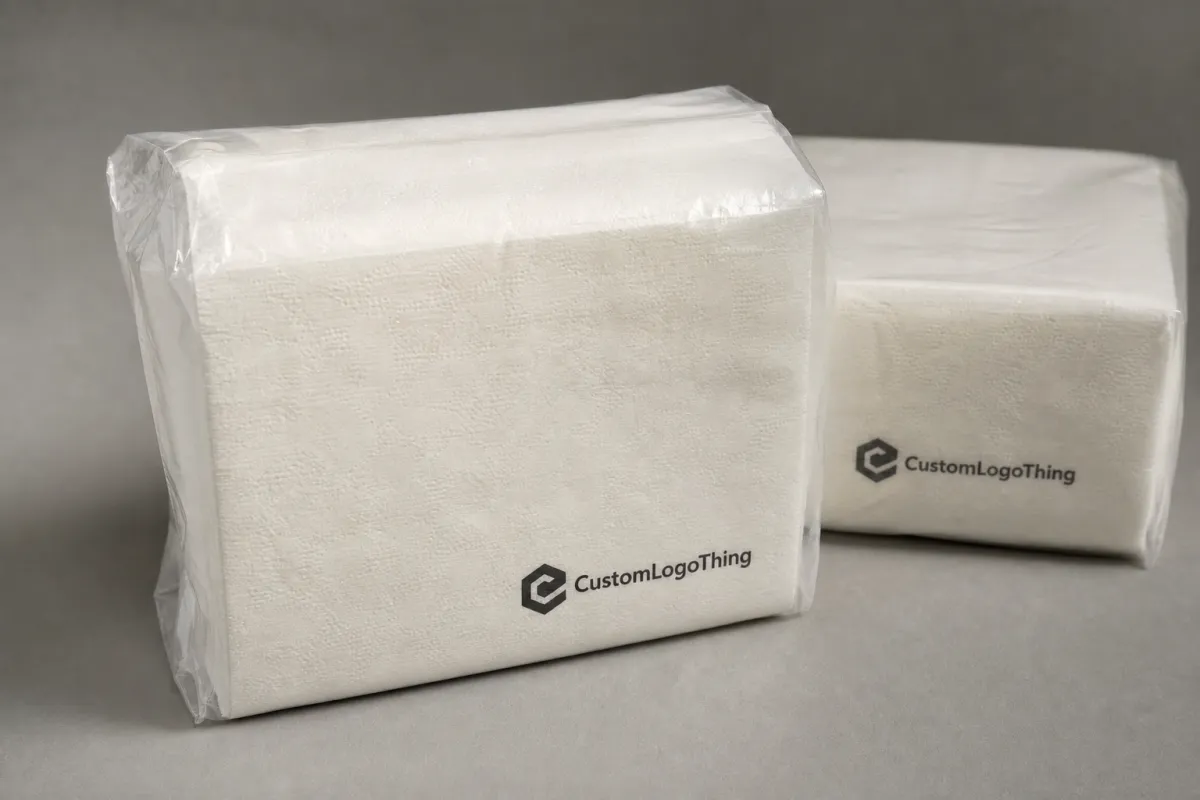
In electronics shipping, the carton is only part of the story. The unboxing sequence shapes the product experience, and electronics seller tissue paper bulk is often the first branded layer the customer actually handles. That first touch changes perception fast. A repeated logo printed on clean tissue can suggest care, consistency, and a more considered operation before the device itself even appears.
The practical side matters just as much. Electronics seller tissue paper bulk helps separate accessories, reduce friction between polished surfaces, and keep small items from rattling in transit. A charging cable, a spare tip, or a wearable band can move enough to make the inside of a box look messy even when the product arrives intact. Tissue does not replace protective packaging, but it improves pack-out discipline. That is why it shows up so often in accessory kits, refurbished device bundles, and giftable electronics packaging.
The math is easy to understand from a buyer’s point of view. A low-cost branded sheet can raise the perceived value of a product that may already be locked into a tight retail price. That matters more than many teams admit. If two sellers ship similar products and one uses electronics seller tissue paper bulk with a custom logo and a clean fold, the second package usually looks more intentional. Customers notice that. Marketplaces notice it too, along with resellers and retail buyers who photograph the item before it is ever used.
Repeatability is another reason electronics seller tissue paper bulk pays off. When the pack-out team uses the same sheet size across multiple SKUs, training gets easier and waste drops. When the tissue arrives in the same case pack every time, reorder forecasting becomes less of a guessing game. That kind of predictability matters in electronics, where many sellers juggle launch dates, accessory refreshes, and seasonal spikes in demand.
“The best tissue paper is the kind nobody has to think about during packing. It fits, it prints cleanly, and it shows up on time.”
That line sounds plain because it is. Electronics seller tissue paper bulk should not create extra handling steps. It should support the process already in place. A seller with manual packing may want slightly larger sheets to speed wrapping. A seller with a more structured fulfillment setup may want custom-cut sheets that drop directly into the carton footprint. Either way, the tissue earns its place by reducing friction rather than adding it.
For buyers comparing packaging partners, the most useful question is not “fancy or plain.” It is “how many touches does this save, and what does it do to the box impression?” That is where electronics seller tissue paper bulk stands out. It works across accessories, refurbished hardware, gift sets, and replacement-part shipments without forcing a major redesign of the packing line.
I have seen teams get distracted by the wrong metric here, usually unit price alone, and then spend the next three months fixing presentation issues at the warehouse level. That gets old, kinda fast. A tissue spec that respects the product, the carton, and the hands packing it usually ends up being the cheaper decision over time.
What buyers get in electronics seller tissue paper bulk orders
Bulk means different things in different operations, so it helps to be exact. In electronics seller tissue paper bulk, buyers may order case-packed sheets, pallet quantities, or roll-fed stock depending on how the operation is set up. A small e-commerce seller may want pre-cut sheets for hand packing. A larger fulfillment center may prefer stacked flat sheets that move faster through a line. Some teams request custom folded formats when the pack process is repetitive enough to justify the setup.
The format choice affects labor as much as it affects cost. Plain tissue in a standard size is often the fastest to source, yet it may not match the carton footprint cleanly. Printed tissue adds brand presence and helps create a premium look, although it needs proper registration and more proofing. Custom-cut sheets usually save time at the bench because the packer does not need to trim or refold each piece. That matters when labor is tight and order volume keeps climbing.
Electronics seller tissue paper bulk also shows up in more than one place inside the same shipment. One sheet may wrap the main product. Another may separate the charger from the device. A third may line the box cavity and soften visual gaps. In a polished retail-style pack, the tissue can be layered to create a structured reveal that looks better than loose filler and costs less than complex inserts.
Buyers deciding between standard and custom sizing usually come back to one question: speed. If the team is hand packing three or four SKUs in different cartons, custom sizing often makes sense because it reduces guesswork. If the product range is narrow and the box dimensions are stable, standard sheets can be enough. In either case, electronics seller tissue paper bulk should match the real carton footprint, not a catalog photo.
“Bulk” should not be confused with “oversized.” Bigger sheets are not automatically better. A sheet that is too large can crease awkwardly, slow the line, and waste material. A sheet that is too small can expose the product or force the packer to double up. The right answer usually sits between those extremes. That is why sizing conversations belong before quotation, not after. Electronics seller tissue paper bulk works best when sheet dimensions are tied to the product, the shipper, and the pack method.
- Plain sheets: best for neutral packing, lower visual emphasis, and simple accessory wraps.
- Printed sheets: best for logo visibility, repeat brand cues, and premium unboxing.
- Custom-cut sheets: best for faster handling and less waste at the packing bench.
Buyers often ask whether tissue belongs in electronics packaging at all. The answer depends on the product mix. For high-value accessories, refurbished phones, premium wearables, or boxed kits, the answer is usually yes. For industrial components, presentation may matter less than anti-scratch protection. Even then, electronics seller tissue paper bulk can still serve as a separator and dust barrier. The best programs are not flashy. They are matched to the product and the operation.
There is also a trust factor that gets overlooked. If a customer opens a box and sees a clean tissue layer, they assume somebody in the chain paid attention. That assumption is fragile, but it matters. Once the paper tears badly, wrinkles unevenly, or arrives with color drift, the whole pack starts to feel less considered.
Electronics Seller Tissue Paper Bulk specs: weights, sizes, print
Spec sheets are where the buying decision really gets made. For electronics seller tissue paper bulk, paper weight is often the first line item to confirm. Lighter tissue can be cost-efficient and easy to fold, especially for decorative wraps or simple inner lining. Heavier tissue gives better tear resistance and more body, which helps when the sheet needs to hold shape around cables, chargers, or small devices with sharper edges.
Common buyer requests usually fall into a few familiar ranges: 17gsm, 18gsm, and 22gsm tissue are frequent starting points, though the right number depends on the product and print coverage. Lower weights are easier on the budget. Higher weights feel a little sturdier and tend to read as more premium. For electronics seller tissue paper bulk, the paper should be soft enough not to mar polished surfaces, yet strong enough to survive folding, handling, and carton insertion.
Sheet size matters just as much. Buyers generally choose between flat sheets, folded sheets, and custom dimensions that match the carton or kit tray. A flat sheet may suit gift-style presentation. A folded sheet can reduce storage space and speed handling. Custom dimensions are often best when the pack line is already defined and the seller wants to cut waste. If the team packs several product families, a sizing matrix can be more useful than a single universal format.
Print choice is another major lever. A single-color logo repeat is often the most efficient route because it is easier to keep consistent and usually costs less than full coverage. Repeating patterns can reinforce brand identity without making the tissue feel heavy. Edge-to-edge coverage creates a more dramatic finish, but it can raise ink usage and introduce more variation in color density. With electronics seller tissue paper bulk, the best print design is not the most decorative one. It is the one that stays legible and consistent across the run.
Some material details matter more in electronics packaging than buyers expect. Acid-free tissue helps reduce the risk of discoloration on sensitive surfaces. Recycled content can support sustainability goals, though it should not compromise brightness or print clarity. Opacity matters when the tissue is being used as a visual layer, because thin, low-opacity stock can look uneven around dark accessories or printed inserts.
If sustainability is part of the procurement brief, standards matter. Buyers often ask whether the tissue can support FSC sourcing or recycling goals, and that is a fair question. The right answer depends on the board or paper source and the supply chain documentation. For broader packaging policy, resources from the Forest Stewardship Council and EPA recycling guidance can help frame internal requirements, especially when corporate reporting is involved.
The smartest spec choice is often the simplest one that still solves the real packing problem. Electronics seller tissue paper bulk does not need premium treatment everywhere. It needs the right balance of tear resistance, print clarity, foldability, and storage efficiency. That balance changes with product category. A phone accessory kit is not the same as a boxed wearable, and a refurbished laptop accessory pack is not the same as a small electronic part shipment.
One practical detail that saves headaches: ask for tolerance ranges on size and print registration, not just the nominal spec. Even a good run can shift slightly, and the buyer should know what counts as acceptable before the first pallet ships. That kind of clarity is boring in the best way.
| Option | Typical Use | Relative Cost | Best For |
|---|---|---|---|
| Plain 17gsm sheet | Simple wraps and box lining | Lowest | High-volume, low-decor packing |
| Printed 18gsm sheet | Logo repeat and branded reveal | Moderate | Most electronics seller tissue paper bulk programs |
| Heavier 22gsm custom-cut sheet | Premium presentation and better body | Higher | Accessories, gift sets, and polished retail packs |
If your team is writing an RFQ, ask for exact size, exact gsm, print coverage, and packing format in the quote. Otherwise, two suppliers may hand back numbers that look comparable while actually describing different products. That is a common procurement mistake, and it distorts the real value of electronics seller tissue paper bulk.
Cost, pricing, MOQ, and unit cost
Pricing for electronics seller tissue paper bulk follows the same forces that shape most print packaging: size, paper weight, print colors, packaging format, and order volume. Buyers who control those variables usually get the clearest quote. Buyers who leave them open often receive ranges that are too wide to compare. The fix is straightforward. Ask every supplier to quote the same sheet size, the same quantity, the same artwork coverage, and the same delivery terms.
MOQ is where many decisions slow down. A lower minimum order quantity is easier to approve because it reduces cash commitment and storage pressure. The tradeoff is unit cost. Larger runs spread setup cost across more sheets, so the per-unit price usually improves. That does not automatically make the larger order the better choice. If sell-through is uncertain, overbuying can create inventory drag. Electronics seller tissue paper bulk should fit production timing and sales velocity, not just a headline discount.
One pattern shows up again and again. Buyers ask for a smaller printed run first to test the fit and look. If the paper works in the box and the print holds up, they move to a larger reorder. That is sensible. A cautious initial order can be better than a large speculative buy, especially when the pack design is still evolving. Electronics seller tissue paper bulk is easiest to manage when the first order proves the spec before scale is locked in.
Sample costs are worth discussing early. Some suppliers charge for sample packs, proof sheets, or printed dummy runs. That is not unusual. What matters is whether those costs are credited back on production or treated as a standalone expense. Buyers should also ask whether freight, packaging, and sampling are included in the quote. A low factory price can look appealing and still lose once shipping and setup are added. That is why landed cost is the number that matters.
Typical pricing ranges vary by region, specification, and volume, so any number should be treated as directional. As a practical buying benchmark, a printed electronics seller tissue paper bulk program may price very differently at 5,000 sheets than at 50,000 sheets, especially if ink coverage is heavy. Compare at least two scenarios: one plain and one printed, one lower MOQ and one volume run. That comparison often reveals where the real value sits.
For procurement teams, the cleanest quote request includes:
- Exact sheet dimensions
- Paper weight or gsm target
- Print color count and artwork format
- Quantity tiers for pricing
- Packing format and carton count
- Required ship date and destination
That level of detail cuts down the back-and-forth and makes electronics seller tissue paper bulk easier to approve internally. It also improves quote accuracy. Suppliers are far less likely to pad for uncertainty when the buyer gives a precise brief. Clarity usually saves money.
Process and timeline: proofing to production
The production path for electronics seller tissue paper bulk is usually more predictable than many buyers expect, provided the approval process stays tight. It begins with inquiry and specification confirmation, then moves to artwork review, digital proofing, approval, production, inspection, packing, and dispatch. Each step has a failure point, and most delays happen before the press ever starts.
Artwork is the most common bottleneck. Missing vector files, unclear Pantone targets, or a logo supplied only as a low-resolution image can slow the job immediately. Changing the size after the quote is issued can do the same. If the artwork needs to be expanded or repeated differently for the final sheet size, the proof has to be reworked. Electronics seller tissue paper bulk moves much more smoothly when the artwork is final before the order is placed.
Timeline also depends on order type. Plain stock generally moves faster because there is less setup. Custom-printed sheets take longer because the print needs approval and the run may require color checks. If a buyer needs tissue to align with a product launch, seasonal campaign, or warehouse replenishment cycle, that date should be stated at the first inquiry. A note that says “need it soon” is not enough. Exact timing matters.
In many programs, the real timeline is less about calendar days and more about decision speed. A supplier can often produce a straightforward electronics seller tissue paper bulk order quickly if the proof is approved within a day or two. If the buyer waits a week to sign off on a simple proof, the schedule stretches right away. That is why the best buyers assign one person to own approvals.
Industry standards can help frame expectations around packaging quality and transport protection. For sellers who ship fragile or premium goods, ISTA testing guidance is useful when evaluating how the tissue fits into the broader pack system. Tissue itself is not the cushioning standard, but it is part of the overall presentation and can influence how the product moves inside the shipper. Good packaging decisions are rarely isolated.
When discussing production timing, ask for milestones rather than a single promised date. A useful schedule might include proof sent, proof approved, production start, inspection, packing, and dispatch. That level of visibility is especially valuable if electronics seller tissue paper bulk is tied to a launch or a stock rebuild. It reduces surprises, and in packaging, surprises usually cost money.
One practical tip: do not wait until stock is almost gone. Reorder planning should start before the inventory gets critical, because reprint and freight cycles can shift. If you know your monthly burn rate, set a reorder point that covers not only production time but also a buffer for transit delays. That advice sounds basic, but it prevents the worst kind of issue: a packing line waiting on branded tissue.
I have watched teams lose a week over a single missing file, and nobody is ever thrilled about that. The fix is simple enough, though. Final art, final size, final quantity, and a named approver should all be in place before production is booked.
Why choose us for branded tissue in electronics shipping
Buyers do not need grand claims. They need a supplier who can repeat the same result every time. That is why the strongest case for electronics seller tissue paper bulk is consistency. Clean cut size, accurate print registration, and reliable color control matter more than clever marketing language. If the tissue has to fit a packing line and look the same from one reorder to the next, the production details become the business case.
Electronics packaging also has specific needs that generic tissue suppliers sometimes miss. Accessories often include cables, adapters, bands, or small parts that can tangle or shift. A tissue spec that works for apparel may not be the right choice for electronics. Sellers need paper that folds neatly, does not cling in a messy way, and protects polished surfaces without adding unnecessary bulk. That is where electronics seller tissue paper bulk earns its place.
Transparency matters here. Buyers should not have to chase answers on MOQ, Lead Time, or print limits. Clear quotes reduce internal friction and help purchasing teams move faster. Sample support does the same. When a supplier can provide a proof or sample pack early, the buyer can test fit, opacity, fold behavior, and visual impact before committing to a larger run. That is how good procurement works: fewer assumptions, more evidence.
Trust is easy to underestimate until a reorder goes sideways. If a supplier overpromises on speed or underexplains cost drivers, the relationship gets harder to manage on the next purchase. Electronics seller tissue paper bulk is a recurring buy for many brands, so reliability is not just a nice extra. It affects launch readiness, warehouse planning, and brand consistency. A supplier who handles reorders without rework is worth more than one who only looks inexpensive on paper.
From a packaging buyer’s perspective, the best outcome is usually boring in the best way. The tissue arrives on spec. The print matches the proof. The quantity matches the PO. The carton dimensions fit the shelf or packing bench. No drama. That is the standard that keeps electronics seller tissue paper bulk useful over the long term.
- Consistent production: repeatable cut size and print control across reorders.
- Electronics fit: suitable for accessory kits, device wraps, and polished surfaces.
- Clear purchasing: straightforward MOQ, proofing, and timing answers.
- Reorder support: stable supply that reduces rework and emergency buying.
When buyers compare vendors, they should look for evidence, not adjectives. Ask what gsm options are available. Ask how print coverage changes cost. Ask whether the factory can hold the same size across repeat runs. Ask how samples are handled. Those questions usually separate a serious electronics seller tissue paper bulk supplier from a generalist printer that happens to sell tissue.
Next steps: samples, quotes, and reorder planning
The cleanest next move is to gather the details before asking for a quote. For electronics seller tissue paper bulk, that means sheet size, paper weight, print artwork, target quantity, delivery window, and any packing constraints. If the tissue is going into different box sizes, make that clear. If the product has a polished finish or sensitive coating, note that too. Small details prevent big mistakes.
Then request a sample or proof. That step is not a delay; it is risk control. A buyer can check opacity, fold behavior, print clarity, and fit inside the actual carton structure before approving production. If the sample works, proceed to pricing tiers and reorder planning. If it does not, adjust the spec before money is committed. Electronics seller tissue paper bulk should be tested in the real pack context, not judged from a flat image alone.
It is smart to compare at least two quote scenarios. One can be plain tissue and one printed tissue. Another can compare a lower MOQ against a volume price break. That gives the buyer a real view of where the value sits. In many cases, the middle option is the sweet spot: enough quantity to lower unit cost, not so much that storage becomes a problem. That is especially true for electronics seller tissue paper bulk, where inventory turnover may vary by product line.
Reorder planning should be part of the first order, not an afterthought. Set a reorder point based on monthly consumption and lead time, then add a cushion for freight or proof delays. If the tissue supports a launch, book earlier than you think you need to. Packaging shortages are preventable, and nothing slows a fulfillment team like waiting on branded tissue during a busy shipping week.
If you are comparing suppliers, remember the simple rule: compare landed cost, not headline price. Compare timing, not just promises. Compare spec sheets, not adjectives. That approach makes electronics seller tissue paper bulk easier to buy and easier to trust.
For buyers ready to move, the next step is straightforward: send the spec, request the sample, and lock the production window. Once that is done, electronics seller tissue paper bulk becomes what it should be from the start - a repeatable, branded, low-waste packaging component that supports the product instead of distracting from it.
The most practical takeaway is to lock four things before you price anything: sheet size, gsm, print coverage, and reorder point. Get those right, and the rest of the buying process gets a lot less messy.
FAQ
What is the usual MOQ for electronics seller tissue paper bulk?
MOQ depends on sheet size, print complexity, and whether the order is plain or custom printed. Plain stock can often start lower because setup is simpler. Printed runs usually need a higher minimum to spread the press and proof costs. The cleanest way to compare is to ask for tiered pricing at several quantities so you can see the real unit cost before committing.
Can electronics seller tissue paper bulk be printed with a logo?
Yes. Most bulk tissue programs can be printed with a repeating logo or pattern. Single-color designs are usually the most cost-efficient and the easiest to keep consistent. If you want the proof stage to move quickly, provide vector artwork and Pantone targets early. That reduces revisions and gives the supplier a much clearer target.
Which tissue paper weight works best for electronics packaging?
Lighter tissue is fine for simple wraps and decorative layering. Heavier tissue is better when the paper needs more tear resistance or shape retention around accessories. The right choice depends on the product surface, packing speed, and how premium the unboxing should feel. There is no universal answer, which is why a sample is worth reviewing before production.
How long does custom bulk tissue paper take to produce?
Lead time depends on artwork approval, print setup, and order volume. Plain orders are usually faster than custom printed runs. The fastest jobs are the ones where the proof is approved quickly and the delivery need is stated upfront. If timing is tight, ask for a milestone schedule so you can see where the order is in the process.
How do I compare quotes from tissue paper suppliers?
Make sure each quote uses the same sheet size, paper weight, print coverage, and quantity. Check whether freight, packaging, and sampling are included in the total. Then compare landed cost and production timing, not just the headline unit price. If those variables are not aligned, the lowest quote may not be the best buy.
Does tissue paper replace protective packaging for electronics?
No. Tissue paper helps with presentation, surface separation, and light wrap protection, but it does not replace cushioning, corner protection, or impact-tested packaging. For fragile devices, the tissue should sit inside a packaging system that is designed for the product’s weight, shape, and shipping risk.
If you are planning your next packaging run, electronics seller tissue paper bulk is one of the easiest places to improve presentation without overcomplicating the pack line. Get the size right, keep the spec honest, and plan the reorder before stock gets tight. That is how electronics seller tissue paper bulk stays useful: repeatable supply, clear cost, and a finish that makes the product look deliberate every single time.