I have watched a clean packout save an event more than once, and I have also seen a single crushed insert turn a polished kit into a headache nobody wanted. That is why event merch carton inserts cost deserves a closer look than many buyers give it on the first pass.
From a packaging buyer's point of view, the real question is not whether an insert adds a few cents. The better question is whether that insert keeps the contents stable, the presentation clean, and the event team out of a scramble when boxes arrive looking tired or damaged. For a typical custom job, simple carton inserts at 500 MOQ can land around $0.45-0.95 per unit, while more complex printed structures often fall in the $2.50-4.00 per unit at 500 MOQ range depending on size, print coverage, and assembly.
event merch carton inserts cost often sits well below the price of fixing a bad packout. A well-built insert can hold mixed SKUs apart, reduce movement in transit, and cut packing time. A weak one can quietly create extra labor, complaints, and freight waste that show up later in the budget. In many programs, the insert is cheaper than replacing one damaged premium item, which can easily run $8-25 per unit before you add relabeling, repacking, and rush freight.
For Custom Logo Things, the buying decision should stay grounded in the full job, not just the unit price. The insert needs to make sense beside the merch value, the shipping method, the event timeline, and the risk of one wrong detail cascading into a bigger mess. That is where event merch carton inserts cost stops being a line item and starts acting like a control point.
Why event merch carton inserts cost less than fixes
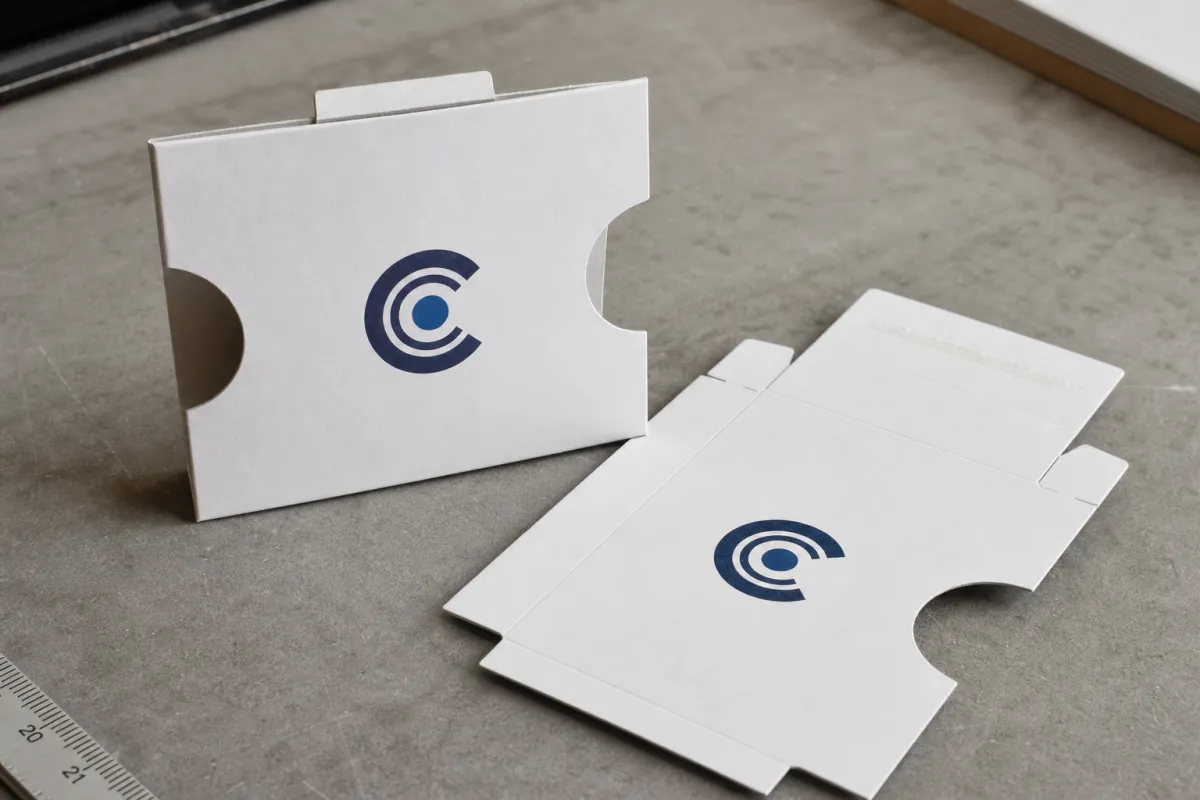
Most event programs do not fall apart because the merch itself is poor. They fall apart when the contents shift inside the carton. A water bottle dents an apparel piece. A charger scuffs the tumbler beside it. A pin set lands crooked and the whole kit looks rushed. In those moments, event merch carton inserts cost is far lower than replacing damaged items or rebuilding cartons after the fact.
That is the part buyers sometimes miss. The insert is not only a divider. It is a small safeguard for the entire packout. If a kit carries two shirts, a notebook, a drinkware piece, and a badge holder, internal movement becomes a real risk very quickly. One insert change can erase a long list of downstream problems.
The hidden math is easy to overlook. A repair order may include the replacement item, new labor, new freight, rush handling, and the cost of missing the event window. If the event starts Friday and a replacement does not land until Thursday, the issue is no longer minor. It becomes a brand problem. In that setting, event merch carton inserts cost looks small.
- Packing labor: loose kits can add 8-20 seconds per carton during hand assembly.
- Returns: damaged items often trigger credits, reshipments, or rework.
- Schedule risk: late cartons can miss registration, staging, or sponsor handoff by 1-3 business days.
- Brand damage: a messy unboxing can make a polished campaign feel cheap.
The cleanest way to evaluate event merch carton inserts cost is to compare it with the value of the merch it protects. If a $1.20 insert avoids a $12 replacement and a $4 labor correction, the quote is not expensive. It is disciplined buying.
"The lowest insert price is rarely the lowest total cost. The right structure reduces damage, speeds packing, and keeps the event schedule intact."
Strong buyers focus on total landed cost, not the single figure on the quote. That means looking at print complexity, assembly time, freight efficiency, and how much room the insert saves inside the outer shipper. event merch carton inserts cost only makes sense when it is tied to the full workflow from packout to delivery.
Event merch carton inserts: product details that matter
Carton inserts are structural pieces placed inside a shipping carton, mailer, or presentation box to hold merch in position. They are different from loose pads, basic dividers, and bulk foam because they are designed around the actual item layout. For event kits, that distinction matters. The insert has to protect the contents, support the unboxing experience, and still keep event merch carton inserts cost within budget.
Common event uses include welcome kits, sponsor packs, VIP gifts, backstage bundles, internal conference packs, and giveaway cartons for booths or registration desks. The same insert can also support mixed SKUs with very different sizes, which is why one buyer may choose paperboard pockets while another opts for corrugated cells or a folded tray with locking tabs.
Material choice changes both performance and cost. Paperboard usually fits lighter kits and a cleaner presentation. Corrugated board adds crush resistance and makes better sense for heavier or more fragile contents. Chipboard can create a tidy, retail-style look for premium mailers. Specialty printed substrates work well when the insert stays visible and the interior matters almost as much as the outer carton.
Typical material options include 250-350 gsm SBS paperboard, 18pt-24pt chipboard, E-flute corrugated for lighter protection, and B-flute or EB-flute for heavier kits. For recycled programs, ask for FSC-certified board, and when recycled content claims matter, request GRS documentation for the recycled fiber chain where applicable. If the kit includes textile wraps, pouches, or soft goods, buyers often ask for GOTS or OEKO-TEX Standard 100 documentation on the textile component. For supplier audits, WRAP and BSCI are common references for social compliance programs.
That is where event merch carton inserts cost starts moving. A simple single-sheet die-cut insert does not price like a multi-pocket structure with deep creases, windows, and branding on both sides. More folds mean more handling. More handling means more setup, more inspection, and more room for variation.
- Die-cut windows: useful for visibility, but they add tooling complexity and raise scrap.
- Locking tabs: reduce glue use and speed assembly, but they require tighter die control.
- Print coverage: full-coverage graphics cost more than a simple one-color logo, especially with flood coats or foil.
- Assembly method: flat-shipped inserts lower freight cost; pre-assembled inserts save labor.
For sustainability-minded programs, board choice matters too. FSC-certified paperboard gives procurement teams a useful reference point when they need a documented sourcing standard. If you want a neutral third-party benchmark, FSC is a clean place to start. That does not automatically lower event merch carton inserts cost, but it can make approvals easier.
Presentation deserves attention as well. If the insert opens on camera, on stage, or in front of VIP guests, the internal layout needs to look deliberate. A good insert keeps objects aligned, gives each item a clear home, and makes the box feel planned. A poor one makes even premium merch look improvised.
There is also a practical detail that people overlook: if the insert is going to be handled by multiple teams, the design needs to be forgiving enough to survive real packing conditions, not just a perfect sample table. A layout that looks tidy in a mockup can fall apart once the line gets busy.
Event merch carton inserts specifications: sizes, calipers, and load limits
Specifying the insert starts with dimensions. Not the outer carton dimensions. The internal carton size, the pocket size for each product, the product height, and the clearance needed for safe packing. If those numbers stay loose, the insert will either waste space or leave too much movement. Both outcomes can push event merch carton inserts cost higher than it needs to be.
Board thickness matters too. Caliper, board strength, and weight capacity tell you whether the structure can survive shipping and handling. A clean-looking insert can still fail if it flexes too much under load. For lightweight promo packs, a thinner paperboard may be enough. For heavier drinkware, tech items, or multi-piece kits, a stronger corrugated design usually makes more sense.
Common calipers and performance ranges include 14pt paperboard at about 0.014 in, 18pt paperboard at about 0.018 in, E-flute at about 1.5 mm, B-flute at about 3 mm, and EB-flute at about 4.5 mm. In practical terms, paperboard inserts often suit loads around 0.5-1.5 kg, E-flute around 1.5-3 kg, and B-flute or EB-flute for roughly 3-8 kg depending on the layout and how the load is distributed.
In practice, a good layout is built around the real item mix, not the outer carton alone. If the product footprints vary by more than a few millimeters, the design should account for the worst-case profile, the label placement, and the hand-packing sequence. That is how you avoid a packout that looks fine on paper but slows production on the floor.
Most suppliers will ask for the inner carton length, width, and height to the nearest millimeter, plus the product dimensions, the heaviest item weight, and whether the packout is hand-packed or machine-assisted. A good tolerance target is usually +/- 1 mm on cut dimensions and +/- 0.5 mm on score positions, with extra room for insert compression if the contents are fragile.
Finishing choices affect both performance and pricing. Coatings can improve scuff resistance. Crease depth affects fold quality. Print side determines whether the branded face is visible when the box opens. Whether the insert is matte, aqueous-coated, or uncoated also changes how it looks after handling and whether the ink rubs off during packout.
For production, common equipment includes CAD dieline plotting, digital proof cutters, flatbed or rotary die-cutting machines, creasing and scoring equipment, folder-gluers, and inline camera inspection for print and registration checks. The process usually starts with a structural sample, then a pre-production sample, then a controlled run with final approval before full release.
Inspection checkpoints should include board grade verification, ink registration, cut accuracy, crease integrity, glue bond strength, insert fit inside the carton, and packout stability under shake or drop testing. If a sample cracks at the score line or bows under load, the structure is not ready for production, even if the print looks perfect.
Event merch carton inserts cost, MOQ, and quote drivers
event merch carton inserts cost is shaped by a few predictable variables: board type, print method, die complexity, number of pockets, assembly time, and whether the insert ships flat or pre-built. The same job can quote very differently depending on whether the insert is a plain kraft divider or a branded, multi-pocket structure with a premium finish.
For basic custom inserts, MOQ often starts at 300-500 units. Printed or multi-part designs commonly move to 1,000-3,000 units, and premium structures with more assembly can sit at 5,000 units+ for the best unit price. If you need a fast pilot run, some suppliers can do a short-run prototype at 25-100 units, but the sample unit cost will be much higher.
Typical quote ranges are often around $0.35-0.90 per unit for simple unprinted inserts at 500 MOQ, $0.60-1.20 per unit for one-color printed inserts, and $1.50-3.50 per unit for complex full-color inserts with multiple folds or special finishing. At higher volumes, the unit price usually drops as tooling, setup, and labor are spread across the run.
- Size: larger inserts use more board and more die area.
- Board grade: premium SBS, recycled chipboard, and corrugated grades price differently.
- Print complexity: one-color logos cost less than full-bleed graphics or foil accents.
- Tooling: custom dies, magnetic cutters, and special creasing raise setup cost.
- Assembly: hand-glued pockets and interlocking cells increase labor time.
- Testing: drop tests, fit checks, and extra approval rounds add lead time and cost.
- Freight format: flat-packed inserts save shipping, while pre-assembled units reduce packout labor.
If the box carries heavy merch, the supplier may also quote based on ECT, burst strength, or a compression target. For example, 32 ECT is common for light cartons, while 44 ECT or equivalent strength may be needed for heavier event kits. That kind of structure costs more, but it is often the safer call when the contents include drinkware, tech, or mixed-value gifts.
One more thing buyers should watch: a low piece price can hide a high total cost if the insert takes too long to fold or if the outer carton has to grow to fit it. A smaller, smarter insert can reduce void fill, lower shipping weight, and improve packout speed. That is often where event merch carton inserts cost becomes a savings tool instead of an expense.
Process, timeline, and lead time from dieline to delivery
The process usually starts with a dieline. The buyer sends carton dimensions, product dimensions, product weights, brand artwork, and any compliance requirements. The supplier turns that into a structural layout, then shares a cutline, scoreline, and fold map for review. That first step is where many delays are prevented, because a bad dieline can throw off the whole run.
A realistic timeline for custom event inserts is often 18-22 business days after sample approval, though simple jobs can move faster and complex printed jobs can take longer. A common workflow is 1 business day for initial layout, 3-5 business days for a structural sample, 1-2 business days for artwork proofing, 5-7 business days for a pre-production sample, and 8-12 business days for mass production once everything is signed off.
Sample steps should be clear and repeatable:
- Step 1: send internal carton dimensions, merch dimensions, and target quantity.
- Step 2: review the dieline and pocket layout before artwork is finalized.
- Step 3: approve the structural sample for fit, fold, and load performance.
- Step 4: check the printed proof for color, logo placement, and registration.
- Step 5: run a pre-production sample with real merch before mass production.
During production, the factory should check first-off samples, cut accuracy, score depth, glue coverage, and print alignment. In-line inspection is especially important on inserts with multiple pockets or tight tolerances. If a tab is too tight or a crease is too shallow, the insert may look fine but fail during packing.
Final inspection should include carton fit, dimensional checks, visual print review, and a packout test using the actual event items. For ship-ready kits, many teams also ask for a simple drop check, a vibration or shake test, and a quick compression check so the insert does not collapse in transit. If the product is fragile, the sign-off should happen with the real merch inside the finished insert, not a paper mockup.
That process takes time, but it protects the budget. A rushed approval can make event merch carton inserts cost look lower up front and much higher later if the run has to be reworked.
Why choose us for event merch carton inserts
For event programs, the best supplier is the one that can balance structure, appearance, and repeatable packout quality. That means offering the right board grades, clear dielines, fast sampling, and inspection discipline that keeps the order consistent from the first carton to the last.
A strong supplier should be able to provide:
- Material options: paperboard, chipboard, E-flute, B-flute, and recycled content choices.
- Compliance paperwork: FSC for paper sources, GRS for recycled content claims, and WRAP or BSCI audit status where requested.
- Sample control: structural sample, printed proof, and pre-production sample before release.
- Quality checks: dimension verification, glue checks, crease checks, and final fit testing with the actual merch.
- Packaging support: flat packing, palletization, and carton count planning to reduce freight waste.
That matters because event merch carton inserts cost is not just a procurement number. It is a quality number, a scheduling number, and a presentation number. A supplier that understands those tradeoffs can save time at the plant, at the warehouse, and at the event.
If the kit includes textile elements, many buyers also ask for OEKO-TEX Standard 100 or GOTS documentation on the relevant soft goods so the entire pack can clear procurement review without a long back-and-forth. If the project is tied to recycled fiber claims, GRS documentation can help support the sustainability story.
Next steps for an accurate event merch carton inserts quote
If you want a quote that is actually usable, send the inner carton size, the merch dimensions, the merch weights, the quantity target, the print method, and the event date. The more exact those numbers are, the more likely the first quote will be close to final pricing instead of a guess.
The fastest way to sharpen event merch carton inserts cost is to provide these details up front:
- Internal carton dimensions: length, width, and height in millimeters or inches.
- Product profile: exact size, weight, and whether any item is fragile or coated.
- Quantity: expected order size plus any re-order forecast.
- Branding: logo files, print colors, and whether the insert will be visible on camera.
- Compliance: FSC, GRS, GOTS, OEKO-TEX Standard 100, WRAP, or BSCI requirements if needed.
- Timeline: sample approval date, ship date, and event date.
If you already have a carton sample, send that too. A physical sample makes it easier to check pocket geometry, fold behavior, and packing sequence. A few millimeters can change whether an insert fits cleanly or forces the team to fight the box during packout.
Good buyers also ask for a breakdown of tooling, sample cost, production cost, and freight. That makes it easier to compare quotes across suppliers and see whether the difference comes from structure, print, or labor. Without that breakdown, event merch carton inserts cost is hard to evaluate honestly.
Once the details are locked, the next step is usually a structural proof, then a printed sample, then a short pilot if the packout is complex. That sequence is slower than guessing, but it is usually cheaper than redoing cartons after the merch is already packed.
FAQs
What is the usual MOQ for event merch carton inserts?
For simple custom inserts, MOQ often starts at 300-500 units. Printed, multi-pocket, or premium structures usually move to 1,000-3,000 units, with the best pricing often at 5,000 units+.
How much do custom event merch carton inserts usually cost?
At 500 MOQ, simple unprinted inserts often cost $0.35-0.90 per unit. One-color printed inserts often fall around $0.60-1.20 per unit. More complex full-color inserts can land around $2.50-4.00 per unit at 500 MOQ.
How long does production take?
Most custom jobs take 18-22 business days after sample approval. Structural samples can take 3-5 business days, and pre-production samples usually add another 5-7 business days.
Which materials are most common?
The most common options are 250-350 gsm paperboard, 18pt-24pt chipboard, E-flute corrugated, and B-flute or EB-flute for heavier kits. FSC-certified board is common when sustainability documentation is required.
What inspection checks should I ask for?
Ask for board grade verification, cut and score accuracy, glue bond checks, print registration, dimensional fit testing, and a packout test with the actual merch. For shipping-safe kits, add a simple drop or shake test.


