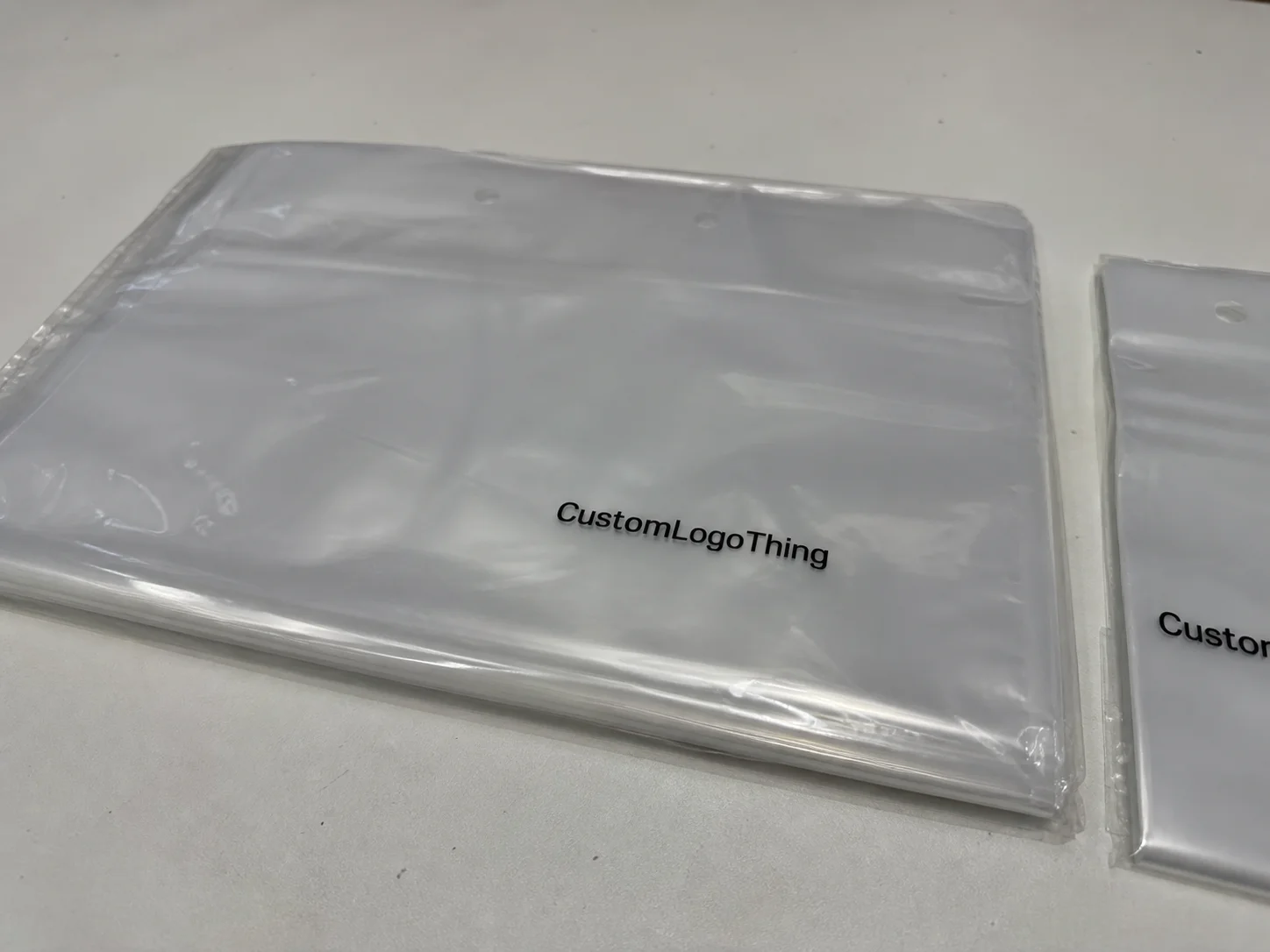
What a Private Label Clear Poly Retail Bags Supplier Actually Provides
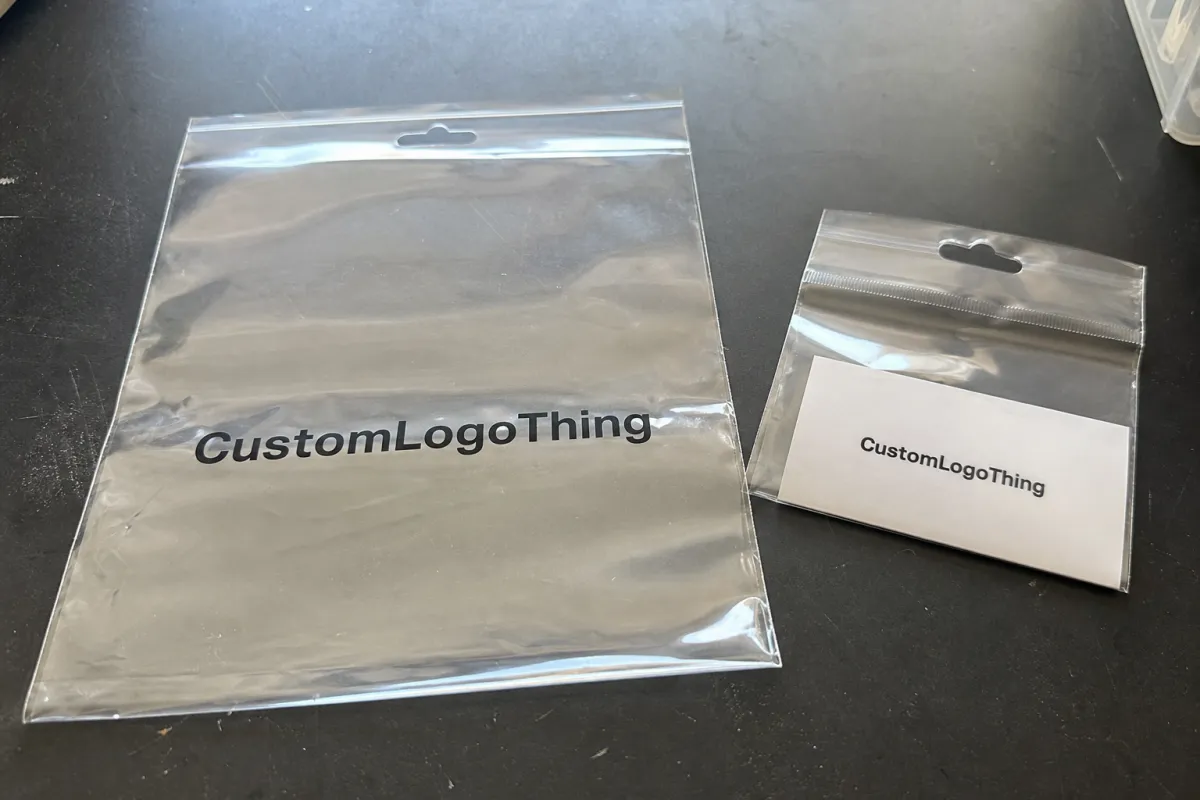
A clear retail bag is often the first physical clue that a product was handled properly. Before the shopper touches the item, reads the hangtag, or scans the label, they see the bag. Wrinkled film, weak seals, cloudy plastic, crooked warning copy. None of that screams premium.
A private label Clear Poly Retail Bags supplier does more than sell transparent plastic. The right supplier helps define how merchandise is protected, displayed, barcoded, packed, counted, and shipped through retail, wholesale, or fulfillment channels. That sounds like a lot for a bag. It is.
Private label Clear Poly Retail Bags are transparent or semi-transparent plastic bags made around a retailer’s specific requirements. That may include custom sizing, printed logos, suffocation warnings, hang holes, resealable adhesive flaps, zipper closures, vent holes, side gussets, bottom gussets, SKU labels, carton counts, or packing instructions for the team filling orders. Tiny details create real consequences. A half-inch of clearance can speed up packing. A logo placed too close to a seal can land on a fold and look like nobody checked the proof.
Stock clear bags still have their place. If you need 500 bags for a short product test, a photo sample run, or a rush promotion, off-the-shelf LDPE or OPP bags may be the sensible answer. Private label production makes more sense once product dimensions, shelf presentation, compliance language, and brand standards are stable enough to justify a dedicated run.
You will hear a few material names during quoting. LDPE is soft, flexible, and forgiving. HDPE feels crisper and can be economical, though it is not usually the premium-looking choice for retail display. CPP and OPP offer higher clarity for shelf presentation, especially where color, fabric texture, folded apparel, or printed inserts need to show cleanly. Recycled-content poly can work too, but clarity, strength, availability, and claim language need to be checked instead of assumed.
The bag is a small component. That is exactly why it gets ignored until it becomes a problem.
How Clear Poly Retail Bags Are Built for Display, Protection, and Packing
A good clear bag starts with film selection. Resin type, clarity, stiffness, gauge, coefficient of friction, seal behavior, and anti-static performance all affect how the finished bag feels in hand and behaves on a packing table. A very slick film may look bright, then slide around during fulfillment. A softer film may handle better, but show more wrinkles under harsh retail lighting.
Bag format comes next. Flat open-top bags are simple and low-cost, often used for literature, inserts, spare parts, and lightweight accessories. Lip-and-tape bags work well for apparel and e-commerce because the closure is quick, familiar, and reasonably tidy. Header bags support peg display, usually with a reinforced top area and a round or sombrero hang hole.
Wicketed bags are stacked on wires so packers can open one bag at a time at higher speed. Bottom-gusset and side-gusset bags help products with depth sit more naturally. Zip-top bags make sense when the customer may reopen the package repeatedly, though they add cost and bulk.
Thickness is usually described in mils in North America, where 1 mil equals 0.001 inch. Lightweight apparel or paper goods may use 1.2 to 1.5 mil LDPE or a clear OPP structure. Heavier accessories, multipacks, and products with sharper edges may need 2.0 to 3.0 mil material. Hardware can demand more. Parcel-shipped products often need extra strength because vibration and rubbing inside a carton create stress that a shelf-only package may never experience.
Printing is a production choice, not just a design choice. One-color flexographic printing is common for logos, recycling marks, and suffocation warnings. Multi-color flexo can improve branding, but registration tolerance, ink coverage, and plate costs need attention. Ink adhesion matters on slick plastic films. A logo that rubs off in handling is worse than no logo at all. At least no logo fails quietly.
- Hang holes: useful for peg display, usually round or sombrero style.
- Vent holes: help trapped air escape during packing or carton compression.
- Tear notches: guide opening and reduce customer frustration.
- Adhesive strips: support resealable or tamper-evident closure depending on placement.
- Suffocation warnings: commonly required by marketplaces or retailers when bag openings exceed specified sizes.
The best bag spec starts with the product and the packing method, not with a random film gauge copied from somebody else’s package.
Key Specs to Confirm Before Ordering Custom Clear Retail Bags
Start with size. Measure the product as it will actually be packed, not as it appears on a spec sheet. Folded apparel, boxed cosmetics, flat literature, and bundled accessories all behave differently inside clear film. Record width, length, depth, thickness, and the largest point across the product.
Then add clearance. A tight bag might look efficient in a spreadsheet, but it can slow a packing line by several seconds per piece. Across 5,000 or 25,000 units, that becomes real labor cost. The cheapest bag can become expensive very quickly. Funny how that works.
Ask whether quoted dimensions are outside dimensions or usable interior dimensions. Resealable flaps, bottom seals, headers, and zipper tracks reduce available space. A 6 x 9 inch lip-and-tape bag may not hold a product that is truly 6 x 9 inches once the flap and seal area are counted.
Film clarity and feel deserve a direct conversation. High-clarity OPP or CPP can make printed inserts, textiles, and color-rich products look sharper on a shelf. Softer LDPE is often better for flexible handling, puncture resistance, and quieter movement during packing. Neither answer is automatically right. A capable private label clear poly retail bags supplier should ask how the product sells, ships, and gets packed before recommending film.
Gauge is a balance between cost, strength, appearance, and product weight. Too thin, and the bag can look cloudy, wrinkle easily, split at the seal, or feel cheap. Too thick, and you may pay for resin you do not need while making the package stiffer than the product requires. For many lightweight retail items, 1.5 to 2.0 mil is a common discussion range. For heavier goods, sharper corners, or parcel handling, 2.5 to 4.0 mil may be more realistic.
Artwork needs the same discipline. Keep logos away from seals, gussets, zipper tracks, and fold lines. Use ink colors that stay visible on clear film, especially if the product behind the print changes color by SKU. Leave clean zones for barcode labels and retail price stickers. If scanners will read through the bag, test real labels with real scanners before approving a large run.
Compliance details are not decoration. Suffocation warning size, country-of-origin labeling, recycling marks, SKU stickers, and retailer-specific placement rules can affect the final layout. For broader sustainability and recovery guidance, the U.S. Environmental Protection Agency recycling resources are useful, though local rules and retailer requirements still need to be verified.
Cost, MOQ, and Quote Drivers for Clear Poly Bag Programs
Pricing depends on material type, bag size, gauge, print colors, closure style, order quantity, tooling or plate requirements, carton packing, and freight. A lower number on a quote sheet may mean thinner film, lower clarity, a different closure, fewer bags per carton, or a longer lead time. Compare the same spec. Otherwise, the comparison is theater.
MOQ exists because custom poly bag production has setup time. Film may need to be sourced or extruded. Printing plates need to be mounted. Ink needs to be prepared. Presses need to be set. Converting equipment needs to cut, seal, punch, fold, or apply closures. Those costs must be spread across enough bags to make the job practical.
For a basic one-color Custom Printed Poly bag, buyers may see minimums around 5,000 to 10,000 pieces. More complex sizes, specialty films, gussets, zipper closures, wicketing, or multi-color printing can push that higher. Some suppliers can handle lower quantities by using stock sizes and applying labels instead of printing directly on film. That can be a smart bridge for early demand testing.
| Bag Program Type | Typical Use | Common Quantity Range | Approximate Unit Range |
|---|---|---|---|
| Stock clear bag with label | Short test run or urgent launch | 500-2,500 pieces | $0.04-$0.14, before label cost |
| One-color printed LDPE bag | Apparel, accessories, basic retail packing | 5,000-25,000 pieces | $0.08-$0.22, depending on size and gauge |
| High-clarity OPP or CPP bag | Premium shelf presentation | 10,000-50,000 pieces | $0.10-$0.28, depending on closure and print |
| Gusseted or zipper construction | Bulkier goods or reusable packaging | 10,000+ pieces | $0.18-$0.45+, depending on complexity |
These ranges are planning numbers, not a promise. Resin markets, freight, print coverage, carton pack, and available production capacity can move pricing. Ask for quantity breaks at launch quantity, reorder quantity, and annual volume. Unit cost usually drops as quantity rises, but over-ordering can backfire if your branding, legal copy, SKU mix, or product dimensions may change soon.
Print-related costs are easy to miss. One-color printing is usually the cleanest route for a logo and warning text. Multi-color printing adds plate costs and tighter press control. Heavy ink coverage may need more drying control and can raise the risk of blocking, where printed film surfaces stick together. If you already have approved plates or vector artwork, say so early.
Functional features also change the quote: resealable tape, zipper closures, hang holes, gussets, venting, wicketing, and special carton packing instructions all add time or material. For larger programs, request landed or delivered pricing. Freight can shift the real per-bag cost, especially if cartons are bulky and the bag count per carton is low.
Process and Timeline from Bag Concept to Finished Cartons
The production path is usually manageable when the inputs are clean. It begins with spec discovery: product size, weight, sales channel, display method, closure preference, print needs, and expected usage. Then the supplier recommends a bag style, reviews artwork, quotes the job, confirms a sample or proof, sets up film and print, converts the bags, performs quality checks, packs cartons, and ships.
Timelines depend on complexity. A stock-size clear bag with one-color custom print may move faster than a fully custom gusseted zipper bag with a hang hole and special carton pack. As a practical planning range, many custom printed clear poly bag jobs run about 12-20 business days after proof approval. Special film, sampling, imported components, holidays, or production backlogs can stretch that schedule.
If a launch date is fixed, share it before the spec is finalized. Not after art approval. Not after the buyer has promised a delivery date to retail. Before.
Artwork proofing is more than a logo preview. The proof should show print placement, warning copy, color reference, barcode zones, fold lines if relevant, and closure position. Vector files such as AI, EPS, or production-ready PDF files give cleaner edges than low-resolution PNG or JPG artwork. For brand consistency across packaging, coordinate bag graphics with Custom Labels & Tags, especially if the same SKU label will be applied to the bag.
A physical sample can confirm size, fit, closure, clarity, opening behavior, and general handling. It cannot always prove the exact final print result unless it is a production sample made on the same film and press setup. Slight variation in ink density, film surface, and registration can occur in normal production. That is not automatically a defect, but acceptable tolerance should be discussed before approval.
Quality checks should cover the basics: dimensions, gauge, print placement, ink adhesion, seal strength, closure function, hang-hole position, carton count, and visible film defects. For retail programs, also check barcode scan performance after labels are applied. Nobody wants to discover a scanner issue after the goods are packed in master cartons.
The common timeline risks are predictable: late artwork, unclear dimensions, copy changes after proof approval, missing suffocation warning language, and samples that reveal the bag needs extra clearance or a stronger gauge. Clean inputs save more time than panic later. Every time.
Common Buying Mistakes That Create Weak Bags or Slow Launches
Copying a competitor’s bag is one of the fastest ways to create a poor fit. Their product may be lighter, flatter, softer, or packed by a different method. Your item may have sharper corners, a thicker folded profile, a hangtag, or a barcode label that changes the required dimensions. Measure your own product. Pack your own product. Then decide.
The thinnest film is not always the cheapest operational choice. If bags tear during fulfillment, split at the seal, or arrive wrinkled and cloudy, the savings disappear into repacking labor, damaged presentation, and customer complaints. A move from 1.25 mil to 2.0 mil may raise unit cost by a few cents, but if it prevents failures on a $40 retail item, the math is not complicated.
Clear film is not visually neutral. Fingerprints, wrinkles, haze, static, and scuffing can show under retail lighting. Apparel, paper goods, textiles, and lightweight accessories can cling to thin film, slowing packers who have to fight the opening. Anti-static treatment, better carton packing, a different film, or a slightly larger opening can help.
Artwork mistakes show up constantly. Logos placed across gussets distort. Low-contrast colors disappear over dark products. Required warning copy gets squeezed into unreadable type. Raster artwork prints with soft edges. A professional private label clear poly retail bags supplier should flag these problems before production, but the buyer still needs to review proofs with the actual product behind the bag whenever possible.
Packing workflow often gets ignored until the first cartons arrive. A beautiful bag that is hard to open, too tight to load, or packed in cartons that do not match the line setup can add seconds to every unit. Across 10,000 units, even three extra seconds per pack equals more than eight labor hours. Test the bag with the people who will actually pack orders, not only with the marketing team.
Also verify exact gauge, material, bag count per carton, carton dimensions, closure type, and freight terms before approving a price. For products that must survive parcel distribution, consider basic transit testing concepts from ISTA, especially if the clear bag is part of a larger protective pack with cartons, mailers, or inserts.
Expert Tips for Better Clarity, Stronger Seals, and Cleaner Branding
Match the film to the selling environment. Premium retail display often benefits from crisp, high-clarity OPP or CPP. Flexible handling and better puncture forgiveness often point toward LDPE. Parcel shipping, repeated handling, or sharp product edges may require a heavier gauge or a different construction entirely. If the item ships direct to consumer, compare the inner clear bag with outer options such as Custom Poly Mailers so the full pack works together.
Seal quality matters as much as film thickness. A 3.0 mil bag with a weak or inconsistent seal can fail faster than a 2.0 mil bag with clean sealing and the right dwell time. Look for consistent edge seals, no burned areas, no skipped sections, and a closure that suits the product weight. For zipper bags, test repeated opening and closing. For lip-and-tape bags, test whether the adhesive grabs cleanly without wrinkling the film.
Run mock packing tests before the full order. Confirm opening size, closure location, venting, label placement, and whether the product traps air or catches on seams. If the bag balloons when packed into cartons, small vent holes may help. If the product has depth, a gusset may look better and pack more naturally than a flat bag forced around a bulky item.
Keep branding intentional. Clear bags usually work best when the product remains visible, the logo has breathing room, the warning copy is readable, and the retail label has a predictable location. Too much print defeats the purpose of clear packaging. If you need a broader branded system, review related Custom Packaging Products so bags, labels, inserts, and mailers do not feel like separate decisions made by five different committees.
Standardize where you can. Related SKUs may share two or three bag sizes instead of eight, which can improve purchasing efficiency and reduce warehouse confusion. Keep a living packaging spec sheet with film type, gauge, dimensions, print colors, closure details, carton pack, approved artwork file, supplier item number, and reorder history. That one document prevents many expensive reorders from being based on memory, optimism, and a blurry photo from last year.
Next Steps: Build a Clear Bag Spec Before You Contact Suppliers
Before requesting quotes, gather the basics in one place. A supplier can work much faster from a clear brief than from scattered emails and rough guesses. The goal is not to know every converting detail yourself. The goal is to provide enough real information for the supplier to recommend a bag that protects the product, looks right, and packs efficiently.
- Product dimensions, measured in packed form: width, length, depth, and thickness.
- Product weight and any sharp edges, corners, hangtags, inserts, or labels.
- Number of SKUs and whether shared bag sizes are acceptable.
- Preferred style: flat, lip-and-tape, header, wicketed, gusseted, zip-top, or open-top.
- Print needs: logo, ink colors, suffocation warning, recycling mark, barcode zone, and legal copy.
- Artwork files, ideally vector AI, EPS, or production-ready PDF.
- Annual usage estimate, launch quantity, reorder quantity, and requested delivery date.
- Ship-to destination and any carton packing requirements for fulfillment.
Choose two or three target bag sizes if the product varies slightly or needs room for inserts, folded presentation, or labels. Ask for quote comparisons at several quantities, such as 5,000, 10,000, and 25,000 pieces. That gives you a clearer view of MOQ, plate cost, and unit-cost movement without locking you into a quantity that may not fit the launch.
Good questions sound practical: What film do you recommend and why? What gauge protects this product without wasting material? What is the current lead time after proof approval? Are samples or digital proofs included? How are cartons packed? What change would lower cost without hurting performance?
A capable private label clear poly retail bags supplier should answer in plain language, not hide behind resin jargon. Bring a real product, a real timeline, and a clear performance target. From there, the supplier can convert those details into a bag that looks sharp, packs efficiently, protects the merchandise, and carries your brand cleanly through every handoff.
FAQ
What should I ask a private label clear poly retail bags supplier before ordering?
Ask which film type and gauge fit your product, what MOQ applies, what print method will be used, whether proofing or samples are available, what the lead time is, how bags are packed in cartons, and whether suffocation warnings or retail display features are needed. Also ask whether the quoted dimensions are usable interior dimensions or outside dimensions.
How do I choose the right thickness for custom clear poly retail bags?
Base thickness on product weight, edge sharpness, handling conditions, shelf appearance, and shipping method. Light apparel may use a thinner flexible film, while hardware, multipacks, or parcel-shipped goods usually need a stronger gauge. A practical supplier can test fit and strength instead of guessing from a catalog number.
Are clear poly retail bags usually printed before or after they are made?
Most Custom Printed Poly bags are printed on film before or during converting, then cut, sealed, folded, punched, or fitted with closures depending on the bag style. This keeps print placement consistent and avoids trying to decorate a finished bag with awkward folds or seal areas.
What affects MOQ for private label plastic retail bags?
MOQ is affected by film availability, bag size, print colors, press setup, closure type, converting requirements, and whether the job uses a standard construction or a special custom specification. Plate costs and setup time must be spread across enough bags to make production practical.
How long does it take to produce custom clear poly retail bags?
Lead time depends on artwork readiness, sampling needs, film type, print complexity, production capacity, and shipping distance. Many straightforward custom printed clear poly bag jobs run about 12-20 business days after proof approval, but specialty materials, late changes, or heavy production schedules can extend that timeline.