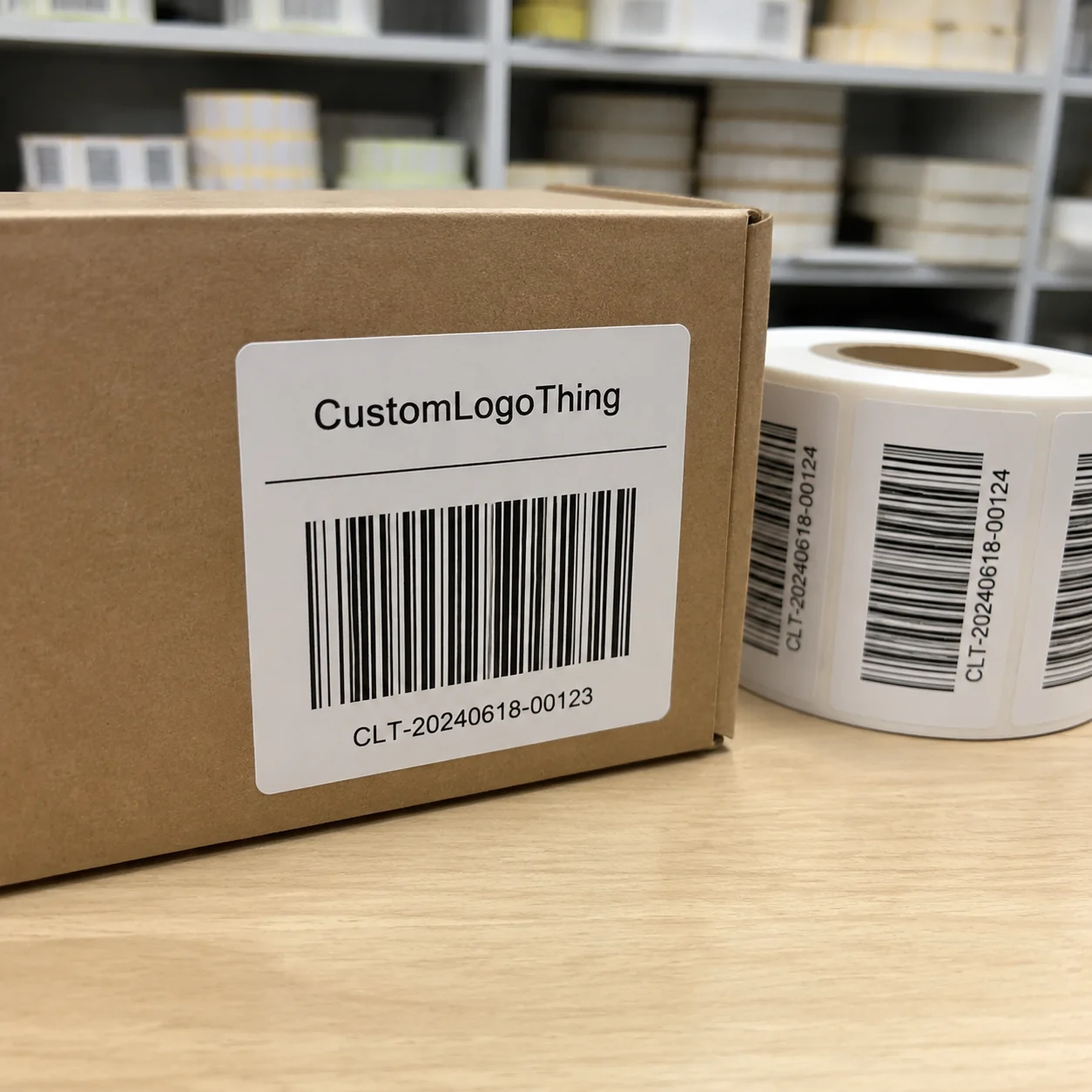
A cap order looks easy until the quote starts collecting extras: embroidery digitizing, woven labels, hang tags, barcode stickers, carton marks, revised proofs. Suddenly the “simple hat” has a production schedule and a minimum order quantity problem.
That is why private label caps Lead Time and MOQ should be checked before anyone gets attached to a silhouette. The cap body is often the least dramatic part. Decoration, labeling, packing, and approval timing usually decide whether an order is realistic.
A 500-piece ecommerce test drop is not the same animal as a 5,000-piece retail program. The first needs flexibility and cash control. The second needs repeatable finishing, cleaner documentation, stronger inspection, and a unit cost that still works after freight, fulfillment, markdown risk, and retail markup. Pretending those orders should quote the same way is how buyers end up annoyed. Fairly predictable, but still annoying.
Private Label Caps Lead Time and MOQ: What Buyers Miss First
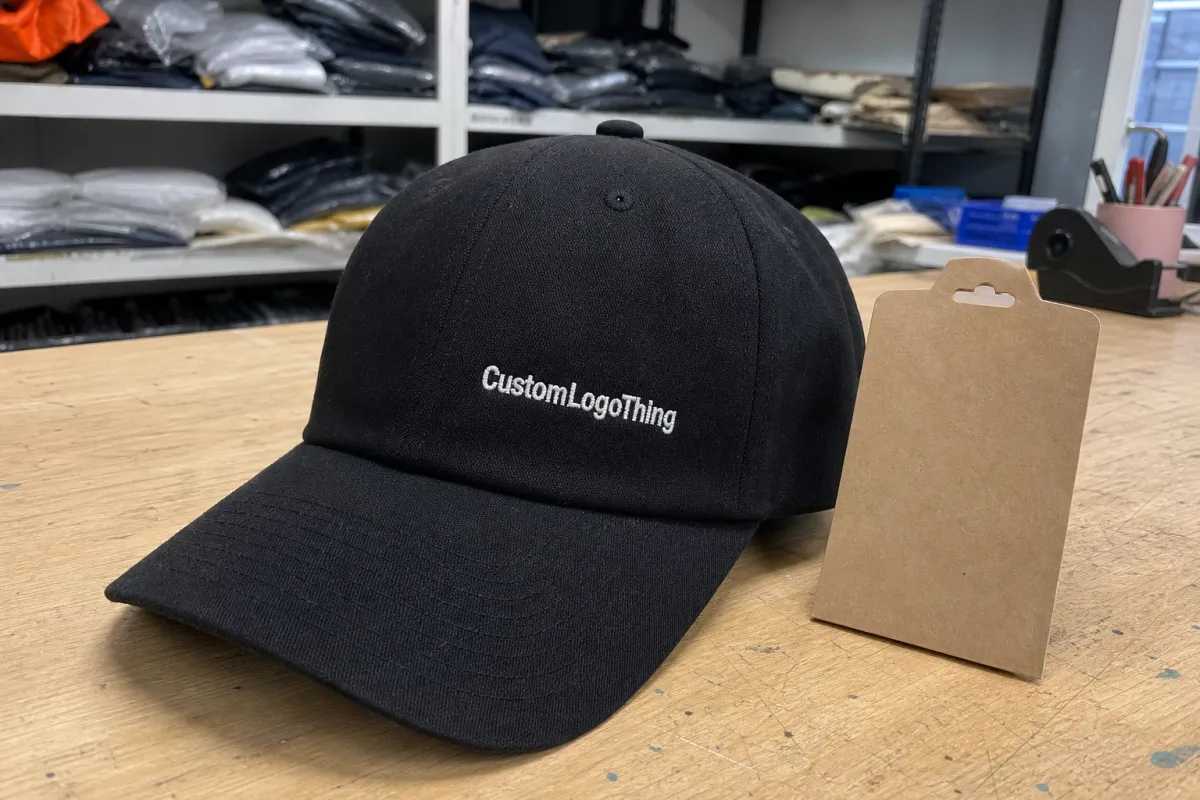
Most buyers start with the visible product. Dad cap or trucker. Flat brim or curved brim. Washed cotton or performance polyester. That part matters, because customers judge the cap in about three seconds.
Production does not bend around taste, though. It bends around the details that need setup and approval: stitch files, thread colors, patch tooling, label placement, hang tags, polybags, carton labels, and inspection standards. Add a front embroidery, back woven label, custom hang tag, and individual barcode sticker, and the lead time changes even if the blank cap is sitting on a shelf.
Here is the practical split. A 500-unit ecommerce test using stock black dad caps, one front embroidery, and standard polybags may stay at a lower MOQ with a shorter route through production. A 5,000-unit retail run with three cap colors, two logo placements, inside labels, retail cartons, and carton labels needs more approvals. It may earn better bulk pricing, but it also has more places for delays to hide.
Buyer rule: speed, minimums, and margin fight each other. If one is fixed, the other two need room.
Lead Time and MOQ often move together, but not always. A supplier may accept a lower minimum for stock colors because setup risk is small. That same supplier may raise the MOQ for custom dyed fabric, special buckles, private patches, or multiple embroidery placements because every added process increases handling time and defect risk.
Before requesting a quote, define the commercial job. Is this a paid retail product, staff uniform, launch gift, festival giveaway, or seasonal bundle? That answer sets the standard for decoration quality, packaging, acceptable unit cost, and how much risk the schedule can carry.
Choose the Right Cap Construction for Your Sales Channel
Cap construction is not just styling. It signals price point, affects comfort, and determines how stable the logo area will be during embroidery, patch application, or heat transfer.
Dad caps are usually low-profile, unstructured, and adjustable. They work well for lifestyle brands, ecommerce bundles, and merch drops where a relaxed fit feels intentional. Cotton twill in the 180-260gsm range is common. Washed finishes add softness, but color and texture can vary between batches.
Structured six-panel caps give a cleaner front panel for embroidery and retail display. They suit corporate programs, premium promotions, and brands that want a sharper crown. The catch is fit sensitivity. Crown height, buckram stiffness, and brim curve can make one sample feel completely different from another.
Trucker caps use foam, cotton, polyester, or blended fronts with mesh backs. They can be cost efficient for events and outdoor campaigns, especially at 500 pieces and above. Dense embroidery on foam fronts can look rough if the settings are wrong, so patches are often safer.
Beanies shift the spec from brim shape to knit gauge, cuff height, stretch, and label placement. Stock colors can keep minimums friendly. Custom jacquard knit designs usually push MOQ and sampling time higher because the whole knit structure changes, not just the branding.
Sport caps use lighter polyester, perforated panels, moisture-wicking fabric, or reflective details. They fit run clubs, fitness brands, and outdoor events. Ask early whether the fabric can take heat transfer, and whether embroidery will pucker the panel. Technical fabric is great until someone burns it with the wrong press setting.
| Cap type | Best channel fit | Typical decoration | Buyer watchout |
|---|---|---|---|
| Dad cap | Ecommerce, lifestyle merch, small retail drops | Front embroidery or woven label | Washed finishes can vary by batch |
| Structured six-panel | Retail, corporate, premium promo | Raised embroidery or patch | Crown height affects logo position |
| Trucker cap | Events, outdoor brands, seasonal campaigns | Patch, screen print, embroidery | Foam fronts need controlled heat and pressure |
| Beanie | Winter merch, staff wear, gift sets | Fold label, patch, embroidery | Knit stretch changes logo appearance |
| Sport cap | Fitness, clubs, performance bundles | Heat transfer or light embroidery | Technical fabrics need decoration testing |
From a buyer’s point of view, simpler builds create better reorder flexibility. A stock dad cap with one logo has fewer moving parts than a custom panel cap with special fabric, dyed eyelets, and private woven labels. Simple does not mean cheap. It means fewer production variables.
Material, Fit, and Decoration Specs That Change the Order Profile
Material decisions should be locked early. Cotton twill is familiar, easy to decorate, and easy to sell. Polyester blends hold shape well and dry faster. Mesh backs reduce weight and can lower cost on trucker caps. Washed finishes create that broken-in look buyers love, although color tolerance may be wider than expected.
Performance fabrics add another layer of risk. A lightweight polyester cap may need a different decoration method than a 100% cotton twill cap. Heat transfers can look sharp on smooth technical panels, but the factory should confirm temperature, dwell time, and pressure. Guessing is not a process.
Fit details matter just as much. Structured versus unstructured changes the stability of the front panel. Low-profile versus mid-profile changes how the cap sits on the head and how much vertical space the logo has. Adjustable closures are usually easier for broad sizing: metal buckle, hook-and-loop, plastic snap, or fabric strap. Fitted caps require size planning, which can raise MOQ because the order splits across sizes.
Decoration is where many quotes stop being comparable. Flat embroidery is common and reliable. Raised embroidery costs more because foam technique, stitch density, and machine time increase. Woven labels handle small text better than embroidery, especially below 5mm letter height. Patches can lift perceived value, but they add tooling, application labor, and sometimes another sample round.
- Embroidery: strong retail look, common setup charges, best with clean artwork and limited fine text.
- Woven labels: good for small details, often used on side panels, back straps, cuffs, or seams.
- Patches: premium feel, useful for truckers and structured caps, but mold or die costs may apply.
- Screen printing: low-profile finish, good for simple graphics, less reliable on textured fabrics.
- Heat transfer: crisp on technical fabrics, but fabric compatibility must be tested.
Color matching is another quiet schedule risk. Thread books, Pantone references, dyed fabric, printed labels, and carton print rarely match perfectly under every light source. A realistic tolerance should be agreed before production. If a buyer wants a near-exact brand red across fabric, thread, label, and packaging, the quote should reflect the extra checking.
The order profile is easiest to control with a disciplined spec sheet: one cap body, one or two colorways, one main decoration method, and packaging that matches the sales channel. Copying a national retail packaging program for a 300-piece test drop is usually overkill. Expensive overkill, naturally.
Cost, Pricing, and MOQ Breakpoints for Private Label Caps
A useful cap quote is layered. Base cap cost is only the first line. Decoration setup, digitizing, patches, woven labels, hang tags, polybags, barcode stickers, carton labels, inspection, and freight can all change the final cost per piece.
For a small decorated stock-cap order, buyers may see rough ranges from $5.50-$11.00 per unit depending on cap type, decoration, and packaging. At 1,000 pieces, a simpler cap program may fall around $3.80-$7.50 per unit. At 5,000 pieces, stronger bulk pricing is possible, but custom labels, retail cartons, and multi-location decoration can still keep the landed cost higher than the buyer expected.
Factories price risk. Stock colors, standard closures, and one-decoration layouts reduce changeovers. Custom panel colors, private molds for patches, special trims, and multiple SKU splits add handling. MOQ rises because the production line needs enough volume to justify setup and absorb waste.
| Order quantity | Typical use case | Likely pricing behavior | Common constraint |
|---|---|---|---|
| 50-100 pieces | Samples, VIP gifts, internal proofing | High unit cost; setup charges spread thin | Stock styles and limited decoration only |
| 250 pieces | Small merch drop or local event | Some cost relief, but packaging upgrades still hurt | Supplier may restrict colors or placements |
| 500 pieces | Ecommerce test drop or promo campaign | Better cost per piece; more decoration options | Artwork approval speed becomes critical |
| 1,000 pieces | Retail launch or multi-location promo | Meaningful bulk pricing on caps and labels | SKU splits can dilute savings |
| 5,000 pieces | Retail replenishment or national program | Best unit cost potential | Inspection, cartons, and freight planning matter more |
Quote comparison takes discipline. Ask whether digitizing is included. Ask whether patch tooling is a one-time charge or repeated on reorders. Ask if individual polybags, size stickers, hang tags, or barcode labels are per-unit costs. A $3.20 headline price can lose to a $3.55 quote if the first supplier charges separately for repacking, carton marks, and proof revisions.
SKU splits deserve special attention. A 1,000-piece order sounds healthy until it becomes five colors at 200 pieces each, with two logo versions and different barcode labels. The total quantity may be 1,000, but production sees smaller batches, extra handling, and more checking points.
For buyers adding private labels or hang tags, Custom Labels & Tags can help align the cap program with the packaging spec instead of treating labels as a late accessory. A label approved late can hold finished caps on the packing table. Nobody enjoys paying for completed goods that cannot ship.
Lead Time, Sampling, and Production Steps That Set the Schedule
A realistic schedule starts with the brief. Style, quantity, colors, logo files, decoration method, packaging, ship-to location, and deadline should arrive together. Missing one of those details can turn a same-day quote into a three-message guessing exercise.
The usual path is simple on paper: inquiry, artwork review, quote, proof, sample approval, production, inspection, dispatch. The friction lives between those steps. Digitizing can take 1-3 business days. A physical sample may take 5-10 business days for a stock cap with standard embroidery, and longer for patches, custom labels, special fabrics, or retail packaging.
Full production on decorated stock caps often lands around 12-20 business days after proof or sample approval. More complex private label programs can run 25-45 business days, especially when packaging components are produced separately. Freight adds its own clock. Express air may take days. Consolidated freight can take weeks, depending on destination, season, customs documentation, and carton volume.
Separate sample approval from production planning. A fast stock sample can prove fit and logo scale, but it may not prove final packaging or exact fabric. A preproduction sample should match the final cap, final decoration, and final packaging as closely as possible. It costs more time, but it catches expensive errors before hundreds or thousands of pieces are finished.
- Send vector artwork, preferably AI, EPS, or clean PDF.
- Confirm the cap style, fabric, crown profile, and closure.
- Approve thread colors, label art, and placement measurements.
- Review the proof or sample without changing the commercial brief.
- Freeze packaging before production starts, not after caps are decorated.
Private label caps Lead Time and MOQ get harder to defend when artwork changes after sampling. One late logo resize can require new digitizing. A new label position can trigger a fresh approval photo. A switch from standard polybags to barcode-labeled retail packs can add packing labor and delay dispatch.
The blunt rule: the more custom the decoration and packaging, the earlier approvals should happen. Fast orders are not magic. They are usually simple orders with fast decisions.
Quality Checks, Packaging, and Compliance Details Buyers Should Lock In
Quality control for caps is visual, tactile, and measurable. A buyer should define acceptable quality before production, not after cartons arrive. Stitch consistency, thread trimming, seam alignment, logo centering, brim shape, crown symmetry, and closure strength all need a standard.
Logo placement should be measured. For example, a front embroidery might be approved at 55mm wide and centered 45mm above the brim seam, depending on cap shape. A side label may need a 3mm tolerance from a panel seam. If nobody defines the tolerance, the argument starts after production, which is the most expensive time to argue.
Decoration checks should include more than “does the logo look right?” Embroidery needs clean edges, no skipped stitches, controlled backing, and no obvious puckering. Patches should sit flat with consistent stitching or adhesive coverage. Heat transfers should be checked for edge lift, scorch marks, and stretch cracking where relevant. Woven labels need legible text and clean folds.
Packaging details deserve the same treatment. Standard bulk packing may be fine for events. Ecommerce orders may need individual polybags, SKU labels, or inserts. Retail programs may require hang tags, barcode stickers, carton labels, and master carton counts such as 50 or 100 pieces per carton. Each addition affects labor, inspection time, and sometimes carton dimensions.
For broader packaging discipline, buyers can reference organizations such as ISTA for transport testing principles and FSC when paper-based tags, inserts, or cartons need responsible sourcing claims. Not every cap order needs formal testing or certified paper. Retail chains, however, may ask for carton strength, labeling, or material documentation.
Compliance is market-specific. Fiber content tags, country-of-origin marks, care labels, warning labels for certain trims, and carton labeling rules should be checked before ordering. Destination and sales channel matter, so the supplier should not be expected to guess.
A one-page inspection standard can reduce rework, claims, and inbound receiving delays. Photos help. Measurements help more.
How to Compare Suppliers on Capability, Not Just Price
The lowest quote is not always the cheapest order. A missed delivery window can cost more than a $0.20 unit saving, especially if the caps support a launch date, event, influencer shipment, or retail floor set.
Compare suppliers on repeatability. Can they reproduce the same cap shape on reorder? Can they hold embroidery placement across 1,000 pieces? Do they document thread colors, cap codes, label art, carton counts, and packing method? A supplier that records those details can make the second order faster and cleaner.
Communication quality is a production signal. Clear proofs, realistic scheduling, transparent surcharge lists, and consistent photo updates show control. Vague promises do the opposite. If a supplier says “no problem” to a complex multi-SKU order without asking about artwork, packaging, or delivery address, slow down.
In-house decoration can matter because it reduces handoffs between the cap source, embroiderer, label maker, and packing team. Private label packaging support matters too, because custom tags, stickers, and cartons often cause delays after the caps are already finished. Export experience matters if the order ships across borders and needs clean commercial invoices, carton marks, or harmonized product descriptions.
Ask for recent examples in the same category. A beanie label sample does not prove raised embroidery on a structured cap. A flat embroidery sample does not prove patch application on foam truckers. The closer the example is to your own spec, the more useful it is.
Buyers with detailed questions can also review the Custom Logo Things FAQ before quoting, especially for file formats, order steps, and decoration limits. Better questions usually produce better quotes. Funny how that works.
Final Pre-Order Checklist for Faster Approval and Fewer Revisions
The fastest quote is usually the one with the fewest missing facts. Before asking for final pricing, confirm style, material, crown profile, closure, decoration method, logo size, artwork format, color references, packaging, quantity, destination, and deadline.
Build a one-page approval sheet. It does not need to be complicated. Include the cap photo, fabric, color, decoration file, placement measurement, label art, packing method, carton count, and ship-to details. That page becomes the commercial memory of the order.
- Style: dad cap, structured cap, trucker, beanie, or sport cap.
- Material: cotton twill, polyester, mesh, knit, or performance fabric.
- Decoration: embroidery, patch, woven label, print, or heat transfer.
- Branding: logo file, thread colors, Pantone references, label text, and placement.
- Packaging: bulk pack, polybag, barcode sticker, hang tag, insert, or retail carton.
- Commercials: target MOQ, budget ceiling, delivery deadline, and shipping address.
If private label caps lead time and moq are tight, simplify the build before trying to force a complex spec through production. Reduce the number of cap colors. Keep one logo placement. Use stock fabric. Choose standard packaging. Protect the launch first, then add complexity on the reorder once demand is proven.
This is where many orders go sideways: buyers treat MOQ as a wall and lead time as a promise. Both are usually the result of the spec. A clean 500-piece order can move faster than a messy 2,000-piece order with late artwork, split colors, and uncertain packaging.
To get a usable quote from Custom Logo Things, send artwork, target quantity, preferred cap style, decoration method, packaging needs, delivery deadline, and ship-to location. If minimum order quantity or speed is the deciding factor, say that upfront. The recommendation should be built around the real constraint, not around a spec that looks great on paper and then limps through production.
FAQ
What affects private label cap lead time and MOQ the most?
Decoration complexity is usually the biggest driver. Embroidery, patches, woven labels, and heat transfers all add setup, proofing, and approval time. MOQ rises when the order needs custom colors, multiple SKUs, or special packaging instead of stock components. The fastest orders usually use one cap style, one decoration method, and simple retail or bulk packaging.
Can I lower the MOQ without stretching lead time?
Yes, if the spec gets simpler. Choose stock colors, a standard closure, one logo placement, and the same cap body across the full order. That reduces setup changes and keeps production cleaner. Fast artwork approval also matters, because late revisions are one of the most common reasons schedules slip.
How is private label cap pricing usually built?
Pricing usually includes the base cap cost, decoration setup, digitizing or tooling fees, packaging, and shipping or freight. Unit cost drops as quantity rises, but custom labels, patches, barcode stickers, and retail packs can offset part of that saving. Always ask which charges are one-time setup charges and which are recurring per-unit costs.
What sample should I request before a full private label cap order?
Request a preproduction sample that matches the final fabric, decoration, logo placement, and packaging as closely as possible. If fit is a major selling point, ask for a blank sizing sample too so you can confirm crown height, brim shape, and closure feel before paying for full decoration.
What should I send to get an accurate private label caps quote?
Send the cap style, target quantity, decoration method, logo artwork, packaging requirements, deadline, and shipping destination. Add your preferred MOQ or budget ceiling if either is fixed. The more complete the brief, the faster a supplier can return a quote based on real production needs instead of a rough estimate.