Fitness Brand Sample Kit Boxes Unit Cost: Request a Quote
A sales rep can have a strong formula, a polished sell sheet, and a sharp pitch, and the package still sets the tone before the first pouch is opened. That is why fitness brand Sample Kit Boxes unit cost deserves more attention than many buyers give it at the start of a project. A dented mailer, a loose insert, or a plain stock carton can flatten the perceived value of the kit before anyone even touches the contents. A thoughtful box does the opposite. It supports brand identity, sharpens customer perception, and gives the sample a better chance of staying on the desk instead of going straight into the trash. For a packaging buyer, fitness Brand Sample Kit Boxes unit cost is part of the selling process, not just a packaging expense.
The trade-off usually shows up in a simple way. A stripped-down box may save a little on the unit price, yet the kit can end up feeling fragile, generic, and easy to ignore. A better-built presentation box often adds only a modest amount to fitness Brand Sample Kit Boxes unit cost, while making the sample feel more retail-ready, more believable, and more worth discussing. That matters for fitness brands that depend on visual branding, launch credibility, and retail outreach. The box has a practical job, but it also carries the mood of the offer. It protects the contents, frames the product story, and quietly tells the recipient whether the brand pays attention to detail. I have seen that difference matter in sales meetings more times than I can count; people do notice when the pack feels intentional.
A sample kit that feels generic can make a premium formula look ordinary. A well-fitted box does the opposite: it makes the kit feel intentional, which changes how the buyer reads the offer.
That is the lens worth using here. If you are comparing fitness brand sample kit boxes unit cost across suppliers, the best question is not simply, "What is the cheapest box?" It is, "What structure, material, and print spec give the strongest return for this outreach campaign?" That question usually leads to cleaner quotes, fewer surprises in production, and a much better fit between the package and the sales plan. It also keeps the conversation grounded in results instead of guesswork.
Fitness Brand Sample Kit Boxes Unit Cost: Why the First Impression Changes Close Rates
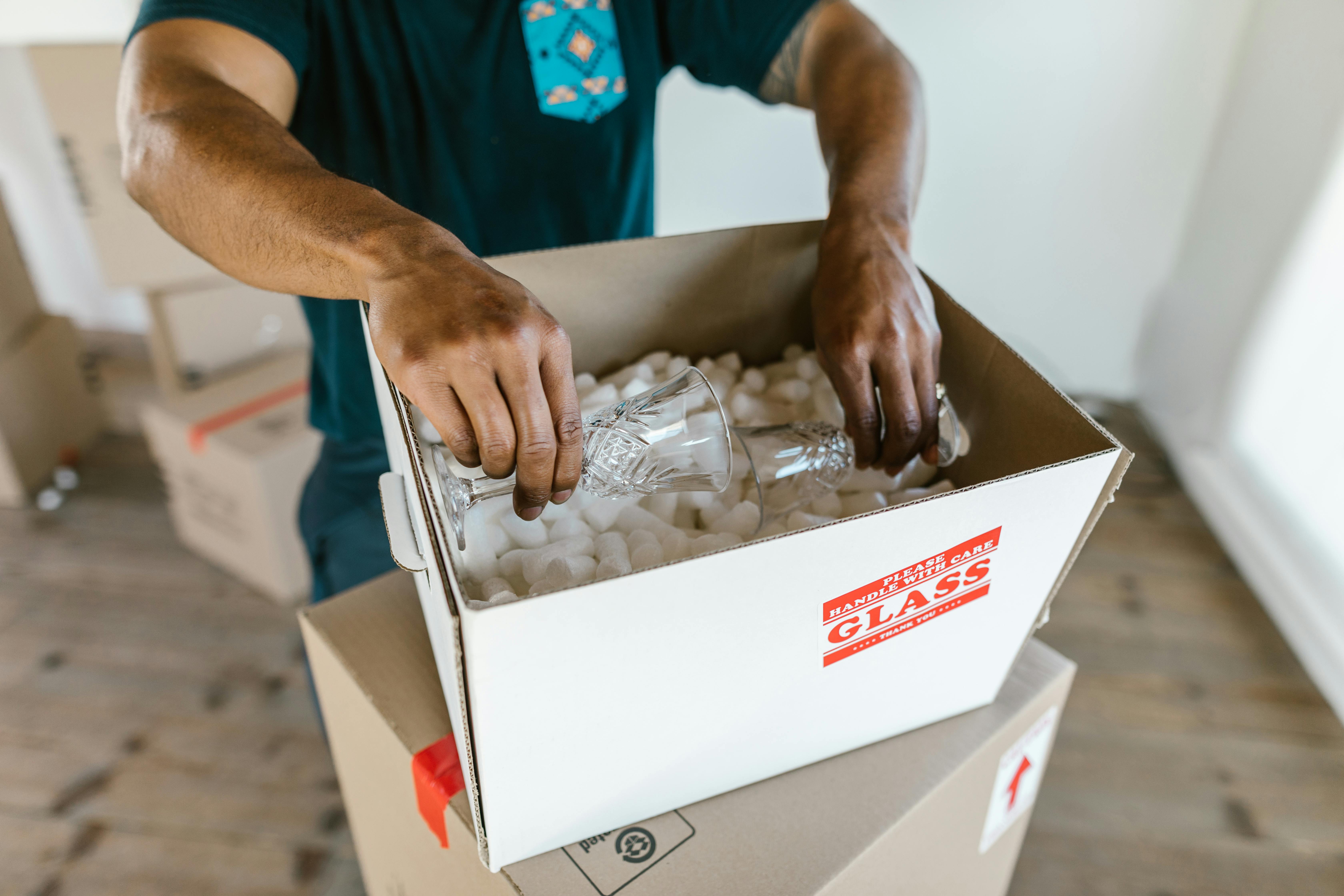
Sample kits are small sales tools with a long reach. They travel to gyms, distributors, buyers, instructors, and influencers, and the box often lands on a desk before the conversation even starts. If fitness brand sample kit boxes unit cost is pushed so low that the package arrives bent, noisy, or visually flat, the brand begins the interaction at a disadvantage. That sounds harsh, but it happens often. The box does not close the deal by itself, yet it can remove friction or create it in a matter of seconds.
Buyers judge packaging fast. A sturdy mailer with crisp print and an insert that holds every item in place sends a clear signal of control. A flimsy carton that lets the contents rattle around says something else entirely. That is why fitness brand sample kit boxes unit cost is tied to signal quality, not just paper and board. The difference between a generic shipper and a branded presentation kit may be small on the invoice, while the perceived difference can be much larger in the hand. That gap matters when the goal is a callback, a line review, or a test order.
This pattern shows up again and again in fitness packaging. Brands that treat the kit like a miniature sales presentation tend to hear better feedback from recipients. Brands that treat it like a plain shipping box often spend less on paper and more time explaining what the product is supposed to do. Strong packaging supports brand consistency, and consistency makes outreach feel deliberate rather than improvised. If the goal is to make the sample feel like a retail product, fitness brand sample kit boxes unit cost should be measured against the value of that impression, not against the cheapest carton available.
Put the two extremes side by side. A basic folding carton with one-color print and no insert may hold the items, yet the contents can shift, scuff, or arrive in a jumble. A custom mailer or rigid presentation box with a fitted insert keeps every piece aligned and protected. That tighter fit does more than reduce damage. It improves visual branding, creates a cleaner opening sequence, and raises the odds that the recipient remembers the brand later. For a launch kit, that memory effect is real money. That is why fitness brand sample kit boxes unit cost belongs in the conversion math, not just the print budget.
For packaged samples, the strongest box is usually the one that makes the product easier to trust. That sounds soft until the real-world effects show up. A clean outer panel, a secure closure, and a well-planned insert make the package feel designed rather than patched together. When a buyer is being asked to spend time on a sample, that difference is worth paying for. Fitness brand sample kit boxes unit cost is the number, but the real measure is whether the box helps the sample earn a second conversation.
What a Fitness Brand Sample Kit Box Needs to Hold, Protect, and Sell
A fitness sample kit is rarely a single item in one cavity. More often it includes a protein sample, a shaker insert, a brochure, a QR card, a trial sachet, a discount offer, and sometimes a piece of branded swag. The structure has to hold all of that without turning the packout into a puzzle. That is where fitness brand sample kit boxes unit cost starts to connect with structure design. The more efficiently the box holds the contents, the less wasted space, shifting, and freight expense the project usually absorbs.
The common formats are familiar, but each one suits a different kind of outreach. Mailer boxes work well for DTC shipments and parcel-based sampling. Rigid setup boxes fit premium presentations and kits that will be handled in meetings or event suites. Tuck-end cartons can be efficient for lighter kits and larger mailings. Presentation sleeves add polish when the inner components are already protected. The structure you choose changes the look, yes, but it also changes the landed fitness brand sample kit boxes unit cost once inserts, freight, and assembly are included.
- Mailer boxes suit parcel shipping, influencer kits, and internal sales drops.
- Rigid boxes fit premium outreach, distributor presentations, and launch kits.
- Tuck-end cartons work for lighter contents and tighter budgets.
- Presentation sleeves add a clean surface for branding while keeping the inner pack simple.
Protection matters just as much as appearance. If the kit ships through parcel networks, the outer box needs enough crush resistance to keep its shape, and the insert needs enough grip to stop rattling. A buyer may never ask about board caliper, but they will notice if a bottle lands loose or a sachet shows up bent. Structural fit is not a side note. It sits at the center of fitness brand sample kit boxes unit cost because poor fit can trigger replacements, returns, and wasted outreach.
The box also has a sales role beyond transit protection. A sample kit is a miniature pitch deck. The outer panel carries the brand story, the insert arranges the proof points, and the printed card tells the recipient what to do next. That means the box should support the offer rather than compete with it. Too much structure muddies the message. Too little leaves the product feeling less serious than it should. The useful middle ground is where fitness brand sample kit boxes unit cost buys clarity as well as containment.
When you compare suppliers, ask one question early: does the proposed structure protect the contents in transit and still present well in a meeting? If the answer is no, the unit price is expensive in the wrong place. A kit that arrives intact and polished usually outperforms a cheaper one that feels tired before the lid is even opened. That is the real benchmark behind fitness brand sample kit boxes unit cost.
Specifications That Determine Performance and Shelf Appeal
Specs move the conversation faster than mood boards ever do. When buyers ask about fitness brand sample kit boxes unit cost, they should be comparing board stock, caliper, finish, closure style, and insert format. A 16 pt SBS mailer behaves differently from a 24 pt rigid setup box. A matte printed surface feels different from a soft-touch laminate. Those choices shape the final look, and they also affect scuff resistance, folding performance, and assembly time.
Sizing matters just as much, and even small changes can shift the cost in a visible way. If the box is oversized, dimensional weight climbs and the contents can move around during shipment. If it is too tight, the assembly team ends up forcing the insert into place or risking crushed corners. Good fit leaves a little clearance around each item, enough room for the insert, and a closure that stays clean after repeated handling. That balance is one reason fitness brand sample kit boxes unit cost often rises when a brand asks for a custom insert package instead of a simple shell.
Print choices can become more expensive than buyers expect. Full CMYK coverage, spot colors, foil, embossing, debossing, and specialty coatings all add production steps. A matte laminated box with one strong brand panel can outperform a crowded design loaded with effects. Many brands get caught here. They spend on decorative finishes that do not improve readability or recall. A disciplined spec sheet usually protects fitness brand sample kit boxes unit cost better than a long list of visual extras ever will.
Sustainability choices matter too, especially when retailers, gyms, or wellness buyers ask for sourcing details. Recycled board, water-based inks, soy inks, and FSC-certified paper can support brand positioning without making the kit feel stripped down. If the project needs a formal chain-of-custody claim, FSC materials are worth reviewing; the standards and certification framework are outlined at fsc.org. For transit testing, many buyers also look at ISTA methods, which describe package performance standards at ista.org. Those standards do not promise a perfect outcome, but they give the packaging team a better basis for comparing risk. They also help explain why fitness brand sample kit boxes unit cost can include testing as part of the project.
The practical rule is simple: specify only what supports the sale, the shipment, or the brand promise. Every added finish should earn its place. If it does not improve durability, presentation, or compliance, it is probably raising cost without adding value. That is the most useful way to think about fitness brand sample kit boxes unit cost before asking for a quote.
Fitness Brand Sample Kit Boxes Unit Cost, Pricing, and MOQ
This is the section most buyers want first, and for good reason. Fitness brand sample kit boxes unit cost can swing sharply depending on box style, board thickness, print coverage, insert complexity, and quantity. A simple mailer may look inexpensive at first glance, but once inserts, die cutting, coating, assembly, and freight are added, the landed price can climb faster than expected. The reverse happens too. A better-structured box can reduce damage and pack-out time enough to justify the spend.
Quantity is the biggest pricing factor. As MOQ rises, the setup cost gets spread across more units, so fitness brand sample kit boxes unit cost usually drops. That does not mean a larger order is always the right move. It means the quote should show pricing at two or three tiers so the break point is easy to see. If the jump from 1,000 to 3,000 units lowers unit cost enough to offset storage risk, the larger run may make sense. If it does not, a smaller order may be the cleaner decision. The math should be plain, not fuzzy.
| Box Option | Typical Build | Usual MOQ | Approx. Unit Cost Range | Best Use |
|---|---|---|---|---|
| Basic mailer | 16 pt - 18 pt SBS, one-color or CMYK print, no insert | 500 - 1,000 | $0.65 - $1.35 | Light sample mailings, internal outreach |
| Custom mailer with insert | 18 pt - 24 pt board, printed exterior, die-cut insert | 1,000 - 3,000 | $1.20 - $2.80 | Launch kits, influencer mailers, sales samples |
| Rigid presentation box | Rigid board, wrapped print, foam or paperboard insert | 500 - 2,000 | $2.80 - $6.50 | Distributor meetings, premium kits, retail pitches |
| Premium rigid with finishes | Rigid board, soft-touch, foil, embossing, custom insert | 1,000 - 5,000 | $4.50 - $9.50 | High-value launches and executive presentations |
The table is a guide, not a promise. Actual fitness brand sample kit boxes unit cost depends on dimensions, artwork coverage, tooling, seasonal demand, and shipping lane. Even so, it gives buyers a practical framework for comparing quotes. The lowest number is not always the best number if it leaves out freight, assembly, or inserts. A quote that separates print, tooling, insert cost, and freight is much easier to evaluate than one headline figure with a pile of hidden assumptions beneath it.
That is also why a fully itemized quote matters. Ask for unit cost, tooling, structural sample pricing, insert cost, pack-out charges, and freight. If the project will ship to several addresses, ask whether the supplier can split deliveries or stage kitting. Those details can change the real fitness brand sample kit boxes unit cost more than the paper stock itself. A buyer who sees the full picture can compare offers on an apples-to-apples basis instead of guessing at margins.
There are practical ways to control costs without making the kit look cheap. Standardize the box dimensions so the supplier can use a familiar die line. Reduce the number of insert parts. Keep the finish to one strong feature instead of three weak ones. Use the back panel for compliance or product information so extra inserts are not needed. Each of those choices protects fitness brand sample kit boxes unit cost while keeping the kit polished. That is not a compromise. It is disciplined packaging strategy.
Hidden costs show up often in packaging projects. Revisions after dieline approval, artwork changes after sampling, and last-minute finish upgrades all create delays and extra spend. If the budget is tight, say the target fitness brand sample kit boxes unit cost range early. Suppliers can usually tell you whether the goal is realistic and which features need to move. Straight talk saves time on both sides, and it keeps everyone from chasing a spec that was never going to pencil out.
Process and Timeline: From Artwork to Delivery
The production path is usually predictable, which helps. A well-run project moves through briefing, dieline creation, structural sampling, artwork proofing, prepress, production, quality control, packing, and freight. Each step touches fitness brand sample kit boxes unit cost in a different way. Sampling takes time, but it can prevent expensive mistakes. Prepress may feel routine, yet it is where color and layout errors get caught. Freight seems separate, though it can dominate the landed number if the kit is bulky.
Most delays happen in the same places: a dimension changes after the dieline is approved, the artwork is revised after proofing, or a finish is added too late in the schedule. Once those pieces move, the quote can shift and the timeline can stretch. Buyers who want predictable fitness brand sample kit boxes unit cost should send dimensions, target sample count, logo files, ship-to address, and any finish preferences at the start. Better inputs produce a better estimate. It is that direct.
Lead time depends on the structure and on where the kit is produced. Simple printed cartons may move relatively quickly. Rigid boxes, custom inserts, and specialty finishes take longer. If overseas shipping is involved, transit time and customs clearance need to be folded into the calendar. If a launch date is fixed, leave margin in the schedule instead of trying to win back the last week. In practice, it is usually better to approve a clean sample and wait a few extra days than to rush a flawed job that raises fitness brand sample kit boxes unit cost later through rework.
A simple milestone schedule keeps everyone aligned:
- Confirm box dimensions, contents, and quantity.
- Approve the dieline and insert layout.
- Review the structural sample or digital proof.
- Lock the artwork and finish spec.
- Release production and confirm delivery dates.
That sequence looks basic, yet it saves money. Every time a late change is avoided, fitness brand sample kit boxes unit cost stays closer to the quoted number. It also keeps brand consistency intact across every packout. For sample kits going to gyms, distributors, or retail decision-makers, predictable timing matters almost as much as visual branding. A late box is still a late impression, and a late impression is hard to recover.
Why Choose Us for Fitness Brand Sample Kit Boxes
Most buyers do not want drama from a packaging partner. They want clear quotes, honest lead times, and a structure that works the first time it ships. That is where our approach to fitness brand sample kit boxes unit cost differs from low-cost vendors that quote quickly and explain later. A good packaging partner should help define the spec, compare options, and keep you from paying for features that do not change the outcome. That is real service value, not a slogan.
Our process is built around consistency. We look at the product count, weight, shipping method, and recipient type before recommending a box style. That helps keep the final fitness brand sample kit boxes unit cost honest. If a lighter mailer is enough, we will say so. If the kit needs a rigid presentation box because the sample will be shown in buyer meetings, we will say that too. Clear structural guidance prevents overspending on one side and underbuilding on the other.
Quality control matters here. Fitness brands care about crisp folding, tight inserts, scuff resistance, and color that matches the brand system from run to run. If the box is part of a launch, a pitch, or an outreach campaign, inconsistency weakens the message. Strong packaging support helps preserve brand recognition while reducing the risk of damaged samples and mispacked kits. It also keeps the unboxing experience on message instead of leaving it to chance.
For buyers comparing vendors, real examples help. Our Case Studies page shows how different structures have been used for product launches, outreach packs, and mixed-content kits. If you are still deciding on formats, our Custom Packaging Products page is a useful starting point for comparing the range of options. Both pages make it easier to see where fitness brand sample kit boxes unit cost fits inside the broader packaging decision.
We also pay attention to the details that show up after the box leaves the plant. That includes insert stability, closure integrity, and whether the print finish resists scuffing during transit or event handling. A buyer may not ask for those items by name, but they will remember the outcome. For that reason, fitness brand sample kit boxes unit cost should be judged against durability and presentation together. The cheapest quote is not valuable if it produces a box that looks tired before the recipient opens it.
Next Steps to Quote Fitness Brand Sample Kit Boxes Unit Cost
If you want a quote that helps rather than confuses, send the right inputs. Start with box dimensions, the number of samples or inserts, target quantity, preferred print coverage, finish preferences, and the shipping destination. If there is a target budget, state it plainly. That gives the estimator enough information to map fitness brand sample kit boxes unit cost to the real project instead of guessing from a vague description. Vague briefs almost always produce vague prices.
Ask for a quote that separates the major components. You want to see the box structure, tooling or setup, inserts, assembly, freight, and sample charges on their own lines. That makes it much easier to compare offers and spot hidden costs. If one supplier includes kitting and another does not, the numbers are not comparable. If one supplier quotes a rigid box while another quotes a mailer, the fitness brand sample kit boxes unit cost gap may look dramatic even though the structures are not alike.
Then review the quote against the goal. Is the kit going to a distributor meeting, a gym owner outreach campaign, or a broader launch? Does it need premium presentation, or does it only need safe delivery and clear branding? The answer changes the spec. A high-end kit may justify a higher unit cost because it supports the sale. A lower-cost version may be smarter if the goal is to get samples into more hands. Either way, the decision should be deliberate, not accidental. That is the point of comparing fitness brand sample kit boxes unit cost with the actual outreach plan.
If you are ready to move, the sequence stays straightforward: gather the specs, review a prototype or structural sample, approve the estimate, and release production. That approach keeps the project moving and helps you lock in the right balance between presentation and cost. For a buyer trying to control spend while improving customer perception, the best result is a box that protects the samples, supports the message, and stays inside the target budget. The fastest path to a clean order is sharing fitness brand sample kit boxes unit cost expectations and project details up front.
Get the quote right, and the rest becomes easier. The right structure strengthens brand identity, improves the unboxing experience, and makes the outreach feel intentional. That is why fitness brand sample kit boxes unit cost should be treated as a sales decision, not just a packaging line item. If you only remember one thing, make it this: choose the box spec around the job the kit has to do, then let the unit cost follow that choice instead of chasing the lowest number first.
What affects fitness brand sample kit boxes unit cost the most?
Box style and board thickness usually move the price first, followed by insert complexity and print coverage. Higher quantities lower the unit cost, but setup charges can make very small runs look expensive.
How many sample kit boxes do I need to hit a better MOQ?
The right MOQ depends on the design, but pricing usually improves once setup is spread across more units. Ask for a quote at your target quantity and at the next tier up so you can compare the break point.
Which materials work best for fitness sample kit boxes that ship safely?
Rigid board or heavier SBS mailer stock works well when the kit includes multiple items or premium samples. Add inserts if the contents move during transit, because protection often matters more than a thicker outer shell.
How long does production usually take after approval?
Timelines depend on the structure and finishes, but approvals, sampling, and freight are the usual bottlenecks. Simple print jobs move faster than kits with custom inserts, foil, or complex gluing.
Can you reduce unit cost without making the kit look cheap?
Yes. Simplify the structure, standardize the size, and concentrate the budget on one high-impact finish. A well-fitted insert and clean print often create more perceived value than several expensive extras.


