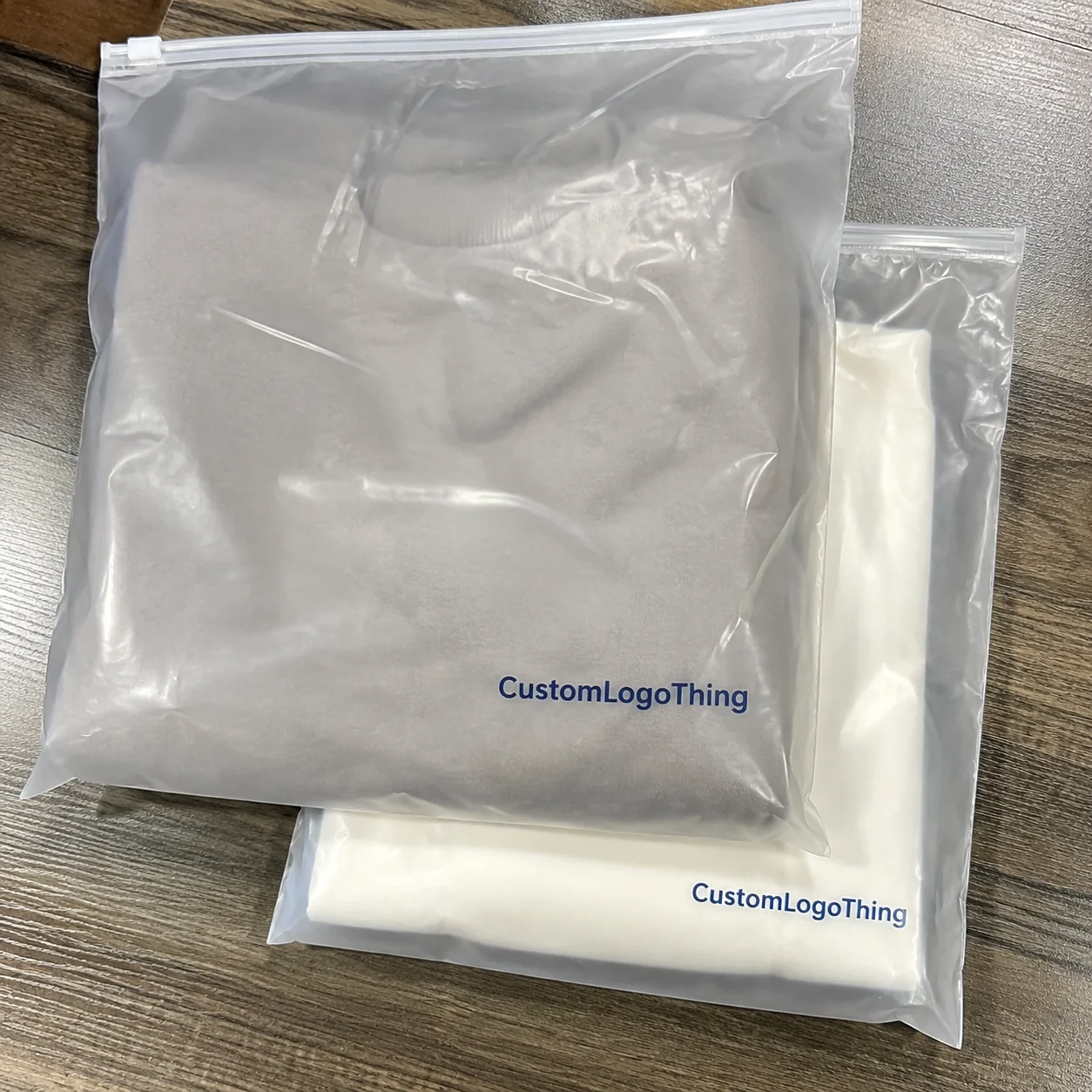
vitamin Brand Sample Kit Boxes cost often looks like a simple line item until the build starts to take shape. Rigid board, custom inserts, premium print, and the kind of close fit that keeps bottles, sachets, and cards from sliding around in transit all change the number pretty quickly. A sample kit box for a vitamin brand carries more responsibility than a plain mailer. It has to protect the contents, present them cleanly, and signal that the brand behind it pays attention to detail. That is why vitamin brand sample kit boxes cost is rarely just about the outer shell; it reflects structure, material, print, and presentation as one package.
The real buying decision is not whether a box exists. It is whether the box suits the sample set, the shipping method, and the impression the brand needs to make the moment the kit is opened. A simple mailer can move product from one place to another, but a true sample kit box supports visual branding, brand consistency, and a stronger unboxing experience. That extra value is part of why vitamin Brand Sample Kit Boxes cost can surprise teams budgeting for the first time.
I have seen more than one brand come in expecting a basic carton price and leave with a much more honest picture of the build. Usually the surprise is not a mystery markup. It is the fact that a kit with bottles, inserts, printed education cards, and a premium finish is actually three or four packaging jobs living inside one box. Once you see the structure that way, the numbers make a lot more sense.
The practical question starts with function. If the kit only carries flat literature and a single sachet, a lighter fold-and-tuck carton may do the job. If the contents include glass bottles, molded inserts, dosage cards, and a product sheet, the structure has to stop movement, keep corners clean, and survive handling without looking tired by the time it arrives. That is usually where unit cost begins to climb.
A sample kit should never rely on the product to make up for weak structure. If the contents need to look credible, the box has to hold them in place and present them with care.
That is the reason buyers keep circling back to vitamin brand Sample Kit Boxes cost. A low quote often solves only one piece of the brief. A better quote solves protection, shelf appeal, mailability, and production efficiency in the same build.
Why vitamin brand sample kit boxes cost more than a simple mailer
A plain mailer and a sample kit box may share outside dimensions, yet they are built on very different assumptions. A mailer usually depends on a basic folding structure, a single print treatment, and light packing labor. A sample kit box may need thicker board, a shaped insert, partitioning, and a more polished exterior so it helps customer perception the instant the lid opens. That extra structure is one of the main reasons vitamin brand Sample Kit Boxes cost tends to rise.
There is also a manufacturing reality behind the number. A simple mailer can often be die-cut, printed, and folded with little additional work. A sample kit with compartments may need several converting steps: die cutting, gluing, insert assembly, fit checks, and sometimes hand packing. Each step adds time. Each step adds handling. Each step changes the final quote for vitamin brand sample kit boxes cost.
For vitamin brands, that expense usually makes sense because the box is part of the product story. The buyer is not only seeing capsules or powder sachets; they are seeing a promise about formulation quality, cleanliness, and consistency. A better box can lift perceived value before anyone reads the ingredient panel. That is why these kits show up so often in retailer outreach, distributor meetings, practitioner programs, and launch support for direct-to-consumer brands.
The price gap also comes from what the kit is trying to say. A lightweight mailer says, "Here is information." A real sample kit says, "This brand is organized, stable, and ready for market." That distinction matters in categories where trust carries real weight. A flimsy box can make the product inside feel less substantial. A box that opens neatly, holds the contents securely, and carries consistent print quality gives the whole package more authority.
One common mistake is treating all cartons as if they follow the same production logic. They do not. Two boxes can share a footprint and still differ a great deal in board grade, internal fit, closure style, and finishing. That is why vitamin brand sample kit boxes cost should always be reviewed alongside structure drawings, sample contents, and shipping requirements, not as a stand-alone number pulled from a spreadsheet.
A useful first question is whether the project is a mailer, a folding carton, or a rigid presentation kit. That single distinction clears up a lot before quoting starts. It also gives the supplier room to guide the build instead of padding the estimate with features the kit may never need.
For brands that want to see how structure changes the final result, our Case Studies page shows a range of packaging builds and the different launch goals they support. The fit between structure and sample set matters more than most teams expect.
Vitamin brand sample kit boxes cost factors that move the quote
Buyers ask why vitamin brand sample kit boxes cost varies so widely, and the answer usually comes back to a handful of build choices that carry real manufacturing weight. Board type is the first major lever. A 24pt SBS folding carton behaves very differently from a 1200gsm rigid setup box wrapped in printed paper. The first is lighter and quicker to make. The second feels more substantial, gives stronger edges, and opens the door to tactile finishes that change how the kit feels in hand.
Box style comes next. Folding cartons, sleeve-and-tray designs, and rigid boxes each bring different labor and material demands. A sleeve-and-tray build can look sharp and current, but it often uses more components than a one-piece tuck box. A magnetic closure box creates a more elevated impression, yet the hinge line, closure alignment, and assembly time can push vitamin brand sample kit boxes cost higher than a plain carton with a tuck flap.
Insert complexity is another budget driver. A flat insert for one bottle is easy to plan. A multi-pocket insert for bottles, sachets, and a folded card takes more drawing, more sampling, and more fit testing. If the insert is die-cut board, foam, or molded pulp, the price shifts again. If the insert has to be assembled by hand, labor rises as well. Every added cavity and every new cutout shows up somewhere in the quote.
Print coverage matters in a very direct way. A one-color exterior is not the same as full-coverage CMYK with a flood background, interior print, and spot UV. Coatings such as aqueous, matte lamination, soft-touch lamination, and foil stamping all change the visual finish, yet each one adds steps to the process. Those details are worthwhile when the box needs to feel premium, but they should be chosen with intent rather than treated like automatic upgrades. Decorative finishes belong to brand identity, not to defaults.
Size has a bigger effect than many teams expect. A larger box uses more board, more wrap paper, and more shipping volume. It can also change packing efficiency during carton fill and freight. Even a small increase in outside dimensions may trigger a new insert layout or a revised die line. That is one of the ways vitamin brand sample kit boxes cost moves upward from what looks like a minor change on paper.
Special features sit at the far end of the scale. A die-cut window, ribbon pull, multi-level tray, or hidden message panel can make the kit memorable, but each feature adds tooling and handling. Short runs feel that pressure more strongly because setup cost is spread across fewer pieces. In a small order, a feature that sounds inexpensive in concept can become expensive on a per-unit basis.
| Structure option | Typical use | Indicative unit cost at 1,000 | Indicative unit cost at 5,000 | What drives the price |
|---|---|---|---|---|
| Folding carton with insert | Light sample mailers, sachet sets, small bottle kits | $0.55-$1.25 | $0.32-$0.70 | Board grade, print coverage, insert count |
| Sleeve and tray | Retail-style presentations, influencer kits, education packs | $1.10-$2.80 | $0.78-$1.95 | Two-piece assembly, sliding tolerance, finish choice |
| Rigid setup box | Premium sample kits, buyer presentations, launch boxes | $2.20-$5.50 | $1.35-$3.10 | Greyboard, wrap paper, hand assembly, insert work |
| Magnetic closure rigid box | High-end outreach kits, executive samples, retail pitches | $3.50-$8.50 | $2.20-$5.20 | Closure hardware, exact folding, labor, premium finishes |
Those figures are directional rather than final. They help frame a conversation, but the actual vitamin brand sample kit boxes cost depends on the real dimensions, insert count, artwork coverage, and packing method. A complete spec sheet narrows the range quickly. A vague request usually broadens it.
Sustainability choices can also shift the number. FSC-certified paperboard supports responsible sourcing goals, and that choice is easier to communicate clearly on pack when the brand wants a more responsible visual story. The FSC organization publishes guidance on material sourcing at fsc.org. For transit performance, especially on mail-friendly kits, an ISTA-style test plan can be a useful check so the design is evaluated against shipping stress rather than assumed to be strong enough. The standards and methods are available through ISTA.
Assembly labor can matter as much as the printed decoration. A box with three glued partitions may cost less in board but more in labor than a heavier board build with a simpler insert. That is why the full construction should stay in view when comparing vitamin brand sample kit boxes cost, not just the exterior.
For a broader look at available constructions, our Custom Packaging Products page is a good place to start. It gives you a clearer sense of what can be built before the final structure gets locked.
Product details: build the right sample kit box for vitamin brands
Good sample kit design begins with the contents, not the decoration. A box built for a vitamin brand should first answer a few basic questions: How many items are inside? Are they glass, plastic, foil, or paper-based? Do they stand upright, lie flat, or need to be separated? The answers shape the internal layout and, by extension, vitamin brand sample kit boxes cost.
The most common configurations I see are bottle-and-card kits, sachet assortments, trial-size combinations, and education-focused kits with literature. Bottle-and-card sets usually need a snug die-cut insert and enough depth to protect cap height. Sachet assortments tend to work best in a flatter format with clear partitioning so the packs do not buckle. Trial-size combinations can be more involved because each item may need its own cavity or tray section. Educational kits need more room for printed material, but the inserts still need to feel planned rather than added late in the process.
Interior design should protect the product first and support the brand second. That order matters. A beautiful box with a loose fit creates rattling, abrasion, and a damaged presentation by the time it reaches the recipient. A tighter build with a clean, well-placed insert often costs less to repair in production than it would to replace damaged units after shipment. In many cases, the right structure reduces total program cost even when the unit price looks slightly higher at first glance.
Box style shapes the user experience too. A tuck-end carton is efficient and familiar. A sleeve-and-tray structure creates a more deliberate reveal. A rigid box with a magnetic closure sends a stronger premium signal. The right choice depends on where the kit will be used. Direct mail usually favors lighter and tougher options. Retailer samples and buyer presentations can justify a heavier build if the brand needs a sharper first impression.
The simplest rule is to match the construction to the route it will travel. If the kit is gonna ship through parcel networks, pay close attention to board strength, corner protection, and internal immobilization. If it is being hand-delivered during a meeting, the box can lean more into presentation and less into transit reinforcement. That is one of the clearest ways to manage vitamin brand sample kit boxes cost without cutting quality where it matters.
Vitamin programs usually need printed information as part of the package. Ingredient claims, directions, regulatory copy, dosage language, and product education all compete for space. The box can help organize that content through inserts, belly bands, pocket folders, or tray lids. If the copy is compliance-sensitive, make room for required text early so the artwork does not feel squeezed at the end. Late rework tends to push both cost and schedule in the wrong direction.
Color choices matter as well. Clean whites and controlled neutrals often support a clinical, trustworthy feel, while warmer or darker tones can make a premium line seem more deliberate. Brand consistency carries the most weight. If the carton, insert cards, and outer sleeve all share one visual language, the sample kit feels intentional. If each piece speaks differently, the presentation looks assembled rather than designed, and that can weaken perception even when the box is well made.
The strongest sample kits usually do not try to show everything. They show the right things. One bottle, one card, one clear explanation, and a tidy internal layout often do more for brand identity than a crowded tray with too many items. Packaging should make the product easier to understand, not harder.
Specifications to lock before you compare vitamin brand sample kit boxes cost
If you want a quote that actually means something, lock the specifications before you compare vitamin brand sample kit boxes cost. The more complete the brief, the less likely you are to get numbers that look useful but fall apart once the structure is finalized. Start with the finished outside size, then define the internal layout, sample count, and insertion method. Without those details, no supplier can calculate a serious unit cost.
Next, document the contents themselves. A glass bottle, softgel pouch, sachet strip, and folded brochure all behave differently inside packaging. Weight, height, thickness, and fragility influence the box design. Even the orientation of the product matters. If a bottle must stand upright, the insert height and base support change. If sachets lie flat, the cavity depth and lid clearance change. Those differences all feed into vitamin brand sample kit boxes cost.
Artwork readiness is another major variable. A quote based on blank white cartons is not a quote for a fully printed retail sample kit. Ask whether the price includes CMYK printing, PMS matching, interior printing, varnish, lamination, foil, or embossing. If the supplier has to guess at decoration later, the quote may be too loose to trust. Clean files, dieline approval, and clear color targets reduce that risk.
Shipping assumptions matter more than many teams admit. A kit that will ship through e-commerce or distribution center handling needs different protection than a box handed to a buyer in person. Transit expectations can affect board choice, insert design, and outer case packing. If the box must survive parcel networks, it may need stronger corners, tighter product restraint, or an additional shipper carton. That changes both structure and vitamin brand sample kit boxes cost.
Here is the short list I would lock before requesting pricing:
- Finished box size and internal usable space
- Sample count, weights, and product dimensions
- Box style: folding carton, sleeve and tray, or rigid setup box
- Insert type: die-cut board, foam, molded pulp, or no insert
- Print coverage: outside only, inside and outside, or partial print
- Finish: aqueous, matte lamination, soft-touch, foil, embossing, spot UV
- Packaging route: mail, retail handoff, sales meeting, or distributor kit
Once those items are clear, you can compare vitamin brand sample kit boxes cost with much more confidence. You will know which supplier quoted the same board thickness, the same finish, and the same insert logic. That keeps the lowest quote from winning simply because it left out the hard parts.
Attaching a simple visual reference helps too. A sketch, a photo of the sample contents, or a rough layout can save a lot of back-and-forth. A packaging engineer can usually spot a more efficient construction within minutes if the contents are clear. That often reduces risk and can lower the total quote because the structure is not built heavier than necessary.
One quiet advantage of detailed specs is that they improve brand consistency across future orders. Once the build is documented, reordering gets faster and easier to manage. That matters for product launches that begin with a small test run and scale once the sample kit proves itself.
Vitamin brand sample kit boxes cost, MOQ, and quote structure
MOQ is one of the biggest reasons vitamin brand sample kit boxes cost feels inconsistent from one supplier to another. A setup box with custom inserts has setup and tooling cost no matter how small the order is. Spread that fixed cost across 500 units and the unit price feels steep. Spread it across 5,000 or 10,000 units and the number settles down. That is why short-run custom packaging usually carries a higher per-unit cost.
A serious quote should break out the real components. At minimum, it should show structure cost, printing, finishing, insert work, assembly, and packing. If a prototype or sample is needed, that should appear too. A single line that says "box" does not help a buyer understand where the money goes. A line-by-line quote makes it much easier to compare vitamin brand sample kit boxes cost without guessing.
Small orders behave differently in production. Press setup, die cutting, tooling, and prepress checks are front-loaded costs. If the packaging is highly customized, those setup costs matter even more. Buyers sometimes expect a 10% quantity increase to produce a 10% cost drop. Packaging rarely works that way. The unit cost curve is shaped by setup, labor efficiency, and material waste, not by a straight line.
Here is a practical way to think about MOQ and quote structure:
- Low MOQ works well for launch tests, buyer samples, and design validation, but unit cost is usually highest.
- Mid-range MOQ often gives the best balance between budget control and enough quantity for a real marketing push.
- Higher MOQ lowers unit cost more effectively, but only if the brand is ready to use the inventory.
That tradeoff is why vitamin brand sample kit boxes cost should never be judged only by the lowest quote. A slightly higher quote may include better board, cleaner insert fit, more consistent print, or assembly steps that reduce returns and damage. The right cost is the one that fits the launch plan, not the one that simply looks cheapest on paper.
To compare offers fairly, check whether each supplier quoted the same assumptions. Is the print the same? Is the insert the same material? Is the box style the same? Does the quote include hand assembly or only flat goods? Does it include freight? Even a small mismatch can make one quote look far better than another.
For vitamin launches, I often recommend a prototype before full production if the kit has multiple items or a premium closure. A prototype helps confirm cavity depth, lid fit, print registration, and the final reveal. It also helps the buyer see whether the packaging aligns with brand identity and the intended unboxing experience. That early check may add a little on the front end, but it can save real money later if a fit issue would have caused rework.
If you are collecting pricing now, ask every supplier to quote the same finished size, sample content, print method, finish, and delivery point. That is the cleanest way to compare vitamin brand sample kit boxes cost and avoid false savings.
Defining the budget ceiling up front helps too. A supplier can usually suggest a more efficient build if they know the target range. A rigid box with a simple insert might be the right answer when the budget will not support a magnetic closure and specialty finish package. Clear budget boundaries lead to better recommendations.
Production timeline, process, and turnaround for sample kits
Production timing for sample kits usually follows a familiar sequence: dieline confirmation, artwork placement, proof review, sample approval, production, finishing, packing, and freight. Each stage can move cleanly or slowly depending on how prepared the project is. The more complete the brief, the less back-and-forth is needed, and the less likely vitamin brand sample kit boxes cost gets inflated by avoidable revision cycles.
The fastest jobs are usually simple folding cartons with straightforward print and no special insert. Once rigid construction, custom trays, or premium surface treatments enter the picture, the schedule extends. Magnetic closures and multi-component inserts need more assembly time. Foil stamping, embossing, and soft-touch lamination add finish steps. If hand insertion is part of the build, that can extend the schedule again. In practical terms, a simple carton may move quickly after approval, while a more detailed kit needs a longer and more carefully managed window.
Late artwork changes are the most common source of delay. A small copy edit can be harmless on a digital file, but if it shifts panel placement, compliance text, or barcode space, the layout may need to be rebuilt. Approval rounds add time as well. If marketing, regulatory, operations, and sales all need to sign off, the schedule should account for that. The process works well when the review path is clear. It stalls when no one knows who signs first.
Transit validation matters here too. If the kit is going into the mail, ask whether the box should be evaluated against an ISTA-style test plan for drop, vibration, and compression exposure. A package that looks strong enough on the bench may behave very differently after parcel handling. Testing is not there to make the project feel complicated. It is there to reduce surprises after launch.
Here is a practical timeline checklist for teams working against a tighter date:
- Lock the content list before structural design starts
- Approve the dieline before artwork is finalized
- Keep one internal decision-maker close to the project
- Allow time for proofing if specialty finishes are involved
- Confirm shipping destination early so freight is not the last bottleneck
A clean spec sheet shortens almost every part of the process. It reduces quote revisions, speeds up engineering, and makes approval smoother. A vague brief tends to create assumptions, and assumptions are where packaging timelines slip.
For brands planning more than one kit version, the timeline can be managed even better by standardizing a core box structure and swapping only the insert or printed sleeve. That approach supports brand consistency while keeping the program easier to scale. It is one of the most practical ways to control vitamin brand sample kit boxes cost across launch phases.
Shipping calendars should be part of the conversation early too. If the box is needed for an event, distributor meeting, or buyer presentation, build backward from the delivery date rather than from the approval date. A lot of last-minute pressure comes from leaving freight until the end. Packaging production stays more predictable when the destination and deadline are included in the quote request from the beginning.
How to choose a packaging partner and place the order
The right packaging partner is not simply the one with the lowest starting quote. It is the one that can turn a sample kit concept into a buildable, repeatable structure without stripping away the details that matter. If the supplier understands sample fit, print behavior, insert logic, and assembly efficiency, they can usually give you a more reliable answer on vitamin brand sample kit boxes cost than someone who is only quoting a shell.
Responsiveness matters because packaging projects usually move through several checkpoints. A good supplier will ask for the finished size, content list, quantity, print method, finish preferences, and delivery destination before they quote. That may feel detailed, but those questions protect you from misaligned numbers. If a supplier is willing to quote too quickly without asking anything meaningful, the number may not hold once the structure is finalized.
Sample accuracy matters too. A strong partner will provide a prototype or sample that reflects the actual construction, not a rough lookalike. That is especially important for rigid kits, multi-pocket inserts, and premium closures. The sample should help you confirm fit, reveal, and box feel. Those details shape customer perception far more than most teams expect. A box that opens well can make the sample feel more valuable before the contents are even reviewed.
Communication during production is another clear marker. You want a supplier who flags risk early, whether that risk is a print issue, a board substitution, or a schedule shift. Clear communication usually points to a more controlled production environment. It also helps preserve brand consistency if the packaging needs to be reprinted or scaled later.
When you are ready to request pricing, send the same core information to every supplier so the quotes stay comparable:
- Product dimensions and sample count
- Finished box size and desired style
- Artwork status and print coverage
- Coating or finishing preference
- MOQ target and launch quantity
- Ship-to address or freight expectations
That information speeds up vitamin brand sample kit boxes cost estimates and gives the supplier a better chance to suggest an efficient build. If you have a target budget, include that as well. A supplier can often trim cost by simplifying the insert, reducing finish coverage, or shifting to a smarter board choice without harming the presentation.
Trust the supplier who talks about production realities instead of promising everything for less. Good packaging always has tradeoffs. Better board may raise the price. A more refined closure may lengthen the schedule. A more careful insert may improve performance but need more hand labor. Those are normal decisions, not warning signs. The best result is the build that supports the product, the launch plan, and the brand story without waste.
That is why vitamin brand sample kit boxes cost should be treated as a planning tool, not just a line item. The right order size, the right construction, and the right partner can keep the project sharp, practical, and ready to present.
Frequently asked questions
What affects vitamin brand sample kit boxes cost the most?
The biggest drivers are box structure, board type, insert complexity, print coverage, and any specialty finishes. Custom sizes and multi-compartment interiors usually raise vitamin brand sample kit boxes cost faster than standard exterior dimensions because they add tooling, layout work, and assembly steps.
What MOQ is typical for vitamin brand sample kit boxes?
MOQ depends on structure and print method, but short-run custom kits usually cost more per unit than larger orders. A supplier should explain where the setup cost starts to level out so you can choose the best order quantity for vitamin brand sample kit boxes cost and your launch plan.
Can I get a prototype before full production?
Yes, and it is a smart move when the kit has inserts, product fit concerns, or premium finishes. A prototype helps confirm dimensions, closure fit, and presentation before you commit to a full run, which can prevent expensive changes to vitamin brand sample kit boxes cost later.
How long does it take to produce vitamin sample kit boxes?
Timing depends on approval speed, structure complexity, and finishing requirements. Simple cartons move faster, while rigid kits with inserts or specialty decoration usually take longer. Clear artwork and a complete spec sheet are the fastest ways to keep vitamin brand sample kit boxes cost and schedule under control.
What should I send for an accurate quote on sample kit boxes?
Send the finished size, sample contents, quantity, artwork status, finish preferences, and shipping destination. If you have a target budget, include that too so the supplier can recommend the most efficient build for vitamin brand sample kit boxes cost without wasting time on revisions.
The cleanest next move is to lock the finished size, contents, insert style, print coverage, and shipping method before asking for pricing. Once those five details are fixed, the quote stops wandering and you can compare vitamin brand sample kit boxes cost on equal footing, with far less guesswork and a much clearer path to the right build.