Request a Five-Panel Caps Ecommerce Merch Quote Online
Get a five-panel caps ecommerce merch quote with clear pricing, MOQ, decoration options, timelines, and practical specs for online stores.
The Cap That Makes Cheap Merch Look Expensive
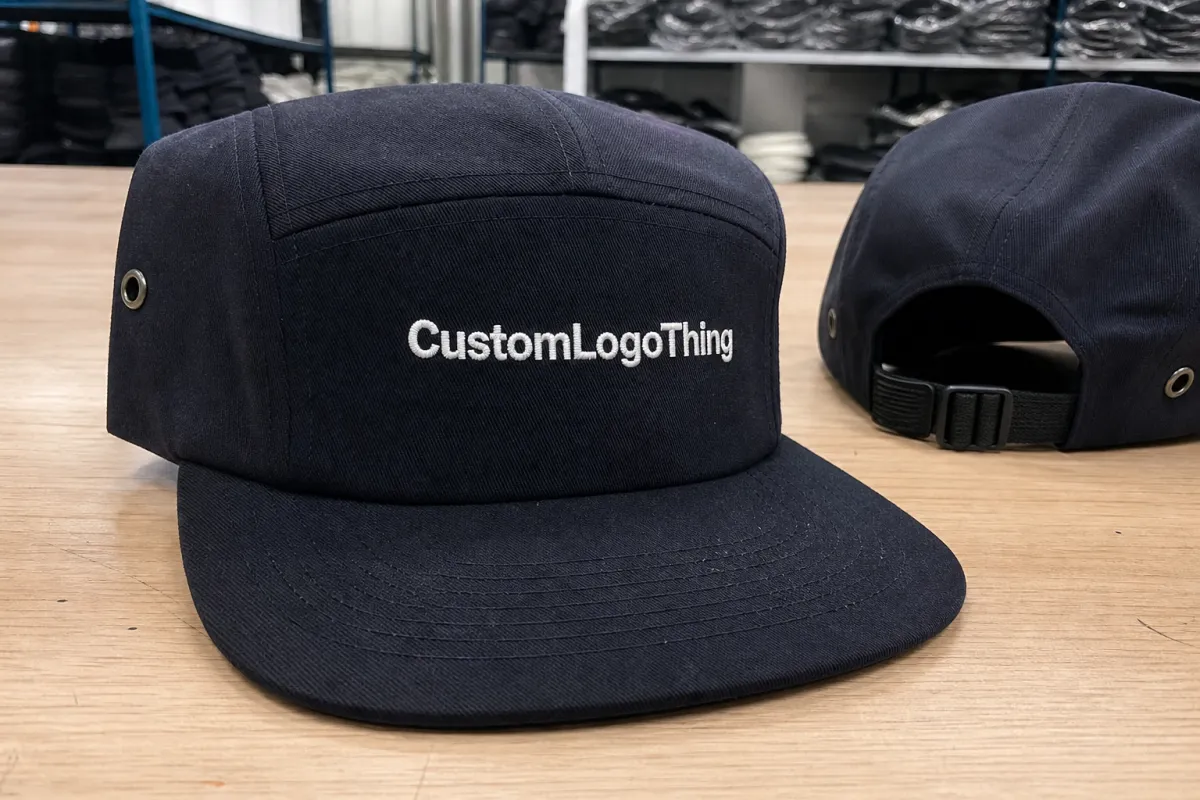
A five-panel cap can make a small ecommerce drop look like a deliberate retail release. It can also look like a gas station giveaway with a logo stranded on the front. The difference is rarely one dramatic decision. It is fabric weight, crown shape, brim profile, decoration method, stitching tolerance, packaging, and whether the quote was built around the way the cap will actually sell.
Buyers requesting a five-panel caps ecommerce merch quote usually care about margin, presentation, and repeatability. They need to know whether the cap can survive product photos, fulfillment handling, returns, and a customer who compares it against the $34 hat already in their closet. That is a tougher test than “does the logo fit?”
Five-panel caps work well for ecommerce because the front panel creates a clean decoration field. One badge. One embroidered icon. One woven label. No center seam slicing through the artwork, which is a common problem on many six-panel styles. They also photograph cleanly from straight-on angles and ship better than rigid accessories, provided the crown is not crushed by careless packing.
The trap is predictable: choose the cheapest blank, add the fastest logo treatment, list it at a premium price, then wonder why it moves only when discounted. Cheap caps can be useful. Cheap-looking caps are expensive.
Custom Logo Things helps buyers compare styles, decoration, packaging, MOQ, and timing before production locks in. The smarter question is not “how cheap can this be?” It is “what cap can I sell confidently, at the margin I need, without disappointing the person opening the package?”
What Goes Into a Five-Panel Cap Built for Ecommerce
A five-panel cap sounds simple until the components start stacking up. The anatomy includes a single front panel, two side panels, two back panels, crown height, brim shape, closure type, sweatband, ventilation, interior taping, seam construction, and stitch quality. Each detail changes the cap’s retail feel.
Structured five-panel caps hold their shape better. They usually look cleaner on product pages, on mannequins, in lifestyle photos, and inside retail packaging. If a store depends heavily on polished imagery, structure helps. A structured crown can make a modest landed product look much more credible, assuming the fabric and decoration are not working against it.
Unstructured five-panel caps feel softer and more relaxed. They suit surf, outdoor, vintage, coffee, creator, skate, and casual apparel brands. The tradeoff is presentation. They can photograph flat unless styled on a head form, stuffed for product shots, or shown on a model. Not fatal. Just not accidental.
Fabric does much of the selling. Cotton twill is the safe everyday merch option: familiar, printable, and widely available. Canvas feels sturdier and often holds a better crown. Nylon fits running, travel, outdoor, and utility brands, especially with a clip closure. Corduroy can carry a strong fashion angle, but it looks costume-like if the logo treatment is lazy. Polyester blends help budget or performance programs, though cheap poly can turn shiny fast. Nobody asked for a reflective pancake on their head.
Closure changes both cost and personality. Plastic snapback keeps pricing controlled and feels familiar. A webbing strap with a metal buckle gives a cleaner retail finish. A nylon clip closure sends an outdoor signal. Hook-and-loop can work for workwear or kids’ programs, but it rarely reads premium in a direct-to-consumer merch store.
Most five-panel caps are adjustable one-size styles, but fit is not automatic. Crown depth, brim curve, panel stiffness, and sweatband quality affect reviews. A shallow cap may look sharp on one model and ridiculous on half the customer base. Returns, exchanges, and support tickets are quiet margin killers.
For ecommerce, the cap has four jobs: look good online, ship without awkward bulk, survive returns handling, and feel worth the listed retail price. A useful quote accounts for all four, not just the blank cap cost.
Logo Placement, Decoration Methods, and Retail Finish
The flat front panel is the main advantage. It gives brands a clean decoration zone for embroidery, woven patches, printed patches, rubber patches, leather patches, screen printing, or heat transfer. Strong placement usually sits centered on the front panel, with enough breathing room above the brim and below the crown seam.
Embroidery is durable, direct, and familiar. It works best for simple icons, initials, small wordmarks, and clean line art. It struggles with tiny lettering, gradients, distressed effects, and thin strokes. If the artwork has an 11-word tagline that must fit inside a 1.5-inch mark, the honest answer is probably no. Or yes, if thread soup is part of the brand system.
Patches often perform better for ecommerce merch. A woven patch handles small detail and multiple colors more cleanly than direct embroidery. A rubber patch gives outdoor, tactical, or utility styling. A leather patch can feel premium on canvas, twill, or corduroy, though it should match the brand instead of pretending to be heritage overnight. Printed patches are useful for full-color artwork, gradients, illustrations, and designs with tight color transitions.
Screen printing and heat transfer still have a place. They can work for lightweight caps, flatter graphic treatments, budget-sensitive runs, or artwork that does not justify a custom patch. The risk is material compatibility. Some nylon, coated fabrics, textured surfaces, and curved panels do not behave politely under heat or ink.
Artwork needs discipline. Simplify fine lines. Remove tiny taglines. Confirm thread or patch colors against the cap fabric. Ask for Pantone or close-match references if color matters. Use mockups as a planning tool, not a promise. Mockups lie politely.
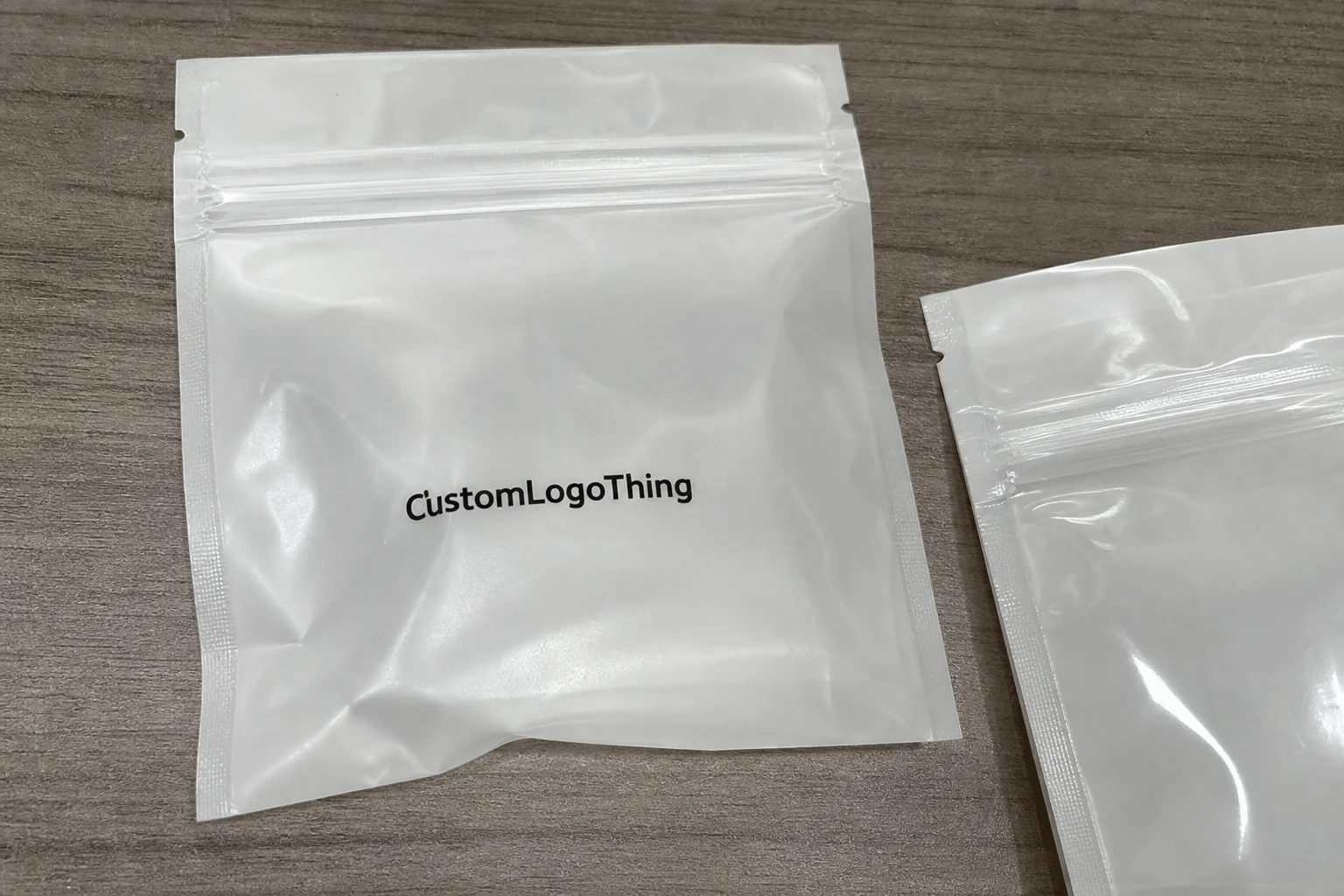
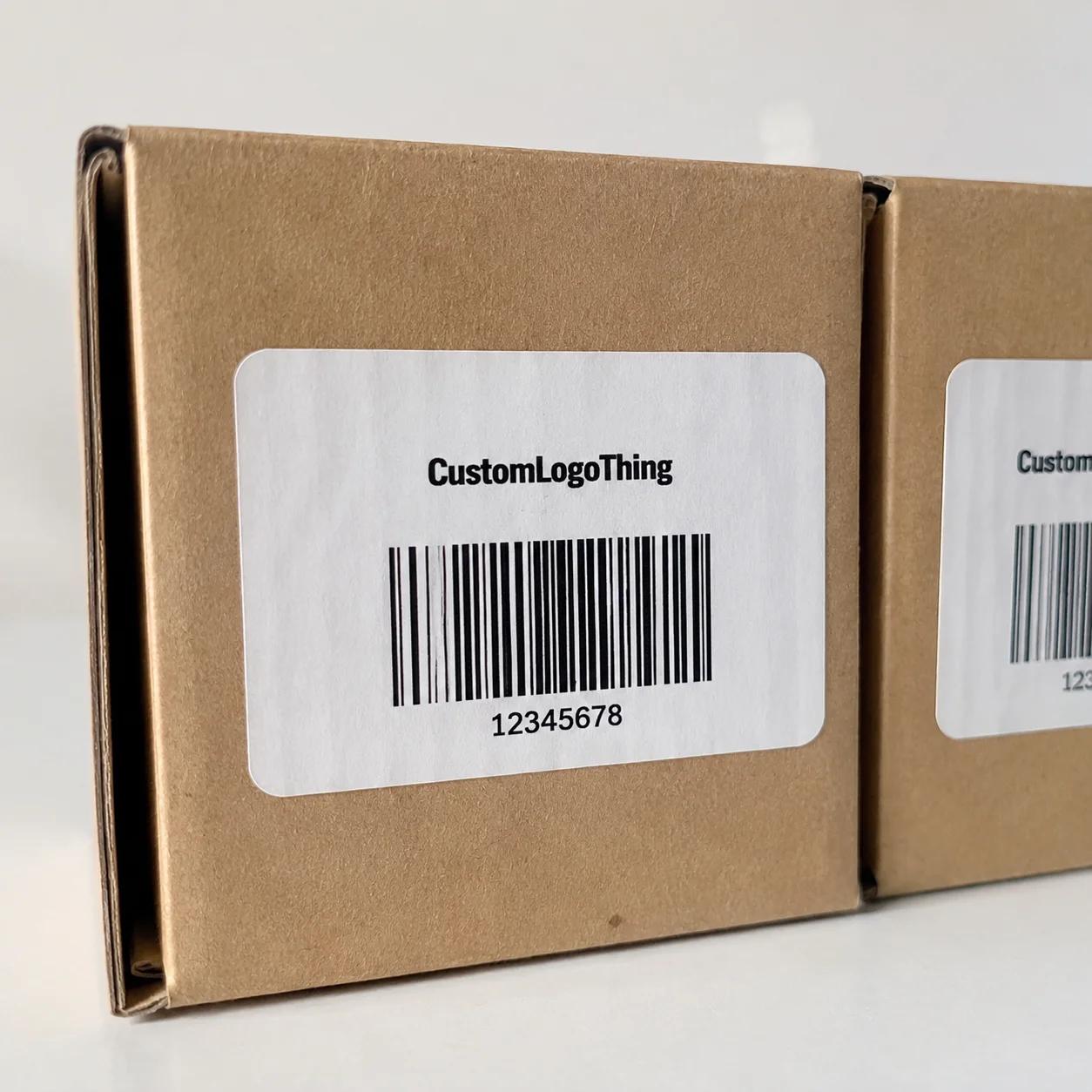
Retail finish can add more value than another logo location. Inside woven labels, branded seam tape, hang tags, UPC labels, individual polybags, recycled mailer compatibility, carton labels, and retail-ready case packs matter if the cap will move through a direct-to-consumer store, marketplace, subscription box, influencer kit, or wholesale bundle.
Practical rule: if a decoration method costs more but supports a $6-$12 higher retail price, it may be cheaper than looking cheap.
Decoration affects both unit cost and lead time, so the quote should break out the cap, logo method, setup, sampling, packaging, and freight. One vague bundled number is easy to approve and hard to audit. Ask for detail before the invoice gets comfortable.
Five-Panel Caps Ecommerce Merch Quote: Cost, MOQ, and Unit Pricing
A real five-panel caps ecommerce merch quote is not just a unit price. It is a pricing picture built from quantity, cap style, decoration, packaging, shipping method, and deadline. Change one of those pieces and the economics move.
For decorated stock five-panel caps, buyers often see rough landed ranges around $6.50-$14.00 per unit at moderate quantities, depending on blank quality, decoration, packaging, and freight. Higher quantities can reduce the per-cap cost because setup, handling, and shipping are spread across more units. Premium builds with custom fabric, patches, inside labels, hang tags, special packing, and tighter color control may land closer to $12.00-$24.00 per unit or more. The exact number depends on the project. Anyone giving one universal price is guessing, oversimplifying, or selling the cheapest version of every component.
MOQ tradeoffs are blunt. Lower MOQ helps test demand, but the unit cost is higher because proofing, setup, handling, and freight have fewer caps to absorb them. Larger runs usually improve margin, but they require demand confidence and storage discipline. Inventory does not care about your vibes.
| Order Type | Typical Quantity | Common Build | Practical Tradeoff |
|---|---|---|---|
| Test Drop | 50-150 caps | Stock cap with embroidery or simple patch | Higher unit cost, lower inventory risk |
| Standard Launch | 250-500 caps | Better blank, patch option, individual bags | Stronger margin, more planning needed |
| Retail Restock | 500-1,000+ caps | Consistent style, repeat artwork, optimized packing | Better pricing, more storage and cash tied up |
| Fully Custom Run | Often 500-1,000+ caps | Custom fabric, labels, closures, trims | Best brand control, longer lead time |
Common quote drivers include quantity, stock versus fully custom construction, fabric, logo size, number of logo locations, stitch count, patch type, color count, sample requirements, packaging, freight method, and delivery date. A front embroidered icon has one cost profile. A woven patch plus inside label plus hang tag plus UPC label has another.
Cheap quotes deserve a second look. They may hide thin fabric, weak crown structure, loose stitching, poor decoration density, missing packaging, vague freight terms, or production timing that suddenly expands after payment. Funny how that works.
Ask for tiered pricing at several quantities. Comparing 100, 250, 500, and 1,000 units shows the real difference between a test run and launch inventory. If your target retail price is $32, the landed cost still has to leave room for fulfillment, payment processing, advertising, returns, discounts, photography, and the occasional customer who treats “one size fits most” like a legal challenge.
MOQ Decisions for Drops, Restocks, and Brand Launches
Quantity should follow the use case. A micro-drop for a creator audience is not the same as a first merch launch, seasonal restock, influencer collaboration, wholesale bundle, event add-on, or evergreen store item. Buying 1,000 caps because the unit price looks nicer can be smart. It can also be how a brand builds a fabric-covered regret pile.
A conservative first order usually works better with one or two focused colorways. Black, navy, khaki, forest, stone, and washed neutrals tend to move better than random trend colors unless the brand has clear audience data. Six colorways feel exciting until five of them start judging you from the warehouse shelf.
Custom construction is worth considering if the brand needs unique fabric, an exact crown profile, private labels, custom closures, special brim treatment, or repeat retail consistency. Decorated stock caps may be smarter for speed and cost when the audience is still unproven. There is no trophy for over-customizing a product customers have not asked for yet.
Margin planning needs the full landed picture. Compare cap cost against target retail price, platform fees, fulfillment cost, ad spend, bundle discounts, returns, and photography expenses. If the cap lands at $11.50 and sells for $30, the numbers may work. If fulfillment adds $5 and paid acquisition is high, maybe not. Math is rude like that.
Get MOQ and price breaks in writing. That helps with launch quantity, reorder points, and future restocks. If a cap sells through faster than expected, you want to know whether the next run should be 250, 500, or 1,000 units before the store sits out of stock for six weeks.
For sustainability claims or retail programs, ask about material and packaging certifications early. FSC-certified paper hang tags or packaging may matter if the brand is building a cleaner supply chain story. The Forest Stewardship Council is a useful reference for responsible paper-based materials, especially hang tags, inserts, and cartons.
Process, Timeline, and Production Steps Before You Sell
The clean buying process looks simple: submit logo and specs, confirm cap style, choose fabric and color, select decoration, receive quote, approve artwork, approve sample or proof, start production, complete quality control, then ship to the buyer or fulfillment center. The messy part is all the decisions people try to skip.
Quoting moves faster when the request is specific. Send a vector logo, target quantity, cap color, fabric preference, decoration idea, packaging needs, shipping destination, and deadline. If the request says only “send prices for hats,” expect questions. Lots of them.
A digital proof checks placement, scale, layout, and basic color direction. A physical pre-production sample checks the cap, decoration, feel, fit, stitching, fabric, and hand. A production sample may come from the finished run for final reference. These are not interchangeable. Approving a flat PDF does not prove a cap feels premium.
Timeline depends on customization. Stock cap decoration may move in a shorter window after artwork approval, often around 10-20 business days for straightforward runs, depending on quantity and production load. Fully custom caps with fabric sourcing, samples, labels, trims, or special packaging can push into 30-60+ days before freight. Air freight is faster and costs more. Ocean freight is slower and cheaper at volume. Shocking tradeoff, I know.
Timeline risks include late artwork, missing Pantone references, design changes after proof approval, holiday schedules, production backlogs, freight congestion, customs review, and last-minute packaging changes. If caps must launch on a fixed ecommerce date, build in buffer for photography, product page setup, influencer seeding, fulfillment center intake, and quality review.
For shipping performance and damage testing, standards from groups like the International Safe Transit Association can be useful, especially if caps are bundled with heavier merchandise or routed through fulfillment networks. Caps are soft goods, yes. Crushed crowns and dirty packaging still create customer complaints.
Custom Logo Things can help identify the fastest practical route, but production calendars and shipping physics still exist. If your quote is tied to a launch date, share the date early instead of treating it like a fun surprise after approval.
How We Keep Ecommerce Cap Orders From Going Sideways
The goal is fewer surprises: clearer specs, better material choices, realistic pricing, and production support from Quote to Delivery. That matters more than cheerful promises about how easy cap orders are because the product is small.
Custom Logo Things reviews the intended sales channel before quoting. A direct-to-consumer store may need stronger unboxing and consistent product photography. An Amazon-style marketplace may need barcodes, individual bags, suffocation warnings where required, and stricter labeling. A subscription box may care more about pack size and deadline. Wholesale programs may need hang tags, case packs, and repeatable SKU information.
Practical support includes decoration recommendations, logo simplification, tiered quotes, packaging options, sample coordination, production updates, and freight planning. If embroidery will ruin small text, that should be said early. If a woven patch gives a cleaner retail result, it belongs in the quote. If the budget blank will not support a $38 retail price, better to hear it before production than after 500 customers touch it.
Quality checks for caps should focus on crown shape, brim alignment, stitching consistency, logo placement, thread trimming, closure function, fabric color, patch adhesion or stitch quality, and packing condition. A cap can be technically finished and still look sloppy. That gap later appears as returns, discounting, and low review scores.
Packaging also affects perceived value. Individual polybags, recycled mailer compatibility, carton strength, hang tags, barcode placement, and carton labels all influence handling. If the cap ships in a bundle, it may need to sit beside tees, stickers, drinkware, or rigid boxes without getting crushed.
Direct and realistic beats vague and cheerful. If the project needs a better blank, a higher MOQ, a simpler logo, or an extra sample step, the quote should say so. For specific specs and pricing, send project details through Contact Us and ask for the tradeoffs, not just the cheapest number.
Next Steps Before You Request Pricing
Before requesting pricing, gather the basics: logo file, target quantity, cap color, fabric preference, decoration method, desired retail price, packaging needs, shipping destination, launch date, and whether samples are required. Ten minutes of prep can save three rounds of vague email.
Vector artwork is best. Send AI, EPS, SVG, or print-ready PDF files when available. PNG or JPG files can sometimes work for mockups, but low-resolution files may require cleanup before accurate embroidery, patch, or print pricing. If the logo has fine lines, gradients, tiny lettering, or distressed texture, flag it early.
Choose two or three quantity tiers for quoting. A test run, a standard launch run, and a restock quantity can reveal how unit cost changes with volume. For a new merch item, 100, 250, and 500 caps often tell a useful story. For an item with sales history, 500, 1,000, and 2,000 may make more sense.
Include retail context. Where will the caps sell? What price point do you need to support? Do you need hang tags, UPC labels, individual bags, carton labels, or fulfillment center routing? Will the cap sell alone or ship with shirts, stickers, boxes, or drinkware? The quote improves when the use case is clear.
To get an accurate five-panel caps ecommerce merch quote, send specs early, be honest about budget, and ask for tradeoffs instead of chasing the lowest number. The best cap is not always the most expensive one. It is the one that matches the audience, price point, production window, and brand standard before money is trapped in inventory.
FAQ
What information do I need for a five-panel cap merch quote?
Send your logo, target quantity, cap color, fabric preference, decoration method, shipping destination, packaging needs, and deadline. Include your target retail price if you are selling online so the quote can support margin planning. Vector artwork gives the most accurate decoration pricing; low-resolution PNG or JPG files may need cleanup before production pricing is reliable.
What is the typical MOQ for custom five-panel caps?
MOQ depends on whether you choose decorated stock caps or fully custom construction. Lower quantities are better for testing a drop, but unit cost is higher. Larger runs usually unlock better pricing, more customization, and stronger margin, but they require more inventory confidence and storage planning.
How much do ecommerce five-panel caps cost per unit?
Unit cost depends on cap quality, fabric, quantity, decoration method, logo size, packaging, and freight. Decorated stock caps may land around $6.50-$14.00 per unit at moderate quantities, while more customized builds can run $12.00-$24.00 or higher. Ask for tiered pricing so you can compare small test quantities against larger launch or restock quantities.
How long does production take for five-panel caps?
Timeline depends on artwork readiness, sample approval, order quantity, customization level, production schedule, and shipping method. Stock cap decoration may take about 10-20 business days after approval for straightforward runs. Fully custom production can take 30-60+ days before freight. Build in extra time for photography, ecommerce setup, fulfillment center intake, and launch scheduling.
Are five-panel caps good for ecommerce merch brands?
Yes. Five-panel caps are strong ecommerce merch products because they photograph well, fit broad audiences, and offer a clean front logo area. They work especially well for streetwear, outdoor, creator, coffee, brewery, fitness, skate, and lifestyle brands. The best results come from matching cap quality, decoration, packaging, and retail price before production starts.
For a clear five-panel caps ecommerce merch quote with quantity tiers, decoration options, packaging choices, and realistic timing, send your specs through Contact Us.