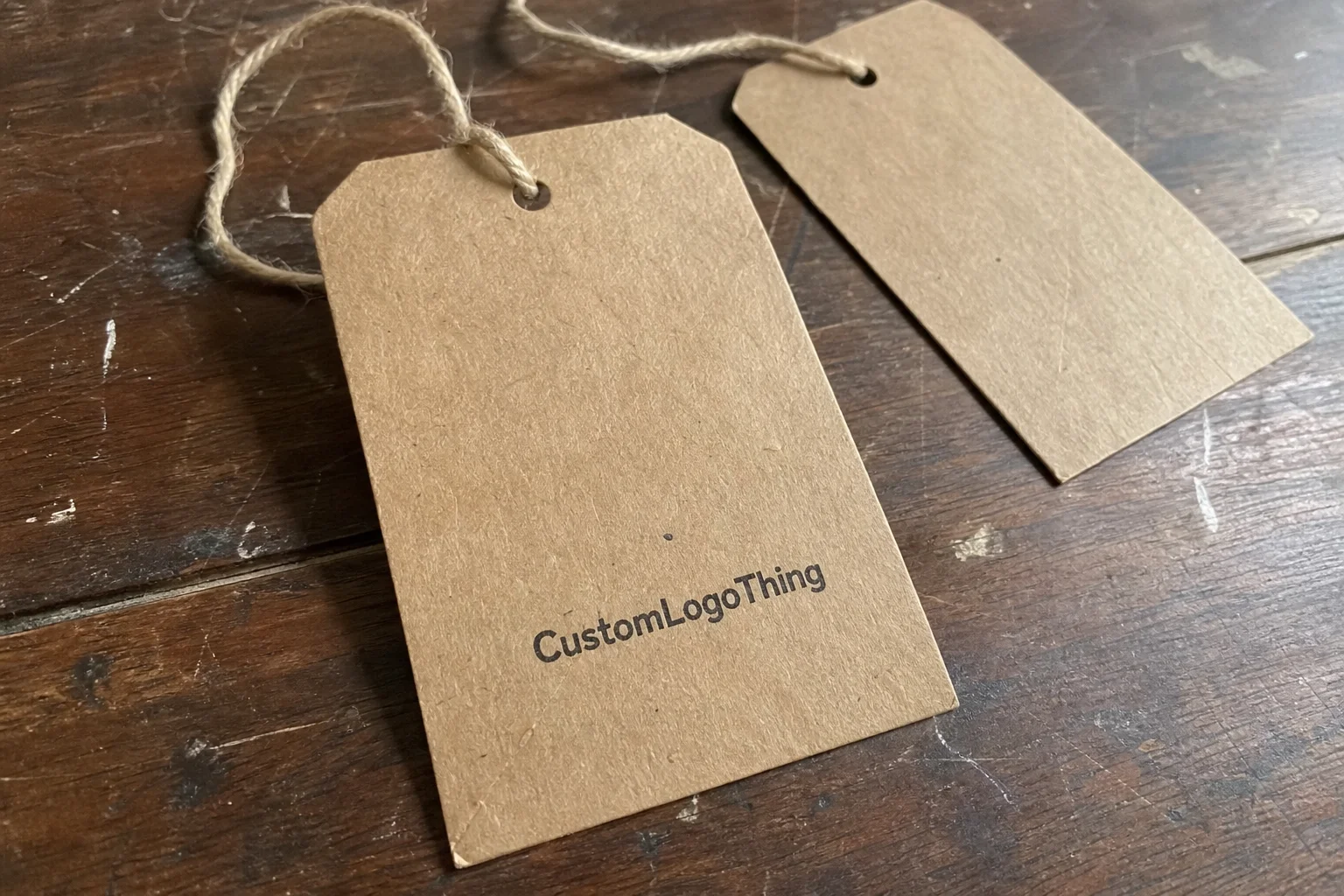
A plain beanie can look like a giveaway. Add the right patch, use the right knit, control the placement, and suddenly the same basic shape feels like something people will pay for. Funny how that works. Logo Patches Beanies for retail merch are knit beanies decorated with sewn, heat-applied, or label-style patches for resale in brand stores, campus shops, brewery taprooms, creator merch drops, outdoor retailers, event booths, and corporate shops that need more than another sad promo hat.
What Logo Patches Beanies for Retail Merch Actually Are
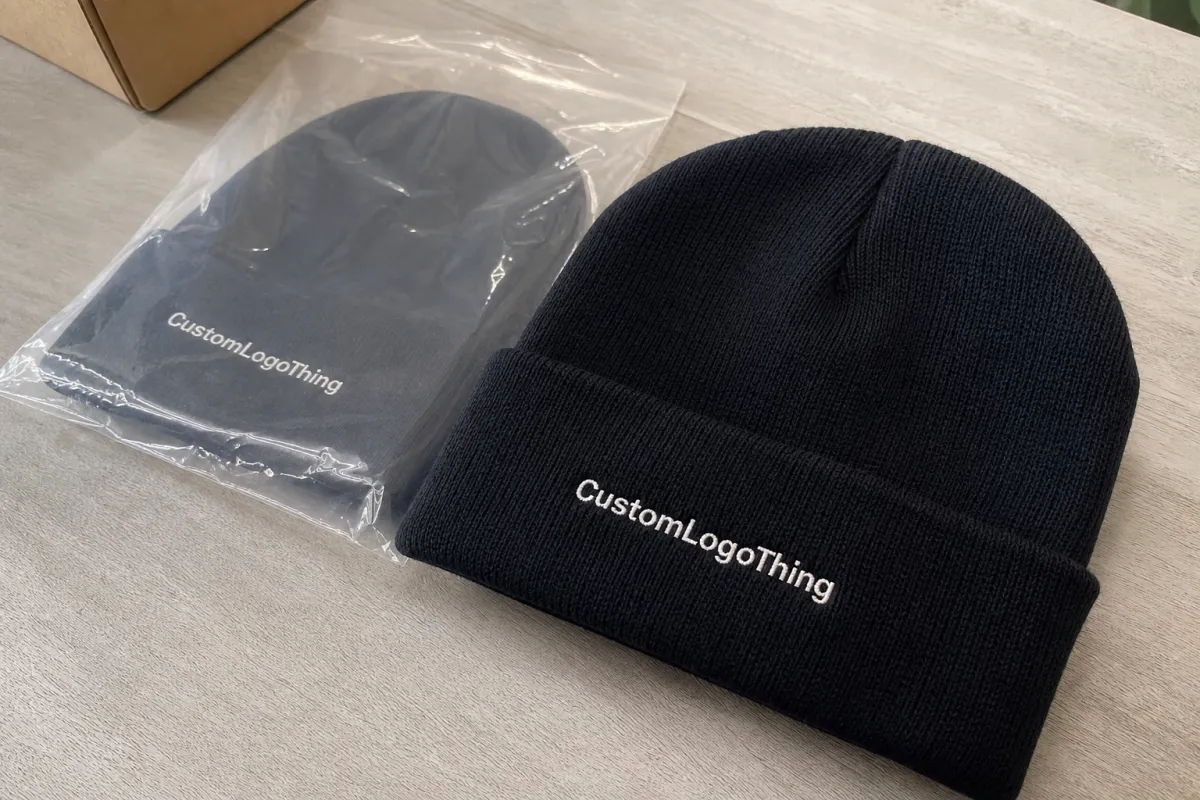
Retail patch beanies are not blank winter hats with a logo slapped onto the cuff. That version exists, and shoppers can spot it from six feet away. A retail-ready beanie starts with a better knit body, cleaner decoration placement, a patch that survives normal wear, tighter color control, and packaging that does not scream bargain bin.
The patch does three jobs at once. It becomes the visual anchor, the quality signal, and the perceived-value booster. On a simple product like a beanie, there are not many places to hide bad decisions. The knit, patch, label, and finish have to carry the whole item.
Common patch options include woven, embroidered, faux leather, genuine leather, PVC, chenille, and printed fabric patches. Each one changes the look, durability, production method, and cost. Woven patches hold small lettering. Embroidery adds texture. Leather feels outdoor, western, or workwear. PVC reads rugged and modern. Chenille is loud, nostalgic, and not shy about it.
Beanies work for retail because they are one-size-friendly, compact to ship, easy to display, and simple to bundle with hoodies, socks, scarves, drinkware, or gift sets. They are seasonal, yes, but repeatable. A strong black cuffed beanie with a clean patch can return every cold-weather season with only small color updates.
The buyer's job is to match patch, knit, logo, margin, and delivery date before the purchase order goes into production. Guessing afterward gets expensive fast.
How Patch Decoration Works on Retail Beanies
The production flow looks simple: choose the beanie body, choose the patch type, size the logo, approve a digital proof, review a sample or pre-production proof when the risk warrants it, then attach the patches during production. Simple process. Plenty of room to mess it up.
Sewn-on patches are the most common retail choice because they hold well, look intentional, and work across ribbed cuff beanies, fisherman beanies, slouch beanies, and pom beanies. A satin stitch or merrowed border usually lands around 2 to 4 mm thick, depending on the patch style. For most retail beanies, a 2 to 3 inch wide patch sits comfortably on the cuff without looking cramped.
Heat-applied patches can be fast and clean, but compatibility matters. Backing, temperature, pressure, dwell time, and knit fiber all need to line up. Acrylic, recycled polyester blends, wool blends, and heavy rib textures behave differently under heat. If the supplier has not applied that exact patch backing to that beanie fabric, ask for testing. Hope is not a quality-control method.
Placement changes the product more than buyers expect. Centered on the cuff is safest for resale because it photographs clearly and fits standard display setups. Side cuff placement feels more fashion-oriented. A folded brim patch is classic. Off-center placement can work for streetwear, but it needs confidence and an audience that understands the choice.
Patch size needs restraint. Small patches around 1.5 to 2 inches wide feel subtle and premium. Standard retail patches usually sit around 2 to 3 inches wide. Larger patches can create shelf impact, but they may buckle or curve awkwardly once the beanie stretches on a head. Flat art lies. Foreheads tell the truth.
Production rule: ask how the patch is attached, what backing is used, and whether the supplier has produced that patch-and-beanie combination before. A clean mockup is not the same as a tested product.
Patch Material, Knit Style, and Logo Details That Affect Sell-Through
Good logo patches beanies for retail merch start with a logo reality check. Website artwork and production artwork are cousins, not twins. A header logo with gradients, tiny taglines, hairline outlines, and soft shadows may look great on a screen. On a 2.25 inch patch, it can become decorative fuzz.
Woven patches are usually best for detailed logos, smaller type, and clean retail branding. Fine threads can hold more detail than embroidery. For small text, keep letter height above roughly 1.5 to 2 mm when possible, and avoid ultra-thin strokes. Woven labels and patches also have a lower profile, which helps on cuffed beanies that already carry fabric bulk.
Embroidered patches bring texture and classic merch appeal. They work best with bold marks, thick lettering, and limited fine detail. Stitch count drives cost, and tiny interior spaces can fill in. If your logo has a thin script tagline under the main mark, cut it. Nobody buys a beanie because they can read a six-word mission statement from across the store.
Leather and faux leather patches fit outdoor brands, breweries, western shops, workwear labels, and lifestyle retail. Debossed artwork needs enough line weight to show. A common patch thickness range is about 0.8 to 1.5 mm for faux leather and 1.2 to 2 mm for genuine leather, though material specs vary. Leather can look expensive. It is not automatically premium if the debossing is weak, the edges look rough, or the color rubs oddly against the knit.
PVC patches suit waterproof, tactical, utility, and modern branding. They hold bold color blocks well, but they can feel stiff on soft knits. Use them carefully on lightweight beanies. Chenille patches work for varsity, streetwear, and nostalgic drops, but the fuzzy texture eats detail. Large shapes win. Delicate art loses.
| Patch Type | Best For | Watch-Out | Typical Retail Use |
|---|---|---|---|
| Woven | Small text, detailed logos, clean branding | Gradients and photo detail still fail | Campus shops, creator merch, brand stores |
| Embroidered | Bold logos, classic merch texture | Fine outlines and tiny icons get muddy | Breweries, events, sports merch |
| Faux or Genuine Leather | Outdoor, workwear, western, lifestyle | Thin debossed lines disappear | Premium retail beanies and gift sets |
| PVC | Rugged, waterproof, modern looks | Can feel bulky on soft knits | Outdoor, tactical, utility brands |
| Chenille | Varsity, streetwear, nostalgic graphics | Needs larger, simpler shapes | Limited drops and fashion-led merch |
Beanie body choice matters just as much. Cuffed rib knit is the safest mainstream retail option. Fisherman beanies feel shorter and more streetwear-driven. Slouch beanies suit lifestyle brands. Pom beanies work for winter shops, ski programs, and family retail. Recycled yarn beanies can support sustainability-led programs, especially when paired with credible sourcing claims instead of vague green copy.
Knit density affects decoration more than a spec sheet suggests. A loose acrylic rib may stretch around the patch and make the edges flare. A dense knit holds the patch flatter but can feel warmer and less forgiving. Heavyweight rib looks premium on a shelf; lightweight jersey knit packs smaller and may suit low-profile labels better. Ask for grams per piece, fiber content, cuff height, and whether the beanie is single-layer or double-layer if those specs affect the retail price.
If sustainability claims matter, ask for documentation. FSC applies to forest-based materials like paper hang tags and packaging, not the beanie itself unless a forest-derived material is involved. For paperboard tags or branded belly bands, buyers can review responsible sourcing through the Forest Stewardship Council. For transport packaging, recycled content and right-sizing can align with practical guidance from the U.S. Environmental Protection Agency.
Cost, Pricing, MOQ, and Unit Cost Drivers
Pricing depends on beanie quality, patch material, patch size, attachment method, order quantity, number of colors, packaging, sampling, freight, and whether the supplier is using stock blanks or building the product from scratch. Anyone offering one universal price is either simplifying hard or selling fog.
For broad planning, basic decorated stock beanies can land in the lower single digits at higher quantities, especially with simple woven or embroidered patches. Premium patch beanies move into mid or higher unit costs once you add heavier knit weight, faux leather or genuine leather, custom packaging, domestic finishing, smaller runs, or air freight. For 250 to 500 units, many retail buyers should expect a meaningful jump compared with 1,000 or 2,500 units because setup and handling are spread across fewer pieces.
Patch type changes the math. Woven patches are efficient for detailed logos. Embroidery rises with stitch count. Leather changes with material type, debossing, edge finish, and die setup. PVC may require a mold, which can make small runs feel expensive. Chenille often costs more because the patch is larger and more textured.
MOQs are not all the same. Stock Beanies With Custom patch decoration may support lower minimums, sometimes around 100 to 250 units depending on supplier and patch type. Custom knit colors, private labels, custom yarn, unique silhouettes, and fully bespoke construction usually push minimums higher, often 500 to 1,000 units or more per color or design. Confirm whether the MOQ applies per design, per colorway, per patch material, or total order. That one detail saves headaches.
Setup costs can include digitizing, woven patch setup, leather dies, PVC molds, PMS matching, samples, strike-offs, and proofing. Sometimes these appear as separate line items. Sometimes they are absorbed into the unit cost. Ask directly, because comparing two quotes without setup fees is how buyers fool themselves with spreadsheets.
| Cost Driver | Typical Effect | Buyer Advice |
|---|---|---|
| Patch size | Larger patches raise material and handling cost | Stay near 2 to 3 inches wide unless the design needs more |
| Order quantity | Higher volume lowers setup cost per unit | Quote 100, 250, 500, 1,000, and 2,500 units |
| Packaging | Hang tags, UPC labels, and bags add labor | Include retail packing in the first quote |
| Freight method | Air is faster; ocean is cheaper at scale | Match freight to launch date and margin |
Do not reduce patch size just to shave pennies if the retail price drops with it. A beanie that costs $0.60 more but sells for $6 more is usually the better product. Retail margin is not about worshipping the lowest unit cost. That religion has terrible merch.
If a quote is suspiciously cheap, ask what was removed. It is usually quality control, packaging, patch durability, freight reality, or someone's will to live.
Process and Timeline From Artwork to Finished Beanies
The normal flow runs through creative brief, beanie style selection, patch material choice, artwork cleanup, quote, digital proof, sample or strike-off, approval, bulk production, quality control, packing, and shipping. Each stage removes risk. Skip too many and the risk does not vanish; it just shows up later wearing a tracking number.
Stock beanies with custom patches move faster than fully custom knit goods. A stock rib cuff beanie with a sewn woven patch may fit a shorter production window if blanks and patch materials are available. Add custom yarn colors, new PVC molds, leather debossing dies, overseas production, retail hang tags, barcode labels, or mixed-color packing, and the schedule stretches.
Practical timing often looks like this: digital proofing may take 1 to 3 business days after clean artwork is received. Patch samples or strike-offs may take roughly 5 to 10 business days depending on material. Stock beanie decoration can often run in the 10 to 20 business day range after approval, while fully custom knit programs can take several weeks longer. Freight adds time. Air freight is faster but painful on margin. Ocean freight is slower and usually better for large orders.
A digital proof checks size, placement, color callouts, and layout. A physical sample checks the stuff that matters in your hands: patch stiffness, deboss depth, embroidery density, knit feel, cuff height, stretch behavior, and how the product looks when worn. For premium logo patches beanies for retail merch, sampling is not a luxury. It is cheap insurance.
Basic quality-control checks should be defined before production starts. Confirm patch placement tolerance, such as centered within a reasonable fraction of an inch. Check for loose threads, crooked labels, adhesive bleed, weak heat bonding, color mismatch, cracked debossing, rough leather edges, and inconsistent cuff height. For retail packing, verify SKU labels, carton counts, color separation, UPC placement, and whether each beanie is folded the same way. Boring details. Expensive when missed.
Common delays are painfully predictable: late artwork, unclear logo files, missing PMS colors, too many approvers, changing patch material after sampling, and waiting until the first cold front to order winter merch. Production teams are good. They are not magicians.
If the beanies must be in hand by a fixed date for a holiday floorset, school store launch, event booth, brewery release, or creator drop, say that at quote stage. A supplier can recommend stock blanks, domestic finishing, simpler packaging, or air freight only if they know the deadline before production starts.
Step-by-Step Buying Guide for Better Retail Beanie Orders
- Define the buyer and use case. A ski shop, brewery, creator merch store, campus bookstore, and corporate holiday shop do not need the same beanie.
- Choose the retail price target first. Reverse-engineer the product cost from the margin you need. Vibes are not a pricing model.
- Select the silhouette. Pick cuffed, fisherman, slouch, pom, recycled yarn, or heavyweight rib knit based on the audience and season.
- Match patch material to the logo. Detailed logo? Woven. Rugged brand? Leather or PVC. Bold classic merch? Embroidered.
- Simplify production artwork. Remove tiny taglines, thin outlines, complex shadows, and low-contrast details that will disappear on fabric.
- Confirm placement on a real beanie mockup. Flat Illustrator art does not know how a forehead works.
- Request a complete quote. Ask for quantity breaks, setup costs, sample costs, packaging costs, and shipping estimates together.
- Review the proof like a buyer. Check spelling, scale, contrast, placement, attachment method, care instructions, and color callouts.
- Approve a sample when risk is high. Do this for new retail programs, premium price points, first-time patch materials, and large orders.
- Lock packing details early. Confirm individual polybags, hang tags, belly bands, size labels, carton quantities, barcode stickers, and retail-ready bundles.
The best orders usually have fewer moving parts and better decisions. Two strong colorways beat six mediocre ones. One clean patch beats a complicated logo that fights the material. A clear delivery date beats vague urgency every single time.
Common Mistakes That Make Patch Beanies Look Cheap
Mistake 1: using a logo file that was never meant for production. A low-resolution PNG pulled from a website is not artwork. It is a cry for help. Send AI, EPS, SVG, or a high-quality PDF when possible.
Mistake 2: choosing the wrong patch material for the logo. Thin script on leather, tiny icons in embroidery, and gradients on woven patches all create preventable disappointment. The logo should be rebuilt for the patch method, not pasted in and prayed over.
Mistake 3: making the patch too large. Oversized patches can buckle, feel stiff, and make the beanie uncomfortable. On a standard folded cuff, 2 to 3 inches wide usually works better than a giant billboard.
Mistake 4: ignoring knit texture. Chunky rib knits can distort placement and make small patches look swallowed by the fabric. A heavy rib may need a slightly larger patch or a cleaner border to read well.
Mistake 5: choosing colors only from a screen. Thread, yarn, leather, PVC, and printed fabric reflect color differently. PMS references help, but physical samples help more. Not always possible, but worth requesting for higher-value retail orders.
Mistake 6: skipping the sample on a premium order. Digital proofs are useful, but they cannot show hand feel, patch stiffness, stretch behavior, or deboss depth. If the beanie will sell at a premium retail price, treat it like a premium product during development.
Mistake 7: ordering too many colorways too early. First runs should stay tight. Black, charcoal, navy, olive, cream, and heather gray usually move better than a rainbow of slow movers, unless the brand already has clear color demand.
Mistake 8: forgetting packaging. A good beanie tossed loose in a carton can arrive wrinkled, unlabeled, and annoying for retail teams to process. Hang tags, UPC labels, belly bands, carton labels, and mixed-color packing instructions should be decided before the order ships.
Mistake 9: planning around best-case timelines. Best-case schedules are adorable. Real buying plans include buffers for proof revisions, sampling, production queues, freight delays, and receiving.
Next Steps Before You Request Samples or Place an Order
Create a simple spec sheet before contacting suppliers. It should list beanie style, yarn or knit weight preference, patch type, patch size, logo file format, color references, quantity range, packaging needs, target delivery date, and target unit cost. One clean page can save ten messy email threads.
Prepare clean vector artwork if possible. AI, EPS, SVG, and high-quality PDF files are usually better than PNG or JPG files. Include PMS colors if brand color accuracy matters, and be realistic about the patch method. A four-color PVC patch, a debossed leather patch, and a woven patch will not interpret the same logo in identical ways.
Compare two useful directions instead of asking for every option under the sun. A woven patch versus faux leather patch comparison can help a buyer see detail, cost, and brand feel clearly. Twelve random options slow the project down and blur the decision.
Ask for realistic quantity breaks, not only the minimum. The best value may appear at 500 units instead of 250, or at 1,000 instead of 500. That does not mean you should overbuy, but it does mean you should know the curve before setting retail price and margin.
Request photos of similar finished beanies, especially if the patch type or placement is new to your brand. Similar does not mean identical, but it helps confirm the supplier understands cuff height, patch scale, stitch placement, and retail finish.
Decide whether you need a pre-production sample or whether a digital proof is enough for the order size and risk level. For a small internal merch run, a digital proof may be fine. For a paid retail drop, a first-time brand store program, or higher unit cost, get the sample if the timeline allows.
Confirm retail details early: hang tags, belly bands, UPC labels, individual bags, carton labels, and mixed-color packing instructions. If the beanies are going to a fulfillment center or store network, ask whether cartons need specific labels, case counts, or SKU separation.
Before ordering logo patches beanies for retail merch, lock the artwork, patch material, beanie style, quantity, deadline, and packaging plan so the quote is real and the finished product is not a surprise. Surprises are great for birthdays. Terrible for retail inventory.
FAQ
What patch type works best for logo patch beanies for retail merch?
Woven patches are best for detailed logos and small text because they hold cleaner detail than embroidery. Embroidered patches work well for bold, classic merch designs with thicker shapes and limited fine detail. Faux leather or genuine leather patches are strong for outdoor, brewery, workwear, western, and lifestyle brands. PVC patches suit rugged or weather-resistant branding, but they can feel stiff on softer beanies.
How much do custom patch beanies usually cost for retail orders?
Cost depends on beanie quality, patch material, patch size, order quantity, setup fees, packaging, and shipping. Stock beanies with sewn patches are usually more cost-efficient than fully custom knit beanies. Ask for quantity breaks at 100, 250, 500, 1,000, and 2,500 units so you can see where pricing improves. Do not compare unit cost without checking setup fees, sample fees, freight, and retail packaging.
What is the typical MOQ for logo beanies with patches?
Lower MOQs are more realistic when using available blank beanies and standard patch production. MOQs increase when you need custom knit colors, custom yarn, private labels, new PVC molds, or fully custom construction. Retail buyers should confirm whether the MOQ applies per design, per colorway, per patch type, or total order. Starting with fewer colorways can help keep inventory cleaner and reduce slow-moving SKUs.
How long does production take for retail beanies with logo patches?
Timeline varies based on stock availability, patch type, sampling, production location, order size, and shipping method. Stock beanies with custom patches are usually faster than fully custom knitted beanies. Physical samples, custom molds, leather debossing dies, and retail packaging can add time. Share your required in-hand date during quoting so the supplier can recommend the right production path.
What size should a logo patch be on a retail beanie?
Most retail beanie patches work best around 2 to 3 inches wide, depending on the logo shape and beanie style. Smaller patches feel subtle and premium, while larger patches create stronger shelf impact but can become stiff. The patch should be tested against the folded cuff height so it does not look cramped or oversized. Avoid tiny text, thin lines, and complex details unless the patch material can reproduce them cleanly.