What Foil Stickers Custom Buyers Should Know First
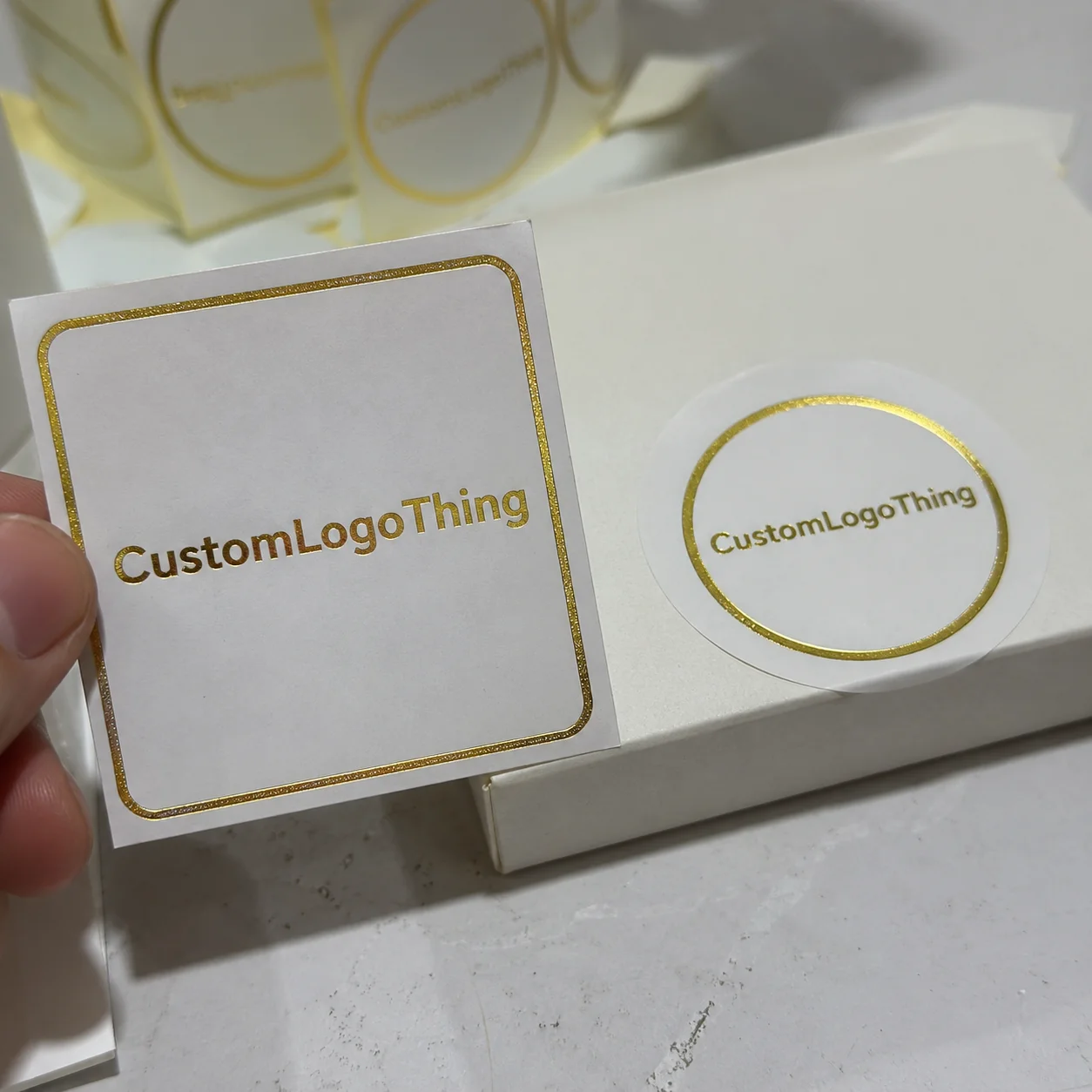
A plain kraft mailer, candle box, or product jar can look acceptable on a packing table. Then one small metallic seal catches the light, and the whole package feels more deliberate. That is the real reason brands order foil stickers custom designs: not because shine rescues weak packaging, but because a controlled metallic detail can lift perceived value in a way ordinary ink rarely does.
Foil stickers are adhesive labels or decals made with a metallic effect, usually gold, silver, holographic, rose gold, copper, champagne, or another specialty finish. They appear as logo seals, lid labels, limited-edition badges, thank-you stickers, promotional decals, tamper accents, and premium details on branded packaging. A 1.5-inch round gold logo sticker for a mailer flap is not the same job as a 3 x 4-inch waterproof label for a bath jar, even if both use foil.
The most common misunderstanding is simple: foil is not just a color chosen on a screen. Metallic shine comes from a material or process, such as hot foil stamping, cold foil, digital foil, metallic film, or metallic ink. That choice affects cost, artwork setup, durability, texture, lead time, and how sharp the smallest details can be.
Foil works best when it has a job. It might highlight a logo, frame the product name, mark a seasonal release, or create a premium seal across tissue paper. If every line, border, icon, and paragraph is metallic, the design can turn glare-heavy and harder to read. Strong foil sticker projects usually balance shine with matte ink, negative space, and a clear order of information.
Production note: Treat foil as a finish, not a regular print color. Build the design around contrast, clean shapes, and enough spacing for the chosen production method.
How Metallic Foil Effects Actually Work on Stickers
Not every metallic-looking sticker is produced the same way. The same artwork can behave differently on paper stock, clear film, metallic vinyl, or a laminated waterproof label. Before approving a proof, ask how the foil effect will be made, especially if the sticker must match existing retail packaging or sit beside Custom Labels & Tags already in use.
Hot foil stamping uses heat, pressure, and a die to transfer metallic foil onto selected areas. It is a traditional premium method and can produce crisp, elegant results on many paper labels and some films. The tradeoff is setup. Dies, registration checks, material testing, and press preparation all add cost, so hot foil often makes more sense once the quantity is high enough to spread those charges across the run.
Cold foil uses adhesive and pressure rather than the same heat-and-die approach. It can be efficient for certain label lines, especially where foil and print are combined in a continuous production process. It is not automatically better or worse than hot foil. The right choice depends on equipment, label stock, artwork, and the durability target.
Digital foil is often friendlier for short runs, quick design changes, and some variable artwork. It can reduce tooling needs, though exact capability depends on the machine, toner or adhesive layer, substrate, foil film, and top finish. Fine type, large solid foil fields, and textured stocks still need review. Digital foil has limits, particularly where tiny registration shifts would be obvious.
Metallic films and vinyls work differently. The base sticker material already has a reflective surface, then ink prints over it or around it. This approach can create strong silver, mirror, holographic, or brushed-metal effects. If transparent process inks print directly on metallic stock, colors may shift darker, richer, or more reflective than expected. White ink underprinting is often used as a blocking layer so brand colors stay closer to the proof.
Metallic ink is another option, but it usually gives a softer shimmer rather than the mirror-like pop of foil. For some packaging, that restraint is useful. A skincare label with a quiet champagne shimmer may feel more expensive than one shouting in mirror gold. For a logo seal meant to flash on a shelf or mailer, true foil or metallic film may be stronger.
Key Design Specs That Make Foil Labels Look Clean
Clean artwork makes production easier. It also makes the finished sticker look more expensive. Simple logos, solid icons, borders, monograms, seals, and short product names usually foil better than tiny textures, thin script lettering, or dense patterns.
If the design relies on hairline strokes below roughly 0.25 mm, ask for a production review before treating the quote as final. Some equipment can hold finer detail, but not across every material and foil method. Foil has a different visual penalty than ink. A slightly broken ink line may disappear into the overall design; a ragged metallic edge can catch the eye immediately.
Spacing matters just as much as line thickness. If two foil elements sit too close together, they can visually merge, especially on stickers under 2 inches wide. Very small reversed-out type inside a foil block can also fill in or lose edge definition. Ingredient lists, legal copy, QR codes, nutrition panels, and barcodes usually belong in dark ink on a light, non-reflective background.
Production files should be built with clear layers. Vector artwork is best for logos, cut lines, and foil areas because it holds sharp edges at any size. AI, EPS, or a production-ready PDF is commonly preferred. Fonts should be outlined. Raster images, if used, should generally be 300 dpi at final printed size. The foil area should be separated, named clearly, or assigned a spot color such as “FOIL GOLD” so prepress knows exactly what receives the metallic finish.
Contrast is the quiet hero of foil sticker design. Gold foil on matte black, silver on deep navy, copper on forest green, rose gold on soft white, or holographic foil on a minimal black-and-white layout can feel intentional. Kraft brown can work beautifully too, although uncoated kraft paper absorbs ink differently than coated stock and may soften fine detail.
Shape and application should be decided early. Circles and ovals are popular for logo seals and jar lids. Rectangles work well for product labels. Custom Die Cuts can make a mark feel more ownable, but complex corners, narrow bridges, and tiny cutouts may raise tooling cost or slow production. Kiss-cut sheets are useful for hand application because the stickers peel from a backing sheet. Rolls are better for larger packing operations or applicator machines.
- Paper stock: Good for dry boxes, bags, stationery, and premium indoor package branding.
- BOPP or vinyl film: Better for water resistance, oils, handling, and refrigerated product packaging.
- Clear stock: Good for a no-label look, though white ink may be needed behind colors or foil details.
- Matte laminate: Reduces glare and gives foil a stronger contrast point.
- Gloss laminate: Adds shine and scuff resistance, though it can compete visually with metallic foil.
- Soft-touch coating: Creates a smooth, low-sheen feel often used on premium retail packaging.
Cost, Pricing, and MOQ Factors for Foil Sticker Orders
Foil sticker pricing is driven by size, material, foil method, number of foil colors, print colors, die-cut complexity, quantity, proofing, finishing, and packing format. A small 1-inch paper foil seal will price very differently from a waterproof 3 x 5-inch label with white ink, matte laminate, custom shape, and several metallic areas. The construction is different. So are the setup steps and quality checks.
Quantity has a major effect on unit cost. Setup time, artwork handling, material setup, foil setup, press calibration, cutting, and packing all happen whether the order is 250 stickers or 10,000. Larger quantities usually lower the per-piece price because fixed steps are spread across more units. That does not mean every buyer should over-order. Adhesives, packaging graphics, product names, and compliance copy can change, so six months of inventory only makes sense if the design is stable.
MOQ depends on the method. Digital foil and digitally printed metallic labels are often more practical for short runs. Hot foil stamping may have a higher setup threshold because of dies or press preparation. Specialty holographic patterns, uncommon foil shades, textured papers, and multi-foil designs can also raise minimums or extend lead time. In many first orders, one well-placed foil accent beats three competing metallic finishes because it protects both budget and schedule.
| Sticker Type | Typical Use | Common Quantity Range | Budget Behavior |
|---|---|---|---|
| Small paper foil seal | Mailer flap, candle box, thank-you sticker | 500-5,000 pieces | Often the lowest-cost path for a premium accent |
| Waterproof film label with foil | Jar, bottle, bath product, refrigerated item | 1,000-10,000 pieces | Higher due to film, adhesive, laminate, and durability needs |
| Custom die-cut foil decal | Brand mark, event giveaway, laptop sticker | 250-5,000 pieces | Shape complexity and material waste affect price |
| Multi-foil premium label | Limited edition, luxury product, specialty retail | 1,000+ pieces | Added foil colors increase setup, proofing, and inspection time |
For a quote, send real specs rather than a vague request for “gold stickers.” Include size, quantity, shape, surface, indoor or outdoor exposure, moisture exposure, desired foil color, packaging deadline, and artwork file. If the sticker is part of a larger product launch with Custom Packaging Products, mention the box, jar, pouch, or shipper material too. A foil seal for an uncoated box needs different planning than a label on a cold drink bottle.
As a rough buyer expectation, simple custom stickers may land in low per-piece ranges at higher quantities, while specialty foil labels climb due to setup and materials. A 5,000-piece run often prices far better per unit than a 250-piece trial, but the exact number depends on final specs. Any supplier giving a firm price without size, quantity, material, and finish is estimating in the dark.
Process and Timeline from Artwork to Finished Stickers
A normal order path starts with concept, quote, artwork review, proof, approval, material preparation, printing or foil application, cutting, quality checks, packing, and shipping. Repeat orders can move faster because the file, material, and cut path may already be approved. New custom shapes, specialty stock, or tight foil registration need more review.
The proof stage is not a formality. It confirms size, layout, foil placement, cut line, bleed, safe zone, material notes, and finishing instructions. Check the proof at actual printed size. A logo that looks clean zoomed to 400% on a monitor may be only 0.35 inches wide on the finished sticker, and small mistakes hide in that gap between screen and object.
Typical production timing depends on artwork readiness, proof revisions, quantity, foil method, material availability, cutting style, drying or curing time, inspection needs, and transit distance. Straightforward repeat labels may move in several business days after approval. More involved custom foil work can take 10-20 business days or longer, especially if sampling, special films, custom dies, or multiple proof rounds are involved. Treat any timeline as conditional until the file and specification are reviewed.
Rushed schedules are most risky when artwork is incomplete. Missing bleed, unclear foil layers, low-resolution logos, and unconfirmed final dimensions can add days because production has to stop and ask questions. If a launch, trade show, subscription box drop, seasonal promotion, or retail delivery window depends on the stickers, build in a buffer. Shipping delays are not print defects, but they still miss shelf dates.
- Confirm the package surface and sticker size.
- Send vector artwork with a separate foil layer.
- Review the proof at actual size.
- Approve only after checking bleed, safe area, and cut line.
- Allow extra time for specialty material, sampling, or freight.
Quality control should match the use case. For a decorative mailer seal, the main checks may be cut accuracy, foil placement, adhesive performance, and obvious surface defects. For product labels, add barcode readability, roll direction, unwind position, color consistency, laminate coverage, and fit on the container. A roll label facing the wrong direction can slow an application line even if the sticker itself is printed correctly.
For transport testing and broader packaging performance, buyers can review resources from the International Safe Transit Association. Stickers are only one part of the system, but scuffing, temperature swings, condensation, and handling can affect how package branding looks when it arrives.
Common Mistakes That Make Foil Stickers Hard to Produce
The first mistake is treating foil like ordinary ink. Ink can tolerate more small variation because it is absorbed, cured, or bonded as part of a print layer. Foil is reflective, so tiny registration shifts, filled-in gaps, or rough edges are easier to see. Cleaner shapes and more generous spacing usually produce a sharper result.
The second mistake is putting foil on information that must scan or read reliably. Barcodes, QR codes, nutrition facts, legal text, ingredient panels, batch numbers, and small warning copy should be protected from glare and distortion. If a cashier, warehouse scanner, or customer phone needs to read it, keep it high-contrast and non-reflective. Foil can decorate the label without carrying the technical information.
Over-foiling is another common problem. A full metallic background, metallic logo, metallic border, metallic icons, and metallic text may sound premium during design, but the finished sticker can become visually loud. On curved jars or glossy pouches, glare can wash out the message. A single foil border or logo on a matte field often feels more refined than a label covered edge to edge in shine.
Artwork errors create delays too. Missing bleed can leave unwanted white edges after cutting. Low-resolution logos can print soft. Fonts that are not outlined can substitute incorrectly. RGB colors may shift when converted for print. An unclear cut line can cause confusion between the sticker shape and the artwork border. No separate foil layer means prepress has to interpret the intent, and interpretation is not a production spec.
Material mismatch can be just as costly. Uncoated paper may be beautiful on a dry candle box, but it is usually a poor choice for a refrigerated jar, drink bottle, bath product, or anything exposed to moisture, oil, abrasion, or frequent handling. Film materials such as BOPP, vinyl, or polyester, paired with the correct adhesive and laminate, are often better for tough environments.
Adhesive choice deserves more attention than it usually gets. A sticker for a smooth paperboard box does not need the same adhesive as one applied to a cold glass bottle, a textured pouch, or a flexible plastic tube. Low-surface-energy plastics can be difficult. So can condensation, oily residue, powder-coated finishes, tight curves, and labels applied too soon after filling. If edge lifting would be a serious problem, ask for material guidance before production, not after the first shipment.
Skipping samples or proofs is tempting on a tight deadline, but it can backfire when the sticker must fit a lid recess, wrap a curved jar, match existing product packaging, or align with another label. For sustainability claims or paper sourcing requirements, ask about documentation rather than assuming. The Forest Stewardship Council is one recognized source for information on responsible forest-based materials, although certification availability depends on the exact stock and supplier chain.
Next Steps Before You Place a Foil Sticker Order
Before ordering foil stickers custom for a brand launch, packaging refresh, or limited run, slow down long enough to confirm the practical details. The sticker has to look good, but it also has to fit, stick, survive handling, and arrive on time. A beautiful metallic label that lifts at the edge of a cold bottle is not a premium result.
- Use case: Mailer seal, product label, jar lid, box badge, giveaway decal, or tamper accent.
- Surface: Paperboard, glass, plastic, metal, coated box, pouch, tube, or textured stock.
- Size: Measured in real dimensions with a ruler or caliper, not estimated from a screen mockup.
- Quantity: Include the first order and any expected reorder volume.
- Finish: Matte, gloss, soft-touch, clear, waterproof film, paper, or textured material.
- Foil color: Gold, silver, rose gold, copper, holographic, or a specialty shade.
- Artwork: Vector file, outlined fonts, bleed, safe area, cut line, and separate foil layer.
- Application: Hand-applied sheets, rolls for faster packing, or machine-applied roll labels.
Measure the real package. Lids, jars, tubes, and small boxes are less forgiving than flat mockups. A round sticker that is 2 mm too wide may ride up on a lid radius. A rectangular label that is too tall may wrinkle on a tapered jar. If the sticker wraps around a curve, ask whether the material and adhesive are suitable for the diameter and surface energy of the container.
Choose one focal metallic element first. The logo, border, seal icon, product name, or limited-edition mark can carry the shine. Then build the rest of the design around readability. For retail packaging, the customer should understand the product before admiring the finish. Foil should support the sale, not interrupt it.
Prepare production files with a clear cut line, bleed, safe area, and a separate foil layer marked in a spot color or plainly labeled file. If the sticker needs to resist water, oil, abrasion, cold storage, sunlight, or frequent handling, ask for material guidance before locking the quote. Gather specs, send artwork for review, and ask which foil method fits the job. That turns “make it shiny” into a production-ready request.
FAQ
Are custom foil stickers waterproof?
They can be waterproof or water-resistant if they are made with film materials such as vinyl, BOPP, or polyester and paired with the right adhesive and laminate. Paper foil stickers can look beautiful on dry packaging, but they are usually not the best choice for bottles, bath products, refrigerated items, or outdoor use. Ask for a material recommendation based on moisture, oil, temperature, and handling conditions before ordering.
What artwork file is best for foil sticker printing?
Vector files such as AI, EPS, or production-ready PDF are usually best for logos, cut lines, and foil areas. The foil portion should be separated or clearly labeled so production can tell exactly where the metallic finish should appear. Fonts should be outlined, images should be high resolution, and the file should include bleed and safe margins.
Can foil stickers custom designs use more than one foil color?
Yes, many designs can use more than one foil color, but each added foil may increase setup complexity, production time, and unit cost. Two metallic finishes can look premium when used sparingly, such as gold for the logo and holographic foil for a small seal. For tight budgets, one well-placed foil accent often performs better than several competing metallic details.
How long do custom metallic stickers take to produce?
Timing depends on artwork readiness, proof approval, material availability, quantity, foil method, cutting style, and shipping method. Simple repeat orders can move faster than new custom shapes or specialty finishes that require extra setup and review. For launches or events, start early and build in time for proof revisions, sampling, and transit.
Do foil logo stickers cost more than regular printed stickers?
Usually yes, because foil effects can require extra materials, setup, equipment steps, or more detailed quality control. The final unit cost depends on size, quantity, sticker material, foil coverage, number of foil colors, and finishing requirements. A focused foil accent on a smaller sticker is often the most cost-efficient way to get a premium look.