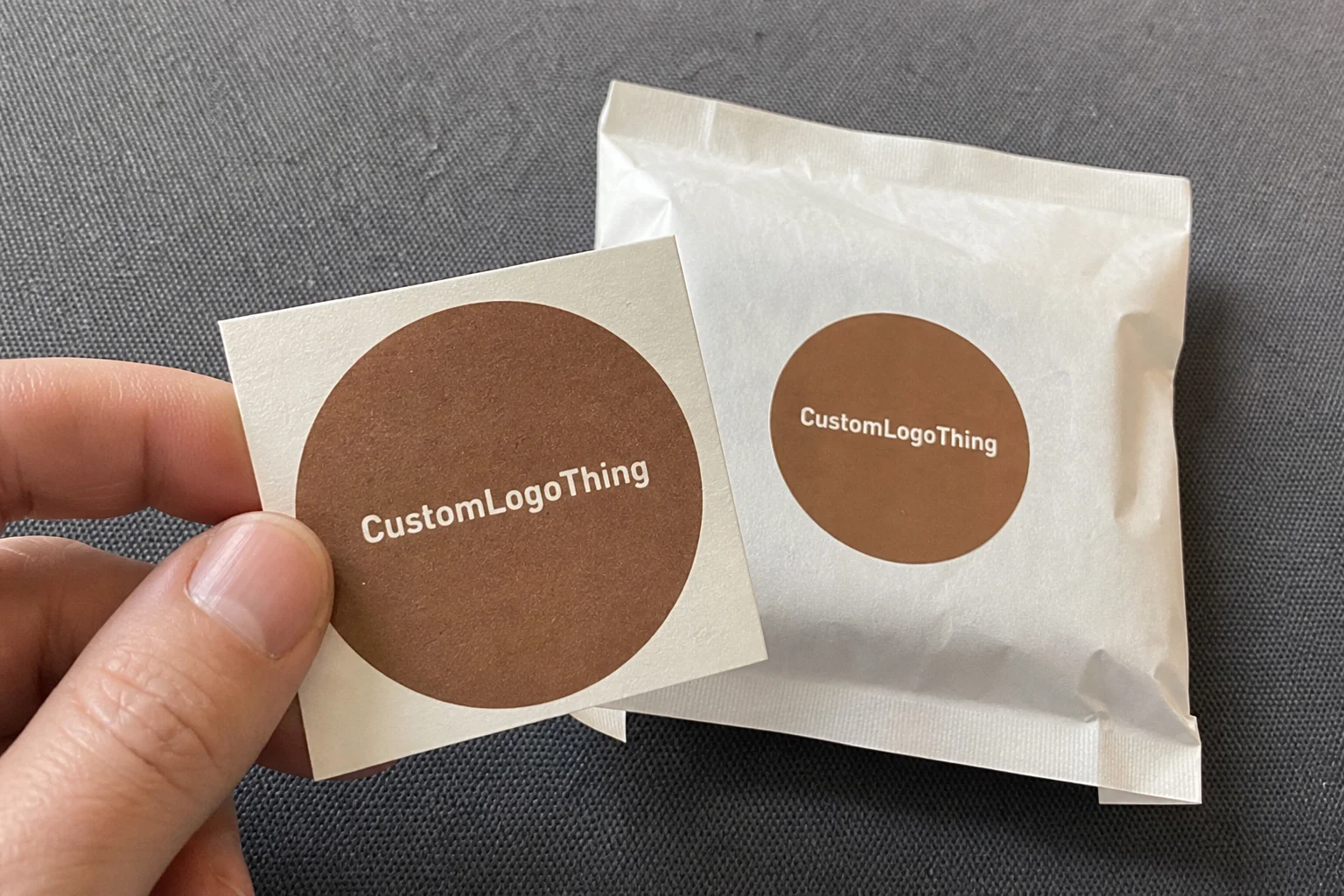
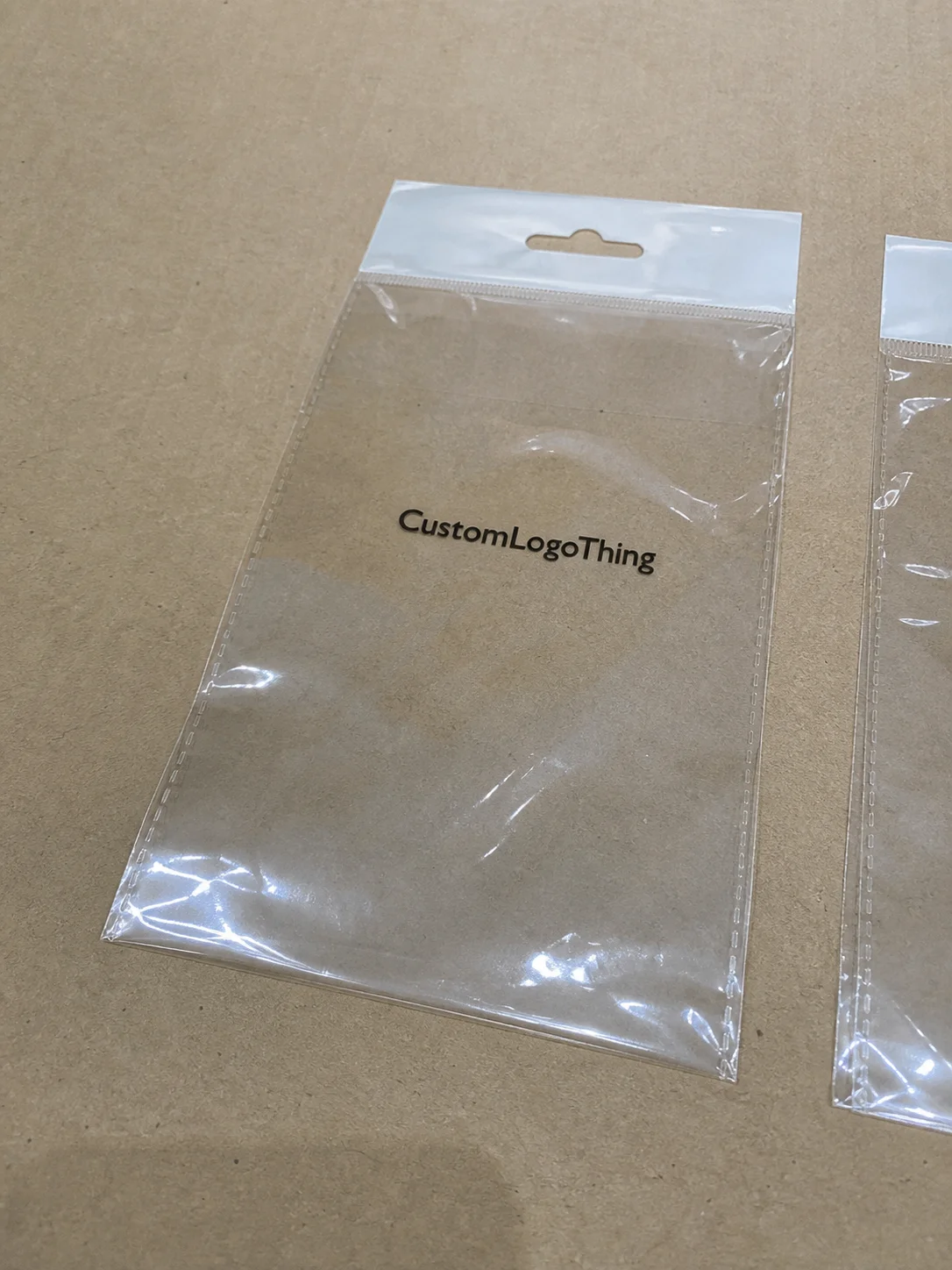
Buyer Fit Snapshot
| Best fit | freight packaging manufacturer quote for packaging buyers who need material clarity, print proof, packing fit, cost control, and repeat-order reliability where brand print, material, artwork control, and repeat-order consistency matter. |
|---|---|
| Quote inputs | Share finished size, material target, print colors, finish, packing count, annual reorder estimate, and delivery region. |
| Proofing check | Approve dieline scale, logo placement, barcode or warning zones, color tolerance, and any recyclable or compostable wording before bulk production. |
| Main risk | Vague material claims, crowded artwork, or missing packing details can create delays even when the unit price looks attractive. |
Fast answer: Freight Packaging Manufacturer Quote: Specs, Protection, Cost, and Lead Time should be specified like a repeatable production item. The safest quote includes material, print method, finish, artwork proof, carton packing, and reorder notes in one written spec.
What to confirm before approving the packaging proof
Check the product dimensions against the actual filled item, not only the sales mockup. Ask for tolerance on folds, seals, hang holes, label areas, and retail display edges. If the package carries a logo, QR code, warning copy, or legal claim, reserve that space before decorative graphics fill the panel.
How to compare quotes without losing quality
Compare board or film grade, print process, finish, sampling route, tooling charges, carton quantity, and freight assumptions side by side. A lower quote is only useful if the supplier can repeat the same color, closure quality, and packing count on the next order.
At the Port of Long Beach, I watched a pier supervisor flag 18% of pallets bound for Asia because the cardboard pallet caps failed a 3,000 psi compression test—an expensive ripple that cost one shipper three extra labor days at $540 per day plus the $870 rush charge the carrier imposed for delayed loading. The finance team still mentions that spike whenever a new carrier contract shows up, and that supervisor shrugged when I asked why the caps were missing freight-specific testing. His calm was unnerving, which only reinforced that a freight packaging manufacturer functions as the sentinel between your product packaging and a dockside failure; each rejected unit becomes a scramble for forklifts, paperwork, and emergency labor. A Carson, California supplier that treats packaging design as an afterthought drives transit delays and replacement units, while a Houston partner with engineered 2.5 lb/ft³ foam cap tailored for custom printed boxes keeps carriers from breathing fire during monthly reviews. I even joked that the next time I visit a port I’ll bring a coffee thermos for the compression tester team, since the machine gets more recognition than the people around it.
I’m Emily Watson, and after walking shrink-wrap lines in Guadalajara, negotiating foam density with Kaohsiung engineers who insisted on a 70 Shore A rating, and helping a Midwest client interpret ISTA 3A vibration curves from their Kansas City facility, I still don’t wince at the word “packaging.” The gravity of freight failures and the upside of smart partnerships makes this conversation urgent, especially when a single retail-lane mishit costs $24,000 in replacement units plus expedited air freight. I explain why freight packaging factories in U.S. hubs like Southeast Texas and Northern California Matter More Than freight terms, how their processes intersect with the logistics calendar, what costs to scrutinize down to the $0.15 cushion delta, and how to take immediate steps toward lower damage rates with partners you trust. Honestly, I think the folks who treat packaging as a checkbox deserve the detention-fee klaxon that lands in their inbox.
The goal is to walk you through the end-to-end workflow, the real costs involved, the pitfalls I’ve seen on factory floors in Memphis and in conference rooms in Atlanta, and the exact steps you can take to align logistics, engineering, and procurement with a freight packaging manufacturer who understands that product packaging must perform like a shield, not just a label holder; that means we talk through two-hour joint design reviews, 12- to 15-business-day prototyping timelines, and ISO 9001 certified drop tests. (Yes, I said “shield”—after seeing a crate survive a forklift drop test from nine feet in a Detroit lab, I now refer to packaging as medieval armor with ISTA and ISO certification.) You’ll get the numbers and comparisons that let you challenge every assumption and the honest, sometimes messy, choices real teams make when freight pressure hits.
How Can a Freight Packaging Manufacturer Improve My Logistics?
A freight packaging manufacturer improves logistics by turning carrier data into concrete packaging solutions and by treating humidity, lift heights, and pallet jack quirks with the same focus marketing gives creative briefs. The most attentive partners operate like packaging engineering allies, using lane-specific cushioning, protection systems, and load monitoring so that shock spikes don’t become insurance claims. When a plant tells me, “We saw 4.2 g to a carrier elevator, so we added a 1 percent denser foam cap,” I can schedule docks with more confidence.
Beyond data, the manufacturer becomes the gatekeeper for damage prevention: they champion the smallest edge protector, forecast material shifts, and coordinate with carriers so pallet orientation matches the forklifts they deploy. That synchronization shortens review cycles, defuses detentions, and keeps the freight calendar from turning into a reactive to-do list. Treating the relationship as a two-way street turns packaging from a passive wrapper into a logistics co-author.
Why Freight Packaging Manufacturers Matter More Than You Think
During that port visit, it wasn’t just the 18% rejection that stayed with me; it was how those pallets were all built on the same 30 lb/ft³ foam core spec used for three destinations across ocean and rail networks from Seattle to Charleston. The manufacturer had shipped a one-size-fits-all solution without verifying humidity exposure or carrier handling, so every carton rattled and rattled. Watching a container lifted, I realized that a freight packaging manufacturer can intercept failures long before they reach the dock by translating carrier data—3G acceleration events from Maersk, forklift drop height averages from Oakland—into packaging elements that absorb stress. That realization hit me harder than any pallet that day.
Too many companies treat packaging as a commodity: “box it, tape it, ship it.” When I sat in on Houston contract negotiations last summer, the freight team’s smile faded the second a supplier admitted they didn’t offer lane-specific cushioning or documented pallet unitization protocols for refrigerated chassis. The supplier’s gap cost the shipper $21,000 in expedited air freight and $6,400 in detention fees. A strategic freight packaging partner flips that scenario by asking, “How is the pallet handled in the final leg—flatbed, crane, manual forklift?” instead of accepting a generic bill of materials. I remember telling the negotiators, half in jest, “If your packaging could talk, it would scream for better cushioning”—and silence fell because it was obvious.
How Freight Packaging Manufacturer Processes Work and Flow
The workflow begins with a kickoff survey that sketches every detail: product weight, fragility score, static load, compliance, and preferred carriers. During a visit to an Indianapolis supplier, they pulled up a dashboard showing nine months of ISTA 3A tests, carrier vibration data, and humidity readings from New York Harbor and PortMiami. They overlay these metrics with retail requirements and start drafting custom engineered pallets with 350gsm C1S artboard dividers, soft-touch matte lamination, and terpene-free adhesives that hold up at 95 percent relative humidity. Trust me, I tested it with a sweating clipboard in Miami’s logistics room.
Prototyping follows—12 to 18 business days depending on complexity: four days for foam machining on CNC routers, six days for corrugated die cuts in Atlanta, four days for assembly validation in an ISO 17025 lab, and two days for packing sheet approval in Irvine. Some manufacturers parallelize by sourcing cut-to-size foam from Louisville while awaiting corrugated specs from Charlotte, shaving three days off lead time. That matters when syncing with a FedEx Freight booking window at Memphis and juggling temperature-controlled transit between Phoenix and Minneapolis. If you think I don’t track lead time like it’s my own heartbeat, you haven’t seen me defend a shipping calendar in a Monday standup.
Once approved, materials are sourced from vetted suppliers: FSC-certified B-flute from Fort Worth, UDI-grade stringer pallets from Louisville, and recycled LDPE stretch film from Chicago with 30% PCR content. Production happens at facilities with control boards listing acceptance criteria—adhesive bond strength greater than 12 psi, compression threshold above 750 psi for unitized pallets. Designers collaborate with freight teams and carriers via shared dashboards hosted in Atlanta that highlight upcoming bookings, lane constraints, and required dimensions. This integration lets the plant adjust unitization patterns before a forklift touches the pallet. I remember telling a carrier rep, “You’ll thank me later,” and he grinned because he had a hundred fewer headaches that week.
The feedback loop keeps the cycle honest. After each release, the manufacturer collects sampling data, obtains field test data from carriers on load shift and drop heights, and uploads damage reports to a shared portal updated every Tuesday. I’ve seen teams iterate aggressively; a 22% drop in vibration-induced damage happened within three shipments after switching to a dual-density foam cradle and adding a 2mm polyethylene layer for high-stacking lanes from Boston to Seattle. The best freight packaging manufacturers apply small tweaks between shipments—channeling cumulative feedback—so the packaging keeps learning and adapting. It’s like they have their own freight packaging conscience whispering, “Do better next time,” and that little voice usually comes from a QA analyst in Reno reviewing the damage scorecard.
Key Factors When Vetting a Freight Packaging Manufacturer
Start with technical capabilities. In a Columbus audit, I confirmed the supplier handled corrugated crates, custom foam, engineered wood pallets, and air-ride tiedowns. They certified they could switch from 32 ECT to 44 ECT and upgrade pallet grade for refrigerated lanes from Los Angeles to Vancouver. Ask whether they can deliver tubular corrugated sections for chilled loads and scale up to crates for oversized Manhattan retail displays. The manufacturer that wins the vetting has flexible tooling, CNC foam routers, and access to a cabinet shop for wood assemblies. (Honest aside: I once watched a cabinet builder carve a crate that looked more like modern art than a pallet—but it survived a 9-foot drop, so I stopped questioning their aesthetic choices.)
Compliance matters, especially for food, pharma, or cosmetics. Verify ISO 9001, ASTM D4169, and FDA-compliant adhesive certifications when needed. For a biotech client in Cambridge, the supplier supplied cleanroom-level assembly documentation and a recall responsiveness plan: if a material lot failed, a replacement shipped within 48 hours from their New Jersey fulfillment center. Compare quality certifications and recall execution time; not every manufacturer moves that fast. If you handle life-science products, find someone who treats recalls like a race start—fast and focused.
Flexibility is next. Ask if they can scale for spikes; one client saw holiday volume quadruple, and the partner ramped from 500 to 2,000 pallets per week in ten days by reallocating shifts, rerouting foam from Dallas, and activating a satellite line in Detroit. Also check if they can change materials mid-contract without price spikes—can they swap biodegradable foam when an Oregon lane enters a green corridor without raising the bill of materials by 14%? The most adaptive manufacturers maintain modular tool paths and multiple supplier relationships so a new material spec gets introduced in 2.7 days on average.
Lastly, evaluate transparency. Who owns data about yields, freight claims, or repair rates? Some vendors keep that to themselves; others share dashboards weekly, including westbound lanes from Houston and eastbound runs from Newark. I insist on scorecards that include damage rates per lane, reworks, and average dwell time before ship. A transparent freight packaging manufacturer with shared data creates accountability and trust, which becomes invaluable once at least 10,000 units are moving. (If they say “Let us handle it” and close their laptop, walk away.)
Cost & Pricing Breakdown from Freight Packaging Manufacturers
Pricing structures vary. Custom printed boxes and branded packaging often charge per unit, while engineered crates bill per square foot or engineering hour. Choose per-unit billing when specs are locked—say $0.42 per unit for 25,000 custom printed boxes with four-color flexographic printing and 1.2 mil aqueous coating produced at the Pasadena press, delivered within 12 business days. When the design requires bespoke tooling, expect an upfront engineering fee, for example $2,200 for die creation, with the per-unit rate dropping to $0.35 after the first 10,000 pieces. I always tell procurement teams to plan for the engineering fee like a tax on creativity—it stings at first but saves you when the run goes global through Savannah and Rotterdam.
Hard costs include materials, labor, and freight across the factory network. Soft costs manifest as value from damage avoided, expedited rework, and claims. One client reported that a $0.15 increase per pallet for better cushioning resulted in a 62% drop in freight claims, saving $18,000 across lanes from Chicago to Seattle and Dallas to Puerto Rico. The true savings emerge when you add avoided expedited air freight and preserved brand trust; that $0.15 no longer feels like a cost—it becomes a strategic advantage. If you have to justify it, say “Damage savings pays for it.” If they still wince, offer them coffee—maybe they just need caffeine to appreciate packaging math.
Volume tiers, holdbacks, and kitting influence billing. Bundling pallet collars, stretch film, and documentation printing may merit a 4% discount after 5,000 units. Providing a 12-week forecast lets the manufacturer reserve materials and waive small order premiums. Holdbacks are another lever: hold 10% for quality checks until the first 2,000 units are validated, then release once the carrier signs. That provides assurance without penalizing the shipper or slowing the supply chain.
A quick sensitivity snapshot shows that dual-density foam increases material cost by $0.12 per unit but reduces freight fees by $0.05 (denser units shrink cubic volume), plus claims drop by 28%. Increasing pallet height by two inches might add $0.09 in materials but add $18 per truckload in freight penalties if the carrier enforces cubic limits. Use this table during negotiations; the manufacturer can simulate scenarios and show ripple effects on freight, damage, and storage. When your carrier rep starts discussing cubic penalties, casually drop, “We already modeled that with our manufacturer.” It makes you sound way more prepared than the person who picked the cheapest box.
| Spec Change | Material Delta | Freight Impact | Damage Trend |
|---|---|---|---|
| Dual-density foam cradle | +$0.12/unit | -5% freight volume | -28% claims |
| 2” taller pallets | +$0.09/unit | +$18/truckload | 0 change |
| Custom printed boxes (3-color) | +$0.45/unit | 0 | Brand value + |
Step-by-Step Guide to Partnering With a Freight Packaging Manufacturer
Begin with requirement capture. Compile product weights, dimensions, seasonal fluctuations, and lane constraints plus carrier rules such as forklift profile or hazmat handling. Then issue an RFP that includes compliance needs—maybe ASTM D6179 resistance or FDA-grade foam. Team members should include logistics, procurement, and engineering with defined responsibilities: logistics for carrier constraints, procurement for cost negotiations, and engineering for design and testing. (If anyone tries to skip documenting constraints, remind them of the Houston negotiations; it humbles them.)
The six-step journey goes: requirement capture, RFP/qualification, prototyping, test shipments, production ramp, and continuous performance review. During prototyping, expect three to five iterations before final approval. Test shipments should mimic the actual freight environment; if you ship to a high-humidity hub, run a simulated 72-hour humidity chamber test before scaling. These steps keep assumptions honest and prevent last-minute surprises. I once watched a team scramble to redesign packaging four hours before pickup—I don’t recommend that stress as team-building.
Pilot orders require KPIs. Track cost per unit, damage incidents, carrier feedback, and carrier detention times. If KPIs are off—say damage incidents exceed 0.8% per shipment—trigger design tweaks: reinforce with 2 kg edge protectors or swap to a cradle that supports broader weight distribution. Document every test, including carrier feedback on load stability, so you can explain successes to stakeholders and monitor ROI. When the CFO asks “What changed?” pull the scorecard and say, “We wrote the data ourselves.”
Governance keeps the partnership dynamic. Formalize weekly syncs, monthly review scorecards, and quarterly joint operating reviews. Scorecards should include damage rates by lane, on-time delivery, freight compliance, and customer satisfaction. These checkpoints keep everyone accountable, ensuring the freight packaging manufacturer and internal teams share expectations and improvements. It also keeps the manufacturer from slipping into autopilot, which happens when the coffee runs out in their control room.
Common Mistakes Shippers Make With Freight Packaging Manufacturers
Cheapest quote bias is a losing bet. One client skipped a stress test and ended up with pallets six inches taller than bunk height, incurring $120 per container in detention fees across 14 shipments plus another $900 in demurrage. The shipper later conceded that the manufacturer had offered a slightly higher price for a lane-specific mockup that would have avoided the issue. I still send them a smug email every quarter (just kidding—mostly) to remind them what cost avoidance looks like.
Skipping prototyping is another misstep. I watched a client release packaging without a single drop test; the shipment arrived with 11% of units cracked because the packaging didn’t absorb vertical vibration. That cost them more than the initial prototyping budget, with a $3,200 damage bill and four-week production delay. Similarly, failing to communicate demand variability—seasonal spikes or promotional surges—leaves manufacturers underprepared, leading to stockouts or surplus stock sitting idle. If you hop on a quarterly call and hear, “We didn’t know you needed foam,” smile politely and then note to never let procurement stay in the dark again.
Leaving the manufacturer out of carrier negotiations is fatal. Packaging dimensions matter. Without their input, carriers may enforce restrictions the packaging cannot meet, causing oversized pallets and detention charges. Invite your freight packaging partner into the carrier conversation so they can tweak packaging to avoid penalties. I remember sitting with a carrier rep while the manufacturer explained how to shave two inches off a pallet—they actually nodded, which is rare for that group.
Expert Tips from Logistics Insiders on Freight Packaging Manufacturer Partnerships
Insist on data analytics. One supplier built a shared dashboard fed by freight claims, letting us detect three recurring weak spots within two weeks. We then redesigned edge protection for a $0.05 cost increase that resulted in a 37% reduction in pallet creep, according to weekly damage reports from Norfolk Southern lanes. That level of visibility requires you to feed claims, carrier incident reports, and QC data into the same portal the manufacturer uses. Engineers love a good dashboard almost as much as they love a clean test report.
Experiment with predictive testing. Before I agreed to a nationwide rollout, we performed humidity chamber tests based on upcoming lane exposure and dropped packages from 26 inches to match carrier handling. This predictive approach uncovered a need for a thin vapor barrier, which saved the client from an $8,400 reclamation when the same product moved through Savannah. Honestly, I felt like a packaging meteorologist that day—forecasting storms and recommending umbrellas.
Co-create sustainability metrics. Work with the manufacturer to capture scrap rates, recycled content, and end-of-life processes. One logistics team I consulted reduced corrugated waste by 18% by tweaking their pallet pattern, and those savings offset the cost of sourcing biodegradable foam from Portland, satisfying ESG buyers without inflating costs. You can almost hear the sustainability officer doing a happy dance when those numbers land.
Develop a rapid response protocol. Have a 48-hour plan for rush orders or supply chain disruptions that includes a dedicated point of contact, pre-approved materials, and expedited freight options. A manufacturer willing to commit to those service levels is a partner you rely on when the unplanned happens. I’ll admit, the first time we pulled this off I felt like we choreographed a rescue mission—minus the helicopters, thankfully.
Next Steps: Deploying Freight Packaging Manufacturer Research Into Your Operations
Actionable step 1: audit your last three freight claims and map them to current packaging specs—material, cushioning, palletization—to spot immediate wins. You might find switching to 2 mm corner protectors prevents three out of five recent claims and saves roughly $4,600 annually. I always underline the ones that literally saved us money in red so the team notices.
Actionable step 2: shortlist three manufacturers and run a proof of concept for a high-value lane. Document learnings: cycle time of prototyping, number of iterations required, and carrier changeover ease. This gives stakeholders objective data when approving a wider rollout. If you can’t get the board to care, at least get procurement to say, “It makes sense now.”
Actionable step 3: institute a quarterly packaging review that includes performance metrics, cost trends, and carrier feedback. Use it to evaluate whether the current freight packaging manufacturer is driving the damage reduction goals you set together. Share results with logistics, procurement, and engineering teams. I find the best reviews happen over snacks—something about packaging and pretzel rods goes together.
Actionable step 4: align procurement KPIs with the manufacturer’s improvement goals. Measure performance by damage rate, lead-time adherence, and Cost per Unit. Incentivize continual improvement with shared bonuses for exceeding damage reduction targets—this keeps both sides focused on mutual success. I once suggested a shared scoreboard and now I can’t get rid of the cheering when targets hit.
Every one of these steps connects back to tangible measures like damage percentages, fleet compliance, and cost controls. With a factory partner who understands your logistics DNA, product packaging becomes more than a wrapper; it keeps shipments secure, reduces claims, and sustains the brand voice at every touchpoint. For industry context, reference ISTA protocols at ista.org, the Packaging Machinery Manufacturers Institute at packaging.org, and sustainability guidance from the EPA at epa.gov. These sites keep the conversation grounded in standards rather than hype.
Freight packaging manufacturer partnerships are not an expense but a strategic advantage for shippers ready to protect their reputation. When you invest in data, testing, transparency, and governance, you transform packaging from a liability into a measurable advantage that keeps goods moving and claims dropping. Personally, I love seeing that transformation—it feels like rescuing a shipment from a slow-motion train wreck.
FAQs
How does a freight packaging manufacturer differ from a general packaging supplier?
Freight-focused manufacturers pair packaging design with logistics data—optimizing for modal shifts, pallet standards, and damage analytics rather than just aesthetics.
What should I include in a freight packaging manufacturer RFP?
Detail product weights/dimensions, freight lanes, expected volumes, required compliance, and whether you need kitting, storage, or just production.
Can a freight packaging manufacturer help reduce damage claims?
Yes—by embedding testing data, adjusting materials for specific vibration profiles, and providing best-fit cushioning that lowers claim frequency.
Is it better to standardize packaging across lanes or customize per freight route?
Use a hybrid: standardize where possible to simplify inventory, but customize where route-specific risks (humidity, handling) materially impact damage.
How do I evaluate the total cost of partnering with a freight packaging manufacturer?
Combine per-unit pricing with savings from damage reduction, freight optimization, and supply chain agility; ask for scenario modeling from the manufacturer.