Tea Shop Zipper Poly Bags Factory Quote: What You’re Really Buying
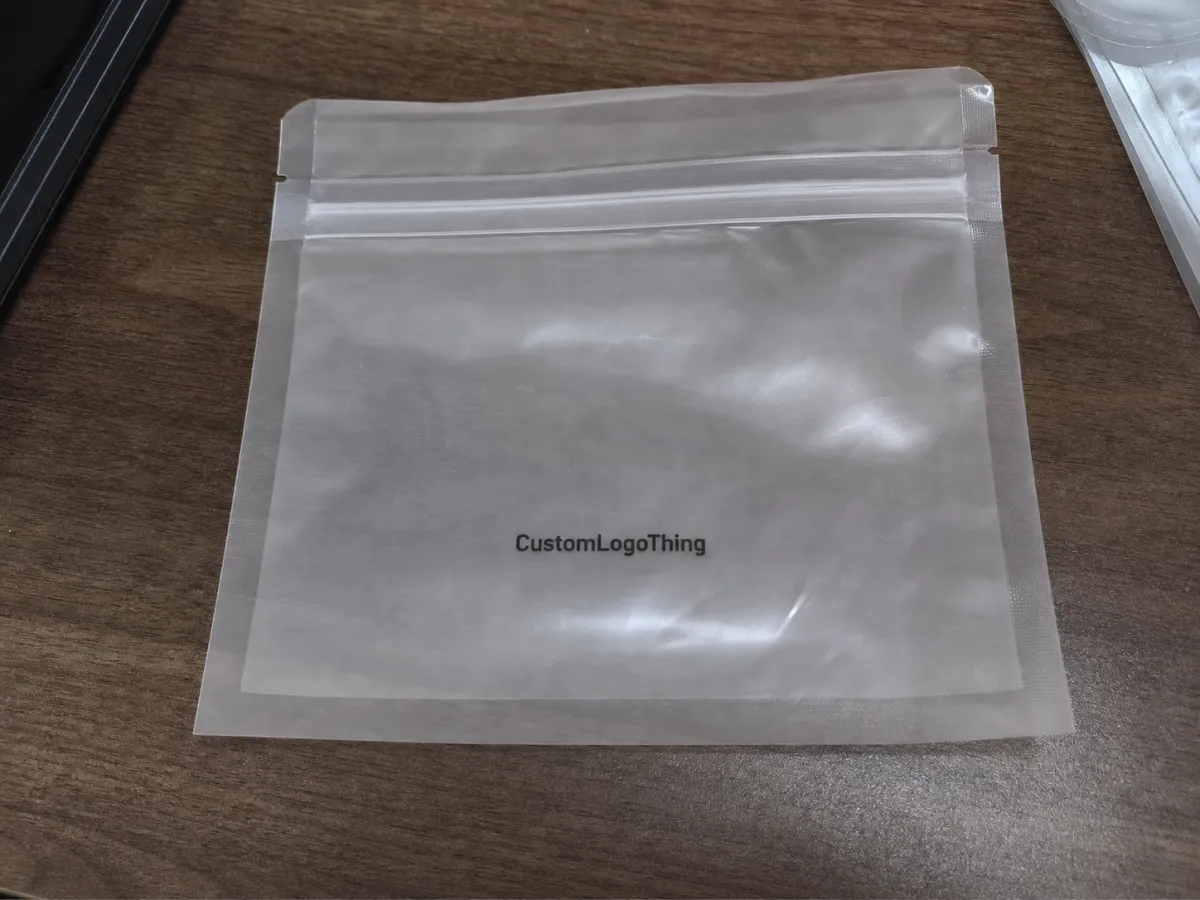
Most tea shops do not lose money because a bag is slightly plain. They lose money because the bag lets aroma fade, wrinkles like cheap gift wrap, leaks fine powder into cartons, or feels too flimsy for the price of the tea inside. A tea shop zipper poly bags factory quote should never arrive as one bare number with no film structure, thickness, zipper detail, print method, packing count, or freight term attached.
Good tea packaging is practical before it is pretty. The pouch has to protect freshness, close reliably after repeated use, stand or stack in the way the shop needs, and hold up through packing, shipping, display, and customer handling. Once those basics are right, print finish, window shape, color, and brand character can do their work.
Zipper Poly Bags can fit loose leaf tea, herbal blends, matcha sachet bundles, refill packs, seasonal blends, subscription drops, and small sample sets. The right structure changes with the product. A 20 g sampler does not need the same pouch as a 250 g premium oolong refill pack, and a dense matcha pouch should not be sized from the same assumptions as a bulky chamomile blend.
From a buyer’s side of the table, the quote should be compared by structure, barrier level, print quality, MOQ, lead time, carton packing, and freight terms, not only by the lowest unit price. Saving a few cents per pouch is not useful if the zipper track separates after a week, the matte coating scuffs before it reaches the shelf, or the filled bag cannot stand without collapsing forward.
Custom Logo Things helps tea brands and retail shops source printed plastic tea packaging with custom sizing, zipper options, logo printing, matte or glossy finishes, clear windows, and production guidance before ordering. The goal is not to collect random prices from factories. The goal is to quote the correct bag, with enough detail that the number means something.
Match the Bag Structure to Your Tea, Not Your Guesswork
Tea packaging starts with the tea itself. Green tea, black tea, oolong, herbal blends, powders, and aromatic infusions do not behave the same way in storage. Some need stronger aroma retention. Some need better moisture control. Some need light protection. Others only need a clean, affordable refill pouch that will not split during local delivery or parcel shipping.
Basic PE bags can work for short-life samples, local handoff orders, and low-cost promotional packs. PET/PE and BOPP/PE structures usually give a cleaner print surface and a more retail-ready hand feel. Matte laminated films tend to look more premium and can hide light handling marks better than many glossy surfaces. Clear-front and opaque-back constructions let shoppers see the leaf while still giving the brand a strong printed panel.
Foil-lined barrier films make more sense for higher-value tea, long storage windows, humid shipping routes, and blends with strong aromatics. Kraft-look laminated plastic is another option for shops that want a natural shelf style without the weakness of plain paper. Real paper can crease, absorb moisture, stain, and soften; it looks charming until it has been handled by several people and starts to feel tired.
Barrier performance matters because tea absorbs odors, gives up aroma, and can go stale when the wrong film is used. A pouch that looks attractive but smells faintly like a warehouse is not supporting the product. For higher-barrier needs, ask the supplier to explain the film layers and intended use instead of accepting “good quality material” as a specification. That phrase sounds reassuring, but it does not tell you what you are buying.
Zipper choice deserves the same attention. A standard press-to-close zipper is usually fine for samples, smaller refill packs, and everyday retail loose leaf tea. Larger fill weights may need stronger zipper tracks because customers open and close the pouch repeatedly. If the customer uses the tea daily, the closure has to survive daily use; one weak zipper turns the package into a decorative container with a freshness problem.
- Tear notch: Helps customers open the bag cleanly without hunting for scissors.
- Hang hole: Works for peg displays, market stalls, and compact retail walls.
- Rounded corners: Reduces sharp edges and gives the pouch a more finished retail feel.
- Bottom gusset: Helps the bag stand upright for shelf display and product photography.
- Transparent window: Builds confidence for colorful blends, flowers, fruit pieces, and whole leaves.
Clear poly works well for short shelf life, samples, and visually interesting blends where texture helps sell the product. Opaque high-barrier material is usually the stronger choice for premium teas, light-sensitive products, and longer storage. That decision should be made before requesting a factory quote because clear film, laminated barrier film, and foil-lined structures will not price the same.
Size, Thickness, Print, and Finish Specifications Buyers Should Send
A serious quote needs serious inputs. Send the bag width, height, gusset size, target capacity, film structure, thickness, zipper type, print colors, finish, quantity, packing method, delivery location, and artwork status. If half of that information is missing, the supplier has to guess, and guessing is not sourcing. It is roulette with shipping labels.
Do not quote only by weight. Tea volume changes wildly by cut, leaf shape, density, and added ingredients. A 50 g matcha pack and a 50 g chamomile pack are not close to the same size. Matcha is dense. Chamomile is fluffy. Whole leaf oolong often needs more headspace than broken black tea. A blend with dried apple, citrus peel, or rosehips may look reasonable on a scale and still push hard against the side panels once filled.
Test-fill before locking dimensions. Even a simple hand-fill check with the real tea can prevent an expensive mismatch between pouch size and product volume. Look at how the bag stands, whether the zipper can close without fighting the contents, whether the top seal area stays clean, and whether the filled shape looks intentional instead of swollen.
Common retail tea pouches often fall somewhere around 100 mm to 180 mm wide and 150 mm to 260 mm tall, depending on fill weight and gusset depth. Sample packs can be much smaller, sometimes 70 mm to 100 mm wide. Larger refill pouches may need 200 mm or more in height and a wider bottom gusset. These are planning ranges, not universal sizes.
Thickness should match the job. Lighter films can work for samples, giveaways, and short-term promotional packs. Thicker laminated structures are better for retail shelves, shipping, refill use, and premium blends. Many custom laminated zipper bags sit roughly in the 80 to 140 micron range, depending on layers and barrier needs. Thicker is not automatically better, since an overly stiff pouch can feel awkward and waste material, but thin film is easy to spot in the customer’s hand.
Print and Finish Choices
Spot color printing works for simple logos, single-color brand marks, and clean minimalist layouts. Full-color printing suits illustrated packaging, flavor artwork, gradients, and designs with more shelf detail. Digital samples may help confirm artwork direction, while larger production often uses flexographic or gravure-style printing depending on order size, film structure, and print complexity.
Gloss gives bright shelf impact and stronger color pop. Matte feels quieter and more premium, with less glare under retail lighting. Soft-touch style finishes can suit boutique tea lines, though they may add cost and can scuff if handled roughly. Clear windows are useful, but placement matters. A window too close to the seal, zipper, side seam, or gusset can create production problems and weaken the final look.
Practical rule: If the bag needs a barcode, ingredient panel, origin note, brewing instructions, batch code, and logo, ask for a dieline before your designer starts guessing at panel space.
Artwork files should include dielines, bleed, zipper clearance, seal areas, barcode quiet zones, ingredient panels where relevant, origin notes, and any required regulatory language. For packaging testing and distribution planning, buyers can also review standards from ISTA, especially if filled pouches will be shipped in cartons through parcel networks or wholesale channels.
Cost, MOQ, and Unit Cost Drivers for Custom Tea Zipper Bags
The cost of custom tea zipper bags is shaped by film structure, bag size, thickness, printing method, number of colors, finish, zipper quality, window shape, quantity, packing requirements, and shipping destination. That is why a proper tea shop Zipper Poly Bags factory quote needs more than “we need 5,000 bags with our logo.” The logo is only one part of the order.
Small custom runs usually carry a higher unit cost because setup, printing plates or tooling, material waste, proofing, machine preparation, and quality checks are spread across fewer bags. Larger runs lower the unit cost, but they also increase inventory risk. A boutique tea shop testing five new blends may prefer a smaller first order, even at a higher unit price. A growing brand with proven repeat sales can often save money by standardizing bag sizes and ordering higher quantity tiers.
MOQ depends on printing method and structure. Stock-size bags with labels can start lower because the base bag already exists. Fully custom printed laminated Zipper Poly Bags generally need larger production quantities to make setup costs reasonable. For many custom printed projects, buyers should expect suppliers to quote tiers such as 1,000, 3,000, 5,000, and 10,000 pieces, with the more meaningful savings appearing after setup costs are diluted.
| Option | Typical Use | Cost Behavior | Tradeoff |
|---|---|---|---|
| Stock zipper bag with label | Testing blends, farmers markets, low-MOQ launches | Lower setup, higher labor per bag | Less polished, with fewer size and finish choices |
| Custom printed PE or PET/PE bag | Retail loose leaf tea, refill packs, subscription drops | Better unit cost at higher quantities | Requires artwork proofing and production planning |
| Matte laminated barrier pouch | Premium tea, aromatic blends, longer shelf life | Higher material and print cost | Stronger shelf presence and better protection |
| Foil-lined high-barrier zipper pouch | Premium loose leaf, matcha, humid shipping routes | Usually highest unit cost | Less product visibility unless a window is engineered in |
As rough planning logic, a small custom run may price high because setup dominates the order. A 5,000-piece run can look much healthier per unit, especially if the bag is not oversized and the artwork is not overloaded with special effects. Freight can also move the landed cost more than buyers expect. Air shipping is fast but expensive. Sea freight is slower but usually better for larger orders if inventory planning allows it.
A proper quote should include bag dimensions, material structure, thickness, print method, quantity tiers, sample fees if any, tooling or plate costs, production time, carton packing, freight terms, and payment terms. Ask for several quantity breaks so you can see where the unit cost actually improves instead of staring at one quote and pretending it tells the whole story.
Artwork and Branding Choices That Affect the Factory Quote
Branding decisions are not just decorative. They affect print setup, color matching, film selection, MOQ, proofing time, and final unit cost. A one-color logo on a simple pouch is faster and cheaper than full-panel artwork with gradients, photographs, metallic effects, five flavor versions, and a tiny barcode squeezed into a corner.
Tea shop packaging often needs logo placement, blend name zones, flavor color coding, transparent windows, ingredient panels, brewing instructions, batch information, origin notes, and barcode placement. If the same base layout works across several blends, use it. One shared bag size with different artwork versions keeps production cleaner, simplifies filling, and can help control cost.
Color management is another place where buyers get casual and then frustrated. Provide Pantone references when brand colors matter. Screens lie, and a screenshot does not tell a printer how your brand green should behave on matte film. If a matte surface is used, color may appear softer than it does on a glossy proof. That is normal, but it should be considered before approval.
Before production, review digital proofs for layout, zipper clearance, spelling, barcode scanability, ingredient copy, back-panel compliance, window placement, and safe margins. If you sell online and through retail, make sure the front panel reads clearly at thumbnail size and at shelf distance. Those are different jobs. The pouch has to do both without becoming cluttered.
Multiple SKUs also need careful planning. If every blend has a different pouch size, different finish, and different print coverage, the quote becomes more complicated and the order is harder to manage. A more efficient approach is often one or two standardized structures, then flavor-specific artwork within the same dieline. The shelf still looks varied, but the production file set stays under control.
Custom Logo Things can help translate your design into production-ready packaging across Custom Packaging Products, including printed zipper bags and related retail packaging. If you also ship subscription tea orders, compare brand consistency across Custom Poly Mailers so the outer mailer does not feel disconnected from the product inside.
Process, Lead Time, and Production Steps from Quote to Delivery
The production path is usually straightforward: inquiry, specification review, quote, artwork check, proof approval, sample or pre-production confirmation, material preparation, printing, lamination if needed, curing, bag making, QC, packing, and shipment. Skip a step and risk appears later, often inside a carton you already paid to ship.
Buyers who provide complete specs and artwork get faster pricing. Buyers who send only a logo and ask for “standard size” should expect questions. The supplier needs to know fill weight, film preference, pouch format, zipper style, print coverage, finish, delivery location, and deadline before a factory quote means anything.
Sample options vary. Existing sample bags can confirm material feel, size range, zipper strength, and finish quickly. Custom printed samples take longer and cost more, but they reduce risk for premium launches. If you are ordering a high-barrier matte pouch for an expensive tea line, sample confirmation can be cheaper than discovering a sizing problem after bulk production.
Lead time depends on order complexity. Stock or semi-custom options are usually faster. Fully printed laminated zipper bags take more time because of proofing, material prep, print production, lamination, curing, pouch making, and QC. A realistic planning window may include a few business days for quote review, several days for proofing and sample decisions, and multiple production weeks for custom printed bulk bags. Shipping time sits on top of that.
Freight planning should happen early. Air shipping is faster but expensive, often used for urgent launches, replenishment gaps, or smaller cartons. Sea freight is better for larger orders when buyers can plan inventory ahead. Waiting until the shelf is empty is not a production strategy; it is panic with a tracking number.
Common delays include late artwork changes, unclear dielines, color disputes, missing compliance copy, special film sourcing, peak season congestion, and slow proof approvals. If your launch date is fixed, send the deadline at the quote stage and ask what production route fits it. A supplier can often suggest a simpler structure, smaller first run, or phased shipment if the timing is clear before the invoice is issued.
Quality Checks That Matter Before You Approve Bulk Bags
Quality control is not paperwork theater. Zipper failure, weak seals, poor lamination, ink rub-off, bad cutting, and sizing errors can turn a decent package into a steady source of complaints. Tea bags are touched often, opened often, and judged quickly. The package has to hold up under normal use, not only look good in a flat proof.
Inspection points should include bag dimensions, film thickness, zipper alignment, seal strength, print registration, color consistency, window placement, tear notch function, gusset shape, odor, and carton packing count. For shipment handling, filled cartons may also need broader packaging performance review; the Packaging Machinery Manufacturers Institute and related packaging resources can help buyers understand line compatibility and packaging operations.
Use the actual tea if possible. Fill the pouch, stand it on a shelf, open and close the zipper repeatedly, press the seals, check whether the bag bulges awkwardly, and see if the gusset sits flat. A bag can look fine empty and behave badly once filled. Chamomile, pyramid sachets, and chunky herbal blends are especially good at exposing weak sizing decisions.
Aroma and barrier checks matter for premium tea, herbal blends with volatile oils, matcha, and products shipped through humid climates. Confirm whether the selected film supports the freshness expectations for your sales channel. Not every poly bag is built for long storage. Not every clear window belongs on a premium pouch. The right answer depends on shelf life, turnover rate, distribution channel, and storage conditions.
Odor should not be ignored. Packaging film, ink, adhesive, and cartons can all carry smells if curing, storage, or material selection is poor. Tea is unusually unforgiving because it absorbs surrounding odors easily. If the sample pouch has a strong plastic, solvent, or musty smell, pause before bulk approval and ask for an explanation.
Approval responsibility is real. Once artwork and samples are approved, factories produce to that standard. If a buyer approves the wrong size, an outdated ingredient statement, or a typo, the printing press will not develop empathy. Custom Logo Things can help review specs before production so preventable problems get caught early, not after cartons arrive.
Requesting a Fast, Accurate Factory Quote
If you want a fast quote, send useful information at the beginning. The strongest quote requests include tea type, target fill weight, desired bag style, exact dimensions if known, film preference, zipper type, print colors, finish, quantity, delivery location, and launch deadline. Add artwork files if they exist. If not, say what stage the design is in.
- Product: Loose leaf, powder, sachets, herbal blend, refill pack, or sample pack.
- Fill target: Grams or ounces per bag, plus whether the tea is dense, fluffy, or chunky.
- Bag format: Flat pouch, stand-up pouch, gusseted pouch, clear window, hang hole, or tear notch.
- Print: Logo only, spot colors, full-color artwork, matte finish, gloss finish, or multiple SKUs.
- Commercial details: Quantity tiers, delivery address, deadline, sample needs, and freight preference.
If you are unsure about size or material, send photos of current packaging or competitor references. A reference image will not replace specifications, but it can reduce back-and-forth. Better yet, send the actual fill weight and describe the tea texture. “50 g herbal blend with large dried fruit pieces” is far more useful than “medium bag.” Medium is not a dimension.
Ask for two or three quantity tiers so you can compare unit cost, MOQ, and inventory risk before committing. A 1,000-piece order may feel safe but price high. A 5,000-piece order may land at a better unit cost but tie up cash and storage space. Neither answer is automatically correct. The right choice depends on sell-through speed, number of blends, storage room, and confidence in the artwork.
Before approving the final invoice, confirm whether you need samples, a dieline, artwork adjustment, barcode placement support, or freight estimates. Custom Logo Things reviews the project as a packaging order, not just a print job. Bag structure, sizing, branding, MOQ, production time, and shipping all need to line up.
To get a tea shop zipper poly bags factory quote that is actually useful, send the product details, quantity target, artwork status, and delivery timeline instead of asking for “best price” and hoping the missing specifications work themselves out. If you are ready to price your order, send the project details through Contact Us.
FAQ
What details do I need for a tea shop zipper poly bags quote?
Send bag size, tea fill weight, film type if known, thickness preference, zipper style, print colors, finish, order quantity, delivery address, and artwork files. If you do not know the exact size, send the tea type, target grams per bag, and a reference photo so the factory can suggest workable dimensions.
What MOQ should a tea shop expect for custom zipper poly bags?
MOQ depends on the bag structure, print method, and level of customization. Lower quantities may be possible with stock-size bags or simpler decoration, while fully custom printed laminated bags usually need higher production runs to make setup costs reasonable.
How long does production take for printed tea zipper bags?
Lead time depends on artwork approval, material availability, printing method, lamination, bag making, QC, and shipping method. A complete spec package and fast proof approval help shorten the timeline; late artwork changes are one of the most common causes of delay.
Are zipper poly bags suitable for premium loose leaf tea?
Yes, if the film structure supports aroma retention, moisture protection, and shelf presentation. Premium teas usually need better barrier films, stronger seals, and cleaner print finishes than basic sample bags.
How can I reduce the unit cost on tea shop zipper poly bags?
Standardize one bag size across multiple tea blends, order higher quantity tiers when sell-through supports it, avoid unnecessary print complexity, and confirm specs before production to prevent rework. Ask for pricing at several quantities so you can see the real cost break instead of guessing.

