Custom Bucket Hats Bulk Order Decisions That Affect Fit, Cost, and Delivery
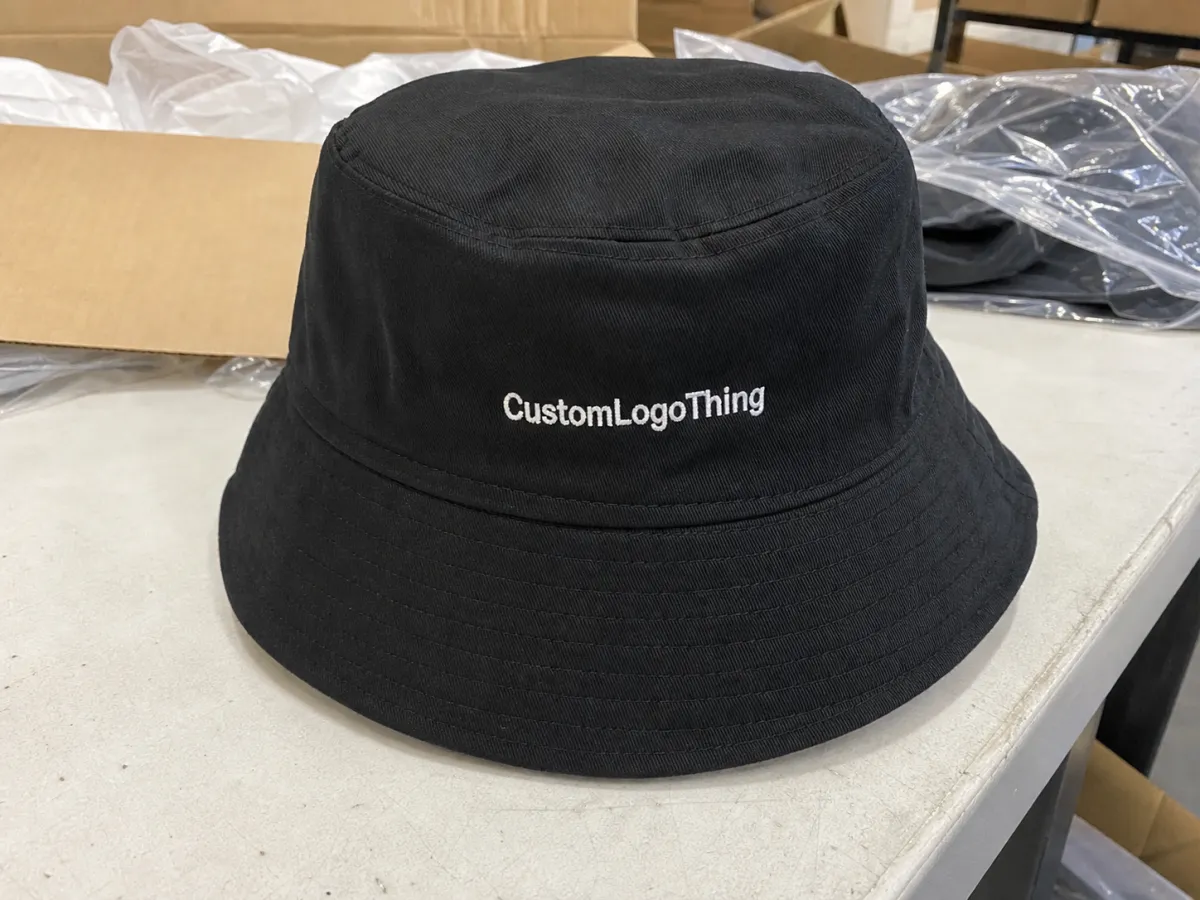
Bucket hats look easy until someone has to manufacture 1,000 of them the same way. A custom bucket Hats Bulk Order is not just “put the logo on the front.” It is fabric, sizing, brim shape, stitching, decoration, packing, and timing all stacked together.
A 7 oz cotton twill hat with a soft brim will not fold, wear, or decorate like a recycled polyester hat with a firmer brim and water-resistant finish. Obvious? Apparently not, judging by how many quote requests start with a logo file and zero product specs.
The use case should lead the order. A festival giveaway can be lighter, simpler, and packed in bulk. A retail hat needs better fabric weight, cleaner finishing, label planning, barcode control, and packaging that does not look like an afterthought. Staff uniforms need comfort and repeatability. Resort or outdoor programs usually need moisture-friendly fabric, sun coverage, and shipping plans that account for carton volume.
The main mistake is treating the hat body and logo method as separate decisions. Crown depth, side band height, brim width, stitch rows, lining, and fabric all affect how the decoration sits. The same 2.5-inch embroidered logo may look sharp on sturdy twill and crowded on a shallow, washed cotton crown.
Production-minded advice: confirm the hat style, fabric, logo method, packing method, and delivery window before chasing the lowest unit price. A complete specification usually saves more money than a rushed correction later.
Good bulk orders are not built on vague notes. They are built on clear choices: style, material, decoration, tolerances, approvals, packing, and freight assumptions.
Choose the Bucket Hat Style Before You Choose the Logo Method
Pick the hat body first. Embroidery, woven patches, printed patches, screen printing, and heat transfer all behave differently on cotton twill, canvas, nylon, polyester, corduroy, and washed fabric. Dense embroidery may sit nicely on 100% cotton twill. On thin packable nylon, it can pull, pucker, or make the front panel feel stiff.
Classic unstructured cotton bucket hats are the familiar everyday option. They are breathable, soft, and usually friendly to flat embroidery or patches. Reversible bucket hats feel like a higher-value product, but they need cleaner internal seams, careful label placement, and more sewing time. Wide-brim outdoor styles usually use nylon or polyester and may include a chin cord, toggle, or moisture-resistant finish. Premium retail hats often rely on heavier cotton, canvas, corduroy, or a lined construction for a stronger hand feel.
Crown depth changes the fit fast. A shallow crown sits higher and reads more streetwear. A deeper crown gives more coverage and a relaxed outdoor profile. Many adult one-size-fits-most patterns target a finished circumference near 58 cm, but that number should be confirmed before bulk cutting. Size tolerance matters too. If the audience includes larger heads, do not assume one generic pattern will make everyone happy. It will not.
Brim width is practical, not decorative fluff. Narrower brims, often around 2 to 2.25 inches, feel more fashion-led. Wider brims, roughly 2.75 to 3.25 inches, give better sun coverage. More stitch rows can help a brim hold shape, though each added operation adds labor time.
| Bucket Hat Style | Typical Fabric | Best Use | Common Decoration |
|---|---|---|---|
| Classic cotton bucket | 6-8 oz cotton twill | Merch, staff wear, giveaways | Flat embroidery, woven patch |
| Packable outdoor hat | Nylon or polyester | Events, travel, resort programs | Heat transfer, printed patch |
| Canvas utility hat | 10-12 oz cotton canvas | Retail, lifestyle products | Patch, bold embroidery |
| Reversible bucket hat | Cotton, polyester, or mixed fabric | Retail and premium promotions | Patch, woven label, limited embroidery |
Sweatbands, linings, metal eyelets, embroidered eyelets, chin cords, toggles, woven seam tags, and care labels all affect comfort and cost. Small details become real money in bulk. A hat with a cord, toggle, inner label, hang tag, and individual bag is a different production job than a plain stock bucket hat with one front logo.
Match the material to the environment. Cotton works well for breathable everyday merch. Nylon and polyester handle moisture better. Canvas gives a heavier utility feel. Washed fabric creates a broken-in look, but shade variation is more visible by nature. For a broader branded merchandise program, hats can also be coordinated with related Custom Packaging Products so hang tags, mailers, carton labels, and retail packaging do not fight each other visually.
Logo Placement, Decoration Methods, and Artwork Limits
Logo method is a manufacturing choice as much as a design choice. Flat embroidery is the workhorse for clean marks, simple lettering, and durable daily wear. 3D puff embroidery gives raised impact, but it needs bold shapes and enough spacing. Woven patches carry small details better than direct embroidery. Printed patches handle gradients and tiny text. Screen printing suits larger simple graphics. Heat transfer can produce sharp multicolor work on compatible nylon or polyester surfaces.
Bucket hats are curved and flexible. That sounds basic, but it changes everything. Oversized logos, fine text, and large filled embroidery areas can pucker the front panel or make the hat feel front-heavy. A 3-inch embroidered mark may work on sturdy twill. On thin washed cotton, the same artwork may need fewer fill areas, thicker letters, or a patch format.
Common placements include front center, side panel, rear panel, brim edge, all-over print fabric, inside label, woven seam tag, and custom care label. Front center gives the safest visibility. Side placement feels quieter. Brim-edge embroidery can look premium, but the usable sewing area is narrow, so letter height and line weight need restraint.
Artwork should be prepared for production, not just for a screen. Vector files such as AI, EPS, or clean PDF are preferred for embroidery, patches, and proofs. High-resolution raster files may work for some print methods. A low-resolution PNG grabbed from a website usually creates cleanup work and disappointment. Sometimes both.
Pantone or close color references help align thread, fabric, ink, and label expectations. Exact matching across cotton fabric, polyester thread, printed patches, and paper tags is not guaranteed. Different materials reflect light differently. That is not supplier drama; that is physics being annoying.
Thread contrast changes the read. Tone-on-tone embroidery can look premium and quiet. High-contrast embroidery is better from 6 to 10 feet away, which matters for event staff, sponsor branding, and field teams. Retail fashion programs can afford subtlety. Event visibility usually cannot.
Stitch count is a real cost driver. Higher stitch counts take more machine time and add weight to the panel. The best embroidery often comes from simplifying tiny details instead of forcing every piece of a logo into thread. If the artwork has fine lines, small registered marks, gradients, or tiny secondary text, a woven patch or printed patch is often cleaner.
Useful Decoration Ranges
- Small front embroidery: often 2-3 inches wide, depending on crown depth and logo shape.
- Patch size: commonly 2-3.5 inches wide for front placement, with merrowed or laser-cut edges.
- Screen print: better for simple graphics with limited colors and enough printable area.
- Heat transfer: useful for detailed color, but fabric compatibility and wash performance should be checked.
Request a digital proof for every bulk order. For unusual fabric, detailed decoration, custom trims, reversible construction, or retail packaging, ask for a pre-production sample. It adds time, yes. It also gives everyone a physical standard for color, placement, hand feel, and finish. Guesswork is cheaper only until it is not.
Specifications Buyers Should Confirm Before Production
A solid specification removes guesswork before production starts. Confirm fabric type, fabric weight, color, crown depth, brim width, brim stitching rows, size range, sweatband material, eyelets, lining, trim color, logo method, logo size, logo placement, label details, and packing method.
Sizing needs plain language. Many bucket hats are sold as one-size-fits-most. That does not mean one fit suits every buyer, wearer, or retail channel. Adult promotional programs often use a standard circumference near 58 cm with an agreed tolerance. Retail orders may need size breaks such as small-medium and large-extra-large. Youth hats need age range, circumference, labeling, and applicable safety review handled early.
Fabric color deserves the same attention. Stock colors are faster and usually cheaper. Custom-dyed fabric can support stricter brand alignment, but it may require higher MOQ, longer lead time, and lab dip approval. Shade tolerance should be expected because cotton, nylon, and polyester absorb dye differently. If the order includes recycled-content claims or fiber claims, ask for supporting documentation and labeling guidance before artwork is finalized.
Paper components have their own standards. If hang tags, paper bands, or retail packaging carry sustainability claims, the Forest Stewardship Council is a useful reference for FSC-labeled paper sourcing and claim structure.
Sewn goods are not machined metal parts. Hats are cut, stitched, pressed, and packed through manual and machine-assisted steps. Small variation in measurement, logo position, brim curve, and shade should be expected within agreed standards. A common tolerance for some sewn measurements may be around plus or minus 0.25 inch, but the exact tolerance should be tied to the product and pattern.
Physical samples matter when the buyer needs a specific hand feel, brim shape, or retail-grade appearance. A photo can show color direction and logo scale. It cannot fully show fabric body, brim drape, lining tension, or how the hat sits after folding.
Packaging should be quoted early. Options may include individual poly bags, recycled-content bags where available, hang tags, barcode labels, size stickers, inner cartons, master cartons, and carton marks for warehouse receiving. Adding packaging after approval creates new cost, new labor, and sometimes new lead time. Fun surprise? No.
For retail programs, Custom Logo Things can help align hats with broader Wholesale Programs, especially when carton labeling, SKU separation, and product packaging need to support multiple designs or sizes.
Compliance belongs near the start. Children’s products, regulated retail channels, special fiber claims, recycled-material claims, and destination-market labeling can affect materials, documentation, and timing. Not every order needs complex compliance work, but waiting until goods are packed is the expensive way to learn that yours does.
MOQ, Pricing, and Unit Cost Factors for Bulk Bucket Hats
Pricing for a Custom Bucket Hats bulk order depends on quantity, fabric, construction, decoration method, logo complexity, custom trims, packaging, sampling, freight method, and deadline. A simple stock-style hat with one-location embroidery is not priced like a reversible cut-and-sew hat with custom labels, hang tags, barcode stickers, and retail-ready cartons.
MOQ is the minimum quantity needed to run the job efficiently. Stock-style decorated bucket hats may be available at lower minimums because the blank hat already exists. Fully custom cut-and-sew hats, custom-dyed fabric, reversible construction, all-over print fabric, and private label trims usually require higher quantities because material purchasing, cutting setup, sewing setup, and trim sourcing need enough volume to make sense.
Quantity changes unit cost because fixed work spreads across more pieces. Digitizing, patch tooling, artwork setup, material sourcing, cutting, sewing, trimming, checking, and packing all carry setup time. Moving from 250 to 500 pieces can reduce unit cost noticeably. Moving from 5,000 to 10,000 may help too, but freight volume, carton count, and storage planning should be checked alongside the lower unit price.
| Order Type | Typical Quantity Range | Common Cost Drivers | Planning Note |
|---|---|---|---|
| Stock hat with embroidery | Lower to mid-volume runs | Stitch count, logo size, thread colors | Good for tighter timelines and event orders |
| Stock hat with patch | Mid-volume runs | Patch size, backing, edge finish, stitch-down labor | Useful for detailed logos and retail styling |
| Custom cut-and-sew hat | Higher-volume runs | Fabric, pattern, trims, labels, sewing complexity | Best for private label or exact product design |
| Retail-packed program | Mid to high volume | Hang tags, barcode labels, bags, carton marks | Include warehouse requirements before quoting |
A low quote and a complete quote are not the same thing. A useful quote should state the hat style, material, decoration, logo size, quantity, sample terms, production lead time, freight assumptions, packaging, and setup or artwork charges. If those details are missing, the price may change once the real requirements appear.
Decoration has its own pricing logic. Embroidery is affected by stitch count. Patches are affected by size, backing, border, and attachment method. Screen printing is affected by print colors and setup. Heat transfer cost changes with size, finish, and application requirements. All-over print adds fabric printing, cutting waste, and pattern alignment considerations.
Freight and duties should be treated as separate variables when applicable. Hats are lightweight, but cartons can be bulky because crowns and brims cannot always be crushed without damaging presentation. For larger programs, compare air, ocean, and split-shipment options. The International Safe Transit Association offers useful context on distribution testing and transport risk for packaged goods.
Ask for tiered pricing at two or three quantities. A practical request might include 500, 1,000, and 2,500 pieces, or a target quantity plus one lower and one higher option. That gives procurement a real view of total spend against unit savings.
Production Process, Lead Time, and Approval Timeline
The clean production path is orderly: quote request, artwork review, specification confirmation, decoration setup, digital proof, optional sample, sample approval, bulk material preparation, cutting, sewing, decoration, trimming, quality checks, packing, and shipment.
Skipping steps may feel faster. It usually just moves risk into bulk production.
Lead time starts most reliably after all approvals are complete, not when the first inquiry is sent. Missing artwork, unclear color targets, undecided sizing, and late packaging changes can hold a job before it reaches the production floor. An order with approved vector art, confirmed fabric, and clear packing instructions is easier to schedule than one with “logo to follow” and an event date already breathing down everyone’s neck.
Sample timing should be handled separately from bulk production. A physical sample adds control, but it also adds days for setup, making, review, possible revisions, and shipping. For straightforward decorated stock hats, a digital proof may be enough. For custom fabric, custom trims, detailed patch work, reversible construction, or retail packaging, a pre-production sample is usually worth the added time.
Timeline variables include order quantity, production queue, fabric availability, custom dyeing, decoration complexity, trim sourcing, holiday closures, quality rework, and chosen freight method. A one-location embroidered stock hat may move quickly. Special fabric or custom dyeing can add weeks before sewing starts.
Rush production can be realistic, but not for every specification. Simple stock styles with one-location embroidery are easier to compress. Custom cut-and-sew hats with special fabric, patches, hang tags, UPC labels, and retail carton rules have less room for shortcuts. If the hats are tied to an event, build in a delivery buffer. Receiving cartons the day before setup is not a logistics plan. It is a stress test.
Approval Checkpoints to Put on the Calendar
- Artwork approval, including logo size, thread or print colors, and placement.
- Sample approval, if a physical sample is required.
- Production approval after final specification review.
- Shipping confirmation with carton count, method, and destination details.
- Delivery buffer for receiving, inspection, sorting, or event distribution.
The cleanest timelines come from complete specifications, fast proof approvals, realistic freight planning, and no last-minute changes after materials are ordered. Changes can be made early. After cutting or decoration starts, they get expensive quickly.
Quality Checks That Keep Bulk Hat Orders Consistent
Quality control for bucket hats is not only logo checking. Production teams should review fabric shade, seam alignment, brim shape, crown depth, measurement consistency, loose threads, stains, trim placement, label accuracy, and packing. A clean logo on a misshaped hat is still a bad hat.
Logo-specific checks include embroidery density, thread trimming, logo centering, patch stitching, print adhesion, transfer edges, and color match against the approved proof or sample. For embroidery, thread tension and backing matter. For patches, the border and stitch-down need to sit flat. For transfers, the edges should be clean and properly bonded to the fabric.
Fit and construction checks are especially important for multiple sizes and reversible designs. Seam bulk, lining tension, and label placement can affect how the hat sits on the head. A reversible hat also needs both sides to look intentional. One finished side and one “we ran out of patience” side is not reversible. It is just visible compromise.
Acceptable tolerance should be understood clearly. Sewn caps and hats are flexible goods, so the standard is controlled consistency within agreed tolerances, not machine-perfect sameness. If a buyer needs a very specific brim shape or crown profile, the approved sample should become the reference point for inspection.
Carton and packing checks matter more than people expect. Confirm quantity per carton, SKU or size labeling, poly bag requirements, barcode placement, hang tag attachment, and carton marks for receiving teams. For retail packaging, even a misplaced barcode can slow receiving or create chargebacks in some channels.
Common avoidable mistakes include approving a logo that is too detailed for embroidery, switching fabric after proofing, ignoring sample comments, underestimating freight time, or failing to specify packaging before quote approval. Custom Logo Things helps translate buyer expectations into workable production instructions before bulk work begins, which is one of the simplest ways to protect quality.
Quote-Ready Next Steps for Ordering Custom Bucket Hats
A good quote request does not need to be complicated. It does need enough information to price the real job. Prepare the quantity or quantity tiers, target delivery date, ship-to country or region, preferred bucket hat style, fabric preference, color requirements, logo file, decoration method if known, logo size and placement, packaging needs, retail labeling needs, and whether a pre-production sample is required.
If the order is for an event, start with the delivery date. Schedule drives the safest production route. If the order is for retail, start with fabric and construction because hand feel and finish carry the perceived value. If the logo is detailed or brand colors are strict, choose the decoration method early so artwork can be adjusted before proofing.
Send brand guidelines, Pantone references, previous hat samples, product photos, or packaging design files when available. If you only have a logo and a general direction, that can still be enough to start. The team can recommend whether embroidery, a woven patch, printed patch, screen print, or heat transfer gives the cleanest result for the fabric, budget, and timeline.
Buyers planning a larger promotional or retail program may also want to review the Custom Logo Things FAQ for general ordering questions, artwork expectations, and production planning details. Hats often sit beside custom printed boxes, inserts, mailers, or other branded packaging, so early coordination helps keep the full presentation consistent.
A well-planned custom bucket Hats Bulk Order moves faster, prices more accurately, and produces a cleaner finished hat when specifications, artwork, approvals, and delivery needs are clear from the start. Share quantity tiers, send the best artwork file available, confirm the delivery window, and ask which fabric and decoration route best fits the order instead of forcing the cheapest option to do a job it was never built for.
FAQ
What is the usual MOQ for a custom bucket hat bulk order?
MOQ depends on whether the order uses a stock hat with decoration or a fully custom cut-and-sew bucket hat. Lower minimums may be possible for stock styles with embroidery or patches. Custom fabric, custom dyeing, reversible construction, all-over print, and private label trims usually require higher quantities. The most useful approach is to request pricing at your target quantity plus one lower and one higher tier.
How long does a bulk order of custom bucket hats take to produce?
Timeline depends on artwork approval, sample requirements, material availability, decoration complexity, production queue, and shipping method. Lead time should be counted after specifications, artwork, proof, and sample approvals are complete. Rush options are more realistic for simple stock-style hats than for fully Custom Bucket Hats with special fabric, trims, or retail packaging.
Which logo method works best for custom bucket hats in bulk?
Flat embroidery is a strong choice for clean logos, simple lettering, and durable everyday wear. Woven or printed patches work well when the design has small details, color changes, or a retail-style finish. Screen printing, heat transfer, and all-over print can be suitable for larger graphics, but the fabric and hat construction need to be checked first.
Can I order custom bucket hats with private label packaging?
Yes. Private label options can include woven labels, care labels, hang tags, barcode stickers, size stickers, individual bags, and carton marks. These details should be included before quoting because labels, tagging, and packing add material, labor, and sometimes MOQ requirements. Retail or warehouse receiving requirements should be shared early to avoid repacking or relabeling after production.
What files are needed to quote custom bucket hats for a bulk order?
Vector artwork is preferred for embroidery, patches, and most production proofs. High-resolution raster files may be usable for some print methods, but the team still needs to review detail, color, and scaling. A complete request should include logo files, quantity, hat style, fabric preference, color targets, decoration placement, delivery date, and shipping destination.


