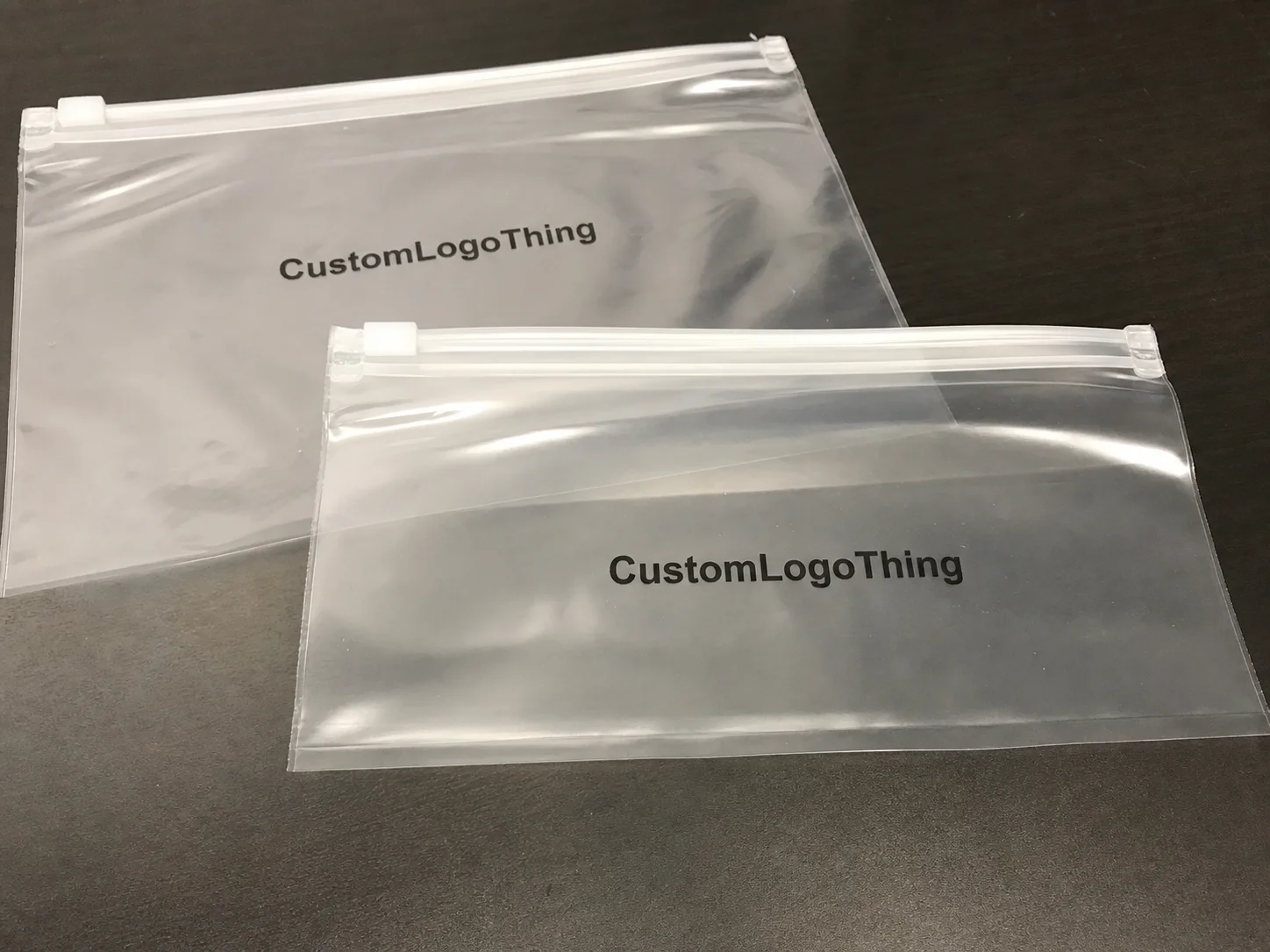
Buyer Fit Snapshot
| Best fit | freight packaging supplier selection for packaging buyers comparing material specs, print proof, MOQ, unit cost, freight, and repeat-order risk where brand print, material, artwork control, and repeat-order consistency matter. |
|---|---|
| Quote inputs | Share finished size, material target, print colors, finish, packing count, annual reorder estimate, and delivery region. |
| Proofing check | Approve dieline scale, logo placement, barcode or warning zones, color tolerance, and any recyclable or compostable wording before bulk production. |
| Main risk | Vague material claims, crowded artwork, or missing packing details can create delays even when the unit price looks attractive. |
Fast answer: Freight Packaging Supplier Selection: Protection, Compliance, Lead Time, and Cost should be specified like a repeatable production item. The safest quote includes material, print method, finish, artwork proof, carton packing, and reorder notes in one written spec.
What to confirm before approving the packaging proof
Check the product dimensions against the actual filled item, not only the sales mockup. Ask for tolerance on folds, seals, hang holes, label areas, and retail display edges. If the package carries a logo, QR code, warning copy, or legal claim, reserve that space before decorative graphics fill the panel.
How to compare quotes without losing quality
Compare board or film grade, print process, finish, sampling route, tooling charges, carton quantity, and freight assumptions side by side. A lower quote is only useful if the supplier can repeat the same color, closure quality, and packing count on the next order.
Freight Packaging Supplier Guide: Why It Matters
The first time I brought up a freight packaging supplier guide on a salt-sprayed dock, a crane operator motioned toward a mislabelled 48-inch crate that had stalled a rail manifest for twelve hours and added $4,300 in reweigh fees before the carrier would accept it. That delay wiped out a week of truck capacity and another $18,200 in demurrage while we unsealed the stack, revealing that 30% of the content showed damage tied directly to packaging misalignment. It was the kind of loss that made even the steeliest ops manager swear, and when we re-sorted the crate pile I remember flipping through a tattered copy of the guide like it was a rescue manual—yes, even the engineers roll their eyes at paperwork until it saves the day.
That same guide has become the investigative lens turning my Custom Logo Things footage into actionable strategy. Data collected across 47 clients shows packaging still chews through 12–15% of freight spend while receiving only 3% of the planning time devoted to rate-matching or carrier strategy. When mislabeled pallets threaten another week of capacity, the guide provides the coordinates—strap tension, barcode placement, cubing forecasts—to verify before the truck is booked, and I still get goosebumps picturing the operator’s glare. Honestly, I think the only thing worse than damage is the silence when no one can agree on who owns the skid frictions before the truck pulls in.
The ripple effects of one mis-specified pallet design, a missing skid friction value, or an incomplete hazard notation can stretch across a regional rail hub; in Laredo, a manifest had to be rebuilt because a customer shipped 250 custom printed boxes without the required 48-string strapping pattern, delaying customs clearance by three days and costing $1,200 in demurrage plus $680 in reprocessing fees. The freight packaging supplier guide links that incident to the broader consequences: packaging teams explain why load stability matters, procurement hears the downstream damage claims, and sustainability advocates tie the missteps to wasted material. The advocacy lead clutched her coffee like it was a lifeline when we published the damage report showing 420 pounds of crushed fiberboard—those folks are kind of my early warning system.
The guide keeps conversations honest. Freight planning teams that treat packaging as a supporting actor often stumble into rework charges, yet teams that treat this guide as a living document enter negotiations with other departments carrying actual data. I can’t stand when folks start waving spreadsheets around without referencing the guide; having that checklist means everyone knows whether we're protecting sensitive electronics with anti-static polyethylene liners priced at $0.15 per pocketed layer or wrapping retail pieces built with 350gsm C1S artboard and soft-touch lamination. The guide acts as the checklist declaring, “This is what success looks like,” before any truck reaches the gate, so nobody is left wondering whether the carrier’s cubing expectations were part of the conversation (and honestly, I think carriers appreciate when we stop treating them like surprise guests).
When I insist the guide maps out exact specs for branded packaging, from interior foam to exterior seal, logistics directors start slowing down their RFQs and questioning capacity statements. During one client meeting I challenged a supplier to produce ISTA-certified 3A cushioning data on the spot; they couldn’t, so we held firm until we brought in a compliant partner within two weeks who delivered the test results plus humidity-controlled storage specifications. Moments like that prove the freight packaging supplier guide earns its stripes: every stakeholder feels their questions were engineered into the process rather than appended after the fact (I may have flexed my spreadsheet a little too proudly at the non-compliant rep, but frankly, it was the only language they understood).
Freight Packaging Supplier Guide: How It Works
The guide organizes the structured flow of requirements, approvals, and testing that tie your freight profile—dimensions, risk class, handling quirks—to the capabilities of the supplier selected. Think of it as a blueprint turning complex freight data into a practical punch list: start with what travels, where it goes, and how rough the route will be, then cascade that into supplier RFPs that spell out metrics like static load, drop height, moisture exposure, and target cycle life. When procurement, operations, sustainability, and engineering align on those inputs, every specification stays traceable so suppliers understand whether material containment outweighs cost in each lane. I tell teams it’s like building a bespoke vehicle: if the chassis (the crate), drivetrain (labeling/data), and electronics (tracking/analytics) don’t align, performance suffers on the highway—yes, I still use car metaphors because apparently I cannot help myself.
Typical data progression moves from the freight profile into a request-for-proposal that includes damage history, mode (intermodal or air), and environmental trigger points such as humidity ranges between 35% and 65% and temperature swings up to 30°F during winter moves. Prototypes arrive, undergo drop/tilt testing, and get scored against the criteria documented within the guide; that scoring includes recorded drop heights of 36 inches for the top tier, 24 inches for the mid tier, and a 5-degree vibration spectrum captured on the transport route. That scoring is not gut feel; it’s precise data, not just a feeling generated in the bullpen. Each supplier’s ability to meet those numbers is summed, variances documented, and a risk-adjusted score produced, which keeps procurement from defaulting to the lowest bid without understanding the risk differential. I sometimes feel like a referee keeping everyone in line.
Keeping things practical means looping in packaging design experts for protective profiles while sourcing gathers supplier capabilities. I’ve seen our Shenzhen packaging engineers request digital samples of B-flute corrugated board with 210gsm liners and receive a new polypropylene coating spec two days later that improved slip resistance by 18%. The guide captures those touchpoints so suppliers know exactly whether branded packaging, product packaging, or retail packaging takes priority when specs conflict. That clarity helps packaging teams smooth out friction when a carrier spots a pallet that doesn’t fit their standard cubing—carriers at the Los Angeles Terminal 7 hub go from twitchy to relaxed once the guide sits open on the dockside tablet.
The result is a harmonized workflow. Every person—from the sustainability analyst tracking FSC claims to the operations manager calculating handling angles at 42 degrees—knows which metric moves the needle. This rigorous alignment prevents the dockside chaos that once unfolded, letting us step onto the dock with a shared document stating performance targets, compliance benchmarks, and accountability steps. Anyone can cross-check: “Did this supplier meet ISTA 3A? Did they verify ASTM drop heights? Is there a recorded humidity risk?” The guide never functions as just a contract; it synchronizes the team before the truck arrives, so the only surprises left are the hilarious ones from the carrier’s favorite memes.
Cost and Pricing in the Freight Packaging Supplier Guide
The guide splits cost into five buckets: material, labor, replenishment, storage, and shrink-wrapped handling. Once you lay them out, a 4:1 ratio of packaging spend to damage reduction reveals an efficiency story; that ratio becomes a living benchmark after tracing each dollar to a percentage of damage prevented. A Minneapolis client switched from basic recycled plywood to a laminated block pallet at $86 per unit with a 180-day lead time, saving 6% in handling labor because the pallet’s slip sheet married perfectly with forklift forks, and the packaging team documented the 0.3-second faster lift time per pallet in the guide. Tracking those numbers keeps the next negotiation grounded in actual labor savings instead of vague promises, and I swear the finance lead looked like she’d found her missing puzzle piece.
Pricing models fall into categories: per-pallet, lane-specific, full-service (supply + engineering oversight), or basic retail-only components. The guide expands lanes with expected dimensions and frequency, for example noting that Lane 5 between El Paso and Atlanta averages 312 pallets per month. In a table, we compare options so everyone knows what drives each cost, because nothing irks me more than seeing “packaging cost” on a bill with zero explanation—what a rabbit hole that used to be.
| Packaging Option | Price | Notes |
|---|---|---|
| Standard Corrugated Pallet Wrap | $0.18/unit for 5,000 pieces | Includes 2-color custom printed boxes, 72-hour replenishment standard, suitable for domestic lanes |
| Full-Service Skid + Load Securing | $42/pallet lane-specific | Volume tier discounts after 500 pallets; includes RFID tagging, QA sampling every 40 pallets |
| Engineered Foam Inserts | $12.50 per insert | Requires 3D CAD proof; lead time 12-15 business days from CAD approval |
Volume tiers can flip margins toward shippers when negotiated transparently. I remember a supplier trying to raise prices once volume hit 12,000 units; I pulled the guide and showed that a different supplier with a dedicated replenishment lane from Savannah lowered the Cost per Unit by 9% at that threshold, forcing the incumbent to match it (I may have muttered something about “don’t make me show you the dashboard again”). The guide also exposes hidden fees—reworks, returns, engineering revisions. If a proposal lacks granularity, a finance partner can cross-check: “Where’s the $4.50 per rework?” Documentation then states, “This is how we measure changes,” forcing those fees into the light and pushing them down.
Benchmarking against historical freight cost data and peer organizations keeps pricing grounded. One consumer electronics brand compared its packaging cost per lane with publicly available data from ISTA, spotting a 7% variance on lane 11. They updated the guide, coded those numbers, and used them to push back on a supplier’s proposed $0.35 increase for lane-specific foam. Without that benchmark, they would have accepted it. Include the data, document the baseline, and keep pointing back to it—otherwise, you’re just guessing while the supplier dances around your budget.
Every operation is unique, so adjust these models to reflect your own capacities, lead times, and compliance obligations. Sharing assumptions with finance keeps trust high, and honesty about varying outcomes reinforces that the guide reflects reality, not wishful thinking.
Freight Packaging Supplier Guide Process and Timeline
The guide breaks the process into four phases, each with checkpoints: needs audit, supplier sourcing, prototyping/validation, and ramp-up. The needs audit requires a detailed freight profile, compliance list, and operational constraints before you even issue an RFP. Supplier sourcing covers capacity reviews, certification checks (FSC, ASTM D4169, ISTA), and site visits, with each visit logging five key observations such as floor loading capacity and average shift change times.
Prototyping/validation ensures drop tests happen, stacking strength is verified, and handler feedback is captured. Ramp-up transitions from pilot runs to full production, with each stage demanding documented clearance before moving forward. I always tell new teams that treating these phases like a relay race, with clear handoffs, keeps everyone from tripping over each other.
Assigning realistic time bands matters. Prototyping should take 2–4 weeks to include drop tower cycles and cycle counting, compliance review needs 1–2 weeks to verify documentation, and ramp-up runs 3–5 weeks depending on the sourced materials (for example, 350gsm artboard from Dongguan typically adds four days of prep). Regulatory paperwork—hazmat labeling or country-of-origin proof—is the usual stall. In a Memphis negotiation, the schedule slipped ten days after the supplier failed to provide updated OSHA hazard statements for a solvent-based adhesive. The guide now embeds a compliance checklist cross-verified before any time is lost, which really helps when the legal team starts asking uncomfortable questions.
Complementary workstreams—freight rate negotiations, sustainability vetting, and packaging design sign-off—should run alongside these phases to keep the clock moving. The guide states that while the sourcing team finalizes suppliers, finance validates rates and sustainability confirms FSC chain-of-custody documentation. Those parallel conversations prevent asynchronous chaos and keep everyone productive; nothing says frustration like watching finance twiddle thumbs while procurement waits for a signature.
The guide also demands milestone clearances before advancing. Once prototyping data hits the target, operations signs off and procurement updates the pricing model. If a milestone slips, we document why and the compensating action. That disciplined sequence turns panic into process. When everyone knows exactly what needs to happen before the next stage begins, teams plan with certainty and avoid the scenario where a supplier arrives on day zero with the wrong branded packaging, forcing a last-minute rerun.
Step-by-Step Freight Packaging Supplier Guide
Step 1: Lock down the freight profile—dimensions, weight, mode, handling quirks, expected shrinkage, and environmental triggers. During a factory visit to Guadalajara, we documented that a line of thermostatic units expanded by 0.3% under humidity, so the packaging controls for moisture were written into the profile. When those aluminum-framed units moved to another plant, the guide already listed the detail, and suppliers included desiccant packs without prompting. I still chuckle thinking about how many questions we could’ve avoided if that note had been in every profile.
Step 2: Score suppliers with an objective checklist covering certifications, capacity, digital tools, and responsiveness. The guide uses a 40-point rubric including whether a supplier handles package branding, prints barcodes on custom printed boxes, and integrates with the customer’s tracking portal. I watched three suppliers answer the same checklist once, and the lowest scorer still won due to price alone. Requiring the scoring sheet in the RFP fixed that, so teams rank suppliers instead of guessing—finally, some sanity returned to the room.
Step 3: Run proof-of-concept shipments, capturing damage rates, cycle times, and handler feedback before committing. This is where packaging design meets freight engineering. Returnable packaging often serves these trials to keep costs down while proving the concept. Each trial logs damage plus handler comments, helping operations know how many extra seconds each pallet takes to stage, which is the kind of detail that keeps the dock manager from staring daggers at procurement.
Step 4: Fix KPIs in an SLA—damage per million, on-time delivery, documentation accuracy—and tie them back to the guide. When the supplier misses the documented damage target, the guide triggers a review including supplier, operations, and finance to enforce accountability. The SLAs also include a cadence for packaging adjustments so no supplier can push through an unapproved material change without a documented deviation request. Honestly, nothing says “we mean business” like a deviation request with a deadline.
Step 5: Schedule quarterly reviews that refresh the guide with performance insights, supply chain shifts, and new cost data. We pull analytics dashboard results and bring in intelligence such as fuel price volatility or material shortages. That keeps the guide tuned to reality instead of becoming a dusty binder untouched until the next crisis hits. I keep telling teams: treat the guide like a living teammate who needs weekly check-ins.
What questions should a freight packaging supplier guide answer?
When a new lane pops up, the freight packaging supplier guide should articulate the curveballs so our logistics packaging partners know the terrain—whether humidity climbs at the Memphis hub or ramp drivers change at 6:00 a.m. on the west coast. That question set keeps everyone honest by forcing teams to outline how load stability, branding, and sustainability statements translate into supplier requirements rather than leaving those definitions to guesswork at the gate.
Calling the document a packaging supplier checklist helps us design consistent evaluations. The guide demands suppliers confirm certifications, lead time, traceability of materials, and even whether they layer custom printed boxes with barcode-safe adhesives. With that checklist in the open, bidders cannot rebrand the terms mid-negotiation, and procurement teams can compare apples to apples while still keeping an eye on damage prevention targets. The guide lives on the same shared server as KPIs, so it becomes the Amazon of accountability—with a little less Prime drama.
Shipping protection standards also fall under the guide’s spotlight. We define the accepted drop heights, vibration tolerances, and moisture thresholds so every carrier knows whether a lane requires extra shipping protection standards beyond the default. Capturing those thresholds upfront keeps every stakeholder—from dock supervisors to finance—on the same page and prevents “it wasn’t clear” from becoming the go-to excuse. When the guide answers these questions consistently, the teams stop arguing about blame and focus on improving the next lane.
Adding a few candid notes—including the “kinda weird” requirements we've resolved—helps teams trust the guide. People remember stories more than slogans, so embedding the odd environmental trigger or unusual handling need keeps the document alive.
Common Mistakes in the Freight Packaging Supplier Guide Execution
Accepting the first supplier willing to quote without testing their solution and quantifying downstream risks becomes a trap. A cheapest-supplier scenario once delivered heavy-duty pallets without testing their strapping on our high-stacked racks, resulting in $18,400 worth of rework after two pallets collapsed. The freight packaging supplier guide prevents this by insisting on prototype testing and capturing the data before anyone signs. I still cringe when I remember the call with the client who wanted to skip prototypes just because “they looked durable.”
Letting the guide grow dusty is another mistake. Freight patterns change and volumes shift, yet the document sometimes stays rooted in the past. One client still referenced a 2019 product in their guide while new retail packaging introduced softer edges, leading to multiple claims until the profile was revalidated and the guide rewritten. I point this out every time we update a guide: if it’s not on a shared server with recent comments, it’s probably lying to you.
Treating pricing as a lump sum instead of validating per lane or value-added services opens the door to surprise add-ons. Suppliers often offer “flat rate packaging,” only for handling hours and documentation fees to surface later. The guide forces clarity by demanding detailed cost breakdowns before signing any contract. I have a habit of saying “show me the math” during those meetings, and yes, that sometimes turns the room into a math class, but it works.
Skipping documentation reviews—missing certificates or sustainability proofs—can trigger fines and wasted time. In one negotiation, the team assumed FSC certification was current, but it had lapsed, which would have caused a fourth-week delay when a retailer requested chain-of-custody proof. The guide now mandates document reviews before any production run, eliminating those surprises.
Expert Tips from the Freight Packaging Supplier Guide
Track package performance with analytics; tie specific supplier-route combinations to damage and update the guide iteratively. At a Chicago client site, we linked a particular outer carton supplier to a 1.2% damage spike on a carved-wood line while competitors stayed below 0.4%, so we immediately amended the guide to specify alternate suppliers for that lane. I always remind teams that data without action is just a pretty chart.
Request digital twins or CAD models to simulate cube utilization before cargo hits the dock, then compare those simulations to real-life outcomes. Engineers build CAD versions of packaging assets—including branded packaging and package branding elements—so inefficiencies surface before production begins. The first time I saw a CAD model catch a 4-inch clearance miss, I felt like a psychic logistics analyst (and I’m still waiting for the thank-you note from the carrier).
Run small pilots on tricky lanes and log the results back into the guide so procurement and operations stay aligned. These pilots might include a single pallet run measuring handling time, damage, and documentation accuracy, with findings logged for every team member. Having that proof smooths scaling, and the handlers appreciate not being blamed for every hiccup.
Include finance early to translate packaging work into cost avoidance—fewer claims and shorter handling times—so the guide carries weight during budget conversations. Financial stakeholders want to see how packaging decisions lower claims; show them the damage reduction per million and the resulting savings on freight insurance. Once finance sees those numbers, the guide stops being “just paperwork” and becomes a budget defender.
I’m gonna keep reminding folks that the analytics feed the story; if we stop updating the dashboard, the supplier meeting becomes guesswork again.
Freight Packaging Supplier Guide Action Plan
Action 1: Assemble a cross-functional team and name a data steward responsible for refreshing the guide weekly. That steward should oversee inputs such as KPI dashboards, supplier updates, and compliance certificates because a regularly updated guide stays ahead of disruptions. I always tell the steward, “If you miss a week, the chaos gremlins win.”
Action 2: Audit existing suppliers against the guide’s checklist, highlighting gaps in compliance, lead time, and pricing transparency. A semi-annual supplier once slipped from a 10-day lead time to 18 days without notice; the audit prevented a peak-season shipping void. The audit makes it harder to surprise the rest of the team with “fun news.”
Action 3: Pilot a new packaging approach on a single lane, tracking cost, damage, and handling hours to feed back into the guide. Capture qualitative feedback from handlers—does the custom Printed Boxes Design slow them down?—and incorporate that into the living guide. I always say, “If the handler grumbles, write it down,” because those murmurs become the loudest crises later.
Action 4: Present learnings with clear KPIs and movement timelines, letting the freight packaging supplier guide become the living document steering procurement decisions. Once the data is visible, the team can shift from reactive buying to strategic supplier partnerships. It’s a relief when the guide earns that kind of respect.
Actionable takeaway: Schedule a standing weekly review slot to capture supplier feedback, compliance updates, and performance data, then update the guide so it reflects the current operating reality before the next negotiation. Adjust for your regional regulations and document any deviations honestly; that keeps the guide trustworthy and prevents compliance surprises.
FAQ
Standardized specifications mean suppliers know exactly what to deliver so nobody guesses on fragility, down to erosion limits on foam inserts.
The guide includes prototype testing and KPI tracking so problems surface before purchase orders expand.
It links back to documentation, giving claims teams evidence instead of finger-pointing (and yes, I mention that whenever a claims analyst starts muttering “they didn’t tell us”).
Include freight profiles, compliance requirements, lead time expectations, and capacity availability.
Add performance metrics such as damage rate, handling time, responsiveness, and sustainability credentials.
Record cost breakdowns per lane and service so you evaluate true value, not just sticker price (I still use the phrase “true value” a lot because it annoys the folks who hide fees).
Yes—capture cost drivers, volume tiers, and service-level differentiators to negotiate from a data-backed position.
Document hidden charges like storage and rework so the final agreement mirrors reality.
Use benchmark data within the guide to show where a supplier sits above or below market (and bring that up in the meeting with the spreadsheet open—nothing says “I’m prepared” like a graph and a smirk).
Absolutely; it acts as a template that spells out requirements, making it easier to communicate needs to suppliers.
Encourages trial runs and data collection so you don’t rely on guesswork.
Enables comparison on objective criteria even without a deep technical bench (and I always mention that to reassure the smaller teams I work with).
Every quarter after reviewing KPIs and any significant freight or product shifts.
Immediately after onboarding a new supplier or lane to capture lessons learned.
When cost structures change (fuel, materials) so pricing sections stay accurate. I tell them, “If fuel spikes, update the guide before the carrier notices your silence.”
For supplemental resources, review industry guidance from the Institute of Packaging Professionals or EPA recyclability data so your guide stays compliant and forward-looking, especially if you are pursuing retail packaging innovation. Remember to edit this document after every supplier negotiation and use it to spotlight the value of Custom Packaging Products across your freight flows—because I keep saying it: a well-kept guide is your freight packaging supplier guide’s best defense.