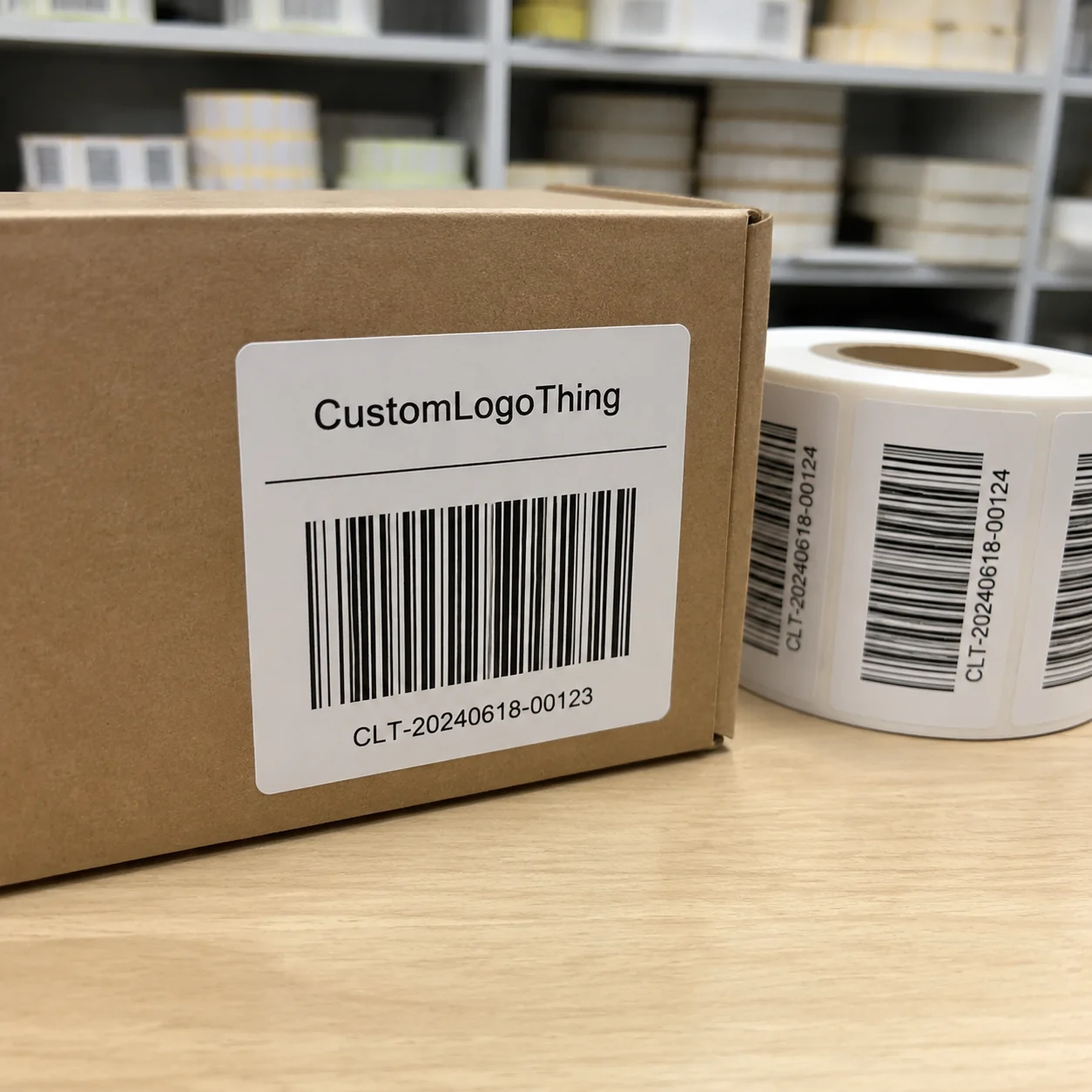
A garment brand Labels Supplier Low MOQ matters when you are testing a style before sell-through data exists. The label is a small component, but it affects brand identity, customer perception, and the unboxing experience. If the label is stiff, poorly printed, or inconsistent across reorders, the product feels less disciplined than the rest of the line.
For small brands, the label travels through the entire product lifecycle. It is stitched in before final packing, noticed at first touch, washed with the garment, and often read again after the first wear. A low-MOQ supplier keeps that risk contained while the line is still learning.
Why a garment brand labels supplier low MOQ matters when every SKU is under pressure
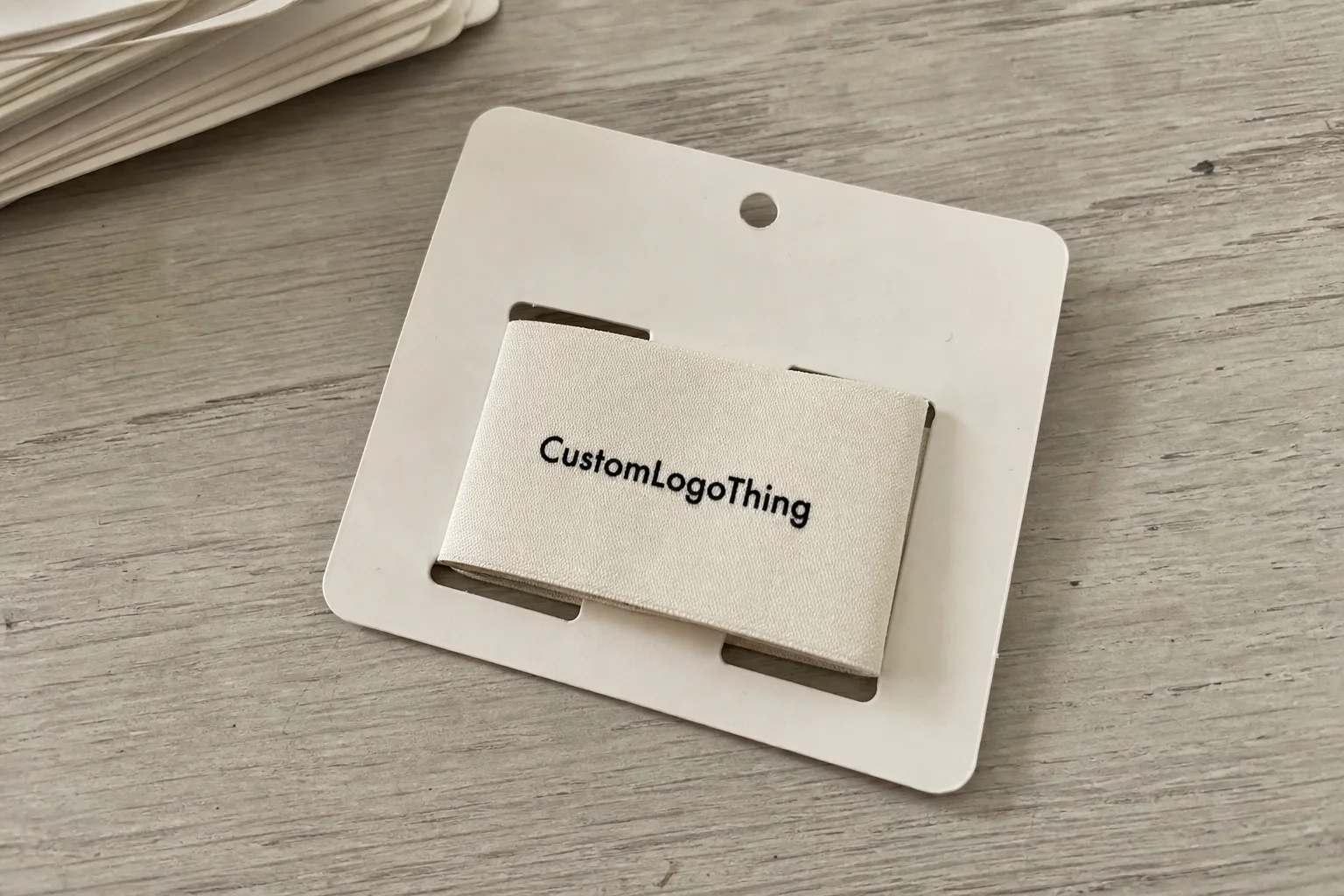
Small-batch apparel brands live or die on flexibility. If one colorway underperforms, the label stock tied to that SKU becomes dead inventory faster than the garment fabric does. The right supplier should reduce risk first and reduce quantity second. Low MOQ is not just about ordering less. It is about preserving options while you learn what the market wants.
The best low-MOQ label partners understand that a label is a low-cost component with high visibility. On premium tees, activewear, babywear, and startup collections, the label can quietly upgrade perceived quality or quietly damage it. A clean woven neck label, a soft satin care label, or a tagless heat-transfer mark can improve brand recognition without inflating unit cost.
Practical rule: if your labels are locking up more cash than your launch can reasonably support, the MOQ is too high for the stage you are in.
For teams comparing suppliers, the real question is not “Who will sell me labels?” It is “Who will help me move quickly without forcing a premature volume commitment?” That is what separates a useful garment brand labels supplier low MOQ from a vendor that only quotes a low headline price.
Label formats, materials, and branding effects that actually sell
Different label formats do different jobs, and the right choice depends on how the product is worn, washed, and perceived. The same brand can use a woven label on a heavyweight hoodie, a printed satin label on a dress, and a heat-transfer mark on athletic wear. That is not inconsistency. It is smart visual branding.
- Woven labels suit textured, durable branding. They carry better for premium basics, denim, outerwear, and any product where tactile detail supports value.
- Printed satin labels are softer against skin and work well for children’s clothing, lingerie, and lightweight garments where comfort matters more than texture.
- Heat-transfer labels are a strong option for tagless garments, training apparel, and minimalist collections that want a clean inside finish.
- Care labels carry compliance details and should remain readable after repeated wash cycles.
- Hang tags influence first impressions at retail and can reinforce price positioning before the garment is even tried on.
- Neck labels can anchor the brand mark directly where shoppers look first, which helps brand recognition over time.
Material choice changes the message. Damask Woven Labels feel more refined than basic polyester weave in many cases. Cotton labels support an earthy, low-gloss look that fits natural fiber stories. Recycled yarn options can help a brand speak credibly about lower-impact sourcing, though the supplier should be clear about what is actually certified and what is simply recycled content. Satin creates a smoother hand feel, while matte finishes calm down bright graphics.
Use-case matching matters more than trend chasing. Sportswear often benefits from low-profile, stretch-tolerant branding. Children’s clothing needs comfort and clear compliance marks. Outerwear can support larger woven labels, but abrasion and seam placement matter. Fashion basics sit in the middle: they need labels that feel deliberate without taking over the product.
Specifications buyers should confirm before they place an order
Most label problems start with incomplete specs, not bad manufacturing. If the brief is vague, the proof is guesswork. If the proof is wrong, production follows the wrong spec. Lock down the details before you approve anything.
Start with the basics: size, fold style, weave density, color count, backing type, finish, and attachment method. Then go one layer deeper. Ask whether the supplier needs vector artwork, Pantone references, or exact text sizing for small labels. Ask how thin a line can be before it collapses in weave or print. Ask whether the finish will change after washing.
- Fold style: center fold, end fold, Manhattan fold, loop fold, or straight cut.
- Artwork format: vector file preferred, usually AI, EPS, or PDF with outlined fonts.
- Color control: Pantone references or a tightly defined color sample, not a vague brand name.
- Durability expectations: wash testing, abrasion resistance, shrink behavior, and colorfastness.
- Compliance text: fiber content, care symbols, and country-of-origin placement when needed.
Fold style is not decoration. It changes sew-in behavior and visual placement. A center fold works well on neck seams and side seams. End fold can be cleaner for exterior branding. Manhattan fold is often chosen for a sharper stitched presentation. Loop fold is useful when a label needs to hang or wrap around a seam. Straight cut is simple, but only if the sewing method supports it.
Small typography decisions matter more than most buyers expect. Fine lines, thin serif fonts, and crowded text blocks often look acceptable on screen and fail in production. On woven labels, the available thread count limits how much detail survives at size. On printed labels, ink spread and wash wear change the result.
For compliance-sensitive products, do not treat the label as an afterthought. Fiber content, care instructions, and origin information may need to be readable under normal wear conditions. For broader transit and handling context, the standards language used by groups like ISTA is a useful reminder that packaging performance is about more than first impressions.
Cost, pricing, and MOQ: what changes your unit cost
Low MOQ usually raises unit cost, and that is normal. You are paying for smaller batch setup, less production efficiency, and often more hands-on proofing. The goal is not the lowest price. The goal is enough flexibility that one design decision does not distort the rest of the launch budget.
Price moves with a few predictable variables: material, label size, number of colors, fold complexity, quantity, and whether the order needs artwork setup. A simple one-color printed satin label will almost always sit below a multi-color woven label with specialty folding and premium yarns. That is process cost, not markup.
| Label option | Typical MOQ | Typical unit cost | Best fit | Notes |
|---|---|---|---|---|
| Printed satin label | 300-500 pcs | $0.10-$0.22 | Soft hand feel, care text, children’s apparel | Good for low-MOQ testing and detailed print |
| Woven damask label | 500 pcs | $0.18-$0.35 | Premium basics, denim, outerwear | Stronger texture and higher perceived value |
| Heat-transfer label | 300-500 pcs | $0.16-$0.30 | Tagless activewear, minimalist branding | Comfort-first option, depends on fabric compatibility |
| Care label | 500 pcs | $0.08-$0.18 | Compliance text and wash instructions | Often bundled with other label types |
| Hang tag | 250-500 pcs | $0.12-$0.28 | Retail presentation and pricing support | Paper stock, finish, and string choice affect cost |
The hidden costs are where budgets usually slip. Sampling, rush fees, shipping method, and reprint risk all matter. A cheap quote that misses one small specification can become expensive quickly if the labels need to be remade. Standardizing sizes and limiting color counts often has a larger impact on total spend than negotiating a few cents off the unit cost.
Another factor that gets overlooked is label panel size. Very small labels can be cheaper on raw material but more expensive to print cleanly, especially if they include multiple care symbols or bilingual text. Oversized labels use more substrate and can raise sewing time. The sweet spot is usually the smallest size that still reads clearly after stitching, folding, and laundering.
Process and timeline from quote to delivery
The ordering flow should be simple enough to manage under deadline pressure. A good supplier will take you through inquiry, spec review, artwork proofing, sample approval, production, quality check, and shipment. If any step is unclear, the probability of delay rises fast.
Most delays come from preventable issues: missing artwork, no Pantone reference, a fold style that was never confirmed, or late changes after proof approval. Those are management problems, not manufacturing problems. The stronger the brief, the faster the cycle.
For simple labels, lead times often land around 7-12 business days from proof approval. Complex woven labels, special finishes, or larger color counts can move closer to 15-25 business days. If you wait until garments are already in sewing, the label order becomes the bottleneck.
Plan the timeline backward from packing day, not from purchase order day. Request samples early if the label will sit near skin or needs close compliance review. Approve the proof in one cycle if possible. If the order includes hang tags, stickers, or cartons, ask whether the supplier can consolidate shipping so the pieces arrive together instead of in separate waves.
For transit-sensitive orders, check edge fray on woven labels, adhesion on heat-transfer prints, and color shift after wash simulation or a sample laundering test.
How to evaluate a garment label supplier beyond the price tag
Price is only one signal. Proof quality tells you whether the supplier understands font spacing, trim margins, and fold conflicts before production starts. If the proof is sloppy, the rest of the order usually follows the same pattern.
Consistency matters just as much. Ask whether the supplier can hold color references, weave density, and edge finishing across repeat orders. If your first run looks good but the reorder shifts slightly, brand consistency starts to erode.
Service tells you a lot. Clear communication, direct spec guidance, sample support, and transparent revision policies save time. A supplier that answers with vague promises is usually hiding process gaps. A supplier that asks sharp questions about sewing method, label position, and garment fabric is usually thinking like a production partner.
Capability also matters. If one vendor can handle woven labels, printed labels, size tabs, neck labels, and care labels, your visual branding is easier to keep aligned across the line. The alternative is piecing the system together from multiple sources and hoping they match.
Quality control should be specific, not generic. Good buyers ask whether the supplier checks trim width, print registration, cut accuracy, and pack counts before shipment. If woven labels are involved, ask about edge sealing or cut prevention. If the order includes heat transfer, ask which fabrics are compatible and whether an application test was run before mass production.
For a broader view of product types and support options, see our Custom Labels & Tags page. If you want to compare ordering patterns across projects, our Case Studies page shows how different finish choices change retail response. And if you are still deciding how to structure the order, the FAQ covers the basic mechanics buyers usually ask about first.
The cheapest quote is expensive if it creates rework, inconsistent branding, or missed ship dates. That is the real cost model.
Next steps to place a low-MOQ label order with confidence
Prepare a concise brief before you request quotes. Include label type, size, fold, quantity, artwork file, color references, and target delivery date. If you can state where the label will be sewn and how it will be used, you will get better advice back.
Ask for two options. One should optimize for the lowest unit cost. The other should optimize for finish and feel. That comparison reveals which tradeoffs actually matter to your launch. In many cases, a slightly better construction adds a few cents but improves brand perception enough to justify the spend.
Request a sample or digital proof before production approval, especially if the label sits near skin or carries compliance text. If the garment line is launching on a fixed calendar, align the label order with cut-and-sew dates so nothing waits on missing trims. Reorders should be discussed now too. Confirm whether approved specs are stored, how repeat pricing behaves, and whether a future quantity shift changes the MOQ.
Define your fallback plan before ordering. If a color lands slightly off, decide in advance whether you will accept it, revise it, or re-run it. The same applies to size tolerance. A label that measures correctly before folding can still finish short or long after production, so ask what tolerance range the supplier uses and whether it is measured before or after cutting.
What is the minimum order for garment brand labels from a low-MOQ supplier?
Minimums vary by label type, material, and print method. Printed labels often support lower quantities than complex woven labels, and the MOQ may apply per design, per colorway, or per size. Always confirm the rule before you approve the quote.
How do I lower unit cost when ordering custom brand labels?
Use fewer colors, standardize the size, and choose a simpler fold. A common material usually costs less than a specialty yarn or finish. If multiple SKUs can share one master label design, the unit cost often improves again.
What artwork do I need to get an accurate label quote?
Send a vector file, preferred dimensions, and any Pantone or color reference details. Include the exact text that must appear on the label, and state whether you need woven, printed, or heat-transfer construction. Missing artwork details are one of the biggest causes of quote drift.
How long does production usually take for low-MOQ garment labels?
Lead time depends on label type, artwork readiness, and order complexity. Simple labels can move faster than multi-color or specialty-finish options. Proof approval speed also has a direct effect on the timeline.
Can I reorder the same garment labels later without starting over?
Yes, if the supplier stores your approved specs and artwork. Confirm whether repeat orders keep the same color references and sizing, and ask about reorder minimums, pricing changes, and whether samples are required again.
What should I inspect on a sample before approving production?
Check readability, color match, edge finishing, fold accuracy, and how the label feels against skin. For woven labels, look at thread clarity and whether small text holds up. For heat-transfer labels, test adhesion on the actual garment fabric before you approve the full run.