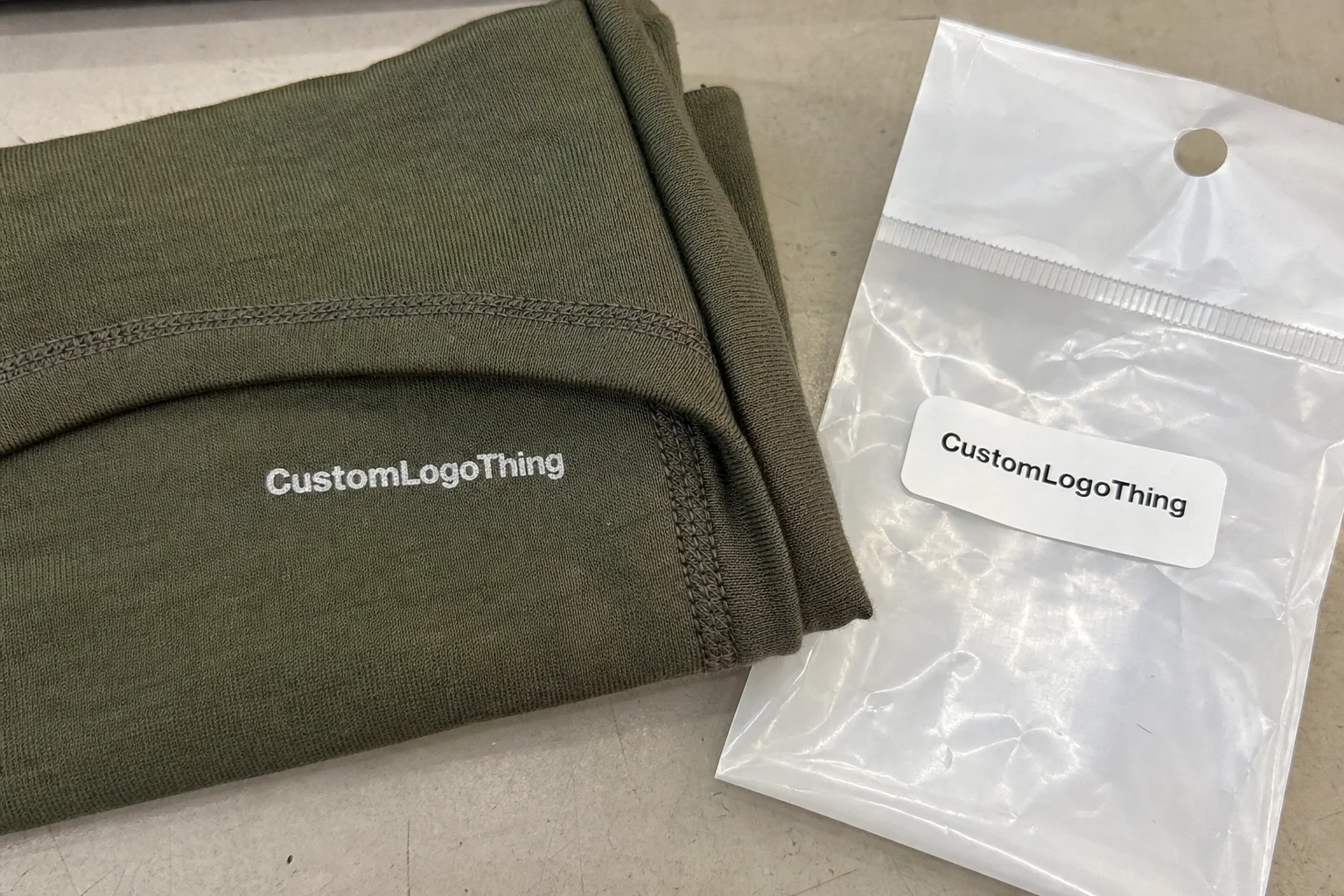
When a beauty brand requests a beauty samples Waterproof Apparel Mailers supplier quote, the question sounds simple: how much for a branded bag that keeps sample kits dry? The better answer starts a little deeper. A mailer for serum sachets, mini tubes, fragrance cards, folded inserts, or soft promo bundles has to protect against rain, damp handling, abrasion, and seal failure without making the send-out feel like an afterthought.
These bags are often adapted from the apparel shipping format because they are light, opaque, flexible, and efficient to pack. For beauty sample programs, that format works well when the contents are flat or softly packed. It is less appropriate as the only protection for fragile glass, leak-prone vials, pressed powders, or anything with sharp edges. A waterproof outer mailer can do a lot, but it cannot fix a weak inner pack.
A useful quote should read like a packaging specification, not a loose estimate. The supplier needs to know the product size, target mailer dimensions, film thickness, closure style, print coverage, quantity, delivery location, and timing. Custom Logo Things can quote by size, gauge, color, print method, closure, carton packing, and freight assumptions, which matters because two mailers that look nearly identical in a mockup can have very different costs once resin weight, ink coverage, setup, and packing are calculated.
For teams still narrowing the format, Custom Packaging Products and Custom Poly Mailers are practical starting points. The same base structure can be adjusted for beauty sample packs, subscription inserts, influencer mailings, event follow-ups, and small non-fragile bundles.
Beauty samples waterproof apparel mailers supplier quote: what buyers get
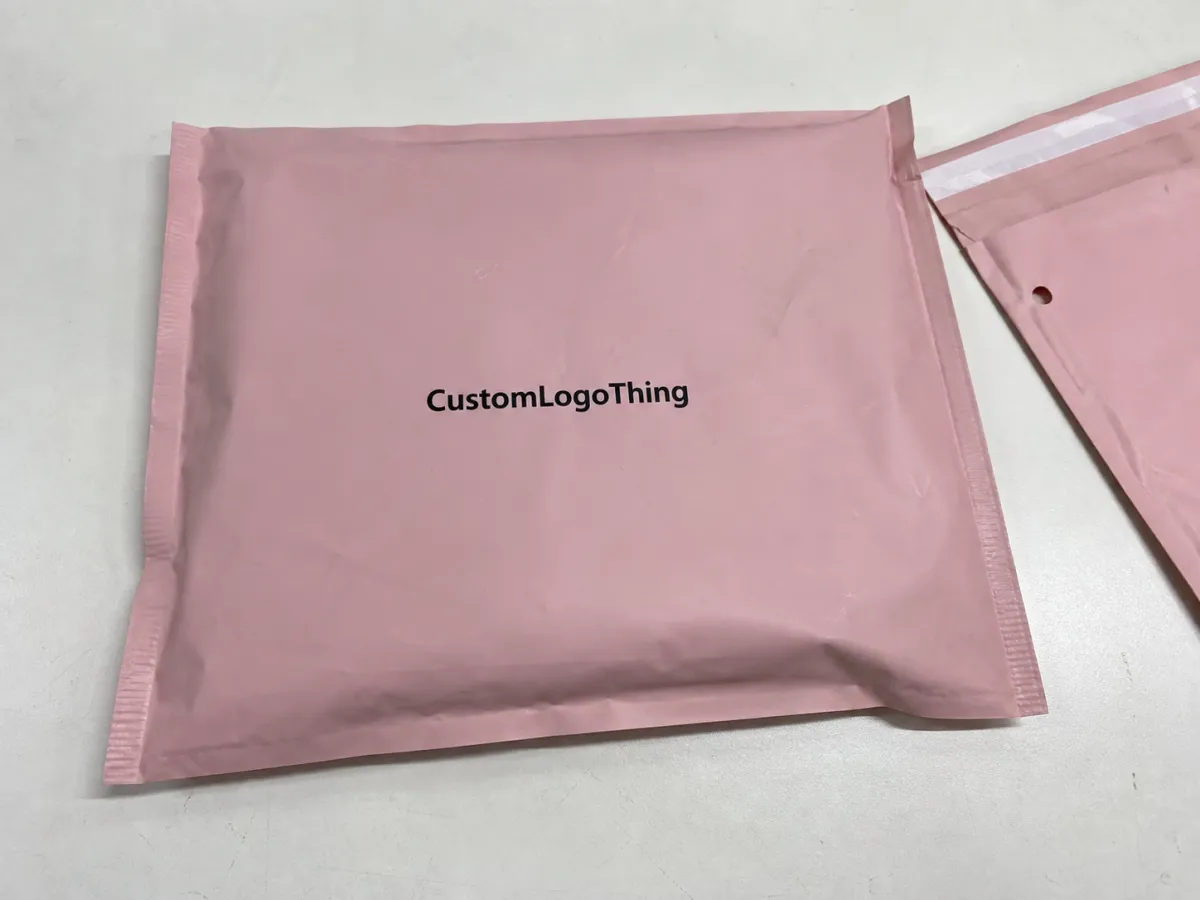
A beauty samples Waterproof Apparel Mailers supplier quote is really pricing two forms of protection: physical resistance during shipping and brand presentation at delivery. The bag has to shed light rain and damp handling, resist normal rubbing on sortation belts, hide the contents, and stay sealed until the recipient opens it. If the film feels flimsy, the seal lifts, or the printed logo scuffs before delivery, the customer sees that before they ever see the sample.
Most waterproof apparel mailers used for this purpose are polyethylene shipping bags with a self-seal adhesive strip. They are popular because they add very little shipping weight and can be produced in opaque white, black, gray, pastel, or custom-tinted film. A simple logo print may be enough for one campaign; another may need a full branded panel, QR code, batch identifier, or return address block.
The format fits beauty sampling especially well when the pack includes sachets, sample cards, mini tubes in pouches, folded instructions, promotional cards, or small soft goods. It is not a rigid shipper. If a campaign includes glass droppers, miniature bottles, or brittle cosmetic components, the supplier should recommend inner protection such as a small carton, bubble sleeve, molded insert, padded wrap, or leak-control pouch before the item goes into the outer mailer.
“If the mailer tears, shows the contents, or opens at the seal, the customer judges the campaign before the sample has a chance to perform.”
Buyers should expect a serious supplier to ask questions before pricing. Finished dimensions, gauge, film color, print area, closure type, shipment method, and packing count all affect cost and performance. A quick quote with no clarification may be fast, but it often hides assumptions that become expensive later.
Use case also matters. A direct-to-consumer shipment may need stronger opacity and a reliable permanent seal. An event handout may put more weight on appearance and lower per-piece cost. An influencer kit may need a heavier-gauge bag, cleaner print, and tighter packing so the mailer arrives looking intentional. A supplier quote built around that context is usually more useful than one based only on width, length, and quantity.
Material details that make plastic mailers water-resistant in real shipping
Most custom waterproof mailers are made from LDPE, co-extruded polyethylene, or recycled-content PE blends. These films flex without cracking, resist surface moisture, and can be printed at scale. The exact blend and thickness affect how the bag feels in hand, how opaque it is, how well it resists puncture, and how consistently it seals on the production line.
“Waterproof” needs a practical definition. Polyethylene mailers are designed to resist rain, splashes, condensation, and damp parcel handling. They are not meant for submersion, and they are not liquid containment bags. If a serum tube leaks inside the parcel, the outer mailer may slow the mess from spreading, but the product still needed better primary closure or inner packaging.
Thickness is usually discussed as gauge, mil, or micron depending on the market. Thin film can be suitable for a single flat sachet, a paper sample card, or a very light insert pack. Medium-gauge film is often the better balance for beauty work because it improves opacity, stiffness, and tear resistance without adding unnecessary bulk. Heavier film makes sense for multi-piece kits, return use, or rougher parcel routes, though it raises material cost and can feel less refined if the size is poorly matched.
Opacity is not just a privacy issue. Beauty sample campaigns often include printed cards, shade names, promotional claims, or product silhouettes that should not show through the bag. White film can look clean but may need more thickness or backing opacity to conceal darker contents. Black or gray film hides better, while pastel and custom colors require more careful testing because some shades reveal shadows under bright light.
Closure choice deserves the same attention as film. A permanent self-seal adhesive strip is the standard outbound option because it is quick for fulfillment teams and gives the recipient a clear opening experience. A dual-strip closure adds a second adhesive for returns or reuse, useful for some campaign kits but unnecessary for many one-way beauty samples. Adhesive width, release liner quality, temperature behavior, and seal consistency all influence how the bag performs during packing and shipping.
Surface finish can shift the customer impression. Gloss film gives brighter color and a polished look, but it may show scuffs more readily. Matte film can feel softer and more premium, though it may require different print expectations and can carry a higher cost depending on construction. The finish should be chosen with the artwork and handling route in mind rather than selected from a screen mockup alone.
For sustainability goals, buyers can ask about recycled PE content, right-sized bag dimensions, mono-material construction, and local recycling guidance. The EPA recycling guidance is a useful general reference, but acceptance still varies by municipality and collection stream. A more reliable first step is reducing excess film by choosing a bag that fits the sample kit closely, seals without strain, and avoids oversized dead space.
Size, thickness, print, and closure specifications to confirm before quoting
The cleanest quote starts with dimensions that mean something in production. Finished mailer size is not the same as product size. The bag needs room for the sample kit, inserts, air displacement, the adhesive lip, and a small working margin so the seal closes flat instead of being pulled under stress.
A flat sachet set may fit a compact mailer with very little extra space. A bundle with mini tubes, folded cards, or a small pouch may need a larger flat size or a more forgiving shape. If the contents create a lump near the seal, the adhesive can lift during transit, so it is better to confirm packed thickness, not only length and width.
Film thickness should match the shipping load and handling risk. The objective is not to choose the thickest option available. It is to choose the lightest film that still provides enough puncture resistance, tear strength, stiffness, and opacity for the contents and route. Overbuilding raises cost and storage volume; underbuilding creates damage, rework, and customer complaints.
Print setup can be just as important as gauge. A one-color logo is usually the most cost-efficient and reliable choice for small or mid-sized runs. Multi-color artwork, heavy ink coverage, full panels, fine type, QR codes, or tonal graphics require cleaner files and more proofing discipline. Vector logo files are preferred, and Pantone or CMYK references help keep expectations realistic.
Artwork should avoid the seal area, fold lines, side welds, trim zones, and any region likely to distort during bag making. If the mailer carries a barcode, return address, suffocation warning, recycling mark, or campaign code, those elements need a defined space before the proof is approved. Small beauty graphics can look sharp on a dieline and still become difficult to read if they sit too close to a fold.
Closure details belong in the RFQ, not as a late-stage adjustment. Buyers should specify permanent seal, dual seal, tamper-evident behavior if required, release liner preference if known, and whether fulfillment teams need fast peel performance. A low-cost adhesive that slows packing or lifts in cold conditions is not a bargain.
| Option | Typical Use | Relative Cost | Buyer Note |
|---|---|---|---|
| Thin opaque PE mailer | Flat sachets, sample cards | Lowest | Good for light packs, but confirm opacity and tear strength |
| Medium-gauge printed mailer | Mini tubes, pouches, inserts | Moderate | Often the best balance of cost, handling strength, and appearance |
| Heavier-gauge dual-seal mailer | Promo kits, return use, multi-item packs | Higher | Useful when closure security and reuse matter more than lowest unit price |
| Recycled-content PE mailer | Programs with sustainability targets | Varies | Ask for exact content claims, film behavior, and print limits before approval |
Pricing, MOQ, and unit cost factors for custom waterproof mailers
Unit cost is driven first by material weight. Larger dimensions and thicker film use more resin, and resin weight often moves the price more than buyers expect. After that, color, print coverage, ink count, closure style, packing method, setup, and freight all start shaping the final number.
The key variables are quantity, finished size, film gauge, film color, recycled content, opacity requirements, print method, number of ink colors, printed area, adhesive type, plate or tooling needs, carton count, and delivery destination. If several vendors are quoting, every supplier should price the same assumptions. A lower price based on thinner film, smaller dimensions, or a different closure is not a true comparison.
MOQ exists because setup time, material preparation, printing, and bag-making changeover need to be spread across enough pieces. Small custom runs carry a higher unit cost, especially with printed work. Once the artwork is approved and production is running, higher quantities spread fixed costs more efficiently. Requesting two or three quantity breaks is one of the simplest ways to see where the best value starts.
Exact pricing depends on specification and market conditions, but the pattern is consistent:
| Quantity | Typical Unit Price Behavior | Buyer Takeaway |
|---|---|---|
| 1,000 to 3,000 | Highest setup burden per unit | Useful for testing artwork, validating size, or running a limited campaign |
| 5,000 to 10,000 | Better spread of setup cost | Often a practical range for recurring beauty sample sends |
| 20,000 plus | Lower unit cost with more storage and cash tied up | Best when demand is predictable and artwork is unlikely to change |
Price-per-piece should not be judged in isolation. A thin bag that tears at the corner, shows the contents, or fails at the seal can cost more through replacement shipments, repacking labor, delayed launches, and customer support issues. For beauty sampling, the right mailer is usually the one that sits just above the failure point, not the one with the highest gauge or the lowest quote.
Freight can also surprise teams. Poly mailers are light but cartons take space, especially for larger formats or high quantities. A supplier quote should state whether freight is included, estimated, or excluded; whether delivery is to a commercial address, warehouse, port, or residential location; and whether the timeline assumes air, ocean, ground, or a mixed method. If an arrival date is firm, say so before the quote is finalized.
For a sharper beauty samples Waterproof Apparel Mailers Supplier Quote, send exact dimensions, packed sample thickness, target quantity, artwork files, ship-to ZIP code or port, delivery window, and any compliance markings required on the bag. If the broader campaign may need inserts, cartons, labels, or other formats, the Custom Packaging Products page can help frame those related decisions before the RFQ is issued.
Process and lead time from sample review to production approval
A typical project moves from requirement review to recommendation, quote, artwork proof, sample review when needed, production approval, manufacturing, inspection, packing, and shipping. The sequence is straightforward, but timing depends heavily on how complete the buyer’s information is at the start.
During review, the supplier should confirm whether the requested construction fits the intended beauty sample use. That includes checking bag size against packed contents, film thickness against weight and handling, closure strength against fill profile, and opacity against what needs to be hidden. If the contents include anything fragile or leak-prone, the outer mailer should be discussed as part of a full packing system rather than a single solution.
Artwork proofing needs careful attention. Buyers should review logo placement, orientation, print size, color callouts, seal-zone clearance, fold alignment, barcode space, warning text, recycling marks, and address panels before approval. Once plates, screens, or production layouts are finalized, changes can cost money and time. Even a small shift matters when the design uses fine type, shade names, ingredient references, or QR codes.
Sampling can happen in different ways. Stock samples are fast and useful for checking film feel, approximate gauge, opacity, finish, and adhesive behavior. Custom printed samples take longer and may cost more, but they are valuable for complex artwork, unusual film colors, heavy ink coverage, or campaigns where presentation is closely scrutinized. A pre-production proof may not be necessary for every simple one-color logo, but it is sensible when the design carries important brand or regulatory information.
Lead time depends on material availability, order quantity, print complexity, approval speed, production schedule, inspection requirements, and freight method. Smaller custom orders are not automatically faster if they require special film or complex printing. Large orders may be efficient once running, but they need more time for material preparation, production slots, carton packing, and transport.
For standards-minded buyers, ISTA packaging transit procedures can provide a useful benchmark when the mailer is part of a broader ship-test program. Not every beauty sample mailing requires formal testing, but rough routes, high-profile launches, or fragile contents may justify a more structured review.
The most common delays are predictable: incomplete artwork, uncertain bag dimensions, late color changes, missing delivery details, unclear ownership of approval, or a sample kit that changes after the mailer is already specified. A cleaner path is to finalize product dimensions early, approve the dieline before design work begins, identify a backup gauge if timing is tight, and decide whether the arrival date can support ocean freight or needs faster transport.
Quality checks that matter for beauty sample campaign mailers
Beauty sample packaging is judged before the product is opened. Print clarity, seal reliability, cleanliness, odor, bag size, and carton organization all influence how the campaign feels. The mailer does not need to imitate a luxury rigid box, but it does need to look controlled and perform consistently.
Practical quality checks start with film thickness. The gauge should be measured against the approved specification, and the film should feel consistent across the run. Bag dimensions should stay within agreed tolerances, with enough room for the intended fill. Side seals and bottom seals should hold under normal pulling and packing pressure. The adhesive strip should bond firmly without lifting at the corners after the mailer is filled.
Print should be checked for registration, color consistency, ink coverage, smudging, scratches, and legibility. QR codes and barcodes need scanning checks on actual printed pieces, not only on artwork proofs. Ink adhesion matters because poly film flexes during packing, carton handling, and parcel movement. A design that looks good flat on a table can show weak ink performance once the bag is bent and rubbed.
Odor is easy to overlook. Strong plastic smell is not ideal for skincare, fragrance, or premium sample programs, especially when the outer mailer sits close to product cards or porous materials. Some film smell is normal, but an overly sharp odor can make the send-out feel cheap or interfere with the intended product impression. If scent sensitivity matters, say so before production.
Cleanliness matters too. Beauty buyers should look for dust, loose trim fragments, ink transfer, blocking between stacked bags, and curled or wrinkled bundles that slow fulfillment. If mailers arrive mixed by size or packed inconsistently, the warehouse loses time before the first parcel leaves. Carton labels should show item name or code, size, quantity, and any batch reference needed for receiving.
Agreeing on tolerances before production avoids unnecessary conflict later. Plastic bag manufacturing has normal variation in dimensions, gauge, print alignment, and color. The goal is not zero variation; it is controlled variation that does not affect packing, sealing, scanning, or presentation. Buyers with strict brand standards should identify those standards at quote stage, not after delivery.
For broader packaging sustainability discussions, especially when a campaign combines paper inserts with plastic mailers, the FSC site can help teams understand paper-related claims and certification language. It does not validate the plastic mailer itself, but it can give procurement, marketing, and operations a clearer shared vocabulary when multiple materials are involved.
Next steps to request a clean supplier quote and avoid rework
The fastest way to get a useful quote is to send a complete request. Include product dimensions, packed thickness, preferred finished mailer size if known, target quantity, film color, thickness target, print artwork, number of ink colors, closure preference, ship-to location, and required delivery window. If the product is still being finalized, photos, mockups, or a simple packing layout are better than a vague description.
Name the use case clearly. A direct-to-consumer shipment, influencer drop, subscription insert pack, event handout, warehouse replenishment order, and retailer sample kit each place different demands on opacity, finish, strength, and carton packing. If internal teams are debating cost versus durability, request both a value option and a stronger option. That side-by-side comparison often makes approval faster than a single price with no context.
Custom Logo Things can help review material, size, print, closure, MOQ, proofing, production timing, and shipping assumptions for custom waterproof poly mailers used in beauty sample programs. The most accurate quote will always come from real specifications: actual contents, finished dimensions, artwork, quantity, delivery location, and deadline. “Something waterproof and branded” is a starting idea, not enough for a reliable production price.
Before approving, check the proof against the physical pack one more time. Make sure the filled bag closes without strain, the contents are hidden, the print clears the seal zone, and the quoted freight matches the required arrival date. Those few checks are far less expensive than correcting a production run after the bags have already been printed, packed, and shipped.
What should I include when requesting a waterproof mailers supplier quote for beauty samples?
Send product dimensions, packed thickness, finished bag size if known, order quantity, film color, film thickness preference, logo or artwork files, print color count, closure type, delivery location, and required arrival date. If size or gauge is uncertain, include photos or a simple packing mockup so the supplier can recommend practical options.
Are apparel mailers waterproof enough for cosmetic sample shipping?
Polyethylene apparel mailers resist rain, splashes, condensation, and normal damp parcel handling, which makes them suitable for many flat or soft beauty sample shipments. They are not designed for full submersion, liquid containment, or fragile glass protection without additional inner packaging.
What MOQ should I expect for custom printed beauty sample mailers?
MOQ depends on size, film, print method, color count, and setup requirements. Custom Printed Plastic mailers usually require a production minimum because material preparation, printing, and machine changeover need to be spread across enough pieces. Ask for several quantity breaks to compare unit cost and total budget.
Can waterproof apparel mailers be printed with full-color beauty branding?
Yes. Printing can range from a simple one-color logo to more detailed multi-color branding, depending on artwork, film color, print method, and order size. Vector artwork, clear color references, print-safe margins, and early proof review help produce cleaner results.
How do I reduce unit cost on beauty samples waterproof mailers?
Right-size the bag, choose an appropriate film gauge, limit unnecessary ink coverage, order higher quantities when storage allows, and confirm specifications before proofing. Avoid overbuilding the mailer, but do not reduce thickness so far that sealing, opacity, or transit durability suffers.