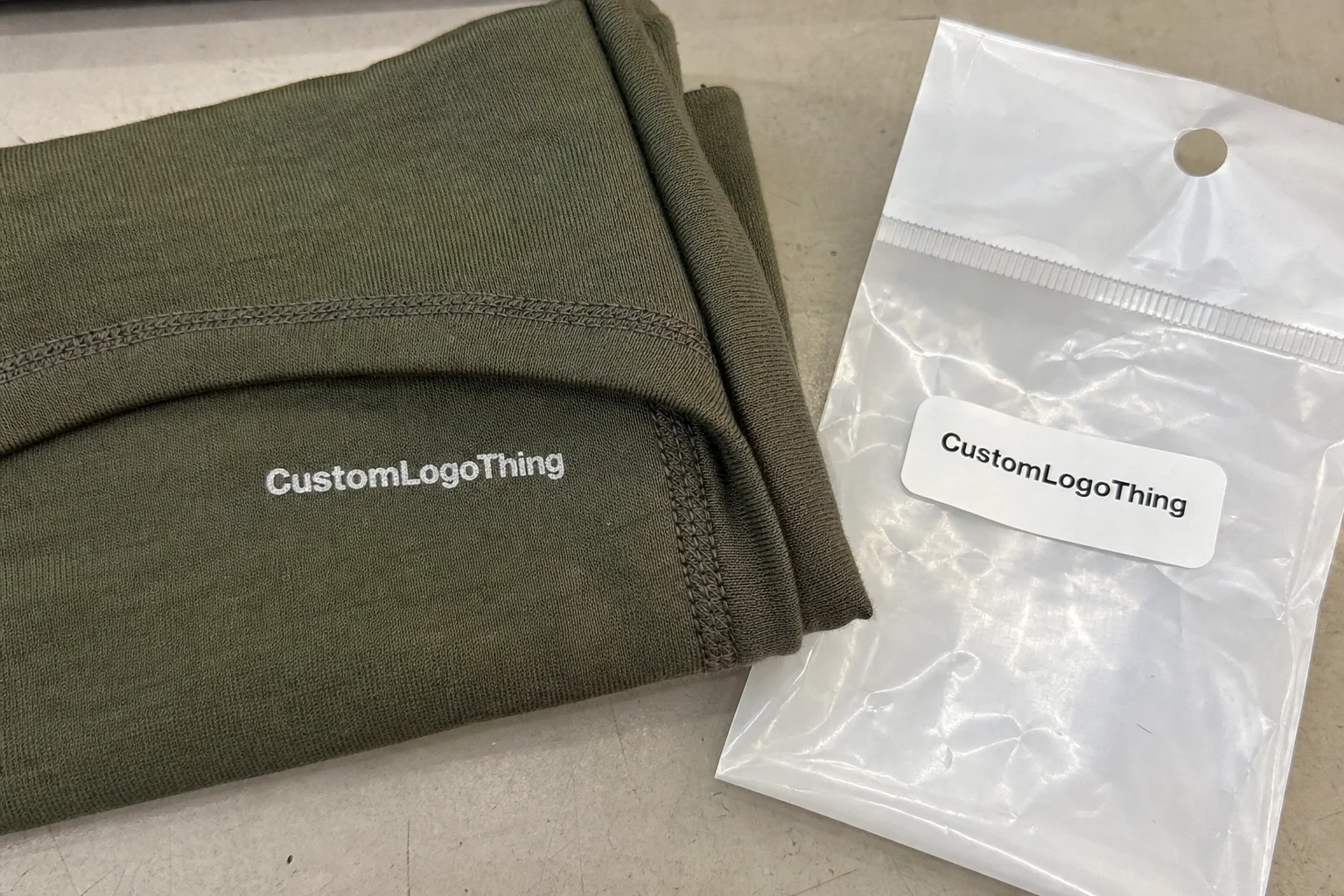
Wedding Boutiques Waterproof Apparel Mailers Factory Quote
Wedding Boutiques Waterproof Apparel Mailers Factory Quote: What You’re Really Buying
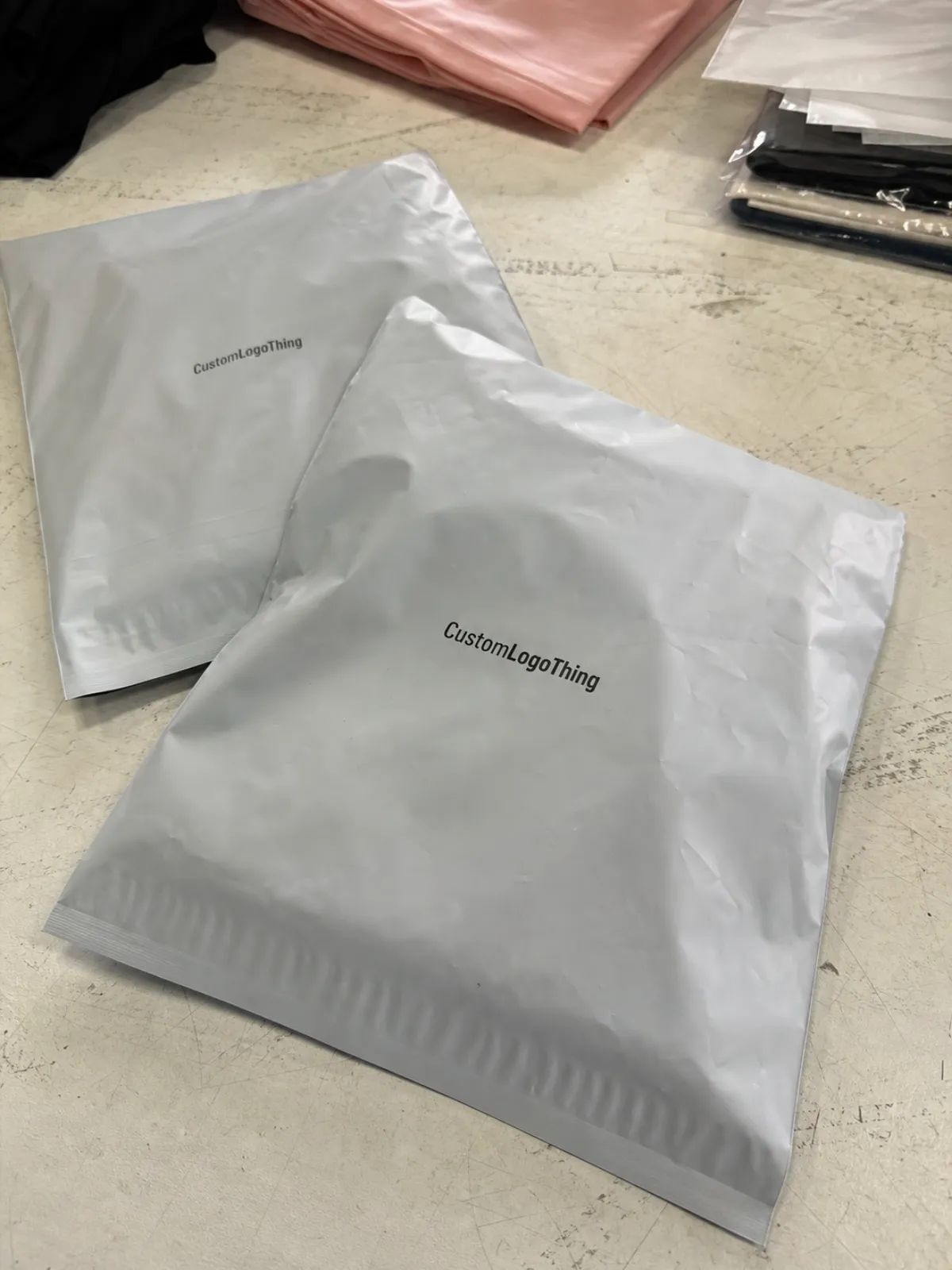
A satin robe can leave the packing table looking flawless, then meet rain on a delivery route, slide across conveyor belts, and pass through several hands before the bride ever opens it. A wedding boutiques Waterproof Apparel Mailers factory quote is not just a quick price check; it is the document that fixes the practical details behind that shipment, including size, film type, closure strength, print method, carton count, and delivery timing.
Waterproof Apparel Mailers protect folded soft goods from moisture, dust, light scuffing, and handling marks while keeping parcels lighter than rigid boxes. That balance matters for bridal robes, lingerie, getting-ready pajamas, bridesmaid apparel, veils, fabric accessories, favor pouches, and boutique merchandise that needs to arrive clean without making shipping costs feel out of proportion to the item.
Common sizing usually starts with the packed bundle, not the garment size on a product page. A 10 x 13 inch or 12 x 15.5 inch mailer may work well for a folded robe set with tissue and an insert card. A 6 x 9 inch bag may be enough for veils, lace accessories, or small fabric gifts, provided the contents have an inner sleeve or tissue wrap to prevent snagging.
A generic poly mailer and a boutique-ready mailer can look similar from a distance. They are not the same product. Better film selection improves opacity and hand feel. A reliable adhesive strip reduces the chance of open flaps in transit. Clean print registration keeps a logo from looking crooked, muddy, or stretched. Accurate sizing lets staff pack quickly without forcing a bulky folded garment into a tight bag.
There is also a clear limitation: waterproof mailers are not crush-proof. They will not protect a structured headpiece, heavily beaded gown, boxed keepsake, or fragile accessory the same way a corrugated shipper would. Used correctly, though, they provide strong moisture resistance, normal puncture resistance for carrier handling, and a tamper-evident self-seal closure that supports a polished delivery experience.
Practical rule: if the item can be folded without damaging its shape, and it already has inner presentation packaging such as tissue, a garment sleeve, or a clear inner bag, a waterproof apparel mailer is often a cost-efficient outer package.
Material Details That Matter for Bridal Apparel Shipments
Most Waterproof Apparel Mailers are made from polyethylene films, commonly LDPE, co-extruded PE, recycled-content PE blends, or custom-tinted film structures. LDPE tends to feel softer and more flexible. Co-extruded films can combine layers for strength, opacity, and surface print performance. Recycled-content blends may support sustainability goals, although the exact recycled percentage, film color, and final print result should be confirmed before the order is placed.
Bridal packaging has a presentation burden that basic apparel shipping does not always carry. Satin, tulle, chiffon, lace, and lightweight knits can feel high-value even when the packed weight is low. If the outer package is thin, translucent, badly wrinkled, or poorly sealed, the customer notices before touching the product. For many boutiques, the best balance is a soft opaque film with enough gauge to feel substantial without pushing freight and storage costs too high.
Film thickness is usually discussed in mils or microns. A lighter mailer may fall around 2.0 to 2.5 mil, which can reduce unit cost and carton volume for smaller goods. A heavier premium mailer may run 3.0 to 4.0 mil or more, depending on size and film structure. Heavier film does not automatically make a better package, but it usually improves puncture resistance and perceived quality for larger bridal party sets.
Moisture protection depends on both the film and the closure. The film resists rain, splashes, and damp delivery surfaces; the adhesive strip keeps the flap closed. For best performance, the seal area should be clean, dry, and pressed firmly across the full width of the bag. Fabric fibers, dust, tissue lint, or a rushed partial seal can reduce bond strength.
Opacity and finish shape the customer’s first impression. Opaque white, black, blush, champagne, or custom-tinted films conceal the contents and support a branded look. Gloss makes printed colors appear brighter and sharper. Matte feels softer and often more elevated. Pearlized or lightly textured films can suit bridal branding when available, but they may affect ink choice, print setup, and minimum order quantity.
Functional upgrades should be discussed early, not after the first price is issued. Dual adhesive strips support returns or exchanges. Perforated tear strips create a cleaner opening experience. Suffocation warnings may be required based on bag size and market. Write-on panels, barcodes, QR codes, SKU labels, and compatibility with tissue or garment bags can also be built into the specification. Each option changes material planning, tooling, print setup, waste allowance, and production cost.
For buyers comparing environmental claims, ask for documentation rather than broad statements. FSC certification applies to paper-based packaging, not polyethylene mailers, though paper inserts, hangtags, and paper gift wraps may qualify. You can review chain-of-custody basics through the Forest Stewardship Council. For broader packaging recovery and waste guidance, the U.S. EPA Sustainable Materials Management resources are useful background.
Size, Closure, Print, and Packing Specifications to Confirm
The most useful quote requests include exact finished size, usable interior space, flap depth, closure type, film thickness, print colors, order quantity, and destination. If those details are missing, a supplier has to guess. Guesses create quote revisions, delays, and sometimes a bag that looks right in a spreadsheet but packs poorly on a busy fulfillment table.
Start with the actual packed bundle. Fold the robe, veil, pajama set, or accessory pouch exactly as your team would ship it. Add tissue, thank-you card, care card, ribbon, tag, and any inner sleeve. Then measure length, width, and thickness. Give staff enough tolerance so they are not stretching film around the product during peak order days; a tight mailer can split at the side seam or wrinkle the presentation inside.
| Mailer Use | Common Size Range | Typical Closure | Practical Notes |
|---|---|---|---|
| Veils, lace accessories, small fabric gifts | 6 x 9 in to 9 x 12 in | Permanent self-seal | Works best with tissue or an inner sleeve to prevent snagging and keep the presentation tidy. |
| Robes, lingerie sets, sleepwear | 10 x 13 in to 12 x 15.5 in | Self-seal or tear strip | Common range for folded soft goods with a card insert and light tissue wrap. |
| Bridesmaid apparel bundles | 14.5 x 19 in and larger | Dual adhesive return strip | Useful for exchanges, but larger sizes increase film use, carton volume, and freight cost. |
Closure style should match the use case. A permanent self-seal adhesive is economical for one-way shipments. Dual-strip returnable closures help with size exchanges or bridal party orders where a recipient may need to send something back. Tear-strip openings give the customer a cleaner way to access the garment without bringing scissors near delicate fabric.
Print specifications matter more than many buyers expect. A one-color logo is usually the most economical and fastest to proof. Multi-color artwork, full-coverage backgrounds, gradients, metallic effects, or photographic imagery can require different print methods, tighter proofing, and longer setup. Ask about safe margins, print area limits, and whether the logo should repeat, center on the face, align near the flap, or sit lower to leave room for a carrier label.
Artwork should be supplied as vector files whenever possible, such as AI, EPS, or editable PDF. Pantone references or brand color values help production get closer to the intended shade, although ink on plastic film will not always match ink on paper, fabric, or a screen. For Custom Poly Mailers, Custom Logo Things can review logo placement, film color, print color, and production-friendly size options before proofing begins.
Packing requirements belong in the quote too. Specify pieces per inner bundle, pieces per master carton, maximum carton weight target, palletization needs, carton labels, SKU labels, and barcode requirements if your inventory team uses scanning. A carton packed with 500 small mailers handles differently than one packed with 100 large mailers, and that difference affects warehouse space, receiving labor, and replenishment planning.
Pricing, MOQ, and Unit Cost Drivers for Custom Mailers
A Quote for Wedding boutique waterproof apparel mailers depends on film weight, bag size, print coverage, number of colors, order quantity, closure features, packaging method, freight terms, and whether custom tooling is needed. One small change, such as moving from a standard white film to a custom blush film, can alter both minimum order quantity and timing.
MOQ exists for practical factory reasons. A custom run requires setup time, material preparation, print registration, machine calibration, and waste allowance. Very small quantities often carry a high unit cost because the setup effort is spread across fewer pieces. A plain stock mailer may be available in low quantities, but a custom printed boutique mailer is usually priced as a production run.
Simple specifications cost less. A one-color logo on a standard opaque film and common size is generally more economical than a full-bleed custom color mailer with dual adhesive strips, heavy film, and multiple print colors. For planning purposes, a basic Custom Printed Poly mailer might fall roughly around $0.08 to $0.25 per piece at moderate quantities, while premium structures can move higher, especially with larger sizes, heavier film, return strips, or complex print coverage. Actual pricing depends on confirmed specifications and current material costs.
Size has a direct cost impact because larger bags use more film per unit. Larger formats also reduce the number of pieces per carton, which can raise freight cost and storage space. Buyers sometimes focus on unit price and miss the landed cost difference between 20 cartons and 38 cartons for the same order quantity.
Print cost drivers include ink coverage, color matching, plate or setup charges, artwork complexity, and repeat-order file reuse. If approved plates or production files can be reused, repeat orders may avoid some setup friction. That is not always possible, especially if the size, film color, logo position, or print method changes.
Freight is part of the real price. Compare product cost, setup or plate charges, sample costs, shipping terms, payment terms, estimated lead time, and delivered cost. Air freight can help an urgent launch, but it can quickly erase savings on a low-cost mailer. Ocean or consolidated freight is usually more economical for larger planned orders, provided the buying calendar has enough room.
| Specification Level | Typical Features | Cost Behavior | Best Fit |
|---|---|---|---|
| Economy branded | Standard size, opaque film, one-color logo, permanent seal | Lowest setup complexity and usually the best entry price | New boutiques, promotional mailers, basic apparel shipments |
| Premium boutique | Matte or tinted film, heavier gauge, clean logo placement, tear strip | Moderate unit cost increase from film and converting choices | Robes, bridesmaid apparel, upscale accessories |
| Return-friendly custom | Dual adhesive strips, larger size, multi-color print, carton labeling | Higher MOQ and cost due to added construction and print controls | Exchange-heavy apparel programs and bridal party orders |
Ask for two or three quantity tiers. Request pricing at the MOQ, a middle quantity, and a stronger volume run. That gives your purchasing team a clear view of unit cost, total spend, carton count, and storage impact before choosing the most practical buy.
Production Process, Lead Time, and Approval Timeline
The production path is straightforward, but every step needs clean information. A typical custom mailer order moves through specification review, artwork check, price confirmation, digital proof or sample, deposit or purchase order, material preparation, printing, converting, quality inspection, carton packing, and shipment release.
Lead time starts after the factory has complete details, approved artwork, confirmed payment terms, and any required sample approval. It does not start with the first email. If the logo file is low resolution, the size is uncertain, or the buyer still needs internal approval on film color, the production clock has not truly started.
A digital proof confirms logo placement, print size, orientation, bag dimensions, flap direction, and basic layout. A physical sample can confirm material feel, opacity, seal strength, and color expectations. For many routine one-color logo mailers, a digital proof may be enough. For a brand launch, packaging refresh, premium matte finish, unfamiliar film thickness, or tight color target, a physical sample is usually worth the extra time.
Production scheduling is less flexible than buyers sometimes assume. Machines are grouped by material, size, print setup, and run quantity. A late change from 10 x 13 inches to 12 x 15.5 inches can affect film width, cutting, carton count, and proof layout. A print color change after approval may require ink adjustment and new confirmation. Changes can be handled, but they often affect timing and cost.
Basic custom mailers are usually faster than highly customized structures. Special film colors, pearlized surfaces, complex printing, heavy ink coverage, or return-strip construction can require additional production time. Shipping choice matters too. Air freight supports urgent launches but raises landed cost. Ocean or consolidated freight generally works better for larger planned orders.
The safest plan is to order before bridal season, trunk shows, online promotions, and bridesmaid-order peaks. Packaging shortages create messy workarounds: plain bags, mismatched labels, rushed freight, and staff repacking orders. None of that improves the customer’s first impression.
For transport testing language, especially if mailers are part of a larger e-commerce fulfillment program, ISTA procedures can be useful background. The International Safe Transit Association publishes standards and testing resources used across packaging and distribution.
Quality Checks That Prevent Returns, Leaks, and Brand Damage
Waterproof mailers are simple products, but consistency matters. Weak seals, poor ink adhesion, off-center print, thin spots in the film, or crushed cartons can create real fulfillment problems. Bridal customers are often buying emotionally important items, so small presentation failures can feel larger than they would in a basic commodity shipment.
Key production checks include film thickness verification, opacity review, size tolerance checks, adhesive bond testing, tear resistance review, print registration, color consistency, and carton count accuracy. For a repeat order, samples should be checked against the approved proof or retained production standard, not just viewed casually on a packing table.
Adhesive performance deserves attention. The strip should bond firmly when used correctly, but dust, fabric fibers, moisture, or repeated opening and closing can weaken the seal. Packing teams should press the flap across the full width of the mailer. A quick thumb swipe in the center is not enough for larger bags.
Edge seals are another practical detail. Side seams must be converted cleanly so the mailer holds under normal handling and does not split when a folded garment presses into the corners. If your packed bundle is thick, say so during quoting. Thickness can matter as much as length and width.
Print durability depends on film surface treatment, ink selection, and curing. The logo should resist rubbing, smudging, or flaking during packing and transit. Matte films and specialty finishes can need extra attention because the surface may behave differently from standard glossy PE.
Waterproof does not mean submersible. A properly made PE mailer protects against rain, splashes, damp delivery surfaces, and normal carrier exposure. It is not designed for long-term immersion, sharp metal edges, heavy compression, or crushing. If the product has structure, beadwork, fragile packaging, or a formed shape, consider a corrugated shipper from the broader Custom Packaging Products range.
Before shipment release, confirm random samples against the approved proof, check carton labels, verify quantity, and review photos or inspection notes if available. For larger orders, set acceptance expectations in writing: size tolerance, print position tolerance, carton count, and packaging method. Clear standards reduce confusion later, especially if the order is split across multiple cartons or replenished in stages.
How to Request a Factory-Ready Quote
A factory-ready request saves time because it gives the packaging team enough detail to price the actual product rather than a rough placeholder. Prepare the finished mailer size, product type being packed, estimated bundle thickness, quantity, desired film color, film thickness target, print colors, logo file, closure style, delivery destination, and deadline.
- Finished size: width x length, plus flap depth if already known.
- Packed product dimensions: measured after tissue, card, tag, ribbon, and inner sleeve are included.
- Film preference: LDPE, co-extruded PE, recycled-content blend, matte, gloss, pearlized, or custom-tinted.
- Thickness target: for example, 2.5 mil for lighter apparel or 3.0 mil and above for a more premium hand feel.
- Print details: one-color logo, Pantone reference, multi-color art, repeat pattern, or full-coverage design.
- Closure: permanent self-seal, dual adhesive return strip, or tear-strip opening.
- Logistics: quantity tiers, delivery address, in-hand date, carton labeling, and pallet requirements.
Send photos if possible. A photo of the actual folded garment bundle tells more than a flat product measurement. Tissue thickness, thank-you cards, tags, inner sleeves, and decorative ribbon can change the required mailer size by enough to matter.
Also define the use case. A one-way e-commerce shipment may only need a strong permanent seal. An exchange-friendly bridesmaid program may justify dual adhesive strips. Event gifting might favor a softer matte finish and cleaner opening. In-store packaging may not require the same closure strength as carrier shipment.
After the quote request, the Custom Logo Things team reviews the specifications, flags missing details, recommends practical material options, prepares pricing, and moves into proofing once the buyer approves the direction. If speed and cost control matter, a crisp one-color logo on a well-sized opaque mailer can outperform an overcomplicated design. Clean delivery beats decorative complexity that delays production.
To start a production discussion, send your details through Contact Us. If you are comparing mailers with boxes, sleeves, tissue, labels, or inserts, review the full Custom Packaging Products selection so the outer mailer works with the rest of the presentation.
When you request a wedding boutiques waterproof apparel mailers factory quote, include real packing dimensions, artwork, quantity, and delivery date so the response is accurate enough to buy from, not just compare casually.
FAQ
What should I include in a wedding boutique waterproof mailers quote request?
Include finished size, product type, packed bundle thickness, quantity, film color, film thickness, closure style, print colors, artwork file, delivery address, and required in-hand date. If possible, send photos of the folded garment or accessory bundle with tissue, cards, tags, and inner packaging included so the sizing recommendation reflects real packing conditions.
What MOQ should wedding boutiques expect for custom waterproof apparel mailers?
MOQ depends on size, material, print method, film color, and whether the design uses standard or custom film. A simple one-color logo on a common opaque film usually has a lower production barrier than a custom-tinted, multi-color, return-strip mailer. Ask for tiered pricing at several quantities so you can compare the minimum run against a more economical production run.
Are waterproof apparel mailers safe for bridal gowns, veils, and delicate fabrics?
They are suitable for many soft apparel and accessory shipments when the item is folded and protected with appropriate inner packaging such as tissue, garment sleeves, or clear inner bags. For structured gowns, heavily embellished pieces, formed headwear, or crush-sensitive items, a box or reinforced shipper may be a better outer package.
How long does custom printed waterproof mailer production usually take?
Timing depends on proof approval, material availability, print complexity, order quantity, sample requirements, and shipping method. Lead time should be confirmed only after artwork, specifications, payment terms, and sample decisions are finalized, because missing details can pause the schedule before production begins.
Can a factory quote include branded colors, logo printing, and return strips?
Yes. A factory quote can include custom film color, one-color or multi-color logo printing, matte or glossy finish, dual adhesive return strips, tear strips, carton labeling, and other production details. Each added feature can affect MOQ, setup cost, unit cost, and lead time, so list these requirements clearly before pricing is finalized.