Fitness Brands Waterproof Apparel Mailers Sample Order Guide
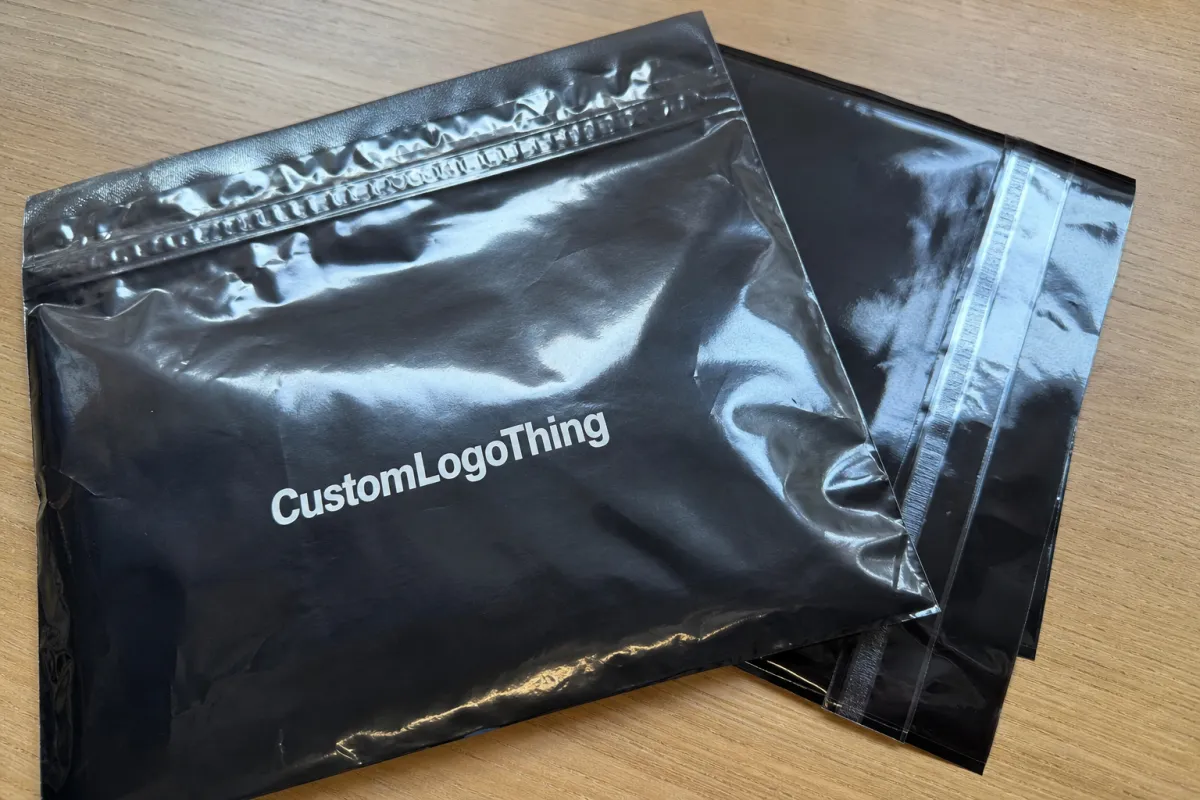
A pair of premium leggings can survive a wet porch, but the packaging around them still shapes the customer’s opinion. A thin, cloudy mailer with weak sealing turns a well-made order into something that feels rushed. That is the whole reason this fitness brands Waterproof Apparel Mailers sample order guide exists: to help apparel teams test the right mailer before placing a bulk order they will live with for months.
Waterproof Apparel Mailers protect activewear from rain, splashes, damp sorting belts, and the usual handling that happens between warehouse and doorstep. They also help the brand look deliberate. A clean mailer makes the shipment feel considered, while a tired one makes even a good product look cheaper than it is.
Fitness apparel is a little more demanding than generic soft goods. Compression sets, sports bras, socks, lightweight jackets, and recovery pieces are often high-margin and sold Direct To Consumer, which means the package is part of the product experience. If the first physical impression after checkout feels flimsy, the brand pays for it later in avoidable support tickets, awkward return comments, and lower repeat confidence.
A sample order is not a formality. It is the least expensive way to catch problems before they become a warehouse habit. Sample testing shows how the mailer feels, how opaque it is, whether the adhesive holds, how the print behaves, whether labels stay readable, and whether the bag still performs once it is actually packed. Mockups can look lovely on screen and still fail in a packing station.
For comparing suppliers, the useful questions are concrete: what is the film thickness, how is it sealed, what type of closure does it use, what is the minimum order quantity, how much does the sample cost, how long is production, and how does the mailer behave with your actual products inside. Packaging that only looks good in a rendering has not earned a place in a shipping workflow.
Practical rule: If you would hesitate to ship your best-selling set in the sample mailer tomorrow, do not approve it for bulk production.
What Waterproof Apparel Mailers Actually Need to Do
“Waterproof” in this category usually means moisture resistant enough to handle rain, splashes, damp porches, and normal carrier abuse. It does not mean the mailer can survive a full soak and come out perfectly dry. The label on the bag should reflect the real use case, not a fantasy version of it.
A good apparel mailer has five jobs: block moisture, resist punctures, hold at the seams, close securely, and hide the contents. Miss one of those and the bag becomes a liability with a logo on it.
Most fitness brands choose flexible film because apparel ships well in soft packaging. Leggings, tees, socks, and sports bras usually do not need corrugated boxes unless the order includes hard goods, fragile add-ons, or premium retail presentation that must stay rigid. Poly mailers also make storage and fulfillment easier. A pallet of flat mailers takes far less room than a pile of boxes, which matters more than teams expect once volume grows.
Common material options include LDPE poly mailers, co-extruded polyethylene films, recycled-content films, and compostable alternatives where available. LDPE and co-ex films remain the workhorses because they balance cost, strength, and moisture resistance. Recycled-content options can be a useful sustainability step, though they sometimes bring color variation or a slightly different hand feel. Compostable mailers can work well for the right brand, but they often cost more and need clear end-of-life messaging so customers do not guess wrong about disposal.
A few packaging styles tend to show up again and again:
- Standard poly mailers: Good for leggings, tees, sports bras, socks, and single-item apparel orders.
- Returnable mailers: Useful for try-on programs, size exchanges, and brands with a high return rate.
- Bubble-lined mailers: Helpful for small accessories or apparel bundles that include hard goods.
- Inner garment bags: Worth considering when an extra moisture barrier is needed inside the outer mailer.
Water resistance alone does not make a solid mailer. Weak adhesive, brittle film, or a sloppy seal can undo everything else. Side seam strength and closure quality are usually the first places problems show up once parcels leave a controlled warehouse environment.
Sample Order Specs to Check Before You Buy in Bulk
The sample stage is where assumptions get replaced by evidence. For a fitness brands waterproof apparel Mailers Sample Order guide to be useful, it has to get specific. “Looks premium” does not help much. Neither does “feels durable.” Those phrases are too vague to support a buying decision.
Before placing a bulk order, confirm the basics:
- Mailer size: Width, length, usable pack area, and flap allowance.
- Film thickness: Many apparel mailers fall around 2.0 to 3.0 mil, with heavier options for bulkier shipments.
- Color and opacity: White, gray, black, colored, kraft-look, or opaque recycled film.
- Adhesive type: Permanent peel-and-seal, dual-strip returnable, tamper-evident, or resealable.
- Tear resistance: Corner stretch, seam stress, and puncture behavior.
- Print coverage: One-color logo, two-color branding, repeat pattern, or full-coverage artwork.
- Finish: Matte, glossy, soft-touch style, or standard poly sheen.
- Label performance: Shipping labels should stick, scan, and stay legible.
Size is the first thing most teams underestimate. A small sports bra or sock mailer may sit around 6 x 9 inches or 7.5 x 10.5 inches. Leggings, tees, and single compression sets often work in the 10 x 13 inch to 12 x 15.5 inch range. Hoodies, joggers, puffer vests, or multi-item orders may need 14.5 x 19 inches, 19 x 24 inches, or a gusseted format.
Do not overpack the bag just because it technically closes. A mailer under tension is more likely to split at a seam or tear near the flap once it hits conveyors, bins, or sorting tables. If the product is already stressing the film before it leaves the facility, the size is wrong.
Thickness deserves a plain answer. A 2.0 mil poly mailer can work for lightweight apparel. A 2.5 mil mailer usually feels more substantial without becoming stiff. A 3.0 mil or heavier structure may suit hoodies, multi-item shipments, or premium activewear orders where the package needs to feel more intentional. Thicker film raises cost, but so does replacing damaged shipments.
Opacity should be tested with actual products. Bright colors, dark prints, and logo-heavy garments can show through thin or translucent film. If customers can identify the contents too easily, the bag is too revealing for many fitness brands. Privacy still matters in apparel shipping.
Closure style should fit the way the warehouse works. A permanent peel-and-seal strip is efficient for straightforward shipments. A dual-strip returnable mailer adds a second adhesive strip for exchanges, which can reduce tape use and simplify the return process. Tamper-evident seals are often used for premium items. Resealable options can work for try-on models, though they usually cost more and need more careful testing.
Print samples should be handled like shipping samples, not like display pieces. Flex the bag, rub the logo, pack it to normal capacity, apply a shipping label, and scan it. Check whether the ink cracks across fold points or whether fine text loses clarity. Flexible film moves, so the artwork has to survive movement.
| Fitness Product Type | Typical Mailer Direction | Suggested Checks During Sampling |
|---|---|---|
| Sports bras, socks, headbands | Small standard poly mailer, often 2.0-2.5 mil | Opacity, seal strength, label fit, packing speed |
| Leggings, tees, compression sets | Mid-size waterproof poly mailer, often 2.5 mil | Side seam stress, product fit, print rub resistance |
| Hoodies, joggers, jackets | Larger or gusseted mailer, often 2.5-3.0 mil+ | Overstuffing, puncture resistance, flap closure security |
| Try-on or exchange-heavy orders | Returnable mailer with dual adhesive strips | Second seal usability, return instructions, customer handling |
Pack real orders during sampling. A perfect sample on a desk under good lighting tells you almost nothing. Real packing exposes sizing mistakes, friction points, and closure issues much faster than a clean presentation ever will.
Custom Printing Options for Fitness Brand Mailers
Custom printed apparel mailers can be restrained or loud. Either approach can work, provided the print choice supports the brand and does not distort the budget. The best design is often the one that prints consistently, survives handling, and still feels current after a few replenishment cycles.
Common print methods include flexographic printing, digital printing, and stock Mailers with Branded labels. Flexographic printing is the usual choice for larger poly mailer runs with stable artwork. Digital printing can help with smaller runs, campaign-based packaging, or variable graphics, depending on the supplier’s equipment. Stock mailers with custom labels are a sensible early-stage option when the brand wants to test the market before paying for plates or full production setup.
One-color logo printing is often the cleanest starting point. A black logo on white, gray, or colored film can look sharp without driving costs up. Full-coverage designs create more impact for launches or limited collections, but they need tighter artwork control. Heavy ink coverage can affect price, color consistency, and print tolerance.
Fitness brands usually lean into a few broad directions:
- Minimalist: One-color logo, clean typography, neutral film color.
- Campaign-driven: Brighter packaging for launches, influencer drops, or seasonal releases.
- Instructional: Return steps, QR codes, support details, or disposal guidance printed on the bag.
- Pattern-based: Repeat marks or tone-on-tone graphics that hide scuffs better than flat solid ink.
Artwork requirements matter more on film than on paperboard. Send vector files, preferably AI, EPS, or a production-ready PDF. Include Pantone or CMYK references. Keep critical text away from edges, seams, and adhesive zones. Add bleed if the design reaches the trim line. Place barcodes and QR codes on flat areas where they will not bend across folds or gussets.
Plastic moves, which means some details that look fine in a mockup do not print well in production. Hairline elements, tiny reversed type, and delicate gradients are more difficult to control on flexible film. Anyone promising perfect color matching with no tolerance at all is overselling the process.
Order the sample in the same base film color you plan to use in production. A navy logo on white film will read differently on gray, black, kraft-look, or recycled-content material. Contrast changes. Ink appearance changes. The entire tone of the package changes.
If the brand sells across several apparel lines, keep the mailer flexible enough to handle leggings, recovery wear, accessories, and seasonal bundles. Overly specific artwork can age quickly, while a strong core design with room for labels or inserts tends to last longer across inventory changes.
Pricing, MOQ, and Unit Cost Factors for Sample Orders
Sample pricing depends on size, film thickness, material type, print colors, print coverage, quantity, closure style, and whether the order is stock, pre-production, or fully custom. That is the honest version. There is no clean universal price without specs.
Stock sample packs are usually the easiest place to start. They make it simple to test size, feel, opacity, and closure. Some suppliers charge only a small fee plus shipping. Others credit sample costs against a larger production order. A pre-production sample costs more because it may include artwork setup, proofing, print preparation, and a short custom run.
For basic Custom Poly Mailers, sample-related costs can range from low-cost stock packs to custom sample fees in the low hundreds, depending on the print method and setup requirements. Bulk unit prices vary just as widely. Simple logo-printed mailers may sit somewhere around $0.18-$0.45 per unit at moderate quantities, while larger, thicker, returnable, recycled-content, or full-coverage printed bags can move higher. Shipping, duties, carton counts, and freight class can change the final landed cost.
MOQ is tied to production setup. Simple one-color Printed Poly Mailers usually have lower entry quantities than specialty film colors, recycled-content blends, compostable materials, or multi-color flood printing. A starter run may be possible at a few hundred or a few thousand pieces depending on the structure. Higher-spec custom builds often require several thousand units or more.
These are the main cost drivers:
- Larger bags use more material. A hoodie mailer costs more than a sock mailer.
- Thicker films cost more. Moving from 2.0 mil to 3.0 mil raises material use.
- More print colors add cost. Plates, setup, registration, and ink coverage all matter.
- Small runs carry more setup cost per unit. The machine setup cost does not shrink just because the order is small.
- Returnable closures cost more. Dual adhesive strips and extra liner material are not free.
The cheapest mailer is not always the cheapest decision. If a thin bag leads to replacements, wet returns, reships, support tickets, or poor reviews, the savings disappear quickly. Packaging still has to function.
Ask for tiered pricing at multiple quantities so you can compare sample, launch, and replenishment volumes side by side. A quote that looks low per unit can still lose once freight, setup, and carton charges are included. Landed cost matters more than a nice line item.
Process, Timeline, and Lead Time From Sample to Production
A clear process saves time. A messy one creates rush fees, wrong sizes, and a long email thread nobody wants to reread later.
A practical order flow looks like this:
- Choose 2 to 3 likely mailer sizes based on packed product dimensions.
- Select the material direction: standard poly, recycled-content, compostable, returnable, or bubble-lined.
- Submit artwork files with color references and print placement notes.
- Receive a quote with quantity tiers, sample cost, production timing, and freight assumptions.
- Approve a digital proof or physical sample direction.
- Order samples and test them with real shipments.
- Approve final specs for production.
- Schedule manufacturing and delivery.
Most delays come from incomplete artwork, unclear color targets, late proof approvals, changing sizes after sampling, or asking for rush production after weeks of internal debate. The production calendar is usually less forgiving than the packaging team would like.
Stock samples can move quickly because no custom printing is involved. Custom printed samples and pre-production samples take longer because they need artwork review, proofing, setup, sample production, quality checks, and shipping. A realistic sample timeline may range from a few business days for available stock samples to two or more weeks for custom printed or pre-production samples, depending on complexity and the supplier’s queue.
Production lead time after approval depends on order size, material availability, print complexity, current line load, and shipping method. Repeat orders usually move faster than first-time custom projects. Full-coverage artwork, specialty film, dual-strip closures, or recycled-content requirements can add time. If a launch date is fixed, leave room for one reorder before the calendar gets tight.
Use simple tests during the sample stage. Pack several real orders. Leave one packed sample in damp conditions for a few hours. Press on the sides. Pull at the seams. Handle it with dry and slightly damp hands. Apply your actual shipping label and scan it with the same workflow the warehouse uses. For a more formal transit framework, the International Safe Transit Association publishes packaging test procedures used across shipping environments.
A small drop test also helps. Drop a packed mailer from waist height onto a clean surface. Stack a few cartons or parcels on top for a short period. Look for seam stress, punctures, label peeling, and product shifting. No field test is perfect, but no test at all is a much riskier way to buy packaging.
Before mass production, approve the final details below:
- Flat size and usable pack size
- Film material and thickness
- Closure type and adhesive strip location
- Print file, color references, and placement
- Quantity and overrun or underrun tolerance, if applicable
- Carton pack count and carton labeling
- Delivery address, shipping method, and target in-hands date
Next Steps: How to Place a Smarter Mailer Sample Order
A smarter sample order starts with the product, not the prettiest mockup. Choose 2 to 3 mailer sizes based on real packed orders. Decide on the material direction. Confirm whether returns need a second adhesive strip. Prepare artwork before asking for a quote. Half-ready requests usually get half-useful answers back.
Send these details for accurate pricing:
- Product dimensions when folded and packed
- Average order contents, such as one legging, a full set, or a multi-item bundle
- Target quantity for sample, launch, and reorder stages
- Logo files in vector format
- Number of print colors and approximate print coverage
- Desired film color, thickness, and finish
- Closure style, including returnable dual-strip needs
- Shipping destination and required in-hands date
Order enough samples for real testing. One untouched sample does not tell you much because nobody wants to spoil it. Get enough pieces to pack, seal, label, rub, drop, stack, and leave in damp conditions. Ten to twenty usable samples will teach more than one perfect presentation sample sitting beside a keyboard.
Use this fitness brands Waterproof Apparel Mailers sample order guide to compare practical options, test with real shipments, and approve bulk production with fewer expensive surprises. The best packaging choice is usually the one that fits the product, the workflow, and the budget at the same time.
FAQ
What should fitness brands check in waterproof apparel mailer samples?
Check size fit with real products, film thickness, opacity, adhesive strength, side seam durability, print quality, and label scan performance. Test at least one packed sample in damp conditions and one under normal handling pressure before approving a bulk order. For a reliable fitness brands waterproof apparel mailers sample order guide process, do not approve anything based only on an empty bag.
What is the typical MOQ for custom waterproof apparel mailers?
MOQ depends on size, material, print method, and customization level. Simple logo-Printed Poly Mailers usually have lower MOQs than specialty colors, recycled-content films, or full-coverage multi-color printing. Ask for tiered pricing so you can compare sample, launch, and reorder quantities side by side.
Are waterproof poly mailers good for leggings, sports bras, and hoodies?
Yes. Waterproof poly mailers are a strong fit for soft fitness apparel because they are lightweight, moisture-resistant, flexible, and efficient to store. Use thicker or larger mailers for hoodies, joggers, jackets, and multi-item orders to avoid overstuffing and seam stress.
Can I order a custom printed sample before full production?
Yes, but the sample type matters. Stock samples help test material and size quickly, while pre-production samples show your actual logo, print placement, film color, and closure style. Custom samples may require artwork setup, proof approval, and additional cost.
How long does a waterproof apparel mailer sample order take?
Stock samples usually move faster because they do not require custom printing. Custom printed samples take longer due to artwork review, proofing, production setup, and shipping. Lead time varies by specification, quantity, production schedule, and whether rush service is available. Use the fitness brands waterproof apparel mailers sample order guide approach above to avoid losing days to unclear specs.