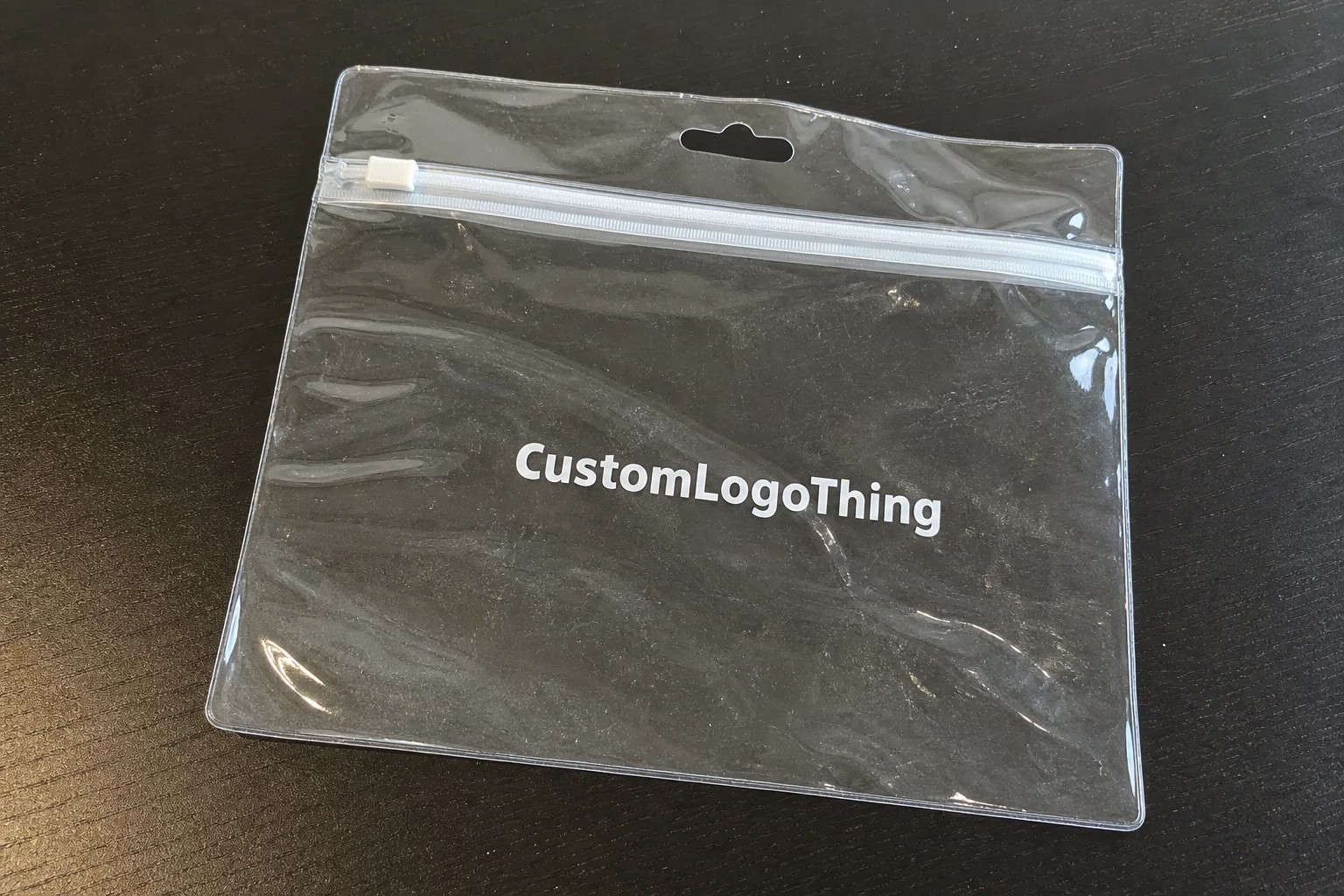
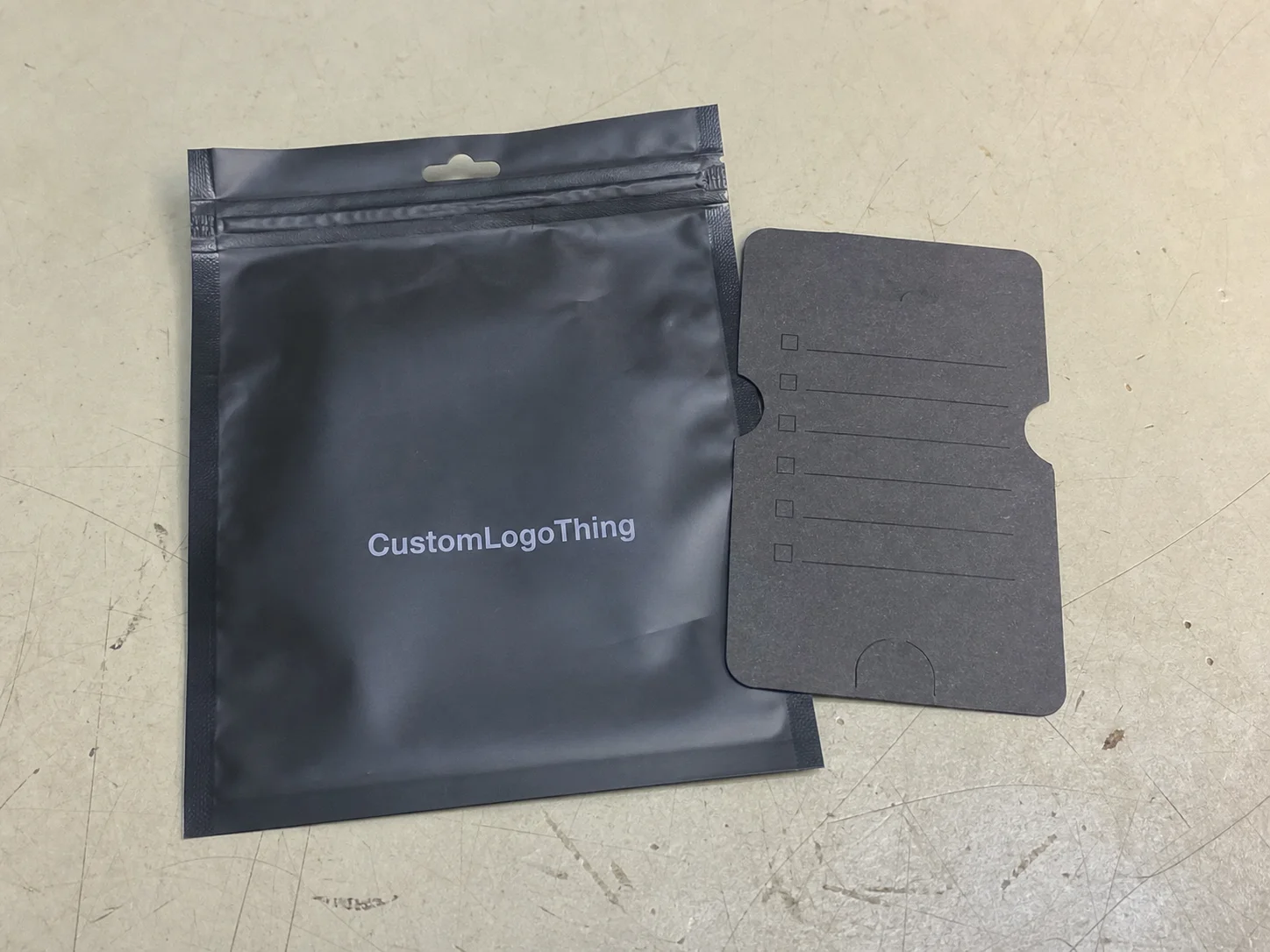
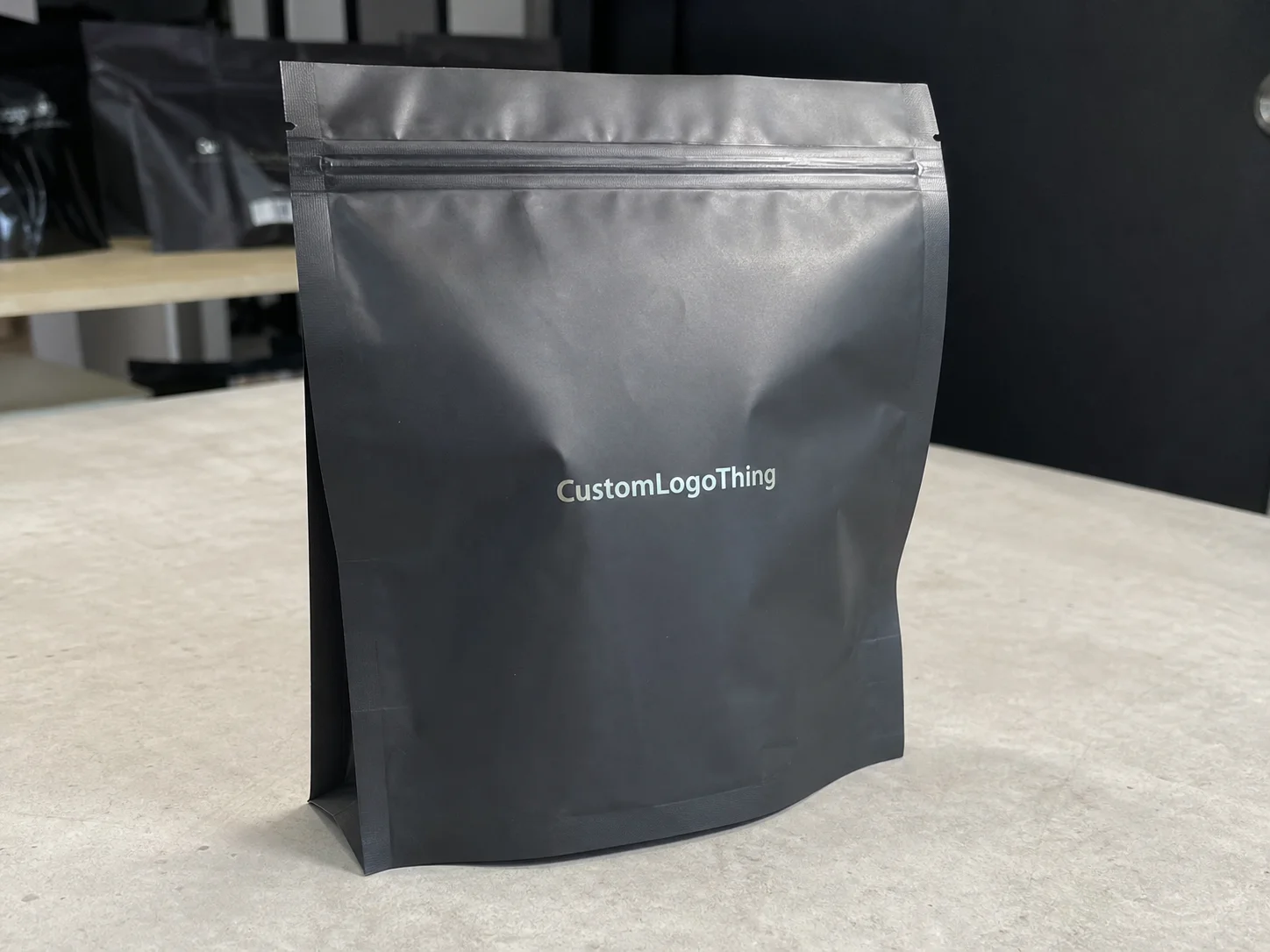
Buyer Fit Snapshot
| Best fit | Green Packaging Pricing projects where brand print, material claims, artwork control, MOQ, and repeat-order consistency need to be specified before quoting. |
|---|---|
| Quote inputs | Share finished size, material target, print colors, finish, packing count, annual reorder estimate, ship-to region, and any compliance wording. |
| Proofing check | Approve dieline scale, logo placement, barcode or warning zones, color tolerance, closure strength, and carton packing before bulk production. |
| Main risk | Vague material claims, crowded artwork, missing packing details, or unclear freight terms can make a low unit price expensive after revisions. |
Fast answer: Green Packaging Pricing: Artwork Proof, Packing Count, and Landed Cost should be specified like a repeatable production item. The safest quote records material, print method, finish, artwork proof, packing count, and reorder notes in one written spec.
Production checks before approval
Compare the actual filled-product size with the drawing, then confirm tolerance on folds, seals, hang holes, label areas, and retail display edges. Reserve space for logos, QR codes, warning copy, and material claims before decorative graphics fill the panel.
Quote comparison points
Review material grade, print process, finish, sampling route, tooling charges, carton quantity, and freight assumptions side by side. A quote is only useful when the supplier can repeat the same color, closure quality, and packing count on the next order.
I’ve spent enough time on corrugator floors in Milwaukee, die-cutting lines in Columbus, and supplier meetings in Shenzhen to know this: a green packaging pricing guide has to begin with the numbers people actually pay, not the story they hope to tell. Two boxes can look nearly identical on the shelf, yet one costs $0.42 and the other lands at $0.67 because of fiber source, coating choice, MOQ, and print method. That gap has startled brand owners in my office more times than I can count, especially when they assume “eco-friendly packaging” should automatically be the cheapest route.
Honestly, I think that assumption is the packaging equivalent of expecting a salad to be cheaper than fries just because it has lettuce in it. Sometimes yes. Often no. The honest answer is that sustainable packaging can be costlier upfront, but not always by much, and not always in the ways people expect. I’ve seen a recycled-content mailer save a client nearly 11% in freight because it shaved 3.2 ounces off the ship weight and reduced dimensional weight charges on UPS Zone 5 parcels. I’ve also seen a compostable tray raise unit cost by 18% because the tooling alone was a $14,500 line item. A good green packaging pricing guide helps you see those tradeoffs clearly so you can buy with your eyes open.
What Green Packaging Really Means—and Why Pricing Surprises People
On a recent plant walk in a Detroit-area folding-carton facility, I watched two white paperboard cartons move side by side down the line. Same footprint. Same retail shelf presence. Same general “eco” story on the marketing sheet. Yet one was made from FSC-certified virgin fiber with a specialty matte aqueous coating, while the other used 100% post-consumer recycled content and a lower-coverage flexo print. The second one was less expensive to buy, but only because the team had already designed around a standard 18-point die and avoided a custom window patch. That kind of detail is exactly why a green packaging pricing guide matters.
In practical terms, green packaging can mean a package that is recyclable, recycled-content, compostable, reusable, source-reduced, or lightweighted. Sometimes it’s a molded fiber insert replacing a plastic clamshell; sometimes it’s a corrugated mailer with less void fill; sometimes it’s a kraft paperboard carton with water-based inks. The label alone is not enough. A real green packaging pricing guide should ask: how much material is used, what happens after disposal, and how much protection does the package deliver in transit? A 350gsm C1S artboard carton and a 42 ECT recycled corrugated shipper may both be “green,” but they solve different problems at different price points.
There’s also a wide gap between marketing language and measurable performance. “Eco-friendly” on its own is vague. A package that uses 22% less board, contains 70% PCR material, or meets FSC standards is concrete. So is packaging that passes ISTA 3A transit testing or reduces breakage by 3% on a direct-to-consumer route. If you want a trustworthy green packaging pricing guide, measurable specs beat buzzwords every time. A quote that says “premium sustainable carton” is less useful than one that names the substrate, such as 350gsm C1S artboard with a 1.5mm greyboard insert.
Here’s the other piece people miss: sustainable packaging may raise the purchase price, but lower the total cost. I’ve seen lightweight corrugated reduce outbound shipping spend by $0.08 to $0.19 per unit on high-volume ecommerce programs across California and Texas fulfillment centers. I’ve also seen better structural design cut damage claims enough to offset a higher box price. That’s not theory; that’s what happens when the package is engineered correctly. Any serious green packaging pricing guide should account for damage reduction, freight efficiency, and waste handling costs, not just the invoice line.
Bottom line: green packaging pricing is rarely just about raw material. It’s a mix of fiber quality, certification, conversion complexity, and the hard math of shipping and assembly.
How Green Packaging Pricing Works in Production
If you trace the cost of a package from the paper mill in British Columbia or the resin supplier in Jiangsu to the converting plant in Ohio and then to your warehouse in Atlanta, you can see exactly where the money goes. I like to break a green packaging pricing guide into four production layers: material, conversion, finishing, and logistics. Each layer adds value, but each layer also adds cost if the spec is overly complicated. On a 10,000-unit run, that complexity can mean the difference between $0.28 and $0.46 per piece.
Material pricing is the first stop. Kraft paperboard, recycled corrugate, molded fiber, PCR plastics, and bio-based films all behave differently in the market. Virgin fiber can be more consistent, while recycled fiber may need more sorting or refining. Molded fiber often needs custom tooling and drying time in plants near Ho Chi Minh City or Monterrey. PCR plastic prices can swing with feedstock availability, and bio-based films can carry a premium because of lower volume and narrower processing windows. A practical green packaging pricing guide should tell you that “sustainable” is not a material class by itself; it’s a family of tradeoffs.
Then comes conversion. On one line in a packaging plant near Atlanta, I watched a team run a simple die-cut mailer at 18,000 pieces an hour, then switch to a more complex carton with windows and inserts that slowed throughput by more than half. Same board source, different total cost. Die-cutting, flexo printing, digital printing, lamination, heat sealing, and custom insert assembly each add labor, setup, and waste. That is why a green packaging pricing guide has to discuss the factory floor, not just the finished sample. A simple mailer with a one-color flexo print may come in at $0.15 per unit for 5,000 pieces, while a four-color carton with a window patch can climb above $0.39 per unit.
Setup charges matter a lot on low-volume orders. If you need plates for flexo, a custom steel rule die, or an aluminum mold for fiber pulp, those are startup costs that can be spread across a large run or painfully concentrated in a short run. For a 5,000-piece order, a $1,200 die fee can dominate the unit price; for a 100,000-piece order, the same fee becomes a small fraction. That is one of the first lessons I give clients using a green packaging pricing guide: ask what is one-time and what is recurring. In some cases, a molded fiber mold built in Dongguan or Louisville can run $8,000 to $25,000 before the first tray ships.
Finally, there’s landed cost. I’m talking freight, warehouse storage, labor for assembly, and damage risk. A package that arrives flat and pops up quickly may be cheaper than a preassembled option requiring hand labor. A package that saves 12% in cube can reduce freight cost enough to offset a higher board spec. When I sit down with a procurement team, I always push the green packaging pricing guide conversation beyond unit price because the warehouse doesn’t pay in unit price; it pays in labor, space, and shipping realities. A carton that takes 9 seconds to assemble in Chicago is not priced the same as a flat shipper that assembles in 3 seconds in Phoenix.
Key Factors That Change Green Packaging Pricing
Material type is usually the biggest driver, and it starts with what the package is made from. Virgin fiber, recycled content, PCR resin, compostable resin, molded pulp, and FSC-certified paper all have different cost structures. In a green packaging pricing guide, I always separate “material story” from “material behavior.” Recycled content may be cheaper in some grades and more expensive in others, depending on availability, brightness, and performance targets. For example, a 16pt SBS board can price differently from a 350gsm C1S artboard because the coating, brightness, and coating weight change the mill cost.
Order quantity comes next. Large runs reduce per-unit cost because setup is spread across more pieces, raw material is purchased more efficiently, and the plant can run with less interruption. Short runs can still work, especially with digital printing or standardized structures, but the economics shift fast. A 2,500-unit custom printed box order may have a unit price of $0.88, while 25,000 units might drop to $0.31. That’s the kind of spread a smart green packaging pricing guide should make visible. On a 50,000-piece run, dropping from 1-color to 4-color printing might add only $0.04 per unit, but on 2,000 pieces it can add $0.11 or more.
Design complexity can quietly eat your budget. Multi-part cartons, tuck locks with reinforced dust flaps, specialty closures, inserts, windows, embossing, and foil all increase conversion steps. I once helped a beauty brand move from a four-piece retail package with a printed sleeve and molded insert to a two-piece carton with a paperboard retainer. The package looked cleaner, used less material, and cut the total packaging spend by about 14%. That’s an example where packaging design and pricing worked together, not against each other, and it belongs in every green packaging pricing guide. A printed sleeve over a 350gsm C1S artboard carton costs differently than a plain kraft mailer because every extra fold, glue point, and die line adds labor minutes in the plant.
Print and finishing choices can move the number more than people expect. One-color flexo on kraft board is usually far less expensive than full-coverage CMYK with a matte lamination. Water-based inks often fit well with eco goals and avoid the heavy look of certain coatings, but if you need a barrier layer for moisture resistance, the cost rises. In retail packaging, where brand presentation matters, you may want a cleaner print surface, but that should be a conscious tradeoff in your green packaging pricing guide rather than an accidental add-on. A soft-touch laminate can add $0.06 to $0.14 per unit, while a simple aqueous varnish may add just $0.01 to $0.03.
Performance requirements are another big lever. If the product is oily, frozen, fragile, or moisture-sensitive, the package may need barrier treatment, stronger caliper, or additional cushioning. A food carton that needs grease resistance is not the same as a dry-goods carton. A shipping mailer for glass jars needs different crush protection than a lightweight apparel box. I’ve seen clients save pennies per unit and then lose dollars per order because they under-specified the protection level. A useful green packaging pricing guide always asks about product failure cost, not just packaging cost. A 42 ECT shipper with a 1.5mm molded pulp insert may cost more than a plain paperboard tray, but it can protect a $24 candle set from a 1.2-meter drop in transit.
Supply chain variables can shift the quote in a hurry. Fiber markets move. Resin pricing moves. Freight rates move. If your supplier is in one region and your distribution center is in another, distance matters. I’ve had quotations for Custom Printed Boxes swing by 9% simply because the board mill was booked and the plant needed to source an alternate grade. That is why a good green packaging pricing guide includes contingency thinking, not just a single target number. A plant in Guadalajara may quote differently than one in Toronto because palletized freight, customs paperwork, and regional board availability all change the final number.
- Material type: recycled fiber, virgin fiber, molded fiber, PCR plastic, or compostable film
- Run size: 2,500, 10,000, or 100,000 pieces changes setup economics
- Print method: flexo, digital, or offset
- Finish level: aqueous coating, laminate, embossing, or no finish
- Protection requirement: moisture, grease, crush, or drop resistance
| Option | Typical Use | Relative Price | Notes |
|---|---|---|---|
| Recycled corrugated mailer | Ecommerce shipping | Low to medium | Strong for shipping, often the best starting point in a green packaging pricing guide; common pricing can fall near $0.15 to $0.28 per unit for 5,000 pieces |
| FSC paperboard retail carton | Retail packaging | Medium | Good for branded packaging and shelf presentation; a 350gsm C1S artboard version may cost $0.24 to $0.49 per unit depending on print coverage |
| Molded fiber insert | Product protection | Medium to high | Tooling can raise startup cost, but material use can be efficient; molds are often produced in Dongguan, Shenzhen, or Monterrey |
| PCR plastic tray | Consumer goods and food applications | Medium | Costs depend heavily on resin availability and forming complexity; pricing can shift by 6% to 12% quarter to quarter |
Green Packaging Pricing Guide: Step-by-Step Costing Process
Step one is defining the product, the shipping method, and the sustainability goal. I know that sounds basic, but I’ve watched teams price the wrong thing because marketing wanted a “premium eco box” while operations actually needed a shipper that could survive parcel handling. A strong green packaging pricing guide starts by asking whether the package is for retail display, ecommerce shipping, food contact, or warehouse storage. Those are different jobs, and they deserve different specs. A carton for a 250ml serum bottle is not the same as a shipper for a 2kg coffee sampler.
Step two is gathering exact specifications. You want dimensions, product weight, required certifications, print coverage, and whether the package must be assembled by hand or machine. If you’re comparing custom printed boxes, write down board grade, flute type, print method, and any finishing requirements. I’ve seen quotes differ by 20% because one supplier assumed unprinted kraft and the other priced full-color coverage with a soft-touch coating. A reliable green packaging pricing guide depends on apples-to-apples data. A 6" x 4" x 2" box in 32 ECT corrugate will price very differently from a 10" x 8" x 3" carton in 350gsm C1S artboard with a litho-laminate wrap.
Step three is asking for a quote structure that exposes all the cost buckets. I usually want to see unit price, tooling, sampling, freight, storage, and assembly assumptions. If a supplier gives you only a single unit number, push for more detail. You Need to Know whether the quote includes design support, whether it assumes flat-packed shipping, and whether there’s a minimum order quantity hidden in the fine print. That’s where a lot of buyers get surprised, and a solid green packaging pricing guide should help you avoid that trap. A quote from a plant in Portland may exclude inland freight to Nashville, while another quote from Vietnam may include ocean freight to Los Angeles but not port drayage.
Step four is evaluating total landed cost. Here’s what I tell brands in supplier meetings: the cheapest carton is not always the cheapest program. If a box costs $0.04 less but takes 20 seconds longer to assemble, the labor bill can erase the savings fast. If a package saves 1.5 cubic inches, it may lower carrier charges across thousands of shipments. A good green packaging pricing guide makes room for labor, freight, and storage, because that is where the real economics live. A warehouse in New Jersey paying $18.50 per labor hour will feel that difference faster than a spreadsheet does.
Step five is prototype testing. I’ve seen a lot of beautiful packaging fail at the carton line because the product had a slight taper, the insert was too snug, or the closure tab split during assembly. I’ve also seen a package look “too plain” in a sample and then perform beautifully in the field because it cut waste and still protected the product. You need pre-production samples or small prototype runs to catch those issues early. Any serious green packaging pricing guide should include sampling as a non-negotiable step. In many plants, sample turnaround is typically 5-10 business days after artwork approval, and a revised sample can take another 3-7 business days.
Step six is timeline review. Lead time matters because rushed production often triggers extra charges for overtime, expedited freight, or alternate material sourcing. If art approval slips by a week, your supplier may miss the standard production window and move you into a priority queue. That can add 8% to 15% in some cases. I’ve seen it happen with seasonal launches more than once, and it’s exactly why a green packaging pricing guide needs a calendar as much as a calculator. For standard folding cartons, production is often 12-15 business days from proof approval; for molded fiber, the same stage can stretch to 18-25 business days depending on mold readiness.
“We thought we were saving money by choosing the lowest unit price, but the hand-assembly time and freight cube made the program more expensive than the mid-priced option.” — a procurement manager during a retail packaging review I sat in on
Here’s a simple checklist I use with suppliers:
- What exact material grade is quoted?
- Does the quote include tooling, plates, or molds?
- What is the MOQ, and what happens if we go below it?
- Are freight and storage included?
- What assembly method is assumed?
- Are samples or prototypes priced separately?
- What sustainability claims are supported by certification?
That checklist alone can save hours. A practical green packaging pricing guide is not just about finding a number; it’s about forcing clarity before the run starts. If the supplier can’t tell you whether the carton is FSC Mix or 100% recycled, or whether the insert is pulp molded in Pune or paperboard cut in Ohio, the quote is not ready.
Timeline, Lead Times, and Where Delays Add Cost
Packaging schedules have a habit of looking simple until they aren’t. Concept, material selection, structural design, sampling, approval, production, and delivery sounds tidy on a spreadsheet. In the plant, though, each stage depends on the one before it, and a delay in one area can cascade into extra cost. I’ve seen a two-week slip in approval push a client into a rush freight lane that added $1,800 to the shipment. A clear green packaging pricing guide should treat time as a cost factor, not just a planning note. For a pallet shipping from Dallas to Newark, that rush lane can turn a $220 truck freight bill into a $430 bill almost overnight.
Sustainable materials can carry longer sourcing lead times, especially when you need specialty recycled board, FSC-certified substrates, or molded fiber tooling. Some board mills maintain steady inventories, but others work on allocation, particularly for high-demand calipers. Molded fiber often needs a custom mold, and once that mold is built, you still need cycle testing and moisture balance checks. If a supplier quotes a short lead time without factoring these steps, I’d be cautious. A trustworthy green packaging pricing guide always asks how the material gets from source to finished packout. A carton made in Vietnam, printed in Ningbo, and shipped to Long Beach faces a very different calendar than one made in Ohio and delivered to Indiana.
Custom molds, dies, and print plates create schedule anchors. They are useful, often essential, but they also lock in startup costs and require approval timing that many brands underestimate. I once reviewed a branded packaging program for a specialty foods client where the artwork approval came in late, but the tool steel was already ordered. The result was not catastrophic, but it was expensive. That kind of situation is exactly why a realistic green packaging pricing guide includes a phased schedule with clear sign-offs. A steel rule die can take 5-8 business days to build, while an aluminum mold may take 15-20 business days before first articles are ready.
Seasonality matters too. If your product launches before a major retail season or a holiday shipping surge, capacity tightens. Freight gets pricier. Vendors prioritize locked orders. Material backlogs appear. I’ve watched a lower-cost paperboard quote disappear because the mill had already allocated that grade to a larger account. If you need a dependable green packaging pricing guide, plan for the market to behave like a market, not a vacuum. A November launch can face a 2-4 week longer lead time than a February launch, especially for plants in Guangdong, the Midwest, or coastal California.
For planning, I like to think in these ranges:
- Concept and quoting: 3-7 business days
- Structural design and artwork prep: 5-10 business days
- Sampling or prototype approval: 5-12 business days
- Tooling or plates: 7-15 business days
- Production: 10-20 business days depending on quantity
- Freight and receiving: 2-10 business days depending on distance
That schedule is not universal, and it is definitely not guaranteed. Still, it’s a useful framework when you’re building a green packaging pricing guide for your team and trying to keep rush charges out of the budget. For standard cartons in North America, a typical quote from proof approval to delivery often lands around 12-15 business days; for molded inserts produced in Shenzhen or Hanoi, 20-30 business days is more realistic.
For extra background on materials and packaging sustainability programs, I often point clients to the Packaging Corporation of America industry resources and the EPA’s recycling and waste reduction guidance. Those sources help ground decisions in actual recovery and material handling realities, which is always better than guessing.
Common Mistakes When Comparing Sustainable Packaging Quotes
The first mistake is comparing unit price only. I’ve seen this happen in nearly every category from product packaging to ecommerce shippers. The quote that looks cheapest may exclude freight, assembly labor, or the cost of a higher damage rate. If one option costs $0.29 and another costs $0.34, but the first one breaks 4% more often, the first one is not the better deal. That simple truth belongs in every green packaging pricing guide. If a warehouse team in Memphis needs 40 extra minutes per 1,000 packs to assemble the lower-cost option, the “savings” evaporate quickly.
The second mistake is assuming all recycled or compostable materials perform the same. They don’t. A recycled paperboard carton may handle humid conditions well, while a compostable film may need a narrower temperature window. A molded fiber insert can be excellent for cushioning, but it may need a different wall thickness to survive high-drop transit. I’ve seen people treat eco materials as interchangeable because the sales language sounded similar. That’s not how the line behaves, and it’s not how a reliable green packaging pricing guide should behave either. A 1.8mm molded pulp tray made in Mexico will behave differently from a 3.0mm tray made in Vietnam, even if both are labeled “compostable.”
The third mistake is over-specifying finishes that don’t improve the package. Fancy coatings, heavy embossing, and extra inserts can look nice, but if the product is a simple apparel item or dry goods pouch, those features can add cost without adding value. Honestly, this is where packaging teams sometimes get seduced by the sample and forget the shipper. I’ve been in those meetings, and yes, the shiny sample always gets everyone to nod like they’re at a luxury car reveal. A better green packaging pricing guide keeps the package tied to the actual use case, not just the presentation mockup. A soft-touch coating can add $0.07 per unit on a 7,500-piece order without improving breakage performance by a single point.
The fourth mistake is ignoring MOQ and setup fees. A supplier might quote a very attractive unit price, but if the minimum order is 20,000 and you only need 6,000, the real cost story changes fast. Tooling for custom molded fiber or steel rule dies for custom printed boxes may also be significant. Ask whether there is a standard format already in production, because using an existing size can lower startup cost immediately. That’s a practical lesson from the floor, and it belongs in any serious green packaging pricing guide. A stock mailer in 9" x 6" x 2" often prices far better than a custom 8.75" x 5.5" x 2.25" format.
The fifth mistake is skipping testing. A box can look right and still fail. Fit testing, stacking checks, drop testing, and print durability matter, especially for retail packaging and ecommerce shipments. If the package is part of a regulated product category, certification and compliance are not optional. For more formal testing guidance, I often reference the International Safe Transit Association at ISTA, because transit performance is one area where assumptions get expensive quickly. A smart green packaging pricing guide should make testing part of the budget, not an afterthought. In many labs, an ISTA 3A test cycle can run 3-5 business days and cost several hundred dollars per sample set.
Expert Tips to Lower Green Packaging Pricing Without Sacrificing Sustainability
Right-size the package first. That sounds simple, but it’s one of the easiest ways to save money. If you reduce empty space, you often reduce board usage, void fill, and shipping cube at the same time. I worked with a DTC skincare client that moved from an oversized mailer to a snug recycled corrugate box and cut total packaging cost by 9% while also lowering outbound freight. That’s the kind of result a good green packaging pricing guide should help you chase. A box trimmed by just 0.5 inches on each side can reduce corrugate usage enough to save $0.03 to $0.06 per unit at scale.
Use standard sizes whenever you can. Standard die dimensions, modular inserts, and common flute profiles are usually more cost-effective than fully custom structures. On a busy line, standardization also reduces changeover time, which is another hidden savings. I’ve sat through enough supplier negotiations to know that a custom shape can be the right choice, but it should earn its keep. A thoughtful green packaging pricing guide will often recommend standardization before customization. A 10" x 6" x 4" mailer built from a stock die in Ontario or Ohio can outperform a custom size on both lead time and price.
Choose the minimum performance material that still protects the product. That does not mean choosing the flimsiest option. It means matching caliper, board grade, and finish to the actual risk. A 32 ECT corrugated shipper may be enough for some lightweight goods, while other products need a stronger specification. If the package is for retail packaging, you may need a cleaner print surface; if it’s for shipping, you may need better stacking strength. Either way, a disciplined green packaging pricing guide keeps performance tied to reality. For a 1lb candle, 32 ECT may work; for a 6lb glass jar set, 44 ECT is often the safer call.
Limit color count if brand standards allow it. A one-color or two-color print with water-based inks can still look polished, especially on kraft or recycled board, and it often costs less than full-coverage CMYK. In branded packaging, simplicity can also reinforce the sustainability story. I’ve seen a lot of premium-looking packs built on restrained graphics and excellent structure rather than expensive finishing. That lesson belongs in any practical green packaging pricing guide. On a 10,000-piece run, dropping from four colors to two can save roughly $0.02 to $0.05 per unit depending on the plant in Dallas, Toronto, or Xiamen.
Ask for value-engineering alternatives. A good supplier should be able to suggest a lighter caliper, a different flute profile, a simplified insert, or an alternate material source. Some teams will even propose a different assembly method that reduces labor by a few seconds per pack. Those seconds matter at scale. If a supplier cannot discuss alternatives, I’d treat that as a sign to keep looking. A useful green packaging pricing guide should encourage conversation, not just quote collection. A supplier in Suzhou might propose switching from a glued insert to a locked-paperboard retainer and cut assembly time from 14 seconds to 9 seconds per pack.
Test side by side. Put two or three options through real handling tests, then compare cost against performance and sustainability attributes. You’ll learn quickly whether the cheaper option is truly cheaper. I’ve watched teams choose a slightly higher-priced package because it eliminated a return problem that had been quietly eating margin. That’s not wasteful; that’s smart purchasing. For teams building out their product packaging strategy, that kind of comparison is gold. A $0.03 increase in unit cost can be worth it if it cuts returns by 2% on a $38 product.
If you need a starting point for sourcing, our Custom Packaging Products page can help you review formats that are already proven in production. Starting from a known structure often shortens the path to a workable quote, which is useful when you are trying to keep a green packaging pricing guide grounded in realistic numbers. A standard mailer, a tuck-end carton, or a molded fiber insert with existing tooling can reduce both cost and lead time by several days.
How to Put Your Green Packaging Pricing Plan Into Action
The biggest decisions are usually the simplest ones: material, quantity, print, protection level, and timeline. If you get those five things right, the rest of the quote becomes much easier to read. A strong green packaging pricing guide should help your procurement team, operations team, and marketing team agree on those priorities before anyone asks for pricing. Otherwise, you end up comparing different problems and calling it a sourcing exercise. A team in Minneapolis may want a recycled message, while the warehouse in Phoenix needs a box that packs flat and ships fast.
I recommend building a short internal checklist. Procurement can own pricing and MOQs, operations can own assembly and storage, and marketing can own brand appearance and print quality. When those three groups agree on what matters most, supplier conversations get much cleaner. That’s not a theory from a textbook; it’s what I’ve seen work in real factories where every change request affects the line. A practical green packaging pricing guide is part finance tool, part communication tool. If everyone agrees that 12-15 business days from proof approval is acceptable, there’s less chance of a rush fee showing up later.
Ask for a sample kit or prototype before you lock in volume. I’ve learned the hard way that a drawing is not enough. The package has to fit the product, survive handling, and still look right when it reaches the customer. Samples expose little problems that spreadsheets never will, like tabs that are too tight, print registration that drifts on recycled board, or insert geometry that wastes material. That early test belongs in every green packaging pricing guide. A prototype approved in week one can prevent a $3,500 remake in week four.
Build a quote comparison sheet with these columns: unit price, tooling, freight, lead time, MOQ, assembly assumptions, certification status, and sustainability attributes. Keep it simple enough for non-packaging stakeholders to understand. If you want to compare a recycled corrugate mailer against a molded fiber system, the table should show more than just a price per piece. It should show why one option might be better for total cost, while another may be better for shelf appeal or carbon footprint reduction. The best green packaging pricing guide always supports decisions, not just numbers. A supplier in Portland, a converter in Vietnam, and a plant in Mexico may all give plausible quotes, but only the table reveals which one fits your program.
My honest advice is to start with one product line before scaling. Pick a category with enough volume to matter, but not so much complexity that every variable is amplified. Test the process, document the results, and then expand. That is how you build a repeatable sourcing method instead of reinventing the wheel every quarter. It also helps your team learn how branded packaging choices affect cost, performance, and customer perception in the real market. A 15,000-unit launch in Chicago gives you cleaner data than jumping straight into a 150,000-unit national rollout.
Keep the focus on total value instead of sticker price, and you’ll make better calls. The right package protects the product, supports the brand, fits the channel, and respects the sustainability goals the company set for itself. That is the heart of a useful green packaging pricing guide. Not a sales pitch. Not a vague promise. Just a clear, repeatable way to turn eco-friendly packaging goals into a package that works in the warehouse, on the truck, and in the customer’s hands.
For brands that want packaging decisions to be both practical and measurable, I’d treat this green packaging pricing guide as a starting framework, then refine it with actual samples, real freight rates, and honest testing. That is how you avoid overpaying, reduce waste, and choose packaging that performs the way your product deserves. A quote from a plant in Ohio in March will not tell you as much as one sample, one transit test, and one week of real assembly data.
FAQ
What affects green packaging pricing the most?
Material type, order quantity, structural complexity, print coverage, and freight distance usually have the biggest impact. Tooling and setup charges can matter a lot on smaller runs, while larger runs are driven more by raw material and conversion efficiency. A 5,000-piece order in North America can price very differently from a 50,000-piece run in Southeast Asia because setup gets diluted across volume.
Is recycled packaging always cheaper than virgin material?
Not always, because recycled content may require more sorting, additional processing, or stricter quality control. The cost difference depends on grade, availability, performance requirements, and whether the material is certified or specialty-converted. A recycled carton made with 100% post-consumer fiber can cost more than virgin SBS if the market is tight in Ontario or the Pacific Northwest.
How can I estimate the timeline for a custom sustainable package?
Build in time for design, sampling, approval, tooling, production, and shipping. Custom molds, specialty substrates, and rush approvals can extend lead times, so asking for a phased schedule is the safest approach. For many folding cartons, 12-15 business days from proof approval is typical; molded fiber, especially with new tooling in Shenzhen or Monterrey, can run 20-30 business days.
What is the cheapest eco-friendly packaging option for shipping?
The lowest-cost option is often right-sized corrugated mailers or recycled-content cartons with simple printing. The best choice depends on product weight, fragility, and shipping method, because the cheapest material is not always the lowest total cost. In many cases, a 32 ECT mailer with a one-color flexo print can be the most economical starting point.
How do I compare two green packaging quotes accurately?
Match the same dimensions, material grade, finish, quantity, freight terms, and assembly assumptions. Then compare total landed cost, lead time, and performance testing results rather than unit price alone. If one quote includes $480 in tooling and the other excludes freight from Los Angeles to Chicago, the difference is not real until you normalize the numbers.