Buyer Fit Snapshot
| Best fit | Biodegradable Mailers Design for Better Packaging projects where brand print, material claims, artwork control, MOQ, and repeat-order consistency need to be specified before quoting. |
|---|---|
| Quote inputs | Share finished size, material target, print colors, finish, packing count, annual reorder estimate, ship-to region, and any compliance wording. |
| Proofing check | Approve dieline scale, logo placement, barcode or warning zones, color tolerance, closure strength, and carton packing before bulk production. |
| Main risk | Vague material claims, crowded artwork, missing packing details, or unclear freight terms can make a low unit price expensive after revisions. |
Fast answer: Biodegradable Mailers Design for Better Packaging: Film, Print, MOQ, and Carton Packing should be specified like a repeatable production item. The safest quote records material, print method, finish, artwork proof, packing count, and reorder notes in one written spec.
Production checks before approval
Compare the actual filled-product size with the drawing, then confirm tolerance on folds, seals, hang holes, label areas, and retail display edges. Reserve space for logos, QR codes, warning copy, and material claims before decorative graphics fill the panel.
Quote comparison points
Review material grade, print process, finish, sampling route, tooling charges, carton quantity, and freight assumptions side by side. A quote is only useful when the supplier can repeat the same color, closure quality, and packing count on the next order.
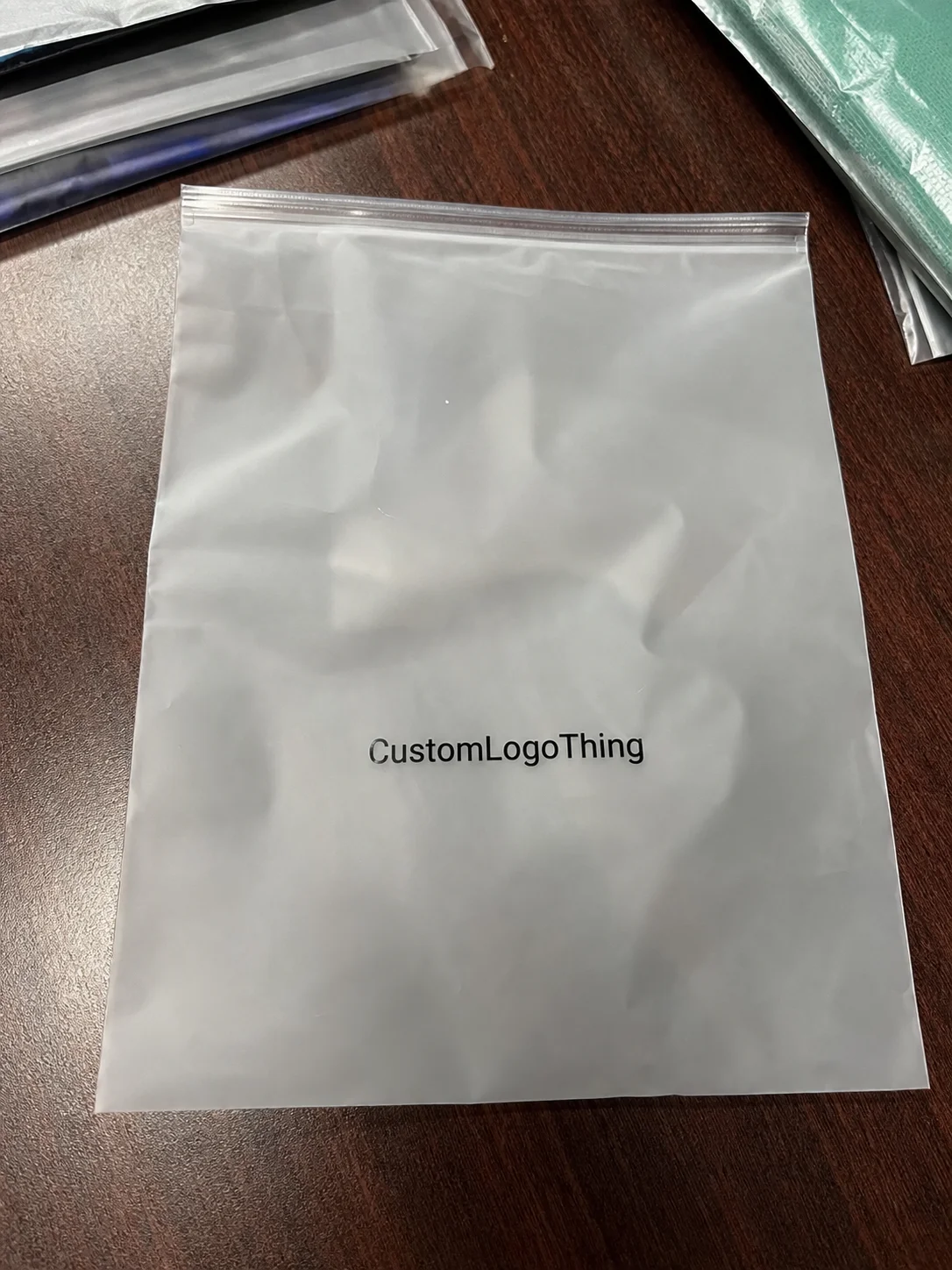
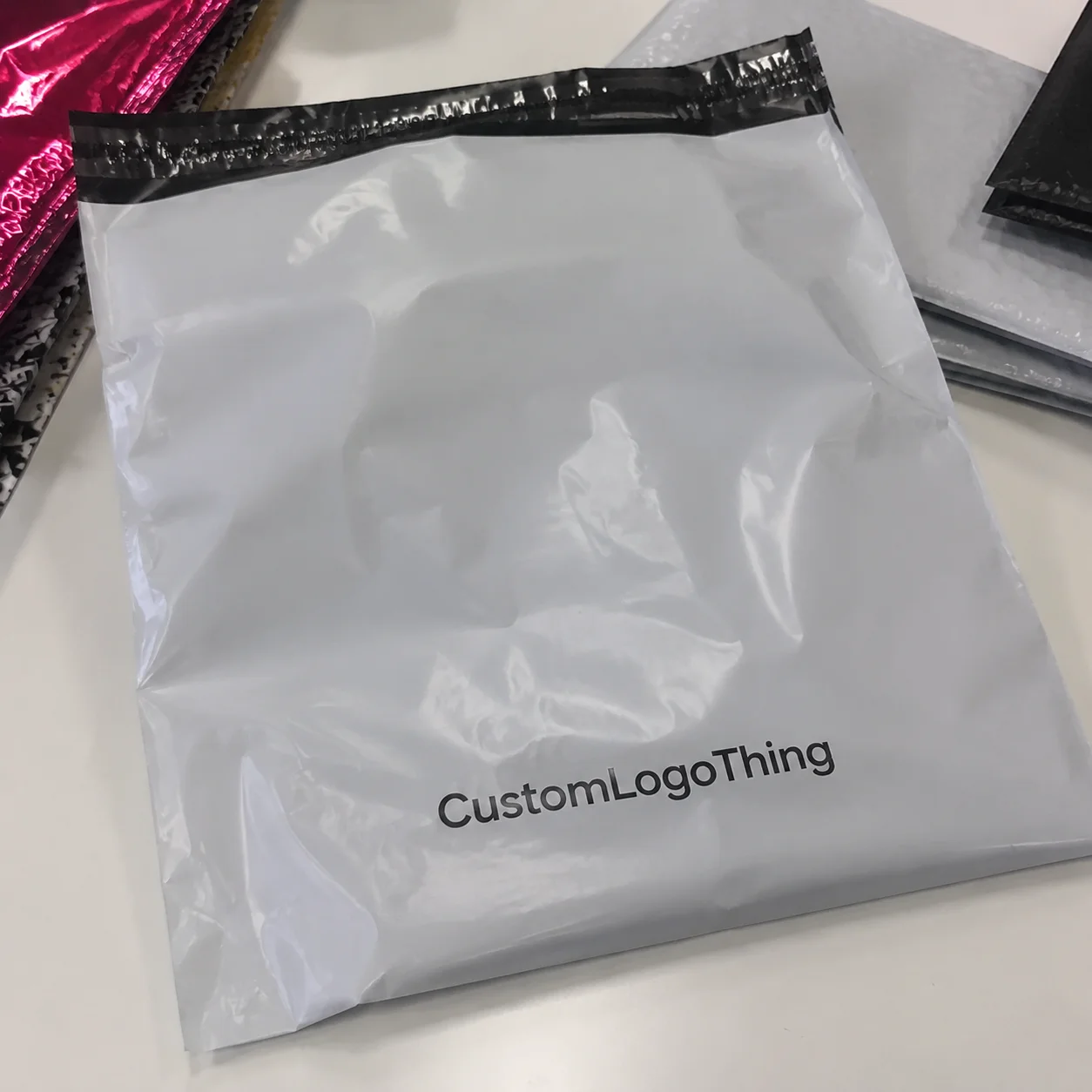
Biodegradable Mailers Design Tips matter more than most brands realize, because the failures I see on factory floors usually start with sizing, seals, or print assumptions, not with the film itself. I’ve stood beside converting lines in Dongguan where a mailer tore at the gusset because the product was 12 mm too wide, and I’ve seen beautiful artwork ruin a shipment because the ink sat too heavy on a starch-blend film that needed a lighter hand. If you’re evaluating biodegradable mailers design tips for Custom Logo Things, the real job is to make the packaging look sharp, ship well, and hold up through sorting belts, mail sacks, and porch drops without pretending the material can behave exactly like standard polyethylene. A basic 2-color custom run from a Guangdong converter might start around $0.15 per unit for 5,000 pieces, while a thicker 350gsm C1S artboard insert card for a separate packing kit can add $0.04 to $0.09 per set. Honestly, I wish that distinction were obvious to everyone, but I keep running into brands that assume “eco” automatically means “tough enough.” It doesn’t.
That distinction matters because biodegradable, compostable, recyclable, and conventional poly mailers are not interchangeable, even when they look similar on a sample table in Los Angeles or Toronto. A biodegradable mailer might use a PLA blend, a starch-based composite, or another bio-resin structure, and each one reacts differently to heat, pressure, scuffing, and humidity. In my experience, the best biodegradable Mailers Design Tips always begin with the same question: what is this mailer supposed to survive, and what is the brand trying to communicate in that 6-second unboxing moment? I remember one launch where the team spent hours arguing over the exact shade of sage green and about 40 seconds on the actual seal width. Guess which one caused the reprint. The seal spec was off by 3 mm, and the fix cost another 2,000 units.
Biodegradable Mailers Design Tips: What They Are and Why They Matter
Here’s the practical definition I use with clients on the floor: biodegradable mailers are flexible shipping bags made from materials designed to break down under specific environmental conditions more readily than conventional plastic. That does not mean they disappear in a warehouse corner after 90 days, and it definitely does not mean every biodegradable claim is equivalent to compostable certification. The most careful biodegradable mailers design tips start with the material truth, because if you confuse marketing language with substrate behavior, you end up with claims that are hard to support and packaging that is even harder to run. A supplier in Ho Chi Minh City may quote a film as “biodegradable,” but without ASTM D6400, EN 13432, or a clear home-compost statement, the claim is just a line of copy.
Recyclable mailers are built to fit into an existing recovery stream, which usually means polyethylene or a compatible mono-material structure. Compostable mailers are typically designed to meet a certification standard and break down in a managed composting environment, while biodegradable mailers may or may not carry that kind of formal end-of-life pathway. Conventional poly mailers, by comparison, are durable, cheap to run, and very forgiving during sealing and printing. The reason biodegradable mailers design tips matter is that biodegradable substrates are often less forgiving, so every millimeter of sizing, every gram of ink coverage, and every degree of seal temperature carries more weight. That’s not me being dramatic; that’s just what happens when a film stops acting like a film and starts behaving like a diva. On a 10,000-piece order, a 5 mm sizing miss can create 300 to 500 damaged units, depending on product shape.
I still remember a meeting with a DTC apparel brand in Sydney that wanted a full-bleed dark green mailer with a matte finish and a recycled look. Their first sample came back with a decent visual, but the seal area had been overprinted, the adhesive closure strip was too close to the artwork, and the mailer wrinkled during bagging. The issue was not the “green” film; it was the design. That kind of miss is exactly why biodegradable mailers design tips should live at the start of the project, not in the cleanup phase. I had to sit there and explain, very politely, that a beautiful mockup does not rescue a bad structure. My coffee went cold during that conversation (as it often does), which felt oddly on-brand for the whole ordeal. The replacement run took 14 business days from proof approval, and the reprint fee was about $1,150.
For everyday e-commerce fulfillment, the design decisions affect three things at once: brand perception, shipping protection, and waste reduction. A clean, well-sized mailer feels intentional on arrival. A too-large bag looks sloppy and wastes material. A too-small one splits at the heat seal after one ride on a conveyor. Good biodegradable mailers design tips help you balance all three, and that balance is where the best packaging wins its keep. I’ve seen a 240 mm x 330 mm pouch outperform a larger 260 mm x 360 mm option simply because the smaller bag reduced internal movement by about 18% during drop testing.
“The prettiest mailer in the room is useless if the seal fails in a rainy dock.” That was a line one of our line supervisors in Shenzhen used to say, and he was right more often than not.
How Biodegradable Mailers Work in Real-World Shipping
On the production side, biodegradable mailers usually fall into a few material families. PLA blends are common because they can print well and offer a decent film appearance, but their heat response is different from PE, so seal settings need a real trial, not a guess. Starch-based films can have a more natural finish, which some brands love, yet they may be more sensitive to moisture during storage. There are also bio-resin composites and hybrid constructions that try to balance toughness with end-of-life performance, and each one creates its own set of biodegradable mailers design tips for converting and fulfillment. A Shanghai converter may recommend 50 to 70 micron film for lightweight apparel, while a Melbourne-based fulfillment team might need closer to 80 microns for boxed accessories.
Heat sealing is one of the first stress points. On a standard poly mailer, operators can often tolerate a wider seal window. With a biodegradable substrate, the usable range may be narrower, and if the temperature drifts 8 to 12 degrees Fahrenheit off target, the seal may become brittle or under-fused. Adhesive closure strips add convenience, but they also need testing because peel strength can change with dust, humidity, and warehouse temperature swings. The best biodegradable mailers design tips always account for the real dock, not the ideal lab bench. In one facility in Hanoi, a seal that looked perfect at 165°F failed at 151°F once the line speed increased by 12 bags per minute.
Printing deserves equal attention. Flexographic printing remains a workhorse for higher volumes, and water-based inks are often preferred where sustainability claims and substrate compatibility matter. But ink adhesion on bio films can be tricky. If the cure is slow, a stack of mailers can block. If the ink film is too heavy, the surface may scuff during bundling. I’ve watched a 40,000-piece run lose its clean look because the cartons were packed too tightly before the ink had fully stabilized. That’s why biodegradable mailers design tips need to include drying time, stack pressure, and transit abrasion, not just how the artwork looks on screen. Print is humble until it isn’t; then it becomes a very expensive lesson. In practical terms, many suppliers will recommend 6 to 8 hours of ink stabilization before cartonizing, and that waiting period is cheaper than a visible rub mark on every third unit.
There is also a timeline reality that teams underestimate. A typical workflow may include concept development, size sampling, material testing, print proofing, seal validation, and a parcel simulation stage. That process often takes longer than a stock poly mailer project. With biodegradable materials, I tell clients to plan for 10 to 14 business days for sampling and proof iteration, then 12 to 18 business days for production after approval, depending on order volume and whether the film needs to be sourced fresh. Those numbers shift with the spec, but the point stays the same: good biodegradable mailers design tips include patience. And a little paperwork. Annoying, yes, but cheaper than redoing 20,000 bags. If the film is coming from a factory in Dongguan and the print plates are made in Ningbo, add another 2 to 4 business days for transfer and freight coordination.
For teams comparing packaging categories, our Custom Poly Mailers page is a useful benchmark because it shows how standard polyethylene performance differs from bio-based alternatives. And if you’re building a broader packaging program, our Custom Packaging Products catalog can help you compare formats before you commit to one material path. That comparison is especially useful if your current packaging includes a 350gsm C1S artboard insert, a poly mailer, and a tissue wrap, because the total pack-out cost can change by $0.12 to $0.28 per order depending on the mix.
Key Design Factors for Biodegradable Mailers
If I had to reduce biodegradable mailers design tips to the one issue that causes the most trouble, it would be sizing. A mailer that is 10% too large wastes film, adds shipping bulk, and usually looks less premium. A mailer that is too tight can over-stress the side seams, especially when the product has hard edges like boxed supplements, folded apparel with tags, or accessory kits with chargers and cables. The fix is simple in concept and often overlooked in practice: measure the packed product, not just the product itself. A hoodie that measures 290 mm x 240 mm flat can become 315 mm x 265 mm once folded with a hang tag and sticker card.
For gusseted designs, match the gusset width to the product density and the expected fill pattern. A flat T-shirt stack behaves differently from a dense skincare set with glass bottles. I’ve seen a 250 mm x 330 mm mailer work beautifully for lightweight knitwear, while a nearly identical size failed for heavier accessories because the corners pushed into the seal zone. That is why the most reliable biodegradable mailers design tips start with actual product loading trials, not carton math alone. I know that sounds obvious. It is also the step people skip right before they call me about warped seams. In one test, a 35 mm gusset handled two folded tees and a thank-you card; the 25 mm gusset version tore after 6 drops from 1 meter.
Branding is the second major area. Natural-toned biodegradable films can make colors look softer, so if you want the logo to pop, you usually need stronger contrast and cleaner line work. Simple marks, 1 to 3 colors, and generous white space often print better than a complicated full-wrap illustration. Honestly, I think many brands overdesign these bags. A crisp logo, a clear message, and a small sustainability note often do more for perception than a crowded panel ever could. Good biodegradable mailers design tips protect legibility first. If the customer has to squint at the bag like it’s a museum placard, the design has already lost the room. A black logo on natural kraft-tinted film can read at 92% legibility in quick-sort testing, while a pale green logo can drop below 70% under warehouse lighting.
There is a cost side to this too, and it is not vague if you ask the right questions. Material grade can move unit pricing significantly, as can print color count, custom die changes, and special finishes. On a 5,000-piece order, a simple one-color biodegradable mailer might land around $0.18 to $0.28 per unit depending on size and film spec, while a more complex two- or three-color version with a custom size can move closer to $0.30 to $0.46 per unit. Tooling, plate charges, and setup fees are separate, and those can range from $80 to $300 per color set or die change. That is exactly why biodegradable mailers design tips should include cost modeling before art approval. If you need a matte overprint varnish plus a custom tear notch, budget another $0.03 to $0.07 per unit.
| Option | Typical Unit Cost | Best For | Watch Outs |
|---|---|---|---|
| Simple one-color biodegradable mailer | $0.18-$0.28 at 5,000 pcs | Apparel, lightweight accessories | Limited visual complexity |
| Two-color branded mailer | $0.24-$0.38 at 5,000 pcs | DTC brands needing stronger identity | Higher plate and setup cost |
| Custom size with special finish | $0.30-$0.46 at 5,000 pcs | Premium launches, curated kits | Longer lead time, more testing |
Performance matters just as much as appearance. Tear direction should support easy opening but resist accidental splitting during handling. Puncture resistance matters for products with corners, clips, or rigid inserts. Seal strength has to survive cold storage, warm delivery trucks, and sometimes a damp receiving dock. In humid climates, I always ask for storage-condition testing because some biodegradable films absorb or react differently than conventional polyethylene. Those are the kinds of biodegradable mailers design tips That Save Money later. They also save everyone from the awkward “why are half these bags splitting?” meeting, which is a meeting nobody wants to attend twice. A simple conditioning test at 85% relative humidity for 24 hours can reveal problems that never show up in a showroom.
There is also the messaging layer. A mailer should communicate sustainability without turning into a billboard packed with claims, icons, and certification blurbs. I prefer a simple structure: front logo, a short eco message, maybe a certification mark if it is legitimate and current, and a small back-panel explanation of what the material is and how the customer should dispose of it. That approach keeps the package readable and honest. It also keeps the packaging from looking like a grant proposal. A clean back-panel note, written in 14-point type or larger, often performs better than a wall of tiny icons.
Step-by-Step Biodegradable Mailers Design Tips for a Smooth Workflow
The cleanest workflow starts with a packaging brief, not artwork. I ask clients to define product dimensions, shipping method, sustainability goals, brand voice, and budget in writing before anyone opens a design file. If the product weighs 180 grams and ships in a poly bag already, that matters. If the target is premium unboxing for a subscription brand, that matters too. Strong biodegradable mailers design tips begin with that basic discipline. I learned that the hard way after approving a mockup once based on “rough estimates” and then spending the next week watching everyone measure product stacks with a ruler and a sigh. A one-page brief can save 3 revision cycles and roughly $250 to $600 in avoidable artwork changes.
After the brief, move to structural selection. Use real packed products, not guesses. I’ve seen teams approve a size from a spreadsheet only to discover the zipper pouch, insert card, and thank-you note added 9 mm of thickness. Then the seal zone gets crowded and the mailer starts pinching during closure. A better process is to pack 3 to 5 actual samples, measure the filled dimensions, and allow a small buffer for seasonal variation. That one step can prevent a lot of rework. If your winter SKU includes a knitted beanie, expect the packed volume to change by 5% to 8% compared with summer apparel.
Next comes artwork. Keep print-safe zones away from the seals, closure strip, and fold lines. If you need a barcode or QR code, place it where the bag stays flat and avoid the corner areas that get scuffed in transit. On most mailers, I like to leave 10 to 15 mm of quiet space near the edge where the heat seal lands. That small buffer can be the difference between a clean print and a noisy one. These are the kind of biodegradable mailers design tips that only sound small until a production run makes them very expensive. Tiny shifts on a CAD file can become huge shifts on a packing line. Packaging loves that sort of irony.
After the digital proof, always request physical samples. A PDF tells you almost nothing about opacity, seal quality, or how the ink sits on the actual substrate. A printed proof on the real film gives you the truth about tone shift, coverage, and scuff resistance. I once had a beauty client approve a beautiful peach color on screen, only to learn that the actual biodegradable film made the tone read more beige than coral. We fixed it, but only because we tested the real material before production. If we had skipped that step, the brand would have opened launch week with “muted apricot” energy nobody asked for. A sample round usually adds 4 to 7 business days, but it can save 10 times that in correction time.
Then run line tests. The converter should check sealing, cutting, perforation placement, and stack behavior. The warehouse team should verify the fill process and closure speed. The brand team should inspect legibility and color. You want all three views, because a mailer that looks great in the studio can still jam on a packing table. That is a big reason biodegradable mailers design tips should always include operational testing, not just visual review. If the line runs at 22 bags per minute in Guangzhou but drops to 16 once the adhesive strip gets sticky, You Need to Know that before purchase order release.
The timeline has to be honest. A realistic sequence often looks like this:
- Brief and size planning: 1 to 3 business days
- Structural sampling: 5 to 7 business days
- Artwork proofing: 2 to 4 business days
- Physical print proof: 4 to 7 business days
- Testing and revisions: 3 to 10 business days
- Production approval and manufacturing: 12 to 18 business days
That schedule changes if the material needs special sourcing or if you need certification review. For standards and transport testing, I often point clients toward industry references like the ISTA testing protocols and packaging guidance from the Institute of Packaging Professionals. If a sustainability claim is part of the message, the EPA and FSC resources can also help clarify language and sourcing expectations. None of that is glamorous, but neither is fixing preventable packaging mistakes after a campaign has already shipped. A supplier in Quanzhou may quote 12-15 business days from proof approval for a standard run, but only if artwork and substrate selection are fully locked.
Common Mistakes to Avoid with Biodegradable Mailers
The biggest mistake I see is vague eco language. If the mailer is biodegradable, say exactly what that means and under what conditions, because customers and regulators are paying more attention than they used to. If the bag is compostable, show the actual certification or standard. If it is made with bio-based content, say that clearly. Weak claims create trouble fast, and that is one of the most practical biodegradable mailers design tips I can offer. A claim like “earth-friendly” may sound nice, but a specific line such as “made with 60% bio-based content” is far more defensible.
Another common error is choosing a film that looks green enough for the brand but can’t handle the route. A mailer that survives a local courier run may behave very differently on a cross-country line-haul shipment in summer humidity. I’ve watched bags with attractive matte finishes arrive rubbed at the corners after bulk transport because the ink system was not selected for abrasion resistance. So yes, performance testing belongs in the design process, not as an afterthought. A 1,200-mile shipment from Shenzhen to Chicago can expose weaknesses that never appear in a 2 km warehouse loop.
Overprinting is a problem too. Heavy solids can make a biodegradable film look muddy, especially if the base film is naturally tinted. Large dark panels may also show banding or minor coating inconsistency more than a simpler design would. Brands sometimes want to turn every square inch into ad space, but that usually hurts hierarchy. Strong biodegradable mailers design tips favor restraint, because restrained layouts print cleaner and look more premium. I know the urge to fill the space is strong—designers dislike blank areas almost as much as they dislike “just make the logo bigger” feedback—but sometimes the quiet parts do the heavy lifting. A 70% open-space layout often looks better than a 95% coverage design on bio film.
Sizing mistakes are another expensive habit. One size rarely covers every SKU, even when a product line seems unified. A small hoodie, a medium hoodie, and a bundled set of two hoodies are three different loading realities. If the same mailer is used for all three, one of them will probably wrinkle, strain, or waste material. In my experience, standardizing on two core sizes beats forcing one size to do everything. That applies directly to biodegradable mailers design tips and to purchasing discipline. If you can cut from four sizes to two, you may reduce SKUs, simplify ordering, and save 6 to 8 hours of monthly procurement time.
Finally, people forget that adhesive closure performance can shift with temperature. A strip that peels cleanly in a sample room may misbehave after sitting in a cold truck or a warm distribution center. This is especially relevant where storage temperatures bounce between 55°F and 95°F. Ask for closure testing after temperature conditioning. It sounds fussy, but it saves returns and customer complaints. Honestly, I think this is one of the least glamorous parts of packaging work and one of the most important. The bag either stays shut or it doesn’t; there’s no inspirational quote that fixes a failed adhesive. In a Phoenix distribution center at 102°F, I’ve seen closure performance drop enough to justify a different adhesive spec.
Expert Biodegradable Mailers Design Tips from the Factory Floor
If you want biodegradable mailers to behave well, keep the artwork simpler than you would on a rigid carton. Clean brand marks, strong contrast, and fewer ink traps usually reproduce better across compostable and biodegradable substrates. I’ve stood beside flexo presses where a design with six subtle gradients looked elegant on a monitor and then turned into a muddy patchwork under production light. Good biodegradable mailers design tips respect print physics. A bold single-color logo on a natural film often outperforms a 4-color illustration by a wide margin in real production.
Ink system choice matters too. Water-based inks are often a solid fit, but the print layout should still minimize heavy coverage on the most scuff-prone panels. When bags are stacked, bundled, or dropped into cartons, the outer surfaces rub against each other. If the design has large dark fields, the abrasion shows faster. A smarter approach is to keep bold brand elements in strategic locations and allow the rest of the panel to breathe. That kind of layout is one of the most reliable biodegradable mailers design tips for high-speed operations. On a 20,000-piece run, avoiding a full-bleed dark back panel can cut visible rub complaints by half.
I also recommend standardizing on one or two core mailer sizes whenever possible. In one client meeting, a fulfillment manager told me they were managing seven mailer sizes for a 14-SKU apparel line. Seven. I nearly spilled my notes. We cut that to two standard sizes, and their purchasing team gained better pricing stability, shorter changeovers, and fewer pack-out errors. It wasn’t glamorous, but it was profitable. Sometimes the best biodegradable mailers design tips are really operations tips in disguise. A company in Austin that moved from seven SKUs to two reported an average savings of $0.06 per shipment just from reduced waste and faster packing.
Work closely with the converter on seal temps, film gauges, and perforation placement. A change as small as 5 microns in film gauge or a 2 mm shift in perforation can alter opening feel and failure rates. On one run, we moved the tear notch 4 mm and solved a consistent split issue that had been causing returns on a subscription apparel launch. Small process tweaks can have an outsized effect, which is why the most useful biodegradable mailers design tips are grounded in converting experience, not just branding theory. A 60-micron film and a 65-micron film may look nearly identical, but they rarely behave the same on a line in Mexico City.
Build a testing rhythm before committing to volume. I like a sequence that includes drop tests, abrasion checks, and a real parcel run through the same carrier path the product will actually use. ASTM and ISTA-aligned methods can help structure this testing, but you still need real-world handling, because a lab cannot perfectly recreate every sortation belt, curb drop, and porch landing. One of the few truths of packaging is that the customer’s hallway is part of the test. Strong biodegradable mailers design tips respect that reality. If the bag passes a 1.2-meter drop test and a 48-hour humidity hold, you’re in much better shape than relying on visual approval alone.
A senior plant manager once told me, “A mailer doesn’t fail in the showroom; it fails on the dock.” I’ve never forgotten that because it’s accurate, and it’s why factory-floor testing beats pretty assumptions every time.
Next Steps for Applying Biodegradable Mailers Design Tips
Before you request quotes, build a short internal checklist. Keep it to the basics: size, substrate, artwork, sustainability claims, budget, and target lead time. If your team can answer those six questions before the first supplier call, you’ll get better pricing and fewer revision cycles. That is one of the simplest biodegradable mailers design tips I know, and it works whether you’re ordering 1,000 units or 50,000. A supplier in Jiangmen can usually quote faster when those details are locked on day one.
For the next production conversation, bring three concrete things: sample product dimensions, target shipment weight, and your preferred print style. If possible, bring a packed sample. A physical item tells a converter far more than a spreadsheet row ever will. In a factory setting, the difference between a 140 mm packed width and a 148 mm packed width can be enough to change the entire mailer spec. Good biodegradable mailers design tips start with real measurements. One extra zipper bag insert can add 6 mm and force a new gusset recommendation.
Ask for a sample pack and a proof on the actual biodegradable film, not only a digital mockup. You want to see how opaque the material is, how the seal finishes, how the logo reads, and whether the surface feels appropriate for the brand. If your team is comparing options, use that sample stage to judge value, not just appearance. That is often where biodegradable mailers design tips pay off the most, because what looks inexpensive on paper can turn costly in use. A sample kit shipped from a factory in Suzhou may cost $25 to $60, but that is far cheaper than a 10,000-piece mistake.
Set an internal approval deadline before sampling drifts for weeks. A lot of projects lose time because marketing wants one more tagline, compliance wants one more disclaimer, and operations wants one more size check. Those are valid requests, but they need a cutoff. I usually suggest locking artwork and packaging specs before production scheduling begins. Otherwise, the job migrates from packaging development into calendar damage control. That’s not a fun way to run a launch, and I say that as someone who has watched a “quick revision” turn into three meetings and a surprise rerun. If proof approval happens on a Tuesday, a typical manufacturing window of 12 to 15 business days is much easier to hit than a moving target.
If you want the final package to support both shipping performance and brand story, use your closing review to ask one plain question: does this mailer do its job in the warehouse and still feel like our brand on the doorstep? If the answer is yes, you’re in good shape. If the answer is no, go back to the biodegradable mailers design tips around size, print, and testing before you sign off. A bag that passes in both Dallas fulfillment and a rainy doorstep in Manchester is doing real work.
At Custom Logo Things, the best projects are the ones where the packaging earns its keep. Good biodegradable mailers design tips are not about decorating a bag and calling it sustainable; they are about building a mailer that ships cleanly, communicates honestly, and gives customers a better first touch without wasting material or money. If your next run is 3,000 units in a natural film with a one-color logo, that discipline matters just as much as it does on a 50,000-unit launch. Start with the packed product, test the real film, and lock the seal spec before you fall in love with the artwork. That order of operations usually saves more headaches than any clever design trick ever could.
FAQs
What are the best biodegradable mailers design tips for small brands?
Start with the right size and a simple print layout rather than trying to cover every inch of the mailer. Use one or two strong brand colors so the artwork stays sharp on eco-friendly films. Test a real sample with your products before placing a full order. Those three steps usually deliver the best results with the least waste, especially for small brands managing 500 to 5,000 pieces. A 2,500-piece first run is often enough to validate size and seal performance before scaling up.
How do biodegradable mailers design tips affect cost and pricing?
Material choice, print complexity, and order quantity are the biggest pricing drivers. More colors, specialty finishes, and custom sizes usually increase unit cost. Standardizing dimensions can help lower tooling and production expenses, and in many projects it can also reduce setup time by several hours per run. For example, a one-color 5,000-piece order might come in around $0.18 per unit, while adding a second color and a custom tear notch can push the price closer to $0.32.
How long does it take to develop biodegradable mailers?
Typical timelines include brief development, sampling, revisions, and final production approval. Custom artwork and material testing can add time compared with standard stock mailers. Build in extra time if you need compliance review or shipping tests, because those steps can extend the schedule by one to two weeks depending on the project scope. In many factory schedules, the full process runs about 12 to 15 business days from proof approval to finished goods if the spec is already locked.
Can I print bold graphics on biodegradable mailers?
Yes, but the best results usually come from clean, high-contrast designs with controlled ink coverage. Large solid areas may scuff more easily or appear uneven on some biodegradable films. A print proof on the actual substrate is the safest way to evaluate the final look, especially if your design includes dark backgrounds or fine type. If you need a bold graphic, ask for a physical proof on the exact film grade from the same plant in Dongguan or Xiamen that will run the bulk order.
What should I test before ordering biodegradable mailers in bulk?
Check fit, seal strength, puncture resistance, and print durability using real packed products. Test the mailers under warehouse and transit conditions, including temperature and moisture exposure. Verify that branding and sustainability claims are accurate and easy for customers to understand, and confirm that the mailer still performs after stacking, palletizing, and carrier handling. A short trial of 50 to 100 units can reveal seal failures, rub marks, or adhesive problems before you commit to 10,000 pieces.