Buyer Fit Snapshot
| Best fit | Green Packaging with Logo projects where brand print, material claims, artwork control, MOQ, and repeat-order consistency need to be specified before quoting. |
|---|---|
| Quote inputs | Share finished size, material target, print colors, finish, packing count, annual reorder estimate, ship-to region, and any compliance wording. |
| Proofing check | Approve dieline scale, logo placement, barcode or warning zones, color tolerance, closure strength, and carton packing before bulk production. |
| Main risk | Vague material claims, crowded artwork, missing packing details, or unclear freight terms can make a low unit price expensive after revisions. |
Fast answer: Green Packaging with Logo: Spec Review should be specified like a repeatable production item. The safest quote records material, print method, finish, artwork proof, packing count, and reorder notes in one written spec.
Production checks before approval
Compare the actual filled-product size with the drawing, then confirm tolerance on folds, seals, hang holes, label areas, and retail display edges. Reserve space for logos, QR codes, warning copy, and material claims before decorative graphics fill the panel.
Quote comparison points
Review material grade, print process, finish, sampling route, tooling charges, carton quantity, and freight assumptions side by side. A quote is only useful when the supplier can repeat the same color, closure quality, and packing count on the next order.
I remember standing in a corrugated plant outside Shenzhen on a humid Tuesday morning, watching a brand team reject a box because they were convinced “eco-friendly” had to mean thin, weak, and a little rough around the edges. The test pack on the line was green packaging with logo made from recycled corrugate, and it passed a 32 kg compression test, stacked cleanly on a 1.2-meter pallet, and still carried a sharp one-color mark that looked better on the shelf than half the glossy cartons I’ve seen. Honestly, that moment sums up the whole thing for me: green packaging with logo is not a compromise. It’s a design choice with structure, print, and supply chain discipline behind it, usually built around specs like 350gsm C1S artboard, E-flute corrugated, or 1200 x 800 mm pallet loads.
I’ve spent more than 20 years around folding carton lines, die cutters, and shipping bays in Shenzhen, Dongguan, and Ningbo, and the same misconception shows up again and again. People hear “sustainable” and picture something fragile or generic, but modern paperboard, molded fiber, kraft, and recycled corrugate can be engineered for strength, shelf impact, and premium presentation if the packaging design is handled properly. That is where green packaging with logo becomes more than a material choice; it becomes package branding with an actual business purpose, whether the job is 5,000 units for a launch in Los Angeles or 50,000 units moving through a Chicago fulfillment center. And yes, it still has to survive a pallet getting bumped by a forklift at 6 a.m. because the warehouse in question never seems to learn.
Green Packaging with Logo: What It Means and Why It Matters
At its simplest, green packaging with logo means packaging made from renewable, recycled, recyclable, compostable, or responsibly sourced materials that also carries your brand mark through printing, embossing, debossing, labeling, or another applied finish. In practical plant terms, that could be a 350gsm FSC-certified paperboard mailer with a single-color logo, a recycled SBS retail carton with soy inks, or a molded pulp tray that still leaves enough room for a clean blind emboss on the lid. On a good line, I’ve seen 10,000 cartons printed in one day using water-based flexo and then stacked for outbound freight the next morning.
The logo matters because it keeps the packaging from becoming anonymous. I’ve seen brands spend $12,000 on eco-friendly packaging, then hide the identity so completely that the box looked like a shipping carton from a warehouse club in Ohio. That misses the point. Green packaging with logo turns a sustainable substrate into branded packaging that customers recognize the second they lift it from the porch, the shelf, or the counter. If the customer has to squint to figure out who sent it, you’ve already lost some of the magic, and probably some repeat orders too.
There’s also a big difference between marketing language and actual material decisions. A carton can say “eco-conscious” all day long, but what matters is whether the stock is FSC-certified, whether recycled content is documented, whether the inks are water-based or soy-based, and whether the finishing is plastic-free enough to preserve recyclability. I’ve sat in supplier meetings in Guangzhou and Suzhou where the claims sounded perfect until someone asked for the paper trail. That paperwork is the truth behind green packaging with logo, and paperwork is not glamorous, but it is what keeps a sales promise from turning into a compliance headache.
Green is not one material. It is a stack of decisions. Substrate selection, ink coverage, board caliper, structural sizing, adhesive choice, and even carton dimensions all affect waste, cost, and performance. Build a box too large, and you burn freight; a carton that is 20 mm wider than needed can add 8% to cube cost on a 40-foot container. Put too much dark ink on kraft, and you lose the natural look that made the package appealing in the first place. Good green packaging with logo is really good packaging design with a sustainable logic underneath it, usually paired with dimensions that fit the product within 2–3 mm and reduce void fill by 15% or more.
Factory-floor reality: the best sustainable pack is usually the one that uses less material, fits better, prints cleaner, and survives shipping without needing replacements. That is where the savings and the carbon footprint improvements show up, especially when a 5,000-piece run goes out of a factory in Dongguan with under 2% spoilage.
For brands comparing options, I always recommend starting with the end use. Retail packaging for a cosmetics line in New York has very different needs than product packaging for a subscription coffee business in Portland. A rigid presentation box and a mailer carton may both qualify as green packaging with logo, but the design rules, the print methods, and the cost structure will be completely different, especially once you factor in board thickness, closure style, and the route the package takes from the factory to the customer’s doorstep.
How Green Packaging with Logo Works in Production
The production path for green packaging with logo starts long before ink ever touches paper. It begins with structural design, and that means dimensions, board type, closure style, and how the pack will behave in transit. After that come material sourcing, dieline creation, proofing, print setup, finishing, die-cutting, and assembly. On a busy line in Shenzhen, I’ve seen jobs move from structural sample to finished run in 12 business days, but only when the artwork is settled, the board is in stock, and the run size is 5,000 to 20,000 units rather than some fantasy number from a marketing deck.
In real factories, the material list is usually straightforward. Kraft paper is popular for its natural look and decent tear resistance, often in 120gsm to 200gsm weights for wraps and sleeves. Recycled SBS board works well for retail cartons where print sharpness matters, especially in 300gsm to 450gsm calipers. Corrugated board is the backbone of ship-ready boxes and mailers, with E-flute and B-flute common for e-commerce. Molded pulp trays and fiber inserts show up more often now, especially in consumer electronics and personal care. Sugarcane-based fiber alternatives are also being used for inserts when brands want a lower-plastic solution without sacrificing cushioning, and in some Shenzhen and Foshan facilities those parts can be molded at scale in runs above 10,000 units.
Common print methods and where they fit
Green packaging with logo can be printed in several ways, and the right choice depends on quantity, surface texture, and the visual style you want. Flexographic printing is common for corrugated runs because it moves fast and handles larger volumes well, especially at 5,000 pieces and up. Offset printing is the go-to for crisp retail cartons with fine detail and tighter color control on 350gsm C1S artboard or 400gsm SBS. Digital printing works nicely for smaller batches and shorter lead times, especially when a brand is testing multiple SKUs or running seasonal product packaging in batches of 500 to 2,000 units. Hot stamping can add a premium accent, and embossing gives the logo a tactile feel without flooding the pack with ink.
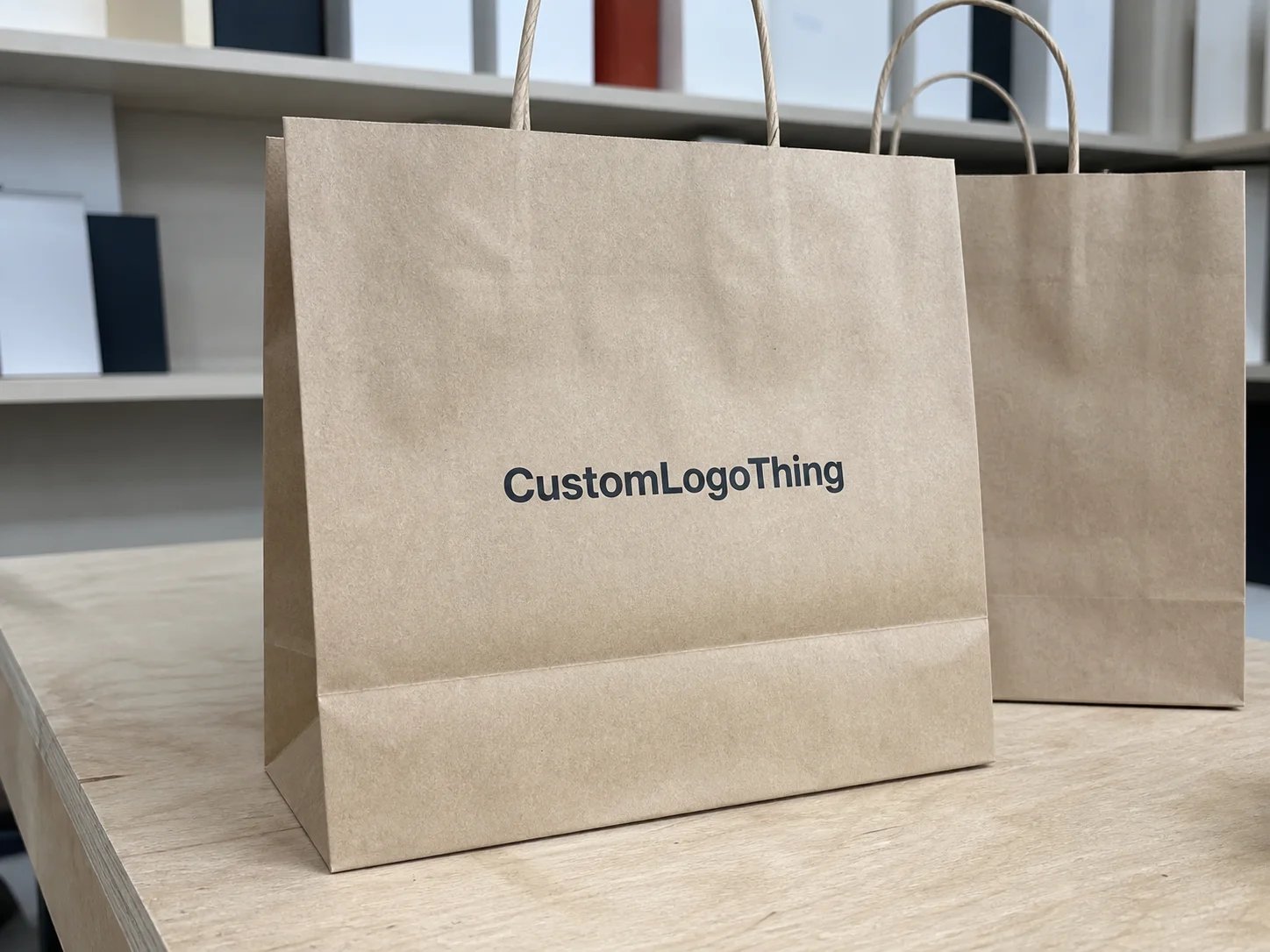
Honestly, I think a lot of brands overcomplicate the logo treatment. On recycled kraft, a strong single-color mark often looks better than a crowded full-color layout. I remember a client in a Brooklyn beauty lab who wanted six Pantone colors on a brown paper carton. We switched them to two colors, moved the logo into a larger reverse panel, and the result looked more expensive, not less. That is the sort of decision that makes green packaging with logo feel intentional rather than forced, especially when the print budget sits around $0.15 to $0.28 per unit for 5,000 cartons.
Sustainability choices also affect print behavior. Uncoated stocks absorb ink differently, recycled fibers can introduce slight shade variation, and lighter colors may lose punch on natural kraft. If your artwork depends on tight gradients or photo-real images, you may need to rethink the substrate or simplify the design. A plain mark, bold typography, and clean negative space often reproduce better and waste less ink. That matters for eco-friendly packaging because heavy ink coverage can add $0.01 to $0.04 per unit and make recycling more complicated depending on the system and the coating used.
Quality control on the line
Good green packaging with logo does not stop at a nice proof. Quality control needs to cover color consistency, adhesion testing, compression performance, and transit simulation. In one Guangdong facility I visited, a run of recycled corrugate mailers looked perfect until the stack test revealed corner crush on the bottom pallets after 18 cartons high. The fix was simple: adjust flute selection from a lighter E-flute to a stronger B/E combo and reduce the internal void space by 6 mm. That kind of correction saves far more than it costs, especially when the alternative is a 4% return rate.
For logistics-heavy brands, I also like to see basic ASTM and ISTA references in the test plan. ISTA transit simulation is especially useful when a package has to survive parcel carriers, warehouse stacking, and possible temperature swings from 5°C to 38°C. If your packaging partner knows the test protocol, you can make better choices before the run starts. For more background on packaging performance standards, the package testing resources at ISTA are worth reviewing, and the broader packaging community at PMMI’s packaging resources can help frame operational decisions.
Here is a useful comparison of common options for green packaging with logo:
| Material / Format | Best Use | Typical Logo Method | Approx. Unit Cost | Notes |
|---|---|---|---|---|
| Recycled corrugated mailer | E-commerce shipping | Flexo or digital print | $0.42–$0.88/unit at 5,000 pcs | Strong, lightweight, good for ship-ready product packaging |
| FSC paperboard folding carton | Retail packaging | Offset print, emboss, foil accent | $0.18–$0.54/unit at 5,000 pcs | Great print clarity, works well for branded packaging |
| Molded fiber insert or tray | Protective interior component | Blind emboss or label | $0.12–$0.35/unit at 5,000 pcs | Excellent for eco-friendly packaging with lower plastic use |
| Kraft paper wrap or sleeve | Minimalist presentation | One-color flexo or digital | $0.06–$0.22/unit at 5,000 pcs | Simple, natural, and often highly recyclable |
Those numbers can shift based on size, tooling, freight, and board availability, but they give you a useful starting point. Anyone quoting green packaging with logo should be able to explain why the number is what it is, not just throw a single line item at you. If a supplier in Dongguan gives you a quote with no mention of board grade, print method, or MOQ, you are probably looking at a headache disguised as a bargain.
Key Factors That Shape Green Packaging with Logo
The first major decision is material selection. Recycled content, recyclability, compostability, food-safe requirements, and barrier needs all matter, but so does the look and feel. Some brands want the warm texture of kraft because it signals authenticity. Others need the cleaner appearance of recycled SBS for retail packaging on a bright shelf in Seoul or Toronto. In both cases, green packaging with logo should support the product, not compete with it, whether the final pack is a 250gsm sleeve or a 400gsm folding carton.
Logo constraints matter more than people expect. Thin type can fill in on textured stock. Tiny details can break apart on uncoated surfaces. If the mark relies on shiny gradients or a lot of ink coverage, it may not reproduce well on natural fibers. I usually push brands toward bold typography, clear outlines, and dark-on-light contrast whenever possible. That is not a style shortcut; it is simply smarter packaging design for eco-friendly packaging substrates, especially when the press is running at 120 sheets per minute and not in a perfect studio environment.
Cost is another major factor, and it deserves a clear breakdown. Unit price matters, but so do tooling, plate costs, minimum order quantities, freight, storage, and spoilage. A box that is $0.03 cheaper per unit can end up more expensive once you add extra overages, weak performance, or replacement risk. I’ve seen brands in Los Angeles chase the lowest quote and then spend $2,400 fixing damaged goods from a 10,000-piece shipment. With green packaging with logo, total landed cost beats sticker price every time.
Pricing components you should ask about
When you request a quote, ask for a line-by-line breakdown. You want to see print setup, die costs, sampling charges, board specification, and packaging lead time. If the supplier hides those numbers, be careful. A good quote for green packaging with logo should also mention whether the board contains post-consumer recycled content, whether FSC chain-of-custody documentation is available, and whether special finishes add any recyclability concerns. For FSC standards and documentation basics, the official site at fsc.org is the right place to verify claims.
Compliance language matters too. If a carton is recyclable, say so only if the local end-of-life pathway supports it. If you claim compostability, make sure the material and the finish actually meet the applicable standard in the region you’re selling into. I’ve had customers ask for “green” language that sounded good in marketing but could not be backed by paperwork in California, Germany, or Singapore. That is a quick route to trouble, and it undermines trust in the entire green packaging with logo strategy.
Performance still has to come first. Moisture resistance, stacking strength, and product fragility decide whether the pack survives. If the package fails, returns rise, replacements increase, and all the sustainability gains start to evaporate. A smart pack uses the minimum material required to protect the product and then uses the logo to reinforce the brand story. That balance is the heart of green packaging with logo, especially when the carton has to handle warehouse humidity at 70% RH or a freight journey of 3,000 miles.
Step-by-Step Process and Timeline for Green Packaging with Logo
Planning matters because Custom Sustainable Packaging almost never moves as fast as off-the-shelf stock. The timeline usually includes concept approval, structural sampling, material procurement, print proofing, production, and fulfillment. If a brand is building green packaging with logo for a launch, I tell them to back-plan from the launch date and then add buffer time for material availability and artwork revisions. For a clean run, the calendar should assume 12 to 15 business days from proof approval for production alone.
The first step is defining product dimensions, shipping method, and sustainability goals. I can’t count the number of times a team started with artwork before confirming whether the item was shipping in a mailer, a retail carton, or a rigid setup box. That order matters. If you get the structure wrong, the logo placement and the artwork scale will both need to change later, and that is where delays and extra cost appear. A 160 mm x 110 mm jar needs a different insert than a 240 mm x 180 mm skincare set, and nobody likes discovering that after the dieline is approved.
Prototype and sampling are where most expensive mistakes get caught. Physical mockups tell you if the insert fits, if the lid closes properly, and if the logo sits in a visually strong area of the panel. Print proofs reveal color shifts, especially on kraft and recycled board. For green packaging with logo, I usually prefer one hard proof and one shipping test before release. That small extra step often saves a full rerun, which can cost $800 to $2,500 depending on tooling and board type.
Typical production timeline by pack type
Timelines depend on stock material, Custom Printed Corrugated, or specialty biodegradable components. Stock-based paperboard cartons can sometimes move faster if the board is in inventory and the artwork is simple. Custom corrugated with flexo printing may take a little longer because plate setup and cut tooling have to be confirmed. Molded pulp inserts and custom-fabricated fiber components can take the most planning because tooling and drying cycles add complexity. That is just the way the line works, and anyone promising instant green packaging with logo is probably skipping a step or skipping QC.
To make the process more concrete, here is a planning range I’ve used with clients on factory schedules in Shenzhen, Dongguan, and Ningbo:
- Concept and structure review: 2–4 business days
- Prototype creation and fit check: 5–8 business days
- Print proof approval: 2–3 business days
- Production run: typically 12–15 business days from proof approval
- Packing, palletization, and freight booking: 2–5 business days
That makes a realistic total of roughly 3 to 6 weeks for many jobs, sometimes longer if the board stock is coming from a tight supply window or an FSC lot needs extra documentation. I’ve seen brands rush the artwork and then lose a week waiting for a recycled substrate lot to clear customs in Shanghai. If the packaging is tied to a seasonal launch in October or a trade show in Las Vegas, build in margin. It is far better to have boxes sitting in a staging warehouse than to launch a product with no finished green packaging with logo.
Fulfillment details matter as well. Palletization, carton counts, warehouse staging, and batch scheduling all affect freight cost and waste. A well-planned ship schedule can reduce partial loads and reduce handling damage. On one cosmetics program in Austin, we cut freight costs by 11% just by changing pallet height from 1.8 meters to 1.5 meters and adjusting carton counts per layer. The cartons were the same, the logo was the same, but the logistics got cleaner. That is the kind of practical gain that makes green packaging with logo worthwhile.
Common Mistakes Brands Make with Green Packaging with Logo
The biggest mistake is buying on buzzwords. A material labeled “eco” is not automatically the best choice for your product or your customer. Some supposedly sustainable options are difficult for customers to dispose of correctly, especially if there are mixed materials, sticky labels, or coatings that change the end-of-life pathway. If a package is confusing to recycle or compost, the sustainability story weakens fast, no matter how nice the logo looks. I’ve seen this happen with cartons that used a plastic lamination to “protect” a recyclable board; that was a pretty expensive way to miss the point.
Another common misstep is overprinting. Heavy coverage, complicated gradients, and too many special finishes can make recycled board look muddy and can reduce recyclability. I’ve watched beautiful concepts turn into dull, expensive cartons because the art department wanted to squeeze a trade-show poster onto a kraft sleeve. With green packaging with logo, restraint often gives you a cleaner premium effect than decoration. Less can absolutely do more, which is annoying for the people who want to cram every brand message onto one panel, but there it is.
Supply chain reality gets ignored too. Recycled substrates can have longer lead times, seasonal availability can affect consistency, and larger runs need material lots that match from pallet to pallet. If one batch is slightly warmer in tone than the next, that may be normal for recycled fiber, but it still needs to be planned for in the brand guidelines. A good supplier in Guangzhou will tell you that upfront. A weak one will act surprised later and send you a photo like that fixes anything.
Branding mistakes are just as common. Logos that are too small, too detailed, or too color-heavy may disappear on kraft or molded fiber. A tiny registration mark can vanish into the texture. Thin serifs can fill in. I remember a supplier negotiation in Dongguan where the customer insisted on a metallic foil logo on a rough recycled mailer. We tested it, and the foil cracked on the score lines after 20 opens and closes. The client sighed, I sighed, and the machine operator had that look that says, “I told you so.” We changed to a bold black flexo mark, and the packaging looked better within one pallet. That is the sort of field lesson you only learn by handling real green packaging with logo on a floor, not in a mockup room.
Pricing mistakes hurt too. Comparing quotes only by unit price is a trap. You need to compare setup fees, tooling, overages, damage rate, freight, and replacement risk. A slightly higher unit cost with better print stability and lower returns can win easily. Here’s the short version: cheap packaging that fails is not cheap. That rule holds for green packaging with logo just as much as any other product packaging decision, especially when a 10,000-piece order lands with 600 damaged units and nobody wants to own the math.
Expert Tips for Better Green Packaging with Logo
My first tip is simple: design for the substrate, not against it. Use bold typography, simple shapes, and a limited color palette that respects recycled textures and naturally toned materials. If you want a natural, premium look, you usually get there by removing clutter, not by adding more artwork. I’ve seen a single black logo on kraft outperform a five-color design because it felt more honest and more intentional, especially on a 300gsm kraft board with a matte water-based varnish.
Second, reduce material usage before adding premium finishes. In my experience, the smartest green packaging with logo is often the one that uses a smaller footprint, fewer components, and less void space. That lowers material cost and freight weight while improving the carbon footprint. A well-sized mailer or carton can do more for sustainability than a fancy coating ever will, and at $0.08 to $0.15 per unit in volume, good structural design often pays for itself faster than a shiny effect does.
Third, test samples in real conditions, not just on a desk. Stack them in the warehouse. Put them on a wet dock. Let them ride in the same kind of transit lanes your customers will use. A box that looks excellent under studio lights can scuff differently after 48 hours in a van in Dallas heat or a damp receiving bay in Seattle. That is why I always ask for a shipping check before sign-off on green packaging with logo, and why I prefer at least one drop test from 90 cm on finished samples.
Fourth, keep sustainability claims specific and verifiable. If the pack is FSC-certified, say that and keep the certificate on file. If recycled content is part of the story, document the percentage. If the ink is water-based, make sure your supplier can confirm it. Vague claims are easy to write and hard to defend. Specific claims are better for trust, better for regulators, and better for the long-term brand story, especially in markets like California, Germany, and the UK where packaging language gets scrutinized fast.
One production-floor tip I give often: ask your packaging partner what press and finishing method they’ll use for your exact stock. The answer tells you a lot about waste, color control, and likely output quality. The wrong press on the wrong material can produce extra spoilage and a lot of angry phone calls. The right combination saves material, improves the appearance of green packaging with logo, and keeps the schedule on track, whether the run is in Suzhou or a smaller shop in Foshan.
If you’re comparing packaging suppliers, start with their material knowledge and their sample quality, not just their sales pitch. For brands looking to build a program from scratch, our Custom Packaging Products page is a useful starting point because it shows how different formats can fit different product lines, from mailers to retail cartons to inserts, often with MOQ options starting at 1,000 or 5,000 units depending on the structure.
What to Do Next When Planning Green Packaging with Logo
Start with a packaging brief. Put the product dimensions, shipping conditions, target budget, sustainability priorities, and preferred branding style in one place before you request quotes. That single document can save days of back-and-forth and keep everyone aligned on the same version of green packaging with logo. If the brief is fuzzy, the samples will be fuzzy too, and you’ll end up paying for revisions instead of production.
Next, gather two or three material options and compare them on performance, recyclability, print quality, and cost. Don’t choose the cheapest sample first and assume the job is solved. Compare recycled corrugated, kraft paperboard, and FSC-certified folding carton options side by side if your product allows it. The “best” option is the one that fits the product, the brand, and the shipping lane together, whether your warehouse is in Atlanta, Rotterdam, or Singapore.
Then request samples or prototypes and test them for fit, stacking strength, scuff resistance, and customer unboxing feel. I like to see a sample go through at least one warehouse handling cycle before approval. If it scratches, crushes, or opens too easily, that issue will show up again later, usually at the worst possible time. A good green packaging with logo program survives the warehouse first and the customer second, and the best ones survive both without a redesign.
After that, build an approval checklist for artwork, claims language, dielines, and production timeline. Lock the decisions before manufacturing begins. It sounds simple, but it prevents most of the rework I’ve seen on the floor. When the art file, the board spec, and the claim language all match, the run tends to go better, and the team gets to focus on quality instead of last-minute corrections. That usually means fewer emails, fewer sample rounds, and a shorter path from proof to pallet.
Finally, align operations and marketing so the pack is practical from factory floor to front door. The marketing team wants the shelf story, the operations team wants the box to arrive intact, and finance wants the landed cost to stay under control. Good green packaging with logo sits right in the middle of those needs. When it is done well, the result feels natural: the customer sees the brand, the warehouse sees a reliable carton, and the planet sees less waste, often with a total pack cost in the $0.18 to $0.60 range depending on format.
For me, that is the whole point. I’ve seen too many brands chase a sustainable look without the discipline behind it, and I’ve also seen simple, well-built packages outperform expensive ones because the material, the logo, and the structure all worked together. If you plan green packaging with logo carefully, you get more than a nice box. You get a branded packaging system that supports the product, respects the budget, and makes sense all the way through the supply chain, from a factory in Shenzhen to a porch in Denver.
How do you choose the right green packaging with logo for your product?
Start with the product’s size, weight, fragility, and shipping path. A lightweight cosmetic jar, a glass bottle, and a subscription coffee bag do not need the same structure, even if all three use green packaging with logo. Match the material to the job first, then choose the print method and logo treatment that fit the substrate. Recycled corrugated works well for ship-ready boxes, FSC-certified folding cartons suit retail presentation, and kraft sleeves are great for minimalist branding. If the pack cannot protect the product, the rest is just decoration.
What materials work best for green packaging with logo?
Recycled corrugated board, kraft paper, molded fiber, and FSC-certified paperboard are common choices because they balance sustainability, printability, and protection. The best material depends on product weight, shipping method, and the visual style you want for the logo, because a heavy glass bottle and a lightweight cosmetic jar do not need the same pack. For example, a 350gsm C1S artboard carton can work well for cosmetics, while an E-flute mailer is usually better for e-commerce shipping.
Does green packaging with logo cost more than standard packaging?
It can, but not always. Simpler structures, reduced ink coverage, and recycled stock can keep costs competitive, especially at volumes like 5,000 or 10,000 units. Total cost should include setup fees, freight, damage reduction, and waste savings, not just the unit price. In many factory quotes, a recycled mailer might land at $0.42 per unit for 5,000 pieces, while a basic kraft sleeve can come in much lower.
How long does green packaging with logo take to produce?
Timeline varies by material, print method, and approval speed, but sampling and production usually take longer than off-the-shelf packaging. Plan for time to create prototypes, review proofs, confirm material availability, and approve final artwork before the run begins. A typical schedule is 12–15 business days from proof approval for production, plus another 2–5 business days for packing and freight booking.
Can a logo be printed cleanly on recycled or kraft packaging?
Yes, but designs usually need stronger contrast, simpler details, and the right print process for the substrate. Digital, offset, and flexographic printing all work well when matched correctly to the material and the surface texture. A bold one-color logo on 300gsm kraft or recycled SBS often prints cleaner than a multi-color design with fine lines and gradients.
How do I know if my packaging is truly sustainable?
Check whether the material has verifiable recycled content, FSC certification, recyclability, compostability, or other documented claims. Ask for supplier paperwork and confirm that inks, coatings, adhesives, and closures do not undermine the end-of-life pathway, because the whole system matters, not just the box board. If your supplier can’t show the certificate, the test report, and the board spec, treat the claim as marketing until proven otherwise.