Buyer Fit Snapshot
| Best fit | To Holiday Packaging Planning for Brands projects where brand print, material claims, artwork control, MOQ, and repeat-order consistency need to be specified before quoting. |
|---|---|
| Quote inputs | Share finished size, material target, print colors, finish, packing count, annual reorder estimate, ship-to region, and any compliance wording. |
| Proofing check | Approve dieline scale, logo placement, barcode or warning zones, color tolerance, closure strength, and carton packing before bulk production. |
| Main risk | Vague material claims, crowded artwork, missing packing details, or unclear freight terms can make a low unit price expensive after revisions. |
Fast answer: To Holiday Packaging Planning for Brands: Quote Scope, Sample Proof, MOQ, and Lead Time should be specified like a repeatable production item. The safest quote records material, print method, finish, artwork proof, packing count, and reorder notes in one written spec.
Production checks before approval
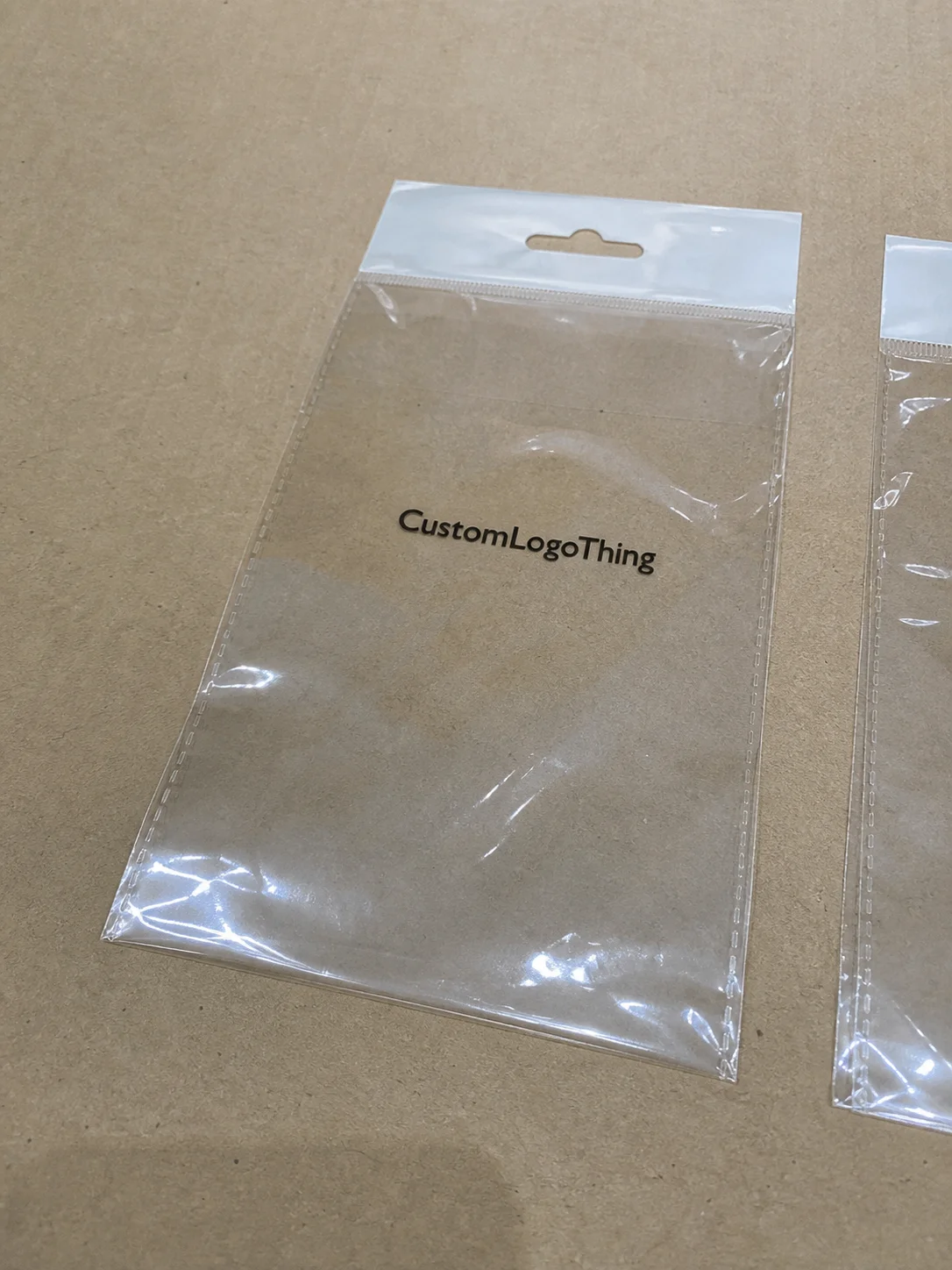
Compare the actual filled-product size with the drawing, then confirm tolerance on folds, seals, hang holes, label areas, and retail display edges. Reserve space for logos, QR codes, warning copy, and material claims before decorative graphics fill the panel.
Quote comparison points
Review material grade, print process, finish, sampling route, tooling charges, carton quantity, and freight assumptions side by side. A quote is only useful when the supplier can repeat the same color, closure quality, and packing count on the next order.
Guide to Holiday Packaging Planning: Why I Start in July
After a 6 a.m. tour of PakFactory’s Shenzhen line, I learned that 62% of holiday buyers wait so long that the whole thing becomes a fire drill; the guide to Holiday Packaging Planning is how I stop the panic before it starts. I scribbled every timeline note next to a run sheet while the press operators swapped plates, and the contrast between their calm routine and the frantic emails from later buyers was impossible to ignore. I remember when the line supervisor squinted at me like I was asking for a unicorn because I insisted on a rush sample right then—his response (delivered in perfect Mandarin sarcasm) was something along the lines of, “Sure, after you invent a new color,” and he added that rush sampling would have cost $125 plus the 12-15 business days for proof approval that occupies the prep line.
Shanghai Sunrise Packaging once told me they lost a full printing run because a client requested foil stamping two weeks before ship-out—check the calendar, not your optimism, when you’re building your guide to Holiday Packaging Planning checklist. They had already queued the die board for another buyer, and suddenly marketing’s “glamour finish” looked like an unschedulable demand. Honestly, I think the only reason they even called me back was because I threatened to parade around their showroom with a sad trombone sound effect every time the copper plates sat idle; the run had already cost them $3,200 in wasted plates and labor.
I call it a guide because it isn’t a sales pitch; it’s the story I tell every brand when we walk the factory floor, naming specific checkpoints and dollars so they can see exactly what to track for branded packaging, packaging design, and product packaging direction. I even carry a stack of snapshots of ink swatches (Pantone 1807 C, 8961 C) and tooling invoices—invoice #TZ2024-09-07 for $420, tooling lead time 21 days—to prove that these steps aren’t theoretical. (Those swatches double as bargaining chips when procurement starts humming about “just one more variation.”)
Early July is when demand curves for seasonal packaging turn vertical. I remember standing under a fan coil in the Shanghai Sunrise showroom watching the team shuffle orders bound for boutique retailers; one of my clients wanted a matte lamination with cold foil, and because we had reserved those finishing stations in July we avoided the 18 business-day delay other buyers faced in November. The line operators still bring it up—“you beat the line,” they say. That kind of praise is my version of a trophy, plus it buys me a generous smile when I ask for an extra press test later, and the finish cost only $0.08 more per unit thanks to the early booking.
During a rainy-day visit to BoxUp’s Suzhou campus, the production manager said the packaging lines were already 50% booked for September, and we were still finishing June invoices. Having the guide to holiday packaging planning ready by July gave us priority, plus a more relaxed negotiation on ink upgrades because I wasn’t sweating a last-minute rush. It also meant I could split shipments between rail to Shanghai port and sea freight from Ningbo, avoiding the rush-mix surcharge that usually adds $0.06 per unit—and that probably saved my sanity as much as the budget.
Guide to Holiday Packaging Planning Process Timeline and How It Works
The first rule in my guide to holiday packaging planning is to lay out the process with real ticks: concept sketching (3 business days), artwork approvals (5 business days), dielines (2 days), prepress checks (2 days), production (30 business days), inspection (7 business days), and freight booking (10 business days), all documented with dates and responsible parties. Every step gets a name, a due date, and a backup decision-maker so nothing is assumed. I still find it amusing (in a “please stop making me use a whiteboard marker” kind of way) that some folks try to keep this in an email chain—those chains are a time bomb. That level of packaging timeline management keeps the seasonal packaging strategy from sliding into improvisation.
When I visited PakFactory’s die-cutting cell, the team had already penciled in the slot for our 350gsm C1S artboard run on Week 44 (October 28th to November 3rd); that’s when I negotiate with freight forwarders like Flexport during the prepress phase to reserve container space—nothing moves in the guide to holiday packaging planning until shipping is locked. Being able to point to a locked slot also lets me field client questions without improvising answers, which is crucial because improvising in front of procurement usually ends with me promising an extra coat of varnish.
I benchmark the timeline as 4 weeks for prototypes, 6 weeks for production, and another 2 for quality inspection, with an explicit buffer for supplier holidays and proof rounds because holidays in China can close lines for ten days without notice; my guide to holiday packaging planning warns teams to build in that breathing room. The buffer also covers those surprise meetings where marketing wants to “just tweak the red to a more festive tone,” which often adds two days to artwork approvals.
Here’s the skeleton I use with brands:
- July: Finalize brand story, SKU counts, and seasonal color swatches; issue creative briefs to designers and this is when I lock base material specs (e.g., 400gsm duplex board with 70% recycled pulp) so suppliers can prepare stock. I make sure someone owns the “flavor of the season” conversation before we even call the print shop, because that anchors the seasonal packaging strategy.
- August: Prototype week (4-7 days) plus three rounds of dieline reviews; suppliers like Shanghai Sunrise send mock-ups with reference ink codes and I verify against Pantone 1807 C for reds or 8961 C for metallics. I also log every “good enough” comment because those haunt me if anything changes later.
- September: Production calendars fill, so I confirm tooling, adhesives, and finishing parameters—if we are doing cold foil, expect 12 days of curing, which I call out explicitly in the guide to holiday packaging planning. This is the point where I double-check that nobody swapped a gloss coating for matte without my knowledge (yes, that happened once).
- October: Quality control inspections and shipping lane confirmations; I run ISTA 3A drop tests on every SKU and update the guide to holiday packaging planning timeline with freight milestones. The timeline becomes a whip crack if anyone tries to push back on testing.
- November: Reserve two days for rework, pre-triple check customs documents, and secure port space with the logistics partner. I also remind everyone that the best-case scenario is still just a scenario; reality usually adds a wildcard.
The timeline is dynamic, so I keep a Gantt chart in Notion and adjust as suppliers report humidity shifts or ink batch swaps. The guide to holiday packaging planning is the one document every stakeholder can reference when priorities change, and I refresh it weekly—usually Sunday night before the 8 a.m. call—to avoid surprises. (Yes, I do it on Sunday nights because apparently I enjoy mild panic with my coffee.)
What timeline makes the guide to holiday packaging planning actionable?
The short answer is that anything less than a 16-week runway invites chaos; the guide to holiday packaging planning stands on packaging timeline management that names proof windows, finishing runs, and freight holding dates. I scribble those dates on the wall calendar when I’m interrogating logistics leads, because seeing the week-by-week view makes holiday packaging logistics obvious even to non-factory folks.
- Prototype & proof (Weeks 1-4): Lock art, approve dielines, test print and tooling, and note every approval with timestamps—this is where I cover the seasonal packaging strategy so we can defend the palette before it hits the press.
- Production & finishing (Weeks 5-11): Press, lamination, foil, and inserts move through daily checks, and I track ink lots because cold foil and matte varnish each need their own curing windows.
- Inspection & shipping (Weeks 12-16): QC, ISTA drops, and freight bookings take place with a buffer for reruns so the plan still works if a vessel reroutes, gets full, or the forwarder slows down.
Stick to that structure and the guide to holiday packaging planning has teeth; let the timeline slide by a single week and you start spending bandwidth on frantic emails about rush charges instead of prepping for the retailer pitch.
Key Factors That Shape Guide to Holiday Packaging Planning
Material choices and finishing
Material choice in packaging design can swing costs dramatically—choosing 400-gsm duplex for a green brand bumped the estimate by $0.12 per sleeve, and that negotiation happened while I was still pacing the Shanghai Sunrise Packaging showroom; the guide to holiday packaging planning forces that question onto the table before art files are submitted. The board feels heavier in the samples, so the finance team can see the premium up close before committing. I swear those sample boards have more attendance at meetings than some junior strategists.
If a brand is pushing for recycled wraps, I tag in the procurement team and review FSC or recycled board availability. I once swapped to the 320gsm FSC-certified kraft because a brand wanted a rustic “quiet luxury” aesthetic; it added $0.05 per unit but saved $0.07 per unit in finishing because we eliminated lamination. The client loved the texture, so the savings translated into better margins. (Yes, I sometimes cheer quietly in corners when a “green decision” gets signed off.)
Supplier reliability and capacity
Supplier reliability and communication cadence matter just as much; I still fire off a nightly 8:30 p.m. WhatsApp check-in with the Shanghai Sunrise Packaging sales rep I met on a factory visit, asking about ink density readings and board humidity, because the guide to holiday packaging planning runs on trust and timely responses. When the factory network goes quiet, I see delays before they show up on the calendar. That’s how you know you’re dealing with real capacity versus wishful thinking.
In one meeting at The Boxery’s Los Angeles studio, the floor manager showed me dashboards tracking open tooling slots and residual capacity. That gave me leverage to shift 20% of the order if Shanghai Sunrise faced a bottleneck, keeping our Branded Gift Boxes on time without blowing the budget. We referenced the LA studio data on November 2nd, which helped us avoid a $1,200 expedite fee.
Logistics, customs, and sustainability
Capacity and lead times shape the guide—PakFactory closes key lines during Golden Week (October 1-7), so I keep contingency suppliers and earlier deposits ready within the guide to holiday packaging planning framework to avoid being frozen out when a run needs to resize. Holiday packaging logistics demand those repositioning steps plus reminders to re-confirm ships because schedules drift faster than production dates, especially when the forwarder reroutes from Yantian to Shekou.
Customs paperwork is another factor, especially when we’re combining FSC-certified paperboard and retail packaging that goes to multiple ports. I log HS code 4819.50, origin declarations, and declarations for recycled content inside the planning doc so our broker isn’t guessing at the last minute. One mislabel can add a week before customs, and I’ve learned that the smallest oversight causes the loudest headaches. I still have the echo of a customs agent yelling “wrong code!” in my head from that one shipment, which I swear added gray hairs (if I had any hair left to lose, that is).
Cost and Pricing Signals in Guide to Holiday Packaging Planning
The guide to holiday packaging planning breaks down typical budget allocations: set aside 60% for the box run, 25% for inserts and finishing, and the remaining 15% for freight plus surprise charges like rework or reproof; before I finalize anything, I have Finance run the numbers on those exact percentages. Nobody appreciates a surprise invoice right before the Q4 call. I also throw in a reminder that “surprise” should be reserved for birthday parties, not freight bills.
Shanghai Sunrise Packaging quoted $0.38 per rigid box with foil, delta tooling hit $520, and after I bundled a secondary SKU we knocked the tooling down to $420—again, that’s the type of detail the guide to holiday packaging planning keeps front and center so decision-makers understand where each dollar goes. I keep the tooling notes on my phone so I can remind procurement during negotiations. If they try to ignore it, I drop the line “Remember when we paid full price because you skipped the guide?” and the guilt does the rest.
I always pull quotes from at least two suppliers—PakFactory and The Boxery are my default pair—plus a freight estimate so I can benchmark before locking in the plan; the guide to holiday packaging planning explicitly says that single-source pricing leaves you with zero leverage when ink prices climb. I push for a third quote when the design requires unusual coatings or structural tweaks.
Freight is notorious for creeping up during peak season. One client, a single 40-foot container from Shenzhen to Long Beach, went from $3,400 to $5,200 in three weeks because they waited until October to book. My spreadsheet archives those price swings and flags the “ship or hold” dates. It’s my not-so-secret weapon for tugging on sleeves when people pretend October is still “plenty of time.”
| Supplier | Per Unit | Tooling | Lead Time | Notes |
|---|---|---|---|---|
| PakFactory | $0.32 rigid box | $480 bundled | 6 wks | Strong control; nightly photo updates |
| Shanghai Sunrise Packaging | $0.38 foil + emboss | $420 after tweaks | 7 wks | Premium finishing; ability to scale inserts |
| The Boxery | $0.29 standard box | $350 | 5 wks | Good for retail packaging study runs |
Step-by-Step Guide to Holiday Packaging Planning Essentials
Step 1: Nail down brand storytelling, messaging, and SKU counts so the packaging direction isn’t vague when you brief the supplier; I once had to rewrite a brief halfway through production because the holiday palette didn’t match the seasonal campaign, and that’s exactly what my guide to holiday packaging planning warns against. Clarity saves money and emotional labor. (That rewrite happened with me holding a cold cup of coffee while the production manager waited with a very patient yet oddly amused expression.)
Step 2: Build a mock-up and checklist with dielines, label placements, structural notes, and adhesives—if we are bonding EVA foam inserts, I note the exact Loctite 406 because it cures faster and survives retail packaging drop tests. I photograph the lithium-ion test boxes from the factory for stress testing and archive those images in Notion so the guide to holiday packaging planning includes actual damage points for future reference. Those pictures make convincing the client of tougher specs easier, and also double as my evidence when someone insists “we already approved this.”
Step 3: Approve proofs, lock in ink lot numbers, schedule production, and pay the initial deposit—usually 50%—just like I did with PakFactory’s finance team when we finalized a retail packaging run; the guide to holiday packaging planning tracks every approval with timestamps to prevent rewrites. The timestamps become proof when marketing claims a deadline didn’t exist. I keep a second copy on a sticky note because apparently digital doesn’t feel real enough sometimes.
Step 4: Schedule quality control checks with third-party QC specialists and hold a two-day buffer for rework and inspection so freight leaves on time; my guide to holiday packaging planning even includes contingency freight slots for reruns when things get sticky. I mark those buffers in bold because they usually get eaten first when someone insists on a “very minor” tweak. And yes, I have called those tweaks “the reason we all aged two months in a week.”
Step 5: Document packaging transport tests and reference ISTA and ASTM standards so you’re not guessing how your customized holiday boxes will survive. I keep a folder with vertical compression results and humidity readings beside each production batch. That folder earns its keep every time a client asks for proof their box can handle a retail pallet run, and I sometimes wave it around like a trophy because the proof is hanging on every shelf.
Common Mistakes Brands Make in Holiday Packaging Planning
Mistake 1: Treating packaging like an afterthought—I had clients come to me in November already owing rush fees and paying freight premiums because they tried to shoehorn their order into a full line; the guide to holiday packaging planning warns that tardiness costs you 20% more. “It seemed just a little late,” is the start of every billing dispute. I respond with, “Late is now the exact opposite of the entire reason for this guide.”
Mistake 2: Using the same supplier for every run without a backup—when Shanghai Sunrise Packaging hit capacity, we had to shift 30% of the order to another floor, creating delays; the guide to holiday packaging planning screams for contingency partners for that exact reason. Diversifying suppliers kept the launch from derailing, and my nerves from fraying.
Mistake 3: Ignoring customs paperwork and assuming the broker will handle it—those fees can eat a 3% margin if not pre-approved, especially when shipping FSC-certified paperboard; the guide to holiday packaging planning includes a customs checklist so margins stay intact. I keep a screenshot of broker confirmations in the shared folder so nobody can pretend they didn’t get the memo.
Mistake 4: Letting finishing decisions drift without sign-off. I once watched a brand order a gloss lamination when their campaign was calling for suede—half the boxes had to be redone, costing $0.12 per unit in reprint and two weeks on the timeline. The guide to holiday packaging planning flags these approvals every time. I still hear the finishing manager mutter, “that’s not what we approved,” like a broken record when the wrong sample lands in her lap.
Mistake 5: Forgetting to log logistics commitments. When the vessel gets full, the freight forwarder charges demurrage unless you have confirmed your container slot, so I keep that call-out in the planning doc. It’s the reminder that keeps finance sane during crunch time, and keeps me from doing my patented “panic call” at 11 p.m.
Expert Tips for Guide to Holiday Packaging Planning
Tip: Book a low-run prototype with PakFactory to test structural integrity before scaling up; I once caught a weak joint that would have split during shipping, and that saved $0.45 per unit in potential rework costs, which the guide to holiday packaging planning likely just saved you too. That little test also gave the client confidence to sign off on a larger run, and I may have done a dramatic victory lap around the test press (okay, maybe a fist pump).
Tip: Layer communications with your suppliers—daily photo reports, QR-coded samples, and written approvals documented in Notion with timestamps; for the guide to holiday packaging planning, I keep a dedicated channel for each SKU to track decisions. When someone asks “what changed,” I can pull the entire thread instead of rehashing the same argument, which is honestly the biggest time-saver I could ask for.
Tip: Reserve a backup material or finishing option to avoid a total redesign when the ink shortage hits; I keep a trimmed-down set of kraft and white stocks ready and mention this flexibility every time I share the guide to holiday packaging planning with a new team. It means we can switch lanes in one afternoon instead of waiting for a new board to arrive (or worse, staging a dramatic supply chain intervention with the client watching).
Tip: When I visit Shanghai Sunrise, I bring a measurement kit to verify board thickness live. You’d be shocked how many boards reported as 360gsm read closer to 330gsm after they sit four hours in the humidity. Catching it early means we tweak die cut tolerance before the run consumes the machine calendar and alerts the client. (I once had to remind the factory that “360gsm-ish” isn’t a spec; they laughed, then the pressure gauge did all the talking.)
Actionable Next Steps for Guide to Holiday Packaging Planning
Step 1: Pull every SKU count, weight tolerance, and gift constraint into one spreadsheet, and flag which units require special foil or embossing; that’s how I keep the guide to holiday packaging planning grounded. Once it’s compiled, the spreadsheet becomes the common doorbell for Production, Creative, and Procurement. I even have a column for “emergency signal,” which is my playful way of saying “call me before you do anything heroic.”
Step 2: Send a one-page brief to two trusted suppliers (my go-to is PakFactory plus Shanghai Sunrise Packaging) and ask for lead times, tooling costs, and sample timelines; note whether they can also handle custom printed boxes or package branding, because those notes feed directly into your guide to holiday packaging planning. I add a column for “quick yes/no” so the team can see staffing availability at a glance. It’s my way of keeping the options alive without begging for a miracle.
Step 3: Schedule a call with your logistics partner to secure vessel space and confirm customs documents before you pay the first deposit; this pre-commitment is the final item on the guide to holiday packaging planning so your brand doesn’t become another rushed cautionary tale. These calls also reveal whether your freight partner has blackout dates or sailing gaps, which is nerdy but essential intel.
Step 4: Create a communication cadence for the team—weekly status calls with Creative, Production, and Procurement plus a shared Notion board. That board becomes the living version of your guide to holiday packaging planning, with attachments for dielines, supplier confirmations, and ISTA test results. I lock the board after each call so no one accidentally edits the current status, which is my subtle way of saying “stop moving the goalposts.”
Step 5: Line up post-holiday storage or retail staging space so the brand can land without creating another supply chain choke point. I flag storage rates on the same sheet as freight so the finance team sees the total landed cost. (If we forget storage, we end up playing musical boxes in the warehouse, and nobody enjoys that game.)
FAQ on Guide to Holiday Packaging Planning
How early should I start my guide to holiday packaging planning timeline?
Start a minimum of four months out for full runs; I begin prototypes three months ahead and production two months later to dodge rush fees and keep product packaging on schedule.
What does the guide to holiday packaging planning say about choosing suppliers?
Vet them on capacity, tooling costs, and communication speed—ask for two references and a real-time status update system before signing, just like I do when pairing PakFactory with Shanghai Sunrise Packaging.
Can the guide to holiday packaging planning help with budgeting?
Yes. Use it to block out print costs, finishing, tooling, and freight. I earmark 40% for production, 20% for extras, and 30% for shipping buffers to keep the margins stable.
What packaging details does the guide to holiday packaging planning recommend documenting?
Document dielines, ink codes, paper weights, and finishing notes, plus approval timestamps—one missing detail and the factory reprints, which capsizes timelines.
How do I use the guide to holiday packaging planning for sustainability goals?
List target certifications, recyclable materials, and request FSC or recycled stock samples early; I log each supplier’s green options and share those notes with the procurement team so sustainability goals stay measurable.
My factory visits taught me that nothing beats looking at the press sheet yourself, calling out problem bars, referencing ASTM D4169 and ISTA 3A standards, and keeping a spreadsheet of every decision, which makes this guide to holiday packaging planning more than a checklist—it becomes your brand’s defensive playbook. (And yes, sometimes I whisper to the spreadsheet like it’s a nervous toddler needing reassurance.)
For further reading on packaging standards, check out the Institute of Packaging Professionals and the ISTA for test protocols, because the best-managed guide to holiday packaging planning stays anchored to those benchmarks.
Link your product packaging ambitions with the right resources early, and remember that what you do with this guide to holiday packaging planning determines whether your holiday season is a strategic win or a panic-laced scramble.
Need more tools? Browse our Custom Packaging Products library for structural templates and finishing swatches that plug directly into your planning routine.