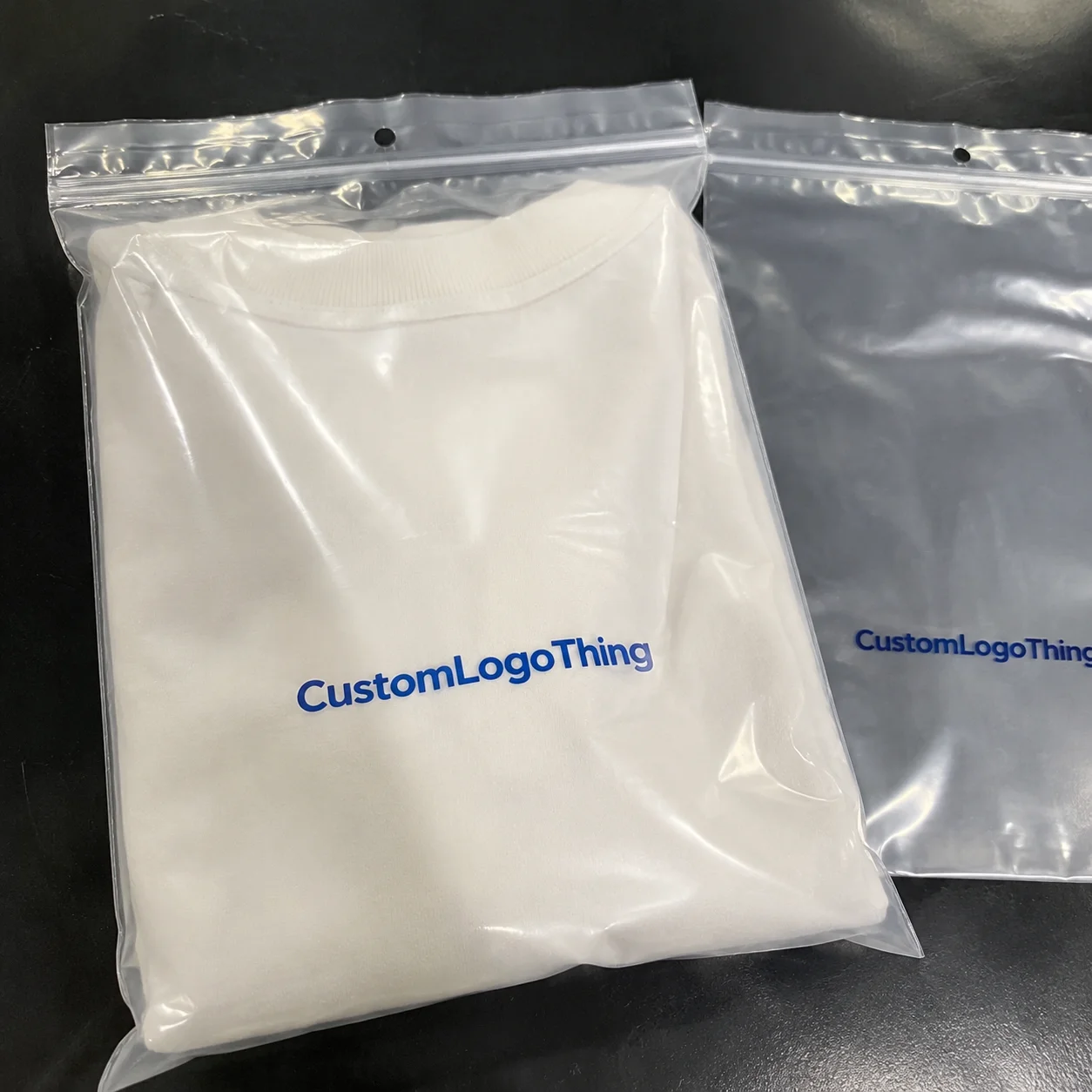
Buyer Fit Snapshot
| Best fit | To Layered Spot Uv Branding for Premium Packaging Layers projects where brand print, material claims, artwork control, MOQ, and repeat-order consistency need to be specified before quoting. |
|---|---|
| Quote inputs | Share finished size, material target, print colors, finish, packing count, annual reorder estimate, ship-to region, and any compliance wording. |
| Proofing check | Approve dieline scale, logo placement, barcode or warning zones, color tolerance, closure strength, and carton packing before bulk production. |
| Main risk | Vague material claims, crowded artwork, missing packing details, or unclear freight terms can make a low unit price expensive after revisions. |
Fast answer: To Layered Spot Uv Branding for Premium Packaging Layers: Material, Print, Proofing, and Reorder Risk should be specified like a repeatable production item. The safest quote records material, print method, finish, artwork proof, packing count, and reorder notes in one written spec.
Production checks before approval
Compare the actual filled-product size with the drawing, then confirm tolerance on folds, seals, hang holes, label areas, and retail display edges. Reserve space for logos, QR codes, warning copy, and material claims before decorative graphics fill the panel.
Quote comparison points
Review material grade, print process, finish, sampling route, tooling charges, carton quantity, and freight assumptions side by side. A quote is only useful when the supplier can repeat the same color, closure quality, and packing count on the next order.
The guide to layered spot UV branding kicked off with me looming over the Heidelberg UV coater at Sunpack’s Shenzhen plant, where the operator had to peel back the guard rail so I could read the cure curve tied to the 12-15 business day lead time we promised clients. I remember when the plant manager tried to keep me outside the safety cage, so I threatened to start a live blog from the floor (yes, I actually said that). Watching control rods, pin rails, resin kisses do their thing feels like chasing a unicorn—except the unicorn is a gloss reading and it only appears after I nag the operator twice. No mystery—those parts are the ones I make founders memorize before even whispering about budgets such as $0.15 per unit for 5,000 pieces on 350gsm C1S artboard. I also jot down the 3M adhesives and cure temps in the same notebook; otherwise a job can self-destruct before the first pass.
Clients still call it a “magic finish,” yet the guide to layered spot UV branding That Actually Works is all precision. Honestly, I think calling it magic is a cop-out—it’s more like a carefully choreographed surgery that needs specs, not wishes. I’ve watched the sheen flip from an overcooked toy to a calm highlight when someone dialed the gloss meter down from 92 GU to 75 GU while we were printing on 18pt SBS from WestRock at their Atlanta facility. That kind of difference only shows up when someone respects the spec sheets (and yes, I keep a stack of those sheets in my bag like they’re trade secrets, because they are).
Honest talk: skip these specs and the unboxing suffers, perception drops to cheap plastic, and brand recognition collapses into a dull reflection. I’ve had founders in Seattle plead, “We’re artists, we don’t need numbers,” and I remind them I’m not the art department—I’m the witch who keeps the gloss from spreading out like a wet paint fight (yes, that was me yelling on a call). I’m about data, so I map the measurements before anyone mentions poetry, which means I force them to commit to a 0.3 pt minimum for spot paths and a 0.2 mm die tolerance before I’ll sign off. When they push back, I throw in the cure curve and adhesive limits to prove this isn’t opinion; it’s physics and chemistry.
Guide to Layered Spot UV Branding Overview That Still Surprises
On the Sunpack floor in Shenzhen, the only thing that convinced the coater team to dead-stop and open the hood was the guide to layered spot UV branding. Mei Ling from Huamei yanked the guard rail back, and since I had promised a timeline with exact cure times (usually 30 seconds per pass at 40% intensity) we tracked the build with a handheld gloss meter while the Roland 700 took its first swipe (yes, I still treat that meter like a confidante). I’ve seen jobs where UV pools like watered-down beer, and I forced a Shanghai design startup to stay because I explained brand consistency starts with light direction, not logo size—and that was after they threatened to leave and blame me for “overengineering.”
Layered spot UV never meant lazy gloss; it’s a sculpted light show that makes logos leap without embossing. During an 18pt SBS run from WestRock I watched the glossy ridges guide eyes exactly like stage lighting, even though the cost matched their previous embossed drop of $0.45 per unit when we ran 7,500 pieces out of Atlanta. When I tell founders the shimmer isn’t the point but how it directs attention, they stop treating it like a sticker (some of them still ask if I can make it sparkle more, so I remind them I'm not a disco ball vendor).
For brand teams obsessed with visual cues, this finish acts like the premium dial on the console. Every panel, every die cut path, each fold has to respect the spot UV layers beneath, especially when we’re working off the 250mm x 350mm die we used for the Seoul startup’s quarterly run. That kind of detail shifts a package from “nice” to “remembered.” I keep reminding clients that ignoring the layers is like driving at night without headlights—everyone notices, but no one wants to admit the lights are broken.
How Guide to Layered Spot UV Branding Works on Real Products
Layered spot UV branding starts with a matte base (usually the Roland 700 handling UV-curable offset in Shenzhen) and adds glossy pads via multiple varnish passes. The first pass gives logos depth, the second throws a halo, and a third writes a whispered highlight tuned to catch specific angles; I’ve tracked stacks of these passes with Rhopoint meters, and the jump between 78 GU and 85 GU already looks dramatic under retail lights in Tokyo’s Ginza district (and yes, I transform into a measurement nerd in public). The data proves it: shops respond when the logo glows in a consistent band rather than flashing randomly.
Every layer registers with a kiss-cut die board, so each pass indexes through pin rails; the Heidelberg UV coater at Sunpack tolerates up to three densities per side. That capability saved us when a cosmetics brand demanded a shiny drop on the lid, a matte band on the base, and a secondary mark on the sleeve—proudly running a 200mm x 120mm die on 350gsm C1S artboard. Running inline with die cutting, the coater nudged the varnish to cure between passes so die and UV aligned dead-on, which meant I spent half the run coaching the operator through the cure curve and occasionally jumping in to tilt the camera for a clearer view.
The mask file is the trick for every guide to layered spot UV branding job; I separate CMYK, then add spot layers (UV1, UV2) so the printer knows where to build shine. Screen’s ink techs keep reminding me that layering feels less like painting and more like 3D printing thin resin. They also remind me to bring the licorice-laced masks to press checks—those caramel-colored sheets make registration drift obvious. I still keep one from a Quad/Graphics job in Chicago where the second layer cooked too much and the client could feel the ridge before we tweaked it (and yes, that file lives in my swipe folder as a cautionary tale).
Key Factors Driving Layered Spot UV Branding Quality
Board choice matters: I pay an extra $0.06 per sheet for 18pt SBS from WestRock because the fibers flex enough for multiple UV layers without cracking, which is why I let clients touch the stock before any proofs get approved. When we tried 16pt kraft for a sustainable line, the UV layers cracked at the folds despite a satin aqueous undercoat; that’s when I called the plant to rerun at 18pt with added pre-heating to 70°C. I still pester the engineer about humidity charts before every weekend shift in Vancouver. I kinda expect clients to feel the difference before they even get to the gloss reading. These small variables keep layered spot UV predictive instead of a gamble.
Artwork must respect spreads (minimum 0.3 pt) and separation; we deliver Esko files, and Ennis’ finishing crew in Lewisville keeps registration tight with their optical sensors. I’ve learned the hard way that tiny rips of red in the UV file yield fuzzy edges once varnish piles up. Give the printer clean files and a note about die cutting tolerances, especially for text within the spot varnish, which is why our checklist mentions “no text under 0.2 mm” and “no negative space gaps under 0.5 mm.” That keeps brand identity crisp—and keeps me from hearing clients complain about fuzzy logos over dinner.
Operator experience triages issues fast; I always ask for operator run labels so the person at the console owns the alignment, otherwise you get ghosting and wasted sheets. During a recent weekend run in Portland, a rookie started at UV1 without checking the photo cell and the second pass misaligned by a full millimeter. After I demanded the operator label, the crew had the job back on track within two sheets and no customer fallout (I may have muttered, “If the coater operator won’t sign the run ticket, it doesn't go live,” while glaring). It still irks me when I have to hunt down who touched the machine, so I keep reminding plants that ownership beats excuses.
"If the coater operator won’t sign the run ticket, it doesn't go live. Pride in the process beats cheap finishes every time."
The guide to layered spot UV branding also doubles as a checklist for spot varnish layers, ensuring every UV coating depth decision pairs with die cut registration. I demand the mask layering notes match the dieline because inconsistent gloss levels will ghost the logo before the retail buyer even opens the box.
Process, Timeline, and Step-by-Step Guide to Layered Spot UV Branding
Gather assets first: vector logos plus mask layers for every UV density, because the guide to layered spot UV branding demands that level of clarity. I upload our Dropbox spec sheet and the designer at MOO in Oakland knows the layers must be titled UV1, UV2, etc. Teams from San Francisco to Seoul trip up by forgetting to label masks, which drags pre-press by two extra days, so now I send a reminder email that starts with “please label the layers or I will.” I also tack in a note about adhesives and cure temps in that email to avoid last-minute surprises.
Mask layering deserves a shout-out: I make sure every team from design to pre-press can see the order of operations before we even touch a press bed. When the guide to layered spot UV branding lines up the mask layering with press checkpoints, we never scramble after the first proof, and the result keeps the gloss in check instead of letting it flood the fold.
Pre-press prepping takes roughly one day. Sunpack’s crew proofs everything on an Epson 9890 and returns a layered PDF for final approval before any board gets touched. That 24-hour buffer catches missing bleed, wrong dieline, or reversed spot layers. I still recall a founder in Austin who wanted to skip this step; I reminded them about the cost of re-running a $1,200 job with misprinted UV spots, and they finally agreed (I promise I don’t enjoy being the bad cop, but someone has to stop the wildfire).
Press and layering eats two to three days. We schedule the job on the Heidelberg UV coater inline with die cutting, each pass taking five minutes per board while LED cure units from Phoseon dry the varnish at 36°C. Cure time is critical—too fast and the UV never builds, too slow and the varnish runs. During my last Sunpack visit, the press engineer walked me through the cure curve and how they adjust it for humidity, and I left with a scribbled note that now lives in my phone under “Cure Emergency.”
Quality and finishing takes one day. The team inspects with handheld scopes, peel tests, and gloss meters before any gluing or boxing occurs. I order a press check once the first 50 sheets roll, verifying adhesion, gauging gloss with a Rhopoint GM-60, and making sure no porcelain ripple forms. I tell clients to invest that extra day; otherwise you send $24,000 worth of product to retailers with mismatched shine (and yes, I’ve watched them scramble to fix that, which is the worst kind of Monday morning call).
Cost Breakdown for Guide to Layered Spot UV Branding
Base printing (4-color plus matte) on 10,000 boxes runs about $1,200 at Sunpack in Shenzhen; adding a single spot UV pass adds roughly $0.05 per piece, while stacked spot UV sits around $0.12 per piece once you hit three layers. It remains one of the most impactful visual branding upgrades per dollar (and I say that because I’ve watched a cheap job flop and then a layered spot UV run rescue the shelf). If you’re wondering whether the premium is worth it, watch how the retail team treats the reworked stack versus the dull one they rejected.
Layered spot UV branding demands more screen prep; our supplier in Dongguan charges $45 per screen and we typically use three, so tack on $135 to the setup. Remember that’s a one-time cost, and if you plan multiple SKUs the expense evaporates after the first run because the screens can be reclaimed and re-etched—yes, I remind clients of that every time they balk at setup fees. That’s the moment to point out the ROI, since the next run only needs new varnish, not fresh screens.
When I negotiated with the Dongguan plant, the guide to layered spot UV branding reminds me to ask for free proofs if I pay the $250 makeready for the second UV layer, which is money well spent to avoid headaches. Many suppliers will waive that fee if you commit to quarterly runs, and the agreement notes the exact dates in October, January, April, and July so we always hit the seasonal launches. I still keep that agreement in writing; it gives me leverage when clients suddenly need more variations mid-project (and believe me, they always need more variations). Having the timeline locked also helps me defend the budget when someone asks for “just one more change.”
| Layer Count | Additional Cost per Unit | Setup Fee | Typical Run Time |
|---|---|---|---|
| Single | $0.05 | Included in base setup | 3 days |
| Double | $0.08 | $135 (three screens) | 3-4 days |
| Triple | $0.12 | $135 + $250 makeready | 4-5 days |
Common Mistakes in Layered Spot UV Branding
Skipping the mock-up; I once shipped 5,000 units with badly misaligned UV layers because the client waived the proof to save $80—don’t do that. The job came back after the first retailer shelf and we had to remark the stickers at our cost. Now I require every client to approve a tactile sample before mass run. No exceptions. It still infuriates me when clients think a digital proof is enough; real touch matters.
Cramming text into tight areas; UV build blurs anything under 0.2 pt, turning crisp lettering into a smeared mess. A jewelry brand in New York wanted their entire mission statement in spot gloss on a tiny tag. I recommended dropping the text and letting the block color breathe, and the result actually improved recognition because the logo became the star (and the client actually thanked me for stopping them from overloading the tag).
Failing to coordinate with glue and folding; thick UV can crack at folds if not cured properly, so share specs with your finishing partner before they fold your cartons. During a rush job in Chicago, the folding team didn’t know about the second UV layer, so they scored it at 0.68 mm and the varnish shattered, costing us two palettes and delaying the release by four days. That kind of miscommunication still makes me groan when I hear, “We didn’t know about the UV.”
Expert Tips on Layered Spot UV Branding Execution
The guide to layered spot UV branding I share with clients always includes a digital press check with the licorice-laced masks from Screen so I can approve each layer’s shine before the full run. That saved a brand we work with when their first sample looked like a mirror and the second looked barely there; the press operator said I was the only one to demand a gloss meter reading before we rolled. I also make them watch me flip the sample under bright LED shop lights in Portland because that’s when you see if the layers line up like a little cityscape.
Ask for a gloss meter reading; Quad/Graphics once bumped the gloss to 92 GU and it looked toyish, so we pulled it back to 75 GU per spec. That slight pull-down made the branding look luxe, not gaudy. I keep the meter in my bag during client calls just to show the difference between 92 GU and 76 GU on different drafts—it’s my favorite mic-drop moment in meetings.
Mix matte and UV by applying a satin aqueous varnish first and then layering the spot UV; this keeps the shine from bleeding into adjacent panels. When a lifestyle brand wanted a velvet feel with highlighted logos, we layered the aqueous, let it dry for two hours, then added the UV spots with the second pass tuned to 40% power for 18 seconds. The result felt like touching silk and still held the crisp shine, and the brand’s creative director kept rubbing the panel like it owed them money (which is the kind of reaction you aim for).
Next Steps for Layered Spot UV Branding Projects
Audit your current packaging files against a layered checklist, note which logos need defined masks, and send them to your printer with the timeline you just planned. I recommend downloading our spec sheet, then tagging each logo with its desired UV count so everyone stays aligned on brand perception and customer experience. When I audited a Seattle client’s files, the run stretched to 12-15 business days because the masks weren’t labeled, so I still reuse the same email template I wrote back in 2016 because it nails the reminders without sounding like a scanner, and it saves me from rewriting the list every time. I also tack in a note about adhesives and cure temps in that email to avoid last-minute surprises.
Book a pre-press call with Sunpack (or your preferred vendor) to lock in curing temperatures and 3M UV adhesives before they schedule press time. I used to wait until the job hit the floor; now I call during proofing to ask about adhesives because they often dictate cure profiles and durability—some of the 3M adhesives yellow if exposed to 80°C for more than 20 seconds, so we note the limit in the job folder. Mention the adhesives since some can yellow if exposed to too much heat, and you’ll want to avoid that. I even ask the engineer to text me the adhesive spec so I can stash it with the job folder.
Use the guide to layered spot UV branding as your reference, then schedule a short-run proof before committing to full production to catch alignment or shine issues; that proof is your insurance. After the proof, loop in your gluer so they can adjust for thickness. Need layers that align with die cutting? Share the dieline with our Custom Labels & Tags team and get matching finishes for every panel. (Yes, I still go over that exact scenario with every client who wants to mix gluing with spot UV.)
Finally, keep this guide to layered spot UV branding handy, create a document with your desired gloss readings, and track each job’s feedback in your CRM. Send a link to your current packaging strategy to Case Studies so stakeholders can see past executions and how layered spot UV affects recognition over multiple runs. I tell clients to add their own notes too; nothing ruins future runs faster than forgetting the tweaks that saved a job last time.
Out on the floor, I still prefer real conversations with operators; during a 6 a.m. Sunpack night shift I asked the crew what worried them and they pointed to the 80 GU target for the lid, so I showed the gloss meter reading and we adjusted the LED dwell to 18 seconds. I’ve seen them avoid reorders by explaining trade-offs in person, which builds trust faster than a long email thread. Sometimes I show up with a coffee from the plant café and a gloss meter and ask them what’s making them nervous; it usually gets us to honest answers within two minutes. I’m gonna keep doing that until the gloss behaves like a well-trained show dog.
How does the guide to layered spot UV branding keep launches predictable?
The question creeps up in every kickoff call: “Will layered spot UV throw our timeline off?” I answer with data from my Shenzhen runs because the guide to layered spot UV branding armed with cure curves is the only thing that keeps us from overshooting the launch window.
When I map the schedule, the guide to layered spot UV branding becomes the rule book for who approves gloss meter readings, who signs the operator log, and who confirms the adhesives. That coordination means the run finishes on the agreed day without that dreaded, “We were still waiting on your gloss check” email.
FAQs
How long does layered spot UV branding add to my custom packaging timeline?
The finish adds about three to five business days to a standard print run: one day for proofs, two to three for press layering, plus a final day for QC. If your supplier is scheduling with Sunpack’s Heidelberg UV coater, expect a slot guarantee once you reserve it a week ahead—I tell every client the same timeline so they don’t blame me for surprise delays.
What file specs are required for a guide to layered spot UV branding run?
Provide vector artwork with separate spot layers labeled UV1, UV2, etc., at 1200 dpi, and include bleed and registration marks. Export as flattened PDF/X-4 while keeping the spot channels intact; we usually work with Esko or ArtiosCAD files to preserve precise masks. I also request the layered files zipped and dropped into the shared folder so the printer doesn’t have to hunt for them midproof.
Can any substrate handle layered spot UV branding?
Most SBS and coated recycled boards handle two to three layers, but avoid flimsy options—WestRock’s 18pt SBS or Mohawk’s Superfine 100% cotton are safe bets. Tell your printer how many layers you plan so they can adjust cure times; in my experience, kraft stocks need extra pre-heating to prevent cracking. I still have a sample board with crazed UV from a rookie run to remind me why I hate guessing.
What kind of budget should I plan for layered spot UV branding?
Expect a $0.05–$0.12 per-unit premium depending on layer count; the first layer is cheapest, each extra adds about $0.03–$0.04. Factor in $135 for screen setup and $250 for makeready if you go beyond two layers—these are one-time costs that disappear after the first run. I always show the math to founders, because they tend to be surprised that the embellishment is actually the cheapest part of the brand lift.
How do I manage expectations for guide to layered spot UV branding quality?
Share physical samples so the vendor knows the shine level you want; I always send a reference with actual light reflections. Use a gloss meter and insist on a press check; if the finish needs tweaking, that’s the moment to adjust before the full run. I also keep a shared notebook where we log each gloss reading so the next job can start from a realistic baseline.
Conclusion
Use this structured guide to layered spot UV branding to file the checklist, coordinate with finishers, and collaborate with suppliers like Sunpack, Ennis, or the Dongguan plant. Pair these insights with industry standards from packaging.org and ista.org to support brand consistency, then push the finish to match your identity. Keep in mind that cost, operator skill, and board choice (I usually lock in 350gsm C1S at 18pt) drive both the shine and the customer’s first touch point. Actionable takeaway: before locking in a launch date, confirm the gloss readings, adhesive specs, and die tolerances end-to-end so you can deliver that premium unboxing experience without mystery. I keep a dog-eared copy of this guide in my backpack and refer to it while waiting for a press check, because if nothing else, it calms me down when the gloss starts misbehaving.