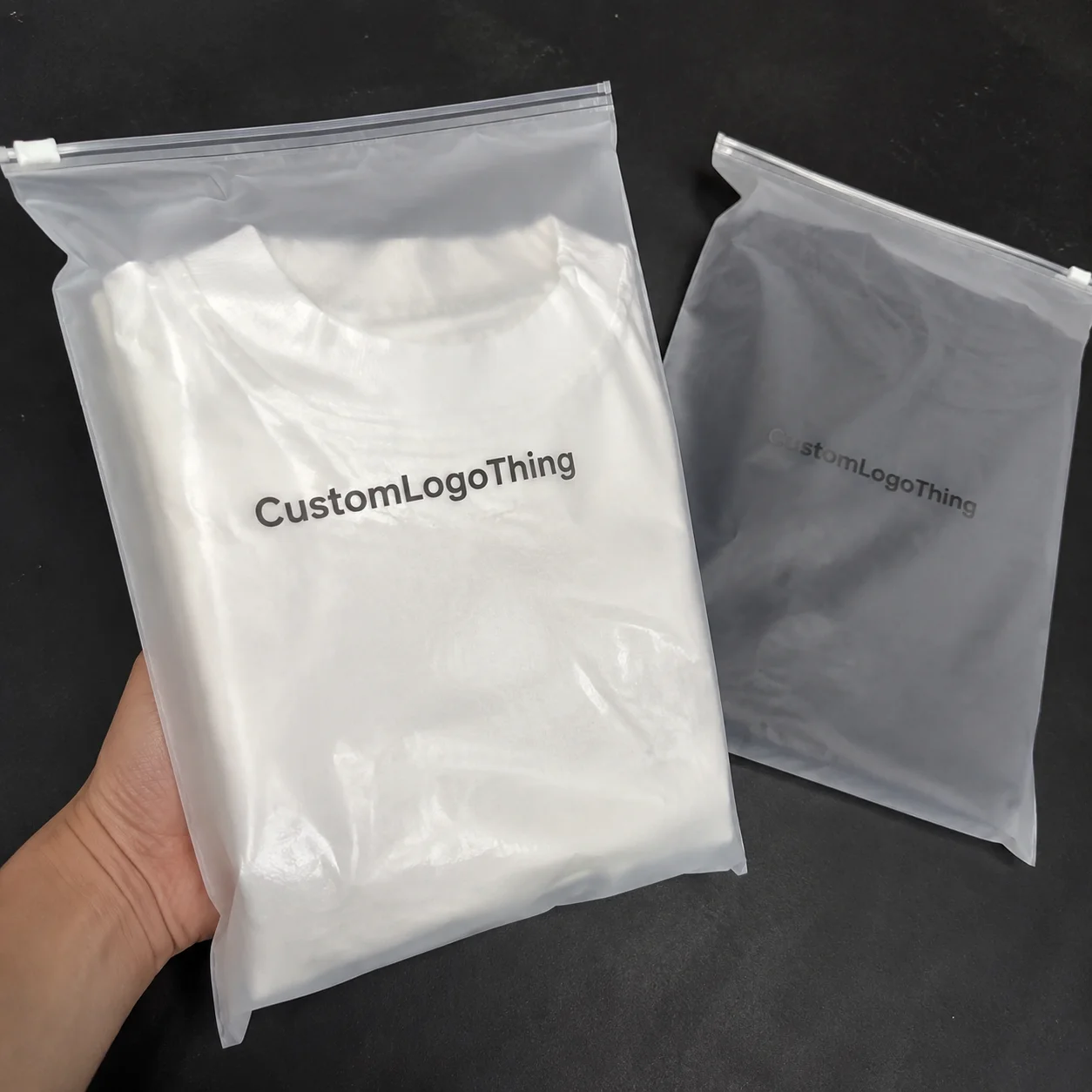
Buyer Fit Snapshot
| Best fit | To Adhesive Strip Mailers projects where brand print, material claims, artwork control, MOQ, and repeat-order consistency need to be specified before quoting. |
|---|---|
| Quote inputs | Share finished size, material target, print colors, finish, packing count, annual reorder estimate, ship-to region, and any compliance wording. |
| Proofing check | Approve dieline scale, logo placement, barcode or warning zones, color tolerance, closure strength, and carton packing before bulk production. |
| Main risk | Vague material claims, crowded artwork, missing packing details, or unclear freight terms can make a low unit price expensive after revisions. |
Fast answer: To Adhesive Strip Mailers: Film, Print, MOQ, and Carton Packing should be specified like a repeatable production item. The safest quote records material, print method, finish, artwork proof, packing count, and reorder notes in one written spec.
Production checks before approval
Compare the actual filled-product size with the drawing, then confirm tolerance on folds, seals, hang holes, label areas, and retail display edges. Reserve space for logos, QR codes, warning copy, and material claims before decorative graphics fill the panel.
Quote comparison points
Review material grade, print process, finish, sampling route, tooling charges, carton quantity, and freight assumptions side by side. A quote is only useful when the supplier can repeat the same color, closure quality, and packing count on the next order.
I’ve spent enough time on packing lines to know one thing: a weak closure can wreck an otherwise well-built shipment in about three seconds. The first time I saw a wave of returns traced back to a sloppy flap seal, it was a 1,200-unit apparel order in a New Jersey fulfillment room, and the damage report cost more than the packaging upgrade would have. That is why a guide to adhesive strip mailers matters so much for ecommerce teams, because these mailers solve a very practical problem with a very practical design.
At a basic level, adhesive strip mailers are lightweight shipping Mailers Made from film or paper-based structures with a peel-and-stick adhesive closure. The body is usually a poly film, often LDPE or a co-extruded plastic structure, and the flap carries an adhesive strip covered by a release liner until the packer is ready to seal it. Some versions add tamper-evident features or a second adhesive Strip for Returns, and those little details can make a big difference in the warehouse. If you are comparing packaging options, I also recommend looking at Custom Packaging Products and, for apparel-heavy programs, our Custom Poly Mailers because the Fit and Finish differences show up fast once volume climbs.
Brands use this style of Packaging for Apparel, subscription kits, printed inserts, soft goods, beauty samples, and other non-Fragile Items That do not need rigid corrugate. Too many teams over-box their shipments because boxes feel safer, but they also add weight, labor, and void fill that the customer never asked for. A good guide to adhesive strip mailers should make that tradeoff plain: for the right product, the lighter structure ships cheaper, packs faster, and gives the customer a cleaner unboxing moment.
What Adhesive Strip Mailers Are and Why They Matter
The simplest way to think about a mailer with an adhesive strip is as a pre-formed pouch with a reliable closure built into the flap. In a production setting, that saves steps, because the operator does not need tape, staples, or a separate heat-seal station. When I visited a Midwest fulfillment center running 18 packing stations, the team told me they shaved roughly 4 to 6 seconds per pack after switching from box-and-tape to adhesive strip mailers, and over a full shift that became real labor savings.
The structure usually includes three core parts: the body film, the adhesive strip, and the protective liner. The adhesive itself may be pressure-sensitive, and the liner protects it until use. Depending on the model, you may also see a tamper-evident tear strip or dual-closure design for returns. A practical guide to adhesive strip mailers has to mention that not every closure is meant for the same job; some are built for permanent outbound sealing, while others support reseal or reuse for return-friendly programs.
For ecommerce, that matters because these mailers are not just about appearance. They reduce dead weight, often lower dimensional shipping charges, and streamline line flow for products with predictable thickness. In apparel, a 12-inch by 15.5-inch mailer can fit a folded T-shirt or lightweight hoodie without the extra corrugate needed for a box. For subscription boxes, I’ve seen brands switch because the mailing unit looked cleaner on the belt and printed graphics showed up better against a smooth film surface.
There is also a compliance side to the decision. If your supply chain touches recyclable content claims, resin sourcing, or store drop-off programs, you need to check the exact film and any printed sustainability language. The EPA recycling guidance is a useful reference point for general recycling communication, and for fiber-based alternatives or mixed-material programs, the Forest Stewardship Council site helps explain chain-of-custody expectations. A solid guide to adhesive strip mailers should never oversell sustainability; it depends on the structure, the claim, and the local recycling stream.
“We stopped losing time to tape curling up on humid days,” a fulfillment manager in Dallas told me after a line trial, “and the packout room felt calmer by lunch.” That kind of comment sounds small, but on a 6,000-order day, small changes are where the money hides.
How Adhesive Strip Mailers Work in Real Fulfillment
The sealing process is straightforward, but the details matter. First, the packer loads the product and makes sure the contents sit below the flap crease, because overstuffing can distort the closure path. Next, the liner is peeled away to expose the adhesive strip. Then the flap is folded down and pressed along the full width, usually with firm hand pressure for 2 to 3 seconds, which helps the bond set evenly. A good guide to adhesive strip mailers should stress that a quick tap is not the same as a proper seal.
Permanent seal versions are the most common for outbound shipments. Once the flap is closed, it is meant to stay closed through transit, sorting, and customer opening. Resealable or two-strip options add a second adhesive path so the same package can come back as a return mailer. I’ve seen these work well in apparel subscriptions and try-before-you-buy programs, especially when the customer needs an easy return path and the brand wants to reduce friction at the same time.
Warehouse conditions affect the adhesive more than many buyers expect. Heat can soften adhesives, dust can contaminate the bond line, and static can make liners stick oddly to gloves or sleeves. In a cold receiving area, a closure that looks perfect at room temperature may need more pressure to reach full grab. I once watched a seasonal site in Pennsylvania struggle with a January receiving dock where the carton pallets sat near a loading door; once they moved the inventory 20 feet away from the airflow and retrained the team on consistent pressure application, seal failures dropped sharply. That is the sort of field detail a real guide to adhesive strip mailers should include.
Line speed also improves when the packing layout is disciplined. If the fold line is obvious, the mailer size is consistent, and the operator knows exactly where the adhesive stripe begins and ends, you reduce hesitation. In one plant I consulted on, the difference between “just pack it” and “fold on the crease, press from center out, inspect the corners” was about 9 seconds per pack. That sounds tiny until you multiply it by 8,000 units.
Key Factors to Compare Before You Order
Material choice comes first. LDPE is common because it is flexible, cost-effective, and easy to print on, while co-extruded film can improve puncture resistance and seal behavior. Recycled content options are increasingly common, but recycled resin can vary in clarity and hand-feel, so you need to balance brand presentation with performance. Thickness matters too, and suppliers often quote it in mils; a 2.5 mil mailer behaves very differently from a 4 mil structure. A practical guide to adhesive strip mailers should never ignore this, because film gauge changes both durability and price.
Size is the next trap. Too small, and the seam stretches, the flap bows, and the adhesive may not land squarely on the closure zone. Too large, and you pay for empty space, awkward packout, and a loose look that can make a premium brand feel careless. I always tell clients to test the actual SKU mix, not the idealized dimensions on a spec sheet. Measure the item as packed, including inserts, cards, tissue, or folded garments, then add a little room for operator handling. For most programs, sample testing with 10 to 20 real units is better than guessing from catalog dimensions.
Print quality affects both branding and line confidence. If the mailer is opaque enough to hide product outlines, that usually helps with presentation and privacy. If the graphics are sharp, the logo lands in the same place every time, and the closure strip is positioned cleanly on the inside flap or outer closure zone, the package looks intentional instead of improvised. One buyer I worked with in Atlanta was adamant about a matte black mailer with a silver logo, but after sample review they shifted to a darker charcoal because the print contrast tested better at a 1,500-piece run. That kind of adjustment is common, and it is exactly why a guide to adhesive strip mailers should push sample-first thinking.
Cost is more than the unit quote. You need to look at minimum order quantities, freight, pallet count, lead time, and whether custom print plates or digital setup charges are spread over a small run or a large one. A plain stock mailer might come in near $0.18 to $0.28 per unit in volume, while custom printed versions can rise to $0.30 to $0.55 or more depending on size, film, and color count. Freight can easily add $0.02 to $0.08 per unit on smaller orders, especially if you are shipping pallets cross-country. The smartest guide to adhesive strip mailers advice I can give is simple: always compare landed cost, not just unit price.
For buyers who want more packaging options, it helps to compare these mailers against broader categories like poly bags, paper mailers, and custom cartons. That is where having a single sourcing conversation around Custom Packaging Products pays off, because print method, film thickness, and order cadence all affect the final economics.
Step-by-Step Setup and Ordering Process
The cleanest rollout starts with a product audit. List the top five SKUs, their packed dimensions, average weight, and whether any of them have hard corners, zippers, clasps, or sharp edges. Then choose 2 to 3 candidate mailer sizes and request samples. I like to see sample packs in the actual packing room, not just on a sales desk, because a mailer that looks perfect under office lights can behave differently under the fluorescent wash of a real fulfillment area. That is a lesson learned the hard way in a Shenzhen facility I toured, where a glossy film looked beautiful but slid too much on the bench for the team’s preferred workflow.
After samples, move to proofing. Artwork approval can take a day or two if the design is simple, but plate or print-prep work, especially for multi-color flexo, can add more time. Manufacturing lead time usually depends on order size and customization, and I would rather tell a buyer to plan for a realistic window than promise a fantasy schedule. A typical custom run might need 12 to 15 business days from proof approval before freight, while a repeat order with unchanged artwork can move faster if inventory and press time are already lined up.
Training matters more than most teams admit. Show packers how to load the item, where to align the fold, how much pressure to apply, and what a bad seal looks like. Then inspect the first 50 to 100 units from the run. If the adhesive strip leaves wrinkles, the flap lifts at the corners, or the film creases over the bond area, stop and adjust before the whole batch is consumed. I’ve watched operations treat the first day like a live training lab, and that is a costly habit. A better guide to adhesive strip mailers treats rollout like a controlled launch.
- Measure packed product dimensions and weight.
- Choose 2 to 3 candidate sizes.
- Request physical samples and test with real SKUs.
- Approve artwork and confirm print placement.
- Review lead time, freight, and landed cost.
- Train staff on loading, sealing, and inspection.
- Pilot 50 to 100 units before full rollout.
Once the pilot is stable, document the winning spec in a one-page sheet that includes size, film thickness, print file, adhesive style, and pallet configuration. That keeps the next reorder clean and reduces the chance that a substitute mailer sneaks in because someone was trying to save a week.
Common Mistakes That Cause Leaks, Returns, and Waste
The first mistake is poor sizing. A mailer that is too tight can split at the side seam or force the flap to open under stress. A mailer that is too large can look sloppy and invite movement inside the pack. I’ve seen both problems in the same week at different facilities, and both were avoidable with a 15-minute sample test. Another common issue in a guide to adhesive strip mailers is people assuming “one size up” is always safer. It is not.
Adhesive contamination causes a surprising number of failures. Powder from gloves, dust from cartons, bits of liner, or even a tiny oil transfer from a hand can reduce bond quality. In one client meeting, the issue turned out to be a staging table that had old label adhesive on the surface; the liners were picking up grime before the flap even closed. Once they cleaned the surface and changed the packing sequence, the return rate improved almost immediately.
Temperature sensitivity is another one. Adhesives behave differently in hot docks, cold cross-docks, and vans that sit in the sun. If your goods move through extreme conditions, test the mailer in those conditions instead of assuming the spec sheet covers your use case. The cheapest film is often the costliest choice once punctures and complaints start showing up. I say that as someone who has seen a buyer save a few cents on the front end and spend far more replacing damaged goods and absorbing reships.
One more thing: do not assume every product is compatible just because it fits physically. A sharp zipper pull, a metal accessory, or a rigid sample vial can create pressure points that a thin film will not tolerate. Good packaging design is not just about whether the item fits; it is about whether it survives the trip in the shape you intended.
Expert Tips for Better Performance and Lower Total Cost
Store mailers flat and away from direct heat. That sounds basic, but I’ve seen cartons staged beside dock doors where summer temperatures pushed the film into a sticky, difficult-to-handle state. Keep humidity in a reasonable range, and if the packaging room is especially dry, reduce dust and static with simple housekeeping and grounding practices. A guide to adhesive strip mailers that ignores storage conditions is not doing the buyer any favors.
Use real-product testing. Drop tests, corner compression checks, and seal peel checks are worth the time, especially if your goods ship through parcel networks that can be rough on lightweight packaging. The ISTA testing standards are useful for teams that want a more structured way to validate package performance, and even a simplified internal test plan is better than none. I like to test a sample, seal it, let it sit for 30 minutes, then inspect the corners and pull on the flap edge. You learn a lot in half an hour.
If you want lower total cost, standardize sizes wherever possible. A brand with six mailer sizes often has more dead inventory than a brand with three well-chosen sizes, even if the larger assortment looks more flexible on paper. Align print runs with reorder cadence so you are not paying for tiny emergency batches. Reduce dimensional weight whenever the product allows it, because shipping economics often reward smaller outer dimensions more than prettier packaging. That is one of those truths I learned the hard way during a negotiation with a regional 3PL that was charging more for “air” than for cardboard.
Branding should support production, not fight it. A bold logo can work beautifully, but if the design needs perfect registration on a low-margin run, you may be inviting waste. I usually suggest a clear logo zone, high-contrast print, and enough opacity to protect privacy without making the mailer feel heavy. If you are ordering custom packaging across multiple formats, keep the graphic system consistent so the customer sees one brand, not a different design language on every shipment.
- Keep cartons flat and dry before use.
- Test 10 to 20 real units before ordering full volume.
- Confirm seal strength after 30 minutes, not just immediately.
- Document the winning size, film, and print spec in one sheet.
- Review packaging claims for compliance and accuracy.
Next Steps: How to Choose and Deploy the Right Mailer
The decision path is straightforward if you keep it disciplined. Start with the product, not the packaging catalog. Identify the item’s packed size, fragility, and shipping lane, then narrow the material options to what actually fits your business. Request samples, test closures, compare landed cost, and check print quality in the same room where the packs will be built. That is the core of a practical guide to adhesive strip mailers, and it holds up whether you are shipping 300 units a month or 30,000.
From there, build a one-page spec sheet with exact dimensions, film thickness, adhesive style, print placement, and approved artwork files. Test at least three sample SKUs if your product mix varies by size or fold pattern. Record seal performance in the packing area for the first week, including any failures, operator comments, and customer complaints. After launch, review damage rates, packing speed, and rework counts so you can tell whether the selected mailer is actually doing its job.
My honest advice: standardize the winner before you scale it across every order line. I’ve seen teams switch between two nearly identical mailers and create confusion that cost more than the difference in price. If the approved configuration works, lock it in, train to it, and reorder with enough lead time to avoid emergency substitutions. That is how a guide to adhesive strip mailers turns from theory into something useful on the floor.
For many brands, the right mailer is not the fanciest one. It is the one that closes cleanly, survives the trip, prints well, and keeps the line moving at a rate the team can actually sustain. That is the standard I use in the plant, and it is the standard I would use here.
Guide to Adhesive Strip Mailers FAQ
If you are using this guide to adhesive strip mailers to narrow down supplier choices, keep one principle in mind: test the exact combination of film, adhesive strip, and packed product before you commit to a full production run. That single habit prevents most surprises, especially in high-volume fulfillment.
Frequently Asked Questions
What is a guide to adhesive strip mailers used for?
It explains how adhesive strip mailers work, what they are made from, and when they are a smart choice for ecommerce and shipping. It also helps buyers compare size, thickness, sealing style, branding, and pricing before ordering.
How do you choose the right adhesive strip mailer size?
Measure the item in its packaged form, not just the bare product, then allow enough room for easy insertion and flap closure. Test with your real SKU mix so the mailer does not stretch, split, or leave too much empty space.
Are adhesive strip mailers more cost-effective than boxes?
For lightweight, non-fragile products, they often reduce material use, packing labor, and shipping weight. The real savings depend on product fit, print setup, order volume, and whether dimensional weight charges drop.
How long does the adhesive strip mailer production process take?
Timing usually includes sample review, artwork proofing, print setup, and manufacturing before freight transit. Lead time varies by customization level and order size, so plan ahead for approvals and repeat inventory needs.
What are the most common mistakes when using adhesive strip mailers?
The biggest issues are poor sizing, dirty seal areas, weak adhesive performance in extreme temperatures, and skipping sample tests. Using the wrong film thickness for the product can also lead to punctures, returns, and wasted packaging.