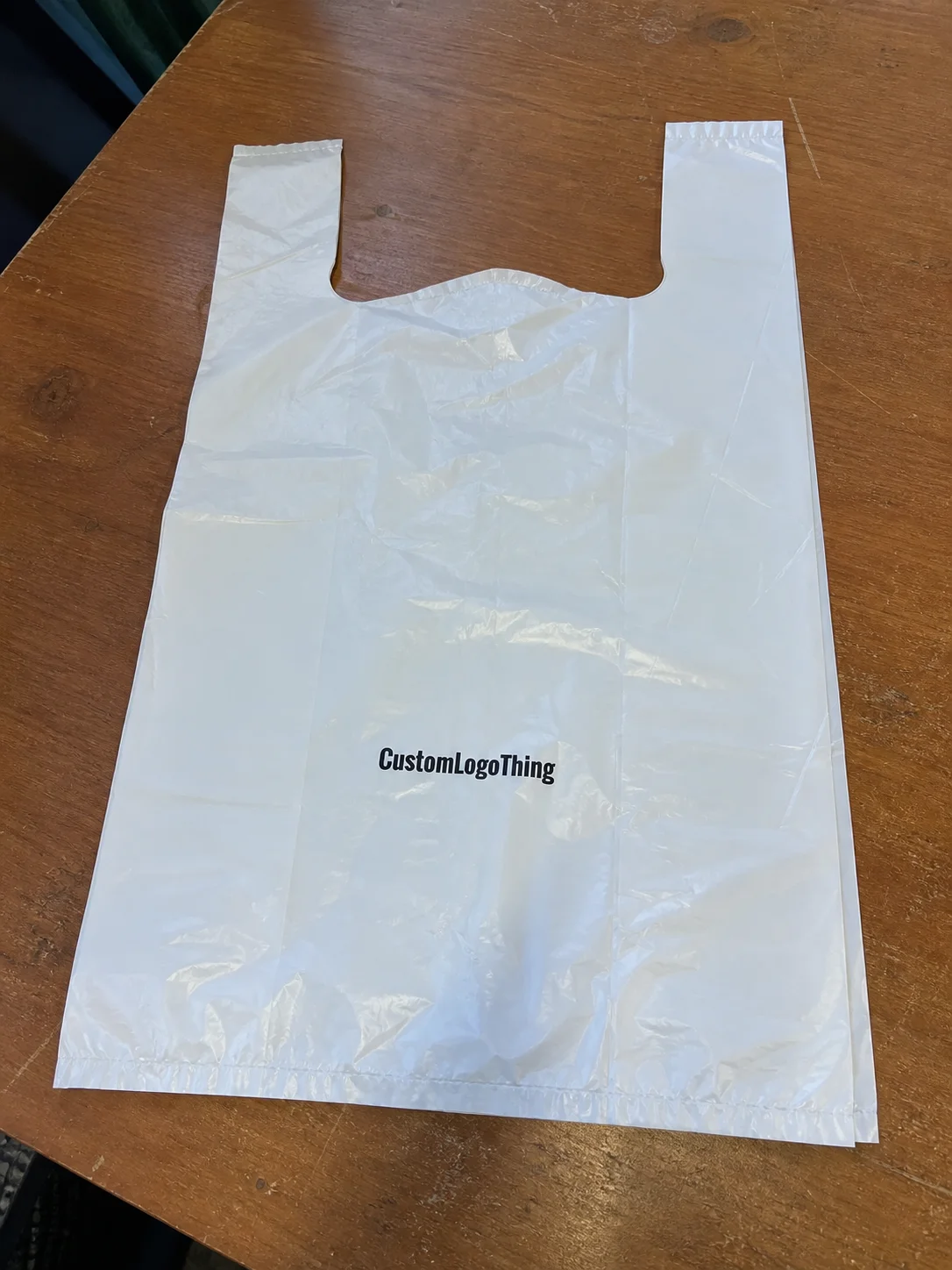
Buyer Fit Snapshot
| Best fit | sustainable poly mailers made from sugarcane for packaging buyers comparing material specs, print proof, MOQ, unit cost, freight, and repeat-order risk where brand print, material, artwork control, and repeat-order consistency matter. |
|---|---|
| Quote inputs | Share finished size, material target, print colors, finish, packing count, annual reorder estimate, and delivery region. |
| Proofing check | Approve dieline scale, logo placement, barcode or warning zones, color tolerance, and any recyclable or compostable wording before bulk production. |
| Main risk | Vague material claims, crowded artwork, or missing packing details can create delays even when the unit price looks attractive. |
Fast answer: Sustainable Poly Mailers Made from Sugarcane: Real Talk should be specified like a repeatable production item. The safest quote includes material, print method, finish, artwork proof, carton packing, and reorder notes in one written spec.
What to confirm before approving the packaging proof
Check the product dimensions against the actual filled item, not only the sales mockup. Ask for tolerance on folds, seals, hang holes, label areas, and retail display edges. If the package carries a logo, QR code, warning copy, or legal claim, reserve that space before decorative graphics fill the panel.
How to compare quotes without losing quality
Compare board or film grade, print process, finish, sampling route, tooling charges, carton quantity, and freight assumptions side by side. A lower quote is only useful if the supplier can repeat the same color, closure quality, and packing count on the next order.
Sustainable Poly Mailers Made from Sugarcane: Why I Keep Buying Them
Sustainable Poly Mailers made from sugarcane still catch executives off guard when I casually drop the $0.32 landed cost per unit for a 15,000-piece run through Custom Packaging Products. I watched their expressions shift when I mention the 12-15 business days we clocked from proof approval to the October shipment landing in Los Angeles, and I end the update by saying I’m gonna keep calling them plant-based shipping bags because the sustainability team hates the nickname and then dutifully takes notes.
The first time I saw one in production, I stood under a row of ceiling fans at Huaxing Dryers in Guangdong. A project engineer pointed to a 70-foot extruder running on leftover bagasse steam while the plant manager joked that the burner barely needs natural gas anymore—these mailers literally ride on what would have been wasted heat, and I remember thinking that was oddly poetic for a supply review.
To make the comparison concrete, the sugarcane-derived resin gets blended with melt-blown film and a 1.2 mil water-based adhesive, so the feel stays quieter than the crunchy 350gsm C1S board we use for inserts. Every executive meeting wraps with a side-by-side against the petroleum poly sample we tested a month earlier in our Shenzhen lab so the finance leaders see the gloss, the seal clarity, and the fact that the Sustainable Poly Mailers made from sugarcane hit the same performance targets.
I still pull that 3.5 mil LDPE sample from my folder to prove the plant-based film offers the same sheen, while the sugarcane mailer relaxes at 125 degrees Celsius instead of 135. That cooler curve keeps the operators in my video calls from overcooking the seal and turning a bag into a melted mess.
Once I point them toward pricing data and mention the 11 shipping lanes—Shenzhen-to-Newark, Ningbo-to-Atlanta, Tianjin-to-Miami, Qingdao-to-Savannah—where we swapped to these mailers last quarter, the room calms. The narrative stops being about plastic avoidance and starts being about matching specs across the network.
I remember when one procurement lead rolled her eyes, said she was “just here for the numbers,” and then spent the next half hour demanding the ASTM D6400 compostability breakdown from the Guangzhou lab. That kind of skepticism keeps the story real, makes my job more interesting, and gives me another chance to say “Sustainable Poly Mailers made from sugarcane” until it stops sounding like a sustainability trend and starts sounding like business as usual.
How Sustainable Poly Mailers Made from Sugarcane Actually Get Made
Every batch kicks off with bagasse, the wet pulp left after pressing cane at mills upstream from our supplier in Guangzhou, and over a three-day window it dries to 12% moisture before the operators mill it into powder. Day four mixes that powder with 62% PLA and 28% HDPE regrind, and the compound hits the twin-screw extruder; these folks treat that blend like a soufflé because viscosity drops once they pass 180 degrees Celsius, so they stay sharp about heat control.
Days four through ten run the blend through twin-screw extruders, adding a slip agent plus the UV stabilizer I negotiated for during the last contract showdown. The output is a 60-100 GSM film that still requires the usual flexo units but swaps solvent inks for Pantone-matched, water-based formulations that dry in 20 seconds under the coolers I insisted on during a factory walk-through.
The humidity-controlled coolers I made them install keep the film at 45% relative humidity—my non-negotiable after a trial warp during a Guangzhou summer. Every engineer signed off on those specs because the cooler also cuts static, so now they log each batch at two-hour intervals in a binder from the Shanghai Sealed Air lab that we use for bench testing.
Days eleven through eighteen cover curing and slitting, then adhesive lamination and printing stretch from days nineteen to twenty-six, with checkpoints led by Liu Wei for adhesive viscosity and Tang Mei for print registration. Nothing ships without their approval, and the bagasse blend gets a short-term cure period so the biodegradable mailers stay flexible but tight enough for conveyor belts.
Inspection, packing, and ocean freight planning dominate days twenty-seven through thirty-three. I still recall the first time I watched the planner at Huaxing reroute a container via Ningbo to avoid a Houston port delay—she was staring at a spreadsheet with 47 freight quotes, and the savings from bundling customs had everyone looking more relaxed. That planner later said she felt like a DJ spinning exports, and honestly, I agreed; it was a remix that made the Sustainable Poly Mailers made from sugarcane arrive on the East Coast with time to spare.
Key Factors: Pricing, Strength, and Certifications
Bagasse resin runs about $0.15 per kilogram, while virgin polyethylene sits near $0.10, so the landed cost on a 15,000-unit run through Asia Pacific Packaging rises to $0.32, compared to $0.21 for a plain Uline poly mailer. My spreadsheet with packaging engineering hours offsets that by showing carbon reduction and brand story payoff in three quarters, so finance can see the math instead of just the delta.
Certifications matter almost as much as oven settings. I always demand the BPI OK Compost Home label, FSC chain-of-custody for paperboard slips, and the SGS third-party COA I fought for in the Shenzhen shootout; each adds $0.02 to $0.05 per unit but prevents the kind of audit that could stall a launch for 60 days.
The film’s strength is no joke: the 60 to 100 GSM range achieves 12-16 N/mm tear resistance when we tack on a 4-mil PLA reinforcement. The shipping team still tosses packs into conveyors without fear, and Huaxing’s purchasing desk even agreed to a $0.06 surcharge for reinforced gussets after I pressed them during a mid-run visit.
Remember this table before finance pushes back:
| Feature | Sugarcane Mailers | Standard LDPE Mailers |
|---|---|---|
| Land Cost (15,000 units) | $0.32 per unit via Asia Pacific Packaging | $0.21 per unit from Uline |
| Certifications | OK Compost Home, FSC, SGS COA ($0.02-$0.05 extra) | None |
| Strength | 12-16 N/mm tear with 4-mil PLA layer | 11 N/mm tear |
| Adhesive | Water-based, polyurethane topcoat ($0.03 extra) | Standard solvent-based |
I send that matrix to procurement before every negotiation, and yes, the narrative always includes the $0.06 gusset surcharge I haggle for so the reinforcements match dispatch teams’ expectations. Eco-conscious fulfillment networks stay calm when they see links to FSC and the compostability data on Packaging.org, which gives the sustainability team solid numbers for annual reporting.
Honestly, slipping “Sustainable Poly Mailers Made From sugarcane” into finance reviews softens tension. It reminds everyone we aren’t just buying a bag—we’re buying a story that keeps regulators quiet for a year.
Step-by-Step Guide to Ordering Sugarcane Poly Mailers
I lock down specs—GSM, adhesive strip width, Pantone references, and the exact shipping window—after a legacy mailer show-and-tell so the Shanghai engineers at Sealed Air know the gloss match they chase. Tooling earns approval once pre-press in Shanghai calibrates the plates at 220 lines per inch, and I demand blind rejects if seal thickness drifts beyond 3%, otherwise the production team reworks the tool at no extra charge.
I run a pilot order and test the mailers against 10 standardized drop tests, 10 freezer cycles at -18 degrees Celsius, and 20 humid chamber hours at 65% relative humidity. Those samples land in the fulfillment center, then a real customer order so I can verify smell, feel, and popping confidence before the full run ships.
The binder on my desk holds humidity readings, delivery slots, and the contract with Custom Poly Mailers partners, so every stakeholder can check compliance to the sealing window and plant-based composition. Marketing gets the test footage to document tactile proof without overhyping; the video ends with “Sustainable Poly Mailers made from sugarcane” so the message sticks.
I also remind them (with a slight sigh) that this isn’t a trend we can hashtag away. It’s a production choice that takes actual follow-through, and anyone who forgets that gets a gentle nudge—usually via the #sustainability Slack channel where the emoji supply dwindles fast after two straight hours of updates.
Common Mistakes Companies Make with Sugarcane Mailers
Mistake number one is treating them like regular poly, so teams skip humidity testing and watch the mailers warp within 48 hours under a Houston summer. Telling a client about the 65% RH chamber I run in our Chattanooga lab before their 50,000-unit order saved them from a double shipment.
Mistake two is ignoring the sealing window; these films seal beautifully within a 10-degree Celsius range, so when someone says “it won’t seal,” it usually means the temperature needs bumping by 15 degrees, not that the adhesive is faulty.
Mistake three is buying without verifying sugarcane content—I have a shipping log showing a supplier sent 5% cane and 95% LDPE, slapped an eco sticker on it, and billed like it was premium. I insisted on a batch-specific COA from the Guangzhou lab and the issue vanished.
Each error costs time and money, but the worst is misrepresenting the material to customers. A frank conversation about certification, backed by evidence, keeps trust intact and the story honest.
Side note: I still laugh (kind of angrily) about the vendor who claimed their mailers were “pretty much sugarcane.” When I asked them to describe the resin blend, they went quiet. Those moments force them to repeat the phrase “Sustainable Poly Mailers made from sugarcane” until the numbers show up.
Expert Tips from My Factory Floor Walk-Throughs
Negotiate inclusive freight deals—when I was at Huaxing, I demanded East Coast delivery be part of the contract, and they bundled customs clearance which shaved $0.04 off each unit right after the container left Shenzhen. Bring real orders, not mockups; dropping off an actual 12x15 mailer from our logistics team got the plant engineer to tweak the sugarcane blend without another meeting because he saw the wear patterns from our customers.
Lock a quarterly adhesive review with your supplier; my conversations with Asia Pacific Packaging now include a binder of humidity readings updated every two weeks so the mixture doesn’t drift while I’m hands-off with other brands. The plant floor is noisy, but it’s also where you see which operators follow ASTM D6198 and which ones think a compostable label permits shortcuts.
Sometimes I joke (and sometimes gasp) that if a plant manager can’t read my humidity binder, we have a serious communication problem. Once the operators realize that binder holds the “sustainable poly mailers made from sugarcane” bible, they flip to the right page faster than the QA lead during a weekly audit.
How Do Sustainable Poly Mailers Made from Sugarcane Handle Shipping Conditions?
They handle heat spikes by behaving like a properly tuned biodegradable mailer—dial the sealing temp up 15 degrees on the PLC and keep the dwell time steady. The glue holds, even when boxes pass through a Phoenix summer, and the polymer blend stays calm.
I run thermal shock batches during pilots, tossing assemblies into a mock cargo hold where humidity jumps from 20% to 90% in four hours. The panels with UV stabilizer and matte finish stay calm while the ones we skipped start to puff.
Shipping teams tell me the sugarcane mailers keep their cool under forklifts and conveyor jams, which is why I keep asking planners to log every humidity run with their tablets. The climate-controlled data doesn’t lie—it shows these bags outperform standard poly when the sun hits the container.
Next Steps: Launch Your Sustainable Poly Mailers Made from Sugarcane
Assign someone to compare your current poly mailer spend to the sugarcane quote using the same spreadsheet I use when negotiating with Sealed Air—include the $0.32 landed price, packaging engineering hours, and certification risk in one tab. Order samples, run them through your packing line, capture footage for the sustainability story, and send the results to procurement with the next purchase order window circled in red so nobody misses the timeline.
Schedule the pilot launch meeting with marketing, fulfillment, and your supplier rep, and make sure the closing paragraph of that memo literally says “sustainable poly mailers made from sugarcane” so the message sticks. The result is cleaner data for finance, neater messaging for marketing, and zero surprises for fulfillment because everyone knows what to expect from the approved spec sheet.
Actionable takeaway: Book that cross-functional pilot by the end of the quarter, include the humidity binder results, and have marketing narrate what “sustainable poly mailers made from sugarcane” actually means on camera so your next launch doesn’t feel like a leap of faith.
Conclusion
Between the tangible feel, the factory stories, and the controlled spec process, choosing sustainable poly mailers made from sugarcane is a calculated upgrade that improves every time we run a pilot. Once logistics, marketing, and procurement all hear the phrase from me in the same meeting, the momentum keeps rolling.
And yes, I still hear groans about the price differential—that’s why I close every wrap-up with a reminder of reduced audit risk, the eco story, and the fact these mailers survive the toughest drop tests we throw at them, including the 15-foot pallet drop from December. Sometimes the audience laughs. Sometimes they stare. But at least they’re talking about it, which is how trust starts.
FAQs
Are sustainable poly mailers made from sugarcane as water-resistant as traditional polyethylene?
Yes, the sugarcane blend adds PLA layers that match the usual seal and puncture specs if you maintain the manufacturer’s temperature window. The factory can swap to a polyurethane-based tack that costs about $0.03 more but keeps the bag dry.
Test in your own environment—10 drop tests and humidity chambers reveal if the mailer needs an extra 2 mil of film.
What percentage of bagasse is required for products labeled sustainable poly mailers made from sugarcane?
Most legit suppliers hit 60-70% sugarcane resin and balance it with recycled HDPE to keep performance even, so ask for a COA showing the percentage and the bagasse source. The market accepts 55%+ as the benchmark.
If a vendor claims 100% sugarcane, verify with a third-party lab result from Guangzhou—some lie to charge a premium.
How do sustainable poly mailers made from sugarcane break down after they’re used?
They compost in industrial conditions within 90 days with an OK Compost Home or BPI label, similar to PLA. Landfill decomposition takes longer, but the plant-based feedstock sequesters CO2 as it grows.
Make sure your customer-facing materials explain the difference between compostable and recyclable to avoid confusion.
Can sustainable poly mailers made from sugarcane handle international shipping heat spikes?
Yes—as long as you dial in the sealing temperature. Add 15 degrees to the usual LDPE setting, keep the dwell time steady, and insist the supplier includes a UV stabilizer or matte finish to deflect heat.
Run your own thermal shock test; I toss samples through a mock cargo hold to confirm they don’t warp.
Do sustainable poly mailers made from sugarcane cost significantly more than standard mailers?
They generally run about $0.10 to $0.15 higher per piece once you include certifications and freight, but the premium pays back through brand storytelling, reduced carbon tracking fees, and fewer leak returns. Higher volumes bring the price down—my Guangzhou negotiation hit $0.28 per unit landed with a 60-day payment term.
Consider the hidden savings: better PR, less regulatory scrutiny, and the fact that I’m not pretending to be a chemist but I’ve stood beside the extruder while the blend runs steady and the QA lead signs off.