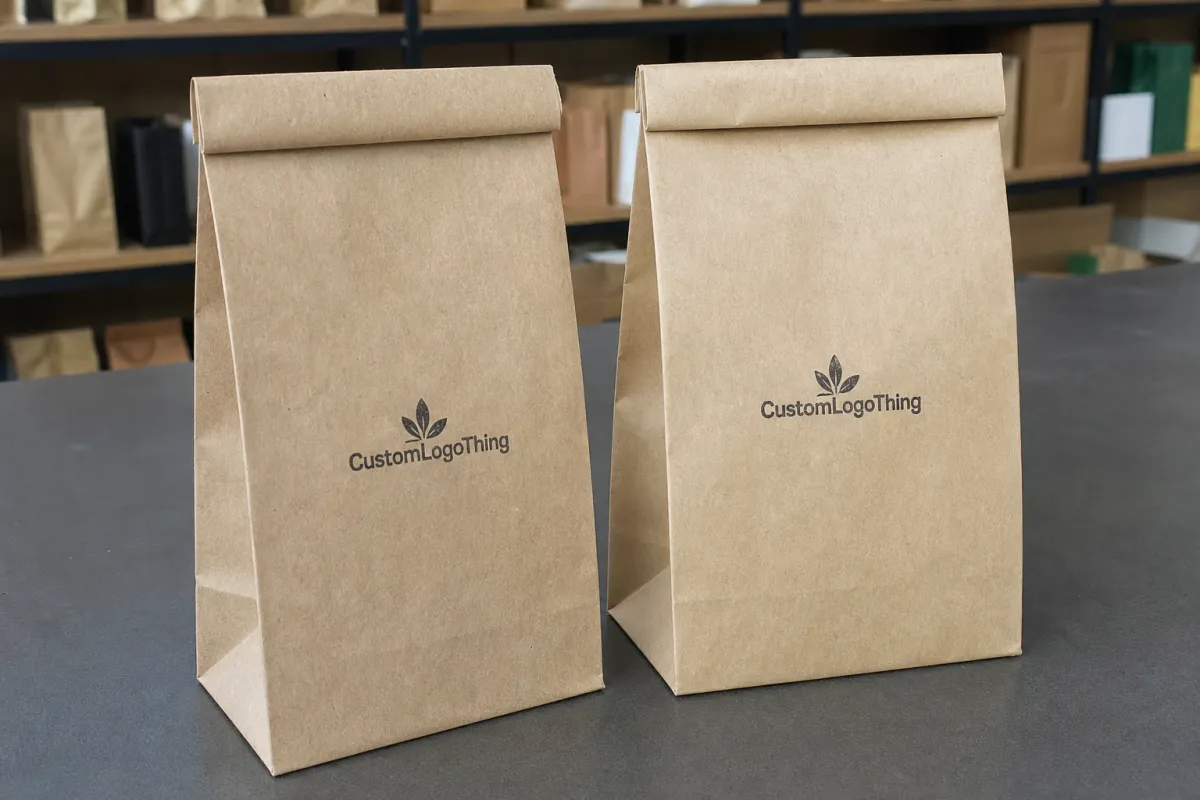
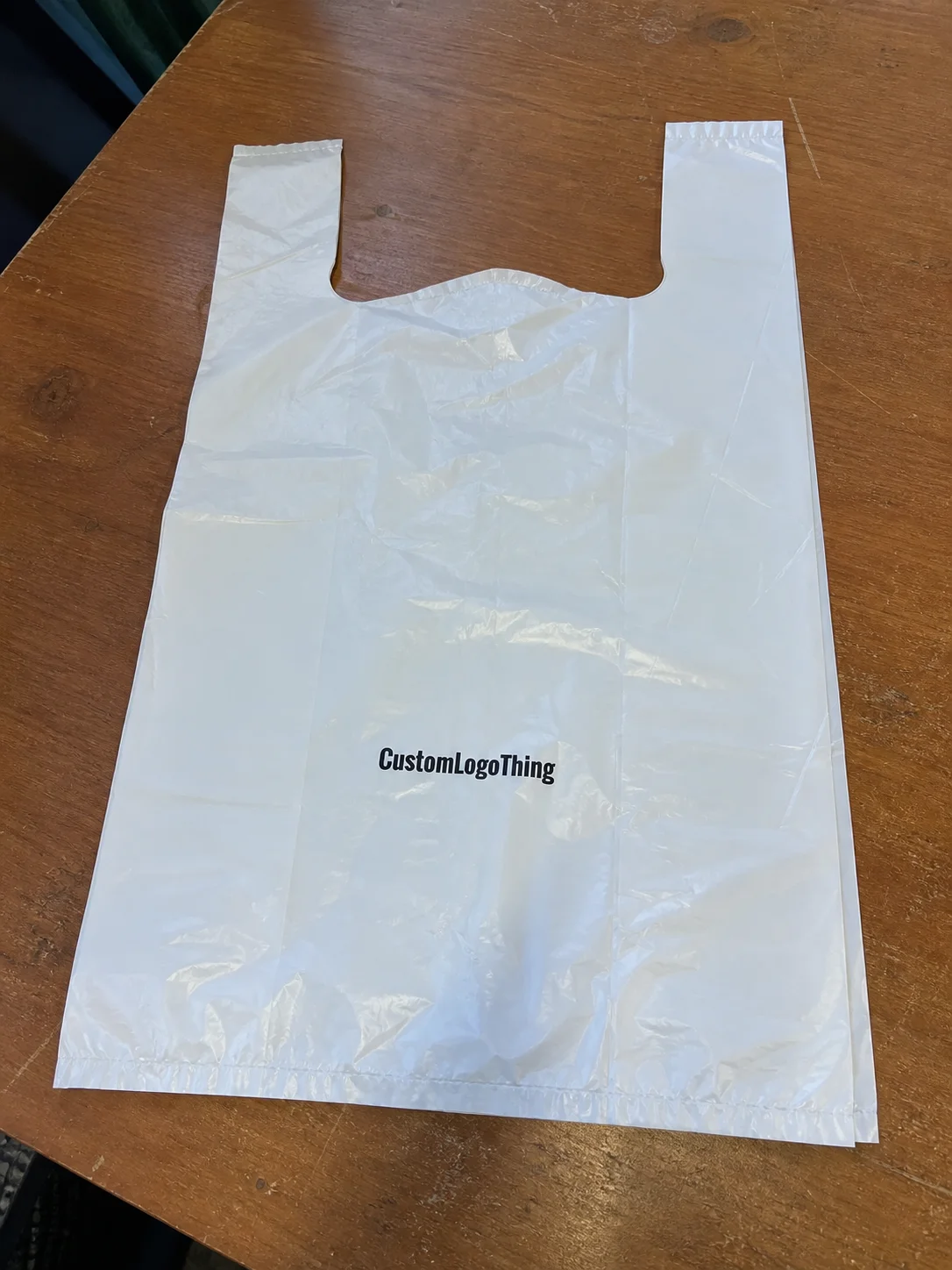
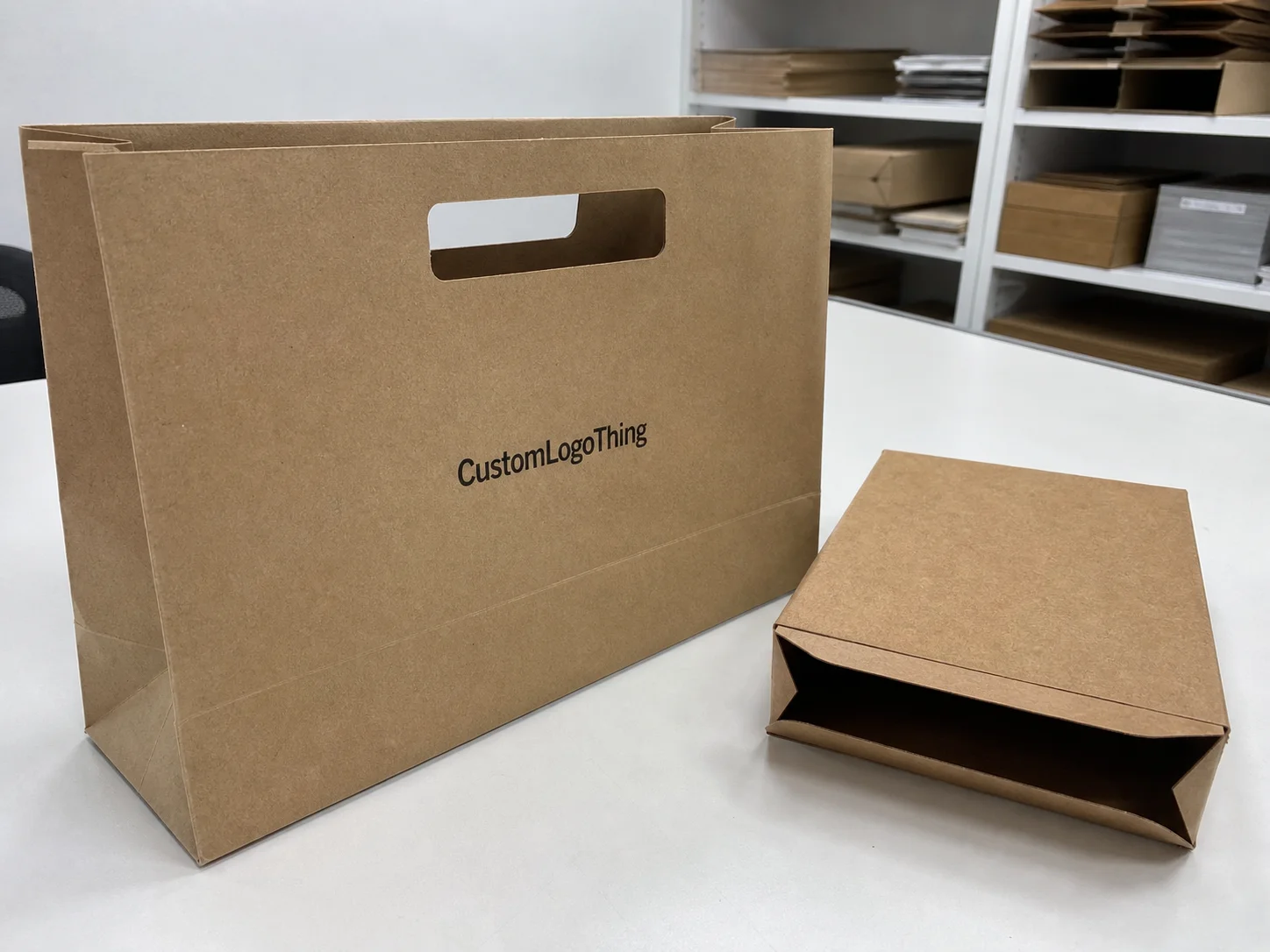
Buyer Fit Snapshot
| Best fit | to branded paper bag design for packaging buyers comparing material specs, print proof, MOQ, unit cost, freight, and repeat-order risk where brand print, material, artwork control, and repeat-order consistency matter. |
|---|---|
| Quote inputs | Share finished size, material target, print colors, finish, packing count, annual reorder estimate, and delivery region. |
| Proofing check | Approve dieline scale, logo placement, barcode or warning zones, color tolerance, and any recyclable or compostable wording before bulk production. |
| Main risk | Vague material claims, crowded artwork, or missing packing details can create delays even when the unit price looks attractive. |
Fast answer: To Branded Paper Bag Design: Film, Closure, Print, and Fulfillment should be specified like a repeatable production item. The safest quote includes material, print method, finish, artwork proof, carton packing, and reorder notes in one written spec.
What to confirm before approving the packaging proof
Check the product dimensions against the actual filled item, not only the sales mockup. Ask for tolerance on folds, seals, hang holes, label areas, and retail display edges. If the package carries a logo, QR code, warning copy, or legal claim, reserve that space before decorative graphics fill the panel.
How to compare quotes without losing quality
Compare board or film grade, print process, finish, sampling route, tooling charges, carton quantity, and freight assumptions side by side. A lower quote is only useful if the supplier can repeat the same color, closure quality, and packing count on the next order.
The guide to Branded Paper Bag Design starts with a simple truth I’ve watched play out on factory floors, in mall kiosks, and at luxury retail counters: the bag often gets seen by more people than the product inside it. A customer may buy one candle, one sweater, or one takeaway pastry, yet that bag can travel through a train station, sit on an office desk, and end up in a social post with 20,000 views. That is a lot of exposure for a piece of paper, which is exactly why the guide to branded paper bag design matters so much to brands that care about recognition, trust, and presentation.
When people hear the guide to branded paper bag design, they sometimes think it only means placing a logo on kraft paper. That is the smallest part of it. Real branded paper bag design includes structure, paper grade, handle style, print method, finish, and even the message hierarchy on each panel. I’ve stood beside a Heidelberg press in a Guangdong converting plant while a buyer from a fashion chain pointed at a dull logo and said, “Why does this look flat?” The answer was not the logo itself; it was the uncoated stock, the weak ink density, and the poor use of white space. Small choices like that can make a bag feel either thoughtful or forgettable.
If you want a practical reference point, the best branded bags behave like moving billboards with manners. They carry weight, they reinforce identity, and they don’t shout at the customer. A polished bag can create repeat impressions in stores, elevators, cafes, office lobbies, and even in the background of user-generated content. A generic carry bag just transports goods. A deliberate branded package supports the whole customer experience, and that difference is exactly what this guide to branded paper bag design is built to explain.
Why branded paper bags matter more than most people think
In retail, hospitality, and events, I’ve seen a well-made paper bag do quiet but valuable work. A bakery in Melbourne once moved from plain white takeaway sacks to a printed 120gsm kraft bag with a 4-color flexo print and twisted paper handles, and staff told me customers started asking for “the pretty bag” by name. That is not a small thing. Packaging becomes part of memory, and memory drives return visits.
A good guide to branded paper bag design should make one thing clear: the bag is not a separate item from the brand. It is part of the brand system. The typography should match the website, the color palette should align with the box or tissue paper, and the finish should reflect the price point. A matte black bag with soft-touch lamination says something very different from a recycled kraft bag with a one-color water-based print. Both can be excellent; they just tell different stories.
I’ve also watched brands underestimate visibility. A customer carrying a bag through a busy shopping district can create dozens of impressions in a single afternoon, especially in transit-heavy areas like subway platforms, airport terminals, and food courts. If the bag is designed with clear hierarchy, the logo is readable from several feet away, and the side panels carry a secondary mark or tagline, the brand gets free repetition without looking pushy.
“We thought the bag was just packaging,” one luxury boutique manager told me during a supplier review, “until we saw how often people photographed it outside the store.”
That kind of feedback comes up more than you’d think. A strong guide to branded paper bag design helps teams stop treating bags as afterthoughts and start treating them as one of the most visible brand assets in circulation.
Guide to branded paper bag design: from concept to print
The workflow behind the guide to branded paper bag design usually begins with a brief that should include more than just artwork. I always want to know the product weight, the retail setting, the target price point, and whether the bag needs to survive one carry or multiple uses. A paper bag for folded T-shirts is a different animal from a rigid gift bag for cosmetics or a food-service bag carrying boxed meals.

From there, the designer or packaging engineer builds the dieline. That is the flat technical map showing the front, back, gussets, bottom panel, fold lines, glue zones, and handle attachment areas. In one Shenzhen facility I visited, a client insisted on centering a large crest logo across the fold line, and the result looked fine on screen but broke badly once the bag was formed. That is the kind of mistake a proper guide to branded paper bag design should prevent before anyone spends money on plates or proofs.
Structural choices Matter More Than most buyers expect. A deeper gusset can improve capacity for shoeboxes or apparel cartons, but it also changes the visual proportions of the printed side panel. Heavier paper, such as 170gsm to 250gsm art paper or white kraft board, improves rigidity and hand feel, but it raises material cost and may need better crease scoring during conversion. Handle type matters too: twisted paper handles are economical and common for retail, while cotton rope, satin ribbon, or die-cut reinforced handles can push the bag into premium territory.
Printing methods shape the final result as well. Flexographic printing is common for high-volume kraft bags because it handles simpler graphics efficiently, especially one- and two-color work. Offset printing gives sharper detail and richer gradients on smoother stocks, which is why it often appears on premium shopping bags. Foil stamping, embossing, and debossing add texture and light interaction, but they also add tooling steps and tighter setup control. In the middle of a press run, I’ve seen ink coverage shift slightly because board direction or humidity changed overnight, and that is why a good guide to branded paper bag design always includes a warning about factory realities: registration tolerance, glue lines, fold memory, and drying time all affect the finished bag.
For print buyers who want to understand broader packaging standards, the Paper and Packaging Board and industry resources from the Institute of Packaging Professionals can be useful, and the ISTA testing protocols are worth reviewing if the bag will travel with heavier retail kits or shipped bundles. For material sourcing, FSC guidance at fsc.org is a sensible reference point when sustainability claims matter. Those references are not magic answers, but they do help teams ask better questions before a purchase order is signed.
Key factors that shape a strong paper bag design
A strong guide to branded paper bag design should start with brand alignment. The bag should look like it belongs to the same family as the website, storefront, and product labels. If the brand uses a restrained palette of black, cream, and brass, the bag should probably avoid a rainbow of extra colors unless there is a very deliberate campaign reason. Typography matters too. I’ve seen a beautiful logo ruined by a cramped serif font on a small gusset panel, where the reader had to squint just to understand the brand name.
White space is not empty space. It is one of the most effective design tools in packaging. A premium brand can use generous margins, a centered logo, and a calm layout to suggest confidence. A youth-focused brand may prefer a bolder, denser composition with larger type and more side-panel messaging. The point is that the layout should match the brand voice. That is a core lesson in any serious guide to branded paper bag design.
Functionality is just as important. A bag for hardcover books needs a different structure than one for pastries, perfume boxes, or folded garments. Handle comfort matters when the bag carries 2.5 kg to 5 kg of product, and the bottom board matters when the contents are rigid or sharp-edged. I once worked with a client who wanted a slim boutique bag for ceramic mugs; the first sample looked elegant, but the paper was too light at 150gsm, and the bottom panel started to bow under load. We moved them to a heavier stock with reinforced folding, and the problem disappeared.
Sustainability has become a standard part of the conversation, but it needs to be handled honestly. Recycled kraft, FSC-certified paper, and water-based inks are widely used and can support a cleaner brand story, yet those materials also affect print appearance. Kraft absorbs ink differently from coated white stock, so dark tones may look warmer and lighter tones may sink into the fibers. That is not a defect; it is simply how the substrate behaves. A practical guide to branded paper bag design should prepare buyers for that instead of pretending every paper behaves the same way.
Pricing is shaped by clear variables: paper stock, ink count, quantity, handle type, lamination, foil, embossing, and setup charges. A 5,000-piece order in a single-color print may land at a much lower unit cost than a 20,000-piece run with foil and ribbon handles. As a rough factory-side example, a standard twisted-handle kraft bag might cost around $0.18 to $0.32 per unit at moderate volume, while a premium laminated offset bag with foil accents can climb well above $0.60 per unit depending on size and finish. The exact number depends on supplier location, freight terms, and the specifications in the drawing, so a trustworthy guide to branded paper bag design should never pretend pricing is one-size-fits-all.
Step-by-step: designing a branded paper bag the right way
- Define the job. Before any artwork starts, decide whether the bag must hold a 1 kg pastry box, a 3 kg apparel purchase, or a 6 kg gift set. The use case determines the structure.
- Choose size and paper grade. A 150gsm bag may be fine for lightweight retail goods, while 180gsm to 250gsm is often better for premium shopping bags. A proper guide to branded paper bag design always ties size to load, not just to aesthetics.
- Build the artwork on the dieline. Leave safe zones near folds, handles, and glue areas. Put the logo where eyes naturally land: front center, upper third, or a bold side panel.
- Check technical limits. Avoid tiny reversed text on kraft, thin lines under 0.25 pt, and large dark fills that may show banding on flexo equipment.
- Request proofs and samples. Ask for digital proofs, then a physical sample if the budget allows. Check fold accuracy, handle pull strength, and color under natural light.
I always recommend asking for one production sample and one mock-up if the bag is being used for a launch. During a client meeting in Singapore, a cosmetics brand thought their blush-pink print was perfect on-screen, but the real paper had a warmer tone that shifted the palette noticeably. We fixed it with a shade adjustment and a switch to whiter stock. That saved them from a costly run of 30,000 bags that would have looked off-brand.
This is where a detailed guide to branded paper bag design earns its keep. Screen visuals can flatter almost anything, but paper, glue, board grain, and pressure on the press all tell the truth. If you can, keep one team member focused on production realities while the creative team handles the look. That balance prevents expensive surprises, and honestly, it saves a lot of back-and-forth that nobody enjoys.
Timeline and production planning for branded paper bags
Most paper bag projects move through design approval, prepress, plate or plate-free setup, printing, drying, converting, quality control, and shipping. A simple order may take 12 to 15 business days from proof approval, while premium finishes or structural changes can extend that to 20 business days or more. A guide to branded paper bag design should always include scheduling because paper bags are often needed for store openings, trade fairs, and seasonal retail windows that do not forgive delays.
Lead time is affected by order size and finish complexity. A 2,000-piece short run with plain flexo printing can move quickly, while a 50,000-piece order with foil stamping, lamination, and custom rope handles needs more setup, more curing time, and more handling. If there is a rainy season, a holiday rush, or a port delay in the supply chain, add buffer days. I’ve seen buyers lose a launch week because they approved artwork two days before a shipping cutoff. The bags were good. The timing was not.
Plan extra rounds for color matching if brand colors are sensitive. Pantone references help, but paper absorbs ink differently across kraft, coated white, and textured stock. For that reason, a reliable guide to branded paper bag design should tell you to allow time for proofing under actual lighting conditions, not just office fluorescence.
If the bags are for a store launch or trade show, I’d order earlier than the team thinks necessary. For holiday retail periods, I usually recommend getting artwork locked and samples approved at least 6 to 8 weeks ahead, especially if you need cartons packed in export-ready cases or barcode labels for distribution. That kind of planning sounds conservative until the freight line fills up.
Common branded paper bag design mistakes to avoid
The most common mistake I see in a guide to branded paper bag design project is visual overcrowding. Too many logos, taglines, social handles, website addresses, and decorative patterns can make the bag feel noisy and cheaper than it should. One logo, one strong type treatment, and one disciplined layout usually do more work than a crowded page.
Another frequent problem is weak contrast. Dark brown kraft with thin gray text is hard to read. White uncoated paper can hide pale colors if the ink density is not managed well. Text that looks clear on a monitor may become muddy on stock, especially after folding and creasing. I’ve seen bags where the brand name landed too close to the handle anchor, and the staple area pulled the eye away from the design every time. That sort of issue is avoidable if the dieline is reviewed carefully.
Paper weight is another trap. A bag that feels lovely in hand on the sample table may fail once it is loaded with bottles, boxed goods, or ceramic items. Thin paper can wrinkle, tear at the handle, or simply make the brand feel less substantial. Your guide to branded paper bag design should tie the stock to the real product load, not to a vague idea of “eco” or “premium.”
There is also the branding mismatch problem. If the paper bag looks elegant, but the ribbon, tissue, carton, and sticker feel unrelated, the customer notices the disconnect immediately. A coherent set of packaging materials creates a stronger impression than a single polished bag standing alone. That is why I often point clients to our Case Studies page when they want to see how paper bags fit into a broader packaging system.
Expert tips to make your paper bag design stand out
If I had to reduce the guide to branded paper bag design to one practical rule, it would be this: choose one thing to be memorable. That might be a centered foil logo, a bold side-panel message, a colored handle, or an embossed crest. Don’t try to make every surface shout for attention. Bags look more expensive when they are confident enough to leave some room for the eye.
Design for the street, not just the shelf. A bag may be held at waist height in a mall, carried by hand through a station, or photographed from an angle in natural light. That means the logo should be readable at a glance, the colors should hold up in different lighting, and the side panels should not be ignored. This is one of the simplest but most useful lessons in any guide to branded paper bag design.
Test a few paper and ink combinations before committing. Kraft gives a natural, textured story. White uncoated stock feels crisp and modern. Textured premium board can add tactility, but it may also affect fine-line printing. I’ve seen brands save money and improve appearance by doing just three sample builds before ordering at scale. That small effort can prevent a 40,000-piece regret.
My final advice is practical. Gather your bag dimensions, decide on the product weight, collect vector logo files, request a dieline, and approve a printed sample before full production. If you do those five things well, the rest of the process gets much easier. That is the difference between guessing and following a real guide to branded paper bag design that produces bags people want to carry.
Too many teams spend weeks choosing a logo color and only minutes checking the handle strength. That is backwards. A bag that looks beautiful but splits at the bottom does not build trust. A bag That Holds Up, prints clearly, and matches the rest of the packaging system becomes a quiet but powerful brand ambassador.
So if you are planning your next order, treat the guide to branded paper bag design as a production tool, not just a creative exercise. Start with function, build the artwork around the dieline, ask for a sample, and plan your timeline with real-world factory steps in mind. Do that, and your bags will do more than carry product; they will carry your brand with them.
FAQ
What is the best starting point for a branded paper bag design?
Start with the bag’s purpose, product weight, and customer use case before choosing graphics or finishes. Then select the right size, paper stock, and handle style so the bag performs well in real use and still supports the visual identity.
How much does branded paper bag design usually cost?
Cost depends on quantity, paper stock, print colors, handle type, coatings, and finishes such as foil or embossing. Higher-volume orders generally reduce unit cost, while custom structures and premium materials increase setup and production expense.
How long does branded paper bag production take?
Most timelines include design prep, proofing, printing, drying, converting, and shipping. Total time changes with complexity and order size, and extra proof rounds or specialty finishes can add days, so early planning is wise for launches and seasonal orders.
What paper stock is best for branded paper bag design?
Kraft is popular for eco-forward, natural branding, while white uncoated stock often gives sharper color contrast and a cleaner retail look. The best choice depends on the product weight, brand style, and whether the bag needs a premium, rustic, or minimalist appearance.
What are the most common mistakes in a guide to branded paper bag design?
Common mistakes include weak logo placement, poor contrast, ignoring fold areas, and choosing paper that cannot support the load. Another frequent issue is designing only for the screen instead of considering how the bag will look once printed, folded, and carried.
Related Articles
- Packaging Branding with Logo: Build a Stronger Brand
- Minimalist Logo Placement on Boxes: A Strategic Subtlety
- Unboxing Experience for Ecommerce: A Practical Branding Guide
- Packaging Branding Design Tips That Make Custom Boxes Sell
- Logo Packaging Custom Printed: A Smart Brand Guide