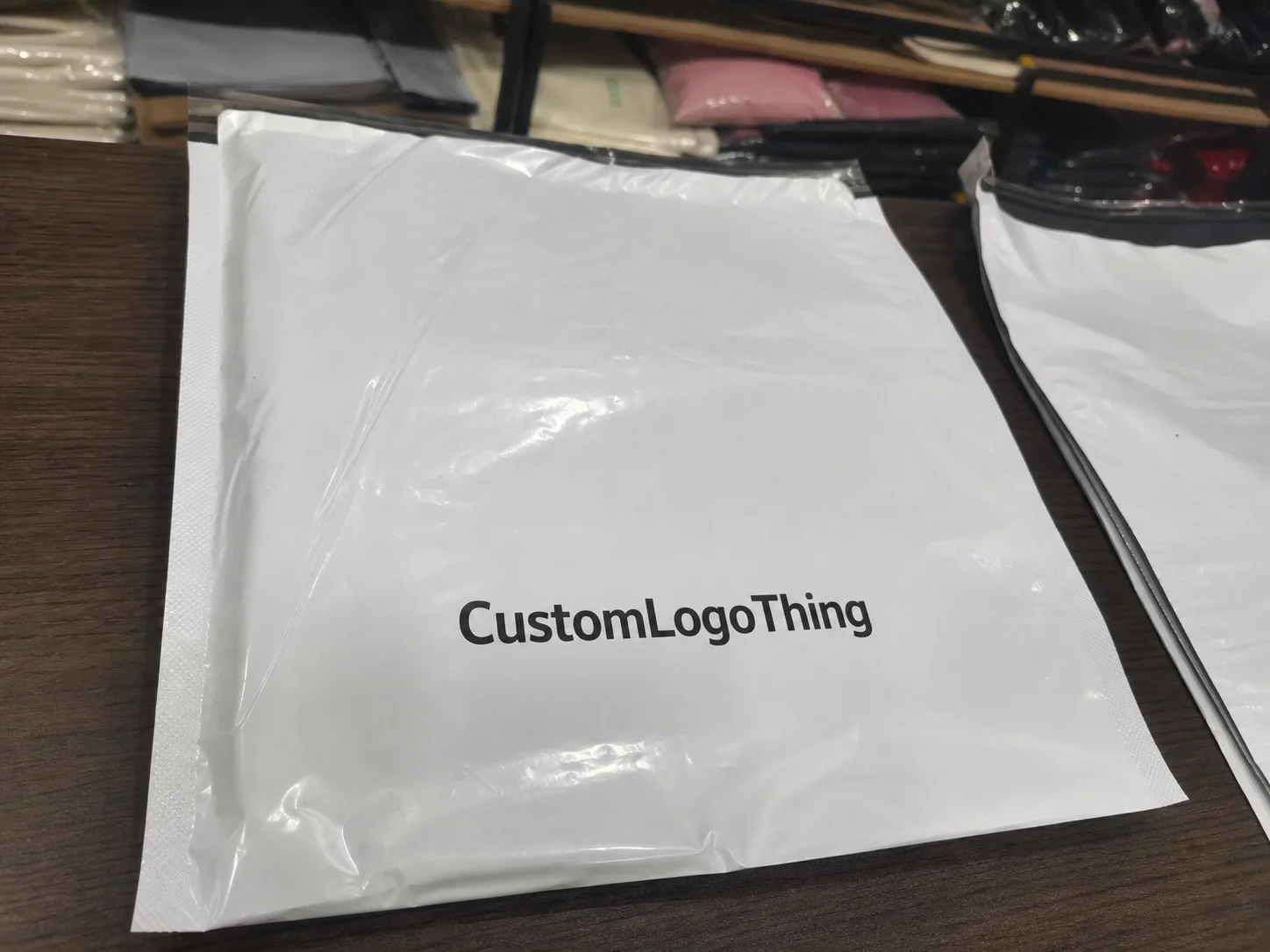
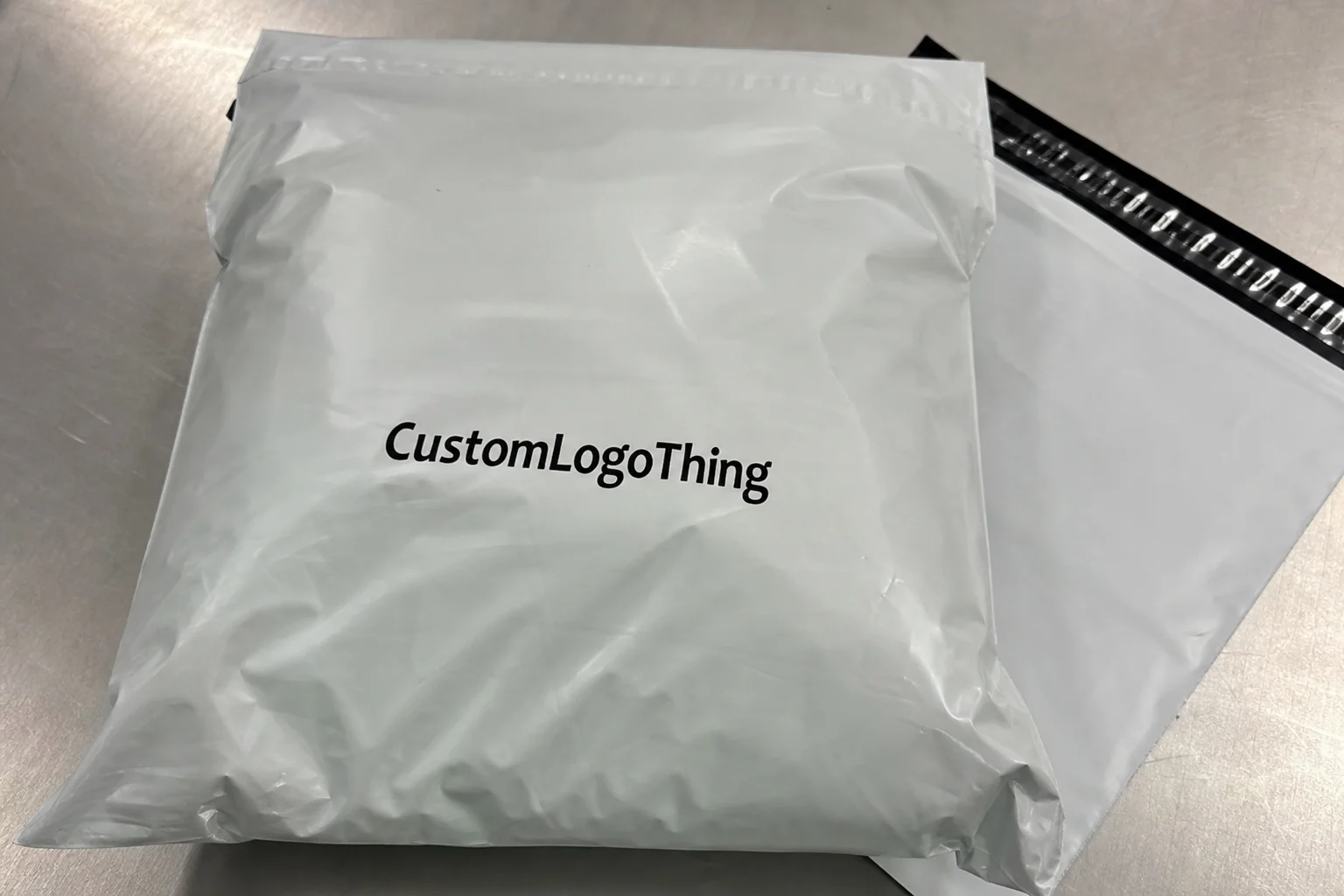
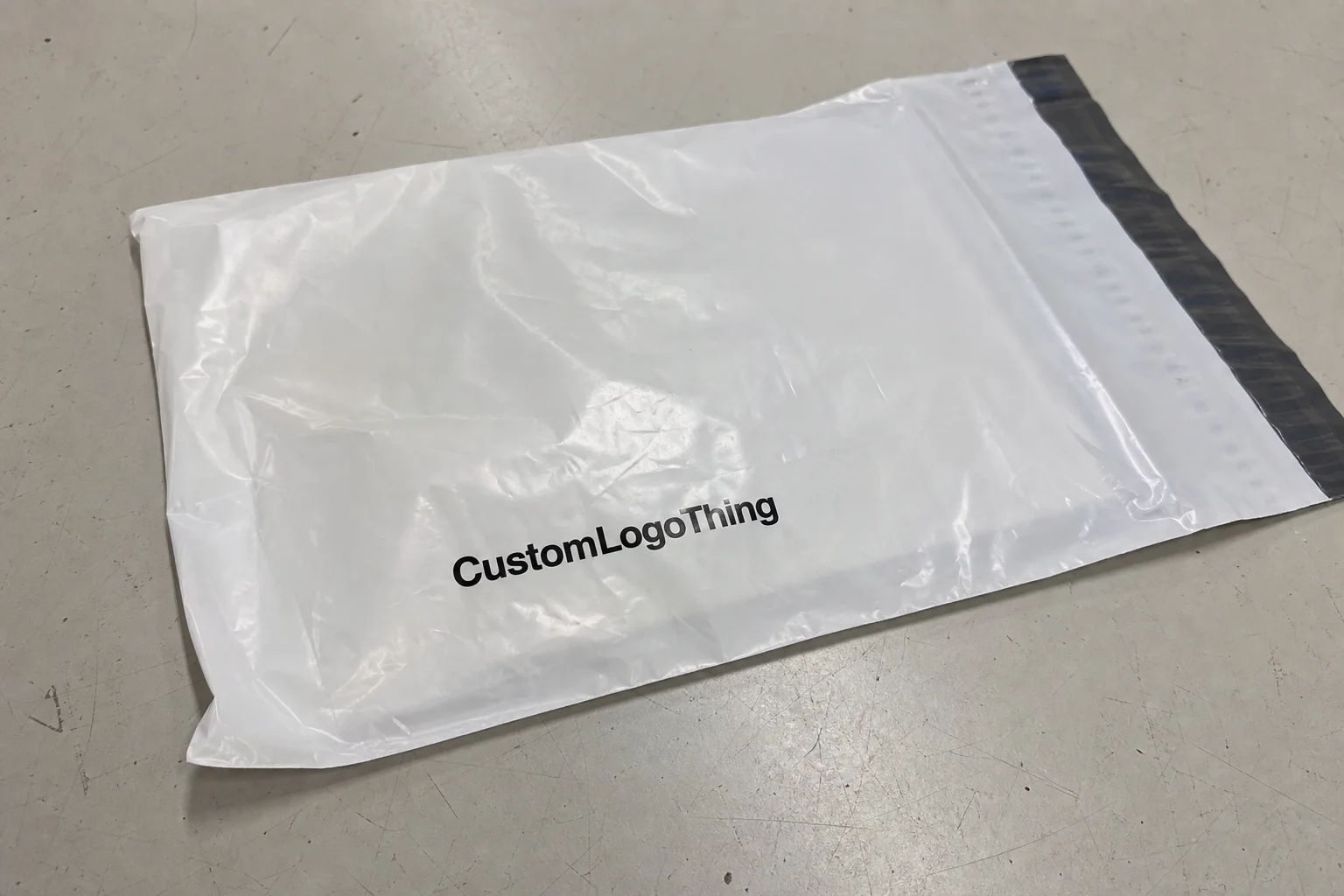
Buyer Fit Snapshot
| Best fit | to insulated poly mailers for perishables for packaging buyers comparing material specs, print proof, MOQ, unit cost, freight, and repeat-order risk where brand print, material, artwork control, and repeat-order consistency matter. |
|---|---|
| Quote inputs | Share finished size, material target, print colors, finish, packing count, annual reorder estimate, and delivery region. |
| Proofing check | Approve dieline scale, logo placement, barcode or warning zones, color tolerance, and any recyclable or compostable wording before bulk production. |
| Main risk | Vague material claims, crowded artwork, or missing packing details can create delays even when the unit price looks attractive. |
Fast answer: To Insulated Poly Mailers for Perishables: Film, Closure, Print, and Fulfillment should be specified like a repeatable production item. The safest quote includes material, print method, finish, artwork proof, carton packing, and reorder notes in one written spec.
What to confirm before approving the packaging proof
Check the product dimensions against the actual filled item, not only the sales mockup. Ask for tolerance on folds, seals, hang holes, label areas, and retail display edges. If the package carries a logo, QR code, warning copy, or legal claim, reserve that space before decorative graphics fill the panel.
How to compare quotes without losing quality
Compare board or film grade, print process, finish, sampling route, tooling charges, carton quantity, and freight assumptions side by side. A lower quote is only useful if the supplier can repeat the same color, closure quality, and packing count on the next order.
Why Your Perishable Shipments Are Failing (And How Insulated Poly Mailers Fix It)
I spent three years consulting with food brands before I understood the real cost of bad packaging. A client—selling artisanal cheeses direct-to-consumer—watched 8% of their shipments arrive spoiled during summer months. That's not just lost product. That's damaged customer relationships, refund chaos, and reviews that haunt you for years.
The USDA estimates about 30% of all food products get lost or wasted somewhere in the supply chain, and inadequate packaging contributes significantly to that number. Honestly, I wish someone had handed me this guide to Insulated Poly Mailers for perishables five years ago. Would have saved me a lot of late-night phone calls with panicked clients.
Insulated Poly Mailers for perishables solve a specific problem: they bridge the gap between premium products and the unforgiving realities of shipping. Standard bubble mailers offer cushioning but zero temperature protection. These specialized envelopes combine a tear-resistant polyethylene exterior with a thermal reflective lining—typically metallized PET or aluminum-coated polyethylene—that bounces radiant heat back toward your product.
Direct-to-consumer food sales have exploded. I visited a smoked fish producer in Wisconsin who went from farmer's market sales to shipping 500+ orders per week. Their initial packaging? Styrofoam coolers stuffed into oversized boxes. The dimensional weight charges alone were strangling their margins before they switched to properly-sized insulated poly mailers for perishables. Their exact words to me: "We were essentially shipping Styrofoam and charging customers for the privilege."
This guide walks through the thermal science, how to pick the right specs, packing techniques That Actually Work, cost breakdowns, and production timelines. By the end, you'll have a complete framework for implementing perishable shipping with confidence—or at least enough knowledge to ask your packaging supplier the right questions instead of nodding along like I did in my first supplier meeting. (Protip: the nodding thing doesn't work. They know.)
How Insulated Poly Mailers Work: The Science of Temperature Control
The magic happens in the lining. Standard poly mailers are single-layer polyethylene—cheap, water-resistant, utterly useless at maintaining cold chain integrity. Insulated versions add a thermal reflective layer that operates on a principle NASA actually developed for spacecraft: low-emissivity materials that reflect radiant heat rather than absorbing it.
When you place an ice pack or chilled product inside an insulated poly mailer, three heat transfer mechanisms fight against you: conduction (heat flowing through the material), convection (air movement around the mailer), and radiation (infrared heat bouncing off surfaces). The metallized lining in quality insulated poly mailers for perishables addresses radiation directly—it reflects up to 95% of radiant heat back toward the product's side of the barrier.
Material composition matters enormously. Here's what I've seen in material spec sheets:
- Metallized PET / polyethylene composite: The industry standard. Offers 2-4 hours of frozen temperature maintenance in moderate conditions. Typical thickness ranges from 2mm to 5mm depending on the manufacturer. The reflective layer is usually 12-15 microns of aluminum vacuum-deposited onto PET film.
- EPE foam (expanded polyethylene) mailers: These use closed-cell foam instead of reflective lining. Better for conduction blocking, slightly worse for radiant heat. I find them better for longer transit times where temperature stability matters more than rapid reflection.
- Dual-layer constructions: Premium options combining both metallized PET and foam layers. These can maintain refrigerated temperatures for 48-72 hours in optimal conditions. Expect to pay 40-60% more than single-layer options.
Thermal retention ratings aren't standardized across the industry, which drives me crazy as a consultant. When evaluating options, ask suppliers for specific data: "How long does this mailer maintain 40°F (4.4°C) with a starting temperature of 28°F (-2°C) in a 95°F ambient environment during a 24-hour transit?" Without those specifics, you're making decisions based on marketing language. (And believe me, I've read a lot of marketing language. It's all very confident about things that may or may not be true.)
Key Factors to Consider When Choosing Insulated Poly Mailers for Perishables
Temperature requirements dictate everything else. Product categories by cold chain demands:
- Frozen products (0°F/-18°C or below): Meat, fish, ice cream, certain desserts. These need the thickest insulation—minimum 5mm dual-layer construction—and supplementary dry ice or gel packs. Standard insulated poly mailers alone won't cut it for multi-day transits. Most carriers have specific handling requirements for dry ice shipments, which adds complexity.
- Refrigerated products (32-40°F / 0-4°C): Cheeses, fresh herbs, certain chocolates, dairy, some prepared foods. Standard insulated poly mailers with 1-2 gel packs typically handle this range well for 24-48 hour transits. This is where insulated poly mailers for perishables offer the best cost-to-performance ratio.
- Ambient-sensitive products (50-70°F / 10-21°C): Some chocolates, certain baked goods, live plants. Heat protection becomes the priority. Metallized lining works in reverse here, keeping external heat out rather than cold in. Temperature swings can be as damaging as outright heat exposure for these items.
Sizing is where I see most brands stumble. The temptation is to grab the largest mailer possible and stuff it full of insulation. Bad move. Excessive void space means your thermal mass (gel packs, product cold) gets spread thin across dead air. My rule: your product plus its primary insulation should occupy 70-85% of the mailer's interior volume. The remaining 15-30%? That's your thermal buffer and the space needed for proper sealing.
For a 6" × 6" × 3" cheese package, I typically recommend a 10" × 14" mailer minimum, with room for one or two 4" × 6" gel packs positioned against the product's largest faces. Oddly shaped products? Consider custom die-cut inserts—I sourced some for a client that sells irregularly-shaped truffles, and their spoilage rate dropped from 4.2% to 1.1% in summer months. That difference? Worth every penny of the custom tooling cost.
Durability ratings matter for more than rough handling. Moisture barriers prevent condensation from reaching your product if the mailer encounters rain or humidity. Look for moisture vapor transmission rates (MVTR) below 0.5 g/m²/day for high-humidity routes. Puncture resistance matters most for items with corners or hard edges—a 500-gram cheese wheel with a wire frame wrapper needs more protection than a sealed vacuum-packed brisket.
Food-safe compliance means your insulated poly mailers need materials cleared under FDA regulations (21 CFR parts 177-180 specifically cover polymer materials in food contact). Request documentation. A reputable supplier will provide a food contact declaration. I worked with a small-batch jam producer who skipped this step and nearly faced a recall when a customer complained about packaging odor transferring to the preserves—turned out the supplier had changed their raw material source without notifying buyers. Always. Get. The. Documentation. (I'm not yelling. I'm emphasizing. There's a difference.)
Step-by-Step: How to Pack Perishables in Insulated Poly Mailers
Pre-conditioning sounds complicated but it's actually straightforward: your product needs to start at the correct temperature before you seal it in. For refrigerated goods, that means the product should already be at 35-38°F—don't pack something that's been sitting at room temperature and expect the gel pack to magically cool it down from scratch.
Visiting a meat subscription box company in Colorado, their biggest issue was seasonal. Summer packouts worked fine. Winter packouts had higher spoilage rates. The problem: their cold room was kept at 34°F, but their staging area was 68°F. Products would be at perfect temperature when they started packing, then warm up for 20-30 minutes during the packing process before hitting insulated poly mailers. Solution: they moved packing operations into a 55°F conditioned space (not refrigerated, but cool) and saw immediate improvement.
Proper placement follows a simple geometry: your thermal mass (gel packs, dry ice) should be positioned to create a uniform cold envelope around the product. For items with multiple components, place gel packs on opposite sides rather than clustered together. If your product has a particularly heat-sensitive surface (the top of a cheesecake, for instance), that surface should face away from potential heat sources—toward the mailer's reflective lining side if the construction allows.
Void fill does more than prevent product shifting during transit. It reduces air circulation inside the mailer, which means less heat transfer. Crumpled paper, foam peanuts, or even additional insulation pieces work here. A client who ships fresh pasta told me they switched from no void fill to biodegradable packing paper and saw their gel pack effectiveness extend by roughly 15%. The paper eliminates air pockets that would otherwise conduct heat directly to their product. (They were skeptical when I suggested it. "We ship pasta, not fine china." Sure, but pasta gets soggy when it melts. Now they swear by the paper.)
Sealing methods deserve more attention than they typically receive. Most insulated poly mailers use a pressure-sensitive adhesive strip—peel and fold. The key is pressure: hold that seal for a full 3-5 seconds, especially in humid conditions where adhesive activation can be sluggish. Some operations I've consulted for use a heat-seal approach for critical shipments, which creates a more permanent bond but requires additional equipment. For most purposes, a properly executed pressure seal is sufficient if you've allowed proper conditioning time for the adhesive.
Outer packaging and labeling complete the picture. Your insulated poly mailer for perishables is the temperature barrier, but it still needs physical protection. For individual shipments, the mailer itself often serves as the outer package. For bulk pallets, consider corrugated sleeves or overboxes. Labeling should include "Perishable - Keep Refrigerated" or "Frozen - Do Not Delay" messaging—I've seen carriers delay packages for days because a "frozen fish" sticker prompted unnecessary questioning about dry ice documentation. Pro tip: also include your return address. Just trust me on this one.
Common Mistakes When Shipping Perishables (And How to Avoid Them)
Underestimating transit time kills more shipments than any other factor. I reviewed a client's routing and found they were shipping 2-day Priority packages to addresses that required 3 days of transit due to rural carrier routes. Their insulated poly mailers were rated for 36 hours of cold chain maintenance. The math didn't work. Before selecting any packaging configuration, map your actual transit times—not estimated averages, but actual historical data from your carrier. Include Saturday non-delivery days, holiday delays, and weather events.
Skipping pre-conditioning is epidemic in the industry. It seems obvious that cold products should start cold, but operational pressure to ship quickly overrides good intentions. I recommend building "conditioning time" into your fulfillment process: products pulled from cold storage should rest in your packing area for exactly 15 minutes (adjust based on your ambient staging temperature) before being sealed. Build this into your standard operating procedure so it's not optional. Trust me, "we were busy" is not an excuse your customers accept when their salmon arrives at room temperature.
Climate mismatch between packaging and destination causes subtle failures that are hard to diagnose. A mailer rated for 24 hours of refrigerated maintenance works fine for 2-day shipping in Michigan November. That same mailer might fail catastrophically for overnight shipping to Phoenix in August. The ambient temperature differential during transit directly affects performance. I tell clients: rate your packaging for your worst-case realistic scenario, not your average scenario. Phoenix in August should drive your specification decisions, even if most of your orders ship to milder climates.
Poor sealing technique is embarrassingly common. I've watched packers peel the adhesive strip, fold it over, and immediately toss the package into a shipping bin—without any pressure application. The result? A seal that looks closed but isn't bonded. Temperature-controlled packaging depends on continuous barriers, and a 2mm gap in your seal effectively negates your insulation investment. Train packers to use a brayer or hard roller to apply pressure along the entire seal length. This single step, consistently applied, has eliminated seal failures for multiple clients.
And speaking of seal failures—here's a fun one. I once watched a brand pack $400 worth of wagyu beef into premium insulated mailers, use zip ties to close them (because the adhesive "looked weak"), and then wondered why everything arrived warm. I have no explanation for the zip ties. Sometimes you just have to accept that people make choices you cannot defend.
What Are the Benefits of Using Insulated Shipping Mailers for Perishables?
Insulated shipping mailers offer distinct advantages over traditional packaging methods for temperature-sensitive products. First, they provide lightweight temperature protection—unlike rigid foam coolers, insulated poly mailers add minimal weight to your shipments, which directly reduces dimensional weight charges from carriers. A 10" × 13" insulated poly mailer typically weighs 2-4 ounces compared to a comparably-sized styrofoam cooler at 6-10 ounces.
Second, these thermal packaging solutions compress efficiently for storage. Flat-packed insulated mailers stack beautifully in warehouse spaces, reducing your storage footprint by 80% compared to pre-assembled coolers. For brands scaling from local farmer's markets to national direct-to-consumer shipping, this storage efficiency becomes critical as inventory volumes increase.
Third, insulated poly mailers for perishables integrate well into automated fulfillment workflows. Their consistent dimensions and standardized sealing mechanisms work well with conveyor systems and packing stations, reducing labor time per shipment. A well-trained packer can typically process 60-80 insulated mailer shipments per hour compared to 40-50 with rigid cooler configurations.
Finally, these packages present a more professional appearance at delivery. The exterior poly layer accepts printing and labeling cleanly, and the slim profile fits standard carrier mailboxes for certain smaller configurations—eliminating missed deliveries that occur when customers aren't home to receive larger cooler packages.
Understanding Insulated Poly Mailer Costs and Pricing
For standard clear/white insulated poly mailers, pricing varies predictably by size and quantity tier. Here's what I've observed across manufacturers:
| Size | 1,000 units | 5,000 units | 10,000+ units |
|---|---|---|---|
| 8" × 10" | $0.38 - $0.52 | $0.22 - $0.31 | $0.18 - $0.24 |
| 10" × 13" | $0.52 - $0.68 | $0.31 - $0.42 | $0.24 - $0.32 |
| 12" × 15" | $0.68 - $0.85 | $0.42 - $0.54 | $0.32 - $0.41 |
| 14" × 18" | $0.85 - $1.12 | $0.54 - $0.72 | $0.42 - $0.55 |
Prices are for standard single-layer metallized constructions. Dual-layer or premium options run 40-65% higher. Custom printing adds tooling costs ($500-$2,000 depending on design complexity and number of colors) but reduces per-unit pricing at high volumes through custom poly mailer printing options.
Branded versus generic tradeoffs aren't simple. Generic mailers work fine when consistency isn't critical—internal shipping, non-customer-facing transfers, low-volume operations where spoilage costs are absorbed operationally. Branded options matter when your packaging represents customer touchpoints. That premium cheese brand with plain mailers? They lose the unboxing experience entirely. Custom printing with branding on insulated mailers for perishables costs $0.03-$0.08 more per unit at the 10,000+ tier, but in a $50 order, the packaging presentation difference meaningfully impacts perceived value.
Hidden costs that surprise first-timers include gel packs ($0.35-$0.75 each depending on size and type), void fill materials ($0.05-$0.15 per package), specialized sealing tape or equipment ($50-$200 for a quality brayer), and climate-controlled staging space (often overlooked when calculating facility requirements). I build these into a fully-loaded cost model: a "complete" insulated shipment using a 10" × 13" mailer with two gel packs and void fill typically runs $1.20-$1.85 in materials alone before labor.
ROI calculation follows the spoilage math. If your average order value is $45 and your current summer spoilage rate is 5%, you're losing $2.25 per order to failed shipments—before accounting for refund processing, customer service time, and reputation damage. Moving to proper insulated poly mailers for perishables might cost $0.40 more per package, but dropping spoilage to 1% saves $1.80 per order. The math works when volumes justify the per-unit premium.
One negotiation story: I helped a food brand go from $0.58 per mailer to $0.39 per mailer by committing to a 12-month supply agreement with quarterly deliveries. The supplier loved the predictability; the brand loved the 33% savings. Volume commitments feel scary when you're growing, but they give you serious leverage in pricing conversations. Never be afraid to ask for a better rate on a longer commitment. The worst they say is no.
Production and Delivery Timeline for Insulated Poly Mailers
Standard (non-custom) insulated poly mailers ship from inventory within 3-5 business days for most domestic orders under 5,000 units. This assumes the sizes you need are in stock—seasonal demand can deplete popular sizes, and restocking cycles vary by supplier.
Custom printed insulated poly mailers for perishables require longer lead times: typically 14-21 days from artwork approval for domestic production, extending to 4-6 weeks for Asian manufacturing (including trans-Pacific freight time). The artwork approval step is often underestimated—it includes proof generation, revision rounds, and final sign-off. I recommend building 5-7 business days for approval cycles into your planning. Rushed orders exist but command premiums: expect 25-50% upcharges for sub-10-day rush production on custom items.
Material availability occasionally creates surprises. During certain periods, specific insulation materials face supply constraints. Metallized PET films experienced allocation during shipping container shortages a few years ago—some brands waited 6+ weeks for stock replenishment while competitors who'd secured forward inventory never missed a beat. Building relationships with suppliers and understanding their material sourcing reduces this risk. (Or you could just panic-order everything at the last minute like a certain consultant I know. Not recommended. Learn from my chaos.)
Minimum order quantities vary by construction and customization level. Standard clear/white mailers often have no MOQ or require only 500-1,000 units. Custom printed options typically enforce 2,500-5,000 unit MOQs to justify setup costs. Hybrid approaches exist: some suppliers offer stock mailers with hot-stamp label application for low-volume custom branding, which extends the range while avoiding full print tooling investment.
For international production, factor in customs clearance (2-5 days for standard shipments), inland freight from port to your location (variable by region), and currency fluctuation risk on large orders. The delivered cost advantage of Asian manufacturing typically requires 25,000+ unit orders to overcome the logistics overhead and supply chain risk premium. Many growing brands start with domestic production to validate demand, then shift volume to Asia once they've secured consistent order flow.
Expert Tips for Maximizing Perishable Shipping Success
Seasonal adjustment is non-negotiable for serious perishable shippers. Summer and winter require different approaches—not different products, but different configurations. Summer demands thicker insulation, more gel packs, and more conservative routing choices (faster services, climate-controlled facilities where available). Winter sometimes allows thinner insulation in heated carrier vehicles, but introduces risks of gel pack freezing and brittle product damage in cold temperatures.
Testing protocols separate professionals from amateurs. Before committing to any packaging configuration, run a validation study: ship three test packages with temperature loggers (I use options from ISTA-certified testing services or similar suppliers) along your actual routes. Log temperature every 15 minutes throughout transit. Compare results against your insulation specifications. One client discovered their "48-hour rated" mailers were barely maintaining temperature for 30 hours during actual summer transit to West Coast destinations. They adjusted their gel pack count and routing accordingly before any customer-facing shipments occurred.
Carrier partnerships matter more than most brands realize. Negotiated perishable shipping rates can save 15-25% compared to standard published rates, and carrier-specific perishable handling protocols can reduce delays that compromise your cold chain. I helped a specialty food hall negotiate a dedicated perishable lane with their regional carrier—shipments now clear local sort facilities faster, reducing exposure time in non-climate-controlled staging areas. The carrier rep actually thanked us for asking. Apparently most brands just complain about delays without ever proposing solutions.
Audit your current process before sourcing anything. Walk through your fulfillment operation with fresh eyes: What's your current staging temperature? How long do products sit unpackaged? What are your actual transit times to your top 10 destinations? These specifics drive smarter packaging decisions than any manufacturer specification alone. Custom Packaging Products from established suppliers offer the flexibility to test various configurations at small volumes before committing.
Then source samples. Every reputable supplier provides sample units—usually at cost or sometimes free for serious prospective buyers. Test them yourself. Pack them with your actual product. Ship them to your own address. Evaluate the unboxing experience, the temperature on arrival, the physical condition of the mailer. Nothing replaces empirical data gathered from your actual operation. (I keep a running spreadsheet of sample test results. Yes, I'm a nerd. It has saved me from some spectacular packaging mistakes.)
Frequently Asked Questions
What temperature range can insulated poly mailers maintain during shipping?
Most insulated poly mailers maintain temperatures between 32-75°F for 24-72 hours depending on thickness and external conditions. Performance varies significantly based on ambient temperature, transit duration, and whether supplementary gel packs are used. Always verify specific ratings with your supplier rather than assuming based on marketing claims.
Can I use insulated poly mailers for frozen perishable products?
Yes, but frozen items typically require heavy-duty options with additional ice packs or dry ice. Standard insulated mailers work best for refrigerated goods (32-40°F) rather than fully frozen products. For frozen products requiring 0°F maintenance over 24+ hours, consider double-wall construction or insulated boxes rather than poly mailers alone.
How do I determine the right size insulated poly mailer for my products?
Allow 2-3 inches of clearance on all sides for insulation materials and thermal mass. Your product dimensions plus insulation padding should fit snugly without excessive void space. Undersized mailers compress insulation and reduce effectiveness; oversized mailers waste thermal mass heating dead air.
What is the typical shelf life of insulated poly mailers before use?
Unused insulated mailers last 12-18 months when stored properly in cool, dry conditions away from direct sunlight. Moisture and UV exposure can degrade the reflective lining and reduce thermal performance over time. Rotate stock using FIFO (first-in, first-out) inventory management to ensure freshness.
Are insulated poly mailers recyclable or eco-friendly?
Most are made from LDPE (#4 plastic) which is recyclable at participating facilities. Some manufacturers now offer recycled content options and biodegradable additives for sustainability-conscious brands. Check with your supplier for specific environmental certifications—options meeting EPA guidelines for recycled content exist at comparable performance levels.
When should I choose insulated poly mailers over rigid foam coolers for perishable shipping?
Insulated poly mailers work best for shipments under 48 hours where dimensional weight pricing makes rigid coolers expensive. Choose them for refrigerated items (not frozen) where the product is compact and doesn't require heavy gel pack loads. Foam coolers make more sense for multi-day transits, frozen products, or items requiring more than 4-6 gel packs due to size or thermal demands.
Getting perishable shipping right isn't glamorous work, but the operational discipline it requires creates real competitive advantages. Brands that master cold chain packaging build customer trust that translates directly to repeat purchases and referrals. The investment in proper insulated poly mailers for perishables pays for itself through reduced spoilage, better customer experience, and the confidence to ship anywhere in your carrier's network.
If you've made it this far through the guide to insulated poly mailers for perishables, you're already ahead of most brands out there shipping temperature-sensitive products. Most people just Google "insulated mailers" and click buy. You're here reading about thermal science and transit time calculations. That attention to detail? That's what separates the brands that build lasting customer relationships from the ones that end up on Reddit threads titled "Worst food delivery experience ever."
Now go ship cold things with confidence. Test your configurations, document your results, and adjust seasonally. Your customers will notice the difference—and so will your bottom line.