Buyer Fit Snapshot
| Best fit | Sourcing Bamboo Packaging Sleeves projects where brand print, material claims, artwork control, MOQ, and repeat-order consistency need to be specified before quoting. |
|---|---|
| Quote inputs | Share finished size, material target, print colors, finish, packing count, annual reorder estimate, ship-to region, and any compliance wording. |
| Proofing check | Approve dieline scale, logo placement, barcode or warning zones, color tolerance, closure strength, and carton packing before bulk production. |
| Main risk | Vague material claims, crowded artwork, missing packing details, or unclear freight terms can make a low unit price expensive after revisions. |
Fast answer: Sourcing Bamboo Packaging Sleeves: Quote Scope, Sample Proof, MOQ, and Lead Time should be specified like a repeatable production item. The safest quote records material, print method, finish, artwork proof, packing count, and reorder notes in one written spec.
Production checks before approval
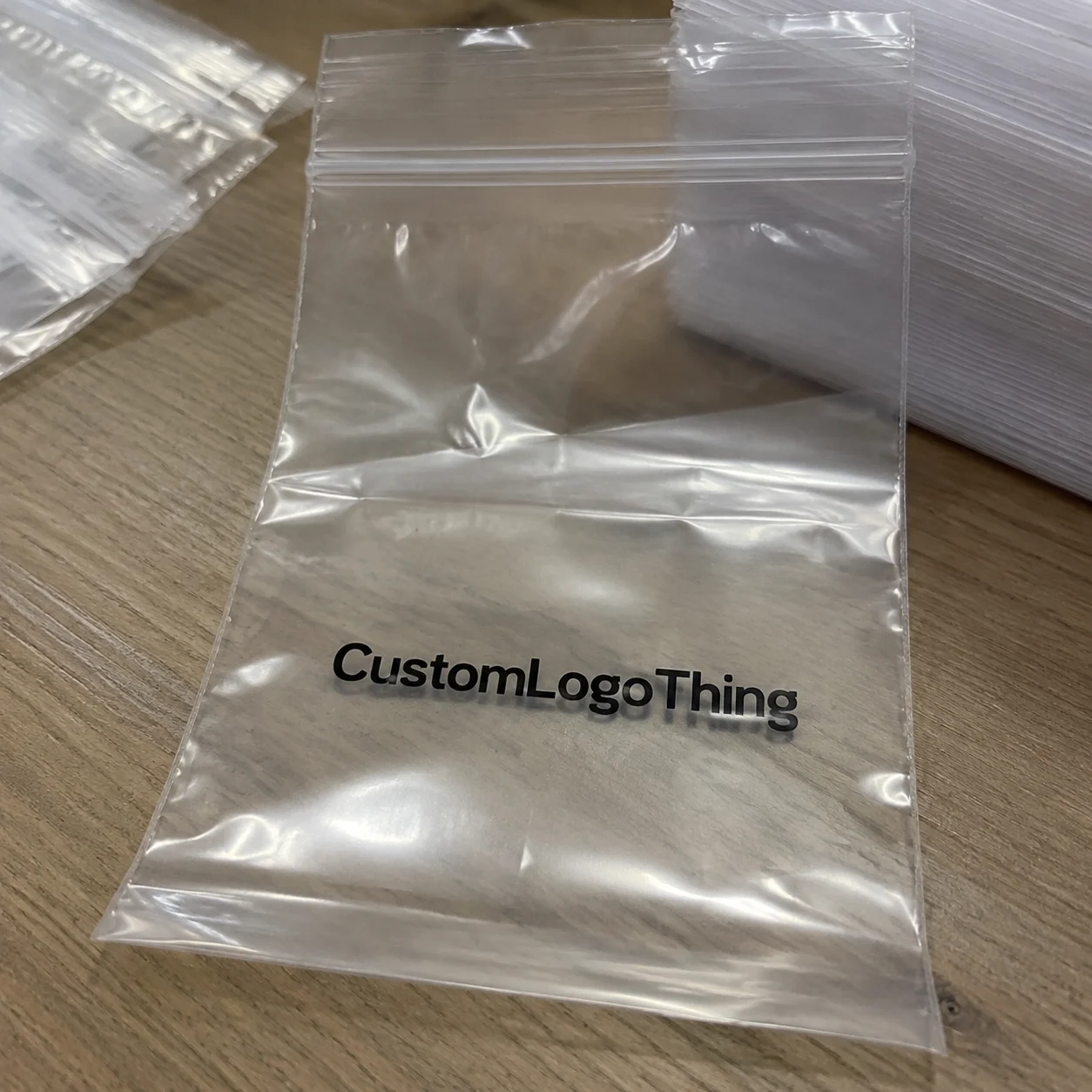
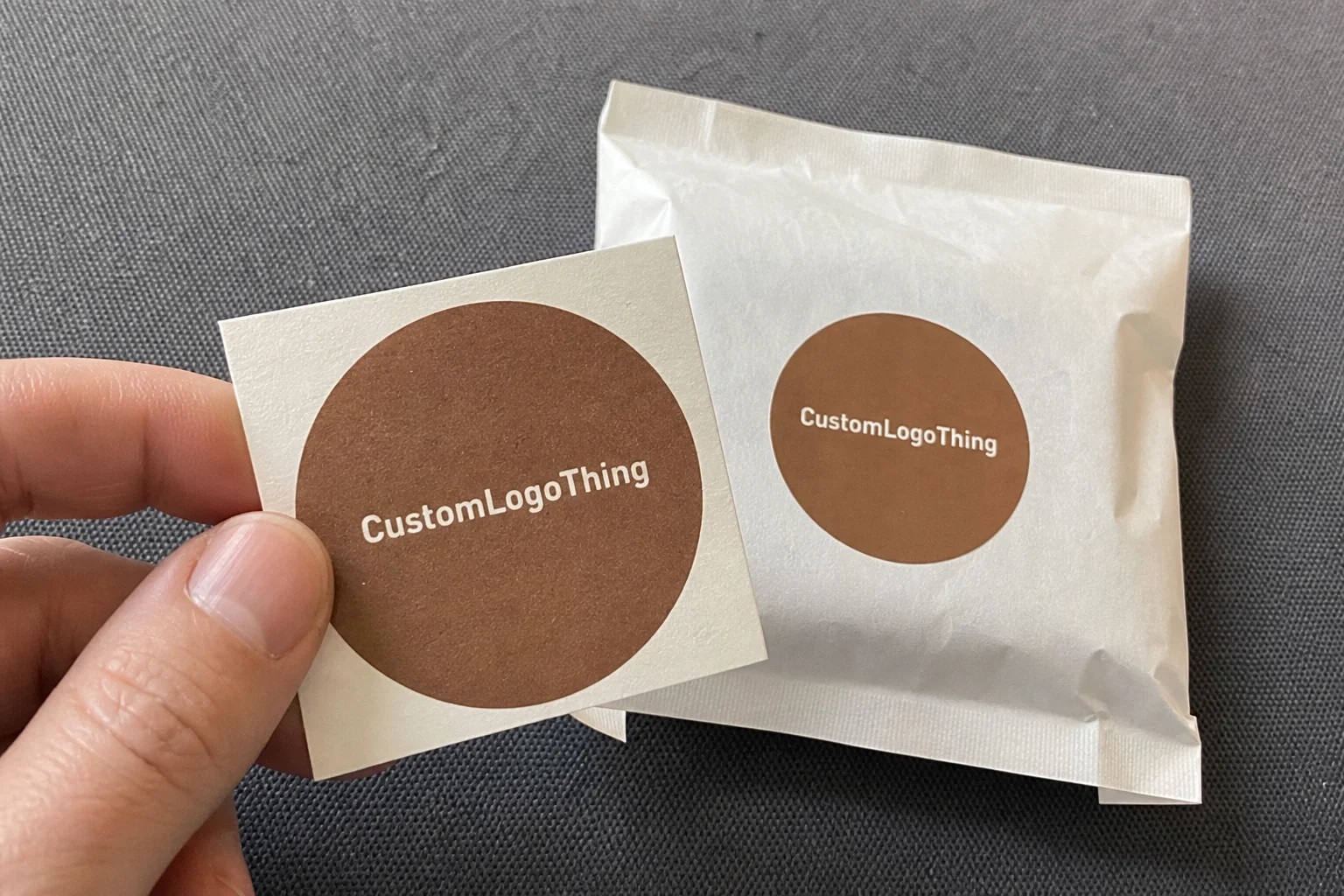
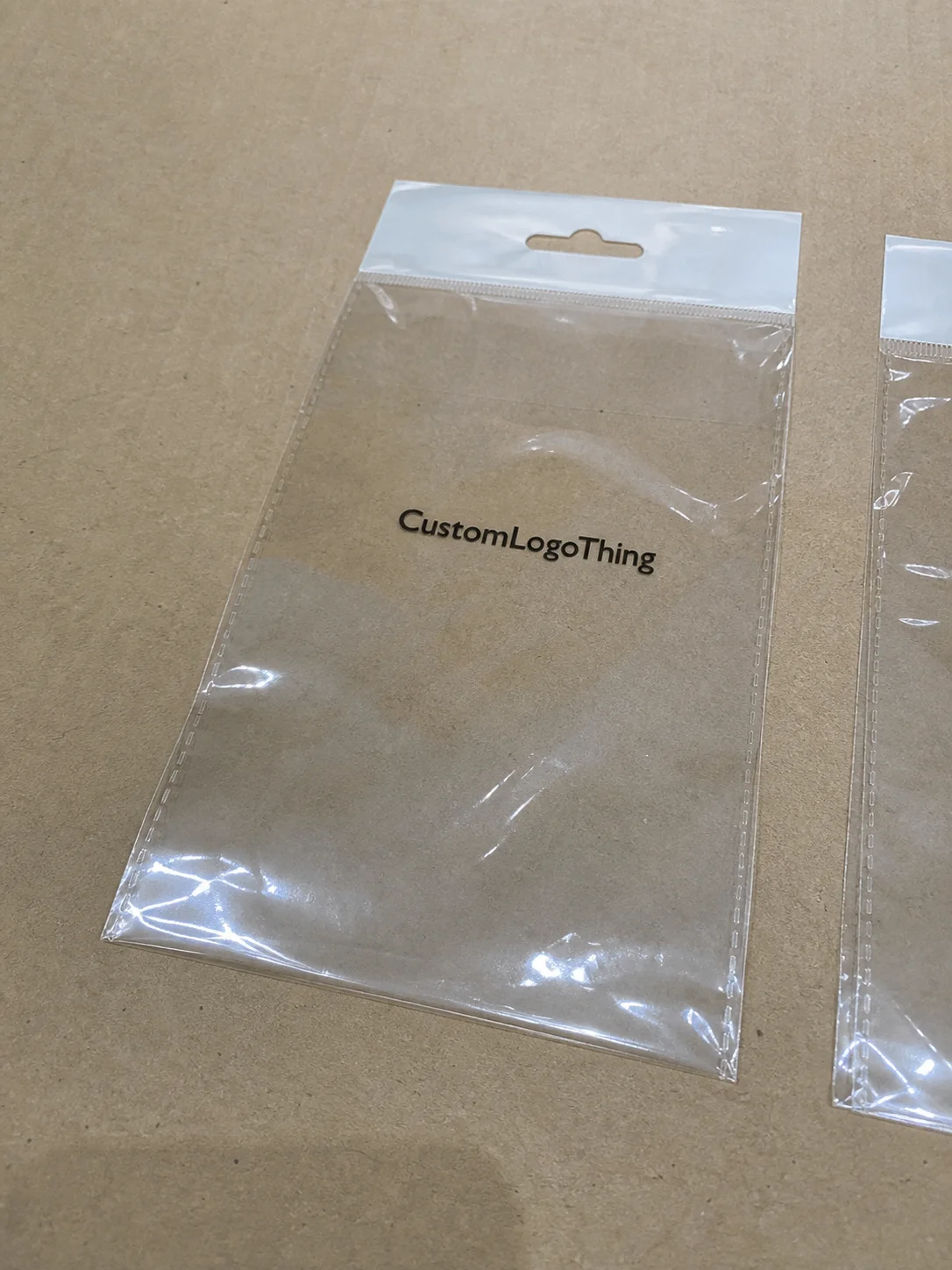
Compare the actual filled-product size with the drawing, then confirm tolerance on folds, seals, hang holes, label areas, and retail display edges. Reserve space for logos, QR codes, warning copy, and material claims before decorative graphics fill the panel.
Quote comparison points
Review material grade, print process, finish, sampling route, tooling charges, carton quantity, and freight assumptions side by side. A quote is only useful when the supplier can repeat the same color, closure quality, and packing count on the next order.
I Thought Bamboo Packaging Was Just a Trend—Until It Saved My Product Line
Three years ago, I was sitting in a conference room at a packaging expo in Las Vegas, half-listening to a supplier pitch about bamboo-based materials. My initial reaction was something along the lines of "another eco-friendly gimmick that will fade out like those corn-based plastic containers." I had seen plenty of sustainability trends come and go in my twenty-plus years working with custom packaging products, and I wasn't about to get excited about something that smelled like marketing fluff.
Then the sales rep pulled out a set of physical samples, and something clicked. The texture was different—more fibrous, with a subtle grain that reminded me of high-quality stationery. When he explained that bamboo grows up to 91 centimeters per day and reaches harvestable maturity in just three to five years (compared to twenty to sixty years for traditional timber), I found myself leaning forward. That growth rate means bamboo can be harvested repeatedly without replanting, making it one of the most renewable resources on the planet.
A few months later, one of my clients—a mid-sized cosmetics brand called Verdant Beauty—was scrambling. Their main retail partner had just announced new sustainability requirements for all private-label packaging, and they had sixty days to switch materials or lose shelf space. I suggested we test bamboo sleeves as a replacement for their standard kraft wrappers. The switch worked so well that Verdant reported a 12% increase in perceived product quality from customer feedback surveys. Their retail partner was impressed enough to feature them in a case study about sustainable packaging transitions.
That experience taught me something I've seen repeated across dozens of brands since: sustainability in product packaging has moved from a nice-to-have differentiator to an operational necessity. Major retailers like Target and Whole Foods have tightened their requirements, and consumer surveys consistently show that packaging sustainability influences purchasing decisions for younger demographics. But here's the catch that caught me off guard—sourcing bamboo sleeves that actually perform isn't as simple as typing "bamboo packaging supplier" into a search engine. The market has exploded with options, and quality varies dramatically.
I've watched brands spend tens of thousands of dollars on bamboo sleeves that delaminated during shipping, bled ink during printing, or arrived with inconsistent sizing that didn't fit their products. The difference between a successful bamboo packaging rollout and a expensive disaster often comes down to knowing which questions to ask suppliers before signing purchase orders. That's exactly what I want to share with you in this guide.
What Bamboo Packaging Sleeves Actually Are and Why Brands Love Them
Before we get into sourcing strategies, let's establish what we mean when we talk about Bamboo Packaging Sleeves, because the terminology gets confusing fast. I've had countless conversations with brand managers who thought they were ordering bamboo fiber sleeves and ended up with bamboo-infused paper that contained less than 20% bamboo content mixed with conventional pulp.
Bamboo fiber sleeves are made from processed bamboo cellulose that has been mechanically or chemically broken down into fibers and reformed into sheet material. These retain more of bamboo's natural properties—the fibrous texture, the inherent antibacterial characteristics, the tensile strength. Bamboo paper sleeves are essentially standard paper with bamboo fiber blended into the pulp, often alongside conventional wood pulp. The bamboo percentage can range from 10% to 80% depending on the manufacturer. And then there's bamboo composite material, which combines bamboo fiber with biopolymers or recycled plastics to create more durable sheets suitable for heavier products.
For retail packaging applications, the distinction matters enormously. I worked with a food brand last year that wanted to switch their cookie box sleeves to "bamboo packaging" to appeal to their eco-conscious customer base. When we received samples, testing revealed that the supplier's "bamboo sleeve" was only 30% bamboo fiber mixed with conventional pulp and a petroleum-based coating for moisture resistance. Technically, they could market it as bamboo, but it wouldn't compost properly and the environmental benefit was marginal. We had to start the supplier search over.
The environmental case for genuine bamboo sleeves is genuinely compelling when you look at the data. Bamboo forests can sequester carbon at rates of up to 12 tons per hectare per year—significantly higher than most tree plantations. The root system remains intact during harvesting, which prevents soil erosion and means the plants naturally regenerate without replanting. When bamboo is processed without harsh bleaching chemicals (look for TCf—totally chlorine-free—processing), the resulting material is biodegradable under the right conditions.
I want to be clear about one common misconception I encounter regularly: bamboo packaging sleeves are not the same as PLA (polylactic acid) bioplastics derived from corn or sugarcane. Those materials are technically "plant-based" but require industrial composting facilities to break down effectively. True bamboo fiber packaging can often compost in home compost conditions or biodegrade in standard soil environments, though certification requirements vary by region. When you're evaluating suppliers, make sure they can clearly explain the compostability characteristics of their specific products—don't assume "bamboo" means the same thing across all manufacturers.
Key Factors to Evaluate When Sourcing Bamboo Packaging Sleeves
After helping dozens of brands navigate their bamboo sleeve sourcing process, I've developed a checklist of evaluation criteria that separates successful projects from frustrating ones. Let's walk through each factor in detail.
Material Composition and Purity
The first question you need to ask any supplier is the exact composition of their bamboo sleeve material. "What percentage of the content is bamboo fiber?" seems like a straightforward question, but I've watched suppliers weasel around it in contracts and spec sheets. Push for a precise percentage and ask for documentation from their material suppliers.
I've seen material compositions ranging from 95% bamboo fiber down to 15%. The difference affects everything—strength, printability, compostability, and cost. For most packaging design applications where you're printing brand graphics, you'll want at least 60% bamboo fiber to justify the premium positioning and environmental claims.
Also ask about any additives: binders, fillers, coatings, or adhesives used in the manufacturing process. Some bamboo sleeves incorporate synthetic binders that compromise biodegradability. A quality supplier should readily provide a complete material data sheet. If they get defensive or evasive about this request, that's a significant red flag.
Certification Requirements
For legitimate sustainability claims, you'll need to verify specific certifications. I always recommend starting with these three:
- FSC (Forest Stewardship Council) certification indicates responsible forestry practices, even for bamboo which isn't technically a tree. FSC's website has a database where you can verify supplier certificates directly.
- USDA BioPreferred certification provides federal recognition for biobased products in the United States.
- Compostability certifications like TUV Austria's OK Compost or BPI (Biodegradable Products Institute) verify that materials break down properly in composting environments.
One important tip: don't rely solely on supplier-provided copies of certificates. Certificates can be outdated, revoked, or falsified. I always recommend independently verifying through the issuing organization's database. I learned this lesson the hard way when a supplier's FSC certificate expired six months before they delivered our order—they simply never renewed it, and we'd been making environmental claims based on that certification.
Printability and Surface Treatment Options
Bamboo sleeves behave differently from standard paper during printing, and this catches many brands off guard. The fiber content creates a slightly more textured surface, which can affect ink adhesion and color accuracy. I've worked with some suppliers whose bamboo materials print beautifully with standard flexographic equipment, while others require adjusted press settings and specific ink formulations.
Ask potential suppliers about their experience with Custom Printed Boxes and sleeve applications specifically. Request printed samples before committing to full production—ideally samples printed with your actual artwork or something comparable in complexity. Pay attention to color matching accuracy, ink coverage on dark areas, and whether fine text remains legible.
Surface treatment options vary significantly. Some bamboo sleeves accept standard aqueous coatings, while others require specific primer treatments before coating application. If you need water resistance (important for food packaging or products stored in humid environments), verify that the treatment maintains compostability claims. I've seen brands apply conventional plastic lamination to bamboo sleeves to solve moisture problems, completely undermining their sustainability positioning.
Durability Requirements
Consider how your bamboo sleeves will be used throughout the supply chain. Will they need to withstand stacking in warehouses? Temperature fluctuations during shipping? Handling by retail staff and customers? I worked with a client whose bamboo sleeve kept delaminating at the seams during standard shipping because they hadn't accounted for the humidity variations between their climate-controlled facility and their retail partners' warehouses.
Request seam strength specifications and ask about edge-sealing options. Some bamboo sleeves come with pre-applied adhesive seams that create water-resistant bonds. Others require heat sealing or mechanical fastening. The right choice depends on your specific application and distribution conditions.
Supplier Location and Shipping Carbon Footprint
This factor surprises many brands who focus purely on unit pricing. I watched a small organic food company source bamboo sleeves from a Vietnamese supplier at rock-bottom prices, only to discover that the shipping costs and carbon footprint of importing across the Pacific negated much of their sustainability positioning. They had to defensively add disclaimers to their packaging about shipping emissions.
Compare domestic supplier pricing against imported alternatives with full landed cost calculations. Include not just shipping fees but also duties, customs brokerage, potential inspection costs, and the carbon impact of transportation. Sometimes the environmental case for domestic sourcing is actually stronger when you account for transportation emissions.
Minimum Order Quantities and Scalability
MOQs vary dramatically across suppliers and significantly impact your ability to test and iterate. Stock items from some distributors start as low as 500 units, while custom-printed bamboo sleeves from Asian manufacturers commonly require 5,000 to 10,000 unit minimums. Some premium domestic suppliers offer 1,000-unit MOQs for custom work at higher per-unit pricing.
Think about your growth trajectory when evaluating MOQ requirements. A supplier that works for your current 3,000-unit monthly order might not accommodate scaling to 15,000 units within a year. Ask about capacity constraints and whether they can absorb significant volume increases without quality degradation or timeline extensions.
Step-by-Step Guide to Sourcing Your Bamboo Sleeves
Now let's move from evaluation criteria to an actual process you can follow. I've refined this step-by-step approach through dozens of sourcing projects, and it consistently produces better outcomes than ad-hoc approaches.
Step 1: Define Your Product Requirements and Sustainability Goals
Before contacting any supplier, get crystal clear on what you're trying to achieve. I recommend creating a requirements document that answers these questions:
- What product does the bamboo sleeve need to protect and present?
- What dimensions and tolerances are acceptable?
- What sustainability certifications are mandatory versus preferred?
- What is your target price per unit at various volume tiers?
- What are your timeline requirements for initial samples versus production orders?
- What printing and branding elements need to work on the material?
The more specific you are in this internal planning stage, the less time you'll waste on supplier conversations that won't work for your needs. I once spent three weeks in discussions with a supplier who specialized in rigid packaging, when our actual requirement was flexible sleeves—the whole thing could have been avoided with clearer initial requirements.
Step 2: Research and Shortlist Suppliers
Finding suppliers is easier than ever, but filtering them requires effort. I typically start with three channels:
- Industry trade shows: PACK EXPO, Sustainable Packaging Summit, and regional packaging expos let you examine materials firsthand, ask technical questions on the spot, and build relationships with account managers. I always collect business cards and follow up within 48 hours while the conversation is fresh.
- Online directories and B2B platforms: Alibaba's packaging section, Thomasnet, and specialty sustainable packaging directories offer wider reach. But treat these as starting points rather than final sources—always verify credentials independently.
- Industry referrals: Ask other brand managers in your network about their experiences. I've found that honest feedback about supplier reliability and quality consistency is worth more than any online review.
For an initial shortlist, aim for five to eight suppliers across different regions and size categories. Don't limit yourself to only the cheapest or only the most established—variety in your initial search helps you calibrate expectations.
Step 3: Request Samples and Test for Compatibility
Never order production quantities without physical samples in hand. When you receive samples, conduct these tests:
- Print test: Send your artwork files or a representative design to the supplier for sampling. Evaluate color accuracy, resolution, and ink coverage on their actual material.
- Fit test: Assemble the sleeves with your actual products (or accurate product dimensions). Check that sizing accommodates product tolerances and that closures work properly.
- Durability test: Simulate shipping conditions—stacking, vibration, humidity exposure. I use a simple drop test from waist height onto a hard surface to check seam integrity.
- Compatibility test: If your product has any chemical interaction potential (oils, fragrances, moisture), test whether product contact causes any degradation of the sleeve material over time.
Document your testing process with photos and written notes. This documentation becomes invaluable if you need to file quality complaints or resolve disputes later.
Step 4: Evaluate Certifications and Supply Chain Transparency
For each finalist supplier, verify certifications through independent channels as I mentioned earlier. Also assess how transparent they are about their supply chain:
- Can they trace bamboo sourcing to specific regions or plantations?
- Do they manufacture their own materials or source from third parties?
- Can they provide documentation of fair labor practices at manufacturing facilities?
Suppliers who are genuinely committed to sustainability will enthusiastically share this information. Those who are simply greenwashing will be vague or defensive.
Step 5: Negotiate Pricing Tiers Based on Volume Projections
Don't accept the initial pricing you're quoted. I've successfully negotiated better rates by demonstrating willingness to commit to regular volume over time, offering prepayment for initial orders, or bundling multiple product types with the same supplier.
Get pricing quotes for at least three volume tiers—your current expected order, a moderate growth scenario, and a high-volume projection. This helps you understand the pricing curve and plan for scalability.
Be careful about hidden costs that often appear in fine print: setup fees, tooling charges, special packaging requirements, rush order premiums, or minimum order surcharges for custom specifications.
Step 6: Place a Pilot Order Before Full Production Commitment
Even after successful sample testing and certification verification, place a small pilot order (typically 500 to 2,000 units depending on your scale) before committing to full production volumes. This order should use your actual production process—your printing vendor, your fulfillment operations, your packaging line.
I've seen brands experience problems in the transition from sample production to full-scale manufacturing that weren't apparent in earlier sampling phases. Supplier production facilities sometimes operate differently for bulk orders than for sample runs, and equipment calibration can vary across runs.
Step 7: Establish Quality Control Checkpoints and Communication Protocols
Before finalizing any supplier relationship, establish clear quality specifications and defect tolerance thresholds in your purchase agreement. Define:
- Acceptable defect rate (typically 1-2% for most applications)
- Inspection sampling protocols (AQL standards)
- Procedure for reporting and resolving quality issues
- Communication escalation paths and expected response times
- Payment terms and dispute resolution mechanisms
I've worked with suppliers from different cultural business backgrounds where the importance of written quality specifications wasn't initially appreciated. Taking time to establish these protocols upfront prevents painful disputes later.
Understanding Bamboo Packaging Sleeve Costs and Pricing
Let's talk money, because I know this is where many brand managers get uncomfortable. Bamboo sleeves typically cost more than conventional alternatives, but the actual numbers depend heavily on several variables. Let me break this down with real figures I've seen in recent transactions.
Price Comparison with Alternatives
| Material Type | Typical Price Range (per 1,000 units) | Notes |
|---|---|---|
| Standard Recycled Kraft Paper Sleeve | $85 – $150 | 20-30% post-consumer content |
| Virgin Kraft Paper Sleeve | $95 – $165 | Higher print quality but no recycled content |
| Bamboo Fiber Sleeve (domestic) | $145 – $280 | 60-95% bamboo fiber, certified compostable |
| Bamboo Fiber Sleeve (imported) | $95 – $175 | Lower base cost, higher landed cost variables |
| Bamboo Paper Blend Sleeve (mixed fiber) | $110 – $195 | 30-60% bamboo content, variable quality |
These are general ranges based on my recent market observations—your specific pricing will vary based on dimensions, print complexity, quantity, and current market conditions. Always get formal quotes from multiple suppliers before making procurement decisions.
Factors That Drive Cost
Several factors push bamboo sleeve pricing in either direction:
- Material grade: Higher bamboo fiber percentages and specialized processing (like TCf bleaching) command premium pricing.
- Minimum order quantities: Lower MOQs often translate to higher per-unit costs to offset production setup. For custom printed sleeves, expect to pay 20-40% more at 2,500-unit MOQs versus 10,000-unit MOQs.
- Custom printing complexity: Multi-color printing, special inks (metallic, fluorescent), and intricate designs increase costs. Simple one or two-color designs are much more economical.
- Certification requirements: Third-party certification costs get passed through in pricing. Suppliers with existing certified facilities often have better rates than those needing to certify specifically for your order.
- Surface treatments: Water-resistant coatings, anti-static treatments, or premium finishes add $15-$40 per thousand units depending on the treatment.
Hidden Costs to Watch For
I've seen brands get unpleasant surprises when they didn't account for these expenses:
- Tooling and setup fees: Custom die-cut shapes or printed designs often require $500-$2,500 in initial tooling fees that suppliers amortize over the first run or charge upfront.
- Shipping and logistics: For imported products, factor in freight costs ($0.50-$2.00 per kilogram depending on shipping mode), customs duties (typically 4-6% for paper products), and destination charges.
- Quality rejection costs: Building in a 2-3% rejection allowance in your pricing calculations prevents unpleasant surprises when inspections reveal defects.
- Testing and certification verification: Independent lab testing for your specific product application can run $500-$2,000 depending on test complexity.
Long-Term Cost Benefits
While bamboo sleeves have higher upfront costs, I've seen several ways they create economic value over time. Customer loyalty often increases when sustainability-conscious consumers see authentic environmental commitment. Premium positioning can support higher price points and margin improvement. And as regulations tighten on conventional plastics and non-recyclable packaging, companies with established sustainable alternatives avoid costly supply chain scrambling.
One client calculated that their switch to bamboo sleeves contributed to a 4% improvement in repeat purchase rates—calculated revenue value that significantly exceeded their per-unit material cost premium. These calculations are worth doing for your specific situation.
Typical Lead Times and Production Timelines for Bamboo Sleeves
Timing matters, perhaps more than any other factor in packaging projects. I've watched brands lose market opportunities because they underestimated lead times for sustainable materials and had to fall back on conventional alternatives at the last minute.
Standard Lead Time Ranges
Stock items (existing inventory without custom printing) typically ship within 5 to 10 business days from domestic suppliers and 2 to 4 weeks from international suppliers. These are approximate ranges—always confirm with specific suppliers.
Custom printed bamboo sleeves involve longer timelines:
- Design and proof approval: 3 to 10 business days depending on revision cycles
- Print tooling setup: 5 to 15 business days for flexographic plates or lithographic plates
- Production run: 10 to 20 business days for standard orders
- Quality inspection and shipping: 3 to 7 business days
For complete cycle time from order placement to delivery, budget 6 to 10 weeks for domestic custom orders and 10 to 16 weeks for international orders. These estimates assume no major revision cycles and smooth approval processes.
Factors Affecting Timeline
Several variables can extend these baseline timelines:
- Supplier location: International shipping adds transit time and customs clearance uncertainty
- Order complexity: Multi-color printing, special finishes, or custom die shapes add production time
- Certification verification: If you need to verify supplier certifications independently, build in additional time
- Communication delays: Time zone differences and response time slow down approval cycles
Buffer Time Recommendations
For product launches and seasonal campaigns, I strongly recommend building in 20% to 30% additional buffer time beyond your estimates. The packaging industry has a saying: "Your launch date is when you needed to place the order 90 days ago." Sustainable Materials Suppliers often have longer queues as demand grows faster than capacity.
If you're preparing for a major trade show or retail launch, consider rush order options. Domestic suppliers often offer 2-week rush production for 25% to 50% premium pricing. International rush options exist but often involve airfreight costs that can double or triple shipping expenses.
Common Mistakes Brands Make When Sourcing Bamboo Sleeves
Through my consulting work, I've watched brands stumble in predictable ways when entering the bamboo packaging space. Here are the most common mistakes and how to avoid them.
Mistake: Assuming "Bamboo" Means 100% Natural and Compostable
As I mentioned earlier, the word "bamboo" on packaging materials can hide significant variations in composition. Bamboo-infused paper with synthetic binders and plastic coatings isn't meaningfully sustainable, regardless of bamboo content. I've seen products marketed as "eco bamboo packaging" that required decades to decompose in landfills due to the non-biodegradable additives.
How to avoid it: Request complete material compositions with percentages for all components. Ask specifically about adhesives, binders, coatings, and any treatments applied. Verify compostability claims with certification documentation from accredited testing laboratories.
Mistake: Skipping Sample Testing and Jumping to Bulk Orders
Excitement about a new sustainable product line, combined with pressure to move quickly, tempts brands to skip rigorous sample testing. This is almost always a false economy. Problems with print quality, dimensional accuracy, or material compatibility become exponentially more expensive once you're in full production.
How to avoid it: Build a mandatory sample testing phase into your procurement process before any production commitments. Document your testing criteria and acceptance thresholds in writing with your supplier.
Mistake: Not Verifying Third-Party Certifications Independently
Supplier-provided certificates are useful starting points but aren't sufficient verification. I've encountered expired certificates, forgeries, and certificates that don't actually cover the specific product being supplied (certifying one product while supplying a different grade).
How to avoid it: Verify every certification through the issuing organization's database. For FSC certifications, use the FSC's certificate database. For compostability certifications, contact the certifying organization directly to confirm validity.
Mistake: Choosing Suppliers Based Solely on Lowest Price
Price shopping among bamboo sleeve suppliers is tempting, especially for brands with tight budgets. But the lowest bidder often reflects compromises in material quality, manufacturing consistency, or service reliability that cost more in the long run.
How to avoid it: Evaluate suppliers on total value including quality consistency, communication responsiveness, flexibility, and long-term partnership potential. A supplier who charges 15% more but delivers on time with consistent quality provides better value than a bargain supplier who causes production delays or quality escalations.
Mistake: Not Testing Print Quality for Brand Consistency
Your bamboo sleeves carry your brand identity. If printing quality doesn't match your other branded packaging materials, it creates visual inconsistency that confuses customers and undermines brand perception.
How to avoid it: Request printed samples with your actual branding (or comparable complexity designs). Compare them directly against your existing packaging materials. Evaluate color matching, registration accuracy, text legibility, and overall visual impact. Don't approve production until printed samples meet your standards.
Mistake: Underestimating the Importance of Supplier Communication
I've seen partnerships collapse not because of product quality problems but because of communication breakdowns. Different business cultures have different expectations about response times, formality, and directness. I've worked with suppliers where initial communication was slow and frustrating but improved dramatically once we established clearer protocols.
How to avoid it: Before committing to orders, test communication responsiveness and quality. Ask questions about your expected product and evaluate how thoroughly and promptly they respond. Establish clear communication expectations in writing—expected response times, primary contact channels, escalation procedures.
Expert Tips for Finding Reliable Bamboo Sleeve Suppliers
Let me share some practical strategies I've developed for identifying suppliers who will perform reliably over the long term. These tips come from years of navigating the sustainable packaging market and learning from both successes and failures.
Tip: Attend Industry Trade Shows to Meet Suppliers Firsthand
I've been attending PACK EXPO for over fifteen years, and it remains one of the most effective supplier discovery methods I know. You can examine physical samples, ask detailed technical questions, and get a sense of company culture and professionalism in ways that online research simply can't replicate. Many suppliers offer expo-exclusive pricing or sampling programs that make attending worthwhile financially as well.
Other valuable shows include the International Safe Transit Association (ISTA) Annual Meeting for packaging performance standards, and regional sustainable packaging conferences where specialized bamboo material suppliers often exhibit.
Tip: Ask for References from Current Clients in Your Industry
When you identify promising suppliers, ask for three to five current customers who have been ordering from them for at least six months. Then actually call those references and ask specific questions about quality consistency, on-time delivery, problem resolution, and overall satisfaction.
I've found that reference conversations reveal things suppliers won't volunteer—minor quality issues they've worked through, communication challenges they've resolved, or capacity constraints that might affect large orders.
Tip: Request Full Material Data Sheets and Test Results Upfront
Professional suppliers maintain comprehensive technical documentation for their products. Before engaging seriously with any supplier, request their standard material data sheet (MSDS-style documentation), any available test results for relevant performance characteristics (burst strength, tear resistance, moisture barrier properties), and certification documentation for their claims.
Suppliers who can't or won't provide this documentation are signaling that either their materials aren't well-documented (suggesting lower quality control) or they're hiding something about composition or performance.
Tip: Start with Small Test Orders Across Multiple Suppliers for Comparison
When evaluating new suppliers, I recommend placing small initial orders across three to five suppliers simultaneously rather than thoroughly vetting a single supplier before moving to the next. This parallel testing approach gives you direct performance comparison data rather than relying on samples or references.
Use consistent evaluation criteria across all suppliers to ensure valid comparisons. Track quality metrics, communication responsiveness, shipping accuracy, and timeline adherence systematically.
Tip: Build Relationships—Suppliers Prioritize Reliable Long-Term Buyers
I've seen newer brands treated differently than established customers in the bamboo packaging space. Suppliers have finite capacity and typically prioritize buyers who demonstrate reliable ordering patterns, clear communication, and payment consistency. The difference in treatment between a first-time buyer and a well-established customer can be significant.
If you're starting small, acknowledge that initial orders may involve longer lead times, less flexibility, or premium pricing. As you build track records and volume commitments, you'll likely see improvements across all dimensions.
Tip: Consider Domestic Suppliers for Faster Turnaround Despite Higher Base Costs
For brands where timeline flexibility is limited—particularly for seasonal products, trade show prep, or retail launches—domestic suppliers often provide better value despite higher per-unit pricing. The ability to get samples within days rather than weeks, resolve issues through direct conversations without time zone complications, and receive orders within 2 weeks rather than 2 months can be strategically critical.
I've worked with domestic bamboo sleeve suppliers in the Pacific Northwest and upper Midwest who delivered consistent quality with the communication responsiveness that allowed us to handle last-minute adjustments without panic.
Your Action Plan: Start Sourcing Bamboo Sleeves This Week
Now that you have the knowledge, let me help you convert it into immediate action. I've structured this as a one-week sprint to get you moving forward without overwhelming your schedule.
Days 1-2: Compile Your Product Requirements Document
Spend an hour or two documenting what you're actually looking for. Write down your product dimensions, tolerance requirements, sustainability certifications you'll require (be specific about which ones), target price ranges, and timeline constraints. This document will focus your supplier conversations and help you evaluate options consistently.
Days 3-4: Identify 5-8 Potential Suppliers to Contact
Use the research channels I described—trade show connections, online directories, industry referrals—to build your initial shortlist. Don't limit yourself yet; cast a wide net at this stage. You can narrow down in the next phase.
Day 5: Request Sample Kits from At Least 2-3 Suppliers
Contact your most promising suppliers and request their sample kits. Most established suppliers offer sample packages with material specs, printed examples, and pricing information for $25-$100—worth the investment to evaluate materials before serious conversations. Ask about their standard lead times and MOQs while you're at it.
Days 6-7: Create Your Evaluation Rubric
While waiting for samples, develop a systematic evaluation framework. Define your "must-have" criteria (mandatory certifications, acceptable price range, minimum quality standards) and your "nice-to-have" criteria (preferred material composition, faster lead times, lower MOQs). When samples arrive, you'll evaluate them against this rubric rather than gut feelings.
Moving Forward with Confidence
Good sourcing decisions compound over time. The effort you invest now in Finding the Right bamboo sleeve supplier will pay dividends across your entire product lifecycle—through consistent quality, reliable supply, and the ability to make legitimate sustainability claims that resonate with your customers.
I've seen brands that made hasty sourcing decisions struggle with quality problems and communication challenges for years. I've also seen brands that invested thoughtfully in supplier relationships build partnerships that enabled rapid growth and genuine competitive differentiation. The difference comes down to approach.
Your products deserve Packaging That Protects them effectively, presents them attractively, and aligns with your brand values. Bamboo sleeves can deliver all three—but only if you approach sourcing with the same rigor you'd apply to any other strategic decision. The tips in this guide should give you the foundation to do exactly that.
If you have questions about specific aspects of your sourcing project or want to discuss your particular requirements, feel free to reach out to our team. We've helped dozens of brands navigate exactly this challenge, and we're happy to share what we've learned.
Frequently Asked Questions
How do I verify that bamboo packaging sleeves are actually sustainable?
Look for FSC certification as a baseline indicator of responsible sourcing practices. Request compostability certifications from recognized testing organizations like TUV Austria or the Biodegradable Products Institute. Ask suppliers for lifecycle assessment documentation that quantifies environmental impact across the material's lifecycle. Verify chain of custody documentation for bamboo sourcing locations to confirm material origins.
What's the minimum order quantity for custom bamboo packaging sleeves?
Stock items without custom printing typically have MOQs of 500-1,000 units from domestic distributors. Custom printed bamboo sleeves usually require 2,500-5,000 unit minimums from Asian manufacturers and 1,000-2,000 unit minimums from premium domestic suppliers. If your quantities are significantly below these ranges, consider whether consolidating multiple product lines into a single print run might help you meet MOQs while spreading setup costs.
Can bamboo packaging sleeves be used for food products?
Yes, bamboo sleeves can work for food packaging applications, but you need to ensure proper food-grade certifications and compliance with FDA regulations (or your relevant regulatory body). Verify that no harmful coatings, adhesives, or finishing treatments are used that could migrate into food products. Request food safety testing documentation including any relevant migration test results. Note that bamboo sleeves are best suited for dry food items—high moisture content environments may compromise material integrity.
How do bamboo packaging sleeve costs compare to recycled paper alternatives?
Bamboo sleeves typically cost 15-30% more than standard recycled kraft paper on a per-unit basis. The price gap narrows for high-volume orders with custom specifications, and some premium domestic suppliers price more competitively for smaller runs. Consider the total value proposition including customer appeal, premium positioning, and potential for customer loyalty improvements. When you calculate the complete cost including potential customer retention improvements, the economics often work more favorably than raw material comparisons suggest.
What customization options are available for bamboo packaging sleeves?
Most suppliers offer flexographic printing for medium to high volumes, digital printing for shorter runs with greater design flexibility, and offset printing for premium quality with photorealistic imagery. Embossing and debossing create tactile brand experiences that differentiate products on shelf. Varnish and coating options range from standard aqueous finishes to premium soft-touch coatings. Die-cut shapes and window configurations are available for most material grades. Some specialty finish suppliers offer foil stamping, spot UV coating, and other premium embellishments, though these may affect compostability certifications depending on the application.