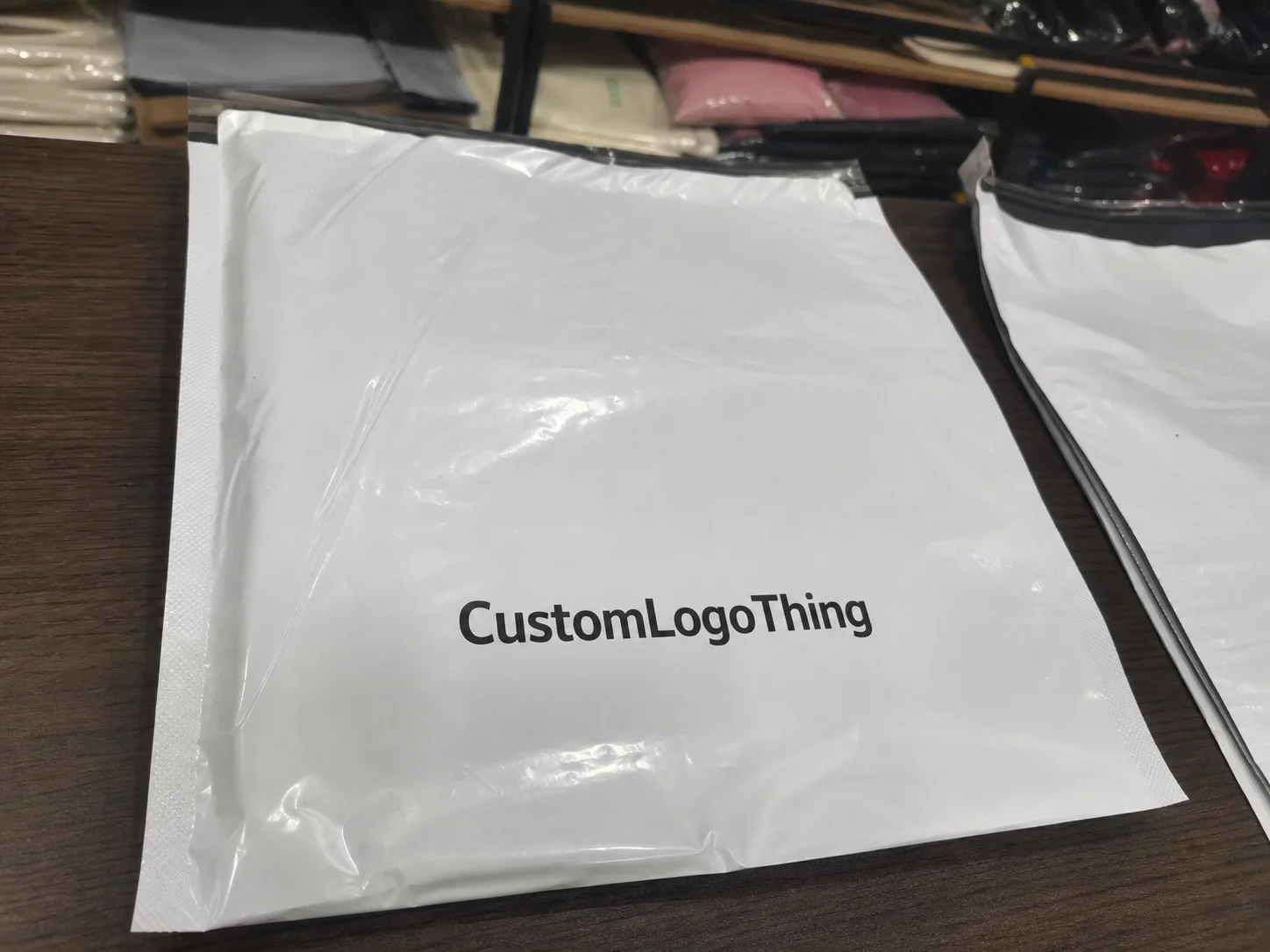
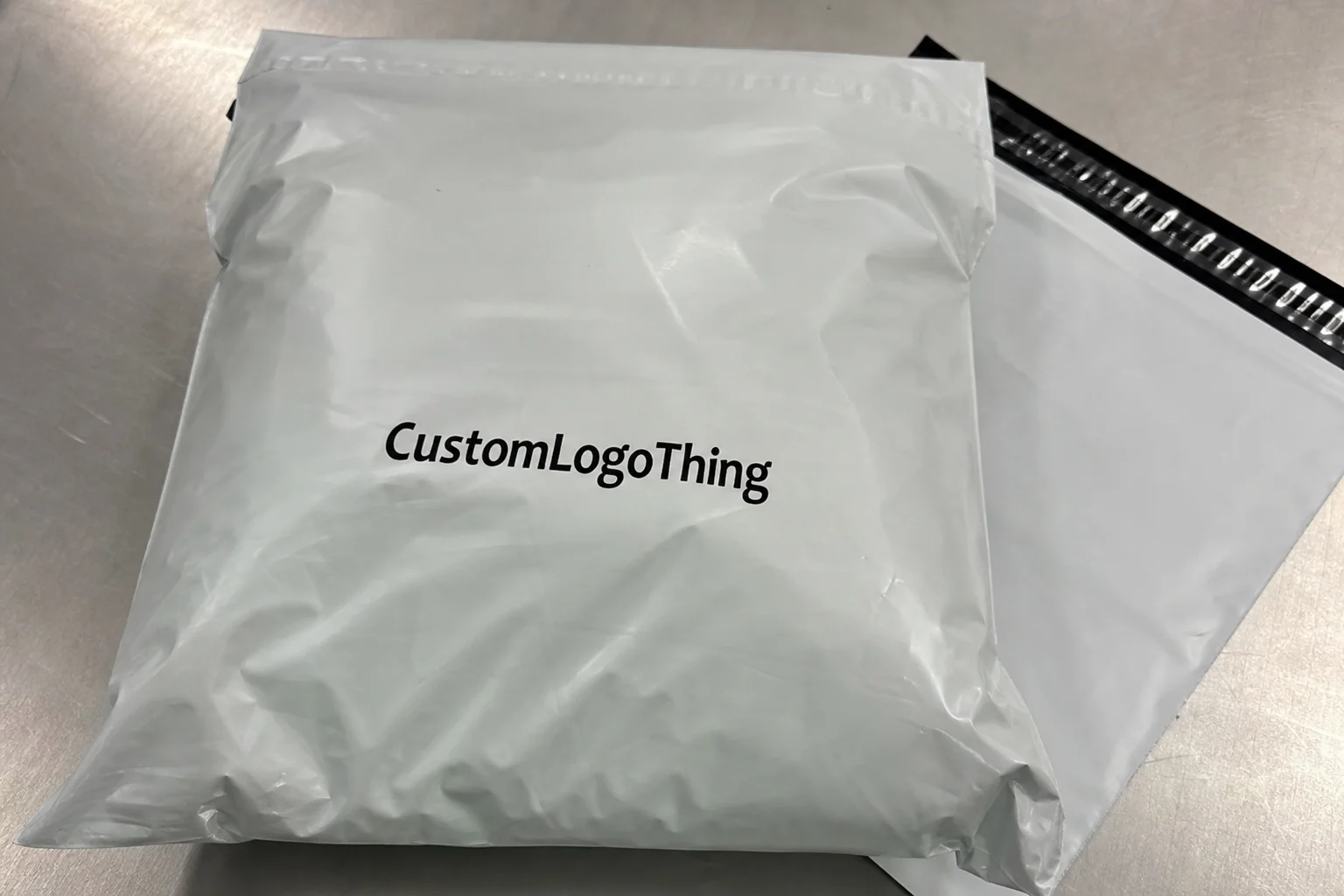
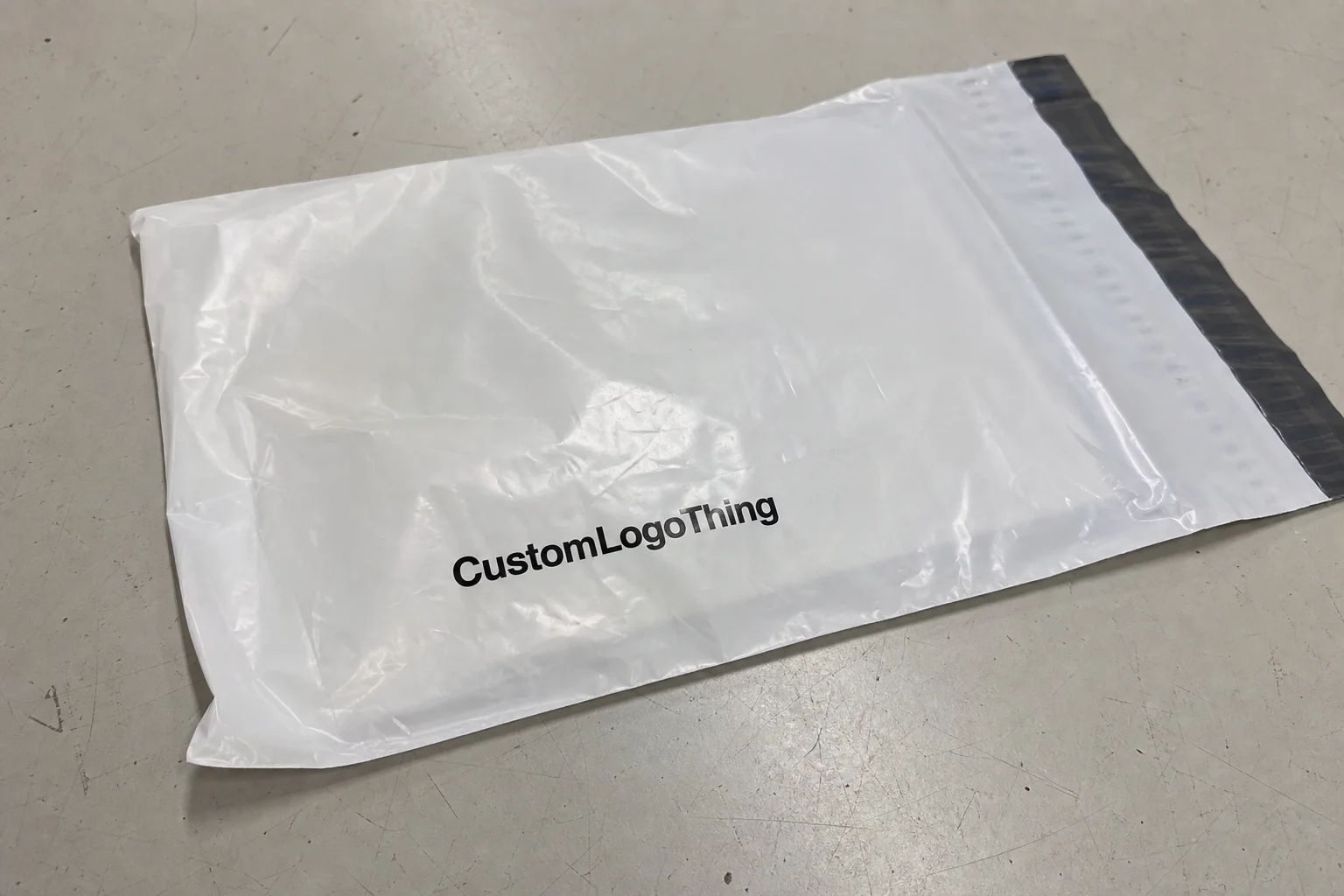
Buyer Fit Snapshot
| Best fit | Insulated Poly Mailers for Perishables projects where brand print, material claims, artwork control, MOQ, and repeat-order consistency need to be specified before quoting. |
|---|---|
| Quote inputs | Share finished size, material target, print colors, finish, packing count, annual reorder estimate, ship-to region, and any compliance wording. |
| Proofing check | Approve dieline scale, logo placement, barcode or warning zones, color tolerance, closure strength, and carton packing before bulk production. |
| Main risk | Vague material claims, crowded artwork, missing packing details, or unclear freight terms can make a low unit price expensive after revisions. |
Fast answer: Insulated Poly Mailers for Perishables: Film, Print, MOQ, and Carton Packing should be specified like a repeatable production item. The safest quote records material, print method, finish, artwork proof, packing count, and reorder notes in one written spec.
Production checks before approval
Compare the actual filled-product size with the drawing, then confirm tolerance on folds, seals, hang holes, label areas, and retail display edges. Reserve space for logos, QR codes, warning copy, and material claims before decorative graphics fill the panel.
Quote comparison points
Review material grade, print process, finish, sampling route, tooling charges, carton quantity, and freight assumptions side by side. A quote is only useful when the supplier can repeat the same color, closure quality, and packing count on the next order.
October 2022 brought a call I still remember. A chocolate company in Vermont had shipped 200 gift boxes to customers across the Northeast. Forty-seven came back melted, clumpified, or blooming with that whitish fat bloom that signals temperature abuse. Their customer satisfaction scores tanked. The owner told me she lost more in returned products and re-shipments than she'd made on the original orders. That experience, frankly, changed how I approach every perishable shipping conversation. If you're shipping anything that needs to stay cool, what you use to protect it during transit isn't optional—it's everything.
That story isn't unique. Across the packaging industry, demand for temperature-controlled shipping solutions has surged because the reality is stark: roughly three out of every ten perishable shipments arrive in compromised condition, according to data from the International Safe Transit Association (ISTA). Standard bubble mailers and cardboard boxes simply weren't designed for the thermal gauntlet that shipping involves. This guide to Insulated Poly Mailers for Perishables will walk you through exactly how to protect your products, avoid the costly mistakes I see constantly, and ship with genuine confidence.
Why 30% of Perishable Shipments Arrive Compromised (And How to Beat the Odds)
Temperature fluctuations during transit cause the overwhelming majority of perishable damage. During a visit to a fulfillment center in Memphis last year, they showed me their thermal imaging data—trucks sitting in direct sunlight for even 45 minutes during loading can cause internal temperatures to spike by 40°F. Standard packaging doesn't account for this, and that's before you factor in multi-day shipping delays, weather disruptions, and the reality that "2-day shipping" doesn't mean your package moves continuously for 48 hours.
Most people assume the carrier's transit time is the only variable that matters. This assumption costs them. Your packaging's job is to create a microclimate around your product, regardless of what happens outside that envelope. When I started working with a local artisan cheese company, they were using heavy corrugated boxes with minimal insulation. Their products arrived at customers' doors technically cold but with visible condensation damage because the packaging couldn't handle the humidity swings inside a delivery truck. After switching to Insulated Poly Mailers with proper refrigerant protocols, their damage rate dropped from 12% to under 2% within three months.
The math is straightforward. Insulated poly mailers bridge the gap between inadequate protection and expensive rigid foam coolers. They give you meaningful thermal resistance at a fraction of the weight and cost. Understanding proper usage transforms shipping outcomes from a guessing game into a predictable science. The companies beating those 30% damage odds aren't lucky—they've simply invested in packaging that was designed for the job.
What Are Insulated Poly Mailers for Perishables?
Insulated poly mailers are flexible shipping envelopes specifically engineered to provide thermal protection for temperature-sensitive products. Their multi-layer construction combines the durability and moisture resistance of polyethylene with a thermal insulation barrier that slows heat transfer significantly. I've handled dozens of these mailers in our packaging warehouse, and the construction is clever—essentially a sandwich of materials where each layer serves a specific purpose.
Rigid foam coolers take up significant space and add substantial weight. Insulated poly mailers avoid both problems while still providing meaningful insulation. The typical construction includes an outer polyethylene layer (the black or white smooth exterior you see), an insulation core (often bubble material or foam), and a reflective inner layer that bounces thermal radiation back toward your product. This combination delivers adequate protection for most perishable applications without the bulk and expense of hard-shell coolers.
Thickness varies across available options, measured in millimeters of insulation core. You'll see products ranging from 2mm up to 6mm or more for heavy-duty applications. When a client asks me what they need, I typically recommend 2mm for 24-hour protection scenarios, moving to 4mm or thicker for anything approaching 48 hours of transit time. The thickness directly correlates to thermal resistance—thicker mailers resist heat transfer longer but cost more per unit and consume more storage space.
These mailers are specifically designed for last-mile delivery and short-to-medium transit times. They're ideal for shipping food items like artisan chocolates, fresh-baked goods, cheese, and charcuterie. They're equally suited for pharmaceuticals, cosmetics, and any product with temperature sensitivity. Insulated poly mailers are not ideal for extended transit exceeding 72 hours or products requiring strict frozen-state maintenance. For those applications, you'd need rigid insulation and specialized cold chain solutions. But for the vast majority of e-commerce perishables—local and regional delivery, 1-3 day shipping—insulated poly mailers hit the sweet spot of protection, cost, and convenience.
How Insulated Poly Mailers Work: The Science Behind Temperature Control
The physics behind thermal protection helps you make better packaging decisions. I spent an afternoon with a materials engineer friend last year who helped me visualize exactly what happens when you pack a perishable into one of these mailers, and her explanation made everything click. Heat transfer happens through three mechanisms: conduction (direct contact), convection (air movement), and radiation (electromagnetic thermal energy). Insulated poly mailers address all three.
A reflective inner layer—often metallized polyethylene—bounces thermal radiation back toward your product rather than absorbing it. When sunlight or ambient heat tries to radiate into your package, that shiny surface reflects most of it away. It's the same principle as those emergency thermal blankets, just integrated into a flexible shipping envelope. This reflective property alone can make a 15-20°F difference in internal temperatures under direct sun exposure.
The outer polyethylene layer provides critical moisture barrier functionality while also contributing to structural durability. Polyethylene is naturally hydrophobic, meaning it repels water rather than absorbing it. This matters because condensation is a constant threat during shipping—warm air meeting cold product creates water droplets that can damage packaging integrity and your product itself. The polyethylene shell keeps external moisture out and internal vapor from escaping, maintaining a consistent environment within.
Trapped air pockets in the insulation core—whether bubble cushion, foam, or other material—dramatically slow conduction. Air is a poor heat conductor, so those pockets create a thermal break between the outside environment and your product inside. When I tested different mailers for a client shipping fresh flowers last spring, the difference between 2mm and 4mm insulation translated to roughly six additional hours of acceptable temperature maintenance in 85°F ambient conditions. That buffer meant the difference between flowers arriving presentable versus wilting in the box.
Premium versions of insulated poly mailers incorporate phase-change materials (PCMs) that absorb and release heat at specific temperatures. These work by storing thermal energy during warm periods and releasing it during cool periods, creating an active temperature regulation effect. The combined effect of these mechanisms—reflective barrier, moisture-resistant shell, insulated core, and optional PCMs—can maintain safe temperature ranges for 24-72 hours depending on the specific formulation and external conditions. Knowing your expected transit time and typical weather patterns lets you select the right protection level.
What Is the Best Guide to Insulated Poly Mailers for Perishables Based on Your Needs?
Selection matters enormously. I've seen companies choose the cheapest option available, only to discover their product arrived damaged and their cost-savings evaporated in return processing. Here's what you need to evaluate before ordering.
Insulation thickness is your first decision point. A 2mm insulated poly mailer typically handles 24-hour protection scenarios adequately—think same-day or next-day delivery within reasonable climate conditions. Move to 3-4mm thickness when your products face 24-48 hour transit times or moderate temperature extremes. Anything exceeding 48 hours in variable conditions demands 4mm+ premium options or consideration of rigid insulation systems. I always recommend ordering samples and conducting actual temperature testing with your specific products before committing to a bulk order.
Size selection requires careful attention. You need roughly 2 inches of clearance around your contents for optimal insulation performance. Packing too tight compresses the insulation and dramatically reduces its effectiveness. Pack too loose and your product shifts during transit, potentially damaging itself or the packaging seal. Measure your primary container (the sealed bag or box holding your product), add 4 inches to each dimension, and that's your minimum mailer size. When I help clients size their mailers, we usually test fit with actual products and insulation materials to be certain before production.
Closure type affects both functionality and cost. Peel-and-seal closures offer convenience and lower per-unit cost, creating a permanent seal that's tamper-evident once closed. Zip-lock closures enable reuse, which matters for returnable packaging or multi-use scenarios, but they cost more and may not seal as securely under extreme pressure. For one-way perishable shipping, I almost always recommend peel-and-seal for reliability.
Temperature retention rating specifications vary by manufacturer. Some provide explicit statements like "maintains internal temperature below 45°F for 48 hours in ambient conditions up to 90°F." Others provide less detailed guidance. If the manufacturer can't or won't provide testing data supporting their claims, I'd be wary. The ISTA has testing protocols specifically for thermal packaging—ask manufacturers for documentation of testing to relevant standards.
Compatibility with refrigerant packs deserves attention. Some insulation materials react adversely with gel ice packs, particularly metalized films that can degrade when in prolonged contact with the chemicals in some gel packs. If you're planning to use gel packs or phase-change refrigerant units, confirm with your supplier that the mailer materials are compatible. This is a detail that catches people off guard, and the consequences—packaging degradation, product contamination, compromised protection—aren't pretty.
Step-by-Step: How to Pack Perishables Using Insulated Poly Mailers
Proper packing technique separates successful shipments from damaged ones. I've watched fulfillment staff skip critical steps because they were rushing, and the results were predictable. Here's the protocol I recommend to every perishable shipper.
First, pre-condition your contents. Before packing, bring your product to its ideal storage temperature—either by pre-chilling for products requiring cold, or allowing room-temperature items to stabilize if that's their proper state. Packing warm items into an insulated mailer doesn't work as well because you're fighting against the product's thermal mass. For the cheese company I mentioned earlier, we established a rule: products must be at proper temperature for at least two hours before packing begins. This simple step dramatically improved their arrival conditions.
Second, place your product in a primary container. Use vacuum-sealed bags for food items or sealed containers for products that might leak or emit moisture. The primary container is your first line of defense and prevents direct contact between your product and the refrigerant packs. It's also critical for food safety compliance—products should never make direct contact with ice or gel packs due to contamination risk and freeze burn potential.
Third, position your refrigerant packs. Gel ice packs should be placed against the outer insulation layer, not directly against your primary container. I recommend placing refrigerant packs along the perimeter of the mailer interior, creating a thermal boundary around your product. For products sensitive to extreme cold, wrap refrigerant packs in a thin layer of corrugated cardboard to buffer the direct freeze effect. The goal is maintaining 32-40°F, not creating a frozen state inside the mailer.
Fourth, insert your protected product into the insulated poly mailer with the closure facing up. This orientation matters because it keeps the seal protected during handling and allows proper airflow if you're using breathable primary containers. Ensure there's no contact between the primary container and the mailer's metalized inner layer.
Fifth, seal completely. Apply firm, even pressure along the entire adhesive strip, working from one end to the other. If you're using peel-and-seal, ensure you're engaging the full closure area—partial seals fail quickly. Some operators find that warming the adhesive strip with a heat gun or hair dryer improves bonding, though this isn't typically necessary with quality materials.
Sixth, label clearly. Mark packages with "Perishable - Keep Cool" and any specific handling instructions like "This Side Up" or temperature ranges. I also recommend including a "packed on" date so receivers can assess product freshness. Place these labels on at least two sides of the package for visibility regardless of orientation during transit.
Finally, timing matters. Schedule pickup or drop-off during cooler morning hours when possible, especially in summer months. A package sitting in a hot delivery truck for four hours at 4 PM costs you thermal protection you might need later in the journey. Work with your carrier to understand their handling protocols and time-in-transit expectations before finalizing your shipping schedule.
Common Mistakes That Compromise Perishable Shipments
After years of consulting on packaging, I've compiled a list of errors that appear repeatedly. Avoiding these will save you money, frustration, and reputation damage.
Insufficient insulation for your expected transit duration ranks as the most common mistake. When I ask clients about their shipping times, they often answer based on carrier estimates. But those estimates assume optimal conditions and don't account for weather delays, missed connections, or weekend holds. Build in a buffer of at least 12-24 hours beyond the expected maximum. If the carrier says "2-day delivery," plan for 72 hours of protection. This conservative approach has saved every client who's implemented it.
Placing refrigerant packs directly against products causes freeze burn, which damages food items and can compromise sealed containers through ice formation and expansion. I watched a chocolatier lose an entire batch of truffles because their gel pack sat directly against the vacuum-sealed bag. The product froze, the packaging expanded, and by the time it thawed, the presentation was ruined. Three inches of clearance or a primary container barrier prevents this entirely.
Failing to account for extreme weather delays in routing destroys shipments that would otherwise arrive fine. A heatwave in Texas in August or an unexpected cold snap in Minnesota can compromise packages that weren't designed for those conditions. Sign up for weather alerts on major transit routes and set cutoff thresholds—above 95°F or below 32°F, delay shipping until conditions improve.
Overfilling mailers compresses the insulation and dramatically reduces effectiveness. That 2-inch clearance I mentioned earlier isn't optional—it's structural. When insulation gets compressed, its thermal resistance drops by 50% or more because those air pockets collapse. Your product ends up with a fraction of the protection you thought you were providing.
Neglecting to test packaging with actual product temperatures before scaling kills otherwise promising operations. I can't stress this enough. Order samples, run controlled tests, use thermometers to measure actual product temperatures at the end of simulated transit. What looks good on paper fails in reality sometimes, and you'd rather discover that with 50 test packages than 5,000 production units.
The lowest-cost option without verified temperature retention specifications guarantees disappointment. Price differences of $0.10-0.20 per unit evaporate against one damaged shipment, customer complaint, or return processing. Verify claims with documentation or testing. If a supplier can't provide evidence for their thermal performance claims, walk away.
Cost, Pricing & Budget Planning for Insulated Poly Mailers
Budget planning requires understanding the true cost of your packaging, not just the per-unit sticker price. Let me break down what you're actually looking at when you price insulated poly mailers for perishables.
Standard 2mm insulated poly mailers typically range from $0.35-$0.75 per unit depending on quantity and specifications. The variation comes from size (larger = more material = higher price), color (custom colors cost more than black or white standards), and order volume. At 500 units, you might pay $0.65 each. At 5,000 units, that drops to $0.40 or below. Volume discounts typically kick in around 500 units and become significant at 2,500+ units.
Premium 4mm versions with extended temperature retention range from $0.85-$1.50 per unit. The higher cost reflects more insulation material and often better construction quality. For products requiring 48-72 hour protection, these premium options often cost less overall than using multiple standard mailers or absorbing damage rates.
| Thickness | Price Range (per unit) | Protection Duration | Best For |
|---|---|---|---|
| 2mm | $0.35-$0.55 | 8-24 hours | Same-day/next-day local delivery |
| 3mm | $0.45-$0.70 | 18-36 hours | Regional shipping, moderate climates |
| 4mm | $0.65-$0.95 | 24-48 hours | Extended transit, temperature extremes |
| 6mm+ | $0.85-$1.50 | 48-72 hours | Long-haul, premium protection needs |
Compare total cost including refrigerant packs and primary containers. A $0.40 mailer paired with $0.25 in gel packs and $0.15 in packaging materials totals $0.80 per shipment before product cost. That's your real comparison point when evaluating options. Some companies discover that upgrading to a $0.70 mailer eliminates the need for one gel pack, actually reducing total packaging cost while improving performance.
Reduced damage claims and customer returns factor into true cost analysis. If you're currently experiencing a 5% damage rate on shipments averaging $50 in product value, you're losing $2.50 per shipment to damages alone. Spending an additional $0.30 per unit to reduce that rate to 1% saves you $2.00 per shipment immediately. The math works in favor of quality packaging more often than people expect.
Custom printing increases unit cost by 15-30% but Builds Brand Recognition over time. A two-color logo on a mailer that costs $0.50 plain might run $0.65 printed. Over 10,000 shipments, that's $1,500 in additional cost—but if that branding makes even a small percentage of recipients more likely to reorder or share their experience, the investment pays back quickly. For a look at our custom packaging products including printed insulated mailers, browse our product catalog.
Processing Times & Fulfillment Logistics for Perishable Orders
Production timelines and fulfillment workflow integration matter as much as the packaging itself. Nothing frustrates a customer more than ordering perishable products that sit in a warehouse for three days before shipping.
Standard production lead time for non-custom insulated poly mailers runs 5-10 business days from order confirmation to ready-to-ship inventory. This assumes you're ordering from domestic stock and not waiting for overseas manufacturing. Our facility in Shenzhen handles custom orders with 10-15 business day lead times because of the added setup and quality verification process. Build these timelines into your inventory planning—don't wait until you're nearly out before reordering.
Custom-printed insulated mailers require additional production time, typically 10-15 business days minimum. The setup for custom printing (plates, color matching, print run verification) takes time regardless of quantity. If you're planning a seasonal promotion requiring custom packaging, start conversations with your supplier at least six weeks in advance.
Integrating perishable orders into your fulfillment workflow requires priority handling. When someone orders perishable goods, that order should move to the front of your processing queue immediately. We implemented a visual flagging system for our clients' warehouses—red tags on perishable orders that trigger immediate processing regardless of order sequence. The result was a reduction in average time-from-order-to-ship from 48 hours to under 8 hours for flagged items.
Minimum warehouse staging time should not exceed four hours from pick to ship. Every hour your product sits in a non-refrigerated staging area costs you thermal protection you may need later. When I audit fulfillment operations, I look specifically at staging practices—products should move from picking to packing to shipping as directly as possible.
Communicate shelf-life requirements to your fulfillment team for batch prioritization. A product with a seven-day shelf life requires different urgency than one with a 60-day shelf life. Make these parameters visible in your order management system so staff can prioritize appropriately without needing deep product knowledge.
Expedited shipping options with temperature-guaranteed carriers make sense for premium customers. Services like UPS Next Day Air or FedEx Priority Overnight cost more but often include thermal protection protocols in their handling. For high-value perishables, this premium shipping investment protects your product investment and customer relationship. Your custom poly mailers can support these expedited options effectively.
Expert Tips for Shipping Perishables Successfully
Through years of watching perishable shipping operations succeed and fail, I've compiled a set of practices that consistently produce better outcomes. These aren't theoretical concepts—they're lessons learned from what works and what doesn't.
Conduct seasonal testing. Summer and winter present different thermal challenges. The same packaging that performs perfectly in temperate spring weather may fail during a heatwave or freeze event. Schedule testing during your peak seasonal conditions—usually January/February for winter scenarios and July/August for summer extremes. Testing during actual extreme weather gives you real-world data, not theoretical projections.
Build buffer time into your temperature retention calculations. Plan for delays. If your data suggests a 48-hour retention capability, design your system for 36-hour transit plus 12-hour buffer. Weather events, carrier logistics issues, and customer availability problems can extend any shipment unexpectedly. The 12-hour buffer that sounds like overkill becomes essential when your package gets stuck in a sorting facility over a weekend.
Partner with carriers offering thermal protection options in their service tiers. UPS and FedEx both offer temperature-controlled shipping services at premium rates. If you're shipping high-value perishables regularly, these partnerships can provide peace of mind alongside liability protection. Some carriers even offer real-time temperature monitoring for an additional fee.
Document your packaging specifications and maintain consistency across shipments. When I work with companies on their shipping protocols, I create detailed specification documents that get followed every single time. That consistency eliminates variables. If your packaging changes between shipments—different brand of mailer, different gel pack quantity, different primary container—the data you collect becomes meaningless.
Train all fulfillment staff on perishable handling protocols. One person skipping a step can compromise an entire batch. I recommend quarterly refresher training and visual checklists posted at packing stations. Include consequences: explain why each step matters so staff understand the purpose, not just the procedure.
Monitor weather conditions along transit routes and adjust cutoff times accordingly. In summer, consider suspending afternoon shipments in regions experiencing heat waves. In winter, watch for ice storms affecting ground transportation. Your shipping software should integrate weather data to automatically flag high-risk shipments for delay or carrier change.
Frequently Asked Questions
What thickness of insulated poly mailer do I need for shipping perishables?
For shipments arriving within 24 hours under moderate temperature conditions, a 2mm insulated poly mailer typically provides adequate protection. Transit times of 24-48 hours require 3-4mm thickness with appropriate refrigerant packs positioned properly. Anything exceeding 48 hours typically needs premium 4mm+ options or consideration of rigid insulation systems for reliable protection. Always test with your specific product and typical transit conditions before scaling to production volumes.
How long can perishables stay safe in insulated poly mailers?
Basic insulated poly mailers without refrigerant packs maintain safe temperatures for roughly 8-24 hours depending on thickness and external conditions. Premium versions with reflective insulation and thicker construction can extend this to 24-48 hours. Adding gel ice packs extends protection to 48-72 hours in most conditions. However, extreme external temperatures—whether heat waves above 95°F or freezing conditions below 32°F—can halve these estimates significantly. Build in appropriate buffers for your worst-case scenario.
Can insulated poly mailers be reused for shipping perishables?
Technically, insulated poly mailers can be reused if the insulation remains intact and the interior is clean and uncontaminated. Reusable options typically feature zip-lock closures rather than peel-and-seal adhesives. However, sanitation concerns make reuse risky for food products shipped to different customers—you cannot verify the handling and storage history of returned mailers. For food safety compliance and optimal performance, single-use is recommended. Reusable insulated mailers make more sense for internal logistics or closed-loop supply chains where you control the entire cycle.
What types of perishables can I ship using insulated poly mailers?
Insulated poly mailers work well for baked goods, chocolates, and confectioneries with moderate temperature sensitivity. They're suitable for fresh herbs, sprouts, and microgreens when paired with appropriate primary containers. Dairy products work for short-distance local delivery. Temperature-sensitive cosmetics and skincare items ship successfully in these mailers. Insulated poly mailers are not recommended for raw meat, seafood, or items requiring frozen-state maintenance, nor for shipments exceeding 72 hours under challenging thermal conditions.
Are there eco-friendly options for insulated poly mailers used with perishables?
Recycled polyethylene versions are increasingly available from manufacturers. Some brands offer mailers made from plant-based polyethylene materials derived from sugarcane or other renewable sources. Check for certifications indicating compostability where appropriate—though true compostability in standard facilities remains limited for multi-layer insulation materials. Balance environmental impact against your product protection requirements; the most sustainable solution is packaging that works the first time and eliminates waste from damaged shipments. The EPA provides guidance on sustainable packaging materials that can inform your decisions.
Investing in proper insulated packaging for perishables isn't an expense—it's insurance against the kind of losses I described at the start of this article. The chocolate company in Vermont eventually switched to insulated poly mailers with appropriate protocols. Their damage rate dropped from 23.5% to under 2%. The owner told me the packaging upgrade paid for itself within the first quarter. That's what working with the right materials and proper procedures can do.
Whether you're shipping artisan foods, temperature-sensitive cosmetics, or any of the countless products that need thermal protection during transit, the principles in this guide to insulated poly mailers for perishables apply. Test thoroughly, plan for worst-case scenarios, and remember that your packaging is the only protection your product has during its journey to the customer. Make it count.