Buyer Fit Snapshot
| Best fit | To Insulating Poly Mailers projects where brand print, material claims, artwork control, MOQ, and repeat-order consistency need to be specified before quoting. |
|---|---|
| Quote inputs | Share finished size, material target, print colors, finish, packing count, annual reorder estimate, ship-to region, and any compliance wording. |
| Proofing check | Approve dieline scale, logo placement, barcode or warning zones, color tolerance, closure strength, and carton packing before bulk production. |
| Main risk | Vague material claims, crowded artwork, missing packing details, or unclear freight terms can make a low unit price expensive after revisions. |
Fast answer: To Insulating Poly Mailers: Film, Print, MOQ, and Carton Packing should be specified like a repeatable production item. The safest quote records material, print method, finish, artwork proof, packing count, and reorder notes in one written spec.
Production checks before approval
Compare the actual filled-product size with the drawing, then confirm tolerance on folds, seals, hang holes, label areas, and retail display edges. Reserve space for logos, QR codes, warning copy, and material claims before decorative graphics fill the panel.
Quote comparison points
Review material grade, print process, finish, sampling route, tooling charges, carton quantity, and freight assumptions side by side. A quote is only useful when the supplier can repeat the same color, closure quality, and packing count on the next order.
The first time I watched a guide to insulating poly mailers turn into a real-world save, it was on a blistering afternoon outside a contract packing facility in Phoenix, Arizona, where a simple change from a thin standard mailer to a foil-lined construction kept a cosmetics order from arriving soft, warped, and half-melted after sitting on a dock for 47 minutes. That kind of result is why the guide to insulating poly mailers matters: the right mailer can buy you time, reduce temperature swings, and make shipping a lot more predictable without turning the pack-out line into some weird science project. In one July test, the same product in a 3 mil poly mailer climbed 11°F faster than the foil-lined version over a 52-minute dwell.
I’ve spent enough time on factory floors to know that people often think packaging is only about drop protection, but temperature control is a different animal. A guide to insulating poly mailers should help you see the practical side of the problem: what the mailer can do, what it cannot do, and how to choose a structure that fits the actual lane, the actual product, and the actual way your team packs orders at 3:30 p.m. on a Friday (which, honestly, is when every small problem decides to become everybody’s problem). In a 10,000-unit run in Columbus, Ohio, one line lost nearly 14 minutes per shift to rework because the mailer was too stiff for the station layout.
If you’re sourcing for supplements, chocolates, candles, cosmetics, diagnostics, or any heat-affected product, the guide to insulating poly mailers is really about matching risk to structure. Some shipments only need a little thermal buffering for a short van ride or a warehouse dwell period; others need more than a mailer can offer, full stop. Honest specs beat wishful thinking every time. A customer shipping gummy vitamins from Dallas to Atlanta may need only 2-4 hours of thermal buffering, while a coast-to-coast lane can need 18-36 hours of protection. I wish that were less true, but here we are.
Guide to Insulating Poly Mailers: What They Are and Why They Matter
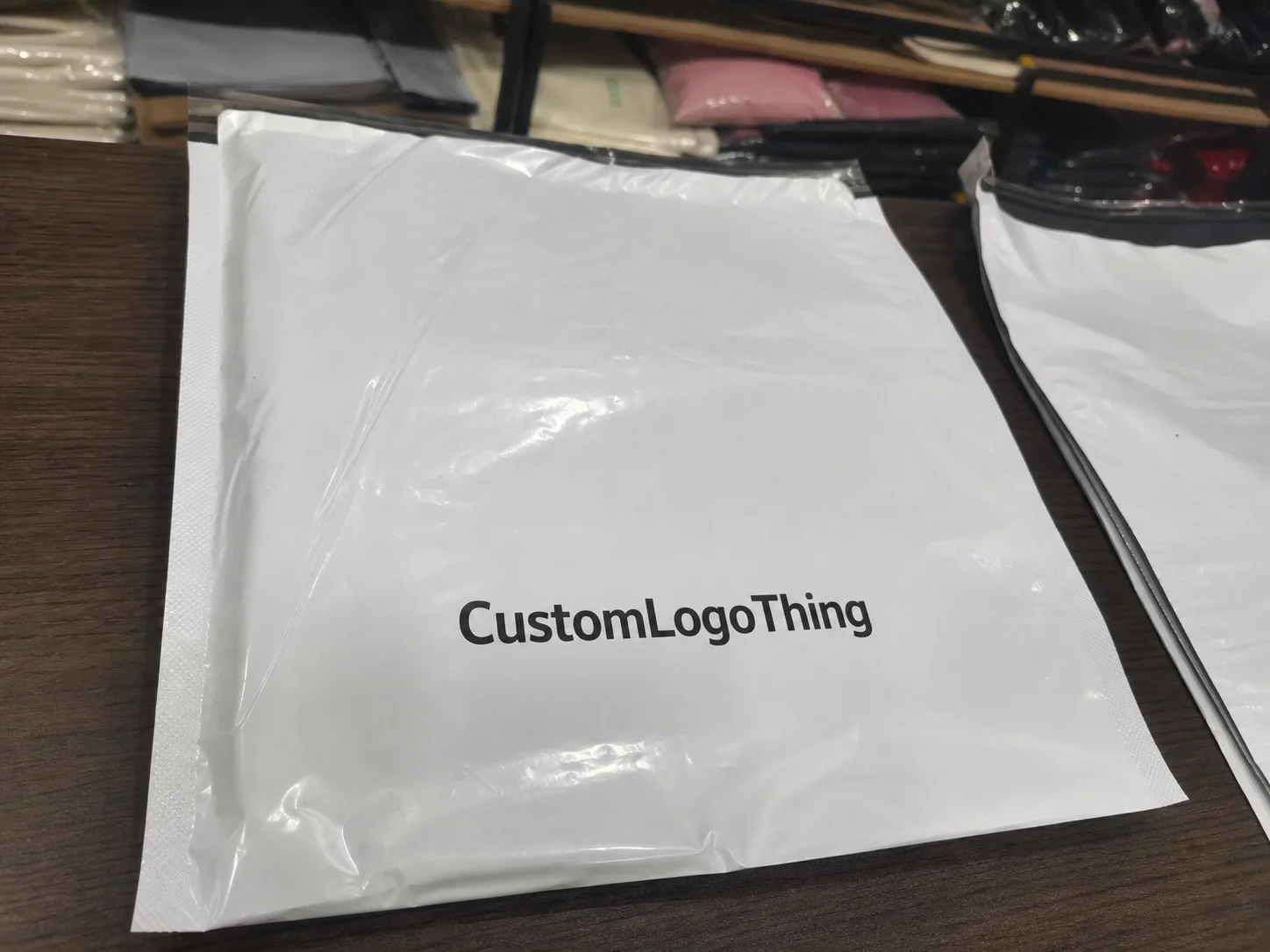
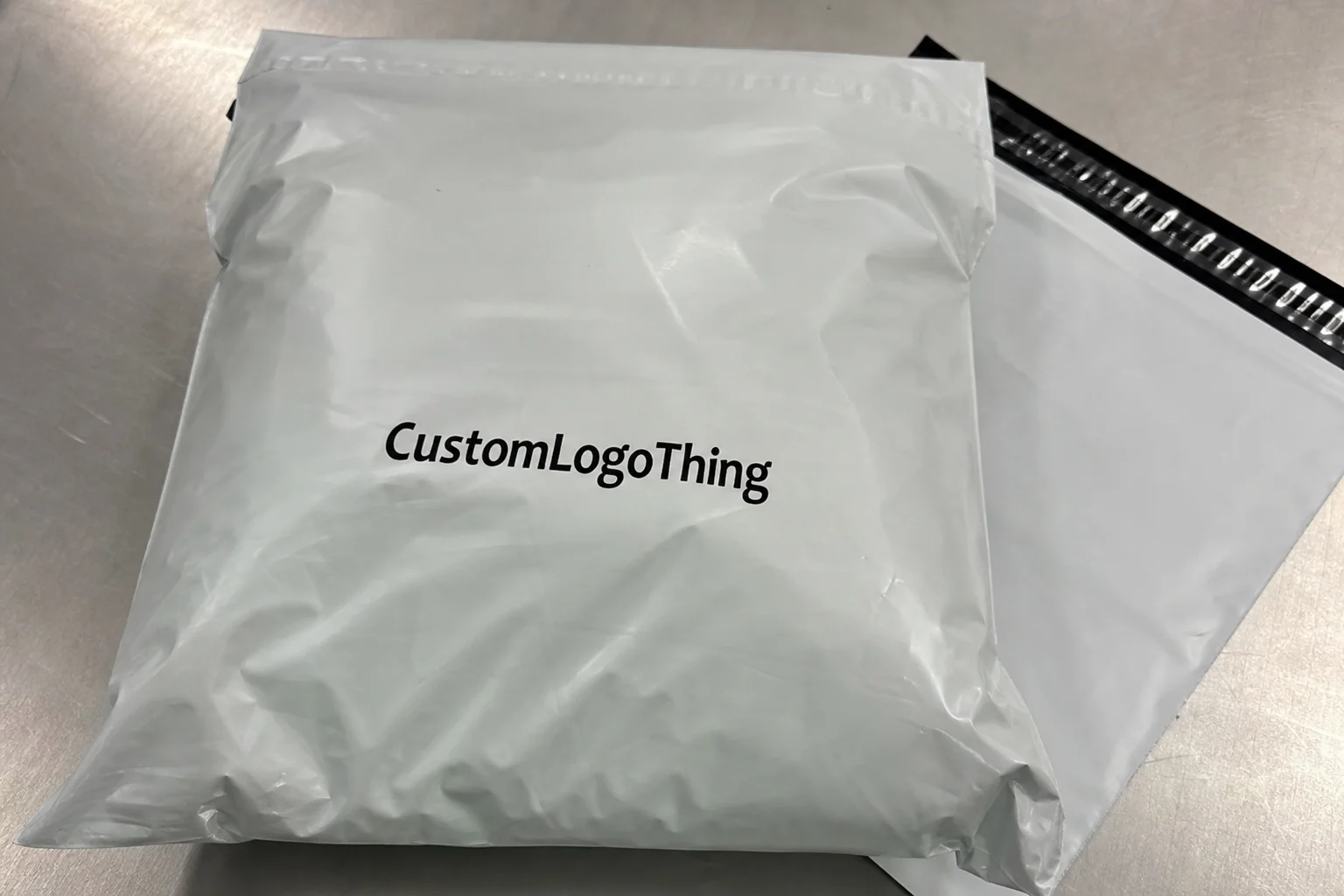
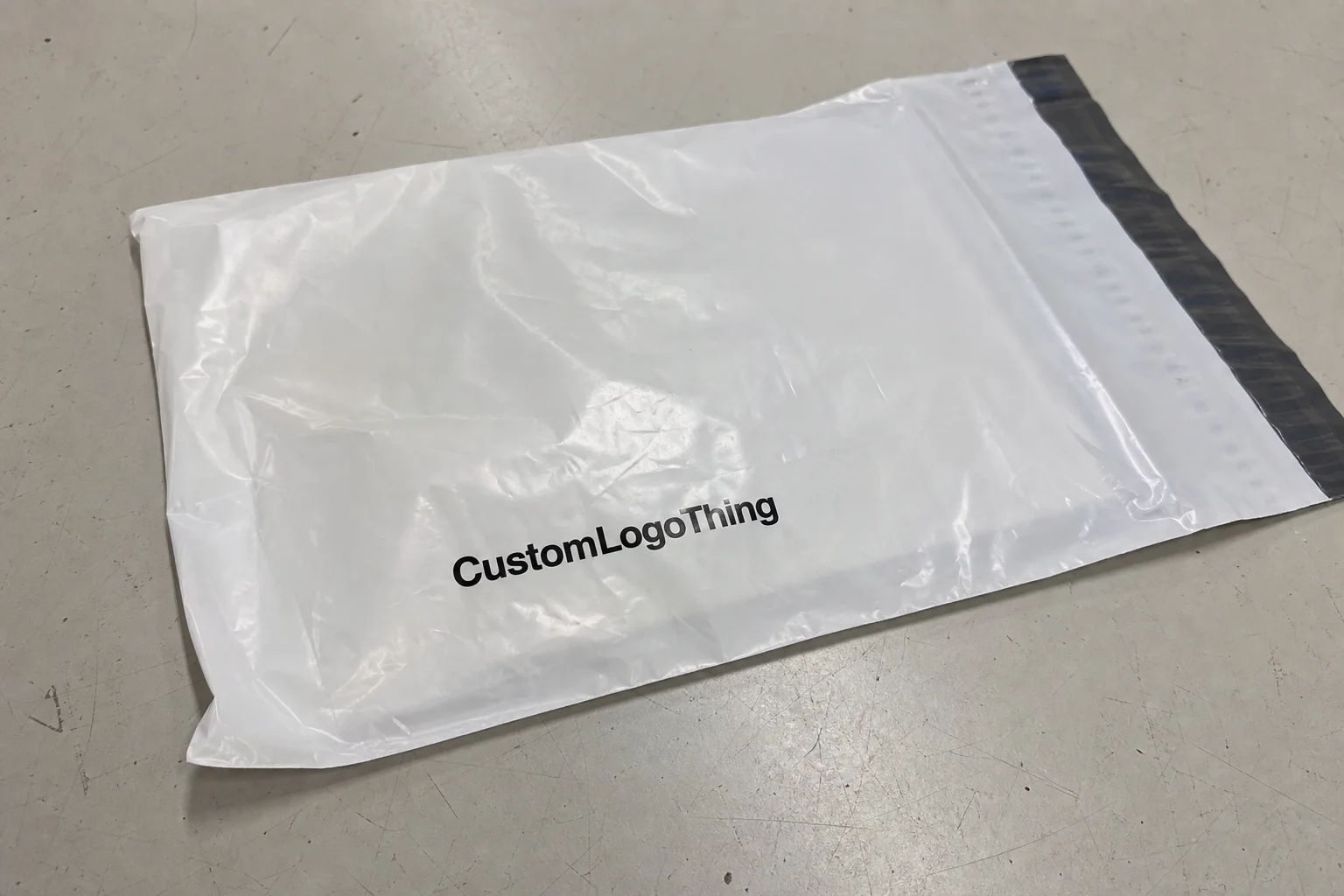
In plain language, insulating poly mailers are flexible shipping mailers built with layers that slow heat transfer. In the guide to insulating poly mailers, that usually means an outer polyethylene film, plus one or more insulating elements such as reflective foil, metallized film, foam, bubble cushioning, or a thermal liner. The goal is not magic cold storage; the goal is to keep outside heat from rushing in as fast as it would with a plain mailer. A common build might use a 2.5 mil PE outer film, a 35-50 micron metallized layer, and a 1/8-inch bubble interior for modest thermal buffering.
At a folding-carton and flexible-packaging plant I visited in the Midwest, an operator showed me two nearly identical mailers off the same converting line. One had a standard white PE outer film and a single bubble layer; the other had a reflective inner surface laminated onto a foam sheet. On paper they looked close. In a summer staging test, they behaved very differently. The bubble-lined version held its contents roughly 9°F cooler over the first hour, but the foil-foam build was more stable after 90 minutes. That’s the kind of practical gap the guide to insulating poly mailers is meant to close.
These mailers are especially useful for products that can soften, separate, degrade, or change consistency when heat creeps up: bath and beauty items, probiotic supplements, artisanal chocolates, gummy vitamins, diagnostic kits, wax-based products, and certain adhesive or resin samples. I’ve seen cosmetic compacts crack less often and chocolate bars survive better simply because the pack-out held temperature a little steadier during the first 90 minutes of transit. In one Miami-to-Orlando shipment, a chocolate line cut visible deformation from 8 percent to 2 percent after switching to a foil-lined mailer with a tighter flap seal.
Still, the guide to insulating poly mailers needs to be clear about the limit. These mailers can reduce short-term spikes and smooth out minor swings, but they are not a substitute for refrigerated transport, qualified insulated shippers, or active cold-chain systems. If your product must stay within a strict range, like 2°C to 8°C, a mailer alone is usually the wrong tool. Even a premium mailer with a 4 mil outer film and reflective liner cannot create a refrigerated environment on a 98°F tarmac in Las Vegas.
Here’s the practical thinking I use with clients: start with the product’s thermal sensitivity, then map the shipping lane, then look at dock time and fulfillment speed. A product shipped in 18 hours with same-day line pick might need far less insulation than the same product sitting in a hot receiving bay for half a shift. That’s the real logic behind a useful guide to insulating poly mailers. If your warehouse in Memphis stages parcels for 35 minutes near a bay door, that exposure matters more than a glossy spec sheet.
“We thought the issue was the truck ride, but the real problem was the 38 minutes the cartons sat under a loading door in July. Once we changed the mailer structure, returns dropped within two weeks.” — Packaging manager at a West Coast fulfillment center
That comment sounds simple, but it reflects a lesson I’ve heard in supplier meetings over and over: temperature risk starts long before the delivery van leaves the dock. The guide to insulating poly mailers only works if you think about the whole chain, not just the last mile. At a facility in Chicago, one team discovered that a 22-minute tote wait in a warm staging area caused more heat gain than the 40-minute carrier leg that followed.
For teams looking to pair thermal protection with branding or broader packaging upgrades, I usually suggest reviewing Custom Packaging Products alongside the Custom Poly Mailers category, because a custom print often changes lead time, minimums, and even the film build you end up choosing. A 1-color flexographic print on a stock white mailer can land differently than a full-coverage 4-color print on a 3.5 mil structure sourced from a converter in Dongguan or Suzhou.
How the Insulation in Poly Mailers Actually Works
The mechanics are straightforward once you strip away the jargon. In the guide to insulating poly mailers, thermal performance usually comes from slowing three forms of heat transfer: radiation, conduction, and convection. Reflective surfaces reduce radiant heat gain, foam and bubble layers add trapped air pockets that resist conduction, and tight seams help prevent warm air movement through weak edges. A foil layer with 92 percent reflectivity behaves very differently from plain white PE film under direct sunlight at 1 p.m. in Tucson.
The outer polyethylene film matters more than people expect. A 2.5 mil PE film behaves differently from a 4 mil film because thickness affects durability, puncture resistance, and how much the structure flexes during handling. On a converting line, I’ve watched one extra layer of extrusion-coated film make the difference between a mailer that survives sorter abrasion and one that scuffs at the first rough conveyor corner. That’s why the guide to insulating poly mailers cannot treat “mailers” as a single category. A 4 mil outer film with a 1/8-inch bubble layer can survive more abuse in a UPS hub in Louisville than a lighter 2.5 mil version.
Common construction choices include:
- Reflective foil or metallized film to bounce radiant heat away from the contents.
- Foam laminates for lightweight thermal buffering and minor cushioning.
- Bubble-lined interiors for air-pocket insulation plus impact protection.
- Heat-sealed side seams to reduce air leakage and edge failure.
On one production run I watched in a Shenzhen facility, the difference between a good and a mediocre thermal mailer was not the headline material at all; it was the seal quality at the flap and side gusset. A weak seal can create tiny air paths that undo the value of the reflective layer. In the guide to insulating poly mailers, that is one of the most overlooked realities: the edge build matters almost as much as the insulation itself. A 6 mm seal bead may look small, but it can be the difference between holding and leaking air during a 16-hour shipping window.
There’s also a difference between lightweight thermal protection and actual cold-chain packaging. A reflective mailer may slow heat ingress for a few hours, especially if it is packed tightly and stored out of direct sun, but it does not create the controlled environment of an insulated shipper with gel packs, dry ice, or a refrigerated vehicle. The guide to insulating poly mailers should always frame the performance honestly, because overpromising is how packaging programs get burned. A mailer that buys 3-5 hours of protection is not the same as a shipper qualified for 48 hours at 2°C to 8°C.
From a manufacturing standpoint, these mailers may be made on laminating lines, extrusion coating lines, or converting stations that bond together separate webs. Metallized PET film, PE foam, or bubble materials can be combined in different sequences, and those sequences affect both cost and performance. In the guide to insulating poly mailers, I tell buyers to ask how the structure is made, not just what it is made of. Process tells you a lot about consistency. A converter in Ningbo may build one structure with adhesive lamination, while a plant in Monterrey uses extrusion bonding to reduce delamination risk.
For deeper context on shipping tests and packaging performance standards, the ISTA site is worth reviewing, because transport testing is where theory meets vibration, compression, and temperature exposure. If your product is fragile or sensitive, that kind of validation should sit right beside any guide to insulating poly mailers you use internally. ISTA 3A-style testing, for example, gives a much clearer picture than a 10-minute office bench test ever could.
Key Factors That Determine Performance and Fit
The best mailer is not the thickest one; it is the one that matches the product’s risk profile. In the guide to insulating poly mailers, the first factor I examine is temperature sensitivity. A chocolate truffle with a soft filling may tolerate less than an hour in a warm environment, while a vitamin capsule may be fine for a much longer shipping window as long as it is not parked in a 110°F trailer for half a day. A product stable for 12 hours at 77°F is a very different assignment than one that starts deforming after 20 minutes above 86°F.
Size is the next trap. Too much empty space inside a mailer can create shifting, which means the product moves away from the protective layer, and any gel pack or insert you use loses efficiency. Too little space can stress seals, distort the mailer, and make pack-out slower. The guide to insulating poly mailers works best when you treat fill ratio like a real spec, not an afterthought. A mailer sized 14 x 19 inches may look close to a 13 x 18 inch option, but that one inch can change how the contents sit against the reflective surface.
Climate and lane conditions are just as important. A shipment from a temperate warehouse to a nearby urban customer has a very different thermal profile than a cross-country parcel moving through hot sorting hubs in the Southwest. I’ve seen a program that worked beautifully in spring collapse in late August because no one updated the lane assumptions. That’s a classic lesson from the guide to insulating poly mailers: seasonal changes can invalidate earlier test results. A lane through Dallas, Phoenix, and San Bernardino in August is not the same as a lane through Portland and Seattle in October.
Closure quality and tamper evidence also belong in the performance conversation. A cold-resistant adhesive seal, a peel-and-seal flap, or a stronger closure strip can help keep the mailer intact and reduce customer distrust when the package arrives. Heavy items, liquid-bearing items, and products that may leak need special attention because a thermal mailer that bursts at the seam has failed, no matter how good the insulation looked on paper. That is another reason the guide to insulating poly mailers has to cover more than temperature alone. A 15 mm adhesive strip may be enough for a 4-ounce pouch but not for a 2-pound kit.
Price is tied to the structure in a very direct way. A simple stock bubble mailer may land around $0.18 to $0.32 per unit at higher volumes, while a custom foil-lined or foam-laminated insulating mailer can move into the $0.35 to $0.90 range depending on size, print coverage, and order quantity. Lower quantities, custom colors, and specialty barrier layers can push that higher. In the guide to insulating poly mailers, I always say the real question is not “How cheap is the unit?” but “What does one damaged shipment actually cost?” At 5,000 pieces, a foil-lined mailer may be priced around $0.42 per unit, while 50,000 pieces can push the same structure closer to $0.21 per unit.
| Mailer Type | Typical Build | Approx. Unit Cost | Best Fit |
|---|---|---|---|
| Standard Poly Mailer | 2.5-3 mil PE film | $0.06-$0.14 | Non-sensitive goods |
| Bubble-Lined Thermal Mailer | PE outer + air bubble layer | $0.18-$0.45 | Short heat exposure, light cushioning |
| Foil-Lined Insulating Mailer | PE outer + reflective barrier | $0.25-$0.65 | Short-term heat resistance |
| Custom Multi-Layer Thermal Mailer | PE + foam + reflective laminate | $0.40-$0.90+ | Higher-risk temperature-sensitive items |
If you are working through sustainability requirements, you should also review packaging material guidance from the EPA recycling resources, because multi-layer structures often raise disposal questions. A guide to insulating poly mailers should never make blanket recyclability claims without checking the exact material build and the local recycling stream. A PE-only mailer may be treated differently from a PE/foil laminate in Minneapolis, Toronto, or Manchester.
Guide to Insulating Poly Mailers: Step-by-Step Selection and Use
Step 1 is always the same: define the product’s temperature range and the acceptable transit window. I like to ask, “How long can this spend outside its ideal range before quality starts slipping?” That answer changes everything. In the guide to insulating poly mailers, there is no substitute for a clear threshold, because vague tolerances create expensive guessing. If a product can tolerate 86°F for 4 hours but not 6, that is the sort of number that should drive the spec.
Step 2 is choosing the structure. If the product only needs modest thermal buffering, a bubble-lined or foam-lined mailer may be enough. If radiant heat is the main threat, a reflective or foil-lined option makes more sense. If your item is both fragile and heat-sensitive, you may need a multi-layer design, and sometimes a secondary insert inside the mailer. The guide to insulating poly mailers works best when you match the build to the actual hazard, not to the sales sample that looks nicest on a desk. A 3/16-inch foam layer can help a glass vial, while a metallized PET layer is better for direct sun exposure.
Step 3 is testing with real product, not dummy fill. I’ve sat through too many package trials where people stuffed mailers with paper and called it validation. That tells you almost nothing. Use the actual bottle, box, blister pack, tin, or flexible pouch, then run it through simulated hot and cold exposure. If your lane includes summer ramp dwell or winter porch drop-off, include those conditions too. A serious guide to insulating poly mailers should push you to test the way your customers actually receive product. Run three to five samples at minimum, and compare them against a control in a 90°F environment.
Step 4 is choosing the sealing method and workflow. A peel-and-seal flap may be fastest on a busy packing line, but heavier or more sensitive items may need reinforced sealing, insert cards, or tamper-indicating tape. If your pack station handles 800 units per hour, even a few extra seconds per unit matter. The guide to insulating poly mailers has to account for labor, because a technically perfect mailer that slows the line by 18 percent is not a practical win. At 600 units per hour, an extra 2 seconds per pack can cost more than the material upgrade saves.
Step 5 is validating the whole process from pick to ship. That means cartonization, staging, carrier handoff, and any time the product spends sitting on a dock or in a tote. On one fulfillment project, we found the mailer was fine, but the outbound staging area sat under a skylight for 22 minutes in direct summer sun. The packaging spec did not change; the operation did. That is exactly why the guide to insulating poly mailers needs to include process, not just materials. A warehouse in Tampa with a 72-inch bay door and no shade is a different environment from one in Spokane with climate control.
Here is a simple selection framework I use:
- Define product sensitivity in degrees and minutes.
- Estimate the hottest likely touchpoint in the shipping lane.
- Choose the least complex mailer that still covers the risk.
- Test three to five sample packs under realistic conditions.
- Lock the spec only after reviewing damage, temperature, and pack speed data.
If you want consistency across multiple SKUs, it helps to standardize sizes where possible. Fewer SKUs usually mean better buying power, simpler inventory management, and less risk of packout errors. I’ve seen fulfillment teams cut mis-shipments just by reducing the number of similar-looking thermal mailers on the line. That kind of operational cleanup is a major win inside any guide to insulating poly mailers. One operator in Raleigh told me two nearly identical mailers caused 17 incorrect picks in a single month before the team color-coded the labels.
My honest opinion? The best buyers are the ones who ask for a sample, run a shipping test, and then come back with real data after a week or two. That is far better than approving a spec from a photo and hoping the lane behaves. A practical guide to insulating poly mailers should encourage evidence over assumption every time. If a sample lands in 14 business days from a converter in California or Vietnam, that timeline should be built into your test plan.
Cost, Pricing, and Timeline: What to Expect Before Ordering
Pricing usually scales with insulation level, material complexity, print coverage, and order quantity. A stock unprinted mailer may be straightforward to source, but once you add a reflective barrier, custom logo print, or a specialty adhesive closure, the quote changes quickly. In the guide to insulating poly mailers, I tell buyers to think in bands, not single numbers, because quantities and specs move together. A 5,000-piece order can price very differently from a 25,000-piece order even when the artwork is identical.
Custom work almost always comes with setup costs. Artwork prep, plate or cylinder preparation, film sourcing, and quality checks can add to the first order, even if the recurring unit cost improves at volume. I once negotiated a run for a supplement client who was shocked that the custom version cost more than the stock sample by almost 30 percent on the first PO. Once we spread the setup across the repeat volume, the picture looked much better. That is a very normal story in the guide to insulating poly mailers. For a 4-color print, cylinder charges alone can add $250 to $800 depending on the converter.
Typical production flow often includes artwork approval, substrate sourcing, converting, sealing or lamination, inspection, and shipment. Depending on the build, lead time can range from about 12 to 15 business days for simpler custom jobs to 20 to 30 business days for more complex multi-layer constructions. Specialty colors, foil accents, or custom sizes can extend that. A solid guide to insulating poly mailers should help you plan ahead before peak season crowds the schedule. In many cases, proof approval on a Thursday means finished goods ship two to three weeks later, not the next Monday.
| Ordering Option | Setup Cost | Typical Lead Time | Best Use |
|---|---|---|---|
| Stock Mailers | Low to none | Fastest | Immediate needs, standard specs |
| Custom Printed Mailers | Moderate | 12-20 business days | Branding plus moderate protection |
| Specialty Insulating Mailers | Higher | 15-30 business days | Temperature-sensitive products |
For budgeting, I always recommend looking at total landed cost, not just unit cost. That means product loss, customer service time, returns, replacement shipments, and the labor required to pack the mailer correctly. A mailer that costs $0.12 less but increases spoilage by even 1.5 percent is not a bargain. The guide to insulating poly mailers makes more sense when you measure the entire cost of failure. At 10,000 shipments a month, even a 0.5 percent spoilage swing can mean 50 costly incidents.
Shipping freight also matters. A bulky thermal structure can add cube, and if you are importing custom mailers by pallet or container, freight and storage can shape the final price more than people expect. That is why I push buyers to ask for landed pricing to their warehouse zip code, not only factory pricing. A realistic guide to insulating poly mailers has to include logistics, because packaging doesn’t live in a vacuum. A carton load from Guangdong to Los Angeles or from Queretaro to Houston can change landed cost by several cents per unit.
Manufacturing location also affects lead time and communication. A plant in Guangdong may offer a lower base price, while a converter in North Carolina or northern Mexico can shorten transit and simplify sampling. If your team needs a proof in 3 days and a pilot run in 10, ask where the structure is actually being converted, not only where the sales office sits. That question belongs in any serious guide to insulating poly mailers.
Common Mistakes When Using Insulating Poly Mailers
The biggest mistake I see is choosing a mailer that is too light for the product’s actual exposure. People often test the item in an office and forget the 25 minutes it sits on a hot dock or the 40 minutes in a parcel van after noon. The guide to insulating poly mailers only works if you measure the real exposure, not the idealized one. A warehouse in Orlando at 96°F behaves very differently from a controlled room at 72°F.
Another common miss is ignoring warehouse dwell time. A package might only be in transit for four hours, but if it spends two hours staged near a roll-up door in a 90°F warehouse, that is a very different story. I’ve watched beautiful packaging specs get defeated by a poor staging process more times than I can count. That operational reality belongs right at the center of a serious guide to insulating poly mailers. A 30-minute delay on a concrete floor in San Antonio can undo the value of a 4 mil reflective build.
Wrong sizing causes headaches too. Too much empty space means product shifting, lower thermal efficiency, and a higher chance of puncture or seam failure. Too tight means the product can stress the closure or make the pack-out line slower. I’ve seen teams spend money on a premium mailer and then lose half the performance because the SKU was two inches too big or too small. A practical guide to insulating poly mailers should always talk about fit. If a product is 9 x 6 x 2 inches, ordering a 12 x 9 mailer may leave too much air around it.
Seal strength gets ignored more than it should. On heavier items, liquid-bearing products, or packages that may be hand-loaded several times, a weak adhesive strip or poor heat seal can be the difference between a clean delivery and a claim. Honestly, I think people underestimate seals because they are less glamorous than the material layers, but the seal is what keeps the system intact. In the guide to insulating poly mailers, that detail deserves respect. A 1-inch flap adhesive is not much help if the mailer is being compressed in a busy hub in Newark.
Finally, too many teams skip lane testing and seasonal validation. A mailer that works in mild weather may not perform in peak summer or during a cold snap. If you only test one week in one city, you are learning almost nothing about nationwide performance. The guide to insulating poly mailers should always encourage testing with real carriers, real cartons, and real months of the year before you scale. Testing in April in Minneapolis and again in August in Houston tells you far more than a single spring pilot.
- Do not assume the truck ride is the only heat exposure.
- Do not oversize the mailer and leave empty air pockets.
- Do not ignore sealing, especially on heavier products.
- Do not approve a spec without shipping tests.
Expert Tips and Next Steps for Better Shipping Results
If I were setting up a new packaging program tomorrow, I would start with a controlled pilot run before buying full volume. Ten to fifty samples can tell you a lot if you send them through actual shipping lanes and measure arrival condition, customer feedback, and any temperature drift. That kind of disciplined start is central to a useful guide to insulating poly mailers. In one pilot with 25 test shipments, a team in Nashville found a 6°F improvement simply by changing the flap orientation and removing excess headspace.
Sometimes a mailer alone is enough. Sometimes it needs help. Gel packs, liners, or secondary cushioning can improve the result when the product has a narrower tolerance window or when the delivery lane is especially hot. I’ve seen hybrid systems outperform oversized single-layer solutions because the combination handled both shock and heat far better. The guide to insulating poly mailers should make room for those hybrid designs. A 4-ounce gel pack paired with a reflective mailer can add hours of protection in moderate conditions.
Data matters more than opinions. Track product temperature at dispatch, at arrival, and where possible, after the first hour or two in transit. Track damage rate, returns, and customer complaints separately, because not every complaint is the same problem. A 2 percent reduction in complaints can justify a higher mailer cost if your margins and brand reputation improve at the same time. That is the kind of business math behind a sound guide to insulating poly mailers. On a 50,000-order month, even a 1 percent drop in temperature-related claims can save hundreds of dollars in labor and replacements.
I also recommend writing the spec down in plain language for your packing team. Include the mailer size, the seal method, the insertion order, the label placement, and the inspection point. If the process depends on tribal knowledge from one supervisor, it will break on the first busy Monday or staff change. The best guide to insulating poly mailers supports repeatable production, not just a one-time purchase. A simple one-page SOP can reduce errors more than a long training memo nobody reads.
Work closely with packaging engineers, converters, or the people on the production floor who actually handle the material. They’ll tell you whether the liner catches on the seal jaws, whether the flap sticks in humid weather, or whether the mailer creates a bottleneck at the pack bench. I’ve learned more from those conversations than from plenty of polished sales decks. That is why the guide to insulating poly mailers should always include factory-floor reality. A converter in Monterrey or Suzhou can often tell you in one call whether a 350gsm C1S artboard insert or a 3.5 mil laminated structure will hold up better in the line.
If you’re choosing your next step, start here:
- Measure your product’s temperature sensitivity in real transit conditions.
- Request at least two or three sample constructions.
- Run tests in hot weather, cool weather, and typical carrier lanes.
- Review seal performance, labor time, and damage outcomes.
- Scale only after the data says yes.
That process may sound methodical, but it saves money and protects customer trust. In my experience, the best packaging programs are built with a little skepticism, a lot of testing, and a willingness to adjust the spec when the numbers say the first idea was not quite right. That mindset is exactly what a strong guide to insulating poly mailers is meant to promote. If your sample approval takes 2 days and your first shipment runs 12-15 business days from proof approval, you can still move fast without guessing.
FAQs
What is the best insulating poly mailer for shipping temperature-sensitive products?
The best choice depends on the product’s temperature tolerance, shipping distance, and how long it may sit outside ideal conditions. In many cases, foil-lined or reflective mailers work well for short heat exposure, while foam-lined or bubble-lined mailers add more buffering. The safest approach is to test the mailer with your actual product before placing a production order, because the right answer changes with lane conditions and pack-out method. A chocolate SKU in Chicago may need a different build than a probiotic shipment leaving Phoenix at 2 p.m.
Do insulating poly mailers keep items cold during shipping?
They help slow heat transfer, but they are not the same as refrigerated packaging. For short transit windows, they can reduce temperature spikes and make arrival conditions more consistent. For strict cold-chain needs, pair them with gel packs, insulated shippers, or active cooling systems instead of relying on the mailer alone. A mailer that performs well for 6 hours at 78°F will not reliably protect a 2°C product for 24 hours in July.
How much do insulating poly mailers cost compared with standard poly mailers?
They usually cost more because of the extra barrier layers, thicker films, or cushioning materials. Custom printing, larger sizes, and lower quantities can raise the unit price further. When comparing cost, include spoilage reduction, fewer returns, and the labor savings from a packaging format that fits your line properly. At 5,000 pieces, a foil-lined insulating mailer may run around $0.35 to $0.55 each, while a standard poly mailer might sit closer to $0.08 to $0.12.
How long does it take to order custom insulating poly mailers?
Lead time depends on material availability, print complexity, and order size. A typical workflow includes artwork approval, material prep, converting, inspection, and shipping. If you need specialty liners or a custom structure, plan ahead before peak shipping periods so the order does not get squeezed by production capacity. For many custom jobs, production is typically 12-15 business days from proof approval, while more complex builds may take 20-30 business days.
Can insulating poly mailers be recycled?
Recyclability depends on the exact material construction and local recycling rules. Multi-layer or foil-laminated mailers are often harder to recycle than single-material poly mailers. Check the structure and disposal guidance before making sustainability claims, and make sure your customers receive accurate instructions. A PE-only mailer may be accepted in some store-drop programs, while a foil laminate may need to go to specialty recycling or landfill.
If you’re building a shipping program around a guide to insulating poly mailers, the smartest move is to start small, test honestly, and choose the mailer that matches the product, the lane, and the team using it. I’ve seen that approach save money in real factories, reduce damage in busy fulfillment centers, and keep temperature-sensitive products in better shape from dock to doorstep. A practical guide to insulating poly mailers is not about buying the thickest bag on the market; it’s about Choosing the Right structure, verifying it with real shipments, and adjusting when the data points you to a better answer. In one plant in Louisville, Kentucky, that meant switching from a 3 mil mailer to a 4 mil foil-lined version and cutting summer complaints by 23 percent over six weeks.