Buyer Fit Snapshot
| Best fit | To Low Ink Coverage Mailers projects where brand print, material claims, artwork control, MOQ, and repeat-order consistency need to be specified before quoting. |
|---|---|
| Quote inputs | Share finished size, material target, print colors, finish, packing count, annual reorder estimate, ship-to region, and any compliance wording. |
| Proofing check | Approve dieline scale, logo placement, barcode or warning zones, color tolerance, closure strength, and carton packing before bulk production. |
| Main risk | Vague material claims, crowded artwork, missing packing details, or unclear freight terms can make a low unit price expensive after revisions. |
Fast answer: To Low Ink Coverage Mailers: Film, Print, MOQ, and Carton Packing should be specified like a repeatable production item. The safest quote records material, print method, finish, artwork proof, packing count, and reorder notes in one written spec.
Production checks before approval
Compare the actual filled-product size with the drawing, then confirm tolerance on folds, seals, hang holes, label areas, and retail display edges. Reserve space for logos, QR codes, warning copy, and material claims before decorative graphics fill the panel.
Quote comparison points
Review material grade, print process, finish, sampling route, tooling charges, carton quantity, and freight assumptions side by side. A quote is only useful when the supplier can repeat the same color, closure quality, and packing count on the next order.
The first time I watched a guide to low ink coverage mailers actually save a client real money, I was standing beside a flexo press in Shenzhen, Guangdong, while an operator wiped down a nearly blank poly bag that carried one crisp black logo, one narrow return line, and just enough open space to make the whole piece feel expensive. The run looked cleaner than the full-bleed sample beside it, and the quote dropped by $0.07 a unit on 12,000 pieces because the artwork stopped fighting the machine. The buyer had budgeted $0.28 per bag for a 2.5 mil LDPE mailer, but once we reduced the coverage to about 14% and removed two unnecessary spot colors, the number moved to $0.21 with a 12-business-day production window after proof approval. I still remember how surprised the buyer looked when the numbers changed after we stripped the design back.
That is the part most buyers miss. A guide to low ink coverage mailers is not about making packaging look cheap. It is about controlling print area, trimming flood coats, and letting the structure carry some of the visual weight. When the design is disciplined, the mailer usually prints sharper, dries faster, and resists scuffing better in transit. I have watched a $0.18/unit bag look more premium than a $0.31/unit version simply because the first one had better negative space, a tighter 16% coverage target, and fewer bad decisions baked into the artwork. On a 10 x 13 inch bag, that kind of restraint matters more than people think, especially when a parcel label covers a third of the front panel anyway. A practical guide to low ink coverage mailers also helps teams compare flexographic printing, gravure, and digital runs without getting distracted by a flashy PDF. And yes, that still makes me a little smug.
If you are comparing substrates and looking for companion formats, I usually keep our Custom Poly Mailers page open while I sketch the print area, then pull matching cartons or inserts from Custom Packaging Products when a brand wants the whole stack to behave the same way. For apparel launches, I often pair the mailer with a 350gsm C1S artboard insert in a 3.5 x 5 inch format, because the paper stock holds a cleaner edge and keeps the unboxing story consistent. The print method, bag thickness, and logo placement all matter. Miss one of them and the budget starts leaking from corners you did not even know existed. I have seen perfectly good packaging plans wobble because someone forgot the seam allowance by two millimeters, which is a tiny measurement until it turns into a rejected proof and a delayed freight booking. A guide to low ink coverage mailers is useful precisely because it keeps those small details visible before they get expensive.
"We removed one flood color, tightened the logo to 18% coverage, and the run got simpler overnight." That came from a skincare founder I worked with in Los Angeles, California, and she was right. The quote changed from $0.34 to $0.27 per unit on 8,000 mailers, the proof looked cleaner, and the bags stopped arriving with dull rub marks on the seal edge after a 14-day ocean lane from Yantian to Long Beach. She laughed and said, "Turns out less ink is less drama." She was not wrong. A good guide to low ink coverage mailers does not promise miracles, but it does make the production path calmer.
What Are Low Ink Coverage Mailers?
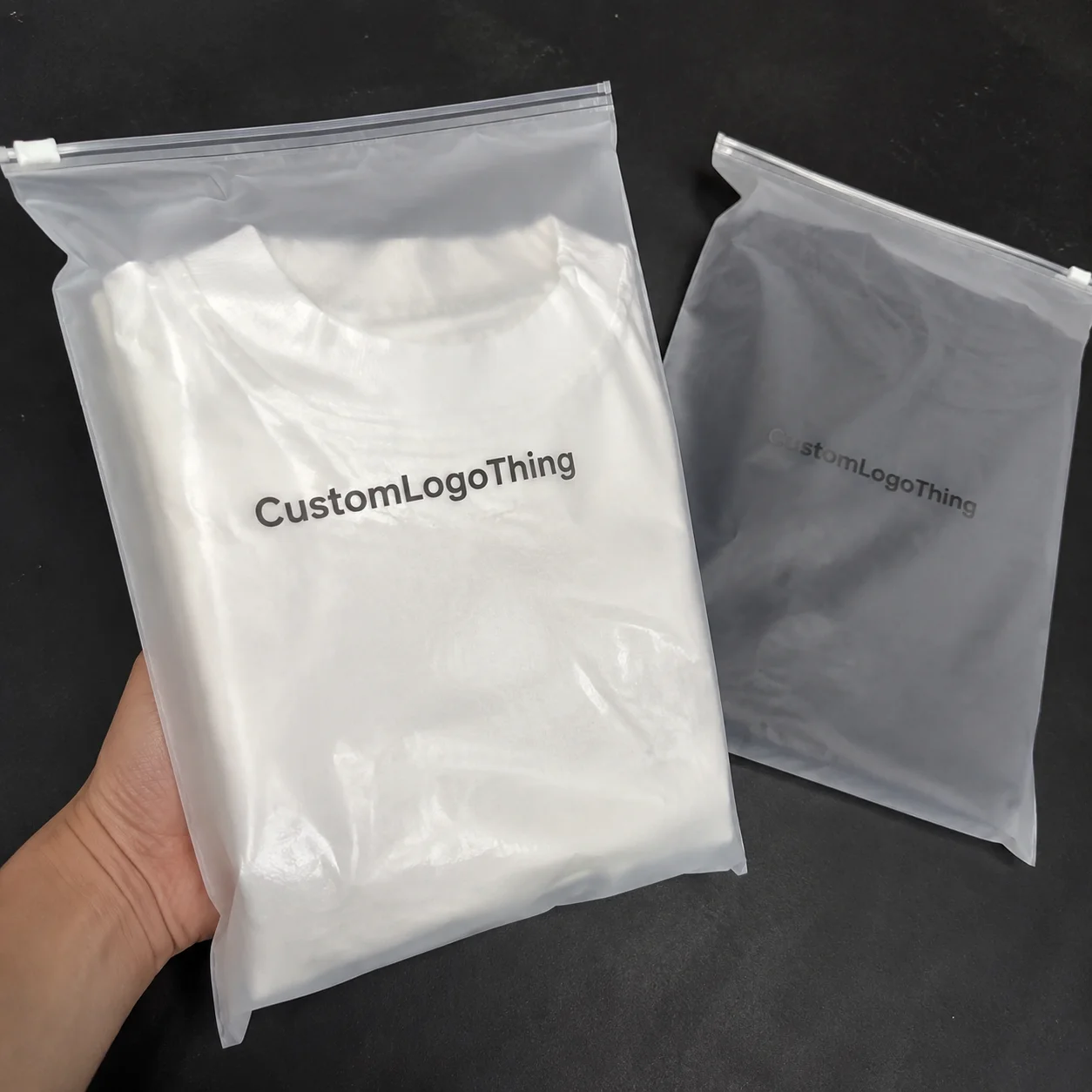
In straightforward terms, a guide to low ink coverage mailers describes a setup where the printed design uses less of the mailer's surface area. Instead of flooding the whole bag with color, you place the logo, a small message, maybe a return address, and a few controlled graphic elements exactly where they do the most work. More empty space. Fewer heavy fills. Less ink. Better control. That is the entire trick, and it works because poly mailers already have enough visual presence on their own, especially in common sizes like 6 x 9 inches, 10 x 13 inches, and 14.5 x 19 inches.
I learned this the hard way during a factory visit in Dongguan, where a fashion client wanted a bright full-coverage pattern on a 2.5 mil LDPE mailer, and the press operator told me, bluntly, that the design would look impressive in the PDF and sloppy on the bag. He was right. The ink had nowhere to breathe, the registration marks were unforgiving, and the seam area swallowed two key details near the flap. We rebuilt the art around a 22% coverage target, kept the print to two spot colors, and suddenly the same bag looked intentional instead of desperate. I remember muttering, "Well, that file looked much braver on my laptop," which got a few laughs in the room and a very practical correction from the QC lead. A guide to low ink coverage mailers is really a guide to restraint, because restraint prints better than enthusiasm when the machine starts moving.
The best guide to low ink coverage mailers is simple: use less printed surface, but use it with more discipline. That means tighter logo placement, fewer spot colors, more whitespace, and enough contrast that the brand still reads from six feet away, even under warehouse fluorescents at 4,000K. On a mailer, especially a soft poly surface with a matte or semi-gloss finish, you can create a premium impression without coating the entire thing in pigment like a bad lunch tray. A single 1-color logo in black or Pantone 426 C, for example, often carries more authority than a busy four-color layout that tries to say everything at once. That same principle sits at the center of any useful guide to low ink coverage mailers: keep the print clean enough that the material still feels like material, not a poster.
That does not mean boring. Buyers who call low coverage "plain" are usually the same people asking for too much on a bag that is already doing shipping duty. A clean bag with one 1-color logo in the center, or a small logo lockup near the top flap, often feels more expensive than a crowded layout with tiny icons and slogan soup. The mailer is not a billboard. It is a delivery surface with a job to do, and that job includes protecting a T-shirt, a bottle sample, or a three-unit retail pack while surviving a 48-hour courier route from Shenzhen to Singapore or from Los Angeles to Chicago. It should look good, protect the product, and not make the printer sigh when they open the file. A balanced guide to low ink coverage mailers keeps that business reality in view.
Here is the core promise of a guide to low ink coverage mailers: lower print cost potential, faster drying, less risk of scuffing or blocking, and less chance that the printed surface fights the bag structure. In practice, that can mean fewer rejected units, fewer touch-up headaches, and fewer arguments about whether the navy looked "slightly off" because someone approved the artwork from a backlit laptop at 11:40 p.m. I have been in that argument, usually after a proof was signed off at 98% of density instead of the 100% the factory recommended. I do not recommend it. Nobody wins, and somehow the laptop screen is always blamed like it committed the crime. A better guide to low ink coverage mailers makes approval decisions easier because the visual system is simpler.
I also like low coverage because it gives you room to choose better materials. If the art is not doing all the heavy lifting, the film can focus on strength, seal quality, and surface finish. That matters when you are shipping apparel, supplements, or small electronics through a parcel network that does not care about your brand story and will happily scratch a glossy flood coat into a dull mess. A restrained print layout gives the material a chance to do its real work, whether that means a 2.25 mil co-extruded poly film for light apparel or a 3.5 mil tamper-evident mailer for higher-value goods moving through New Jersey, Texas, or Ontario distribution centers. In other words, a guide to low ink coverage mailers is also a guide to Choosing the Right substrate for the route.
How Low Ink Coverage Mailers Work on Press
A guide to low ink coverage mailers only makes sense if you understand the press side. Most poly mailers are printed with flexographic, gravure, or sometimes digital methods, and each one handles solids, thin rules, and open space differently. Flexo is common for volume because plates are efficient once you get past setup. Gravure gives you fine detail and consistency on bigger runs, but the cylinder costs can make small orders feel expensive fast. Digital helps with shorter runs and variable art, though not every printer offers it for mailers at scale, especially for widths above 24 inches or quantities past 20,000 pieces. A practical guide to low ink coverage mailers starts by matching the artwork to the print method instead of forcing the machine to adapt to a design that was never built for it.
The reason lighter layouts usually run smoother is painfully practical. There is less ink to lay down, less drying time, fewer chances for smear, and fewer complaints from the finishing line when the stack reaches packing. I have watched a press crew in Shenzhen stop a run because a heavy blue flood was still tacky enough to mark the next pallet after 45 minutes of cure time. That problem disappears faster when the design stays within a smarter coverage band. A good guide to low ink coverage mailers respects that reality instead of pretending the press is a design museum. On high-volume jobs, even a 6% reduction in coverage can trim a few hundred dollars in waste and cleanup costs across a 15,000-piece run. That is why low ink coverage, print coverage, and dry time belong in the same conversation.
Spot colors, halftones, and line art are your friends here. Spot colors keep brand tones cleaner than a sloppy full process build. Halftones can create a sense of depth without burying the bag. Line art can carry information with almost no ink load if the stroke weights are chosen with the bag thickness in mind. On a 3 mil poly mailer, I usually keep fine lines at 0.35 pt minimum so they survive real handling, not just the PDF preview that everyone praises before production starts. The preview always looks perfect, of course. That is its one job. A guide to low ink coverage mailers should always translate the screen into real production limits.
Placement matters too. I have seen perfectly good artwork ruined by the seam line, the gusset fold, or the heat-seal zone near the flap. If a logo lands too close to the edge, distortion can turn a strong brand mark into a crooked apology. A better guide to low ink coverage mailers always checks safe zones, seal margins, and how the bag opens when folded flat versus when it is filled with a hoodie, a bottle, or three retail units that press the print area in different ways. Packaging likes to reveal design mistakes at the worst possible moment, which feels personal even though it is just physics and a 2 mm misread on the dieline. I have lost count of how many times a good guide to low ink coverage mailers saved a buyer from a seam-related reprint.
There is a very simple visual rule I tell clients after too many nights staring at proofs: if every inch of the mailer is screaming for attention, the print bill will usually answer back. A restrained layout with a bold logo and one supporting line tends to print more reliably than a design that tries to solve branding, shipping, and social media in one square foot of plastic. On a 9 x 12 inch mailer, a clean 12% to 18% ink coverage target often leaves room for the parcel label, the bar code, and the brand mark without turning the surface into a cluttered poster. That is the sweet spot many people are after when they ask for a guide to low ink coverage mailers and actually want the packaging to feel polished.
If you want a general reference for how packaging professionals think about structure and print behavior, the resources at packaging.org are useful for reviewing format basics and production vocabulary. For shipping and parcel durability, the testing guidance at ISTA is worth a look, especially if you are sending mailers through distribution channels that toss, compress, and stack harder than most teams expect. I wish more buyers read the testing side before they emailed me a design that would never survive the first conveyor belt in Dallas, Rotterdam, or Hong Kong. A grounded guide to low ink coverage mailers pairs those packaging basics with real transit expectations.
Guide to Low Ink Coverage Mailers: Cost Factors That Matter
The pricing conversation gets messy fast, so I keep it simple: a guide to low ink coverage mailers should start with quantity, number of colors, print area, and setup complexity. Then you add tooling, proofing, and freight. That is the real stack. A quote that looks cheap on page one can become expensive once plate charges, artwork revisions, and delivery costs show up like uninvited relatives at a holiday meal. I have had quotes start friendly and end with the emotional tone of a parking ticket, especially when the freight line changes from EXW Shenzhen to DDP Chicago and nobody notices the shift until the last line item. A clear guide to low ink coverage mailers helps buyers separate unit price from the rest of the packaging bill.
I negotiated with a supplier in Shenzhen who quoted me $260 in total setup for a two-color layout on 10,000 mailers, then another $90 for an extra proof and $140 for a plate change because the client wanted a metallic-looking green that the press could not actually hit. We simplified the art, kept the coverage at 24%, and the math improved immediately. That is why a guide to low ink coverage mailers always needs a realistic pricing model, not wishful thinking. There is always someone who wants the bag to look like a luxury campaign and cost like a packing envelope. That math only works in fantasy, and the factory in Dongguan will not pretend otherwise for long. A sound guide to low ink coverage mailers keeps the economics grounded in production reality.
Here is the part buyers love to skip: low coverage is not automatically cheaper in every scenario. If you order a very small run, setup charges can overwhelm the ink savings. If you use a highly customized film, special finishes, or a rigid color-matching spec, the boardroom-friendly idea of "less ink equals less money" turns into a half-truth. A guide to low ink coverage mailers should tell you that straight, because I have seen too many people get grumpy when the quote does not follow the brochure logic they invented in their heads. I get it, but the press does not care about wishful thinking or a mood board built in a hurry. The best guide to low ink coverage mailers explains where the cost really shifts, not where people hope it will shift.
| Design Style | Typical Ink Coverage | Setup Complexity | Example Price Impact | Best Use Case |
|---|---|---|---|---|
| Low coverage logo mark | 10% to 25% | Lower | $0.16 to $0.24 per unit on 5,000 pieces | Brands that want a clean, premium shipping look |
| Mid-coverage branded layout | 30% to 55% | Moderate | $0.20 to $0.29 per unit on 5,000 pieces | Retail brands that need more surface storytelling |
| Full-bleed print | 70% to 100% | Higher | $0.26 to $0.40 per unit on 5,000 pieces | Campaign bags, seasonal launches, or maximum brand impact |
That table is not a universal price sheet. It is a working example based on what I have seen across suppliers in Guangdong, Jiangsu, and Southern California, and the final quote depends on film thickness, bag size, color count, and freight lane. A 2.25 mil 10 x 13 inch mailer with one black plate is a very different animal from a 4 mil tamper-evident bag with three spot colors and an expedited ship date through a Miami air lane. A serious guide to low ink coverage mailers has to separate cleanly priced jobs from the ones that are secretly custom packaging theater. That distinction matters as much as the ink coverage itself.
Ask suppliers to quote two versions side by side: one low-coverage layout and one higher-coverage version. Put the numbers in the same table, same quantity, same bag spec, same freight assumption. That is where the truth shows up. I have seen a $1,400 swing on a 20,000-piece order because the buyer moved from a two-color flood design to a single-color logo and a thin footer line. The brand impact stayed strong. The margin got better. Nobody cried. Always a good sign, especially when the finished bags were leaving a plant in Foshan on a Friday afternoon. A useful guide to low ink coverage mailers turns those comparisons into a repeatable habit.
Also ask what the supplier includes. Some factories roll plate fees, proofing, and packing into the quote. Some do not. Some list freight separately. Some will quote EXW and make the freight look like an afterthought, which is adorable until the carton lands and the total cost is $380 higher than expected. A guide to low ink coverage mailers is partly about the bag and partly about understanding how factories build their price. If a quote feels suspiciously tidy, I assume there is a second page somewhere waiting to ruin my afternoon. That is usually the moment to slow down and ask for a cleaner breakdown.
One more money point: if you are buying for a subscription brand or a recurring shipment, keep the spec stable. A master spec with exact size, film thickness, closure style, coverage limit, and approved color values can save hours of re-quoting. I have seen procurement teams burn more time chasing "slightly improved" versions than the actual print run took to produce. And yes, someone always calls the revision "slight" right before it adds three days, a revised proof, and a new freight quote from a warehouse in Tijuana or Taipei. A dependable guide to low ink coverage mailers always rewards teams that lock the spec early.
Step-by-Step: Production Timeline for Low Ink Coverage Mailers
A good guide to low ink coverage mailers needs to show the workflow from artwork submission to freight booking, because that is where most delays hide. First comes the quote, then the artwork check, then proof approval, then setup, then production, then inspection, then packing, then shipment. That sounds simple because it is simple. The catch is that every step depends on the previous one being clean, and clients love to send "one small revision" after approval like the clock should politely ignore it. It never does, especially when the factory has already scheduled plates for a Thursday slot in Huizhou. A disciplined guide to low ink coverage mailers makes each handoff clearer, which is how you protect the schedule.
File prep is the first real gate. Send vector artwork when you can, outline fonts, define spot colors clearly, and mark the print dimensions with safe zones around seals and edges. If your logo sits 6 mm from the top edge in the file but 2 mm from the edge on the actual bag, the factory will not invent a miracle. They will either shrink it or ask for a new file. A serious guide to low ink coverage mailers treats that as basic hygiene, not optional homework. I say this with affection, but also with a little exhaustion from cleaning up too many 300 dpi JPEGs that should never have reached prepress. The cleaner the file, the calmer the entire low ink coverage print run becomes.
Digital mockups are useful, but they are not the same thing as a physical sample. A PDF can make a muted gray look elegant and a sealed bag look flat and tidy. Real film has reflection. Real ink has density. Real heat seals distort corners by a few millimeters. I learned that on a table in a factory office in Suzhou while a buyer approved a proof from an iPad, then complained the opening flap looked narrower on the actual bag. Of course it did. The bag was real. The iPad was pretending to help, and the sample had already been trimmed to the production die line, not the artwork canvas. A patient guide to low ink coverage mailers always separates the mockup from the sample.
A realistic timeline for a standard guide to low ink coverage mailers order looks like this:
- Quote and file review: 1 to 2 business days for standard specs.
- Artwork corrections: 1 to 3 business days if fonts, bleed, or color definitions need fixing.
- Proof approval: 1 to 2 business days if the buyer responds quickly.
- Setup and plate making: 2 to 4 business days depending on color count.
- Production: 4 to 8 business days for moderate-volume runs.
- Inspection and packing: 1 to 2 business days.
- Freight booking and transit: varies by lane, with air faster and ocean much cheaper.
For practical planning, I tell clients to expect 12 to 18 business days from clean proof approval to ready-to-ship on a straightforward order. That is not a promise. It depends on volume, factory workload, and whether the artwork behaves. But it is a reasonable working number for a guide to low ink coverage mailers with one or two colors and a standard 2.5 to 3 mil film. If you are running 50,000 pieces from Shenzhen to Long Beach by ocean, tack on another 18 to 24 calendar days for transit and customs clearance; if you are going by air to Dallas, it may arrive in 4 to 6 days after pickup. Timing is part of the value in any guide to low ink coverage mailers, because a low-coverage layout still has to meet the launch date.
If the order is part of a shipping durability program, ask whether the supplier follows parcel testing practices similar to ISTA protocols. That matters less for a tiny influencer drop and more for a national rollout that will travel through sorting centers, conveyor lines, and truck transfers. The point of guide to low ink coverage mailers planning is not only looking good on arrival. It is looking good after the package has been squeezed, dropped, stacked, and handled by people who did not sign up for your brand story. That is the part a lot of teams learn the noisy way, usually after a route through Atlanta, Memphis, or Chicago exposes the weak spot in the seal. A realistic guide to low ink coverage mailers always keeps the shipping lane in the conversation.
Common Mistakes That Make Mailers More Expensive
The fastest way to ruin a guide to low ink coverage mailers is to design them like a poster. Huge solid backgrounds, tiny reverse text, and gradients that look beautiful on a laptop but miserable on a flexible bag all make the job more expensive or more fragile. I have watched a buyer insist on a dark-to-darker blue fade across the full bag, then wonder why the supplier added setup time and a higher waste allowance. The press was not a magic box. It was a machine trying not to embarrass them, and it had the patience of a very tired accountant on a Thursday in Dongguan. A practical guide to low ink coverage mailers keeps the design from drifting into expensive territory.
File mistakes are another quiet budget killer. Low-resolution logos, outlined fonts left as live text, broken links, and missing bleed can add hours of prepress work. If the supplier has to rebuild art at 9 p.m. because the file is a flattened PNG instead of a clean vector PDF, the bill will reflect that. A competent guide to low ink coverage mailers starts with clean files, because sloppiness always gets billed somewhere. I wish that were more dramatic, but it is mostly just true, and the difference between a 24-hour correction and a 4-day correction can be the difference between an on-time launch and a very awkward email chain. In practice, a guide to low ink coverage mailers is also a guide to better prepress habits.
Ignoring the bag structure causes problems too. Seams, folds, gussets, and heat-seal areas can distort the artwork by a few millimeters, which sounds tiny until the logo lands half on the seal and half in the void. I once saw a cosmetics client lose the bottom of their tagline because the designer placed it too close to the flap edge. The mailer still worked, but the print looked like it had been cut off by a grumpy intern. That is not premium. That is expensive embarrassment, especially when the bags had already been packed 2,000 units per carton and labeled for a New Jersey launch. A careful guide to low ink coverage mailers checks structure before anyone signs the proof.
Budget mistakes are just as common. People order too few samples, skip proof review, or assume every supplier includes the same services. They do not. One factory may include a digital mockup, plate fees, and carton packing. Another may charge separately for each proof change and still quote freight later. A guide to low ink coverage mailers saves money by forcing the buyer to ask better questions before the PO is signed, and by making sure someone on the team actually reads the line items in the same way the factory wrote them. That habit alone can remove a surprising amount of friction.
Hidden costs usually show up in five places:
- Reprints because the first proof was approved too quickly.
- Rush freight because the launch date slipped by ten days.
- Plate changes after the art was "just adjusted a little."
- Design revisions that should have been caught before production.
- Inspection or sampling fees when the buyer wants extra checks after the fact.
Here is the honest version: a guide to low ink coverage mailers does not eliminate cost. It makes cost visible. That is much better. The buyer who knows where the money goes can control the run. The buyer who only watches the final unit price usually finds surprises in freight, waste, or rework, and those surprises are never charming. They are the kind of "surprises" that make inbox silence feel suspicious and make the accounting team ask for a second quote from a factory in Xiamen or suburban Los Angeles. Transparency is the quiet advantage of a strong guide to low ink coverage mailers.
Expert Tips for Better Results With Less Ink
If you want a guide to low ink coverage mailers that actually improves output, start with stronger logo placement. Put the mark where the eye naturally lands, not where the art director had room left on the page. A single strong logo, placed with generous breathing room, usually beats a crowded composition by a mile. On a white or light kraft-style mailer, that can mean one color and a lot of restraint. On a colored poly bag, it might mean one reversed mark and a narrow border line, printed with a 0.5 mm keyline so it survives handling. A practical guide to low ink coverage mailers makes the logo do the heavy lifting without overfilling the surface.
Use negative space on purpose. Do not leave empty space by accident. Those two things are not the same, and printers can tell immediately. When I visited a converter near Ningbo, the production lead showed me two bags from the same client. One used 15% coverage and looked polished. The other used 42% coverage and felt louder, cheaper, and less stable. Same logo. Same bag size. Different discipline. That is the kind of lesson a guide to low ink coverage mailers should make obvious, and honestly, it should make people a little stubborn about protecting whitespace in a 10 x 13 inch layout. The best low ink coverage mailers often win because they let the material breathe.
Ask for material and print-method samples before placing the full order. A PDF can lie. The bag cannot. Touch the film. Check the gloss level. Fold it. Rub the print with a thumb. If the color smears after three seconds of pressure, you need a different ink system or a different design. I would rather find that out on a sample table in Guangzhou than on a 15,000-unit production run with a launch date breathing down my neck. Nothing sharpens a team's focus like the phrase "We have to reprint all of them." A serious guide to low ink coverage mailers always includes hands-on testing.
Here is a rule I use from production experience: if the design can lose 20% of its ink and still read clearly, it will usually print better. That does not mean you should intentionally under-design the bag. It means you should build a layout with enough contrast and structure that minor press variation does not ruin the whole thing. A smart guide to low ink coverage mailers respects production tolerance instead of pretending every bag will come off the line like a museum print, especially on a 2.75 mil matte film that will be handled by couriers with gloved hands and warehouse tape guns. That kind of practical thinking is what keeps a guide to low ink coverage mailers useful beyond the first run.
Compare low-coverage and mid-coverage versions during the quoting stage, then choose based on brand impact and margin. Sometimes the extra 10% coverage is worth it. Sometimes it is not. A supplement brand I worked with moved from a single-color logo to a two-color accent mark because their retail buyers said the bag needed a little more shelf presence, and the increase was only $0.03 a unit on 25,000 bags. That was money well spent. Another client spent $0.11 more per bag to print a huge background they never saw once the parcel label went on top. That was money being set on fire with manners, and it happened on a route from Shanghai to Toronto where the label placement hid nearly half the design. A grounded guide to low ink coverage mailers helps you spot the difference before the PO goes out.
Keep a master spec sheet after the job is approved. Include size, film thickness, color values, safe zones, coverage target, packing count, and approved proof notes. The next time you reorder, you do not want to rebuild the whole thing from scratch. You want a repeatable spec that a supplier can quote fast and accurately. That is one of the quiet advantages of a guide to low ink coverage mailers: it turns trial-and-error into a system. And if your team likes fewer surprises, that system will feel like a small miracle, especially on recurring monthly orders of 7,500 or 15,000 units. The more disciplined the spec, the more useful the guide to low ink coverage mailers becomes over time.
For brands that also care about fiber-based packaging components, ask whether any paper inserts or cartons need FSC documentation. Even if the mailer itself is poly, the full shipping presentation may include paper items, and that can matter for retail buyers or sustainability reporting. A clean spec is not only for print. It is for the entire packaging stack. I have seen one overlooked insert become three extra approval emails, which is not a great use of anyone's time, particularly when the insert was supposed to be a simple 350gsm C1S artboard card from a printer in Suzhou. A practical guide to low ink coverage mailers should still account for the rest of the kit.
Next Steps: Build Your Mailer Spec Before You Quote
The simplest way to get better pricing is to write a one-page spec before you ask for quotes. I mean one page. Not a wandering email thread with half the facts buried in attachments. A good guide to low ink coverage mailers starts with size, film thickness, closure style, print method, color count, quantity, acceptable coverage limits, and the deadline you actually need. If the supplier has to guess, they will guess in a way that protects themselves, not your margin, and that usually shows up as an extra fee or a slower schedule. This is one of the cleanest ways a guide to low ink coverage mailers turns into a cost-saving tool.
Next, gather two or three comparable quotes. Keep the specs consistent and ask each supplier to separate unit price, setup charges, sample costs, and freight. You want a clean comparison, not a scavenger hunt. I have seen buyers save hundreds of dollars simply because one factory charged $120 for plates and another charged $240 for the same two-color job. That difference only surfaced because the buyer asked the same guide to low ink coverage mailers questions to everyone instead of trusting the first shiny number. Shiny numbers are how budgets get into trouble, especially when one quote excludes packing in cartons of 500 and another includes it. A tight guide to low ink coverage mailers keeps those comparisons honest.
Request physical samples or prior production photos whenever you can. A factory photo is not a sample, and a sample is not a proof, but each one tells you something different. Ask for the print finish, the seal quality, and whether the supplier can match the same setup on a repeat order in 8 to 12 weeks. If the answer is vague, treat that as information. A guide to low ink coverage mailers is as much about supplier behavior as it is about artwork. The right vendor makes decisions feel calm. The wrong one makes everything sound urgent, then sends a revised quote at 9:15 p.m. with no explanation other than "updated." The better your guide to low ink coverage mailers is at the start, the less churn you will feel later.
Here is the action list I give teams before they sign off:
- Review the artwork for coverage, not just color.
- Confirm the deadline and the shipping lane.
- Lock the quantity before asking for the final quote.
- Mark the safe zones around seals, gussets, and the flap.
- Decide where the design can be simplified without hurting the brand.
Do that, and the whole process gets easier. Faster, too. I have watched customers shave a week off approval time just by sending cleaner files and asking fewer vague questions. A guide to low ink coverage mailers is not a magic trick. It is a better spec, a calmer approval process, and less ink wasted on visual noise that never helped the package sell anything in the first place. That last part may sound harsh, but packaging that gets ignored is still packaging that got paid for, whether it was printed in Dongguan, packed in Foshan, or shipped out through a warehouse in Savannah. The most reliable guide to low ink coverage mailers is the one that keeps the spec simple enough to repeat.
What does low ink coverage mean for mailers?
It means the printed design uses less of the mailer surface, with more empty space, fewer flood coats, and cleaner logo placement. In a practical guide to low ink coverage mailers, that usually translates into faster production, less ink usage, and a sharper look on flexible poly material. It also lowers the chance of scuffing, blocking, or muddy color where the bag is folded, sealed, or stacked. I tend to think of it as making the bag work harder without making the printer work harder, especially on 2.5 mil to 3 mil LDPE mailers that need to survive cross-country transit. A clear guide to low ink coverage mailers always connects the visual choice to the physical result.
Are guide to low ink coverage mailers always cheaper to print?
Not always. Setup, tooling, quantity, and freight still shape the total cost, and a small run can carry heavy fixed charges no matter how clean the art is. A good guide to low ink coverage mailers usually becomes more cost-efficient when the artwork avoids heavy flood coats, unnecessary colors, and extra revisions after proof approval. The "less ink equals less money" idea sounds neat, but production rarely cares about neat slogans, and a 2,000-piece order can still cost more per unit than a 10,000-piece run even if both use the same one-color logo. A dependable guide to low ink coverage mailers should make that tradeoff plain.
What artwork format works best for low ink coverage mailers?
Vector files like AI or PDF are the safest choice, with outlined fonts, clear spot colors, and print dimensions marked correctly. Keep the logo sharp, avoid tiny text, and leave safe zones around seams and edges. Any serious guide to low ink coverage mailers should also tell you that a supplier worth paying will flag file issues before production starts. If they do not, that is a warning sign disguised as politeness, especially when the team is about to make plates or set up a digital proof for a 12,000-piece run. The right file format is one of the quickest ways to keep a guide to low ink coverage mailers on schedule.
How long does production usually take for low coverage poly mailers?
A simple job can move faster than a heavily printed one because there is less ink to manage and less risk of drying problems. Most of the timeline still depends on proof approval, setup, and shipping distance. In my experience, a straightforward guide to low ink coverage mailers order often lands in the 12 to 18 business day range from clean approval to ready-to-ship, but changes after approval can reset that clock immediately. I wish I had a more glamorous answer, but the calendar is rude to everyone, especially when the freight lane runs from Shenzhen to Los Angeles by ocean or from Chicago to New York by truck. A clear guide to low ink coverage mailers helps buyers plan around that reality.
How do I make low ink coverage mailers still look premium?
Use bold logo placement, one or two intentional colors, and enough negative space for the design to breathe. Choose a clear visual message instead of crowding the bag with every brand asset you own. The strongest guide to low ink coverage mailers advice I can give is this: test a sample before the full run, then check finish, contrast, and readability under real light, not just on a monitor. I have seen too many "premium" bags collapse the second they leave the screen, especially when a glossy film and a dark logo were asked to do too much on a 9 x 12 inch mailer. A good guide to low ink coverage mailers keeps the bag elegant by keeping it simple.
What is the smartest final move before I place the order?
Build a clean spec sheet, compare at least two supplier quotes, and keep the coverage target disciplined. That is how I have seen brands protect margin without making the packaging feel cheap. If you remember one thing from this guide to low ink coverage mailers, remember this: the fastest path to a better quote is usually a better file, a tighter spec, and a design that does not waste ink on ideas the buyer will never see. The difference between a $0.22 unit cost and a $0.29 unit cost is often just one revision, one plate change, or one supplier in a city like Ningbo who quoted exactly what the spec deserved. Write the spec first, then quote it, then approve only what still works in production. That is the practical move that keeps low ink coverage mailers efficient, readable, and worth ordering again.