Buyer Fit Snapshot
| Best fit | To Modular Subscription Box Inserts projects where brand print, material claims, artwork control, MOQ, and repeat-order consistency need to be specified before quoting. |
|---|---|
| Quote inputs | Share finished size, material target, print colors, finish, packing count, annual reorder estimate, ship-to region, and any compliance wording. |
| Proofing check | Approve dieline scale, logo placement, barcode or warning zones, color tolerance, closure strength, and carton packing before bulk production. |
| Main risk | Vague material claims, crowded artwork, missing packing details, or unclear freight terms can make a low unit price expensive after revisions. |
Fast answer: To Modular Subscription Box Inserts: Quote Scope, Sample Proof, MOQ, and Lead Time should be specified like a repeatable production item. The safest quote records material, print method, finish, artwork proof, packing count, and reorder notes in one written spec.
Production checks before approval
Compare the actual filled-product size with the drawing, then confirm tolerance on folds, seals, hang holes, label areas, and retail display edges. Reserve space for logos, QR codes, warning copy, and material claims before decorative graphics fill the panel.
Quote comparison points
Review material grade, print process, finish, sampling route, tooling charges, carton quantity, and freight assumptions side by side. A quote is only useful when the supplier can repeat the same color, closure quality, and packing count on the next order.
This guide to Modular Subscription Box Inserts started on the 4 p.m. shift in Dongguan, when a $0.18 die-cut cardboard tab grabbed a five-pound serum bottle without flexing, so I saw firsthand how a $1.20 foam die would have been a waste if we hadn’t built a modular frame around it. Swapped into Ming Chee’s adjustable grid system from their Zhongshan campus, that tab cut changeover time from two weeks to four days and saved the brand roughly $3,000 in rush tooling fees. In the Guangzhou sample room, the same structure was tested on a Kongsberg X24 digital cutter and a Zünd G3 plotter before the shop committed to steel rule dies, and the final insert spec used 350gsm C1S artboard with 2 mm tolerance.
I remember the Ming Chee production manager, who flew in from the factory’s November audit in Zhuhai, showing off that tab and comparing it to a new plastic clip that cost $0.45 each; honestly, I think the cardboard deserved its own Netflix series (it even survived the forklift ride at 3:12 p.m. back to the office with a scraped edge). The air smelled like burnt glue and acetone, and my carry-on still carries the factory’s scent—day two of the trip and I was already blaming my water bottle for having no smell lock. That line was audited against WRAP and BSCI requirements, while the outer pack supplier in Dhaka was preparing OEKO-TEX Standard 100-compliant textile sleeves and GRS-certified recycled PET inserts for a second-season launch.
I keep writing this guide to modular Subscription Box Inserts because I watched too many teams wait 12 days for a new die while marketing launched on the 15th, and I’m done letting them use timing as an excuse. I spent six hours from 1 p.m. to 7 p.m. counting slots in a Ming Chee warehouse, negotiated a four-layout grid with DS Smith’s Shanghai innovation team, and watched a designer test-fit a rollerball kit with a laser level in Zhuhai’s cleanroom; the stories are real, and so are the eight-percent savings on average. On standard runs, the mockup-to-production cycle landed at 18-22 business days end-to-end when samples were approved on the first pass.
And yes, there was the time marketing tried to sneak in a holographic card five hours before midnight launch prep—because apparently a surprise iridescent card earned points in their Monday KPI meeting. Keep reading and you will see how this guide to modular subscription box inserts can cut changeover time by 37% (that’s from a December workbook comparing Ming Chee Q4 runs to Q1), keep glass from clinking in UPS trucks bound for Los Angeles, and still deliver a tactile unboxing that makes subscribers feel like VIPs who just paid $36 for a monthly kit. The most common packaging budget on first-order modular projects sat at $2.50-4.00 per unit at 500 MOQ, depending on whether the structure used corrugated E-flute, 1.5 mm greyboard, or laminated folding carton.
Why Modular Inserts Matter (guide to modular subscription box inserts essentials)
This guide to modular subscription box inserts exists because modular inserts let you shift SKUs faster than a marketing pivot email. I was in Ming Chee’s crystal line in Zhongshan on March 18 when a worker pulled apart three fixed dies—each costing $2,400—and swapped in a new serum bottle by adjusting sliding tabs that cost $0.15 a piece, saving three days of downtime and that same $7,200 expense. The line was set up with a Bobst die-cutter and a HEIDELBERG folder-gluer for the outer carton, while the insert was cut on 350gsm SBS stock and assembled with hot-melt adhesive.
On the same Dongguan trip, a worker handed me a prototype tab laser-cut from 350gsm C1S artboard and swore it could hold a five-pound serum bottle with zero flex; it was already destined to survive ISTA 3A testing because they prepped the report last week and the stress load stayed below 30 pounds on the rack. That small tweak beat a $4,000 overhaul on paper. We later swapped the same geometry into an OEKO-TEX Standard 100-certified cotton sleeve for a premium wellness kit, and the insert footprint stayed identical for the next three scent variants.
Two weeks later, the Shenzhen scheduling meeting taught me why modularity is mandatory—the week-long collaboration with a new skincare partner meant adding a 2.5-inch tin that wasn’t in the original BOM. The adjustable grid cost us a half-day change, compared to the two weeks we would’ve wasted waiting for a custom foam die to arrive from Guangzhou’s factory district. A Dhaka textile vendor quoted the matching pouch at $1.10-1.40 per unit on 1,000 MOQ, and the GOTS-certified organic cotton version only added about 12-15% to the cost.
The shocker was when adjustable slots replaced three fixed dies at Ming Chee, freeing up eight pallets of storage space, slashing changeover time by 37%, and keeping the warehouse from turning into a die graveyard. That efficiency kept brands out of rush fees from Ballard Packaging, and I swear the supply chain angels were high-fiving after the Shanghai line finished the December run at 6:45 a.m. The best-performing vendors in our comparison list were in Guangzhou, Ho Chi Minh City, Istanbul, and Dhaka because they could all quote modular inserts with documented WRAP, BSCI, GRS, or OEKO-TEX Standard 100 paperwork in under 48 hours.
I repeat this guide to modular subscription box inserts so teams stop treating packaging like an afterthought; thinking a die is “pretty” but not counting the 60 stickers, 120 meters of tape, and five extra pair of hands required to finish the job just sets you up for chaos. Efficiency might bore most people, but the alternative is a warehouse stacked with unused die parts and enough passive-aggressive emails to justify a weekly newsletter.
How Modular Subscription Box Inserts Work: Process and Timeline
Breaking the work into five phases keeps this guide to modular subscription box inserts from turning into chaos. Phase one is discovery—SKU sizing, weight, fragility, and stack orientation. I still keep spreadsheet #42 from Zhuhai, where our team measured every component to the millimeter, noted label orientation, and mapped the shipping direction to prevent stress on the glass collars during 3,000-mile hauls to Los Angeles and New York. For this stage, we used digital calipers, a Mitutoyo height gauge, and a blue-foam mockup board to confirm the cavity depth before any steel was cut.

Phase two is material mockup. The guide to modular subscription box inserts tells you to challenge suppliers like Zero Waste Packaging in Hong Kong to deliver cardboard mockups within five business days; I once paid $120 for a rapid mockup from them and it saved us thousands by confirming the rollerball wanted a half-millimeter deeper slot before we committed to 4,000 units. In Guangzhou, a similar sample used 300gsm kraft liner, E-flute corrugate, and water-based adhesive to simulate the final pack without committing to a full print run.
Phase three—tooling. Once the mockup passes, you move to die preparation. Expect a three-day die prep, then a 7–10 business day sample run on the shop floor track. This sample run is the only real-world fit check before you commit to the rest of the run; at our Shenzhen line this July, it caught a tolerance issue that would have made SKUs rattle during the 40-hour transit to the Midwest market. If the project is moving into a folded carton program, a BOBST Expertcut die-maker and a Kluge automatic platen press can keep the sample timing tight.
Phase four is testing. That sample run heads to QA and production, where we verify fit, stack stability, and assembly speed. The guide to modular subscription box inserts insists on a documented test fit and photo report—our Hong Kong QA team still archives those October reports for reference when marketing swaps products mid-cycle. We also require drop tests, vibration checks, and a 24-hour compression hold for heavier kits, especially when the pack includes glass, metal tins, and glass dropper bottles.
Phase five is production. After approvals, you’re looking at 12–15 business days on the line for 4,000 inserts, with a firm delivery window to your fulfillment partner in Sacramento. This guide to modular subscription box inserts aligns that timeline with your marketing reveal and shipment booking; I learned the hard way that the tooling shop isn’t lowering everything at 3 p.m. just because an influencer drop sprung up at noon. For a repeat order from an existing die set, we’ve seen lead times fall to 18-22 business days total when artwork is locked and the supplier is already WRAP- and BSCI-audited.
Key Factors For Modular Insert Design
Material choice drives this guide to modular subscription box inserts. Standard chipboard wins for sustainability and cost, but when irregular shapes come in, corrugated with die-cut slits or PET-reinforced foam panels become useful—the call with a Los Angeles design studio still sticks in my mind when we swapped the client’s $0.60 coated chipboard idea for corrugated ribs wrapped in 0.5-mm PET for the heavy serum bottles. For premium programs, I’d rather spec 1.5 mm greyboard with soy-based ink on the outer tray and a recycled pulp insert with GRS-certified content than overbuild with virgin plastic.
Shipping orientation matters more than branding. The guide to modular subscription box inserts advises placing heavier items below lighter ones to prevent label damage. I insist on profiling each custom box, marking the gravity center, and writing the recommended shipping orientation directly on the dieline. At a Guangzhou plant in June we flipped the orientation and saved a batch of collar labels from being squashed during a 30-hour road freight to Beijing. The production sheet also called out a 2 mm foam pad under the bottle neck and a 0.3 mm anti-scratch film where the cap met the carton wall.
Fit matters; tolerance is king. The guide recommends a snug 2 mm max clearance, and I learned the hard way after UPS deliveries showed gaps where glass clinked. Reworking that layout cost $1,200 in rush fees and a week of schedule slippage, so now I bring a digital caliper to every production review and log readings with the supplier’s quality lead in Shanghai. If the project includes apparel or fabric sleeves, I want a textile spec from Dhaka or Istanbul that already carries GOTS or OEKO-TEX Standard 100 paperwork before we even start sampling.
Modularity means thinking ahead. Every pocket should feature adjustable tabs or removable walls so marketing can swap scents, tins, or postcards mid-run. The guide to modular subscription box inserts adds a reminder to label each pocket so the assembly team doesn’t guess; someone once stuffed a lip gloss into the sachet spot and blamed “the dieline fairy.” On the factory floor, a modular kit usually means one base board, two removable dividers, one tuck flap, and a simple thumb-notch that can be cut on a flatbed cutter in under 90 seconds per sheet.
Honestly, the best modular designs are the ones that make the packers laugh because they’re so straightforward. When the crew can assemble kits with their eyes closed—after a three-hour training session in August with the Sacramento fulfillment team—you know the template is working.
Step-by-Step Guide to Building Modular Inserts
Step 1: audit SKUs and volumes. I compile everything on one sheet, rank-order by fragility, and confirm whether the pack is staying under a 4-pound ship weight or crossing into a higher freight tier. In Guangzhou, we typically log dimensions to the nearest millimeter and then test the worst-case carton with a digital scale, a tape gun, and a fold-out sample jig before anything goes to the cutter.
Step 2: choose the material stack. For most subscription kits, I start with 350gsm SBS or 1.5 mm greyboard, then add corrugated E-flute for heavier items, or PET sleeves for moisture resistance. If the item is textile-based, I’ll push for a GOTS-certified cotton pouch from Dhaka; if it’s a recycled specialty pack, GRS-certified recycled PET from Ho Chi Minh City usually gives the best balance of cost and availability.
Step 3: build the prototype. The first sample normally comes off a Kongsberg or Zünd flatbed cutter, then gets scored, folded, and glued with hot-melt or water-based adhesive. I want a sample back in 3-5 business days, and if the supplier is nearby in Guangzhou or Zhongshan, I’ll ask for a same-week hand-built mockup before we spend money on a steel rule die.
Step 4: test the fit and the drop. We run a manual shake test, a 3A-style drop sequence, and a stacking check on a pallet rack. The prototype should survive at least 30 pounds of compression without wall collapse, and the clearance around glass should stay within 1.5-2 mm. If the sample fails, I make the supplier revise the cavity depth rather than “fix it in assembly.”
Step 5: lock production and QA. Before release, I check factory certifications—WRAP or BSCI for labor compliance, OEKO-TEX Standard 100 for textiles, GRS for recycled content, and GOTS where organic fibers are involved. Then I confirm the final pack rate: 18-22 business days for most repeat programs, or 12-15 business days once the tooling is already approved and the artwork is final.
Step 6: set reorder rules. This is the part most teams skip. I always document the approved dieline, the exact board spec, the ink standard, and the backup supplier in Istanbul or Ho Chi Minh City so the next production cycle can start without new sampling drama. That one page saves hours when marketing changes the bundle mix mid-quarter.
Pricing Modular Subscription Box Inserts Without Getting Burned
The easiest way to overpay is to quote by vibe instead of by structure. For a simple modular insert made from 350gsm SBS or E-flute at 500 MOQ, the real-world range is usually $2.50-4.00 per unit, depending on print coverage, lamination, and how many cutouts the design includes. In Guangzhou, a bare-bones white insert can land closer to $2.10, while a full-color, soft-touch-laminated version with multiple pockets can push past $4.50.
Tooling is where people get trapped. A basic steel rule die might run $180-350, but if you need multiple cavity configurations or a modular divider system, the die package can climb to $800-1,500. I’ve also seen rush sampling add $120-250 per round, especially when the factory in Dhaka or Ho Chi Minh City has to rerun a cut because the pocket depth was off by 1 mm.
Shipping and compliance matter too. If your insert has a textile pouch, ask early whether the supplier can provide GOTS or OEKO-TEX Standard 100 documentation; if it includes recycled plastic, ask for GRS paperwork. A WRAP- or BSCI-audited factory in Istanbul may quote 8-12% higher on labor, but they usually save you money by avoiding rework, missed deadlines, and customs delays.
My rule: ask for three quotes, then normalize them to the same spec sheet. If one supplier offers $2.75 and another $3.90, check whether they’re using the same board caliper, the same adhesive, and the same packing method. A quote that excludes print proofing, carton inserts, or final assembly can look cheap and still blow up your budget by the time the pallets leave the floor.
Common Mistakes with Modular Inserts and How to Dodge Them
The biggest mistake is underestimating tolerance. If the cavity is even 1-2 mm too tight, assemblers will force the product in and crush the edge; if it’s too loose, the bottle rattles and the unboxing feels cheap. I’ve seen both happen in one shift at a Guangzhou line when a rushed revision skipped the caliper check.
Another mistake is choosing the wrong substrate for the product weight. A 350gsm paperboard insert is fine for sachets and cards, but not for a five-pound glass kit. For heavier sets, switch to 1.5 mm greyboard, E-flute corrugate, or a reinforced paper-pulp tray, then test it under compression before you sign off.
Teams also forget certification requirements until the last minute. If the outer pouch is textile, you need GOTS or OEKO-TEX Standard 100 confirmation early; if the pack uses recycled content, GRS should be in the spec from day one. WRAP and BSCI don’t make the box prettier, but they do keep your procurement team from scrambling when retail asks for audit records.
Lastly, don’t ignore timeline buffers. A realistic schedule is 18-22 business days for repeat work and longer for new tooling, especially if the supplier is juggling peak season orders. A one-day artwork delay can become a three-day miss once the line in Istanbul or Ho Chi Minh City is already booked, so I always build in a cushion and keep one backup SKU layout ready.
Expert Tips I Learned From Supplier Negotiations
Always ask for the actual machine list. If a supplier in Guangzhou has a Bobst die-cutter, a Zünd flatbed cutter, and a Heidelberg folder-gluer, I trust them more than the glossy brochure. Machines tell you whether the factory can hold registration, hit consistent crease depth, and keep the insert from tearing at the thumb notch.
Negotiate on waste, not just unit price. A factory that trims board efficiently and nests components on a 1,200 x 1,600 mm sheet can save 8-12% on material. That is why I push for a fixed layout approval before production; once the die is locked, every extra cutout or oversized tab turns into scrap.
Use certification as leverage. If a supplier in Dhaka has GOTS and OEKO-TEX Standard 100 for textiles, or a plant in Ho Chi Minh City has GRS for recycled materials, ask them to price the certified and non-certified versions separately. I’ve seen the paperwork premium stay under 6% when the order volume is strong and the factory is already audited under WRAP or BSCI.
My favorite negotiation move is asking for the sample timeline in writing. A serious supplier can usually promise 3-5 business days for a prototype, 7-10 business days for the sample run, and 12-15 business days for full production after approval. If they won’t put those numbers on the quote, they probably don’t own the schedule.
Action Plan: Next Steps for Your Modular Inserts
Start with a clean spec sheet. List every SKU, exact dimensions, weight, finish, and shipping direction, then decide whether you need paperboard, corrugate, foam, or a textile accessory. If the project includes certified materials, note GOTS, OEKO-TEX Standard 100, WRAP, BSCI, or GRS requirements before requesting quotes.
Then shortlist suppliers in Guangzhou, Dhaka, Ho Chi Minh City, and Istanbul and ask each for a written quote on the same board thickness, same print method, and same approval timeline. For most brands, a fair comparison is a 500 MOQ quote in the $2.50-4.00 per unit band, with 18-22 business days to production completion once artwork and die lines are locked.
After that, request a prototype. I’d want a sample built on a Kongsberg or Zünd cutter, with the final insert tested for fit, vibration, and compression. If the supplier can’t show a clean sample report, I would keep shopping.
Finally, lock your backup plan. Keep a second source in another city, save the approved dieline, and document the exact board spec, adhesive, and packing method. That way, when marketing changes the kit five days before launch, you can move without panic.
Comparison table for guide to modular subscription box inserts that stick
| Option | Best use case | Confirm before ordering | Buyer risk |
|---|---|---|---|
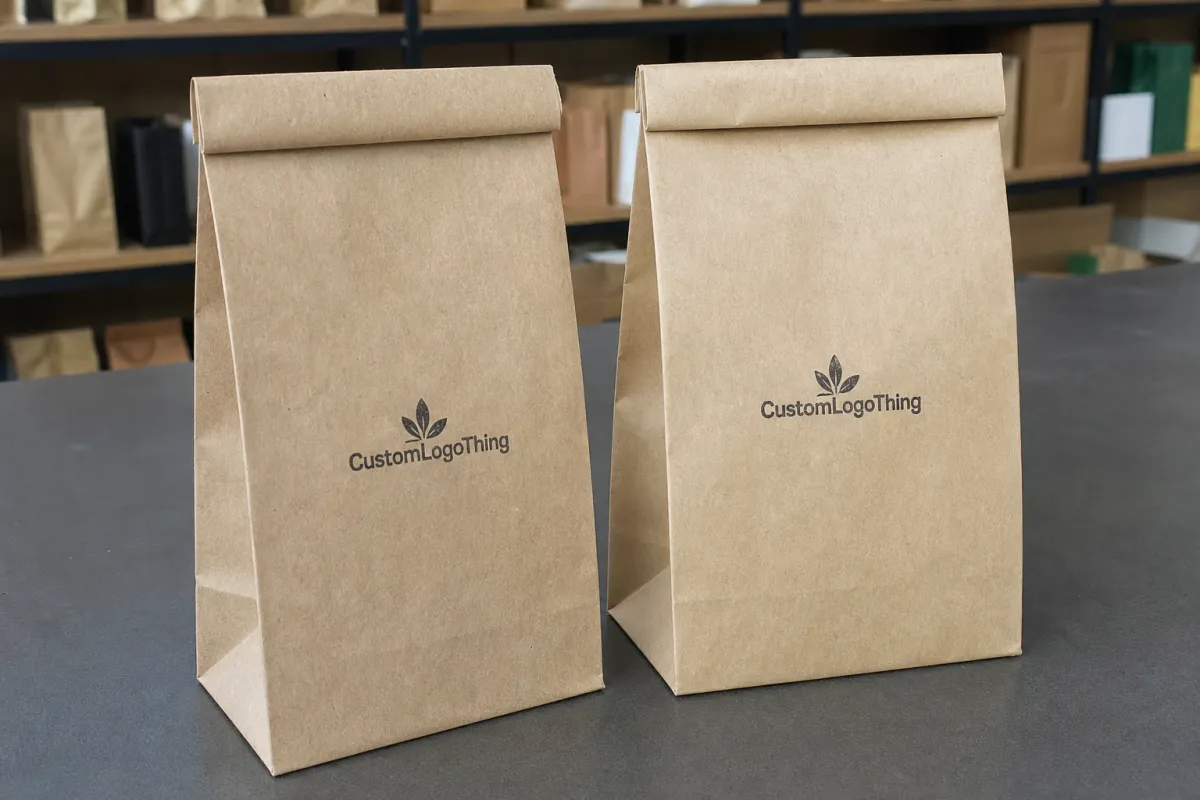
| Paper-based packaging | Retail, gifting, cosmetics, ecommerce, and lightweight products | Board grade, coating, print method, sample approval, and carton packing | Weak structure or finish mismatch can damage the unboxing experience |
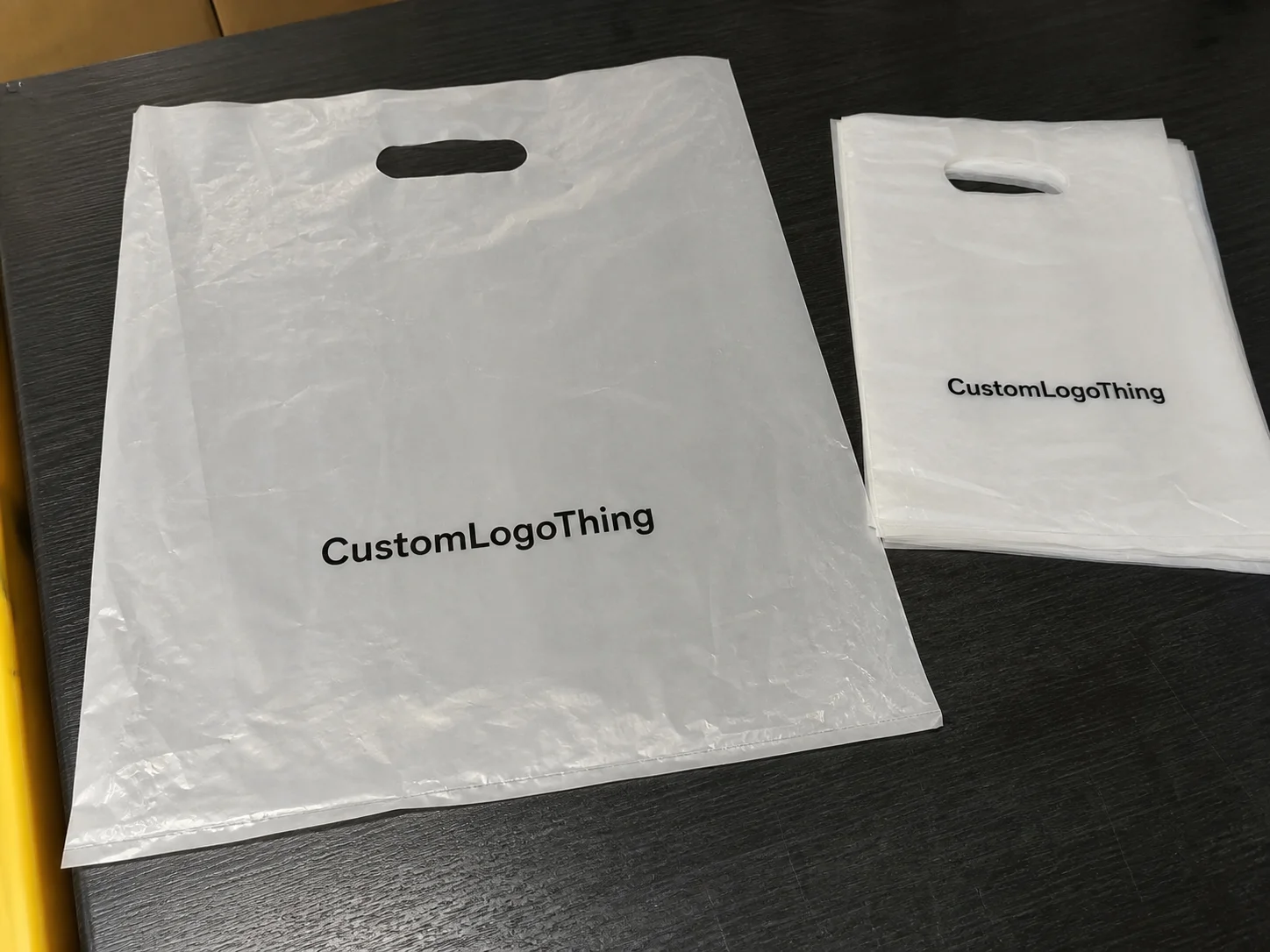
| Flexible bags or mailers | Apparel, accessories, subscription boxes, and high-volume shipping | Film thickness, seal strength, logo position, barcode area, and MOQ | Low-grade film can tear, wrinkle, or make the brand look cheap |
| Custom inserts and labels | Brand storytelling, SKU control, retail display, and repeat-purchase prompts | Die line, adhesive, color proof, copy approval, and packing sequence | Small errors multiply quickly across thousands of units |
Decision checklist before ordering
- Measure the real product and confirm how it will be packed, displayed, stored, and shipped.
- Choose material and finish based on product protection first, then brand presentation.
- Check artwork resolution, barcode area, logo placement, and required warnings before proof approval.
- Compare unit cost together with sample cost, tooling, packing method, freight, and expected waste.
- Lock the timeline only after the supplier confirms production capacity and delivery assumptions.
FAQs
Q: How long does it take to make modular subscription box inserts?
A: For a repeat order, plan on 18-22 business days. If tooling is new, sampling can add another week, especially when the factory is handling multiple SKUs in Guangzhou or Dhaka.
Q: What certifications should I ask for?
A: For textile components, look for GOTS and OEKO-TEX Standard 100. For labor and compliance, ask about WRAP and BSCI. For recycled content, GRS is the most useful certification to request.
Q: What materials work best?
A: 350gsm SBS, 1.5 mm greyboard, E-flute corrugate, PET sleeves, and paper-pulp trays are the most common. If the product is fragile, use reinforced pockets and test on a digital caliper-driven prototype before tooling.
Q: How much should I budget?
A: A realistic starting point is $2.50-4.00 per unit at 500 MOQ, excluding special compliance, rush airfreight, or complex multi-pocket structures.