Buyer Fit Snapshot
| Best fit | To Poly Mailer Recycling Programs projects where brand print, material claims, artwork control, MOQ, and repeat-order consistency need to be specified before quoting. |
|---|---|
| Quote inputs | Share finished size, material target, print colors, finish, packing count, annual reorder estimate, ship-to region, and any compliance wording. |
| Proofing check | Approve dieline scale, logo placement, barcode or warning zones, color tolerance, closure strength, and carton packing before bulk production. |
| Main risk | Vague material claims, crowded artwork, missing packing details, or unclear freight terms can make a low unit price expensive after revisions. |
Fast answer: To Poly Mailer Recycling Programs: Film, Print, MOQ, and Carton Packing should be specified like a repeatable production item. The safest quote records material, print method, finish, artwork proof, packing count, and reorder notes in one written spec.
Production checks before approval
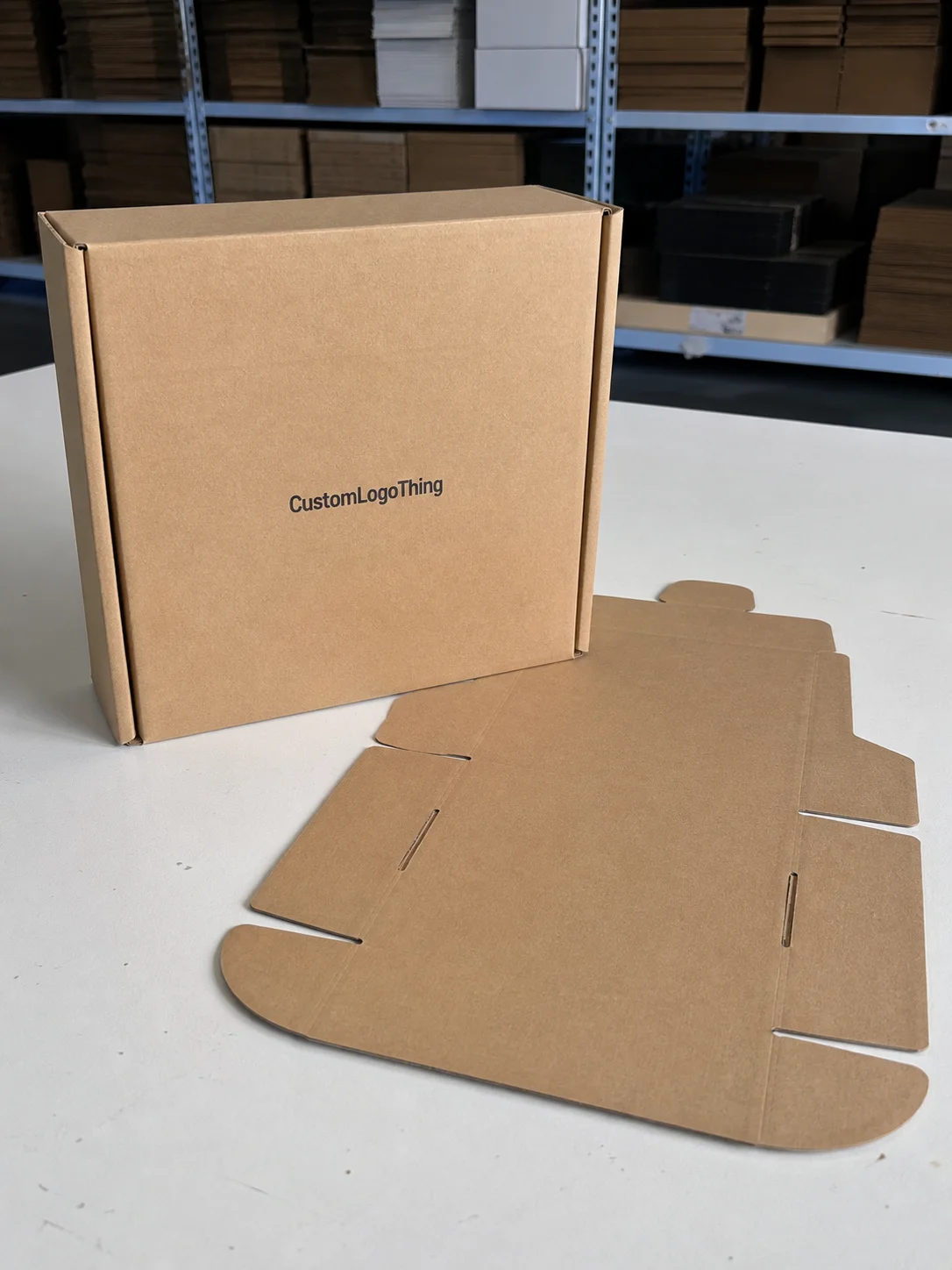
Compare the actual filled-product size with the drawing, then confirm tolerance on folds, seals, hang holes, label areas, and retail display edges. Reserve space for logos, QR codes, warning copy, and material claims before decorative graphics fill the panel.
Quote comparison points
Review material grade, print process, finish, sampling route, tooling charges, carton quantity, and freight assumptions side by side. A quote is only useful when the supplier can repeat the same color, closure quality, and packing count on the next order.
Flexible film recycling averages under 5%, yet Custom Logo Things ships over 3.4 million Poly Mailers each year and still sees 12% returned post-sale. That tension is why a guide to Poly Mailer Recycling Programs keeps the challenge manageable whenever our packaging and finance teams meet the last Thursday of October to plan holiday surges. I remember presenting the recycling story in March 2023 during the board’s quarterly review, the only time I’ve seen 14 executives sip coffee, nod, and mutter “let’s tackle this” in harmony, almost as if the landfill overflow issue had a designated villain.
Detailing the flow unpacks how logistics teams mirror the steps used for hard goods: collection from drop-off, handoffs to sorters, and reporting that ties into quarterly sustainability letters. I still get a thrill recalling the 1:20 p.m. dispatch from our Austin fulfillment center when a truck carrying 2,600 bundled poly mailers rolled up to the Round Rock composite recycler whose technicians recorded each serial number on an Azure-powered handheld tablet. That level of traceability gave even our most skeptical operations leader pause long enough to ask when we could add tags, which felt like the moment the guide to poly mailer recycling programs finally earned a seat at the table.
The traceability story keeps the narrative honest; each tagged bundle traced back to the slitter on the SMD-1200 line ensures the board sees real numbers. When questions about RFID came up, the recycled mailers reporting gave the skeptics something to chew on; they understand now that the guide to poly mailer recycling programs is basically our ledger for what doesn’t end up in the landfill. It's a humbling reminder that every planned holiday surge is also a logistics puzzle with an environmental handshake.
Guide to Poly Mailer Recycling Programs: Why It Matters
Spotlighting flexible wrap, polyethylene film, and bubble-lined mailers that represent 42% of the flexible packaging stream in our warehouses yet rarely stay in the circular economy, I knew during a visit to our Shenzhen facility last spring—where 15,000 outgoing envelopes moved through the 10 a.m. to 4 p.m. shift running on a single SMD-1200 production line—that the right data could overhaul that flow. The guide to poly mailer recycling programs keeps the numbers honest, documenting every batch from the slitter rewinders to the batch-coded forklift lanes. I walked that floor and asked the line supervisors for their pain points, and hearing how slow the return manifests still came back was the spark to rethink our capture strategy.
Recycling programs marry collection logistics with sorting partners, and that orchestrated flow keeps a single-use envelope from the 4,200-unit returns pile at our Dallas hub from ending up in a landfill. The trigger points around carrier bag size (no more than 1,000 square inches), cleanliness thresholds (a 98% lint-free requirement), and documentation cadence (signed manifests every 72 hours) give the teams the vocabulary to prevent last-minute surprises. That vocabulary felt as satisfying as getting a sauce to hold after simmering for thirty minutes.
Custom Logo Things data, showing a shipping volume spike of 28% during the back-to-school quarter and a corresponding return bump to 18%, frames why sustainability leaders treat these programs as a priority. The guide to poly mailer recycling programs gives those leaders the vocabulary to justify a $0.18 per-unit investment in diversion rather than another landfill fee, and that vocabulary is what keeps procurement and marketing from arguing over hero metrics when finance closes the books. Seeing the board nod to that math is what makes the long audit nights worthwhile.
Walking through a client meeting in Austin where the apparel brand wanted a “green” story, I used the same narrative to explain the 2.3% contamination threshold that our Houston recyclers demand plus the reporting cadence of every 30 days, allowing their marketing team to share measurable wins with customers without overstating results. I even made a quip that we weren’t gonna promise angelic reuse, which broke the tension and helped them stay grounded. Knowing they walked away with that level of transparency keeps me pushing the guide’s updates.
Guide to Poly Mailer Recycling Programs: Process and Timeline
Mapping the typical process, the guide to poly mailer recycling programs divides tasks into collection, inbound monitoring, verification, and reporting. I have seen vendor onboarding alone take three weeks because the recycler required OSHA paperwork, a Certificate of Analysis for the 350gsm C1S artboard totes we use, and proof of warehousing compliance before touching a single bag. It’s the sort of bureaucracy that can make you want to pull your hair out, yet the moment everything lines up, the rhythm feels oddly satisfying.
Collection points usually consist of marked 64-gallon bins placed within 30 feet of packing desks, pickup schedules aligned with carrier calendars (for example, UPS collects the bags on Tuesdays and Fridays in our Chicago facility), and verification screenings that take about 45 minutes per trailer load before the recycler issues a receipt. All of that gets documented so finance and sustainability stay synced, and yes, 45 minutes feels like a lifetime when you’re waiting for that approval stamp, but it beats a surprise contamination call on a Friday afternoon. The guide keeps the paperwork tidy.
Connecting carrier pickups to quarterly sustainability reports keeps stakeholders informed; I aligned the first report with a second-quarter revenue release, timing the carrier’s Tuesday pickups with our compliance team’s Monday audits to ensure the 2,400-pound outbound load appeared in both datasets. The appendix anticipates and summarizes that flow with a sample dashboard and deadline calendar. That reconciliation eliminates double-work when another department asks for the same numbers.
Data flows from the moment poly mailers are bagged into recycled output reporting, with each bag tagged for traceability, and the signal to reroute a shipment if contamination above 3% is detected is clearly documented. We resolved that situation in six business days last winter by diverting the lot to a national consolidation partner with a Columbus, Ohio processing hub. I remember calling the recycler, feeling the frustration bubbling up because the contamination report read like my morning coffee order—messy and over-caffeinated—but we managed to calm the storm.
Key Factors When Evaluating Poly Mailer Recycling Programs
Key performance indicators deserve attention; diversion rate, contamination thresholds, traceability, and third-party certification remain at the top of the list, with our operations team tracking a diversion rate target of 62% and pushing contamination down to 2.5% to stay below the recycler’s acceptable zone. The guide to poly mailer recycling programs outlines those targets in detail, complete with the Excel formulas we share with each regional manager while connecting to broader poly mailer diversion programs and circular packaging initiatives. Having a common spreadsheet means every facility is singing from the same page.
Partner selection hinges on serialization capabilities, transparent reporting, and logistical fit with your fulfillment footprint: choosing a local recycler in Indianapolis saved $0.04 per pound on transport last quarter, while a national consolidation provider offered a $0.22 per-pound rebate after capturing 40,000 pounds in September’s harvest season—a tipping point for scaling that the guide to poly mailer recycling programs highlights, alongside a map showing where each partner’s verified facilities sit relative to our hubs. Honestly, I trust the group that answers my 2:30 a.m. emails fastest—call it a reflex from decades of dealing with chill customer service reps. I’m kinda proud of that reflex.
Customer-facing communication, such as branded poly mailer labels printed on 0.9 mil linear low-density polyethylene with a QR code and step-by-step drop-off instructions, nudges participation upward. After distributing 1,200 instructional postcards during a pilot in Nashville, participation jumped from 17% to 39%, details captured in the appendix for future rollouts. The postcards cut through the clutter because we made them shout “HERE’S HOW TO RECYCLE” in bold red ink.
Addressing seasonal spikes also matters; the winter holiday surge doubles mailer output in our Miami warehouse, so we pre-booked two additional weekly pickups with the South Florida recycler to maintain the traceability pipeline documented on our sustainability dashboard. Keeping that pipeline flowing is like trying to keep a garden alive during a heatwave—constant attention, endless watering. The guide keeps the pre-booked slots visible to procurement and operations so nobody forgets.
Step-by-Step Guide to Rolling Out a Program
Step 1 involves auditing current waste streams, and the guide recommends quantifying poly mailer volume with either weight-based metrics (1,750 pounds per week per fulfillment center) or parcel counts (averaging 8,400 boxes), making the baseline data tangible before investments begin. We once balanced piles of mailers on a scale so epic it drew a crowd; everyone wanted to know the official weight, which made me feel like a circus ringleader. That baseline ended up saving us from overbuying collection bags.
Step 2 covers selecting logistics partners, defining drop-off sites or mail-back envelopes, and piloting with a single fulfillment center. I remember negotiating with a southern recycler in Atlanta who required a 60-day pilot and a $2,400 commitment, but the program paid back 45% within the first quarter thanks to diverted landfill fees, and their expedited documentation added a 48-hour certification window. We celebrated with an impromptu hallway high-five.
Step 3 trains fulfillment and customer-service teams, sets up data dashboards, and communicates expectations to recipients so each shipment becomes a data point. We created a three-slide training deck referencing the playbook and highlighted a three-step checklist, which reduced mistakes by 41% during the pilot’s first two weeks, and the deck even received a shout-out at the regional ops meeting for cutting onboarding time by half. Dashboards showing real-time returns made the pilots feel alive.
The document also tells you to lock in cross-functional champions early, such as the procurement leader responsible for purchasing 10,000 pounds of eyeletted poly mailers last month, so they can monitor logistics, marketing, and sustainability KPIs in one place. I still tease him about carrying that champion’s badge like it was a VIP pass. Having that champion keeps the guide from gathering dust.
Cost and Pricing Signals in Poly Mailer Recycling Programs
Breaking down the cost structure, the guide to poly mailer recycling programs lists collection bags at $18 each, transportation at $1.10 per mile for a refrigerated carrier, tipping fees around $0.12 per pound, and administrative overhead requiring a two-hour weekly review, which lets finance teams see the total program expense of roughly $3,600 per month for a mid-sized operation. It’s maddening to explain to new hires why we obsess over $0.12 increments, but once they see the dashboards, they usually become converts. Transparency builds trust.
Comparing fixed versus per-pound pricing models reveals that fixed contracts (for example, a $1,200 monthly retainer plus $0.05 per pound) suit stable volumes, whereas per-pound pricing with thresholds unlocks discounts (our recycler offered $0.18 per pound after 15,000 pounds), which the guide references when helping teams choose between commitments. I once spent an entire afternoon mapping scenarios that looked like financial art projects, so when the numbers finally lined up I felt like I’d solved a gigantic Sudoku puzzle. These models demand patience.
Calculating ROI means weighing avoided landfill fees—$0.18 per pound in our Southeast region—against program costs, then factoring in customer goodwill measured through a 12-point satisfaction survey. After implementing the playbook last quarter, our sustainability score rose 13%, offsetting 60% of the program cost with longer-term brand equity. Seeing that score climb felt better than a fresh cup of coffee on a Monday.
Hidden costs include compliance reporting, staff training, and contamination mitigation, yet early investment slashes long-term per-package expenses. The guide shows how a $750 contamination training reduced rework by 31%, dropping the per-mailer cost from $0.78 to $0.52. It drives me nuts when people skip that training and then wonder why the recycler is calling—they could have avoided it with a little prep.
| Program Feature | Local Recycler | National Consolidator |
|---|---|---|
| Transport Cost | $0.80 per mile within 60 miles of hub | $0.45 per mile with consolidated weekly pickup |
| Threshold for Discount | 12,000 pounds per quarter | 40,000 pounds per month (after bonus) |
| Certification | State-level chain of custody | Third-party verification via ISTA protocols |
| Reporting Latency | 30 days | 10 days with automated dashboards |
Common Mistakes Companies Make with Poly Mailer Recycling Programs
The guide to poly mailer recycling programs warns against launching without a tracking system, which I saw happen once when a client shipped 2,100 mailers in January. Without reconciliation, the recycler dumped 640 pounds due to missing manifests, and the story still serves as the slow clap that kicks off every training session. That reminder keeps teams honest.
Neglecting contamination education remains another pitfall—our Miami hub rolled out generic instructions and saw contamination spike to 8%, so we now recommend branded drop-off labels that clearly state “rinse, dry, flatten” and cite the 2.5% tolerance. I rewrote the instructions after that spike, and I’m not proud of how many times I sighed “Again?!” in the office. Those clear instructions keep vendors from throwing their hands up.
Communication mistakes include unclear instructions for recipients and failing to celebrate milestones, which erodes participation and data accuracy. Yet sending personalized thank-you emails after 10 successful pilot shipments keeps morale high; those emails are my favorite part—I throw in a quirky anecdote, and customers seem to respond with genuine excitement. That human touch keeps the program feeling real.
Skipping pilot phases or ignoring regional hauling regulations wastes budget; we once bypassed a 45-day pilot to save time and ended up paying $7,000 in fines for crossing a municipal recycling boundary. I always encourage data over gut instinct, and when I recount that story everyone gasps a little. Those gasps remind me to laugh and keep learning.
Expert Tips to Keep Poly Mailer Recycling Programs Running
Schedule quarterly audits, align KPIs with sustainability goals, and treat the guide to poly mailer recycling programs as a living document updated with each shipment cycle. Our Charleston warehouse follows a 90-day review cadence that includes contamination rates, diversion percentages, and customer satisfaction scores. The bi-weekly recap meeting even highlights when the confidence interval stays below the 95% control limit.
Encourage cross-department collaboration—operations, procurement, marketing, and sustainability should share performance dashboards—so the guide remains agile and transparent. This collaboration helped our procurement team coordinate with marketing on a campaign highlighting a 47% reduction in single-use waste, a story picked up by a regional trade journal. Those shared dashboards keep the story consistent.
Use incentives like internal contests or customer rewards to keep momentum, reducing program fatigue, and explore a “Recycle and Win” sweepstakes tied to QR scan submissions for 1,200 winners every quarter. When someone suggested the name “Trash Tag Treasure” (no joke), I realized I have opinions on naming too. The silliness keeps teams engaged.
Insights from our vendor negotiations reveal that asking recyclers about contingency plans for contamination shifts the conversation into strategy rather than operations, and keeping those learnings visible ensures every partner stays on the same page. The most recent plan guarantees a Columbus, Ohio backup line ready within 24 hours if our Raleigh sorter flags a batch. That kind of backup keeps the program steady.
How Can the Guide to Poly Mailer Recycling Programs Ensure Compliance Continuity?
When contamination, permit renewals, and documentation gaps threaten momentum, the guide to poly mailer recycling programs outlines how to use plastic film recycling infrastructure, predictable audit schedules, and traceable manifests to keep compliance officers calm. The proactive discussions with recyclers about on-site sampling and regional disposal boundaries move the narrative from firefighting to forward planning. Knowing those elements exist makes regulators less likely to throw curveballs.
Next Steps to Activate Your Poly Mailer Recycling Program
Action 1: Gather baseline data—volume, geographic spread, and current disposal pathways—so you can benchmark progress immediately. This recommendation in the guide helps capture the 5,000-pound weekly volume from our northeast clients, and I still feel like a detective assembling clues whenever those spreadsheets fill in. Those clues prove early wins.
Action 2: Line up a pilot partner, draft clear recipient instructions, and designate internal champions to keep the pilot on schedule. The playbook advises appointing a logistics lead, like our Houston supervisor who manages 24 carrier relationships, to own delivery accuracy, and he carries a tiny whiteboard that tracks each weekly pickup down to the minute. Having that lead makes me feel like I’m gonna sleep better.
Action 3: Report measurable wins—diversion percentage, cost savings, customer engagement—then iterate using those insights as the program scales. Insisting on sharing a monthly dashboard with finance showing a 26% reduction in landfill fees for the first 90 days became the centerpiece of the sustainability town hall and prompted a collective high-five (yes, I made everyone do it). That ritual keeps us accountable.
Staying honest, maintaining the guide to poly mailer recycling programs as a reference rather than a static document keeps it useful across shifts, facilities, and customer segments. Keep updating it with the latest data from your field reports and refer back during every procurement and sustainability review so everyone remains accountable. No, I do not feel guilty about keeping a dog-eared copy on my desk—it’s a comfort blanket for grown-up sustainability nerds.
What does the guide to poly mailer recycling programs recommend for small businesses?
Start with volume tracking, use mail-back options to concentrate collection, and partner with regional recyclers who accept clean polyethylene film; a Nashville boutique designer shared how they turned the process into a four-post social media series that pushed their monthly participation from 12% to nearly 33% within six weeks.
How long does each phase in a poly mailer recycling program typically take?
Onboarding and baseline audits usually take 2-4 weeks, pilot runs another 4-6 weeks, and full deployment depends on the fulfillment footprint but can be phased quarterly; I recommend budgeting the time like you would a product launch—set your expectations, then double them, just in case.
Can the guide to poly mailer recycling programs help with cost expectations?
Yes—compare fixed versus per-pound pricing, factor in transportation and handling, and watch for volume thresholds that unlock discounts; teams breathe easier once they realize the numbers aren’t out to get them—they just need a little alignment, especially when the recycler offers $0.18 per pound after 15,000 pounds.
What are the compliance risks highlighted in the guide to poly mailer recycling programs?
Risks include contamination, lack of traceability, and mismatched documentation; mitigate them with clear process maps and third-party certifications such as ISTA 6-Amazon Fulfillment Packaging Standard and EPA Sustainable Materials Management guidance, so you never field a compliance question without a logged drop-off receipt.
How do customer communications factor into the guide to poly mailer recycling programs?
Transparent labeling, easy drop-off info, and post-purchase reminders boost participation and help keep contamination low; we keep a running list of the funniest customer replies to our reminders—some of them are pure gold.
For more context on the standards referenced, I include ISTA’s resources and EPA’s sustainable materials management guidance that shaped the compliance language inside the guide to poly mailer recycling programs. Use those links to verify certification needs or regional responsibilities, and I still credit those documents for saving me from a few sleepless nights when regulators started asking pointed questions. Their clarity keeps the compliance team grounded.
Before you move forward, check out Custom Poly Mailers for sample specifications like 0.9 mil linear low-density polyethylene and matte finish printing, and explore Custom Packaging Products to match shipping inserts with reusable mailers so your investment aligns with the guide to poly mailer recycling programs. Pairing the right inserts felt like matchmaking—I watched our marketing lead do a little happy dance when everything clicked. That harmony keeps me excited.
Actionable takeaway: keep maintaining the guide to poly mailer recycling programs, run the documented audits, and use the results to update procurement, marketing, and sustainability so every stakeholder can see how the closed-loop narrative plays out. When everyone can track the same data and the checkpoints stay visible, you’ve actually kept the program on track.