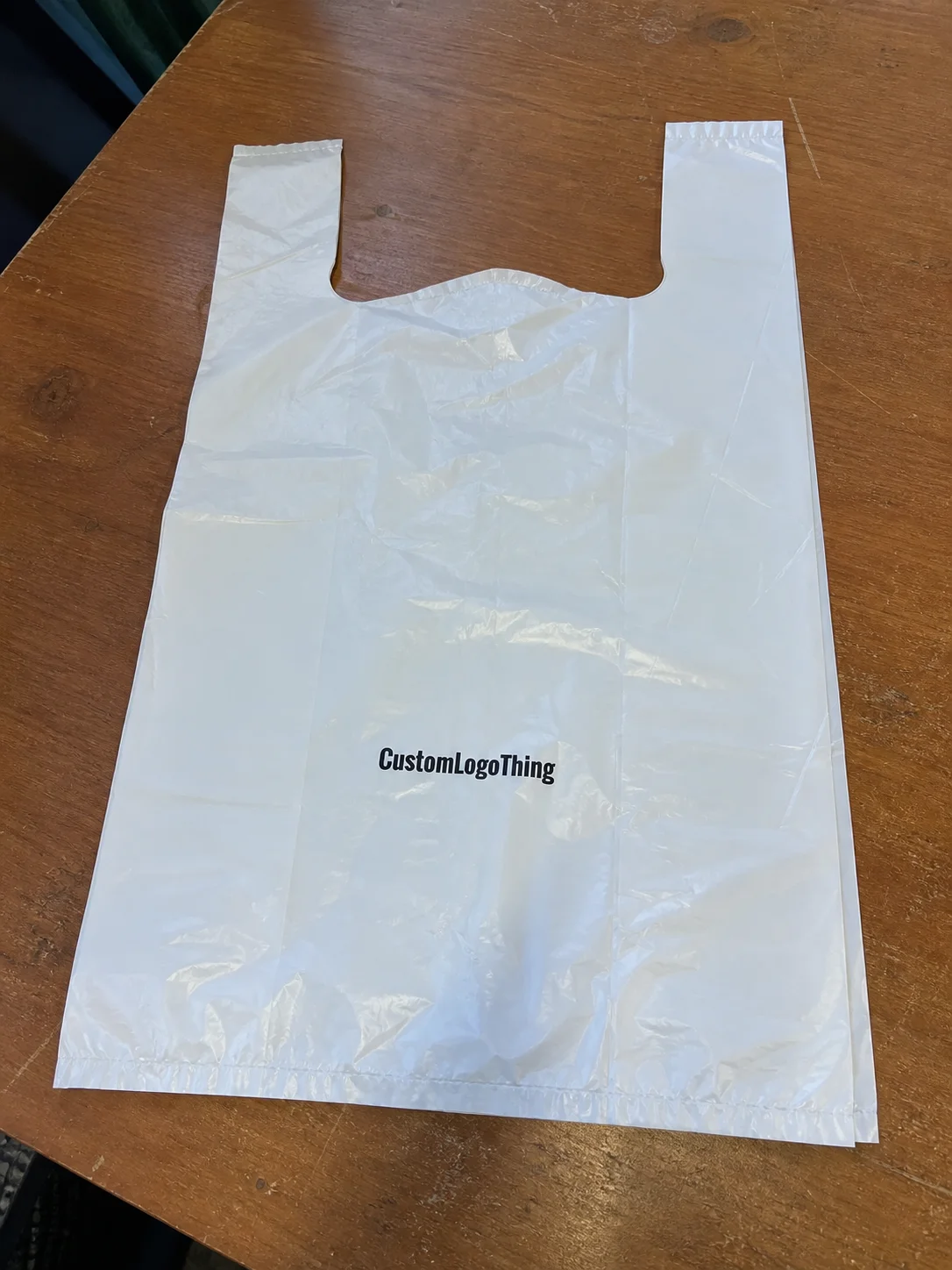
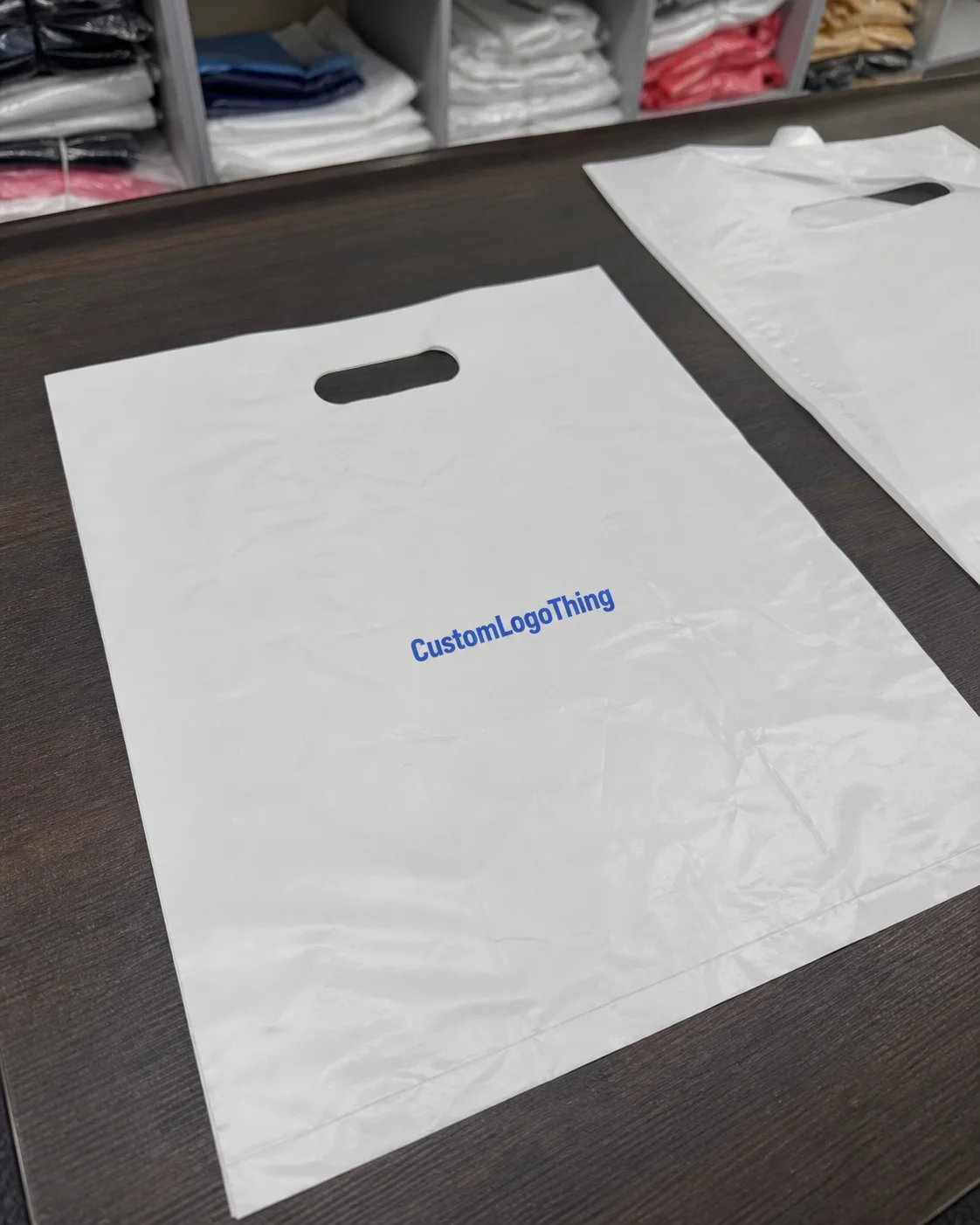
Buyer Fit Snapshot
| Best fit | To Seasonal Branded Mailers projects where brand print, material claims, artwork control, MOQ, and repeat-order consistency need to be specified before quoting. |
|---|---|
| Quote inputs | Share finished size, material target, print colors, finish, packing count, annual reorder estimate, ship-to region, and any compliance wording. |
| Proofing check | Approve dieline scale, logo placement, barcode or warning zones, color tolerance, closure strength, and carton packing before bulk production. |
| Main risk | Vague material claims, crowded artwork, missing packing details, or unclear freight terms can make a low unit price expensive after revisions. |
Fast answer: To Seasonal Branded Mailers: Film, Print, MOQ, and Carton Packing should be specified like a repeatable production item. The safest quote records material, print method, finish, artwork proof, packing count, and reorder notes in one written spec.
Production checks before approval
Compare the actual filled-product size with the drawing, then confirm tolerance on folds, seals, hang holes, label areas, and retail display edges. Reserve space for logos, QR codes, warning copy, and material claims before decorative graphics fill the panel.
Quote comparison points
Review material grade, print process, finish, sampling route, tooling charges, carton quantity, and freight assumptions side by side. A quote is only useful when the supplier can repeat the same color, closure quality, and packing count on the next order.
The guide to seasonal branded mailers usually starts with a blunt truth: the mailer often gets seen before the product gets touched. Sometimes before the box is opened. That first impression carries a lot of weight, and most brands only realize it after a launch lands flat. A sharp seasonal mailer can make a standard SKU feel limited, giftable, and worth keeping. A generic one can make a good product look oddly forgettable.
At Custom Logo Things, I treat a guide to seasonal branded mailers as a planning tool, not a decoration exercise. It helps packaging buyers line up branding, inventory, and fulfillment without rebuilding the process every time a new season shows up. If you are comparing formats, the structure on the Custom Poly Mailers page is a solid starting point, and broader packaging planning usually belongs with Custom Packaging Products instead of living in a silo.
Seasonal packaging looks simple until it hits production. Then it turns into a small system: theme, print method, material choice, lead time, freight, and backup inventory all affect each other. That is why a guide to seasonal branded mailers is a branding decision and an operations decision at the same time. Ignore one side and the other side will bite you. Pretty rude, honestly.
What a guide to seasonal branded mailers actually is
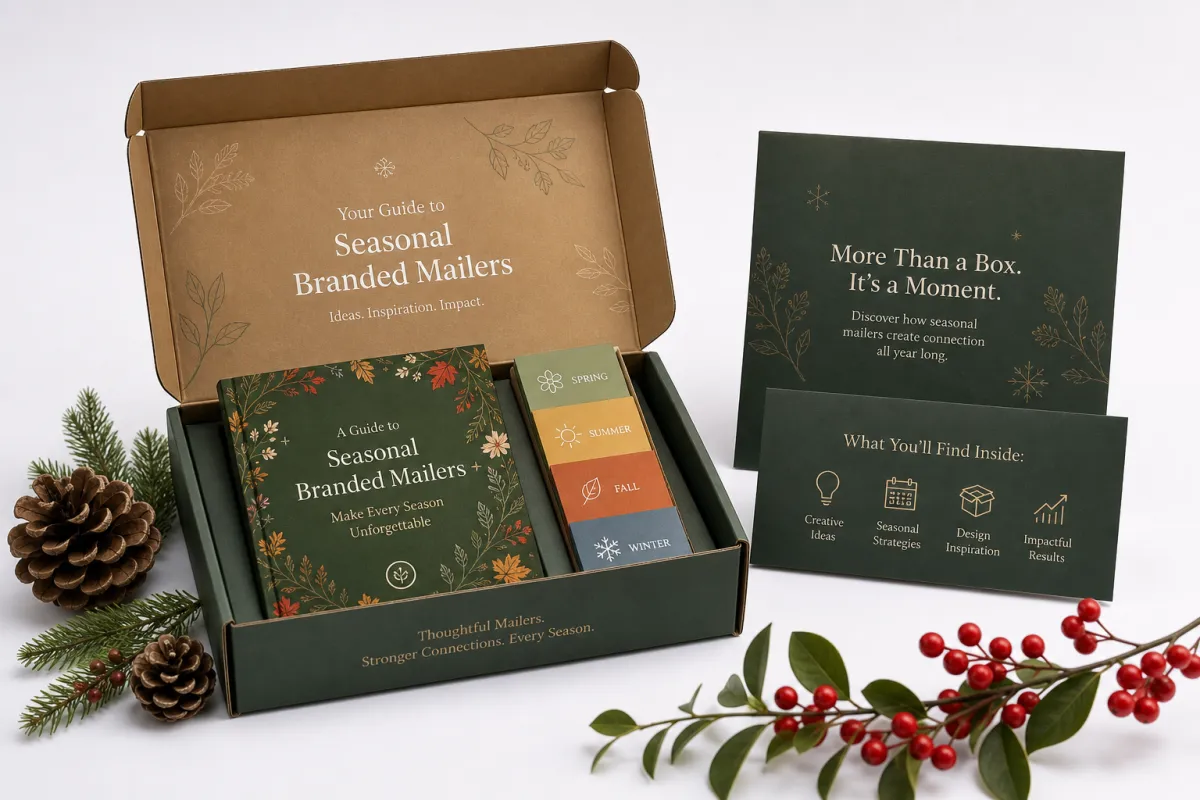
A guide to seasonal branded mailers is a practical framework for using flexible poly mailers around a holiday, launch, regional moment, or promotional event. It is not just a snowflake on a bag or a leaf pattern slapped on the front. It is about making a standard shipping format feel timely without changing the product inside. That matters for ecommerce brands, subscription boxes, direct-to-consumer gifts, and promotional shipments that need to stand out in a crowded mailbox.
From a packaging buyer's point of view, the best part is control. Keep the same base size, the same seal style, and the same pack-out process, then rotate graphics by season. Fewer SKU changes. Less retraining. Less room for mis-picks. A guide to seasonal branded mailers also gives marketing teams something useful: the package becomes part of the campaign instead of background noise.
Seasonality matters for another reason. A small visual change can shift perception more than a full redesign that misses the audience. A winter version with a tight color palette, a spring launch with brighter accents, or a regional campaign tied to a local event can create urgency without shouting. The guide to seasonal branded mailers is really about timing the emotional response, not just printing a nicer bag.
For brands shipping apparel, beauty items, accessories, or lightweight home goods, this format works especially well because the packaging itself is light and cheap to move. That matters when shipping costs are already under pressure. If the mailer is doing its job, it should add brand value without forcing a bigger parcel dimension or a messier fulfillment flow. A good guide to seasonal branded mailers makes that trade-off obvious.
Packaging reality check: the mailer is not there to carry the whole campaign alone. It supports the product, the insert card, the label, and the post-purchase experience. The strongest seasonal executions keep one clear idea and repeat it consistently, instead of cramming every seasonal cue onto one surface like a hostage note.
I have seen brands overthink the graphics and underthink the shipping lane. The mailer has to survive sorting belts, bins, trucks, and the occasional rough handoff. If it cannot do that, the design is just expensive wallpaper.
How a guide to seasonal branded mailers works in production
The production side of a guide to seasonal branded mailers starts with a brief, but it should not stop there. The real flow is usually concept, artwork, proofing, production, packing, and shipment. Each step can save time or create a delay. A design that looks clean on screen can still cause trouble if the color contrast is weak, the logo sits too close to the seal edge, or the artwork does not repeat cleanly across the panel.
Most brands end up with one of three common print approaches. A one-color accent keeps costs down and works well when the seasonal cue comes from shape, pattern, or a single strong graphic. A two-color or spot-color design adds more presence without pushing the order into a high-complexity bucket. A full-coverage artwork run can look impressive, especially for a major launch, but it usually demands more proofing and tighter color control. In a guide to seasonal branded mailers, the right choice is the one that fits the campaign goal, not the one with the most ink on it.
Material choice matters just as much. For standard ecommerce shipments, many teams choose polyethylene mailers in the 2.5 mil to 3 mil range. Heavier items, sharper edges, or tougher transit conditions may justify 4 mil or another upgraded spec. That changes the feel in the hand, and it changes puncture resistance and color clarity too. A lighter film may cost less, yet it can show wrinkles or print variation more easily. The guide to seasonal branded mailers should always connect the look of the bag with the physical demands of the product.
Printing method matters too. Flexographic printing is common for larger volumes because it handles repeat runs efficiently. Digital printing can make sense for lower quantities, regional drops, or artwork that changes often. Hybrid setups sit in the middle. None of those are magic, and none of them are free. If a supplier tells you otherwise, ask a few more questions.
Testing belongs in the process, not in the wish list. If the mailer will travel through multiple handoffs, distribution testing becomes relevant. The test methods outlined by ISTA are a useful reference point when a team wants to understand how packaging behaves under vibration, compression, and transit handling. No test replaces real fulfillment, but it does give you a structured way to judge whether a seasonal mailer is durable enough for the route it will travel.
The production system runs better when inventory stays centered around a single base format. Instead of creating separate structures for every season, many brands keep one structural spec and rotate artwork. That reduces approvals and makes reorder planning much simpler. A well-run guide to seasonal branded mailers treats the base bag as a platform and the graphics as the seasonal layer.
That setup also keeps marketing and operations from pulling in different directions. Marketing wants a timely visual. Fulfillment wants a bag that loads quickly and seals the same way every time. Finance wants a cost that does not climb with every campaign. The guide to seasonal branded mailers sits right in the middle of those three priorities.
The best results usually come from disciplined proofing. Check the digital proof, request a physical sample when the campaign matters, confirm the seal strength, and run a small packing test with the actual product. That may sound cautious. It is. The difference between a polished launch and a costly reprint is often one overlooked detail.
One more thing: don't trust a mockup that only looks good on a laptop. A bag in motion is a different beast. On a conveyor, with a barcode slapped on it and a harried picker moving fast, a tiny logo can disappear in a second.
Cost and pricing factors for seasonal branded mailers
Pricing for a guide to seasonal branded mailers depends on a handful of variables that move fast: size, thickness, print coverage, number of colors, order volume, and whether you are buying a standard stock format or a custom structure. The expensive mistake is assuming every mailer scales the same way. They do not. A small run with full-coverage print behaves very differently from a larger run with a restrained design.
As a rough packaging benchmark, a simple one-color seasonal mailer at 5,000 units might land around $0.18-$0.35 per unit, depending on size and film gauge. At 25,000 units, that same style can often move closer to $0.12-$0.22 per unit. A full-coverage design with more print complexity can move into the $0.32-$0.65 per unit range, and short-run digital or hybrid work can climb higher when setup is spread over fewer pieces. Every guide to seasonal branded mailers should include ranges like these because they keep planning grounded in real numbers instead of wishful thinking.
Setup costs matter more on small orders. If you are ordering 2,000 to 3,000 units, the quote can feel steep because the same prepress, proofing, and production time is divided across fewer bags. At 10,000 units or more, the unit economics usually improve, but only if the order size is actually right for the campaign. Overstock is not a bargain if the design becomes obsolete before you use it. In a guide to seasonal branded mailers, the lowest unit price is not always the best commercial decision.
Hidden costs can shift the math in a hurry:
- Proofing: physical samples may add cost, but they reduce the chance of a costly mistake.
- Freight: a low unit price can lose its appeal once shipping is added.
- Storage: if the order arrives early, you may need space for pallets or cartons.
- Rush fees: compressed timelines usually carry a premium.
- Reprints: any artwork correction after approval can become expensive fast.
Simpler seasonal designs often protect margin better than constant full redesigns. A restrained winter palette, a summer icon set, or a reusable pattern with a rotating message can carry a brand through multiple campaigns. That is why a smart guide to seasonal branded mailers looks for repeatability. The goal is not just one good-looking bag. The goal is a system that can be used again without rebuilding everything from scratch.
| Mailer approach | Typical use | Typical unit cost | Best fit | Tradeoff |
|---|---|---|---|---|
| One-color accent | Recurring seasonal campaigns, simple logo treatment | $0.18-$0.35 at 5,000 units | Brands that want lower risk and fast approvals | Less visual impact than larger artwork systems |
| Two-color spot print | Seasonal launches with stronger brand presence | $0.22-$0.40 at 5,000 units | Mid-range campaigns needing more pop | More setup time than a single-color design |
| Full-coverage artwork | High-visibility promotions or gift-style presentation | $0.32-$0.65 at 5,000 units | Major seasonal moments and premium unboxing | More proofing, more print sensitivity, more budget pressure |
| Short-run digital or hybrid | Regional drops, testing, limited campaigns | $0.40-$0.90 at lower quantities | Brands testing new creative before scaling | Higher unit cost at small volume |
If your team is comparing mailers with cartons, sleeves, and inserts, the broader resources at packaging.org can help frame the decision as a system instead of a single SKU. That matters because the most cost-effective guide to seasonal branded mailers often starts with Choosing the Right packaging format before anyone argues about artwork.
Honestly, the budget question is not "How much can we spend on packaging?" It is "How much brand value does this shipment need to carry?" That is the cleaner way to read a seasonal quote.
Timeline and process for seasonal branded mailers
A realistic guide to seasonal branded mailers always works backward from the ship date. Start with the moment customers should receive the package, then subtract the time needed for artwork, proofing, production, transit, and a small buffer. If the campaign is tied to a holiday or launch window, that buffer gets more important because everything upstream tends to slow down when demand rises.
Typical lead time from proof approval to finished product can fall around 12-20 business days for many custom mailer programs, though it can stretch with larger quantities, complex artwork, specialty finishes, or seasonal bottlenecks. Add samples, revisions, or a second proof round, and the timeline grows quickly. A guide to seasonal branded mailers is most useful when it treats time like a scarce material, not a loose estimate.
The schedule usually has a few pressure points. Artwork slips because one department is waiting on copy, logo files, or legal approval from somewhere else. Production slips if the print spec is not frozen early enough. Freight slips if the order is not booked before carrier networks get crowded. The final handoff to fulfillment slips if the team has not tested the mailer on a real packing line. Each delay is small on its own. Put them together and the seasonal window disappears.
"A mailer that arrives on time and survives transit is worth more than a flashy design that misses the launch window."
The best timeline discipline is simple: approve the artwork once the campaign story is set, not after every stakeholder has reworked it three times. Seasonal packaging loses its advantage when it turns into a moving target. A disciplined guide to seasonal branded mailers protects the schedule as carefully as the design.
There is a packing-risk angle too. If the mailer is too tight, the warehouse team fights it all day. If it is too large, the product shifts around and the parcel looks sloppy. That is why a short pack-out trial matters. Put the actual item in the actual mailer, close it with the actual seal, and see whether it behaves like a production-ready unit. The earlier this test happens, the more likely the seasonal launch stays on track.
For operational teams, a practical checkpoint list helps:
- Lock the shipment date first.
- Work backward to set the proof deadline.
- Reserve time for sample review if the campaign matters.
- Confirm transit time separately from production time.
- Hold extra buffer for holiday or promotional peak periods.
The guide to seasonal branded mailers is not just about getting the design approved. It is about making sure the design survives the calendar.
Step-by-step guide to seasonal branded mailers
A practical guide to seasonal branded mailers is easier to follow when it is broken into a repeatable process. Here is the version most teams can actually use without making it more complicated than it needs to be.
-
Define the campaign goal.
Start with the business outcome. Is the goal to boost conversion, improve gift presentation, support subscriber retention, or create seasonal awareness? A guide to seasonal branded mailers becomes far more useful once the mailer has a clear job to do.
-
Choose the season and message.
Pick one seasonal idea and stick to it. That might be winter gifting, spring refresh, regional pride, or a limited launch tied to an event. The strongest packaging usually has one visual cue and one message, not five competing ones. This is where a guide to seasonal branded mailers helps prevent design drift.
-
Select the structure and material.
Decide on size, gauge, seal style, and finish based on the contents. Apparel, lightweight accessories, and flat gifts often work well in 2.5-3 mil mailers, while heavier or more angular products may need a tougher spec. A useful guide to seasonal branded mailers always starts with the item, not the decoration.
-
Build artwork for the real viewing distance.
Packaging is often seen from a few feet away, not on a designer's monitor at 200 percent zoom. Check logo placement, type size, and color contrast from a normal distance. If the seasonal cue disappears when the bag is in a stack or on a conveyor, it is not doing its job. The guide to seasonal branded mailers should make that test routine.
-
Order samples and test the workflow.
Before full production, review a sample or proof and run a few packs through the actual fulfillment process. Measure seal time, look for wrinkling, and confirm that the mailer fits the item without excessive empty space. A serious guide to seasonal branded mailers treats this test as part of quality control, not as an optional extra.
There is a reason repeatability matters here. Once a team has a working spec, future seasonal updates become much faster. The bag size stays fixed. The line packs the same way. Only the graphics change. That is the practical advantage of a guide to seasonal branded mailers over a one-off creative sprint.
If you need supporting examples of how packaging decisions show up in real launches, the Case Studies page is useful because it shows how packaging choices can support actual goals without guesswork.
Common mistakes with seasonal branded mailers
The most common mistake in a guide to seasonal branded mailers is ordering too late. Seasonality has a cruel habit of making late packaging look like leftover inventory instead of a brand asset. By the time the mailers arrive, the campaign is over, the audience has moved on, and the packaging becomes a storage problem. That is how a branding budget turns into dead stock.
Another frequent mistake is overdesigning the bag. Busy graphics can look generic when printed on flexible film, especially if the type is too small or the palette is too crowded. A cleaner composition usually prints better and reads faster. In a guide to seasonal branded mailers, clarity beats decoration most of the time.
Size errors are just as damaging. A mailer that is too large wastes material and creates a sloppier presentation. A mailer that is too small can slow the packing line or force a product into a stressed fit. Either way, the cost is not just material; it is labor, speed, and sometimes customer satisfaction. A proper guide to seasonal branded mailers should check fit before art approval becomes final.
Some teams also forget about the warehouse and carrier side. If a new mailer changes stack height, seal behavior, or label placement, fulfillment may need a process update. Postal or carrier rules may also affect how the parcel is handled, especially when dimensional weight starts to matter. A good guide to seasonal branded mailers does not treat operations as an afterthought.
Another avoidable error is designing a seasonal mailer without a reuse plan. If every campaign requires a completely new structure, the brand spends more time re-solving the same problem. A better approach is to keep the structural spec stable and change only the print. That is one of the biggest lessons in the guide to seasonal branded mailers: repeatable systems are usually stronger than one-off stunts.
Finally, teams sometimes assume the sample is enough. It is not. A sample can look perfect and still behave differently in volume. The film may feed differently, seals may slow down, or print registration may shift in production. The guide to seasonal branded mailers is strongest when it includes a small real-world trial before a full purchase order.
I have watched a team approve a mailer because it looked clean in mockup, then spend two days fixing a stack-up issue in the warehouse. That kind of pain is avoidable. A little testing up front saves a lot of grumbling later.
Expert tips for better seasonal branded mailers
The best advice in a guide to seasonal branded mailers is to build a modular system. Keep one structural spec, one or two approved sizes, and a repeatable print setup. Then rotate the graphics by season. That gives you speed without flattening the brand. It also makes forecasting easier because the artwork may be the only thing that changes.
Use restrained changes when speed matters. A seasonal color shift, a pattern swap, or a short message update can deliver enough freshness without triggering a major production reset. Save bolder artwork for the campaigns where the launch date, margin, and audience attention justify the extra effort. That is a practical guide to seasonal branded mailers, not a decorative one.
Regional variation can help too. The same season does not always mean the same thing in every market. A winter motif may work in one audience and feel irrelevant in another. The same is true for gift packaging versus everyday ecommerce shipments. A smart guide to seasonal branded mailers accounts for that split instead of forcing one design to do everything.
Track performance beyond appearance. Did the seasonal bag change repeat-order behavior? Did damaged parcel rates rise or fall? Did customers post unboxing content? Did the team pack faster or slower? Those are the numbers that matter after the first impression wears off. If a guide to seasonal branded mailers does not help you measure impact, it is only half a plan.
For brands that want a broader view of packaging strategy, resources from packaging.org can help when you are weighing mailers against other formats, comparing substrate choices, or thinking about how packaging supports the full shipment path. That wider view keeps the guide to seasonal branded mailers grounded and less trend-driven.
If sustainability is part of the brief, keep the claims exact. Recyclability depends on local collection systems and the specific material makeup, so it is better to be precise than optimistic. For paper-based packaging, FSC chain-of-custody can matter; for poly mailers, material reduction and right-sizing often matter more. A strong guide to seasonal branded mailers is honest about what the packaging can and cannot claim.
The biggest expert move is consistency. The more often you reuse the same process, the more reliable the outcomes become. That is why the guide to seasonal branded mailers works best as a standing framework rather than a once-a-year scramble.
One small habit helps more than people expect: keep a photo record of each approved seasonal run, plus the spec sheet and final art files. Six months later, nobody remembers why one version packed cleanly and another one didn't. Documentation saves you from rebuilding the same lesson twice.
Next steps for a guide to seasonal branded mailers
The easiest way to use a guide to seasonal branded mailers is to audit the next two campaigns and decide which shipments truly need branded mailers versus standard packaging. Some launches deserve a seasonal moment; others only need a clean, efficient shipper. That distinction saves money and keeps the packaging strategy sharper.
Next, create a checklist. Include bag size, film gauge, artwork deadline, proof owner, production target, quantity, shipping method, and the date the mailers must be in the warehouse. That checklist turns a vague creative idea into something operations can actually execute. A guide to seasonal branded mailers becomes much easier to manage when every task has an owner and a date.
Then request quotes using the same spec across every supplier. That is the only way to compare price, lead time, and print options fairly. Ask whether the quote includes proofing, freight, and any rush surcharge. Ask how many days the supplier needs after artwork approval. Ask what happens if the proof needs a correction. The best guide to seasonal branded mailers always leaves room for those details.
Before committing to a full run, order a sample or proof and test it in your actual fulfillment flow. Put the product in the bag, seal it, label it, and move it through the line. A package that looks great in a mockup can behave differently when a real team is packing real orders at real speed.
If you want to see how other packaging decisions are handled in practice, the Case Studies page offers a useful starting point for comparing goals, formats, and outcomes. That kind of reference helps keep the guide to seasonal branded mailers tied to business reality instead of pure aesthetics.
Handled well, a guide to seasonal branded mailers gives you more than a prettier parcel. It gives you a repeatable way to control cost, protect timing, and make the shipment feel intentional. Pick one upcoming campaign, lock the structural spec, approve the art once, and work backward from the ship date. That is the move that keeps seasonal packaging from turning into a last-minute scramble.
Frequently Asked Questions
How far in advance should I order seasonal branded mailers?
Plan backward from the date the product must ship, not from the day you approve the design. A reliable guide to seasonal branded mailers should allow time for artwork, proofing, production, freight, and a small buffer for revisions. If the campaign sits near a peak holiday or promotion window, start earlier than you think you need to. Complex art and larger quantities almost always need extra margin.
What affects seasonal branded mailers pricing the most?
Size, film thickness, print coverage, and quantity usually drive the biggest cost changes. Freight, storage, and rush production can also raise the real cost even when the unit price looks fine. A guide to seasonal branded mailers should compare quotes on the same spec, because a cheaper-looking number can hide a more expensive overall program.
Are seasonal branded mailers better as one-off runs or repeatable templates?
Repeatable templates usually win on speed and cost because you reuse the base structure and only swap the graphics. One-off runs can make sense for a major launch, but they often create more setup work and leftover inventory risk. The strongest guide to seasonal branded mailers usually points to a hybrid model: keep the format stable and refresh the seasonal artwork.
How do I keep seasonal branded mailers on brand without overspending?
Use a limited palette, clear logo placement, and one seasonal idea instead of a full visual overhaul. Match the mailer to the brand voice and the product category so the packaging feels deliberate, not decorative. A practical guide to seasonal branded mailers keeps the design focused and saves premium effects for the campaigns that truly justify them.
What should I ask a supplier before approving a seasonal mailer order?
Ask about minimum order quantities, lead time, proofing steps, shipping costs, and what happens if the artwork needs changes. Confirm the material, the print method, and whether the bags fit your packing process. Request a sample or proof before release. Any serious guide to seasonal branded mailers should treat those questions as standard, not optional.