If you are comparing a Hang Tags Supplier Quote for stationery brands, start with one practical question: does the tag support the product, or is it just decorative clutter? A notebook, planner, or pen set can look polished in a mockup and then feel oddly cheap on a shelf because the tag is too thin, badly printed, or visually disconnected from the rest of the packaging. Buyers notice that mismatch faster than most brands expect.
Stationery hang tags carry more than a logo. They communicate paper quality, collection names, pricing, SKU data, gift positioning, and sometimes a short brand story before the customer opens anything. If you sell through retail, gifting, or direct-to-consumer packaging, the tag is part of the purchase decision. The best quote is rarely the lowest one. It is the one that fits your brand tier, your print method, your quantity, and your deadline without creating hidden costs later.
For brands updating a wider packaging system, it helps to keep tags aligned with labels, sleeves, and carton finishes. You can compare options through Custom Labels & Tags or review packaging programs on our Case Studies page. That gives you a better sense of what actually holds up in production, not just what looks good on a screen.
Why stationery brands need hang tags that do more than look nice
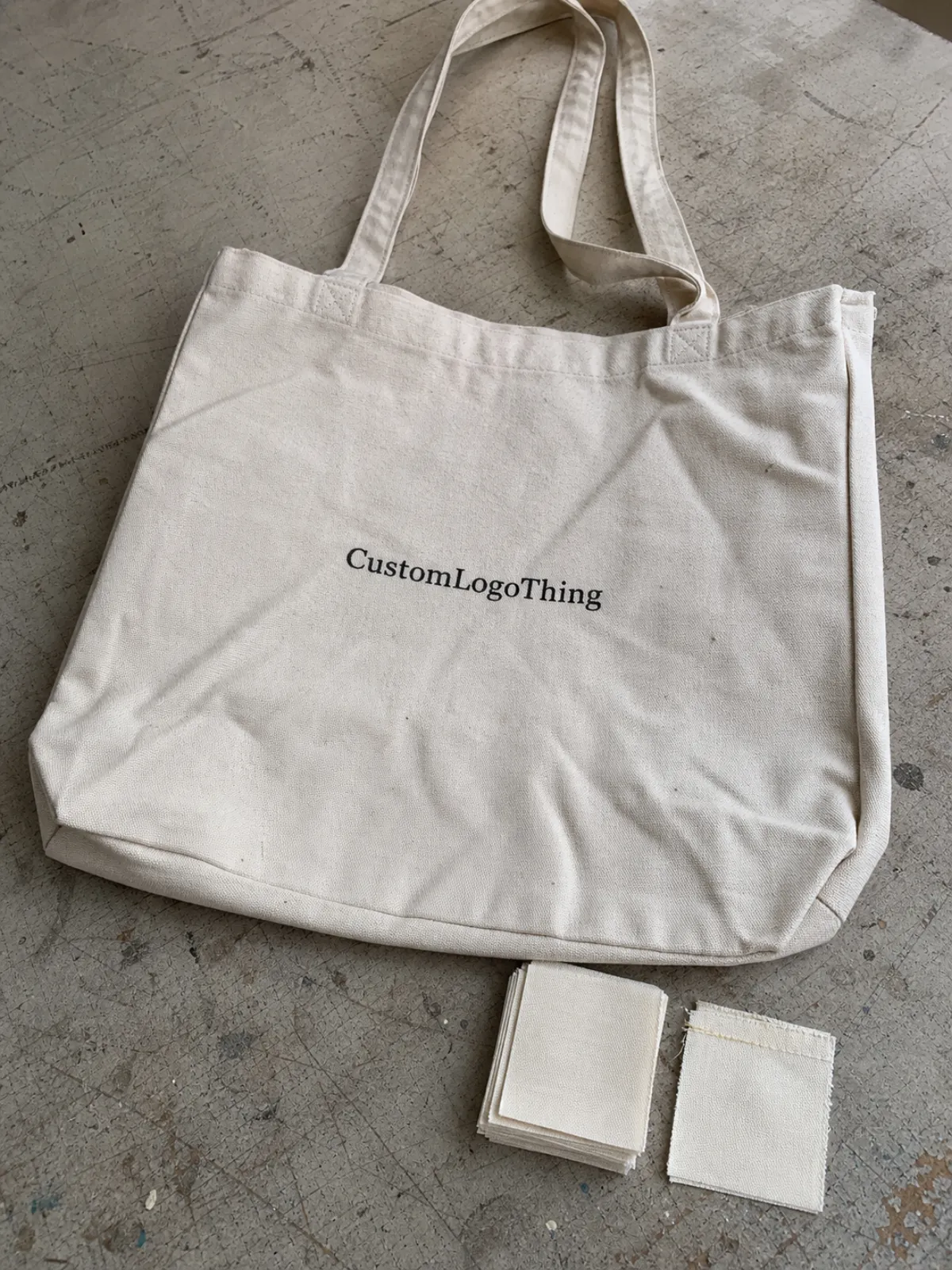
A lot of stationery brands treat hang tags as a last-minute embellishment. That approach usually backfires. On a notebook or journal, the tag often has to do the first explanatory job. It tells the customer why this item is worth more than the plain option sitting beside it. That might be FSC-certified paper, recycled board, fountain-pen-friendly stock, refill compatibility, or a premium binding detail. Those are not decorative claims. They are part of the buying logic.
From a packaging buyer’s point of view, hang tags bridge product and purchase. A gift set may need a collection name, price point, and short brand message at the same time. A pen loop or journal may need barcode space plus care instructions. A retail-ready tag is a functional piece of packaging, not just a brand ornament. Quotes that ignore that usually underprice the job and then run into revisions later.
Common mistake: buying a tag as an afterthought, then asking the supplier to make it premium, fit a barcode, match a launch deadline, and stay inside a tiny budget. That sequence usually ends with redesigns and extra charges. Not because suppliers are being difficult, but because production realities have already been ignored.
Stationery is especially sensitive to presentation because many products are small, repeatable, and visually similar at first glance. A tag has to do some work. It should support shelf display, gifting, and DTC unboxing without overpowering the product. When it is done well, the tag feels like part of the line. When it is done badly, it looks like an afterthought attached to a carefully designed item.
There is also a practical reason to take tags seriously: stationery buyers often manage multiple SKUs across one collection. A consistent tag system can simplify variant identification, especially for notebooks, refills, seasonal sets, and bundled products. That reduces confusion at packing, retail receiving, and warehouse picking. A small print component can save a surprising amount of operational noise.
Hang tag formats and finishes that fit stationery products
Stationery is broad, so the tag format should match the item. A slim pen set does not need the same structure as a hardcover journal. A premium gift box should not carry the same tag as a low-cost notepad. That sounds obvious, but buyers still send one spec across an entire product line and wonder why the quote looks inconsistent.
Common formats that make sense
- Rectangle tags — the safest option for most notebook and planner lines.
- Square tags — clean, modern, and easy to align with minimalist branding.
- Rounded-corner tags — softer in tone, useful for lifestyle stationery.
- Die-cut shapes — distinctive, but they raise tooling cost and usually take longer.
- Folded or multi-panel tags — useful when you need product details, care notes, and barcode space.
On finishes, the most common choices are matte, gloss, soft-touch, foil stamping, spot UV, embossing, debossing, and edge painting. Matte is usually the safest for readability. Gloss gives brighter color and more visual punch. Soft-touch creates a premium tactile feel, though it can show marks more easily during packing. Foil and spot UV can help a premium collection stand out, but they should be used with restraint. Too many effects in one tag usually make it look busy, not upscale.
Different stationery items call for different build decisions:
- Notebooks and journals: heavier stock, often 300gsm to 400gsm, with a refined print finish.
- Planners: more room for product details, date range, and refill compatibility.
- Pen sets: smaller tags, usually with simple structure and enough space for SKU and barcode.
- Gift sets: more room for story, value messaging, and collection naming.
- Subscription boxes: tags should coordinate with inserts and seasonal themes without becoming visually noisy.
If the product is delicate, keep the tag lightweight. Smaller formats, rounded edges, and thin strings reduce the risk of scratching or excess bulk. For premium collections, use sturdier stock and cleaner edge finishing. That matters even more if the tag will be handled frequently in retail display or attached to shrink-wrapped bundles.
Practical details affect usability: leave a clean hole area, a barcode zone, and enough breathing room around the logo. Tiny legal copy should not compete with the brand name. In stationery, legibility tends to outperform “creative” layouts that look clever but read poorly under store lighting.
Specs that affect your hang tag quote
Most quote problems begin with vague specs. If you want a useful Hang Tags Supplier Quote for stationery brands, give the supplier enough detail to price the actual job rather than guess at it. The core inputs are straightforward:
- Size
- Material
- Thickness or gsm
- Print sides
- Finish
- Hole style
- String or fastener type
- Packing method
Material choice drives both price and perception. Coated paper gives sharper print and a cleaner finish. Uncoated text paper feels softer and more natural. Kraft signals eco or handmade positioning, although it changes how colors read on press. Recycled board works well for sustainability messaging. Textured specialty stocks can help premium collections stand apart. For stationery, 300gsm to 400gsm is common because it feels substantial without becoming too bulky. If the tag is oversized, thicker stock may be needed to stop curling.
Here is the tradeoff buyers often underestimate: the more premium effects you add, the more setup time and production risk you introduce. Foil, embossing, spot UV, custom die cuts, and edge painting each add a process step. That usually means higher unit cost, more proofing, and more chances for delays if the artwork is not prepared correctly. A simple matte tag with good color control can look more expensive than a crowded tag with too many finishes competing for attention.
Use this checklist before sending artwork:
- Confirm final tag size in millimeters.
- Choose stock and thickness.
- Decide whether one side or both sides print.
- Specify finish clearly: matte, gloss, soft-touch, foil, spot UV, and so on.
- Mark hole position and diameter.
- State whether string, ribbon, or a plastic fastener is needed.
- Provide barcode and SKU placement.
- Set the delivery deadline and destination.
That list may look basic. It is. Basic prevents quote revisions and production delays. Supply chains already have enough friction without making the supplier interpret “premium but not too premium” as a technical brief.
Cost, MOQ, and unit quote factors buyers should compare
Price changes mainly because of quantity, size, stock, print complexity, finishing, and whether the tag needs custom cutting or assembly. That is the core. If you request a Hang Tags Supplier Quote for stationery brands without quantity tiers, you are missing the main driver of efficiency and setup cost.
For simple stationery hang tags, smaller runs are sometimes available at lower MOQs than fancy jobs. Specialty finishes, unusual shapes, and multi-panel builds usually push the MOQ up because setup takes longer and waste increases. As a general planning range, simple tags may be workable at 500 to 1,000 pieces depending on the supplier, while premium die-cut or foil jobs often make more sense at 2,000 to 5,000 pieces. Some suppliers go lower, but unit cost usually reflects that concession.
Unit pricing generally improves as quantity rises. That said, premium effects can keep the unit cost higher even at larger runs. A 5,000-piece matte tag can price very differently from a 5,000-piece embossed foil tag. There is no shortcut around complexity. More steps mean more labor, more setup, and more quality-control checks.
| Option | Typical MOQ | Approx. unit cost range | Best for |
|---|---|---|---|
| Simple matte or gloss tag, standard shape | 500-1,000 pcs | $0.10-$0.22 | Core notebook, pen, and planner ranges |
| Mid-range tag with soft-touch or foil accent | 1,000-3,000 pcs | $0.18-$0.35 | Gift sets, premium stationery, limited collections |
| Specialty die-cut with embossing, spot UV, or edge painting | 2,000-5,000 pcs | $0.28-$0.60+ | High-end launches, seasonal drops, flagship retail |
Ask about the charges that do not always appear in a short quote summary: plates, dies, setup fees, proofing, shipping, and export packing. Those items can turn a reasonable quote into a bad one quickly. It is also worth requesting two or three quote tiers: basic, mid-range, and premium. That makes cost comparisons easier and helps you see whether a finish upgrade is actually worth it.
A useful habit is to compare total landed cost, not just the unit price. A slightly higher quote with better packing, better proof control, and fewer rework risks can be cheaper in practice than the lowest bid. That is especially true when the product launch window is tight and reprints are expensive.
For packaging standards and sustainability references, the Institute of Packaging Professionals is useful. If your line includes recycled or certified paper, check FSC for chain-of-custody basics. If you are making environmental claims, verify them before they go to print.
Production steps and timeline from quote to delivery
A reliable production path is usually straightforward: inquiry, spec confirmation, artwork review, sample or proof, production, finishing, packing, then shipment. Most delays happen because buyers skip one of those steps or change artwork after approval. A supplier can only work from the information in front of them. Missing dielines, unclear colors, and shifting copy create avoidable downtime.
Standard hang tags often move faster than specialty builds. For simple tags, a realistic timeline is often 10 to 15 business days after artwork approval and deposit, depending on workload. Specialty finishes, custom shapes, or multi-step jobs can stretch to 15 to 25 business days or more. If a supplier promises unusually fast turnaround on a complex order, ask which step is being compressed. Usually it is proofing. Sometimes it is packing. Occasionally it is the quality review, which is not a good place to save time.
Rush orders can work, but only when the design is simple and the production schedule has room. A clean square tag with standard printing is one thing. A folded tag with foil, embossing, and custom attachment is another. That kind of job is rarely “rush friendly” unless the supplier already has the required setup available.
Plan backward from the real deadline. If you have a trade show, retail ship window, or seasonal launch, add buffer for proof review and freight. A small artwork delay can eat several days. International shipping can add another week or two depending on the route. If your launch date is fixed, build in breathing room now rather than choosing later between late delivery and weaker specs.
For buyers concerned about shipping quality, especially export cartons and handling protection, ISTA testing standards are worth understanding. The ISTA site is a useful starting point if your packed tags or cartons need transport validation. A hang tag is small, but damage during packing still causes waste and rework. Packaging problems are often visible only after they have multiplied.
What a reliable stationery packaging supplier should show you
A good supplier does more than send a price. They show evidence. That means clear spec sheets, sample photos, consistent finish quality, and communication that answers the actual question you asked. If every reply is vague, the quote is probably vague too. That is not mystery. That is risk.
Look for suppliers who can control color and cutting consistently, whether through in-house print management or tightly monitored production partners. Stationery collections often have multiple SKUs, and brand consistency matters. A notebook tag, a refill tag, and a gift set tag should feel like one family rather than three unrelated experiments.
Practical service markers matter more than polished sales language:
- Quote responses that clearly list specs and exclusions
- Artwork revision handling that is tracked, not casual
- Realistic lead times with stated assumptions
- Shipping documents that are complete and readable
- Willingness to propose alternatives when a finish is too costly
Quality control should also be visible in the way the supplier talks about tolerances. A competent packaging partner can explain how they check trim accuracy, registration, color consistency, hole placement, and finish alignment. Even a simple tag can fail if the hole punches off-center or the barcode contrast is too weak for scanning. Those are small errors, but they create disproportionate annoyance in packing and retail handling.
Reliability means fewer surprises, not more promises. If you want a supplier who understands stationery packaging, start with a clear brief and expect clear answers back. That is how you avoid reprints, missed deadlines, and the familiar “we thought you meant something else” email thread that costs time on both sides.
What to prepare before requesting a hang tag supplier quote for stationery brands
Before you request a Hang Tags Supplier Quote for stationery brands, send the full spec pack. At minimum, include size, quantity, stock preference, finish preference, artwork files, attachment method, and delivery deadline. If you want a usable quote, give the supplier enough information to price it correctly the first time.
Product photos or mockups help more than many buyers expect. A tag for a minimalist journal is not the same as a tag for a colorful student planner or a premium leather notebook. Visual context helps the supplier recommend the right finish and structure. Without that context, you may receive a technically correct quote that is aesthetically wrong for the collection.
Ask for two or three quote options so you can compare cost, finish, and lead time. One option should be simple and cost-controlled. One should sit in the middle. One can show premium upgrades. That gives you a cleaner decision than endless revisions on a single moving target.
- Approve the dieline before artwork goes to print.
- Confirm colors, especially brand reds, blacks, and metallics.
- Check spelling, product names, and legal copy.
- Verify barcode and SKU placement.
- Lock the shipping address and delivery window.
It also helps to ask whether the supplier wants editable files, outlined fonts, or packaged artwork. Many production delays start with a file that looks fine on a designer’s computer but is incomplete for press use. A clean handoff is not glamorous, but it prevents last-minute cleanup charges and keeps the schedule under control.
If you want to move quickly, do not send half the information and hope for the best. If you want a sharper quote, send the right details once, then compare unit cost, MOQ, and turnaround. That is the practical route. Not flashy. Just effective.
If you need help narrowing down materials or formats, Contact Us and ask for a stationery-focused quote review before you commit.
FAQ
What should I include in a hang tags supplier quote for stationery brands?
Include size, quantity, stock, finish, print sides, hole style, string or fastener type, artwork files, and delivery deadline. The more complete the specs, the fewer quote revisions and the faster the response.
What is a typical MOQ for custom stationery hang tags?
MOQ varies by stock and finish, but simple tags often start lower than specialty jobs with foil, embossing, or custom cutting. Ask for multiple quantity tiers so you can see where unit cost becomes efficient.
How does finish choice affect hang tag pricing?
Basic matte or gloss is usually the most cost-friendly. Foil, spot UV, embossing, special die-cuts, and heavier stocks increase setup and production cost.
How long does production usually take after approval?
Standard hang tags are generally faster than specialty builds. Lead time depends on artwork approval speed, finishing complexity, and current factory workload.
Can I get a better quote by simplifying the design?
Yes. Fewer special finishes, simpler shapes, and standard stocks usually reduce cost and speed up production. If you want premium impact, keep one or two high-value effects and remove the rest.
For stationery brands, the smartest move is straightforward: request a Hang Tags Supplier Quote for stationery brands with complete specs, compare the real tradeoffs, and choose the tag that matches the product tier instead of chasing the lowest number on paper. That is how packaging helps sell the product instead of quietly undermining it.


