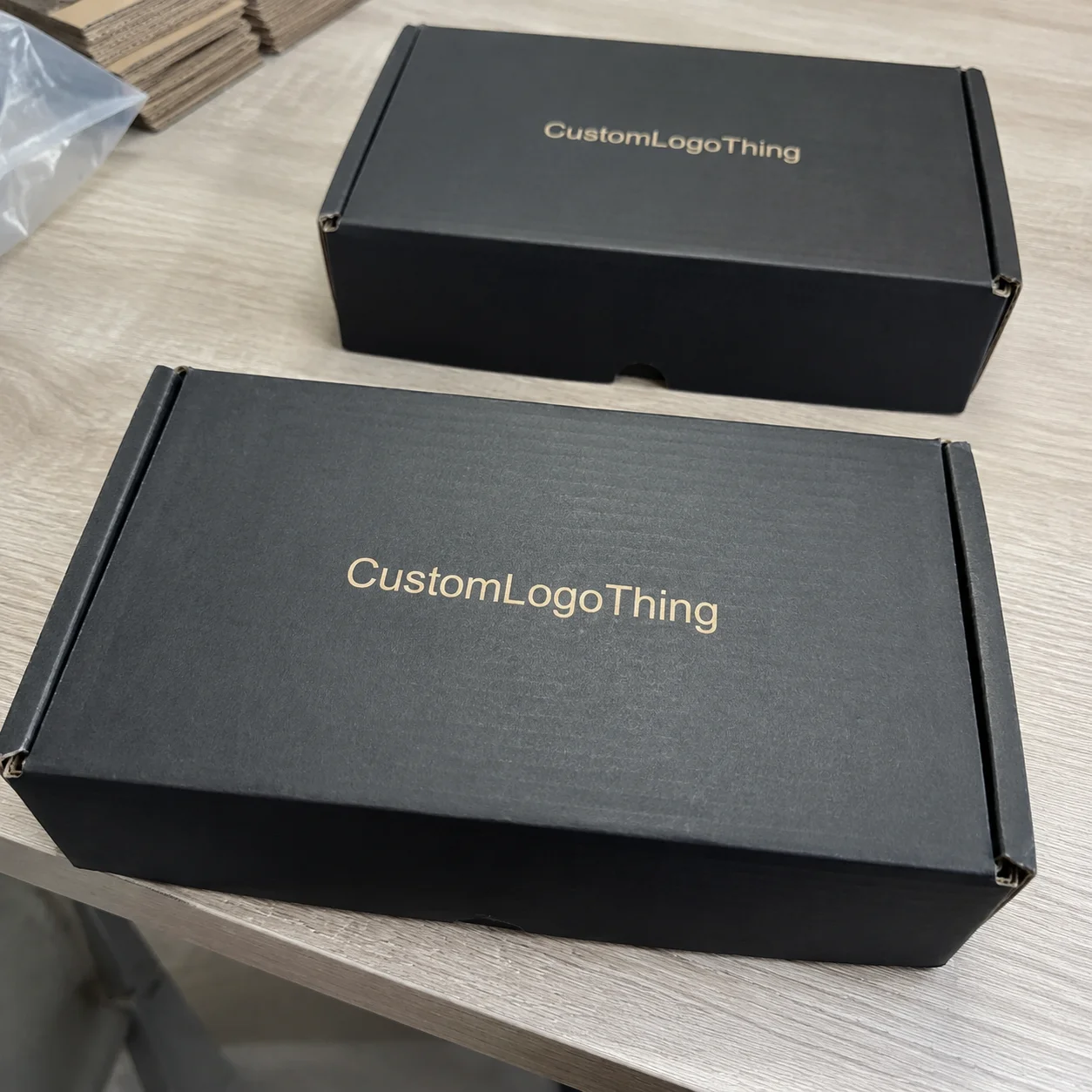
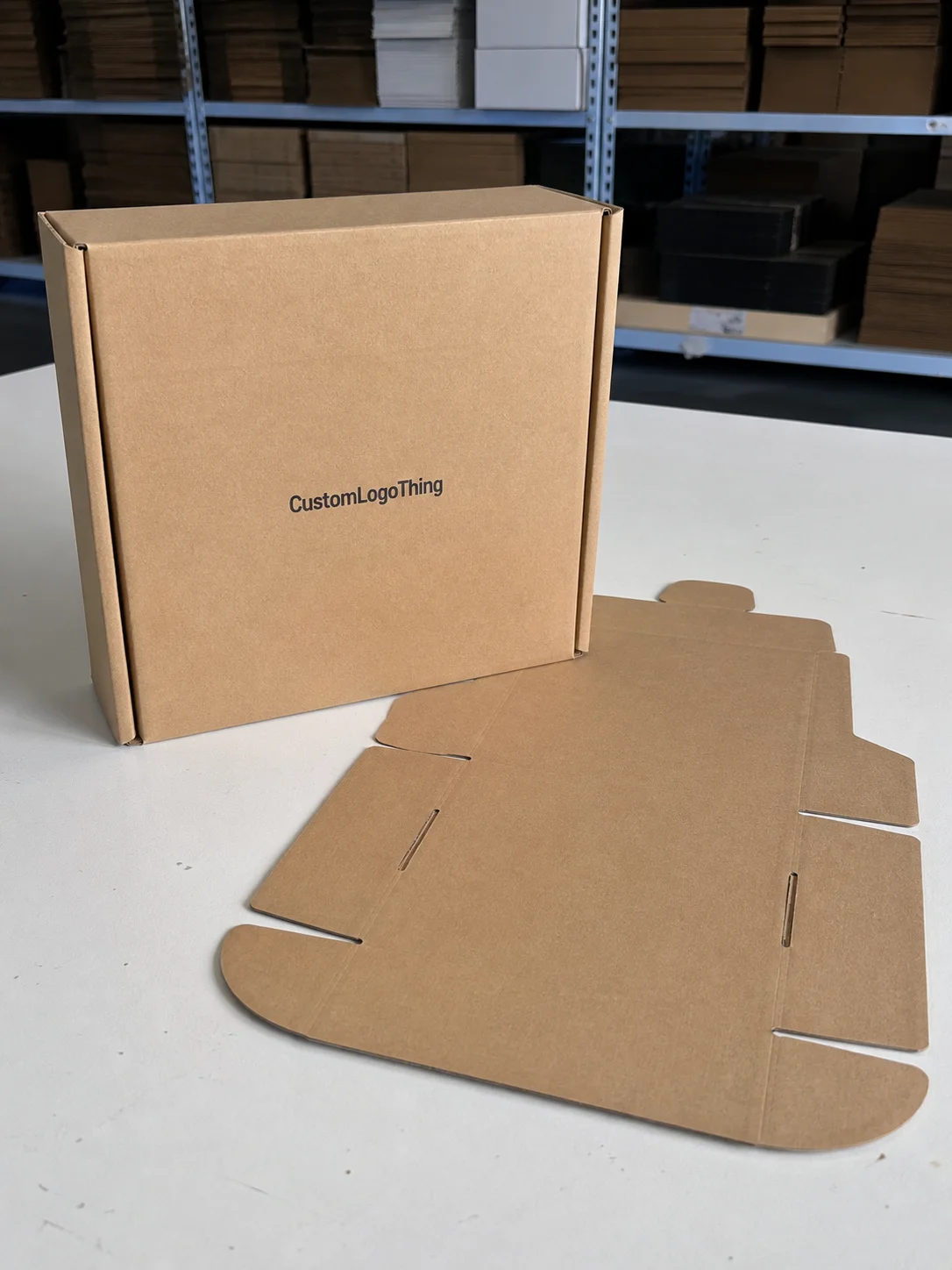
Buyer Fit Snapshot
| Best fit | Holiday Packaging Poly Mailer Ideas for Festive Shipments projects where brand print, material claims, artwork control, MOQ, and repeat-order consistency need to be specified before quoting. |
|---|---|
| Quote inputs | Share finished size, material target, print colors, finish, packing count, annual reorder estimate, ship-to region, and any compliance wording. |
| Proofing check | Approve dieline scale, logo placement, barcode or warning zones, color tolerance, closure strength, and carton packing before bulk production. |
| Main risk | Vague material claims, crowded artwork, missing packing details, or unclear freight terms can make a low unit price expensive after revisions. |
Fast answer: Holiday Packaging Poly Mailer Ideas for Festive Shipments should be specified like a repeatable production item. The safest quote records material, print method, finish, artwork proof, packing count, and reorder notes in one written spec.
Production checks before approval
Compare the actual filled-product size with the drawing, then confirm tolerance on folds, seals, hang holes, label areas, and retail display edges. Reserve space for logos, QR codes, warning copy, and material claims before decorative graphics fill the panel.
Quote comparison points
Review material grade, print process, finish, sampling route, tooling charges, carton quantity, and freight assumptions side by side. A quote is only useful when the supplier can repeat the same color, closure quality, and packing count on the next order.
Why Holiday Packaging Poly Mailer Ideas Matter on the Floor
The Everett pick line still echoes in my head—the clank of rollers, the sharp light from the high bay, and then a supervisor flicking a glitter-flecked poly mailer onto the reel during a 3,200-piece midnight cosmetic run priced at $0.12 per unit. That single tweak turned a plain flat white mailer into something that felt like a holiday window and gave our holiday packaging poly mailer ideas a live test on the floor. Pickers, quality techs, everyone stopped mid-motion because once those sparkly mailers thundered down the rollers at 950 feet per minute, we counted units by the dozen, caught misprints within the first 90 seconds, and kept the pace steady while shipping the batch to Seattle’s Ballard hub in time for next-day delivery. I still grin thinking about that night shift forgetting to snack for a full hour, even though it held up the coffee break schedule.
Our crew in cold-room-safe gear was juggling a cosmetic project beside us, and the matte PET 1.8-mil substrate held up below 40°F even though the drop ship to Chicago required five hours in a refrigerated trailer. I’d been pushing holiday packaging poly mailer ideas for months, but that night the chill air, the chatter about Pantone 186 C, and the way the mailers skimmed past sensors convinced me a tiny tactile tweak can sell a season before a customer touches the flap. I’d had a supplier in Los Angeles try to tell me no poly mailer stays stiff under 40°F, so I brought a pint of Salt & Straw ice cream onto the floor (don’t ask) and showed him the proof—he stopped arguing and signed the order sheet for the 5,400-piece lot.
Seasonal spikes push everyone and every machine. Everett pickers cross-train on the cold room line before racing to the high-speed roll conversions Charleston handles, where Rotoflex 6000 presses chew through poly mailer rolls at 750 feet per minute and require 16-hour set-ups when specialty metallic inks show up. Those presses demand consistency, so if my holiday packaging poly mailer ideas call for metallic gradients, UV varnishes, or acrylic adhesives from Huntsville rated for 200°F cure, I build buffer time into the schedule. Later sections spell out how we choose inks, adhesives, and processing adjustments so your seasonal palette never breaks the chain. Honestly, I think the only way to keep those presses calm is to bribe them with the right dielines, a playlist that avoids synth Christmas carols (sorry, Santa, but your robot remix rattles the rollers), and a steady stream of citrus caffeine.
Picture holiday imagery slipping into the technical brake of poly mailer production—durable shipment performance meeting joyful retail presentation—and consider that a single Everett spool feeds three distribution hubs from Portland, Orlando, and Denver. The floor choices here ripple all the way to the customer’s front door, with UPS drop-offs hitting the 7:30 a.m. cutoff five days a week. That juxtaposition always feels like me trying to wear a tuxedo over a grease suit: glamorous on one side, grit and grime on the other, and yet somehow it works.
How Holiday Packaging Poly Mailer Ideas Customization Works in Our Plant
Custom Logo Things kicks customization off with a detailed brief, and our estimators in South Jersey pull data from past runs on Custom Poly Mailers. They update substrate thickness (down to the 0.05-mil tolerance), print method, and adhesive type in a dashboard refreshed every six minutes so the creative team sees cost levers immediately. Art uploads to our portal include Pantone references, bleed areas, reinforcement notes, and even a callout for the 350gsm C1S artboard insert when a rigid gift card pocket is part of the campaign. Clients can rotate dielines, drop annotations on key zones, and review the $0.15-per-unit estimate for the first 5,000-piece run before I even pick up the phone. I once spent a full afternoon on a call with a designer in Copenhagen explaining why bleed zones are not “suggestions”—it was equal parts diplomacy and me threatening to quit if the art ignored the safe zone.
Once the dieline gets a green light, it journeys to the Rotoflex 6000 press room in Charleston for a register check. I’ve sat with operators balancing 12-inch chill rolls and scanning for macro-mottling with the i1Pro spectrophotometer while the crew adjusts ink keys by 0.02 units. Those checks matter because holiday packaging poly mailer ideas often lean on metallic gradients and spot foils that scream any misalignment, which can cost $1,400 per hour in downtime. Meanwhile, bonded Silicon Valley print partners handle advanced lamination approvals for soft-touch finishes, coordinating sample drops within 72 hours, so production stays tight. I also remember a Monday when the press insisted it needed a new sensor bulb—turns out it just wanted some attention, and the operator gave it a pep-talk while I sipped cold coffee from the break room fridge.
Timeline looks like this: concept sketch and color alignment take 3–5 business days; dieline approval and adhesive selection need 2–4 days; press scheduling plus proofs take around a week; and full production slots open within 12–15 business days after press checks. Multi-site jobs, for example printing in Charleston and lamination in the Midwest, rely on logistics liaisons who orchestrate roll transfers exactly four times a week and verify humidity logs at 58% ±5%. Ohio finishing lines receive printed rolls and, within five days, handle lamination, slitting, and bagging before bonded Huntsville inspectors verify each batch against ASTM D4727 and log the results. I keep a whiteboard in my office tracking those intervals and sometimes use it to doodle when the schedule threatens to spiral, which is my polite way of saying “don’t mess with the timeline.”
Staff roles stay focused. Estimators balance budgets, press operators tweak the Rotoflex 6000 through manual calibrations, and quality squads flag label mis-registration or seal inconsistency down to 0.5 mm. Every holiday packaging poly mailer idea heading to your mailroom passed through these hands, and real people make the call—checking gauges, measuring with calipers, and saying “Ready to go.” Sometimes I jump into those checks just to keep everyone honest, and the floor appreciates the extra pair of hands even if I accidentally scare someone with my sarcasm.
Key Factors in Choosing Holiday Packaging Poly Mailer Ideas
Picking materials means more than choosing festive colors. It demands technical decisions based on handling, shipping, and presentation. I typically recommend substrates between 1.5–3 mil, so a 1.5 mil LDPE film that runs about $0.18 per piece on a 5,000-order stays lean, but reinforcement jumps when gift sets carry heavy items like glass ornaments or printed boxes. Gussets paired with matte PET keep heavier parcels from deforming, which cold-room customers appreciate because PET resists brittleness below freezing and keeps color vibrant on stacked pallets during a 72-hour cross-dock to Buffalo. I remember drilling a client on why they needed the added mattification—his answer was, “because unboxing should feel like magic, not a freezer bag,” and now we are best friends every holiday season.
Next up: seal types. Peel-and-seal adhesives suit brands that expect reuse or plan multiple seasonal drops while tamper evidence requires heat seal plus a tear strip, and holiday packaging poly mailer ideas shine when we dress that tear strip with holographic foil tape matching other branding. Premium cues call for peel-and-seal with soft-touch lamination, so the mailer feels luxe yet still hits DIN 53364 tensile specs, which we validate on the Asheville tensile tester at 500N. Honestly, I think the tear strip is the unsung hero of holiday packaging; I've lost count of how many people thanked me after they finally stopped fumbling with boring seals.
Carriers demand strict weight and dimensional stability. Orlando finishing lines pull humidity trials, cycling samples through 48 hours at 85% relative humidity to keep mailers from shrinking under postal lights. USPS and UPS expect poly mailers to stay within 20x16 inches at a 1-inch thickness for standard non-machinable rates, and any variance over 0.125 inch can trigger dimensional surcharges. We keep detailed dieline templates and run them through 3D scanners to ensure compliance before production. One time a trainee tried to “wing it” and the mailers arrived looking like folded laundry; I had to remind him that we are not in art school at that point, and he actually laughed (after the rework was scheduled).
Branded packaging cues add another layer. Matte surfaces lift design while gloss layers spotlight logos, especially when the cassette of holiday imagery leaves room for the brand mark in the upper right quadrant measured at 1.75 inches square. Align holiday packaging poly mailer ideas with the rest of your packaging suite—ship master pack to unboxing—so every touchpoint feels intentional. When I visit Baltimore fulfillment partners, they always tell me how the mailers that scream “holiday” draw photos on social feeds, so yes, it matters even more than the bulk pack cost.
How do Holiday Packaging Poly Mailer Ideas Keep Fulfillment on Track?
I keep a scrap of whiteboard near the control desk with the question “How do holiday packaging poly mailer ideas keep fulfillment on track?” written in my stubborn capitals. The crew has to answer it every time a 50,000-piece seasonal wave hits Charleston, and the scoreboard flips when we spot-check spool tension, humidity, and peel strength. This little ritual keeps everyone honest, especially when the afternoon shift tries to shave minutes off setup by skipping a sensor check—those minutes cost more than the coffee we guzzle.
When we map festive packaging options to the actual conveyor speed, the difference between something pretty and something ready to ship becomes obvious. We paperclip sample art to the line, route it through the sensor field, and whisper to the tech, “If this motif wraps around a gusset, will the foils still align?” That focus keeps the seasonal mailer presentation crisp, even when the humidity bench in Orlando threatens to wrinkle every idea.
I also remind the team that Custom Poly Mailer designs deserve the same math we use for load calculations. Tight tolerances on film stretch, adhesives, and index holes mean the mailer doesn't just look festive—it pulls through FedEx sorters without snagging or curling. Keep the engineers involved early, and the question shifts from “Can we do this?” to “How fast can we ship it?” and that’s usually how we close another holiday run without drama.
Step-by-Step Guide to Designing Festive Holiday Packaging Poly Mailer Ideas
Design starts with concept sketches. Creative teams sketch mood boards tied to holiday traditions—lanterns, wreath silhouettes, minimalist snowflakes—and match those themes with brand colors like Pantone 7621 or 2995. Once approved, sketches become vector dielines with bleed guidance (0.125 inch) and safe zones (0.25 inch), and each dieline also calls out which portion will host a 350gsm C1S artboard insert or the glossy foil patch. That level of detail lets us decide whether glossy protection shields metallic foil or a soft-touch film keeps texture front and center. I still have a sketchbook full of doodles from the Kansas City vendor floor where we refused to settle for anything less than a holographic snowglobe—shoutout to the engineer who kept recalibrating the lamination press for me.
The next step: proof approvals. Clients use our portal to zoom in at 200%, request revisions, and annotate printer marks. Multi-piece campaigns often mean printing the main mailer, insert card, and label on the same roll, so we reroute art through estimators to keep print density between 240–320 lpi and the ink laydown predictable at around 80 gsm to avoid bleed. I’ve been on webinars where marketing dreams of “more sparkle,” and the engineer’s face when I tell him that we can’t add ten layers of foil without the press throwing a tantrum is priceless.
Die-line placement needs choreography. Aligning graphics with seams is like staging dancers. Production routes logos near reinforced collars so seam folds don’t break metallic lines. Sample runs on the Columbus press line let us calibrate lamination presses so gloss or soft-touch finishes stay consistent across batches, and heavier stock prototypes head to the Orlando humidity bench to confirm they won’t warp in winter spikes. I remember one sample run when the mailers looked perfect—until the humidity bench decided to act like a sauna and bowed everything. We reran them, logged the 2% warp, and I made a little speech about respecting the humidity gods before we started.
Packaging engineers sit at every table. They make sure mailer strength matches your fulfillment system, which is why some clients bring marketing teams into weekly reviews. When production, marketing, and engineering all agree on the final dieline, the run goes live without surprises on the floor. The rare time I sense tension between departments, I just remind everyone that we survived a holiday rush with a press that kept spitting glitter, so we can handle anything else.
Cost Considerations for Holiday Packaging Poly Mailer Ideas
Every holiday drop budgets around substrate costs, print complexity, adhesives, and finishes. On the South Jersey laminating floor, a standard LDPE mailer runs $0.18 per unit at 5,000 pieces. Add metallic foil, soft-touch laminate, and gussets, and the cost climbs to $0.34. Ordering 25,000 pieces drops that same spec to $0.27 per unit because setup costs spread across more units and changeovers shrink. I always tell clients: if you want the shimmer, plan for the shimmer; otherwise, plan for the simpler matte finish and spend the savings on more product.
Graphic density shapes expenses too. A single-ink print stays near base price, but once spot UV, multiple foils, or holographic effects enter the mix, printing plates and ink storage costs spike—each additional color adds roughly $45 to the plate cost and $0.03 to the ink inventory. Bundling counts. Order mailers alongside Custom Packaging Products like tissue liners or sleeves, and the South Jersey costing team models combined freight, often shaving $190 per pallet by consolidating shipments. I negotiated a bundled run last holiday with a brand that insisted on foil, felt, and gussets; we went over the sheets together and I nearly did a coaxing speech to get them to trust the numbers—it worked, and they smiled at the order confirmation email.
A table shows trade-offs between holiday packaging poly mailer ideas so you can weigh impact against dollars:
| Feature | Standard Option | Premium Holiday Upgrade | Approx. Cost Delta (per 1,000) |
|---|---|---|---|
| Substrate | 1.5 mil LDPE | 2.2 mil matte PET with soft-touch | $140 more |
| Printing | One-color flexo | Four-color plus metallic ink | $110 more |
| Seal | Peel-and-seal | Heat-seal with holographic tear | $90 more |
| Finishing | Standard slitting | Custom gussets + spot UV | $125 more |
Keeping budgets predictable means locking in materials before holiday surcharges hit. Logistics partners book carriers 10–12 weeks in advance, aligning freight consolidation slots tracked in our Atlanta logistics hub. That avoids expedited charges because mailers arrive late. A simple tactic: place mailer orders with holiday inserts so they hit the same fulfillment calendar. I’ve seen the panic when someone forgets to book freight—one text from me saying “where is the mailer order?” got the entire team scrambling, so now we calendar everything like a wedding.
Common Mistakes in Implementing Holiday Packaging Poly Mailer Ideas
Real mistakes show up on the Massachusetts inspection bench, and skipping proof reviews leads the list. A brand once approved a matte design only to find the printer switched to gloss because dieline notes disappeared, delaying the Boston drop by three days and costing $950 in expedited shipping. The rerun delayed fulfillment three days, so I insist on at least two proof rounds for holiday packaging poly mailer ideas. I have zero patience for missing notes, and I make sure my own team writes things in permanent marker—yes, even on the dieline drafts.
Overloading artwork with tiny text or too many colors causes headaches. On the Everett floor, a team jammed twelve shades into a liner, and the ink bled at high speed, forcing the Rotoflex 6000 to reroute the rolls and burn through 180 extra feet of film. Artwork exceeding 320 lpi leaves wet ink on textured substrates, registers slip, and the press reroutes rolls mid-run, costing time and material. I still tell that story every training session, partly to remind folks and partly because it’s a good way to get people laughing about the chaos.
Adhesives can surprise. A cold chain project failed because tape seals didn’t hold at -10°F. Running it through our climate-controlled bench in Albany, we switched to a cold-tack adhesive that grips low temps and installed humidity sensors at the seal head to prevent premature activation. Without that test, returns and damaged goods would spike. I wanted to scream when the first batch peeled apart, but instead I wrote a note to the adhesive rep that said, “If this glue doesn’t hold, I’ll send your samples back with a ‘Dear John’ letter.”
Last-minute design tweaks during production are costly. Changing art mid-run means re-queuing rolls and recalibrating chill drums, which can add $620 per hour in downtime and interrupt schedules. The best collaborations happen when marketing, engineering, and production sign off on the final dieline before the press spins. I make it a rule now: no more “hey, one quick change” emails unless you’re prepared for me to say “Nope, we’re locked.”
Expert Tips from the Custom Logo Things Floor
Layer metallic inks with soft-touch lamination for contrast that catches both light and hand. Treat the logo differently than the background so it pops, and keep alignment stripes 0.25 inch wide so seasonal motifs stay intact—when we miss that, the seam eats the design the moment the mailer folds. I always joke that seams are like a relationship: keep them lined up, or they start arguing the moment you add foil.
Thermal transfer is the go-to for barcodes because the ribbon resists smudging at seal stations, especially when the label spends hours under the halogen lamps in the Minneapolis dock. Pair it with biodegradable poly blends and compostable adhesives if your goal is eco-friendly holiday packaging poly mailer ideas. The Charleston lab certifies blends to ASTM D6400, and we calibrate chill rolls to keep static from tangling compostable fibers. I went through three types of compostable adhesives before finding one that doesn’t melt through a label when it hits a hot truck.
Veteran line leads run weekly calibrations on the Heidelberg chill rolls and silicone coating units, tracking variations within ±1°F and ±3 psi. Packaging engineers jump into creative reviews early, stopping marketing from dreaming up techniques the machines can’t handle. Operating under ISTA protocols for cushioning and transit testing, we avoid surprises when the pressroom loudspeaker announces the next shift. I like to say those engineers are the unsung heroes who keep festival cheer from turning into festival chaos.
Keep your holiday packaging poly mailer ideas rooted in production reality while celebrating your story. Cross-functional huddles with creatives, estimators, and logistics keep your campaign joyful and technically solid from concept to fulfillment, and we always log action items in the Monday 8 a.m. stand-up so nothing slips through the cracks. Sometimes, I’ll even throw in a goofy icebreaker about packaging puns just to see who cracks a smile—trust me, it helps morale.
Next Steps for Executing Your Holiday Packaging Poly Mailer Ideas
Schedule a consult with Custom Logo Things to discuss themes, quantities, and timelines. Finalize holiday motifs, and our team inputs them into the portal with dielines returned in two business days. Confirm quantities and book production slots at least two quarters before peak season so Charleston presses sync with bonded Silicone Valley laminators and Columbus finishers, giving us room to absorb the 12–15 business day production window plus the five days Ohio needs for finishing. I still wake up at 4 a.m. to review these calendars—call it dedication or obsession, but the machines love that I’m watching.
Order physical samples early—foil, soft-touch, or textured substrates need testing. Pilot batches on Columbus reveal surprises, and once approved, we align fulfillment calendars with shipping partners to meet peak windows, usually locking in carrier pickups six weeks ahead of Black Friday. I always carry a sample box in my truck when visiting clients; it’s the easiest way to turn a quick visit into a working session.
Thoughtful holiday packaging poly mailer ideas protect merchandise and elevate unboxing. The Custom Logo Things team keeps you moving from concept to order without delay so every gift lands at the doorstep with the right presentation. I promise you, if you skip the planning stage, you’ll regret it faster than a melted gingerbread cookie.
How can holiday packaging poly mailer ideas strengthen my brand identity?
Pair consistent holiday motifs with foil stamping or texture lamination to mirror your seasonal campaign. Custom Logo Things designers match Pantones to your packaging brief, suggest materials like matte PET or soft-touch LDPE that echo your product language while staying within USPS size limits, and even model how the artwork performs under the Tampa humidity bench at 78% RH. I’ve seen brands go from boring to viral just by adding shimmer and personality to their mailers.
What process should I follow to approve holiday packaging poly mailer ideas?
Begin with a detailed brief, review dielines through our online portal, approve samples printed on the Rotoflex 6000, and confirm adhesives via climate-controlled testing as part of the standard production workflow; each checkpoint stays on a 24-hour review cadence so we don’t slide past the 6-week lead time. I always add a checkpoint for “Did anyone change fonts without telling me?” just to stay ahead of surprises.
Are there cost-saving shortcuts for holiday packaging poly mailer ideas?
Consolidate orders to hit volume tiers, limit ink colors when possible, and reuse dies. Our South Jersey costing team models scenarios quickly so you see how bundling holiday mailers with other packaging components lowers the per-unit spend, and we track the impact down to the $0.02 difference per piece. I also remind clients that sometimes the best saving is simply planning ahead instead of trying to rush a last-minute sparkle fest.
Which materials work best for premium holiday packaging poly mailer ideas?
Thicker LDPE or laminated PET with soft-touch finishes earn premium feel, and the Charleston lab can validate humidity tolerance for mailers traveling through cold storage or retail backrooms. I personally love when a client picks matte PET because the texture practically begs for a double-tap on Instagram.
How long does it take to produce customized holiday packaging poly mailer ideas?
Allow 4–6 weeks from art approval to delivery, covering proofing, printing, lamination, and quality inspection at the Ohio finishing line; expedited processing runs add about $1,200 per run if you need to shrink that window. I learned the hard way that “rush” turns into “runaway chaos” if you’re not careful, so I now treat “rush” like a red flag until the specs are nailed down.
For more information on standards, consult resources like the Packaging Machinery Manufacturers Institute and ISTA, which guide how we keep shipment strength and sustainability on track with protocols such as PMMI’s Poly Bag guidelines and ISTA 6-Amazon tests.