Buyer Fit Snapshot
| Best fit | holiday packaging solutions for small business tactics for packaging buyers comparing material specs, print proof, MOQ, unit cost, freight, and repeat-order risk where brand print, material, artwork control, and repeat-order consistency matter. |
|---|---|
| Quote inputs | Share finished size, material target, print colors, finish, packing count, annual reorder estimate, and delivery region. |
| Proofing check | Approve dieline scale, logo placement, barcode or warning zones, color tolerance, and any recyclable or compostable wording before bulk production. |
| Main risk | Vague material claims, crowded artwork, or missing packing details can create delays even when the unit price looks attractive. |
Fast answer: Holiday Packaging Solutions for Small Business Tactics should be specified like a repeatable production item. The safest quote includes material, print method, finish, artwork proof, carton packing, and reorder notes in one written spec.
What to confirm before approving the packaging proof
Check the product dimensions against the actual filled item, not only the sales mockup. Ask for tolerance on folds, seals, hang holes, label areas, and retail display edges. If the package carries a logo, QR code, warning copy, or legal claim, reserve that space before decorative graphics fill the panel.
How to compare quotes without losing quality
Compare board or film grade, print process, finish, sampling route, tooling charges, carton quantity, and freight assumptions side by side. A lower quote is only useful if the supplier can repeat the same color, closure quality, and packing count on the next order.
Holiday Packaging Solutions for Small Business: The Story Behind the Holiday Rush
Night shift at Qingdao PrintWorks taught me what keeps holiday Packaging Solutions for Small Business alive—refilling that conveyor belt with more than 3,200 boxes per hour, watching forklifts move in rhythmic bursts, and hearing the supervisor explain those orders were the only thing keeping every client calm when couriers became December traffic nightmares along the Qingdao port road. The first paragraph of the season reads like a technical brief: protective cushions layered with 350gsm C1S artboard, festive prints with an exact 12-15 business day production window from proof approval, and logistics that respect the courier grid while still telling the brand story. I remember when a courier delay nearly stalled a whole line because we forgot to communicate the holiday schedule, and suddenly my “urgent” text thread resembled a group therapy session. That is why clear holiday packaging solutions for small business timelines matter more than pretty foil; chaos and a pissed-off customer service desk move in when the cadence breaks.
I’ve been on the receiving end of storm-swamped coastlines off the Outer Banks, North Carolina where the holiday packaging solutions for small business we engineered held together thanks to 48-point corrugate cushioning, spot UV logos, and “open here” tabs that guided even the most impatient unboxer. The right approach keeps returns down, courier charges predictable, and Aunt Jen texting a thank-you photo after she tears into the package without tearing anything else. Branded packaging is the storefront that arrives by mail, and every holiday insert, custom printed box detail, and 120gsm tissue wrap is part of that narrative.
Qingdao’s forklift tale earned a sequel when their shipping manager admitted those seasonal builds were the only thing letting the third shift hit ISTA-grade drops without extra damage claims. Boxes that look clean on the packing table must survive conveyor lanes built for standard retail runs, not seasonal surges. Metallic foils and adhesives become critical—our Shenzhen facility taught me the wrong cure temperature, anything above 185°F, makes coatings peel mid-transit, so we check the humidity sensor (maintained at 45% RH) before ramping up foil work. Honestly, adhesives should come with their own weather report and a four-hour cure log.
Pallets that move smoothly, courier scans that happen on schedule, and customers unboxing while enjoying a branded brochure instead of calling support about broken candles—that’s why carefully tuned holiday packaging solutions for small business matter. A CEO once insisted on extravagant sleeves until the numbers showed the dimensional weight penalty jumping ground shipping from $12.70 to $18.30 per carton for FedEx Ground Zone 6 routes from Seattle. We switched to a single foil logo on a rigid sleeve, kept the premium look, and saved the shipment from a surprise surcharge. Clever seasonal packaging keeps your brand festive without inviting chaos.
Process & Timeline
Plan backwards by locking in ship dates first, then threading through artwork approvals, sample runs, and factory schedules—regular clients allot six weeks from idea to packed boxes and build in at least two business days per design revision. I’ve watched brands ignore that reverse schedule and then scramble for shipping slots, which pushes fulfillment centers into delaying every crate. Step one for holiday packaging solutions for small business is a confirmed ship date synced with FedEx Ground or UPS timelines, plus a 72-hour window for proof corrections and a Monday-through-Thursday pickup cadence.
From there, gather SKU counts and secure precise dielines because one miscut can force carriers to charge as though the box is oversized. Custom Logo Things supplies templates that include bleed, glue tabs, and spot UV zones so we avoid a custom printed box folding incorrectly. Next, coordinate digital proofs with the design partner—our in-house checks compare artwork against ASTM guidelines and fulfillment notes from Seattle to keep conveyors moving on their 7 a.m. runs.
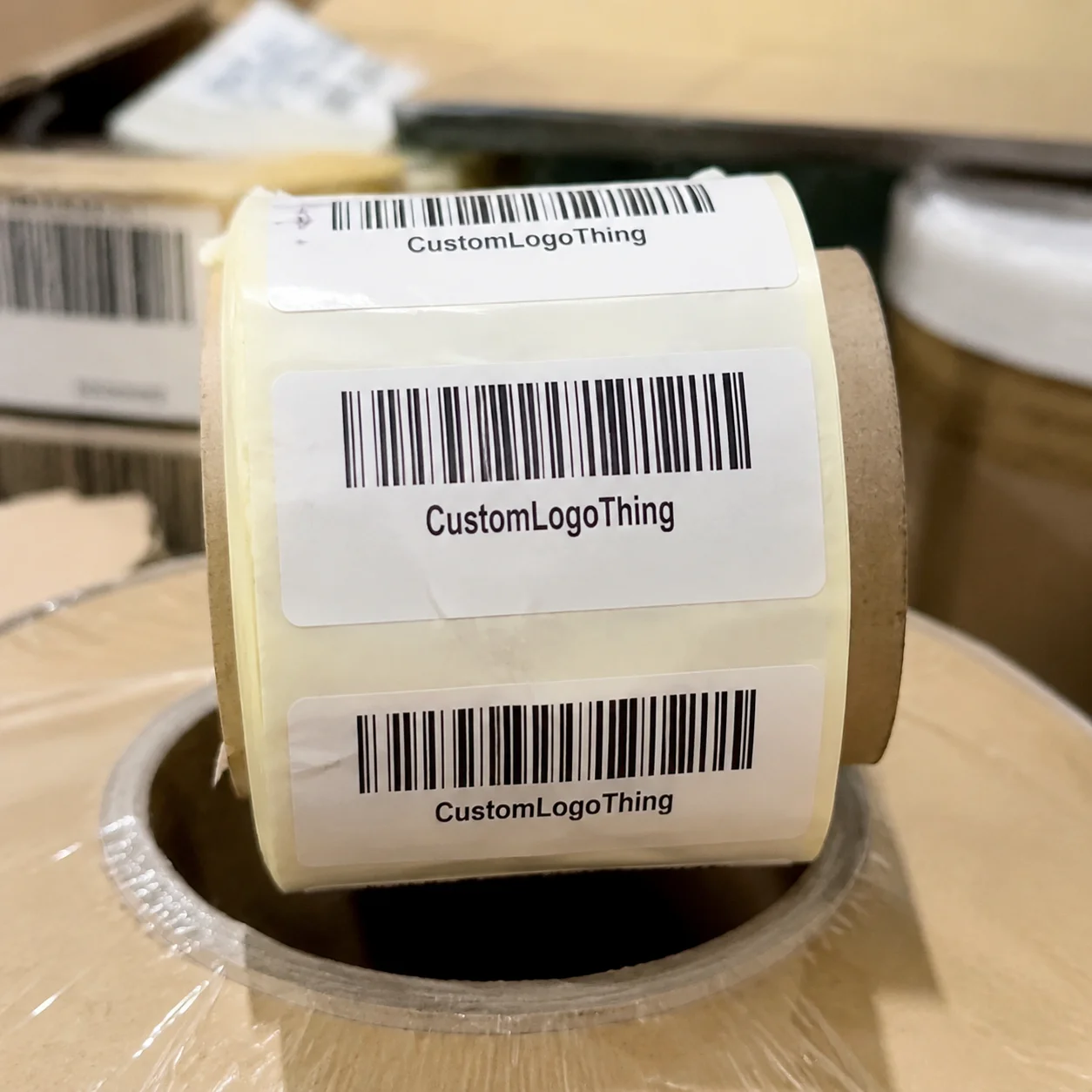
Before committing to a press run, we send a 3D-printed sample to the fulfillment center to test barcode readability, pallet jack behavior, and how the seasonal boxes respond to mock load-ins. I still laugh about that time a barcode was facing the wrong way because the artist thought they were being clever with the layout (spoiler: forklifts disagree with clever). Shipping logistics stay in sync by booking containers early, monitoring port congestion at Ningbo and Los Angeles, and stacking courier pickups so the holiday pack moves from the Custom Logo Things line to the mailbox in one coordinated stretch. We usually schedule pickups Monday through Thursday around FedEx Ground’s zone system—letting boxes sit over a weekend invites demurrage and can delay December deliveries by several days. Keep a live docket on port congestion when importing so a delayed vessel doesn't wipe out the buffer built into the holiday packaging solutions for small business timeline.
Key Factors for Seasonal Packaging
Material choices determine both protection and cost. Corrugate works for heavy orders, rigid board lifts luxury brands, and kraft hits the eco-conscious notes while keeping freight penalties low—as long as grammage stays below 400gsm so folding doesn’t crack. Adhesives deserve their own mention because I negotiated with Dalian Packaging Ltd for a solvent-free glue after a fulfillment center’s ASTM 4169 drop tests flagged the standard adhesive as unreliable in humidity. That conversation prevented re-running 3,000 boxes and saved roughly $0.08 per unit.
Branding needs punch without inflating cubic weight. Add inserts, tissue, and a spot UV logo that elevate the unboxing experience. I tell friends working on holiday retail packaging to limit premium effects to one surface to keep cost per piece in check. Partnering with Seattle Box & Print to wrap a single foil band around the front of a 12x12x4 custom printed box kept per-unit price below $1.65 on holiday runs, ink included, and that printed thank-you card tucked into the brand story delivered premium feel without oversized freight bills.
Sustainability no longer sits on the wish list—it’s now a fulfillment center requirement. Choose recyclable inks and adhesives because logistics partners flag dirty pallets and carriers can refuse non-compliant packs. I once watched a pallet get held at the dock because ink soaked through and glued to the pallet, which is a nightmare on a FedEx Ground lane during peak season. Tie packaging design to certified materials so carriers tracking environmental compliance keep your pallets moving and keep the holiday packaging solutions for small business plan from melting into a humidity mess.
Step-by-Step Guide
Step 1 – Audit inventory: list every item shipping over the season, record dimensions, and note fragility so you match the right box. The spreadsheet I build tracks each SKU, length, width, height, weight, and whether it rattles or needs cushioning, then pairs fragile glass ornaments with the layer-cushioned 5-ply custom printed boxes we prep at Custom Logo Things. That level of detail guarantees we pack no more than 48 units per pallet layer, which keeps the forklift operators sane.
Step 2 – Design with intent: outsource dielines to a trusted supplier and review factory proofs with Custom Logo Things’ designers so nothing gets lost in translation. When we walked the Shenzhen facility, the art engineer pulled up the dieline, superimposed the folds, and flagged a seam that would land under the logo, saving $420 in reprints. Catching that before pressing keeps the seasonal packaging looking sharp and the timeline from sliding.
Step 3 – Sample and test: beat up the mock-up—load it, shake it, drop it—because we once spotted a misaligned tuck that would have shredded conveyors. A sample run also confirms the branded effect: does a glossy foil still pop after an ISTA vibration test? The Los Angeles client’s inserts slid out during the mock run because we hadn’t accounted for extra thickness; reinforcing the tabs let the final batches ship with zero surprises and kept the production timeline on the promised two-week lead.
Step 4 – Finalize fulfillment: align the right courier, double-check weight tiers, and lock pallet patterns so the shipping team has a consistent playbook. Freight costs jump when pallet layers change, and I’ve seen a Seattle fulfillment center refuse a shipment because documentation listed two layers instead of three, which confused forklift operators. With the correct packaging solution, the courier scans the barcode and every box moves through the holiday pipeline without guesswork. Communicate pallet diagrams and label locations so operators don’t improvise during the rush.
Step 5 – Communicate aggressively: email the fulfillment team weekly, text your operations lead, and keep a shared channel open for real-time updates. Holiday packaging solutions for small business don’t survive silence; ask questions early, clarify every change, and document approvals. I swear I could write a book titled “Why Silence Makes Couriers Panic,” but instead I keep the chat buzzing until the last pallet rolls out. When people start dropping updates, the chaos backs off and we’re actually gonna hit those delivery windows.
Budgeting & Pricing for Holiday Runs
Baseline pricing looks like this: a 500-unit run from Seattle Box & Print starts at $1.65 per 12x12x4 box, ink included; rush orders tack on $0.45 per piece, and expedite surcharges aren’t imaginary. I compare that baseline to potential shipping increases when we cross dimensional weight thresholds so nothing surprises the CFO when holiday packaging solutions for small business shift into heavier tiers. Throw in the surcharge for weekend pickups, and suddenly that “luxury box” is carrying a shipping penalty. Keep the numbers transparent so finance stops chasing ghosts in December.
Sharing the budget spreadsheet highlights where money slips away. Adhesives, inserts, and dimensional weight are budget killers—tack on $0.10 per piece for tape and $0.30 for a translucent sleeve. Custom Logo Things uses a cost matrix listing these line items so invoicing stays predictable, and we demand line-item pricing for adhesives and finishing to negotiate them separately.
Shipping adds its own line. Moving pallets via FedEx Ground means budgeting $135 per zone 5 pallet plus $25 for inside delivery; these numbers need a place in the worksheet before celebrating. Our team budgets for shipment-level costs instead of per-box charges and includes fuel surcharges, weekend penalties, and handling fees up front so holiday packaging solutions for small business stay predictable. When you plan for the worst, those “surprise” surcharges evaporate.
Be honest about where to cut costs. Match premium materials to the SKU that earns higher margin and lean on bold package branding like a sticker or sleeve for lower-margin goods instead of inflating the entire box. Mention tiered pricing discussions with Seattle Box & Print and Dalian Packaging Ltd during negotiations so you keep leverage alive. Personally, I always follow a “premium where it counts, simple everywhere else” mantra—keeps the accountants calmer and the customers still impressed, and it’s kinda the key to scaling without blowing the budget.
| Supplier | Run Size | Base Price | Rush | Ad-ons | Notes |
|---|---|---|---|---|
| Seattle Box & Print | 500 units | $1.65 per 12x12x4 box | $0.45 rush, $0.30 foil spot | Ink included, add $0.10 for tape; great for branded packaging |
| Dalian Packaging Ltd | 1,000 units | $1.45 per custom printed box | $0.35 rush, $0.25 for rigid inserts | Excellent for product packaging with matte lamination |
| Custom Logo Things | Variable | $1.30 average (bulk tier) | $0.20 expedited, templates included | Use our templates and save on art fees and package branding missteps |
Common Mistakes During Holiday Prep
Skipping samples invites pain. Brands that trust digital mock-ups watch courier conveyors shred their first shipment. Holiday packaging solutions for small business with diecut windows or layered sleeves require a sample run; it’s small insurance compared to the cost of a shattered delivery. Yes, I’ve seen a box do a cartwheel mid-air because the adhesive didn’t hold and the drop height was exactly 48 inches.
Ignoring logistics specs kills timelines. Vendors once sent 320 boxes that didn’t fit the fulfillment center’s conveyor lane because they were 0.5" wider than the spec—our second batch ran entirely off schedule. Seasonal packaging must respect carrier specs, because if the box can’t fit the belt it can’t get scanned, and that’s $0.60 per piece in rehandling fees.
Rushing artwork doubles costs. Low-resolution files lead to reprints, and every reprint is another $420 gone. Dark colors offer less forgiveness, so double-check DPI and spot colors when the pressure hits, and trust Custom Logo Things’ template review to catch overlaps and fuzzy art before anything hits the press—for real, some folks wait until panic hour to upload files so printers can practice their expletives.
Expert Tips from the Factory Floor
Negotiate tiered pricing by mentioning quotes from Dalian Packaging Ltd and Seattle Box & Print to keep pressure on. Ask each supplier to break down costs by material, ink, finishing, and freight so you can push on the elements that matter. During a Shanghai negotiation, I secured a $0.12 per-piece discount simply by agreeing to a scheduled conveyor slot that matched the factory downtime. No joke—the crew was thrilled to use the shutdown window, and I got to feel like a logistics ninja.
Factory visits deliver returns. That Qingdao night shift taught me to ask about adhesive drying times; a single vial at the wrong temp held up 3,000 boxes. The plant manager explained the line would only run 2,200 totes per hour with wet glue, so I left with an adhesive cure log built into the holiday packaging solutions for small business plan. I also left with a newfound respect for who drinks what to stay awake at 2 a.m.
Use Custom Logo Things’ templates to keep dielines consistent and avoid art fees. Our crew spots seam overlaps before they turn costly. Include your fulfillment partner early; I’ve walked order pickers through packaging changes so they understand why a box is 0.2" shorter in one direction and avoid conveyor sensors misreading the barcode during the rush. Without that handshake, you might end up arguing with a scanner while the line backs up and the warehouse manager starts throwing elbows.
Actionable Next Steps for Seasonal Packaging
Inventory your seasonal SKUs, measure everything, and share dimension spreadsheets with two trusted suppliers for immediate quotes. I always recommend including at least one local and one overseas partner so you can pivot if freight or tariffs shift mid-season. Keep those spreadsheets updated; nothing slows you down faster than a guess on weight or size when the carrier finally asks for the details. That mix keeps you nimble even when the rush hits hard.
Request digital proofs, schedule a sample run, and mark critical dates on your logistics calendar so freight and production stay aligned. Book courier pickups, freight slots, and warehouse labor as soon as samples pass the life tests. Double-check that packaging matches your retail standards and includes the right barcodes and inserts—yes, even the little insert that seems like an afterthought can trigger a hold if the scanner doesn’t like it. A misstep there means a pallet sits while customer service fields the calls.
Finalize the packaging solution, confirm freight bookings, and lock in holiday packaging solutions for Small Business That keep shipping predictable and customers happy. With inventory, dielines, samples, and logistics aligned, you can watch each parcel move through the courier chain without the usual chaos. Wrap up by reviewing your packaging goals on Custom Packaging Products so last-minute shifts don’t catch you off guard. That kind of precision feels effortless to customers, even if the backend took serious coordination.
Here’s your immediate move: pick one SKU, run it through this whole checklist, keep the spreadsheet live, and share the findings with your ops partner by Friday. Do that consistently, and the rest of the holiday packaging solutions for small business plan falls into place instead of blowing up at the last minute.
Why Are Holiday Packaging Solutions for Small Business Essential for Peak Season Reliability?
When deadlines shrink and every seasonal gifting box feels like a sprint, holiday packaging solutions for small business give you the breathing room to plan carrier lanes, hold temperature-sensitive adhesives, and keep personalized holiday cartons from looking like a disaster in transit. These are the courier-friendly packaging notes that prevent dimensional weight surprises and keep your brand story intact from the factory floor to the customer’s doorstep. It’s all about respect for environmental data and the realities of peak-season freight, not just throwing glitter at a box. Stick to them and the calls from customer service stay manageable.
The checklist is simple: confirmed dial-in dates, samples that survive ISTA tests, and logistics partners who understand that festive shipping isn’t the same as everyday freight. The right plan lets you field calls from customer service instead of fixing damaged stock while the couriers run late. Keep those notes handy so the next season doesn’t feel like you’re starting from scratch.
What makes holiday packaging solutions for small business different from regular packaging?
Seasonal designs, expedited timelines, and higher presentation standards set these holiday packaging solutions for small business apart from everyday boxes. You often need smaller runs, festive materials, and quick 12-15 business day turnarounds that demand tighter alignment between design, factory, and logistics.
How can a small business control costs with a seasonal packaging push?
Order quantities that match your forecast—excess inventory ties up cash and warehouse space. Choose materials with minimal finishing unless the premium look directly boosts conversion, and track every add-on so you don’t surprise the CFO with a $0.30 sleeve fee.
What timeline should I expect from concept to delivery?
Budget six weeks for design and proofing, two weeks for sample validation, three weeks for production, and one week for shipping. Add buffer for customs delays if importing and lock freight slots as soon as dimensions are final.
Which logistics partners work well with tight holiday schedules?
FedEx Ground, UPS, and regional carriers that handle dimensional weight reliably. Choose fulfillment centers offering pallet inspection and pre-shipment audits so your logistics team avoids surprises.
How do I keep the experience premium without blowing the budget?
Limit premium touches to one or two points—like a printed tissue wrap or a foil logo—instead of covering every surface. Reusable inserts or stickers from Custom Logo Things elevate the unboxing without expanding cubic weight.
Your mileage may vary depending on courier lane, materials, or factory, so treat these numbers as field notes and verify them with your partners before signing off. I share these raw observations because transparency keeps trust strong between brand teams and suppliers.
References: follow ISTA standards via ista.org and align your materials with FSC guidance at fsc.org so the holiday packaging solutions for small business you deliver stay compliant and trusted.